

Fast Delivery
Quick, reliable shipping to any location.

Free & easy returns
Return this item by mail or in store within 90 days for a full refund.
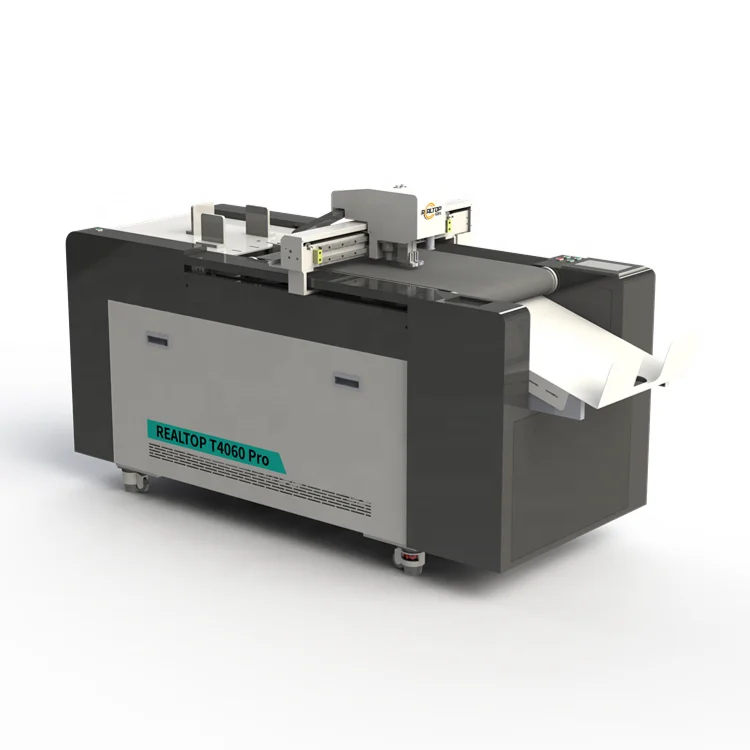
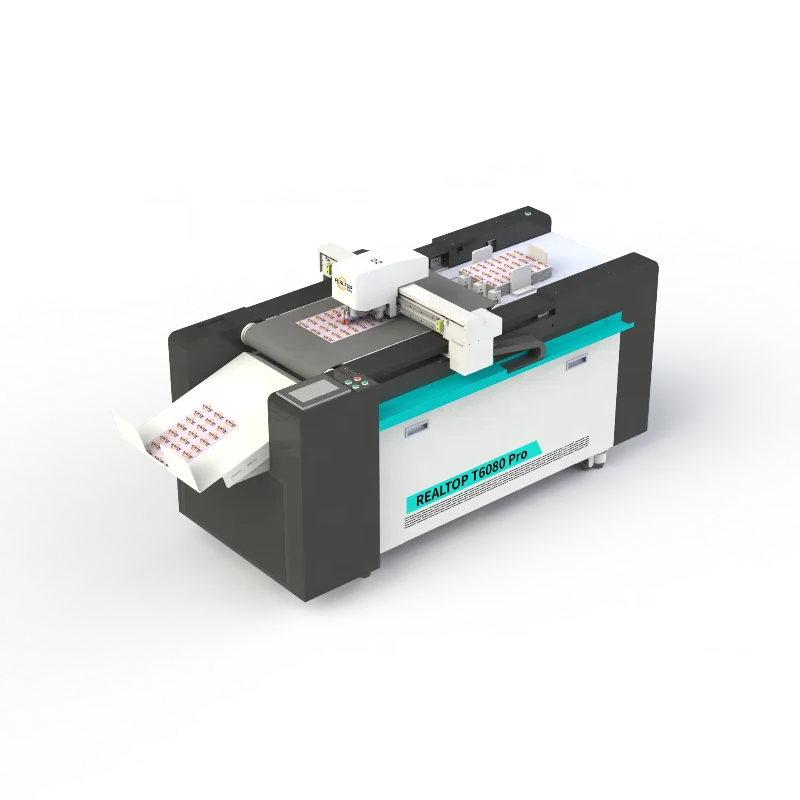
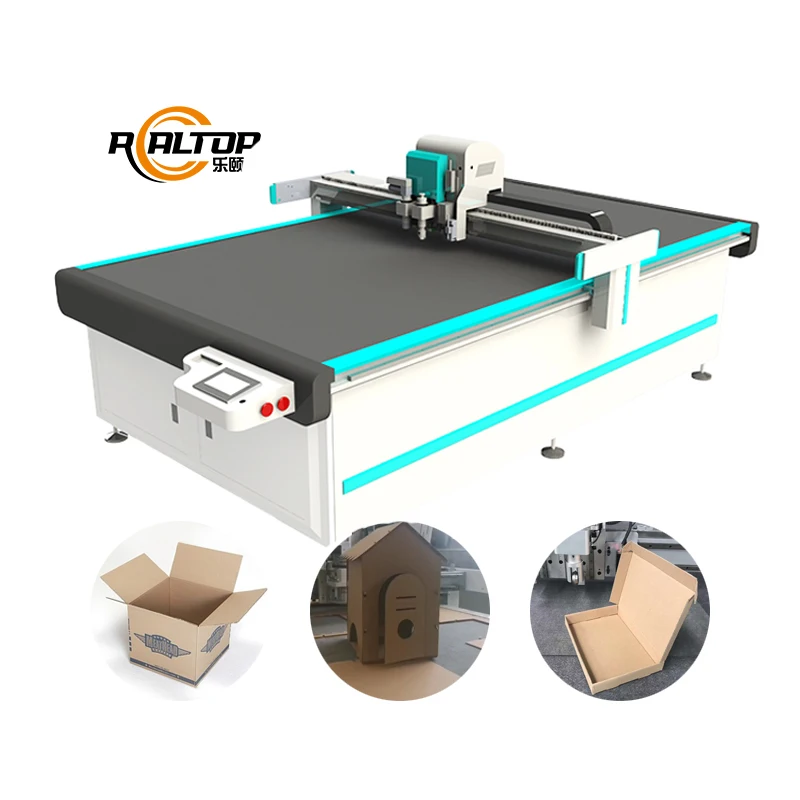
Complete Range Coverage — matching knife cutting tables to cardboard flute profiles, board density and daily sample volume rather than quoting a single working area.
Technical Specifications
| Parameter | Value |
|---|---|
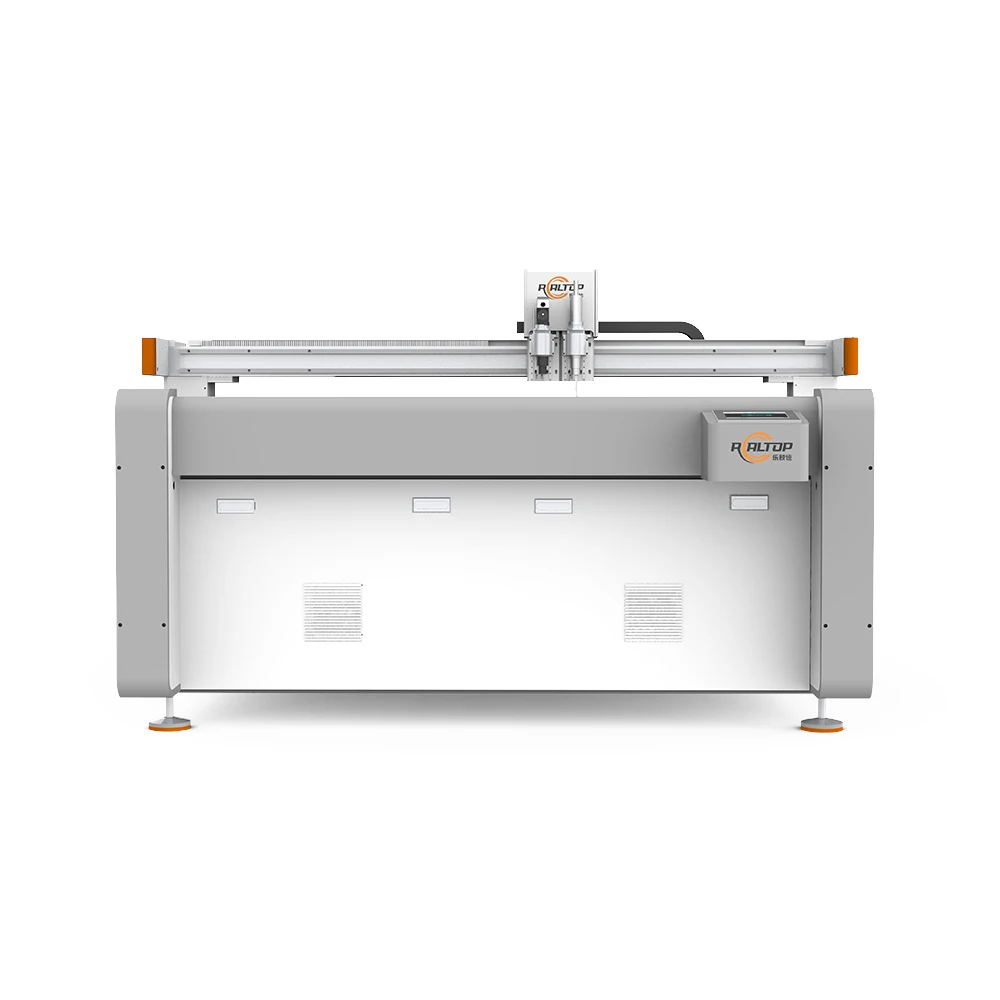
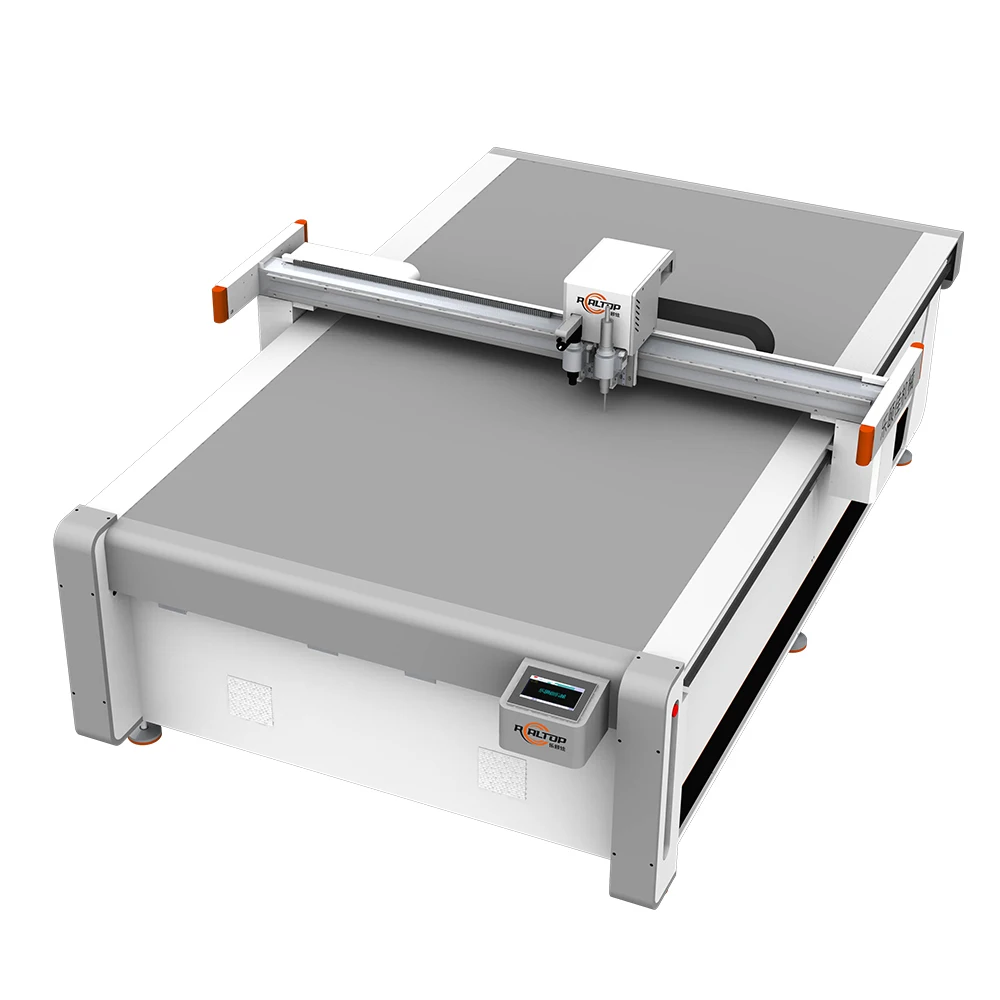
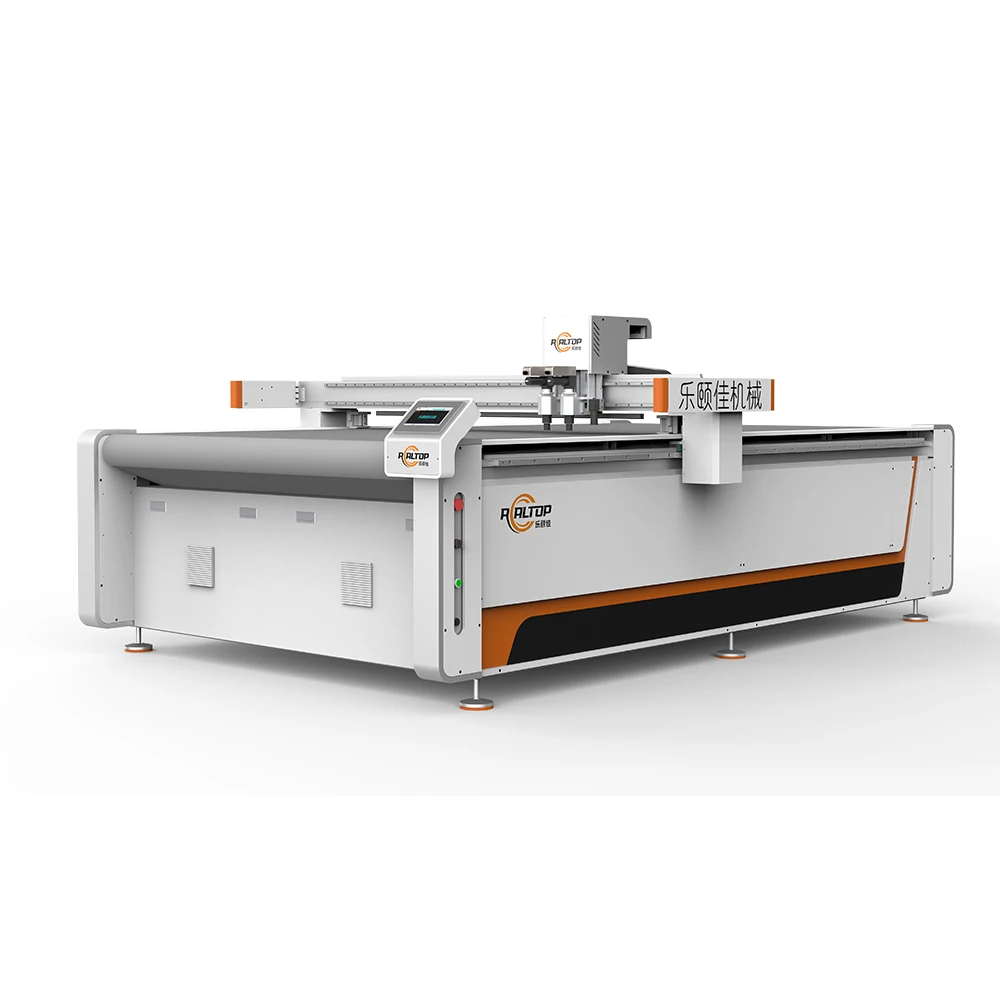
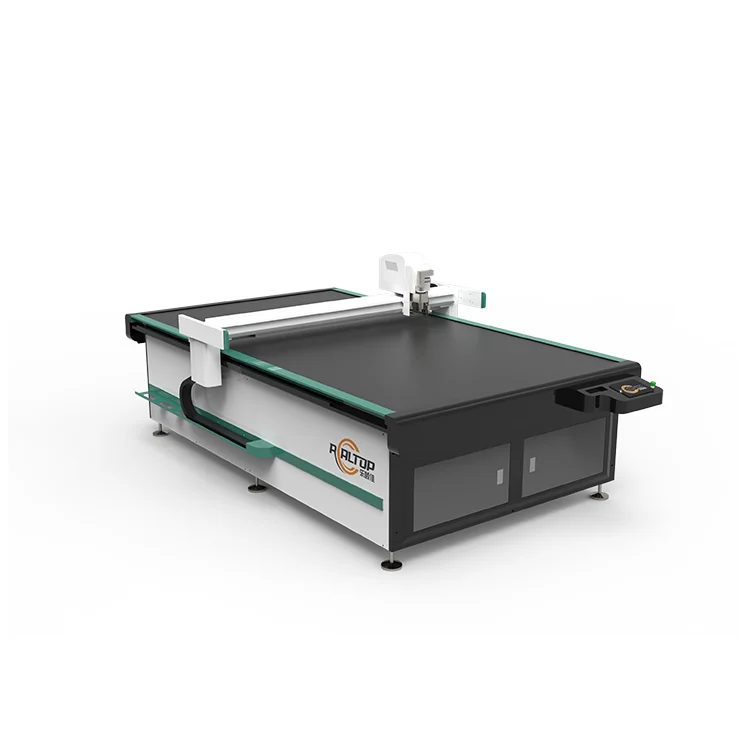
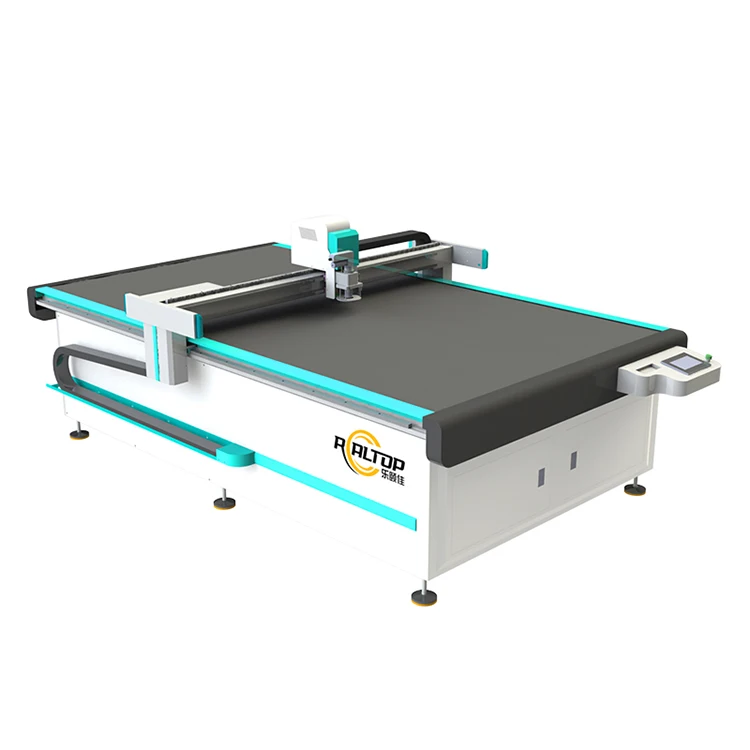
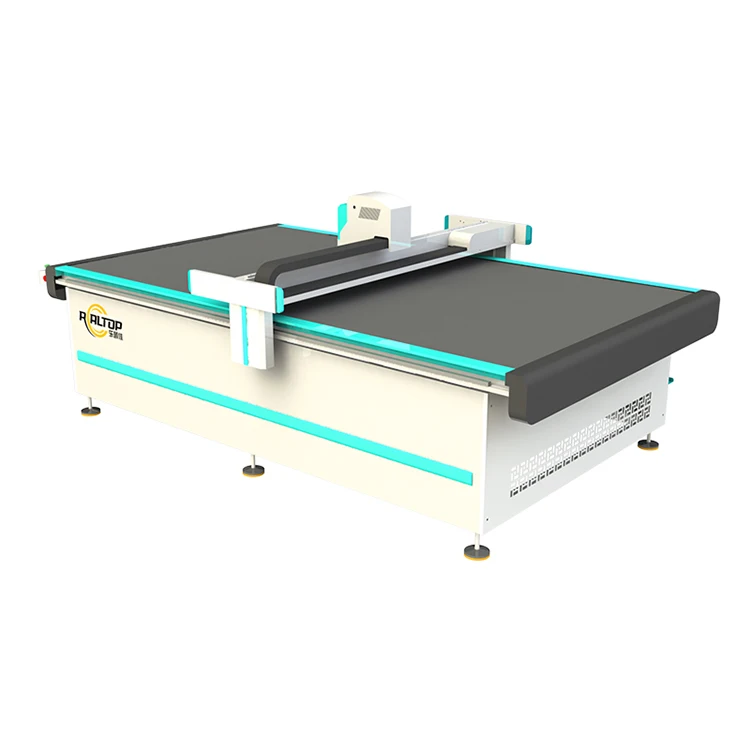
| Product Type | Packaging CNC Oscillating Knife Cutting Machine |
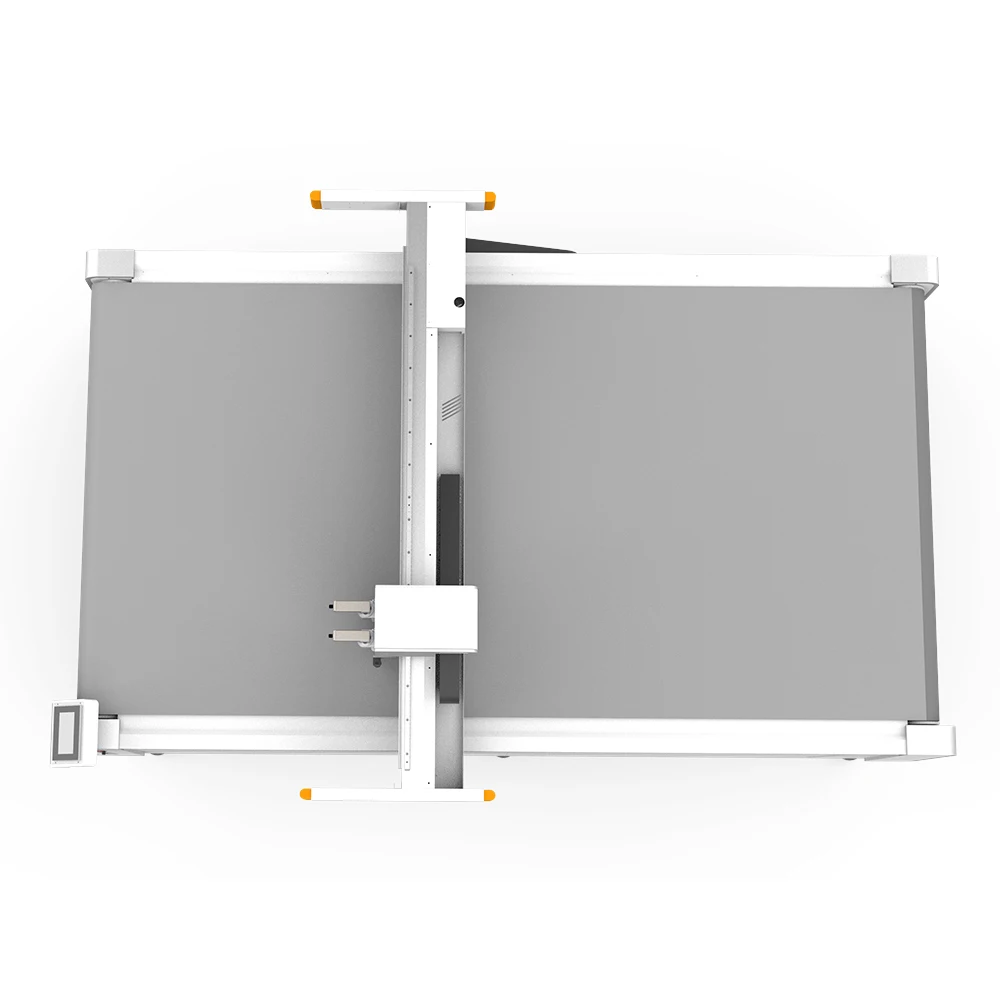
| Working Area | 1600 × 2500 mm |
| Cutting Speed | 0–1500 mm/s |
| Cutting Thickness | Up to 40 mm (basis not stated in source — confirm flute type and board density) |
| Cutting Accuracy | ±0.1 mm |
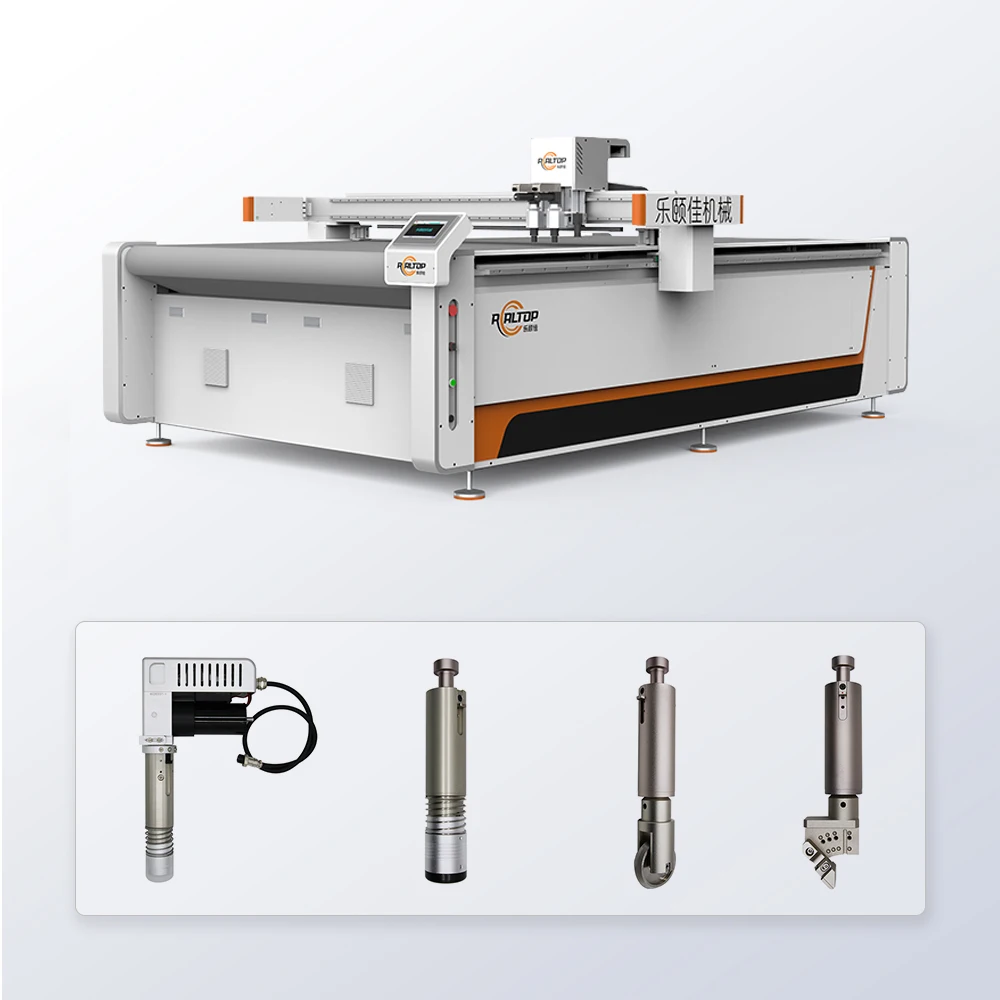
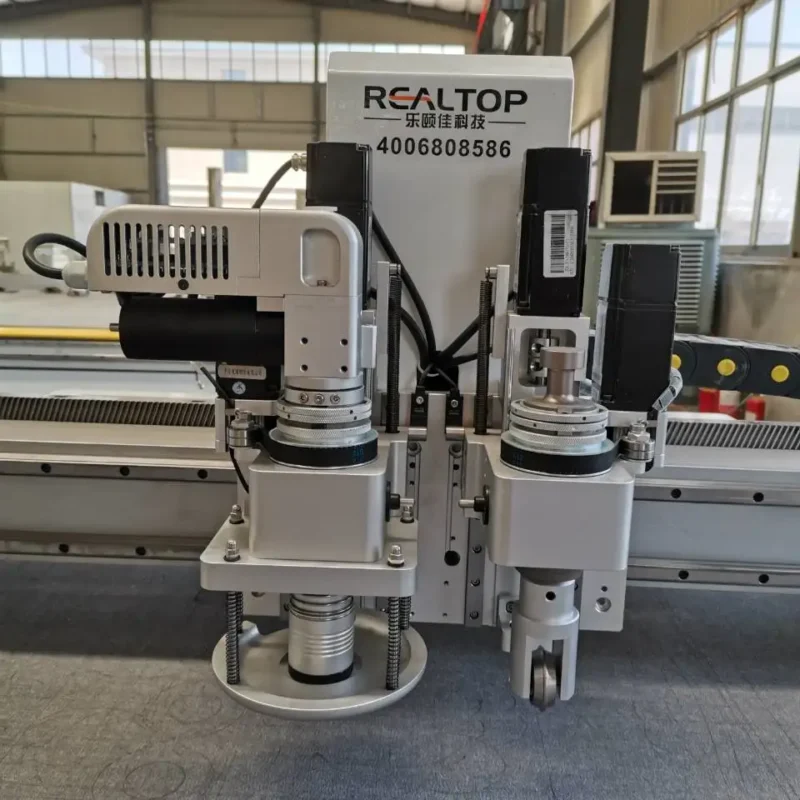
| Tool Head Options | Oscillating knife, driven rotary knife, creasing wheel, kiss cutting tool, pneumatic knife, milling tool, V-groove knife |
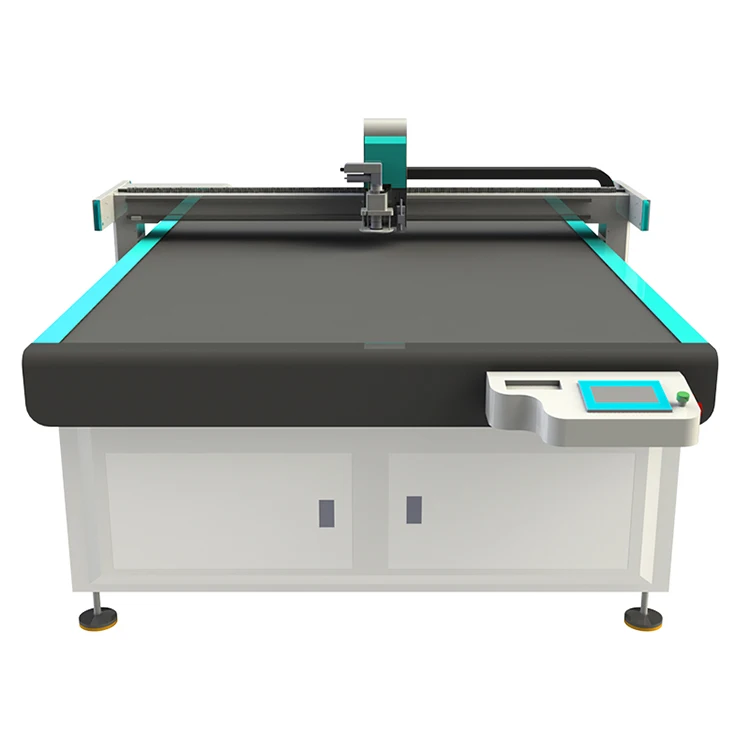
| Vacuum Table | Aluminum bellows vacuum table |
| Vacuum Pump | 9 kW |
| Control System | PLC control panel |
| Servo Motor Options | Panasonic, Delta, Dorna |
| Supported File Formats | PLT, DXF, AI, PDF |
| Software | Dedicated packaging box structure design software |
| Voltage Options | 110V, 220V, 380V |
| Safety Devices | Infrared sensor and emergency stop |
| Machine Dimensions | 3300 × 2100 × 1350 mm |
| Language Options | English, Russian, Italian, Chinese (special languages customizable) |
Application Suitability
| Application | Material or Output |
|---|---|
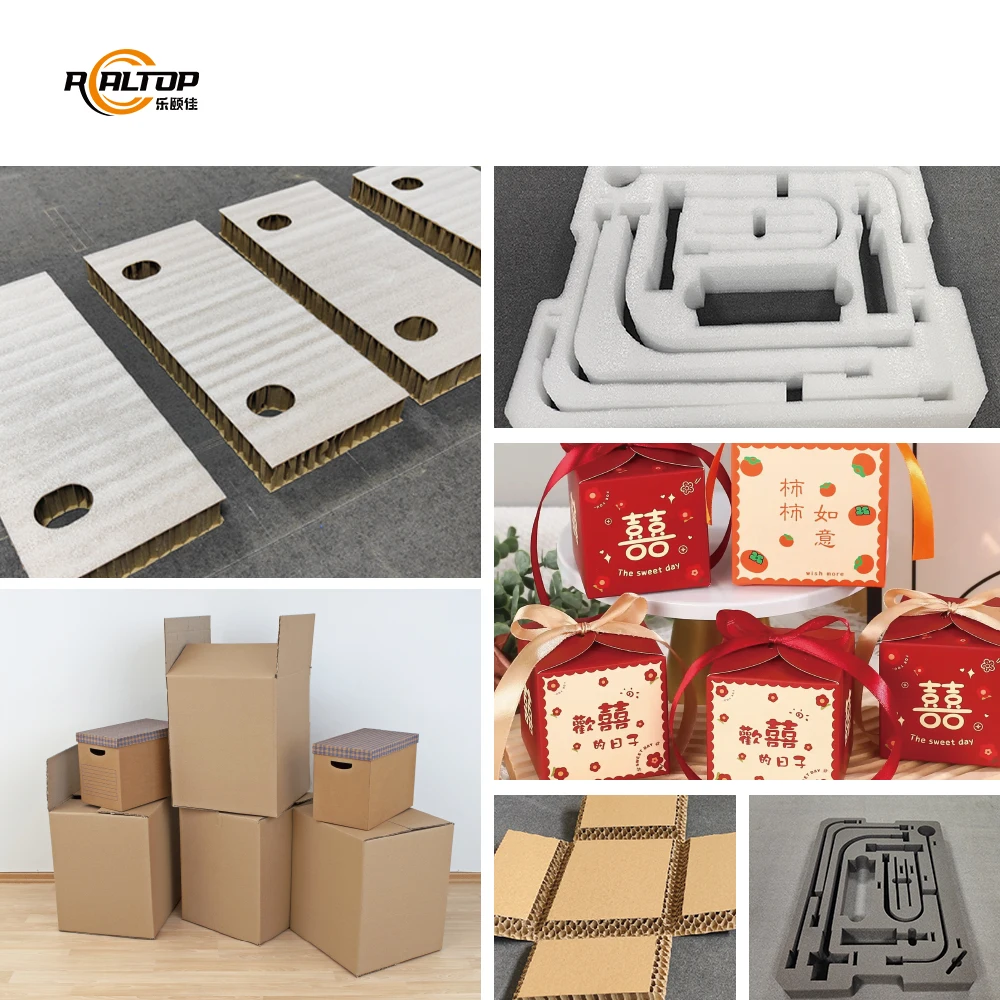
| Packaging sample making | Single, double and triple-wall corrugated cardboard |
| Carton structural prototyping | Greyboard, chipboard and cardstock |
| Protective insert fabrication | EVA, EPE and PU foam sheets |
| Gasket and seal sampling | Rubber mat and non-woven fabric |
| Short-run specialty packaging | PVC, PET and thin synthetic leather |
When "Up to 40 mm" Does Not Tell the Whole Story
Cutting depth ratings mean nothing without knowing the flute profile and board density you run every day.
A corrugated sample cutter that handles E-flute cleanly may stall on double-wall BC-flute at the same thickness. I have watched packaging sample tables jam mid-sheet because the oscillating frequency was set for light cardstock while the operator fed 3 mm greyboard. The knife pressure, stroke rate and vacuum hold-down all behave differently once the material density changes. A CNC box sample making machine manufacturer must confirm the exact board weight and flute combination before locking in tool head configuration. [NEED_CITE: corrugated flute classification and crush resistance standards]
Interchangeable Tool Heads Across the Cutting Bed
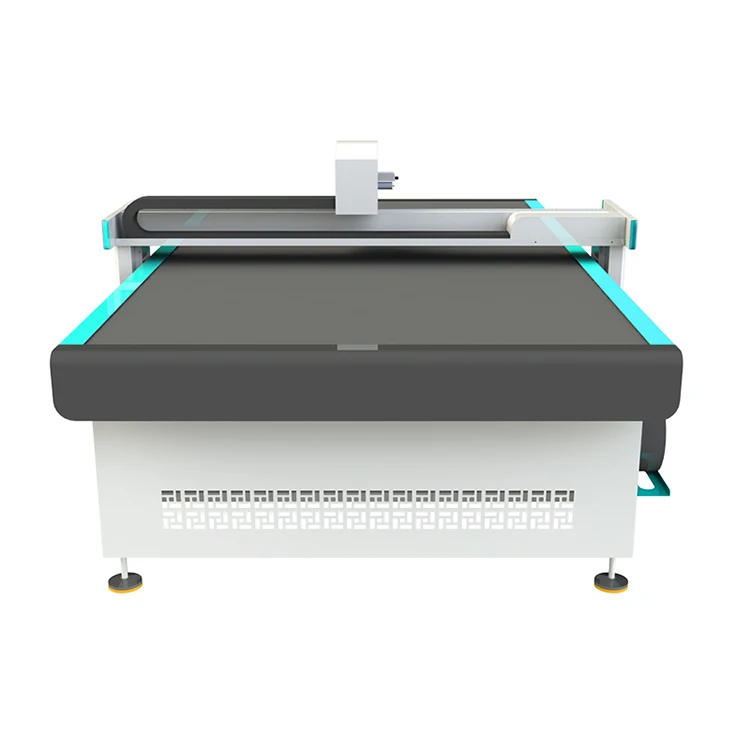
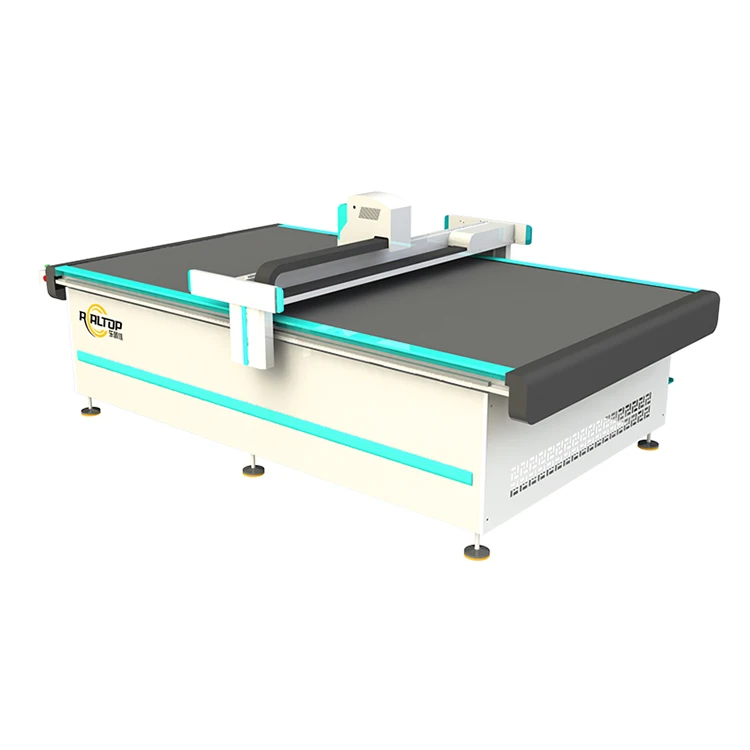
The platform accepts oscillating knife, driven rotary knife, creasing wheel, kiss cutting tool, pneumatic knife, milling tool and V-groove knife on a single table. Switching between cutting a corrugated blank and scoring a fold line happens through software commands rather than physical tool changes. This means one CNC box sample making machine handles both the cut outline and the crease pattern in the same cycle. For short-run carton producers, eliminating separate creasing passes shortens the path from design file to finished sample.
Vacuum Zoning That Holds Small Parts Flat
The aluminum bellows vacuum table paired with a 9 kW pump provides full-surface hold-down across the 1600 × 2500 mm bed. When cutting small carton inserts or narrow gasket strips, edge lift is the most common cause of ragged cuts and dimensional drift. Zoned vacuum activation keeps suction concentrated under the active cutting area, preventing thin offcuts from shifting into the knife path. [NEED_CITE: vacuum table zoning principles for flatbed digital cutters]
Reading the Specs That Matter for Carton Work
Cutting accuracy of ±0.1 mm keeps carton fold lines aligned with cut edges, which directly affects how cleanly a sample box closes. The 0–1500 mm/s speed range is adjustable through the PLC panel, letting operators slow the head for dense greyboard and accelerate through light cardstock. Servo drive selection across Panasonic, Delta and Dorna gives buyers flexibility to match local service availability — a Dorna servo may be easier to source in Southeast Asia while Panasonic parts are stocked widely across Europe. The dedicated packaging box structure design software imports PLT, DXF, AI and PDF files, covering the formats most box designers already work in without requiring a secondary conversion step.
The Cost of Skipping Material Trials
Ordering a cutting table based on working area alone leads to painful discoveries after delivery. I have seen greyboard producers receive machines configured for corrugated E-flute, where the knife stroke was too shallow for 2 mm chipboard and every cut required two passes. Small carton parts lifting off the bed because the vacuum zones were not mapped to the cutting layout is another recurring issue. Each of these problems adds days of re-commissioning and erodes operator confidence before production even starts. [NEED_CITE: digital cutting machine commissioning failures by material mismatch]
Why Source This Range Here
REALTOP covers both knife and laser cutting under one design team, so the cutting method is matched to the material rather than forced into a single technology. Every tool head and table combination is specified against the buyer’s material list and production volume before the order is finalized. Software compatibility with existing box design workflows is confirmed during the inquiry stage, not discovered at installation. Voltage, plug type and control language are set to the destination market specification before shipment. Sample cutting on the buyer’s own corrugated board, greyboard or foam is standard practice before commitment.
Documentation & Verification
- Specification sheet listing every configured tool head and vacuum zone assignment
- Electrical schematic confirming voltage, frequency and plug type for destination market
- Sample cutting report produced on buyer’s own board weight and flute profile
- Software licence with confirmed file format compatibility across PLT, DXF, AI and PDF
- Spare parts list identifying consumable blades, creasing wheels and vacuum seals
- Packing photographs documenting crate condition before container loading
Installation, Commissioning & Support
- 3300 × 2100 mm footprint requires level concrete floor with clearance for sheet loading on both long sides
- 9 kW vacuum pump draws significant current — confirm dedicated circuit rating matches local 110V, 220V or 380V supply
- Machine ships partially assembled; table frame and gantry require on-site bolting and belt tensioning
- First-run parameter setting includes vacuum zone mapping, knife depth calibration and servo tuning for chosen drive brand
- Operator training covers tool head changeover sequences, software nesting workflow and daily blade inspection routine
- Consumable spare kit includes oscillating knife blades, creasing wheel inserts and vacuum table seal strips
Before You Request a Quote
Send the specific board grades and flute profiles you run most often, along with typical sheet dimensions and daily sample volume. Include the CAD file format your design team currently outputs and the language your operators need on the control panel. If your workshop has voltage or floor space constraints, note those so the machine layout can be confirmed before production begins.
Frequently Asked Questions
Q: Which tool head combination fits my corrugated flute type and board thickness?
A: The standard packaging configuration pairs an oscillating knife for cut outlines with a creasing wheel for fold lines. For thicker double-wall or dense greyboard, a pneumatic knife or driven rotary knife may be specified instead. The final tool head list is confirmed only after sample cutting on your actual board stock, ensuring the knife pressure and stroke match your material.
Q: How do I verify cutting thickness capability against my specific material?
A: Send a representative sample of your board or foam stock, including the exact flute profile, board weight and thickness. We run cutting trials at production speed and provide a sample cutting report documenting edge quality, dimensional accuracy and cycle time. The machine configuration is then adjusted based on those results before the order is finalized.
Q: What voltage, language and software format options are confirmed before shipment?
A: Voltage is configurable across 110V, 220V and 380V with plug type matched to your market. Control panel language options include English, Russian, Italian and Chinese, with special languages available on request. Software file compatibility covering PLT, DXF, AI and PDF is verified against your existing design workflow during the quotation stage.
Q: Can I send my own packaging material for sample cutting before ordering?
A: Yes, sending your own material is standard practice. We cut your corrugated board, greyboard, foam or fabric on the configured machine and return the finished samples along with a detailed cutting report. This lets you evaluate edge quality, crease definition and dimensional accuracy on your own stock before making a purchasing decision.
Complete Range Coverage — matching knife cutting tables to cardboard flute profiles, board density and daily sample volume rather than quoting a single working area.
Technical Specifications
| Parameter | Value |
|---|---|
| Product Type | Packaging CNC Oscillating Knife Cutting Machine |
| Working Area | 1600 × 2500 mm |
| Cutting Speed | 0–1500 mm/s |
| Cutting Thickness | Up to 40 mm (basis not stated in source — confirm flute type and board density) |
| Cutting Accuracy | ±0.1 mm |
| Tool Head Options | Oscillating knife, driven rotary knife, creasing wheel, kiss cutting tool, pneumatic knife, milling tool, V-groove knife |
| Vacuum Table | Aluminum bellows vacuum table |
| Vacuum Pump | 9 kW |
| Control System | PLC control panel |
| Servo Motor Options | Panasonic, Delta, Dorna |
| Supported File Formats | PLT, DXF, AI, PDF |
| Software | Dedicated packaging box structure design software |
| Voltage Options | 110V, 220V, 380V |
| Safety Devices | Infrared sensor and emergency stop |
| Machine Dimensions | 3300 × 2100 × 1350 mm |
| Language Options | English, Russian, Italian, Chinese (special languages customizable) |
Application Suitability
| Application | Material or Output |
|---|---|
| Packaging sample making | Single, double and triple-wall corrugated cardboard |
| Carton structural prototyping | Greyboard, chipboard and cardstock |
| Protective insert fabrication | EVA, EPE and PU foam sheets |
| Gasket and seal sampling | Rubber mat and non-woven fabric |
| Short-run specialty packaging | PVC, PET and thin synthetic leather |
When "Up to 40 mm" Does Not Tell the Whole Story
Cutting depth ratings mean nothing without knowing the flute profile and board density you run every day.
A corrugated sample cutter that handles E-flute cleanly may stall on double-wall BC-flute at the same thickness. I have watched packaging sample tables jam mid-sheet because the oscillating frequency was set for light cardstock while the operator fed 3 mm greyboard. The knife pressure, stroke rate and vacuum hold-down all behave differently once the material density changes. A CNC box sample making machine manufacturer must confirm the exact board weight and flute combination before locking in tool head configuration. [NEED_CITE: corrugated flute classification and crush resistance standards]
Interchangeable Tool Heads Across the Cutting Bed
The platform accepts oscillating knife, driven rotary knife, creasing wheel, kiss cutting tool, pneumatic knife, milling tool and V-groove knife on a single table. Switching between cutting a corrugated blank and scoring a fold line happens through software commands rather than physical tool changes. This means one CNC box sample making machine handles both the cut outline and the crease pattern in the same cycle. For short-run carton producers, eliminating separate creasing passes shortens the path from design file to finished sample.
Vacuum Zoning That Holds Small Parts Flat
The aluminum bellows vacuum table paired with a 9 kW pump provides full-surface hold-down across the 1600 × 2500 mm bed. When cutting small carton inserts or narrow gasket strips, edge lift is the most common cause of ragged cuts and dimensional drift. Zoned vacuum activation keeps suction concentrated under the active cutting area, preventing thin offcuts from shifting into the knife path. [NEED_CITE: vacuum table zoning principles for flatbed digital cutters]
Reading the Specs That Matter for Carton Work
Cutting accuracy of ±0.1 mm keeps carton fold lines aligned with cut edges, which directly affects how cleanly a sample box closes. The 0–1500 mm/s speed range is adjustable through the PLC panel, letting operators slow the head for dense greyboard and accelerate through light cardstock. Servo drive selection across Panasonic, Delta and Dorna gives buyers flexibility to match local service availability — a Dorna servo may be easier to source in Southeast Asia while Panasonic parts are stocked widely across Europe. The dedicated packaging box structure design software imports PLT, DXF, AI and PDF files, covering the formats most box designers already work in without requiring a secondary conversion step.
The Cost of Skipping Material Trials
Ordering a cutting table based on working area alone leads to painful discoveries after delivery. I have seen greyboard producers receive machines configured for corrugated E-flute, where the knife stroke was too shallow for 2 mm chipboard and every cut required two passes. Small carton parts lifting off the bed because the vacuum zones were not mapped to the cutting layout is another recurring issue. Each of these problems adds days of re-commissioning and erodes operator confidence before production even starts. [NEED_CITE: digital cutting machine commissioning failures by material mismatch]
Why Source This Range Here
REALTOP covers both knife and laser cutting under one design team, so the cutting method is matched to the material rather than forced into a single technology. Every tool head and table combination is specified against the buyer’s material list and production volume before the order is finalized. Software compatibility with existing box design workflows is confirmed during the inquiry stage, not discovered at installation. Voltage, plug type and control language are set to the destination market specification before shipment. Sample cutting on the buyer’s own corrugated board, greyboard or foam is standard practice before commitment.
Documentation & Verification
- Specification sheet listing every configured tool head and vacuum zone assignment
- Electrical schematic confirming voltage, frequency and plug type for destination market
- Sample cutting report produced on buyer’s own board weight and flute profile
- Software licence with confirmed file format compatibility across PLT, DXF, AI and PDF
- Spare parts list identifying consumable blades, creasing wheels and vacuum seals
- Packing photographs documenting crate condition before container loading
Installation, Commissioning & Support
- 3300 × 2100 mm footprint requires level concrete floor with clearance for sheet loading on both long sides
- 9 kW vacuum pump draws significant current — confirm dedicated circuit rating matches local 110V, 220V or 380V supply
- Machine ships partially assembled; table frame and gantry require on-site bolting and belt tensioning
- First-run parameter setting includes vacuum zone mapping, knife depth calibration and servo tuning for chosen drive brand
- Operator training covers tool head changeover sequences, software nesting workflow and daily blade inspection routine
- Consumable spare kit includes oscillating knife blades, creasing wheel inserts and vacuum table seal strips
Before You Request a Quote
Send the specific board grades and flute profiles you run most often, along with typical sheet dimensions and daily sample volume. Include the CAD file format your design team currently outputs and the language your operators need on the control panel. If your workshop has voltage or floor space constraints, note those so the machine layout can be confirmed before production begins.
Frequently Asked Questions
Q: Which tool head combination fits my corrugated flute type and board thickness?
A: The standard packaging configuration pairs an oscillating knife for cut outlines with a creasing wheel for fold lines. For thicker double-wall or dense greyboard, a pneumatic knife or driven rotary knife may be specified instead. The final tool head list is confirmed only after sample cutting on your actual board stock, ensuring the knife pressure and stroke match your material.
Q: How do I verify cutting thickness capability against my specific material?
A: Send a representative sample of your board or foam stock, including the exact flute profile, board weight and thickness. We run cutting trials at production speed and provide a sample cutting report documenting edge quality, dimensional accuracy and cycle time. The machine configuration is then adjusted based on those results before the order is finalized.
Q: What voltage, language and software format options are confirmed before shipment?
A: Voltage is configurable across 110V, 220V and 380V with plug type matched to your market. Control panel language options include English, Russian, Italian and Chinese, with special languages available on request. Software file compatibility covering PLT, DXF, AI and PDF is verified against your existing design workflow during the quotation stage.
Q: Can I send my own packaging material for sample cutting before ordering?
A: Yes, sending your own material is standard practice. We cut your corrugated board, greyboard, foam or fabric on the configured machine and return the finished samples along with a detailed cutting report. This lets you evaluate edge quality, crease definition and dimensional accuracy on your own stock before making a purchasing decision.
商品评价
There are no reviews yet.