

Fast Delivery
Quick, reliable shipping to any location.

Free & easy returns
Return this item by mail or in store within 90 days for a full refund.
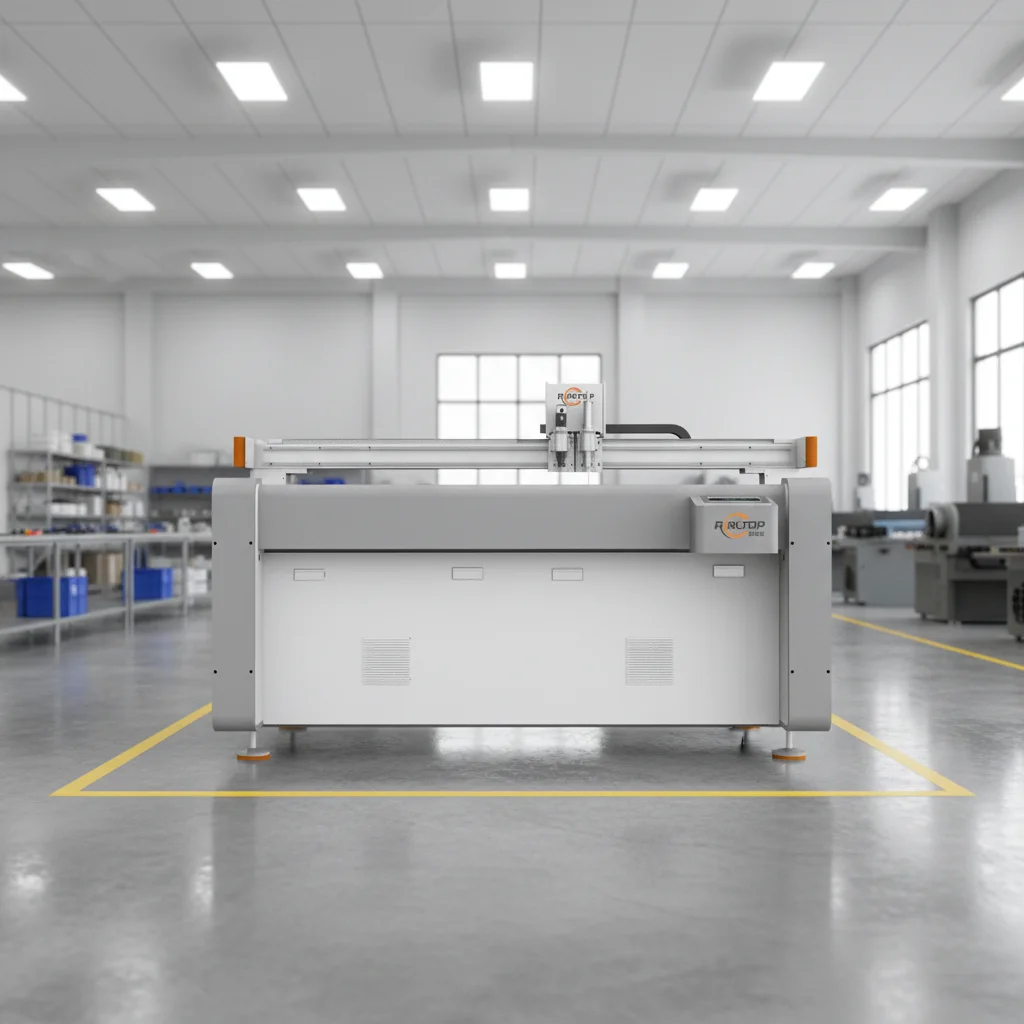
Complete equipment range — knife and laser families mapped by material type and production volume, so buyers match cutting method to actual workflow rather than force one technology across every job.
Technical Specifications
| Parameter | Value |
|---|---|
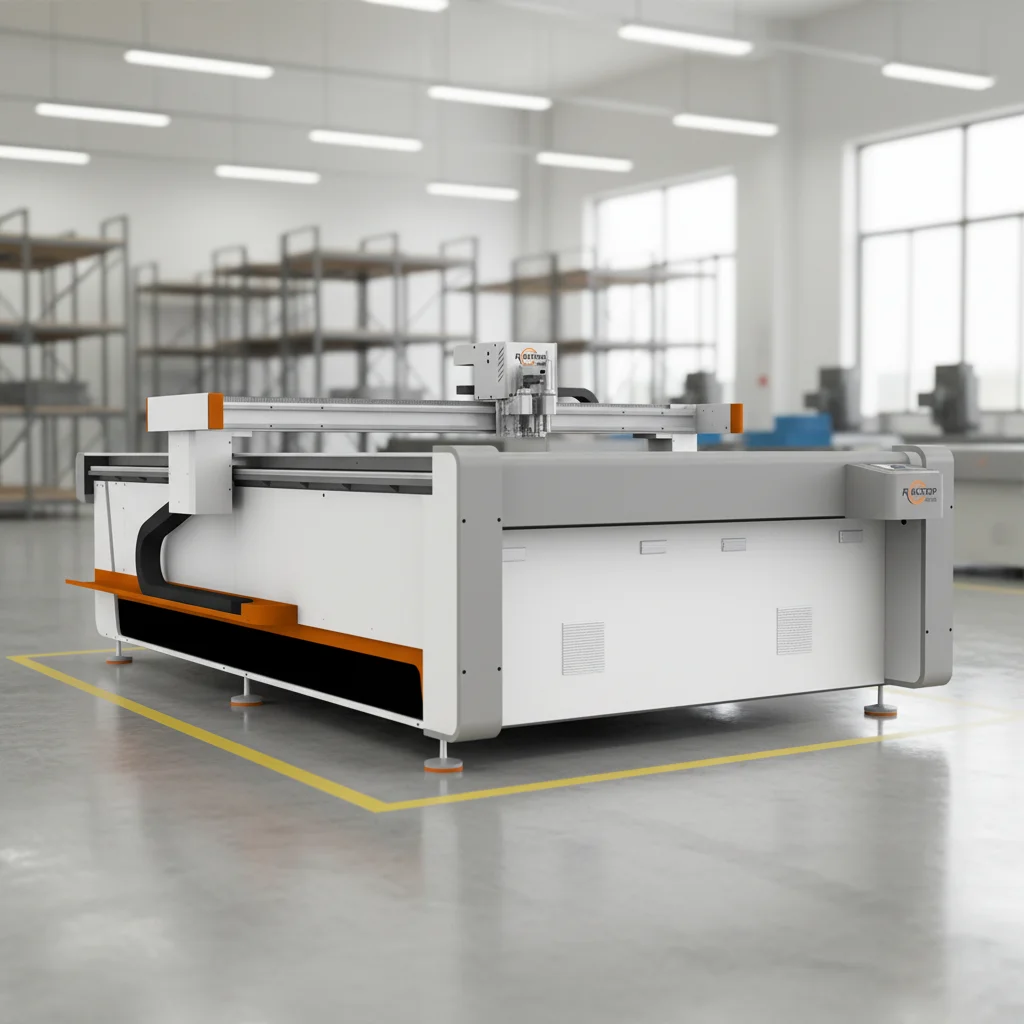
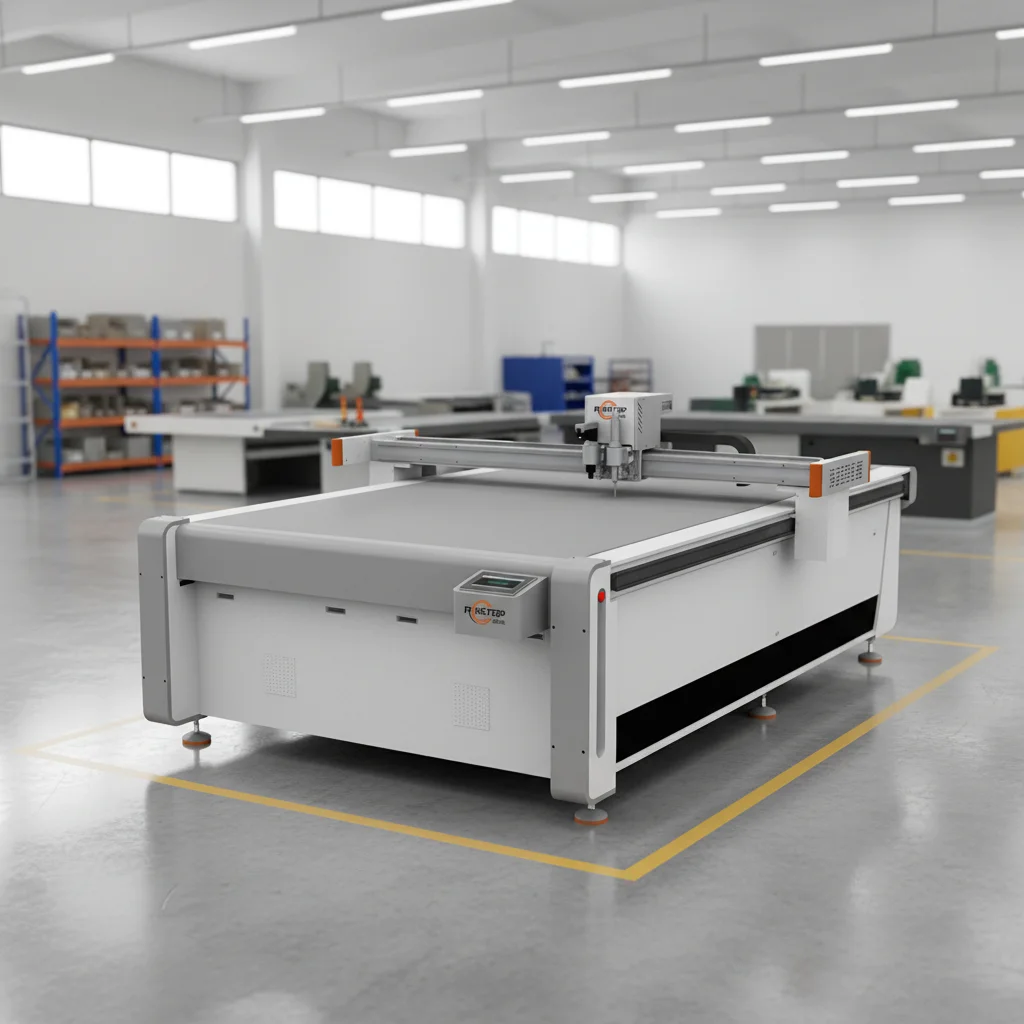
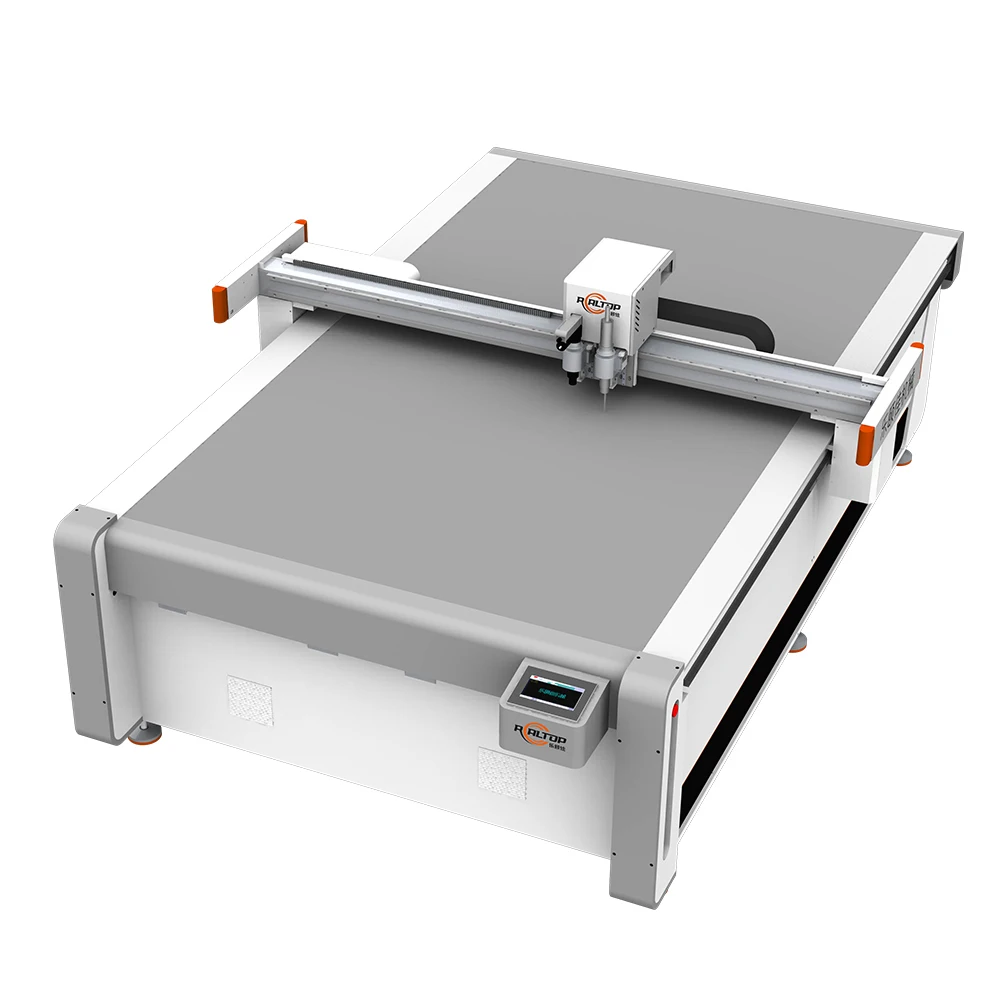
| Product Type | CNC Oscillating Knife Cutting Table |
| Working Area | 1600 × 2500 mm |
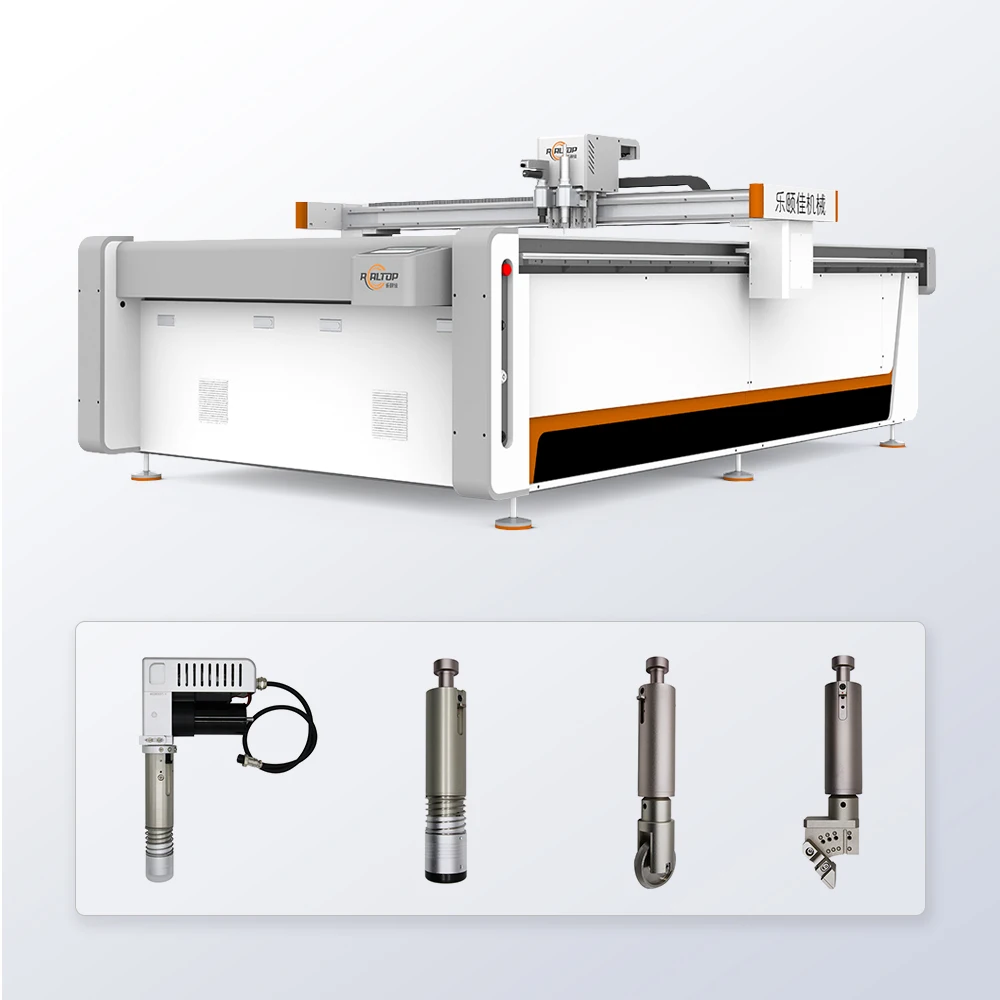
| Tools Available | Oscillating knife, Driven rotary knife, Creasing wheel, Kiss cutting tool, Pneumatic knife, Milling tool, V groove knife |
| Cutting Speed | 0–1500 mm/s |
| Cutting Thickness | ≤ 40 mm |
| Cutting Accuracy | ±0.1 mm |
| Vacuum Pump | 9 kW |
| Control System | PLC control panel |
| Software | Dedicated packaging box structure design software |
| Profile Format | PLT, DXF, AI, PDF |
| Voltage | 110V, 220V, 380V |
| Safety Device | Infrared sensor and emergency stop |
| Machine Size | 3300 × 2100 × 1350 mm |
| Servo Drive Options | Panasonic, Delta, Dorna (source value — verify against manufacturer catalog) |
| Language Options | English, Russian, Italian, Chinese (special languages customizable) |
| Standards | CE |
Application Suitability
| Application | Material or Output |
|---|---|
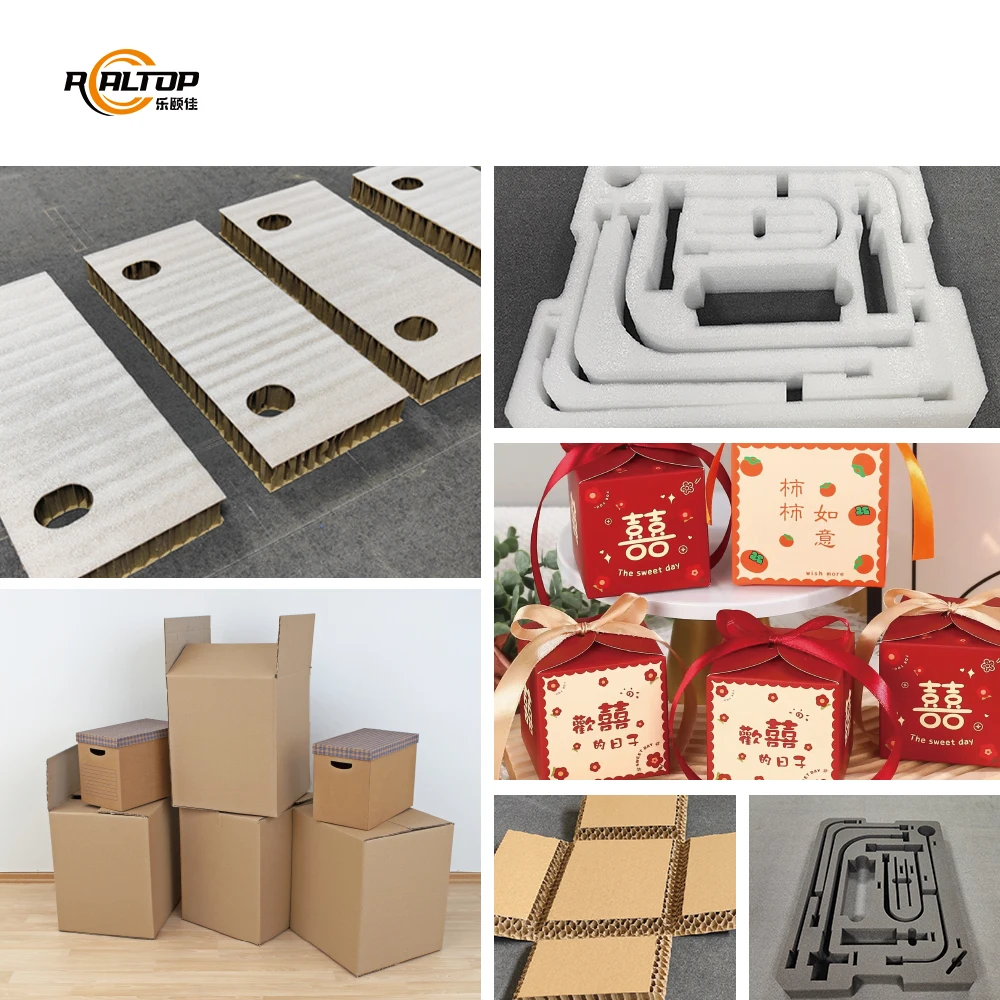
| Packaging sample making and carton die-cutting | Corrugated cardboard (E-flute, B-flute, BC-flute), greyboard, cardstock |
| Foam fabrication and gasket prototyping | EVA foam, EPE foam, PU foam up to 40 mm |
| Advertising and signage production | PVC board, vinyl, acrylic, composite sheets |
| Textile and leather cutting | Fabric, non-woven fabric, leather, synthetic leather |
| Specialty and composite materials | Rubber mats, PTFE, thin plastic sheets (PVC, PET), adhesive-backed laminates |
Why "Working Area" Alone Cannot Specify a Packaging CNC Cutting Table
A flatbed sized to your sheet does not guarantee it will handle your material thickness or edge requirement.
Buyers often start the conversation with board size and assume the rest follows. I once watched a client run five-layer double-wall corrugated on a table specced only for standard three-layer, and the crease lines split across the entire batch. The machine physically fit the sheet, but the tool head and vacuum zoning were wrong for that flute combination. A packaging CNC Oscillating Knife Cutting Table must be evaluated across tool configuration, vacuum holding force, and software compatibility before working area even enters the discussion [NEED_CITE: corrugated flute classifications and crushing force requirements].
Matching the Full Range to Your Material Stack
This CNC Oscillating Knife Cutting Table sits within a broader equipment portfolio that covers oscillating knife, drag knife, and laser cutting systems. The knife-based family addresses materials where edge compression, fiber tearing, or delamination would ruin the part — corrugated board, foam, gasket rubber, and technical textiles. Laser systems in the same portfolio handle acrylic, wood, and sheet metal where sealed edges or high-power through-cutting matter. The point is not to push one machine across every material but to let the buyer survey the complete range and select the technology that actually fits the production job.
Seven Tool Heads, One Table, Zero Compromise on Edge Quality
The 1625 platform supports seven interchangeable tool positions: oscillating knife, driven rotary knife, creasing wheel, kiss cutting tool, pneumatic knife, milling tool, and V groove knife. For packaging sample makers, the creasing wheel paired with the oscillating knife handles both scoring and through-cutting in a single setup, eliminating the need to re-fix the board between operations. Foam fabricators running EVA or PU up to 40 mm typically rely on the oscillating knife at adjusted frequency to prevent crushed edges. The ability to swap tools on the same table means a shop processing both corrugated prototypes and foam gaskets does not need two separate machines [NEED_CITE: oscillating knife frequency settings and material edge quality correlation].
Reading the Specs That Actually Determine Output Quality
The 1600 × 2500 mm working area accommodates most standard packaging board sizes and fabric layup widths, but the 9 kW vacuum pump with aluminum bellows table is what holds material flat during high-speed cutting. Without sufficient adsorption across the full surface, corrugated board lifts at the edges, and the oscillating knife drags rather than slices. The ±0.1 mm cutting accuracy supports tight registration for nested packaging components where a millimeter of drift compounds across a full sheet layout. The PLC control panel paired with dedicated packaging box structure design software accepts PLT, DXF, AI, and PDF imports — confirming file format compatibility before order prevents the situation where a buyer’s existing nesting workflow cannot communicate with the machine controller. Voltage options at 110V, 220V, and 380V must be confirmed against the target workshop supply, as running a 380V machine on a 220V line will trip breakers or damage the servo drives.
The Cost of Skipping Tool Head Verification
Ordering a flatbed based on table size and discovering the specified tool head cannot handle your material thickness means weeks of parameter tuning, scrapped samples, and delayed customer deliveries. I have seen crease wheels specified for single-wall corrugated fail to score double-wall properly, leaving folded carton edges ragged and unusable. When vacuum zoning does not account for small parts, individual die-cut pieces shift during the final pass and the entire nest must be re-run. These are not machine defects — they are specification gaps that surface only after the equipment is on the floor [NEED_CITE: vacuum table zoning and small-part hold-down in digital cutting].
Why Buyers Source the Full Range Here
In-house design and production cover both knife and laser cutting technologies, allowing the buyer to match the cutting method to the material rather than force one approach. Tool head and table configuration are specified per material type and daily production volume, not selected from a fixed menu. CCD camera positioning is available for printed contour work where registration to pre-printed graphics is required. Software compatibility is confirmed before order against the buyer’s existing file formats and nesting workflow. Sample cutting runs on the buyer’s own material before commitment, so edge quality, cutting depth, and contour accuracy are verified against real production stock.
Documentation & Verification
- Machine specification sheet listing all seven tool heads and vacuum table zoning layout
- Electrical schematic with confirmed voltage and frequency for target workshop supply
- Tool head and table configuration list matched to buyer’s material type and thickness
- Sample cutting report produced on buyer’s own corrugated or foam stock before shipment
- Software licence and file format compatibility note covering PLT, DXF, AI, PDF imports
- Factory test record documenting cutting accuracy and vacuum hold-down at rated speed
Installation, Commissioning & Support
- 3300 × 2100 mm footprint requires level concrete floor with clearance for material feed on both long sides
- Dedicated circuit matching confirmed voltage (110V/220V/380V) with isolation breaker rated for 9 kW vacuum pump plus servo load
- Machine ships as single assembly; vacuum table and gantry require on-site alignment and belt tension check
- First-run commissioning includes vacuum zone calibration, tool offset setting, and test cut on buyer-supplied material
- Operator training covers tool changeover procedure across all seven heads and PLC parameter adjustment
- Spare parts list includes oscillating knife blades, creasing wheel inserts, and vacuum table seals with recommended replacement intervals
Before You Request a Quote
Provide your primary material type, maximum sheet thickness, daily volume target, and the file formats your design team currently uses. If your workshop operates on a non-standard voltage or requires a control interface in a specific language, state that upfront so the configuration reflects your actual production environment from day one.
Frequently Asked Questions
Q: Should I choose an oscillating knife or a laser system for corrugated packaging samples?
A: Oscillating knife is the standard for corrugated board because it cuts without burning or sealing the flute edges, preserving the fold characteristics needed for carton assembly. Laser systems are better suited to acrylic, wood, and synthetic textiles where a sealed edge is desirable. If your shop processes both material families, the full equipment range covers each with a dedicated platform.
Q: How do I match the tool head to my material thickness and edge quality requirement?
A: Tool head selection depends on material density, thickness, and whether you need through-cutting, kiss cutting, or scoring. The creasing wheel handles carton fold lines, the oscillating knife handles foam and board up to 40 mm, and the kiss cutting tool scores adhesive-backed materials without penetrating the liner. Configuration is confirmed against sample cutting on your stock before order.
Q: Can this table handle both small-batch prototypes and higher-volume production runs?
A: The 1600 × 2500 mm working area supports full-sheet nesting for production runs, and the 0–1500 mm/s cutting speed range allows the operator to balance throughput against edge quality. For higher-volume fabric cutting, a multi-layer digital cutting system in the same range may be more appropriate than a single-ply flatbed.
Q: What file formats does the packaging software accept, and will it fit my current workflow?
A: The dedicated packaging box structure design software accepts PLT, DXF, AI, and PDF imports. Compatibility with your existing nesting or CAD workflow should be confirmed before order by exchanging sample files and running a test import to verify that layers, line types, and dimensions translate correctly.
Q: Is sample cutting on my specific material available before I commit to the order?
A: Yes. Buyers send representative material samples to the factory, and a test cut is performed using the proposed tool head and vacuum configuration. The resulting sample cutting report documents edge quality, dimensional accuracy, and any parameter adjustments needed, giving you verified output data before the machine enters production.










商品评价
There are no reviews yet.