

Fast Delivery
Quick, reliable shipping to any location.

Free & easy returns
Return this item by mail or in store within 90 days for a full refund.
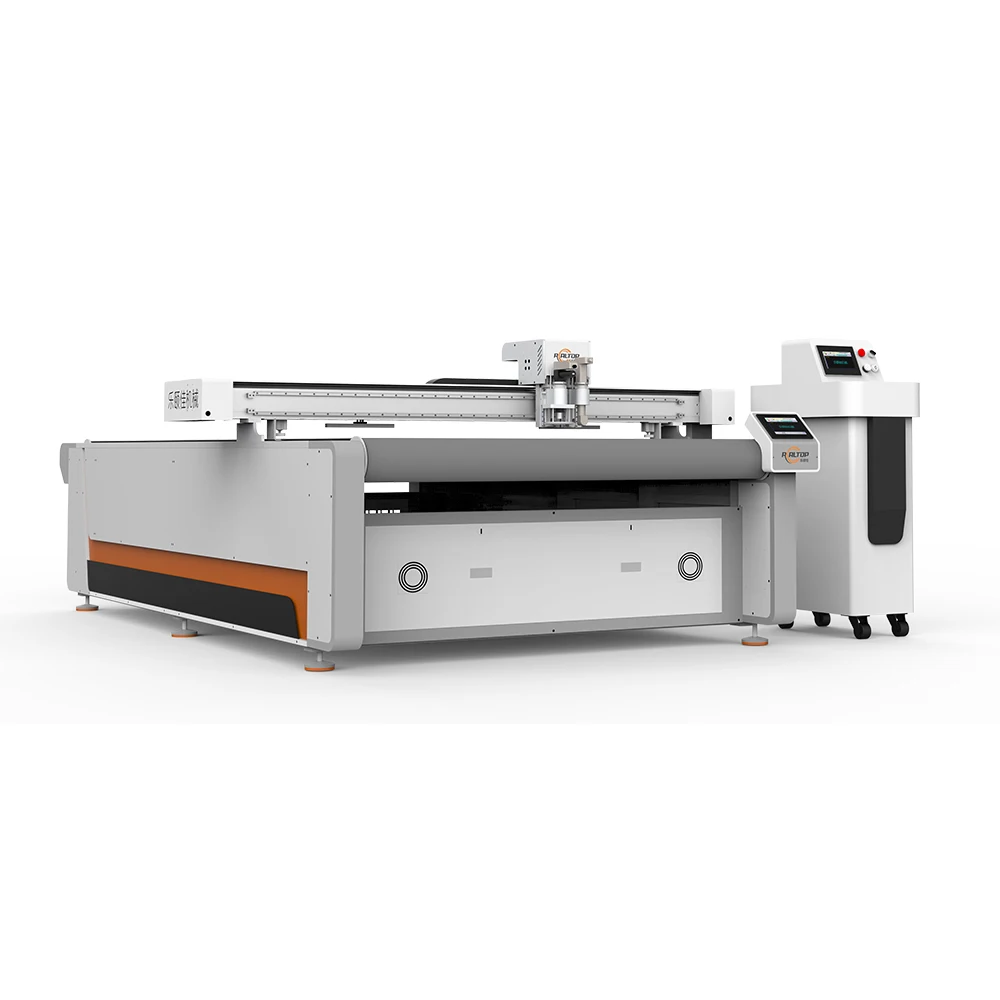
Precision Cutting Configured Per Material — The RT-D2516/RT-S2516 is matched to fabric thickness and ply count before the tool head is selected, ensuring clean edges on everything from woven cotton to coated technical textiles.
Technical Specifications
| Parameter | Value |
|---|---|
| Model | RT-D2516/RT-S2516 |
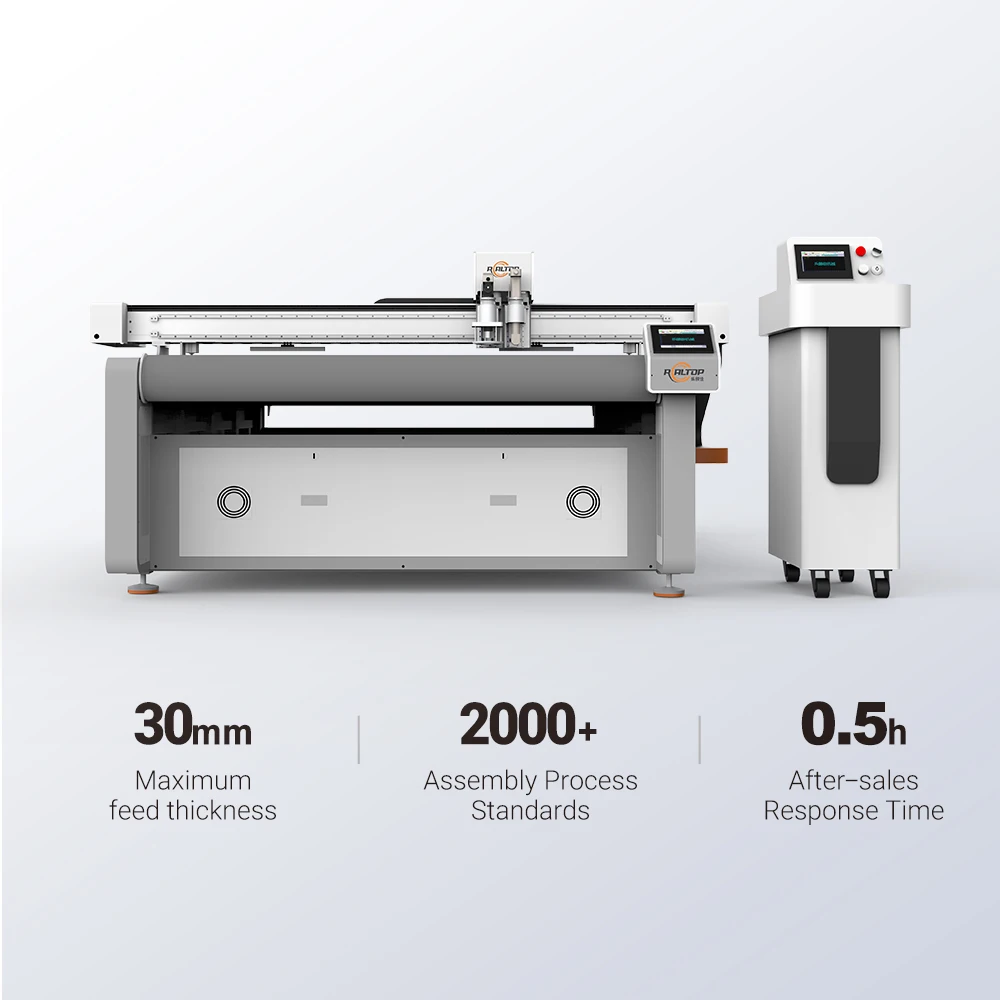
| Working Area | 1600×2500 mm |
| Machine Size | 3450×2300×1250 mm |
| Rated Power | 9 kW |
| Voltage | 380V ±10% |
| Table Type | Flat working table / Auto feeding table (optional) |
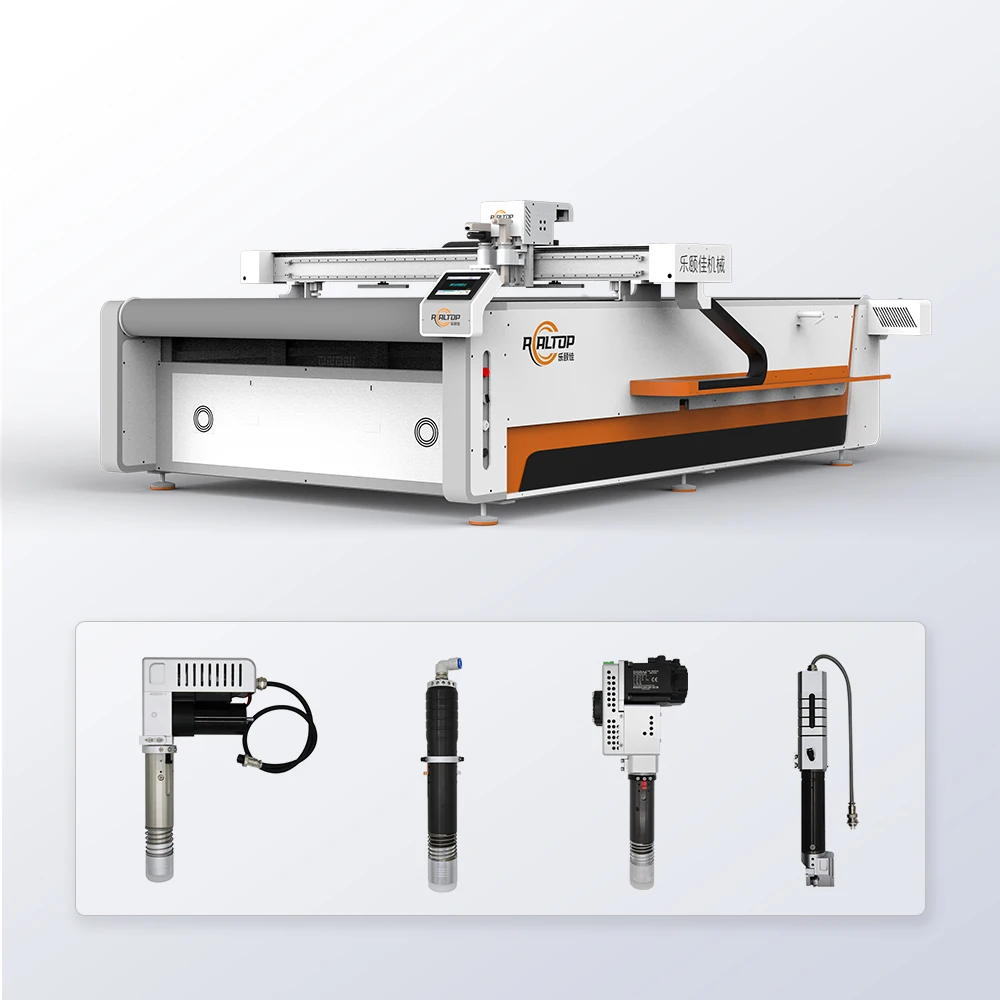
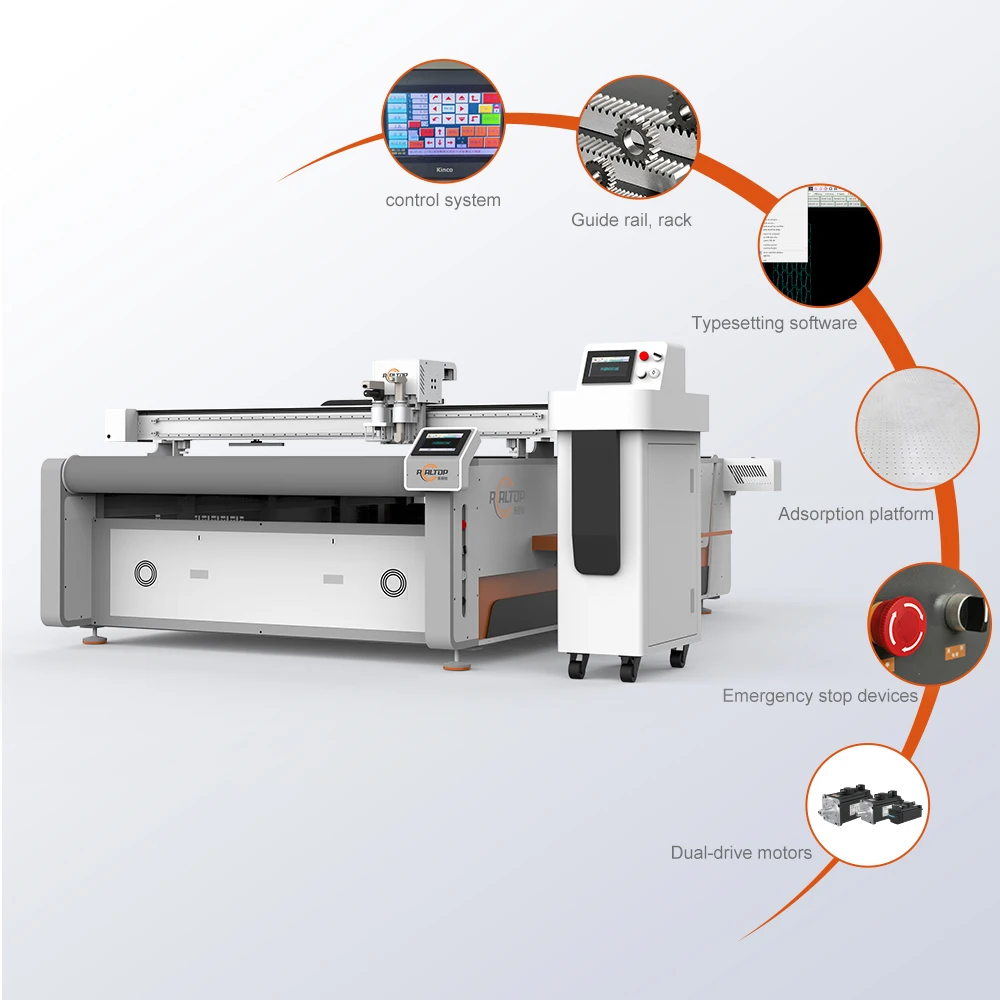
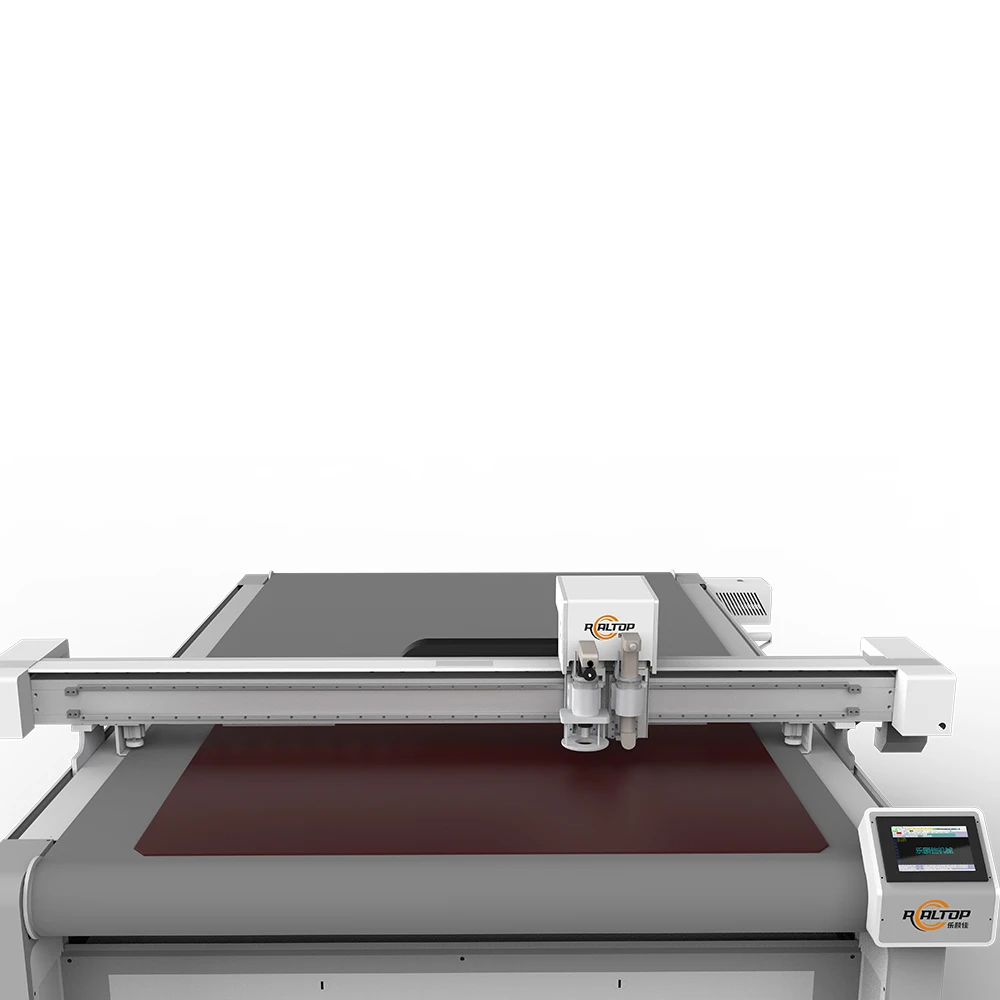
| Tool Head | Multifunctional — compatible with oscillating knife, pneumatic knife, high-power vibrating knife, circular knife, V-cutting knife, drag knife, creasing wheel, dotted line knife, punching, brush |
| Translational Velocity | 800–2000 mm/s |
| Cutting Speed | 200–800 mm/s (varies by material; confirm material type and thickness) |
| Cutting Thickness | ≤100 mm (varies by material; basis to be confirmed) |
| Repeated Accuracy | ≤0.1 mm |
| Transmission System | Digital servo motor, linear guide, synchronous belt, ball screw (imported components) |
| Servo Motor | Delta (China) or Panasonic (Japan) — optional |
| Control / Instruction Format | HP-GL compatible |
| Vacuum Pump | 7.5 kW, integrated aviation aluminum shell with built-in silencer sponge |
| Vacuum Table | Magnesium-aluminum alloy, PVDF powder coated, anodized, hard oxidized |
| Safety Devices | Infrared induction blocking, anti-collision sensors on both sides of beam, emergency stop |
| CCD / Vision Options | Small CCD mark-point positioning, panoramic camera recognition, projection positioning (optional) |
| Software | Auto typesetting / nesting; supports PLT, DXF, AI file formats |
| Language Options | English, Russian, Italian, Chinese; special languages customizable |
| Standards | CE declaration |
Application Suitability
| Application | Material or Output |
|---|---|
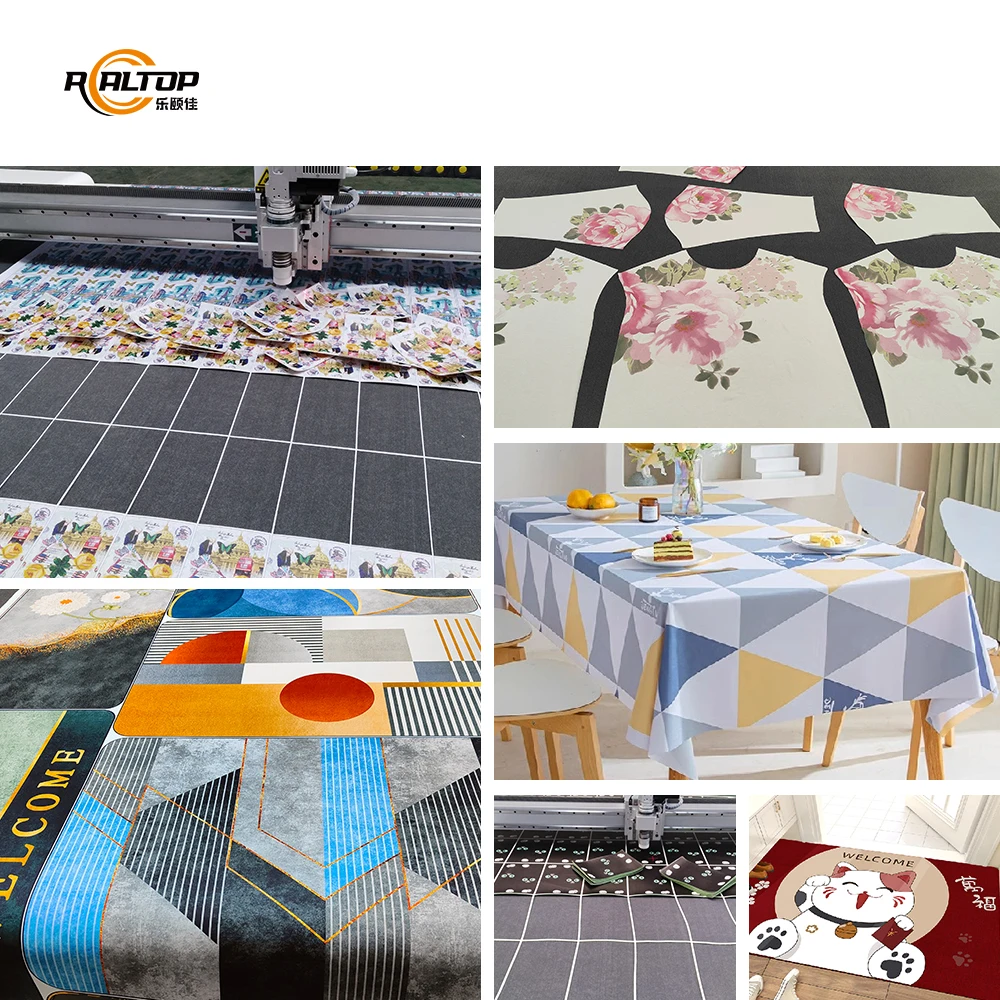
| Garment and Footwear Production | Single-layer cotton, silk, denim, and multi-layer stacked woven fabrics for shirts, dresses, and uppers |
| Automotive Interior Trimming | Synthetic leather, PU, PVC, and composite fabrics for seat covers and door panels |
| Luggage and Bag Manufacturing | Heavy-duty nylon, canvas, coated polyester, and reinforcement materials |
| Carpet and Floor Mat Fabrication | Non-woven fabric, tufted carpet, sponge, and rubber backing materials |
| Outdoor and Sports Goods | Coated technical textiles, ripstop nylon, and laminated waterproof membranes |
Why "Working Area Only" Specifications Fail on Technical Textiles
A CNC cutting machine manufacturer must specify the tool head alongside the table size. Specifying a machine purely on its 1600×2500 mm footprint leaves the buyer exposed when the material changes from standard woven cotton to a coated, slippery sun-protection fabric that causes a standard blade to skate across the surface.
I once saw a buyer in a South Asian market commit to a machine based on bed size alone. The trial cut on plain cotton was flawless, but production stock was a coated UV-blocking textile. The knife head could not grip the surface, producing ragged, unusable panels. Matching the oscillation frequency and blade geometry to the coating is what prevents this failure [NEED_CITE: material-specific tooling requirements for coated technical textiles].
Matching the Knife to the Cloth
Selecting the correct tool head is the primary decision when configuring a CNC digital cutting table for textiles. An oscillating knife handles standard woven and knitted fabrics, while a pneumatic knife delivers the downward force required for dense, multi-layer stacks used in high-volume garment production. For coated or laminated materials, a high-power vibrating knife with a specific blade angle prevents the edge from fraying or the coating from delaminating during the cut.
Vision Positioning for Printed Contours
When the production workflow involves cutting around pre-printed patterns or woven labels, CCD vision positioning becomes essential. Small CCD mark-point positioning reads discrete fiducial marks, while panoramic camera recognition captures the entire printed field to track contours even if the fabric stretches or shifts slightly on the conveyor. This capability is what separates a basic cutter from a system integrated into a modern print-and-cut garment workflow [NEED_CITE: CCD vision accuracy requirements for printed textile contouring].
Vacuum Hold-Down and Table Zoning
The magnesium-aluminum alloy table, driven by a 7.5 kW vacuum pump, provides the suction necessary to hold lightweight or slippery fabrics flat during high-speed traversal. Zoning the vacuum table allows the operator to activate suction only in the cutting zone, which is critical when processing small pattern pieces that might otherwise lift and shift under the drag of the knife.
The Cost of Skipping the Sample Cut
Skipping a sample cut on the actual production material often leads to discovering tool head incompatibility only after the machine is installed. A blade that performs perfectly on the supplier’s sample fabric may fail entirely on the buyer’s stock if the weave density or coating composition differs. This oversight results in rejected panels, wasted raw material, and production delays while alternative tooling is sourced and tested [NEED_CITE: consequences of unverified material cutting compatibility].
Why Sourcing from the Builder Matters
The ability to configure the tool head, vacuum table, and vision system from a single CNC cutting machine manufacturer eliminates the integration risk that arises when these components are sourced separately. Software compatibility is confirmed before the order is placed, ensuring the nesting algorithm accepts the buyer’s existing PLT, DXF, or AI files without requiring a new workflow. Voltage and control language customization means the machine arrives ready to connect to the local power grid and be operated immediately by the shop floor team.
Documentation & Verification
- Factory test record on buyer’s specific fabric type and ply count before dispatch
- Tool head and table configuration list matched to the confirmed material
- Electrical schematic and voltage confirmation for the target market
- Software licence and file format compatibility note for PLT, DXF, AI workflows
- Sample cutting report on the buyer’s own material
Installation, Commissioning & Support
- Flat, level floor required to support the 3450×2300×1250 mm machine footprint
- Dedicated 380V ±10% circuit required for the 9 kW main drive and 7.5 kW vacuum pump
- Machine arrives fully assembled; only power connection and table leveling needed
- Initial commissioning includes vacuum zoning setup and tool head calibration for your material
- Operation training covers file import, nesting, and knife replacement procedures
Information Required for Quotation
To provide an accurate configuration, share the specific fabric types, thickness, and whether you are cutting single-layer or multi-layer stacks. Confirm your local voltage and frequency, and whether your workflow requires CCD contour recognition for printed patterns.
Frequently Asked Questions
Q: How do I choose between knife cutting and laser cutting for my fabric?
A: Knife cutting is preferred for multi-layer stacks, technical textiles with coatings, and materials where a sealed edge is not required. Laser cutting is suited for single-layer synthetics that benefit from a sealed, fray-proof edge. Your material composition and production volume determine the correct method.
Q: What is the difference between the RT-D and RT-S series?
A: Both series share the same working area and cutting technology. The distinction lies in the level of automation and integration options, such as auto-feeding conveyors and advanced vision systems, which are configured based on your daily production volume and workflow complexity.
Q: Which tool heads are available and how are they matched?
A: Available options include oscillating knife, pneumatic knife, high-power vibrating knife, circular knife, and drag knife. The selection is based on your material’s density, coating, and required edge quality. A sample cut on your material confirms the correct choice.
Q: Can the control language and voltage be customized before shipment?
A: Yes. The control interface is available in English, Russian, Italian, and Chinese, with special languages customizable. Voltage is confirmed against your local grid specifications before production begins.










商品评价
There are no reviews yet.