




Fast Delivery
Quick, reliable shipping to any location.

Free & easy returns
Return this item by mail or in store within 90 days for a full refund.
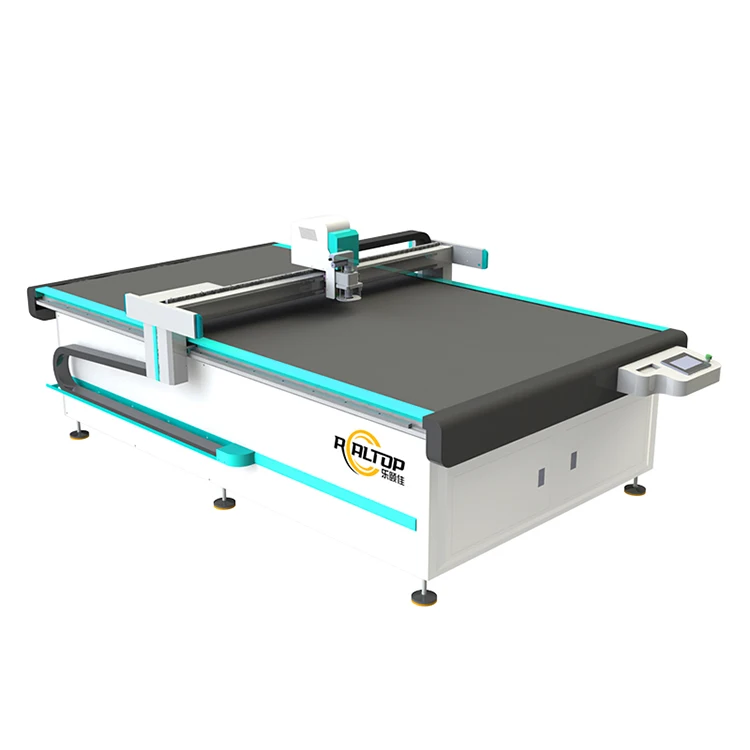
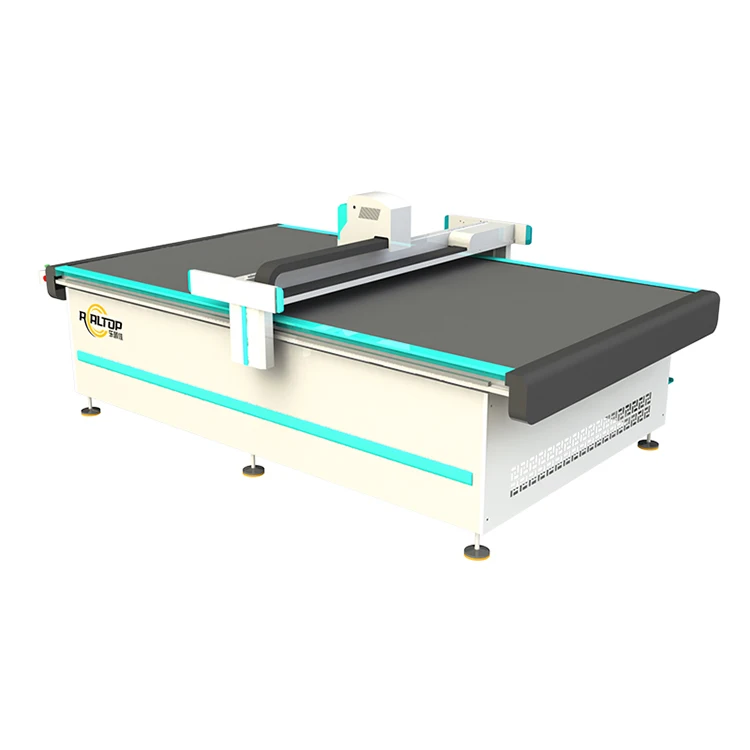
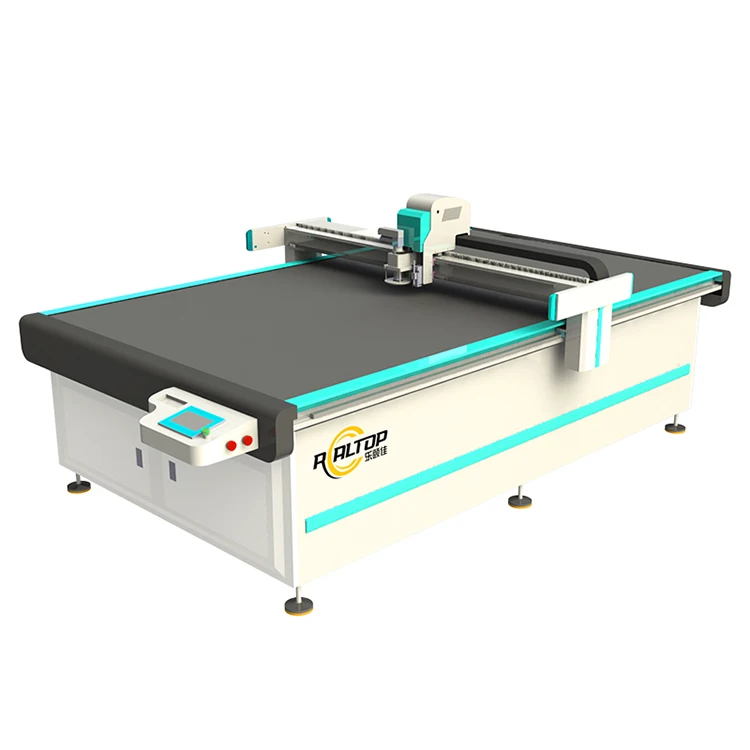
Precision Tool Configuration — Every RT-D2516/RT-S2516 oscillating knife setup is matched to the buyer’s material stack and daily volume before the order is confirmed, eliminating the guesswork between knife type, vacuum zoning and feed rate.
Technical Specifications
| Parameter | Value |
|---|---|
| Model | RT-D2516/RT-S2516 |
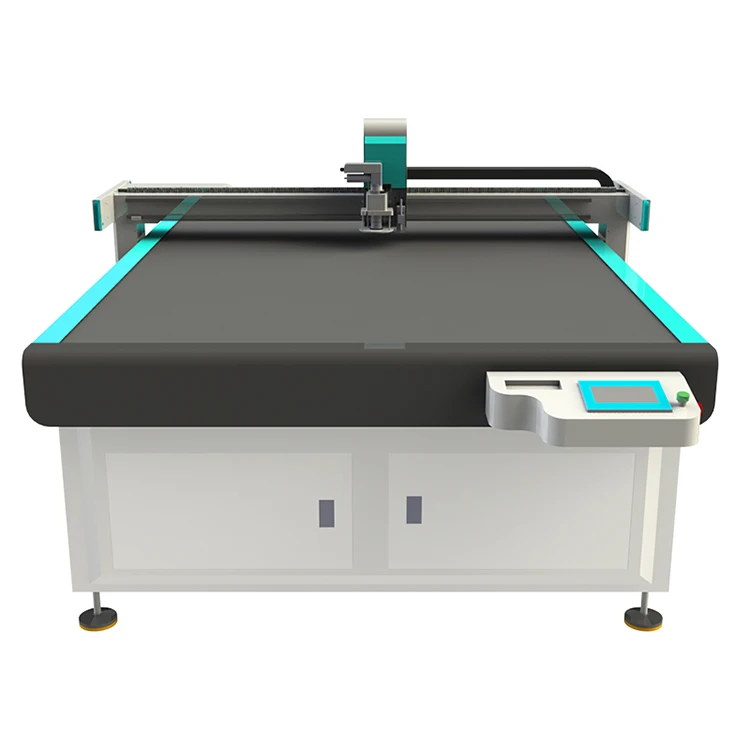
| Product Type | CNC Oscillating Knife Cutting Machine |
| Working Area | 1600 × 2500 mm |
| Overall Dimensions | 3450 × 2300 × 1250 mm |
| Rated Power | 9 kW |
| Table Type | Flat working table with vacuum hold-down |
| Tool Head | Swiss-imported oscillating knife with full-cut, half-cut and cursor location functions |
| Safety Device | Infrared sensors |
| Translational Velocity | 800–1200 mm/s |
| Cutting Speed | 200–800 mm/s (basis not stated in source — confirm block format, material and thickness) |
| Repeated Accuracy | ≤ 0.1 mm |
| Transmission System | Digital servo motor, linear guide, synchronous belt, ball screw |
| Instruction System | HP-GL compatible format |
| Voltage | 380V ± 10% |
| Servo Motor | Japanese Yaskawa |
| Linear Rail | Taiwan Hiwin |
| Vacuum Pump | 7.5 kW |
| Conveyor Belt | Germany-imported |
| Additional Features | Auto feeding system |
Application Suitability
| Application | Material or Output |
|---|---|
| Leather hide processing | Full-grain and corrected-grain hides, composite leather sheets |
| Garment and footwear cutting | Flexible fabrics, sponge-backed textiles, synthetic uppers |
| Soft material fabrication | PVC sheets, soft glass, silicon rubber, gasket compounds |
| Packaging sample making | Corrugated board, folding carton, foam inserts |
What "Cutting Speed 200–800 mm/s" Actually Depends On
The number on the spec sheet is a range — the speed your material allows is a single point inside it.
I have watched operators push a CNC oscillating knife cutting machine manufacturer’s stated top speed through three-layer E-flute, only to see the blade chatter and leave a feathered edge across every cut line. The 800 mm/s figure applies to thin, homogeneous sheets. Once you move into corrugated board with varying flute density or sponge composites with adhesive interlayers, the practical speed drops and the tool load rises. Running at the upper boundary without verifying against your specific stock is how you end up replacing blades mid-shift and rejecting entire batches for edge tear-out [NEED_CITE: oscillating knife cutting speed variables across material density].
Matching the Knife Profile to Corrugated and Composite Stocks
The Swiss-imported oscillating knife on the RT-D2516/RT-S2516 delivers high-frequency vibration that separates fibers cleanly rather than tearing them. For corrugated cardboard roll cutting, this matters because the flute tips and liner layers respond differently to blade geometry. A knife angled for dense leather will crush the flutes in single-wall board, leaving visible compression marks on the finished carton sample. The full-cut and half-cut modes let the operator kiss-cut the top liner for crease lines without penetrating the bottom ply — a capability that separates a packaging sample machine from a generic plotter.
Vacuum Zoning and Small-Part Stability
The 7.5 kW vacuum pump paired with the flat working table generates the hold-down force needed across the 1600 × 2500 mm bed. When cutting small carton inserts or gasket pieces, however, vacuum distribution becomes more important than total suction. A single-zone table will lose grip on parts smaller than the zone pitch, allowing the material to lift into the knife path and produce dimensional drift. Verifying how the table segments and whether the zoning matches your typical part footprint prevents the most common source of scrap in short-run packaging work [NEED_CITE: vacuum table zoning requirements for small-part digital cutting].
Reading the Specs That Matter on the Shop Floor
The repeated accuracy of ≤ 0.1 mm is maintained by the combination of Yaskawa servo motors and Hiwin linear rails — this tolerance stack is what keeps a crease line aligned with a cut line across a 2500 mm travel. The 9 kW rated power covers the oscillating knife head, vacuum pump and conveyor drive simultaneously, so the electrical supply must be sized for continuous combined load, not just the knife motor alone. HP-GL compatibility means the instruction system accepts vector files from most CAD packaging software without an intermediate conversion step, reducing the chance of geometry loss between design and cut. At 380V ± 10%, the machine targets industrial three-phase supply; facilities running 220V single-phase will need a step-up transformer confirmed before shipment.
The Cost of Skipping the Material Trial
When a buyer specifies a machine on bed size alone and skips the sample cut, the first week of production reveals the mismatch. The knife oscillation frequency that works on PVC will crush the flutes in double-wall corrugated. The vacuum setting that holds a full leather hide will not keep a nested array of small carton blanks from lifting. Correcting these issues after installation means retrofitting table zones, sourcing alternative blade profiles and retraining operators — all while the line sits idle [NEED_CITE: post-installation reconfiguration costs in digital cutting operations].
Why Source This Range Through a Single Manufacturer
Realtop designs and builds both knife and laser cutting systems in-house, so the RT-D2516/RT-S2516 configuration is decided by what the material demands, not by what one technology can force. The tool head, table surface and feed system are specified together against the buyer’s actual stock list. Sample cutting on the buyer’s own corrugated or flexible material is completed before the order is finalized, producing a cut report that documents edge quality, speed and blade wear. Voltage, plug type and control language are confirmed in writing, so the machine that arrives matches the facility’s electrical infrastructure and operator expectations.
Documentation & Verification
- Machine specification sheet listing the exact knife profile and vacuum zone layout
- Electrical schematic with 380V ± 10% confirmation and breaker sizing note
- Sample cutting report on buyer’s corrugated grade and thickness
- HP-GL file format compatibility note for buyer’s CAD software
- Factory test record documenting repeated accuracy across the 2500 mm travel
- Spare parts list with Swiss knife blade part numbers and lead times
Installation, Commissioning & Support
- Floor space of 3450 × 2300 mm plus operator clearance on three sides
- Dedicated 380V three-phase circuit rated above the 9 kW continuous draw
- Machine ships assembled; vacuum pump and conveyor belt connected on-site
- First-run parameter tuning on buyer’s material for speed and oscillation amplitude
- Operator training covering full-cut, half-cut and cursor location switching
- Blade replacement schedule based on actual material abrasiveness
Preparing Your Inquiry
To size the RT-D2516/RT-S2516 for your line, provide the material type, flute profile or sheet thickness, maximum sheet dimensions and target daily output. Include your facility voltage and frequency, preferred control language and the CAD software you currently use for nesting. If you are cutting multiple material families on one machine, list each one — the tool head and vacuum configuration may need to accommodate the full range.
Frequently Asked Questions
Q: How do I verify the cutting speed against my corrugated board grade?
A: Request a sample cut on your exact flute type and liner weight. The 200–800 mm/s range shifts depending on material density and thickness, so the only reliable figure is the speed recorded during the trial on your stock, documented in the cutting report provided before order confirmation.
Q: Will the vacuum table hold small carton blanks without lifting?
A: Hold-down performance depends on zone pitch relative to part size. Confirm your smallest blank dimensions during inquiry so the table zoning can be matched. The 7.5 kW pump provides ample suction; the question is whether the zone layout covers your part footprint.
Q: Does the software accept my existing packaging design files?
A: The HP-GL compatible instruction system handles standard vector formats from most packaging CAD platforms. Provide your software name and a sample file during inquiry so compatibility is verified before the machine ships, not after installation.
Q: What voltage and language options are confirmed before shipment?
A: The standard configuration is 380V ± 10% three-phase. If your facility runs a different supply, the transformer and plug type are specified at order. Control language is documented in the specification sheet so the HMI matches your operator team on arrival.
Precision Tool Configuration — Every RT-D2516/RT-S2516 oscillating knife setup is matched to the buyer’s material stack and daily volume before the order is confirmed, eliminating the guesswork between knife type, vacuum zoning and feed rate.
Technical Specifications
| Parameter | Value |
|---|---|
| Model | RT-D2516/RT-S2516 |
| Product Type | CNC Oscillating Knife Cutting Machine |
| Working Area | 1600 × 2500 mm |
| Overall Dimensions | 3450 × 2300 × 1250 mm |
| Rated Power | 9 kW |
| Table Type | Flat working table with vacuum hold-down |
| Tool Head | Swiss-imported oscillating knife with full-cut, half-cut and cursor location functions |
| Safety Device | Infrared sensors |
| Translational Velocity | 800–1200 mm/s |
| Cutting Speed | 200–800 mm/s (basis not stated in source — confirm block format, material and thickness) |
| Repeated Accuracy | ≤ 0.1 mm |
| Transmission System | Digital servo motor, linear guide, synchronous belt, ball screw |
| Instruction System | HP-GL compatible format |
| Voltage | 380V ± 10% |
| Servo Motor | Japanese Yaskawa |
| Linear Rail | Taiwan Hiwin |
| Vacuum Pump | 7.5 kW |
| Conveyor Belt | Germany-imported |
| Additional Features | Auto feeding system |
Application Suitability
| Application | Material or Output |
|---|---|
| Leather hide processing | Full-grain and corrected-grain hides, composite leather sheets |
| Garment and footwear cutting | Flexible fabrics, sponge-backed textiles, synthetic uppers |
| Soft material fabrication | PVC sheets, soft glass, silicon rubber, gasket compounds |
| Packaging sample making | Corrugated board, folding carton, foam inserts |
What "Cutting Speed 200–800 mm/s" Actually Depends On
The number on the spec sheet is a range — the speed your material allows is a single point inside it.
I have watched operators push a CNC oscillating knife cutting machine manufacturer’s stated top speed through three-layer E-flute, only to see the blade chatter and leave a feathered edge across every cut line. The 800 mm/s figure applies to thin, homogeneous sheets. Once you move into corrugated board with varying flute density or sponge composites with adhesive interlayers, the practical speed drops and the tool load rises. Running at the upper boundary without verifying against your specific stock is how you end up replacing blades mid-shift and rejecting entire batches for edge tear-out [NEED_CITE: oscillating knife cutting speed variables across material density].
Matching the Knife Profile to Corrugated and Composite Stocks
The Swiss-imported oscillating knife on the RT-D2516/RT-S2516 delivers high-frequency vibration that separates fibers cleanly rather than tearing them. For corrugated cardboard roll cutting, this matters because the flute tips and liner layers respond differently to blade geometry. A knife angled for dense leather will crush the flutes in single-wall board, leaving visible compression marks on the finished carton sample. The full-cut and half-cut modes let the operator kiss-cut the top liner for crease lines without penetrating the bottom ply — a capability that separates a packaging sample machine from a generic plotter.
Vacuum Zoning and Small-Part Stability
The 7.5 kW vacuum pump paired with the flat working table generates the hold-down force needed across the 1600 × 2500 mm bed. When cutting small carton inserts or gasket pieces, however, vacuum distribution becomes more important than total suction. A single-zone table will lose grip on parts smaller than the zone pitch, allowing the material to lift into the knife path and produce dimensional drift. Verifying how the table segments and whether the zoning matches your typical part footprint prevents the most common source of scrap in short-run packaging work [NEED_CITE: vacuum table zoning requirements for small-part digital cutting].
Reading the Specs That Matter on the Shop Floor
The repeated accuracy of ≤ 0.1 mm is maintained by the combination of Yaskawa servo motors and Hiwin linear rails — this tolerance stack is what keeps a crease line aligned with a cut line across a 2500 mm travel. The 9 kW rated power covers the oscillating knife head, vacuum pump and conveyor drive simultaneously, so the electrical supply must be sized for continuous combined load, not just the knife motor alone. HP-GL compatibility means the instruction system accepts vector files from most CAD packaging software without an intermediate conversion step, reducing the chance of geometry loss between design and cut. At 380V ± 10%, the machine targets industrial three-phase supply; facilities running 220V single-phase will need a step-up transformer confirmed before shipment.
The Cost of Skipping the Material Trial
When a buyer specifies a machine on bed size alone and skips the sample cut, the first week of production reveals the mismatch. The knife oscillation frequency that works on PVC will crush the flutes in double-wall corrugated. The vacuum setting that holds a full leather hide will not keep a nested array of small carton blanks from lifting. Correcting these issues after installation means retrofitting table zones, sourcing alternative blade profiles and retraining operators — all while the line sits idle [NEED_CITE: post-installation reconfiguration costs in digital cutting operations].
Why Source This Range Through a Single Manufacturer
Realtop designs and builds both knife and laser cutting systems in-house, so the RT-D2516/RT-S2516 configuration is decided by what the material demands, not by what one technology can force. The tool head, table surface and feed system are specified together against the buyer’s actual stock list. Sample cutting on the buyer’s own corrugated or flexible material is completed before the order is finalized, producing a cut report that documents edge quality, speed and blade wear. Voltage, plug type and control language are confirmed in writing, so the machine that arrives matches the facility’s electrical infrastructure and operator expectations.
Documentation & Verification
- Machine specification sheet listing the exact knife profile and vacuum zone layout
- Electrical schematic with 380V ± 10% confirmation and breaker sizing note
- Sample cutting report on buyer’s corrugated grade and thickness
- HP-GL file format compatibility note for buyer’s CAD software
- Factory test record documenting repeated accuracy across the 2500 mm travel
- Spare parts list with Swiss knife blade part numbers and lead times
Installation, Commissioning & Support
- Floor space of 3450 × 2300 mm plus operator clearance on three sides
- Dedicated 380V three-phase circuit rated above the 9 kW continuous draw
- Machine ships assembled; vacuum pump and conveyor belt connected on-site
- First-run parameter tuning on buyer’s material for speed and oscillation amplitude
- Operator training covering full-cut, half-cut and cursor location switching
- Blade replacement schedule based on actual material abrasiveness
Preparing Your Inquiry
To size the RT-D2516/RT-S2516 for your line, provide the material type, flute profile or sheet thickness, maximum sheet dimensions and target daily output. Include your facility voltage and frequency, preferred control language and the CAD software you currently use for nesting. If you are cutting multiple material families on one machine, list each one — the tool head and vacuum configuration may need to accommodate the full range.
Frequently Asked Questions
Q: How do I verify the cutting speed against my corrugated board grade?
A: Request a sample cut on your exact flute type and liner weight. The 200–800 mm/s range shifts depending on material density and thickness, so the only reliable figure is the speed recorded during the trial on your stock, documented in the cutting report provided before order confirmation.
Q: Will the vacuum table hold small carton blanks without lifting?
A: Hold-down performance depends on zone pitch relative to part size. Confirm your smallest blank dimensions during inquiry so the table zoning can be matched. The 7.5 kW pump provides ample suction; the question is whether the zone layout covers your part footprint.
Q: Does the software accept my existing packaging design files?
A: The HP-GL compatible instruction system handles standard vector formats from most packaging CAD platforms. Provide your software name and a sample file during inquiry so compatibility is verified before the machine ships, not after installation.
Q: What voltage and language options are confirmed before shipment?
A: The standard configuration is 380V ± 10% three-phase. If your facility runs a different supply, the transformer and plug type are specified at order. Control language is documented in the specification sheet so the HMI matches your operator team on arrival.










商品评价
There are no reviews yet.