

Fast Delivery
Quick, reliable shipping to any location.

Free & easy returns
Return this item by mail or in store within 90 days for a full refund.
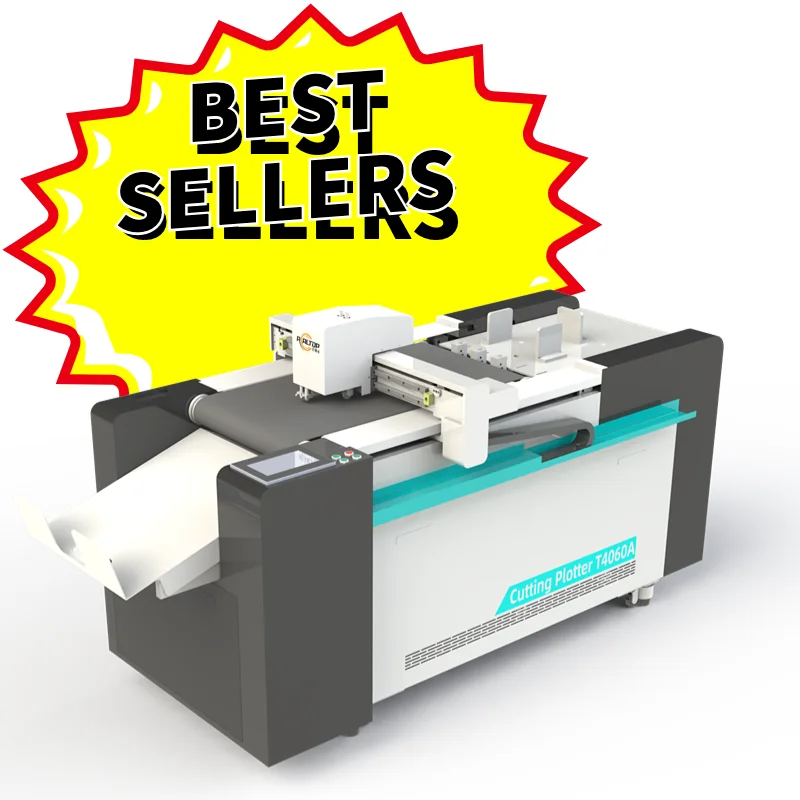
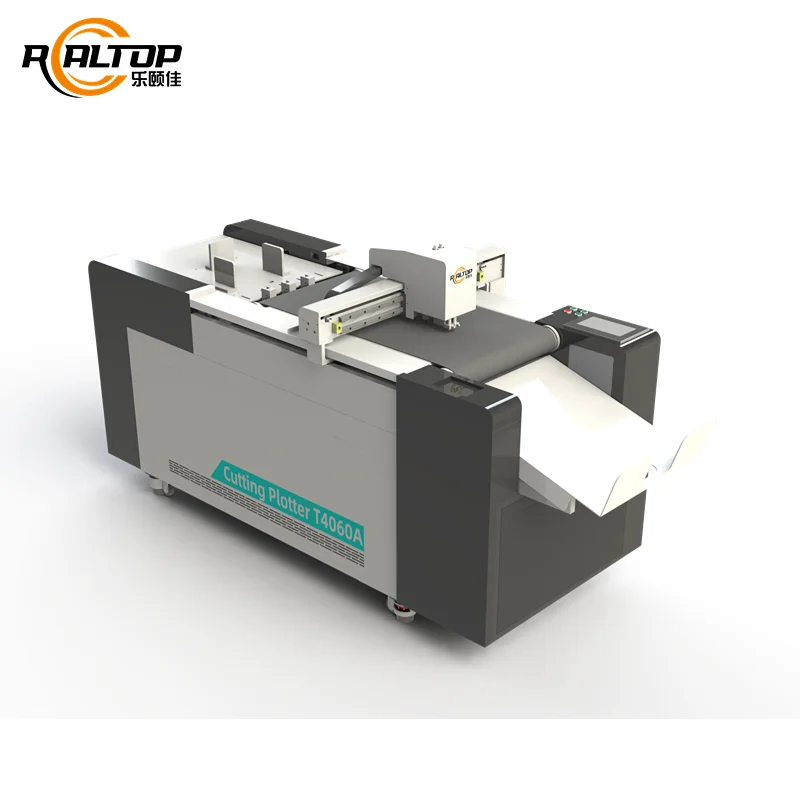
Tool-to-Material Matching — the RTT-4060 series is specified per film, vinyl or card stock rather than sold as a generic plotter, with tool head and vacuum zoning confirmed on your own sample before shipment.
Technical Specifications
| Parameter | Value |
|---|---|
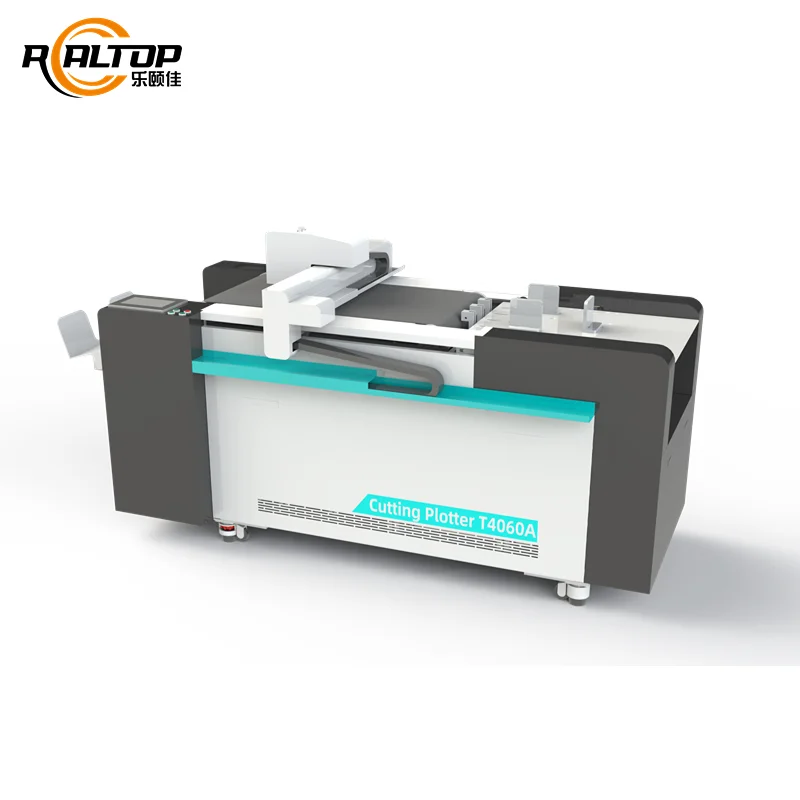
| Product Type | Digital Knife Cutting Plotter |
| Model | RTT-4060 / RTT-4060Pro |
| Working Area | 400 × 600 mm |
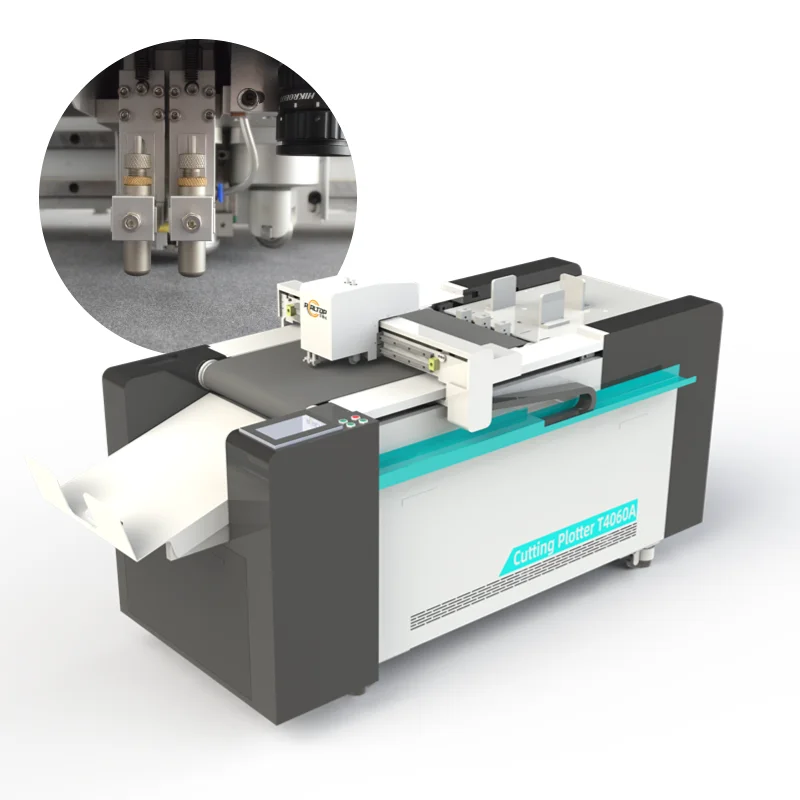
| Tool Head Options | Oscillating knife, drag knife (basis not stated in source) |
| Cutting Thickness by Material | Basis to be confirmed with manufacturer |
| Positioning Accuracy | Basis to be confirmed |
| Repeatability | Basis to be confirmed |
| CCD Camera | Basis to be confirmed |
| Vacuum Zones | Basis to be confirmed |
| Software & File Formats | Basis to be confirmed |
| Rated Power | Basis to be confirmed |
| Voltage & Frequency | Basis to be confirmed |
| Control System | Basis to be confirmed |
| Overall Dimensions | Basis to be confirmed |
| Net Weight | Basis to be confirmed |
| Certification | Basis to be confirmed |
Application Suitability
| Application | Material or Output |
|---|---|
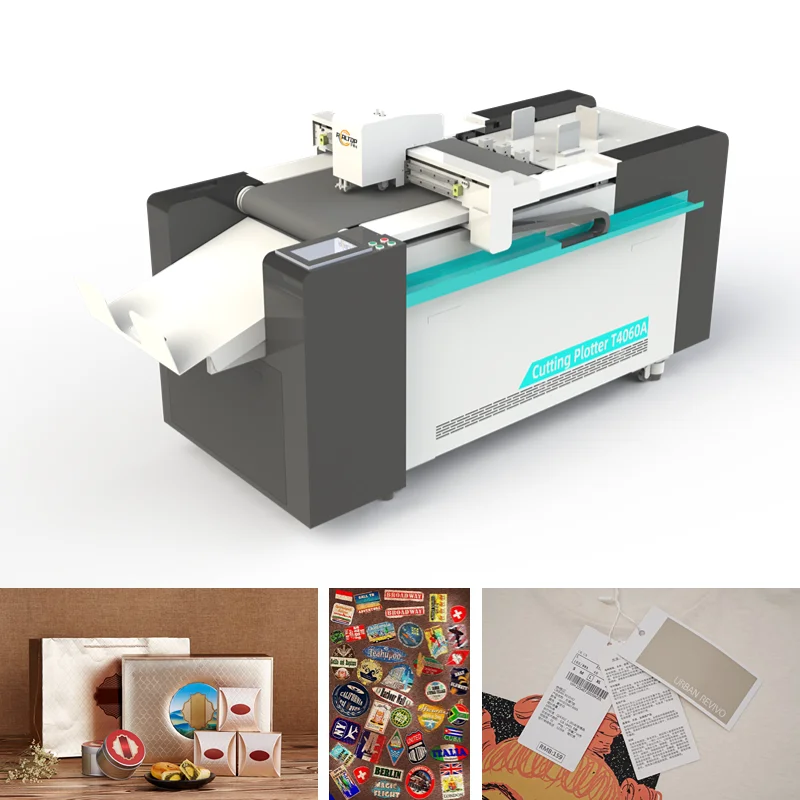
| Advertising labels and decals | Self-adhesive vinyl, reflective film, PVC sheets |
| Short-run sticker contour cutting | Printed laminates with registration marks |
| Packaging sample making | Coated paper, card stock, thin corrugated board |
| Paper and stationery converting | Art paper, offset paper, kraft stock |
Why the Working Area Alone Never Tells the Full Story
A digital knife cutting plotter manufacturer often quotes bed size first and leaves material compatibility for later — but a 400 × 600 mm table does not guarantee clean cuts through a 0.5 mm sticker laminate. Configuration must follow the material, not the footprint.
I have stood beside a sign shop in Riyadh where a plotter specified purely on working area could not hold thin vinyl flat under the knife. Small decals lifted off the table mid-cut because vacuum zoning was designed for full-sheet cardboard, not nesting dozens of 50 × 30 mm stickers. The operator spent more time repositioning material than actually cutting [NEED_CITE: vacuum zoning requirements for small-format adhesive cutting]. Matching the RTT-4060 to your actual stock — including thickness, adhesive backing and laminate structure — prevents that kind of line stoppage before it happens.
Where the RTT-4060 Fits in a Compact-Format Range
The RTT-4060 series occupies the compact end of a broader cutting equipment catalogue that spans oscillating knife, drag knife and laser systems. Buyers surveying options from a digital knife cutting plotter manufacturer often start by filtering on bed size, but the real decision is whether the material responds better to a reciprocating blade or a static drag knife. Thin self-adhesive films tend to suit drag knife tooling, while slightly thicker foam-backed vinyl or gasket stock benefits from an oscillating head. This page positions the RTT-4060 so you can decide which tool path to evaluate before requesting a sample cut.
CCD Contour Recognition and Print Quality Dependencies
When sticker jobs require cutting along a printed outline, CCD camera positioning tracks registration marks to align the knife path with the graphic. The reliability of that tracking depends on mark contrast, lighting conditions and print consistency — not just on whether a camera is mounted. A digital knife cutting plotter manufacturer should confirm the mark size and color contrast your printer produces, then run a live test on your actual output before the configuration is locked [NEED_CITE: CCD registration mark specifications for digital finishing]. Without that validation step, contour accuracy degrades at production speed even though the system works fine during a slow demonstration.
Reading the Specs That Actually Matter for Label Work
Working area determines the maximum sheet or roll width you can load, but for label shops the more practical question is how many labels nest per sheet and what yield that produces. Tool head selection sits at the center of edge quality: a drag knife scores clean corners on thin vinyl yet struggles with foam-backed material, while an oscillating knife handles thicker stock but can leave micro-serrations on ultra-thin films. Vacuum table zoning controls whether small stickers stay flat or drift during the final cut pass. Software compatibility decides whether your existing nesting files import directly or require manual redraw — a bottleneck that does not appear on any specification sheet until the machine is on your floor.
The Hidden Cost of Skipping a Material Test
I once configured an oscillating knife head for a Dubai advertising fabricator based on a standard PVC sample that cut cleanly. The customer’s real production stock was a thick acrylic-faced laminate the knife could not penetrate without excessive downforce. The tool tip fractured, the production line sat idle for a week waiting for replacement holders, and the schedule slipped past a trade-show deadline. That is the kind of failure that never shows up in a brochure. Running a sample cut on your own material — including the adhesive layer and backing paper — surfaces these incompatibilities before the purchase order is signed [NEED_CITE: tool wear patterns on laminated adhesive materials].
What This Range Offers Beyond the Spec Sheet
In-house design and production across both knife and laser technologies means a buyer can compare cutting methods on the same material rather than being steered toward whichever machine is in stock. Tool head and table configuration are specified against your material and volume, not selected from a fixed menu. CCD camera positioning is validated on your print output, not assumed from a camera datasheet. Software and file format compatibility are confirmed before order entry so nesting workflows carry over without translation. Sample cutting on the buyer’s own stock runs before any commitment, giving you physical evidence of edge quality, contour accuracy and cycle behavior.
Documentation & Verification
- Machine specification sheet listing RTT-4060 working area, tool head options and vacuum layout
- Sample cutting report produced on your label or sticker stock before order confirmation
- Electrical schematic with voltage and frequency matched to your facility supply
- Software licence note and file format compatibility checklist for your nesting workflow
- Operation and maintenance manual covering tool change procedures and vacuum pump upkeep
Installation, Commissioning & Support
- Floor space planning around the RTT-4060 footprint including operator access on three sides
- Dedicated circuit matched to confirmed voltage and frequency rating before delivery
- Vacuum pump connection and extraction ducting routed per facility layout
- First-run parameter tuning on your label material with documented feed and speed settings
- Operator training on tool head changeover and CCD mark calibration for contour jobs
- Spare blade and holder inventory sized to your weekly cutting volume
What to Include in Your Inquiry
Send the exact material type, thickness and laminate structure you plan to cut, along with a typical sheet size and daily volume target. Confirm your facility voltage, frequency and preferred control language so electrical and interface configuration is settled before production. If contour cutting from printed marks is part of your workflow, include a sample of the printed output so CCD tracking can be validated in advance.
Frequently Asked Questions
Q: How do I verify cutting capacity when the working area alone is not enough?
A: Request a sample cut on your own material at production speed. The test should cover edge quality, corner accuracy and whether the vacuum table holds small pieces without drift. A written sample report documents tool head selection, blade angle and downforce so the configuration is locked before shipment.
Q: What print quality does CCD contour recognition require?
A: Registration marks need sufficient contrast against the background, consistent size across sheets, and placement outside the cut path. Print a test sheet and send it for camera tracking validation before finalizing the machine configuration. Lighting conditions at your facility also affect tracking reliability.
Q: Which tool head works better for sticker laminates versus plain paper?
A: Drag knife tooling generally suits thin vinyl and unlaminated paper because it scores tight corners cleanly. Oscillating knife heads handle thicker foam-backed or multi-layer laminates where a drag knife would drag or tear. Confirm selection through a sample cut on your exact stock.
Q: What electrical details must be confirmed before the machine ships?
A: Voltage, frequency, plug type and control panel language should all be locked before production starts. A mismatch in any of these items can delay commissioning by weeks. The electrical schematic and voltage confirmation document prevent this [NEED_CITE: voltage and frequency standards by export market].
Q: Where does the RTT-4060 sit compared to larger format or laser options?
A: The RTT-4060 targets compact-format label, sticker and paper jobs where knife cutting avoids the thermal edge effects of a laser. For larger sheets or non-metal materials where a sealed edge is needed, the broader range includes flatbed knife tables and CO2 laser systems sized accordingly.










商品评价
There are no reviews yet.