

Fast Delivery
Quick, reliable shipping to any location.

Free & easy returns
Return this item by mail or in store within 90 days for a full refund.
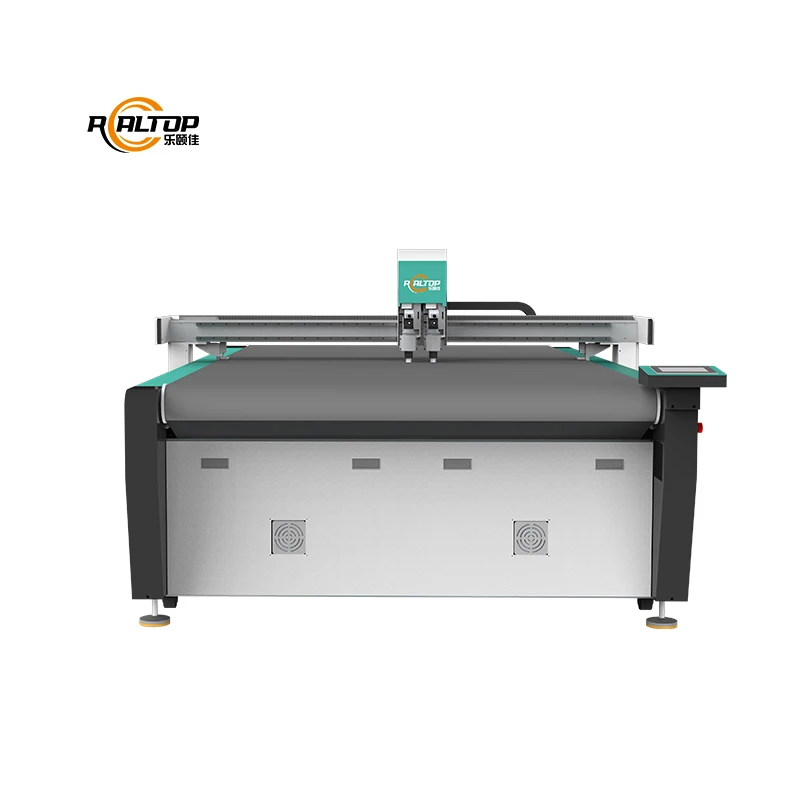
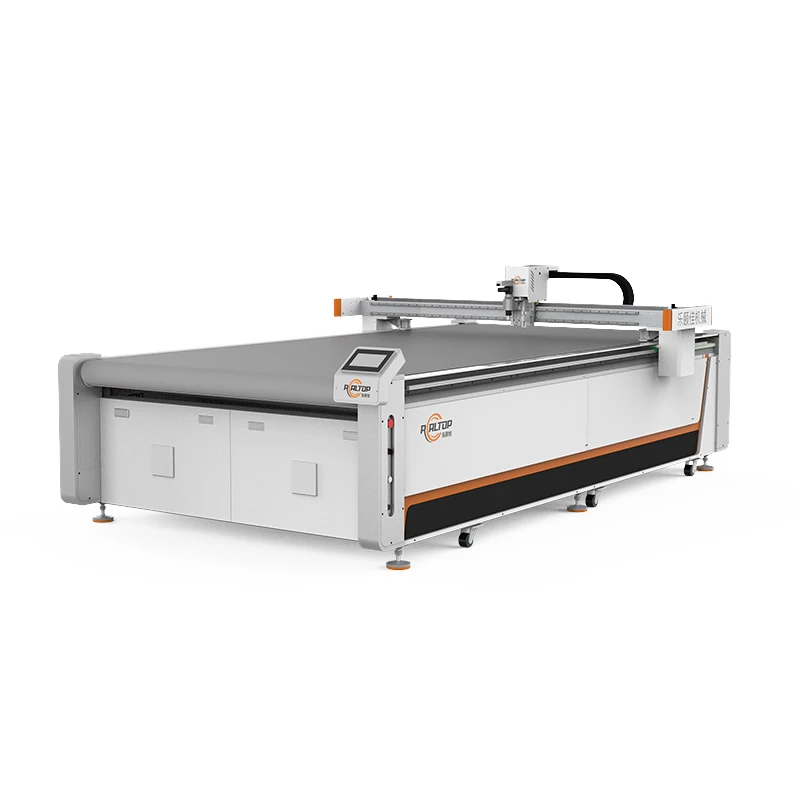
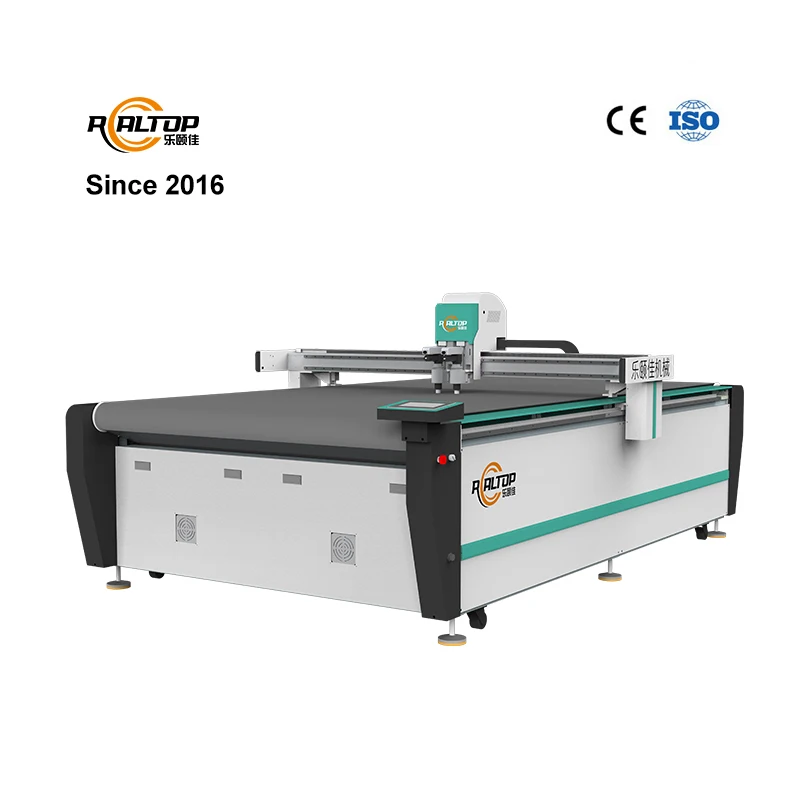
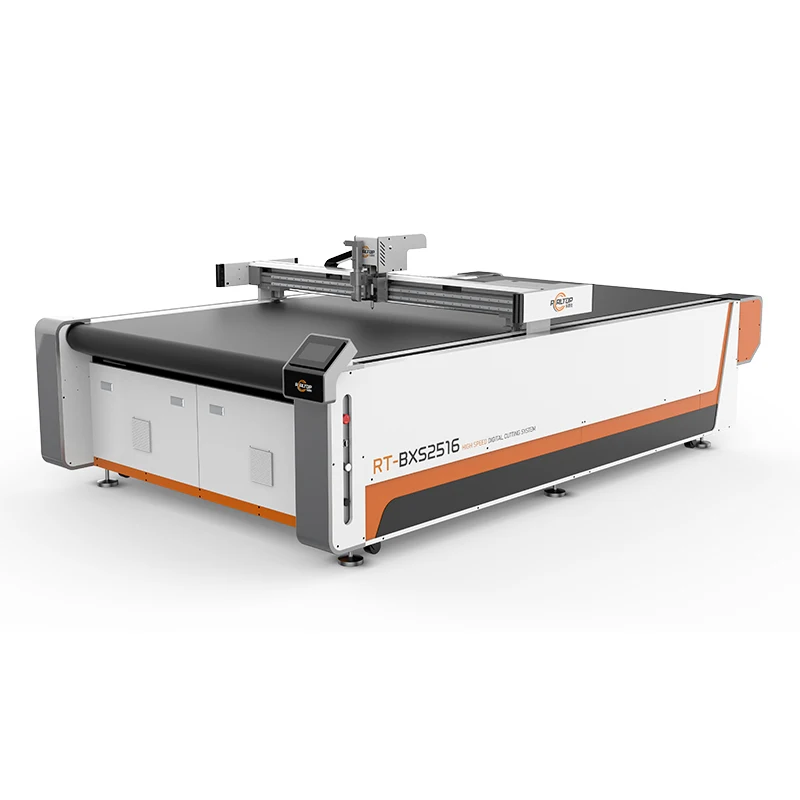
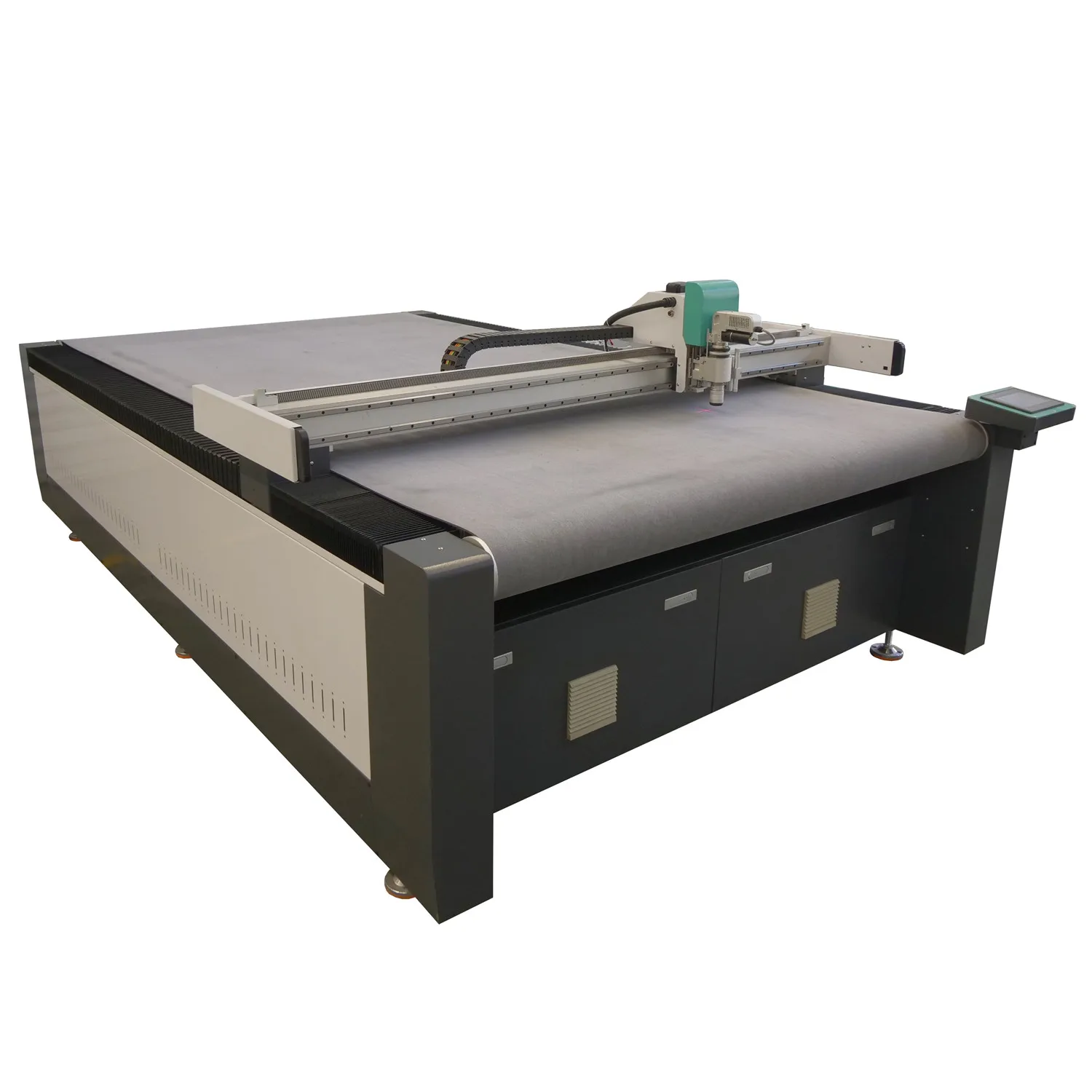
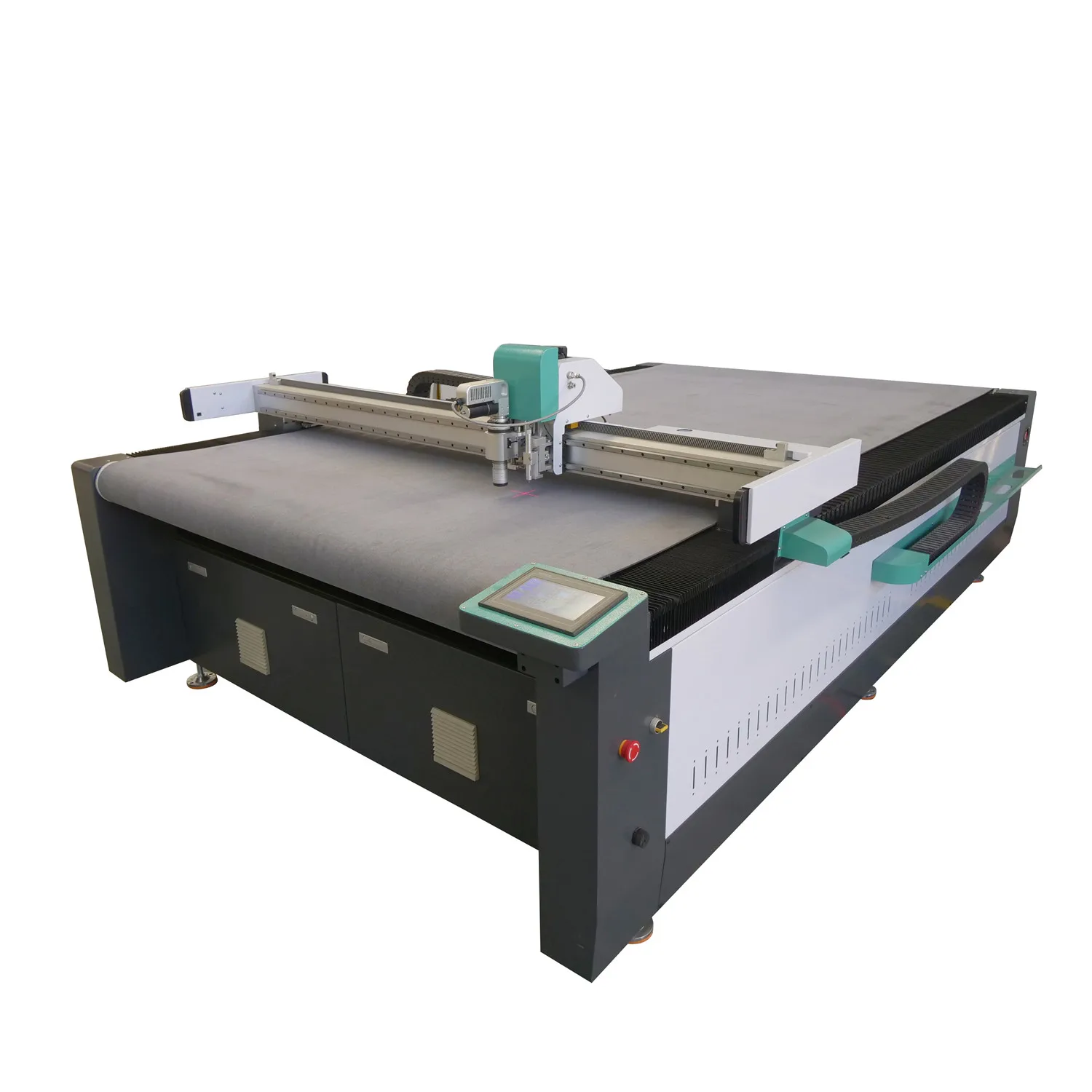
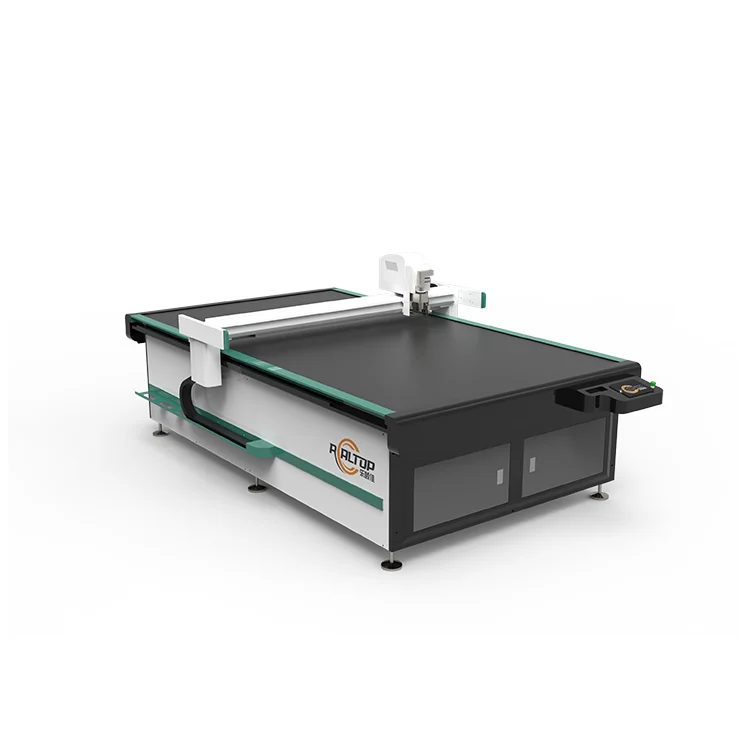
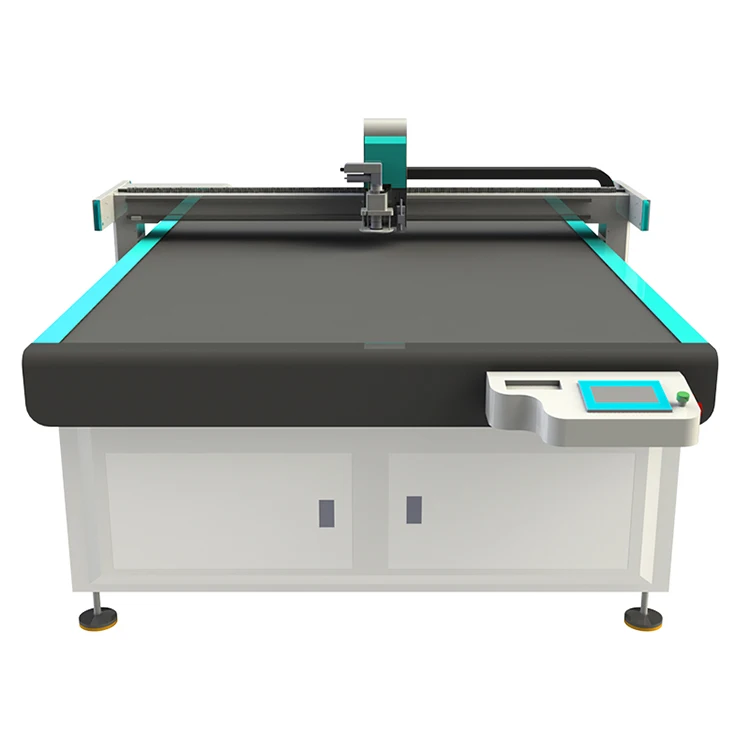
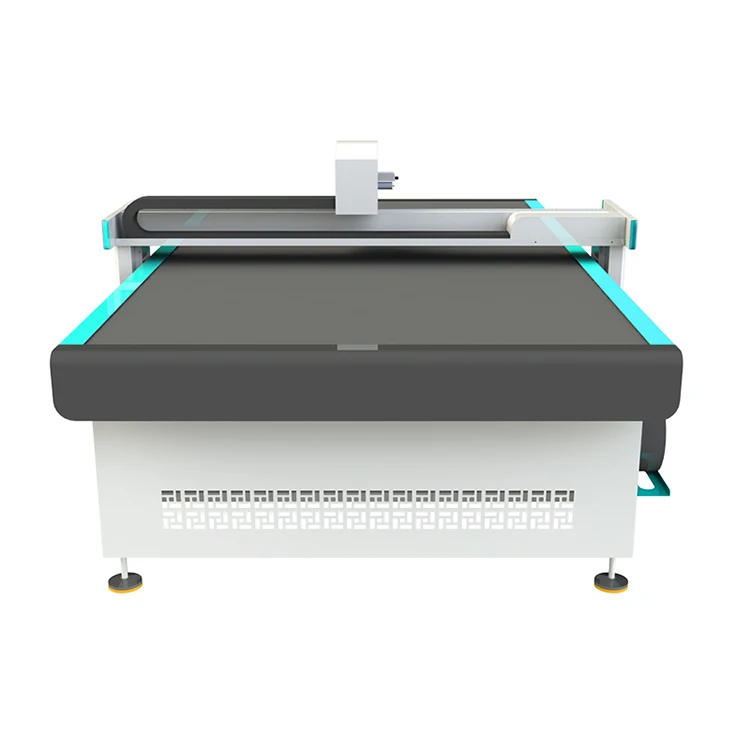
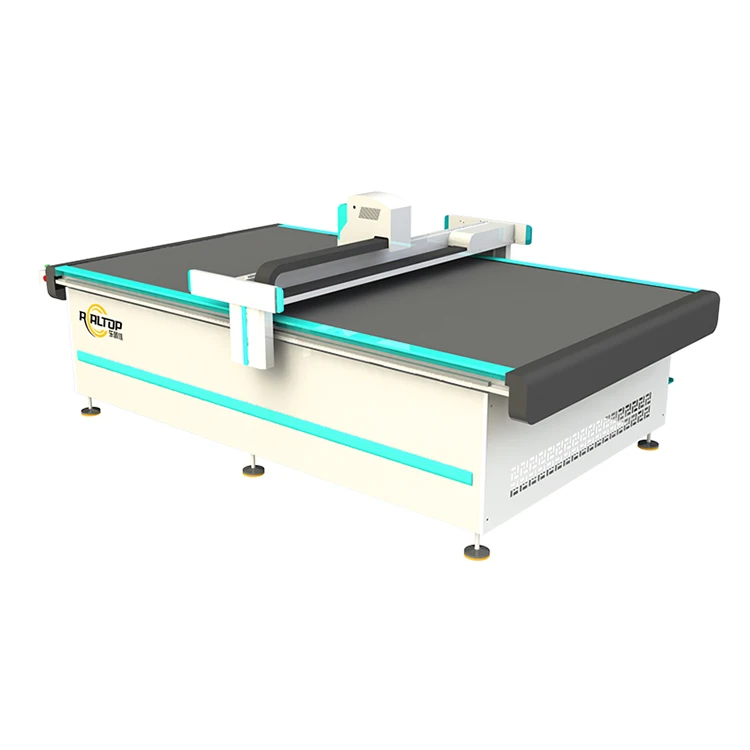
Single-source cutting technology — The RT-D2516 / RT-S2516 platform is configurable for oscillating knife, drag knife or pneumatic tooling within one frame, letting buyers compare cutting methods against their actual material rather than commit to one approach from a single-technology vendor.
Technical Specifications
| Parameter | Value |
|---|---|
| Model | RT-D2516 / RT-S2516 |
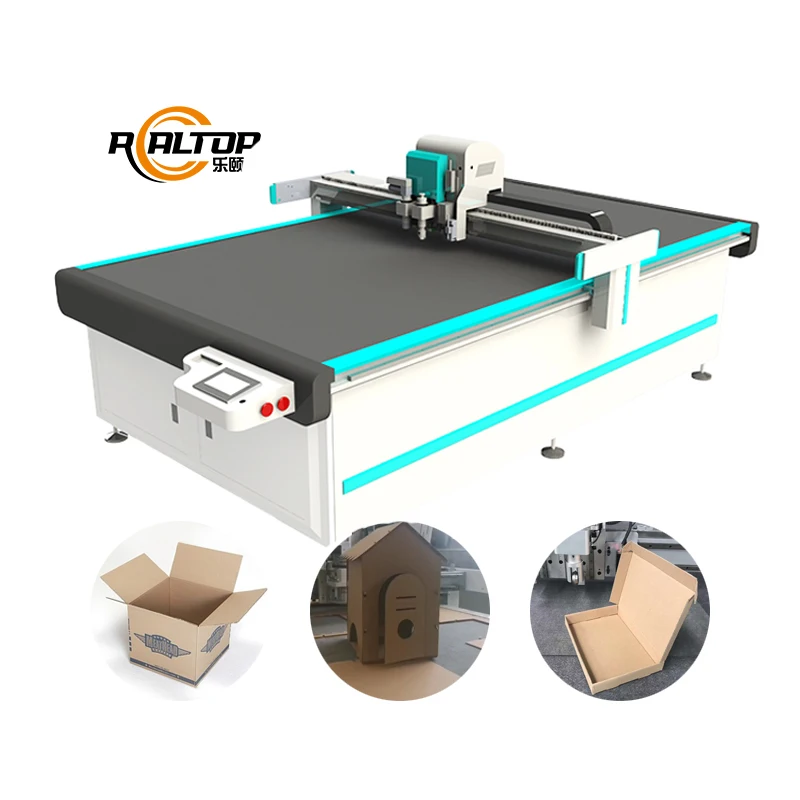
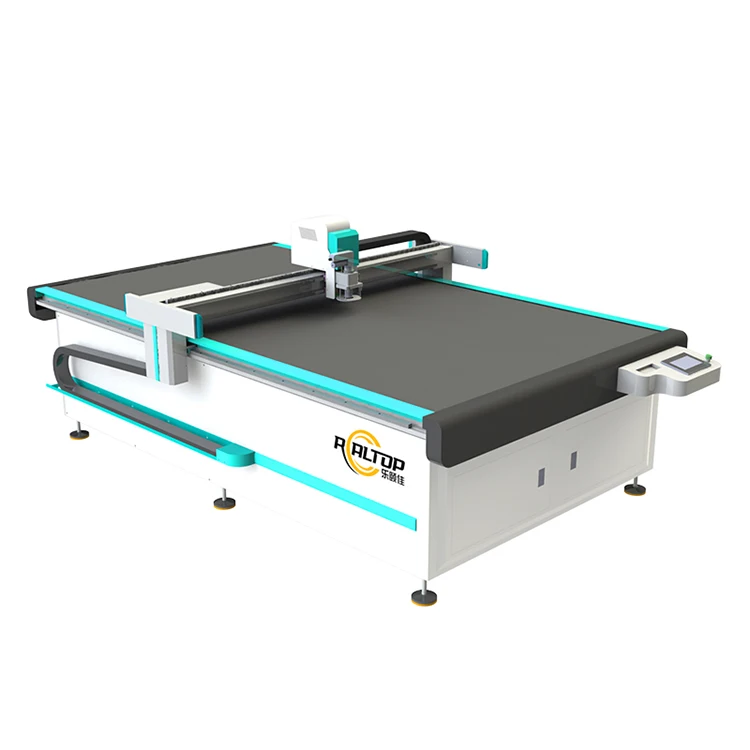
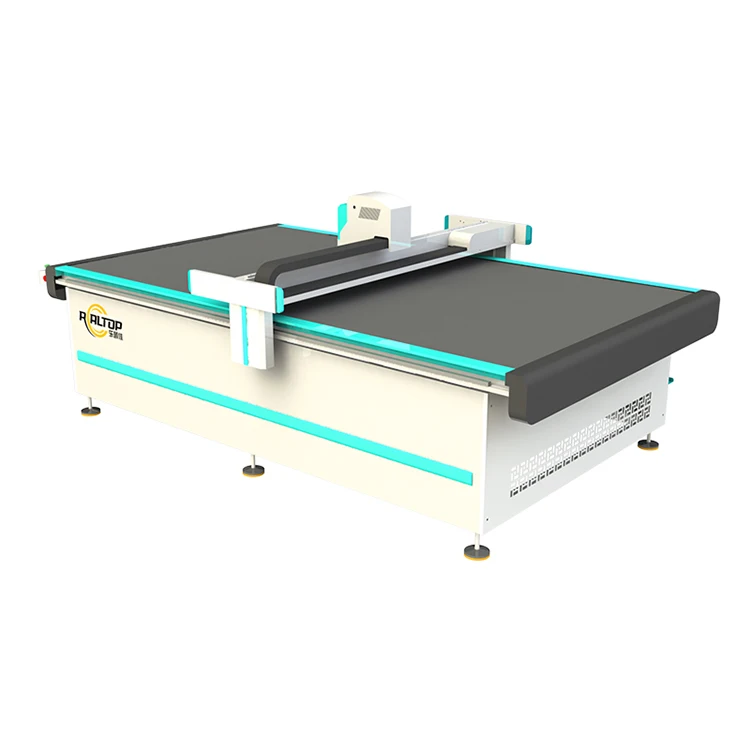
| Product Type | CNC Oscillating Knife Cutting Machine |
| Working Area | 1600×2500 mm |
| Machine Size (L×W×H) | 3450×2300×1250 mm |
| Rated Power | 9 kW |
| Voltage | 380V ±10% (frequency to be confirmed: 50 or 60 Hz) |
| Translational Velocity | 800–2000 mm/s |
| Cutting Speed | 200–800 mm/s (basis not stated in source — confirm material and thickness) |
| Cutting Thickness | Up to 100 mm (varies with material density and tool selection) |
| Repeated Accuracy | ≤0.1 mm |
| Transmission System | Digital servo motor, linear guide, synchronous belt, ball screw |
| Servo Motor Options | Delta (China) or Panasonic (Japan) — verify against manufacturer catalog |
| Vacuum Platform | Magnesium-aluminum alloy, PVDF powder coated and anodized, integrated or split box option |
| Vacuum Pump | 7.5 kW, aviation aluminum shell with built-in silencer sponge |
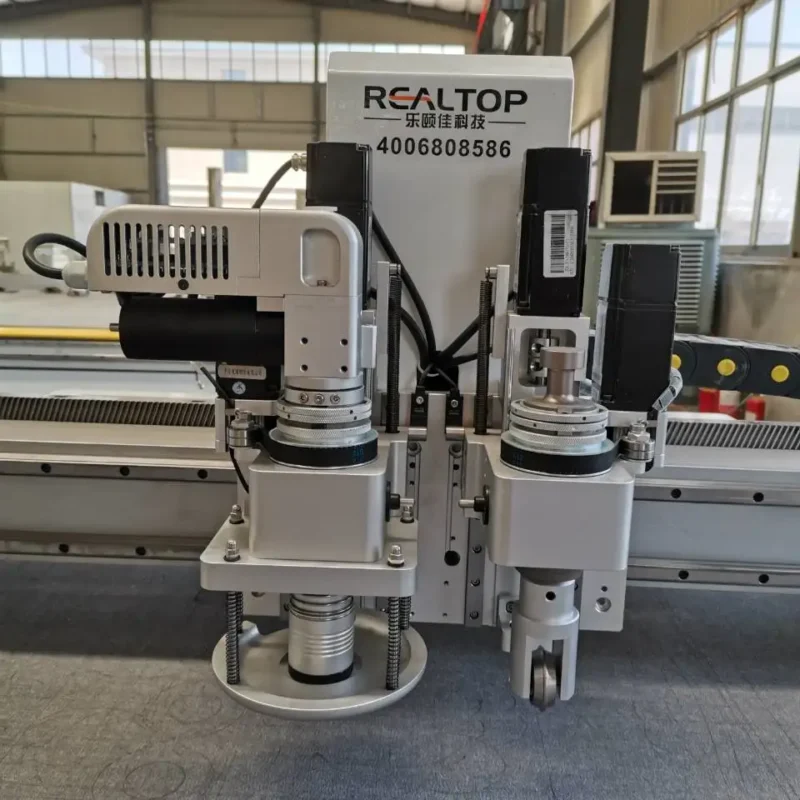
| Multifunctional Tool Head | Swiss imported knife (vibration full/half cut, cursor location); options include pneumatic knife, high-power vibrating knife, circular knife, V-cutting knife, drag knife, creasing wheel, dotted line knife, punching, brush |
| Visual Positioning Options | Small CCD camera mark point, panoramic camera recognition, projection positioning |
| Control / Instruction Format | HP-GL compatible |
| Software File Formats | PLT, DXF, AI with automatic nesting |
| Control Panel | Touch screen, multi-language (English, Russian, Italian, Chinese; other languages customizable) |
| Table Type Options | Flat working table or auto feeding table (conveyor) |
| Safety Devices | Infrared induction blocking, anti-collision sensors on both beam sides, emergency stop with in-situ resume |
Application Suitability
| Application | Material or Output |
|---|---|
| Automotive floor mat and interior trimming | Carpet, floor mats, leather, EVA, XPE foam |
| Garment and footwear panel cutting | Fabric, textile, shoe material, PU, non-woven fabric |
| Soft furnishing and upholstery production | Multi-layer cloth, composite materials, sponge |
| Sealing gasket fabrication | PTFE, ETFE, rubber, silicone, soft glass |
| Packaging sample making and signage | Corrugated cardboard, PVC, sticker, film |
| Composite and sports goods manufacturing | Carbon fiber, fiberglass, PP, PE |
Why Material Thickness Changes Everything About Machine Choice
The working area on a spec sheet tells you where the beam travels, not what the knife can actually cut through at production speed.
I once watched a production line for automotive interiors grind to a halt because the CNC oscillating knife cutting machine manufacturer had sized the bed correctly but paired it with a standard vibrating head on thick, long-pile carpet. The knife deflected, edges frayed, and the output dropped to a fraction of the expected rate. With the RT-D2516 / RT-S2516, the tool head selection — from standard oscillating knife to high-power vibrating knife or pneumatic knife — must be matched to the material stack-up before the order is placed, not after. [NEED_CITE: knife deflection behavior on dense fibrous materials at varying oscillation frequencies]
Matching the Tool Head to the Production Job
The RT-D2516 / RT-S2516 multifunctional head accepts a Swiss imported blade for standard vibration full and half cutting, but the real production value lies in swapping tooling per job. A drag knife suits thin vinyl and sticker, while a high-power vibrating knife handles dense carpet and thick foam without crushing the core. Creasing wheels and dotted-line knives fold into the same tool changer for packaging sample work, letting one machine cover sample-making and short-run production without re-fixturing the sheet.
Vacuum Hold-Down for Thick, Flexible Stock
Thick carpet and multi-layer foam lift at the cut point if the vacuum table cannot pull enough air through the material. The 7.5 kW pump on this platform, paired with a magnesium-aluminum alloy platform, maintains suction across the full 1600×2500 mm bed. The integrated or split box vacuum option affects how the table zones suction, which matters when you are running small gasket parts on one section and full-sheet carpet on another during the same shift. [NEED_CITE: vacuum zoning requirements for small-part cutting on porous materials]
How the Specs Translate to Daily Output
The 800–2000 mm/s translational velocity and 200–800 mm/s cutting speed range set the ceiling, but actual throughput depends on how many tool changes the nesting software can eliminate and how well the vacuum holds the stock flat. The Delta or Panasonic servo options both deliver the ≤0.1 mm repeat accuracy needed for contour work, though the choice between them may depend on spare parts availability in the buyer’s region. Automatic nesting for PLT, DXF and AI files reduces material waste on irregular garment and footwear panels, and the HP-GL compatible instruction format keeps the machine compatible with older pattern-making software still running in many factories.
What Happens When the Voltage Is Wrong
Sending a 380V ±10% machine to a facility running a different supply standard can damage the servo drives or cause intermittent faults that are hard to diagnose on the shop floor. Buyers should confirm their local frequency — 50 Hz or 60 Hz — and voltage tolerance before the machine enters production. The touch screen control panel supports multiple languages, but the electrical schematic must match the actual wiring at destination to avoid voiding the CE documentation and creating a safety hazard during maintenance. [NEED_CITE: electrical supply standards and frequency variations by export market]
Why Sourcing Both Technologies From One Builder Matters
REALTOP manufactures both knife and laser platforms in-house, which means a buyer evaluating the RT-D2516 / RT-S2516 can request a side-by-side sample cut on the same material to see which method produces a cleaner edge. The in-house design team adjusts vacuum zoning, tool head configuration and conveyor feeding to match the buyer’s production sequence rather than selling a fixed catalogue machine. Factory testing on the buyer’s own stock before shipment catches tooling mismatches that no spec sheet can predict, and the documentation package — including software licence notes and file format compatibility records — reduces the gap between what was demonstrated and what arrives on the dock.
Documentation & Verification
- Machine specification sheet listing confirmed tool head and vacuum zoning for your material
- Electrical schematic with 380V ±10% and frequency noted for your facility
- Sample cutting report on your carpet, foam or fabric stock with edge quality photographs
- Software licence and PLT / DXF / AI file format compatibility note before shipment
- Factory test record covering servo tuning and vacuum hold-down on your sheet size
- Packing photographs showing split box vacuum platform securement for ocean freight
Installation, Commissioning & Support
- Floor space of at least 3450×2300 mm plus operator clearance on the 9 kW rated machine
- Dedicated 380V ±10% circuit confirmed for frequency before the RT-D2516 / RT-S2516 is energized
- Split vacuum box option allows container transport; reassembly and sealing verified on site
- First-run calibration of servo drives and vacuum zoning across the 1600×2500 mm bed
- Touch screen language set and nesting software file import validated with your production files
- Spare Swiss imported blades, vacuum seals and silencer sponge listed in the initial parts kit
What to Include in Your Inquiry
Provide the material type, maximum thickness and sheet dimensions you run daily, along with your local voltage and frequency standard. Note whether you need the auto feeding conveyor for roll goods or the flat table for rigid board. If your existing workflow relies on specific PLT, DXF or AI nesting templates, share a sample file so compatibility can be confirmed before the quotation.
Frequently Asked Questions
Q: How do I decide between oscillating knife and laser cutting for my material?
A: Request a sample cut on your actual stock from both platforms. Knife cutting avoids the heat-affected zone that can seal or melt synthetic fibres, while laser suits thin film and engraving. REALTOP builds both technologies, so the comparison can be done before you commit to one method for your production line.
Q: What working area and table options are available on this machine?
A: The RT-D2516 / RT-S2516 offers a 1600×2500 mm bed with either a flat working table or an auto feeding conveyor. The magnesium-aluminum vacuum platform comes in integrated or split box form, affecting how suction zones are arranged for small versus full-sheet parts.
Q: Which tool head handles thick carpet without crushing the pile?
A: The high-power vibrating knife option is specified for dense, thick materials like carpet and floor mats. Standard oscillating knives suit thinner textiles and foam. Tool selection is confirmed during sample cutting on your material, not assumed from a catalogue listing.
Q: How is my material tested before I place the order?
A: Send a roll or sheet sample to the factory. The machine is set up with your specified tool head and vacuum zoning, then cut at production speed. A report with edge quality images and measured cycle times is returned so you can verify output before committing.
Q: Can the control language and voltage be customised for my country?
A: The touch screen supports English, Russian, Italian and Chinese, with other languages available on request. Voltage at 380V ±10% must be matched to your facility’s supply and frequency — 50 or 60 Hz — confirmed before shipment to prevent servo drive damage.
Single-source cutting technology — The RT-D2516 / RT-S2516 platform is configurable for oscillating knife, drag knife or pneumatic tooling within one frame, letting buyers compare cutting methods against their actual material rather than commit to one approach from a single-technology vendor.
Technical Specifications
| Parameter | Value |
|---|---|
| Model | RT-D2516 / RT-S2516 |
| Product Type | CNC Oscillating Knife Cutting Machine |
| Working Area | 1600×2500 mm |
| Machine Size (L×W×H) | 3450×2300×1250 mm |
| Rated Power | 9 kW |
| Voltage | 380V ±10% (frequency to be confirmed: 50 or 60 Hz) |
| Translational Velocity | 800–2000 mm/s |
| Cutting Speed | 200–800 mm/s (basis not stated in source — confirm material and thickness) |
| Cutting Thickness | Up to 100 mm (varies with material density and tool selection) |
| Repeated Accuracy | ≤0.1 mm |
| Transmission System | Digital servo motor, linear guide, synchronous belt, ball screw |
| Servo Motor Options | Delta (China) or Panasonic (Japan) — verify against manufacturer catalog |
| Vacuum Platform | Magnesium-aluminum alloy, PVDF powder coated and anodized, integrated or split box option |
| Vacuum Pump | 7.5 kW, aviation aluminum shell with built-in silencer sponge |
| Multifunctional Tool Head | Swiss imported knife (vibration full/half cut, cursor location); options include pneumatic knife, high-power vibrating knife, circular knife, V-cutting knife, drag knife, creasing wheel, dotted line knife, punching, brush |
| Visual Positioning Options | Small CCD camera mark point, panoramic camera recognition, projection positioning |
| Control / Instruction Format | HP-GL compatible |
| Software File Formats | PLT, DXF, AI with automatic nesting |
| Control Panel | Touch screen, multi-language (English, Russian, Italian, Chinese; other languages customizable) |
| Table Type Options | Flat working table or auto feeding table (conveyor) |
| Safety Devices | Infrared induction blocking, anti-collision sensors on both beam sides, emergency stop with in-situ resume |
Application Suitability
| Application | Material or Output |
|---|---|
| Automotive floor mat and interior trimming | Carpet, floor mats, leather, EVA, XPE foam |
| Garment and footwear panel cutting | Fabric, textile, shoe material, PU, non-woven fabric |
| Soft furnishing and upholstery production | Multi-layer cloth, composite materials, sponge |
| Sealing gasket fabrication | PTFE, ETFE, rubber, silicone, soft glass |
| Packaging sample making and signage | Corrugated cardboard, PVC, sticker, film |
| Composite and sports goods manufacturing | Carbon fiber, fiberglass, PP, PE |
Why Material Thickness Changes Everything About Machine Choice
The working area on a spec sheet tells you where the beam travels, not what the knife can actually cut through at production speed.
I once watched a production line for automotive interiors grind to a halt because the CNC oscillating knife cutting machine manufacturer had sized the bed correctly but paired it with a standard vibrating head on thick, long-pile carpet. The knife deflected, edges frayed, and the output dropped to a fraction of the expected rate. With the RT-D2516 / RT-S2516, the tool head selection — from standard oscillating knife to high-power vibrating knife or pneumatic knife — must be matched to the material stack-up before the order is placed, not after. [NEED_CITE: knife deflection behavior on dense fibrous materials at varying oscillation frequencies]
Matching the Tool Head to the Production Job
The RT-D2516 / RT-S2516 multifunctional head accepts a Swiss imported blade for standard vibration full and half cutting, but the real production value lies in swapping tooling per job. A drag knife suits thin vinyl and sticker, while a high-power vibrating knife handles dense carpet and thick foam without crushing the core. Creasing wheels and dotted-line knives fold into the same tool changer for packaging sample work, letting one machine cover sample-making and short-run production without re-fixturing the sheet.
Vacuum Hold-Down for Thick, Flexible Stock
Thick carpet and multi-layer foam lift at the cut point if the vacuum table cannot pull enough air through the material. The 7.5 kW pump on this platform, paired with a magnesium-aluminum alloy platform, maintains suction across the full 1600×2500 mm bed. The integrated or split box vacuum option affects how the table zones suction, which matters when you are running small gasket parts on one section and full-sheet carpet on another during the same shift. [NEED_CITE: vacuum zoning requirements for small-part cutting on porous materials]
How the Specs Translate to Daily Output
The 800–2000 mm/s translational velocity and 200–800 mm/s cutting speed range set the ceiling, but actual throughput depends on how many tool changes the nesting software can eliminate and how well the vacuum holds the stock flat. The Delta or Panasonic servo options both deliver the ≤0.1 mm repeat accuracy needed for contour work, though the choice between them may depend on spare parts availability in the buyer’s region. Automatic nesting for PLT, DXF and AI files reduces material waste on irregular garment and footwear panels, and the HP-GL compatible instruction format keeps the machine compatible with older pattern-making software still running in many factories.
What Happens When the Voltage Is Wrong
Sending a 380V ±10% machine to a facility running a different supply standard can damage the servo drives or cause intermittent faults that are hard to diagnose on the shop floor. Buyers should confirm their local frequency — 50 Hz or 60 Hz — and voltage tolerance before the machine enters production. The touch screen control panel supports multiple languages, but the electrical schematic must match the actual wiring at destination to avoid voiding the CE documentation and creating a safety hazard during maintenance. [NEED_CITE: electrical supply standards and frequency variations by export market]
Why Sourcing Both Technologies From One Builder Matters
REALTOP manufactures both knife and laser platforms in-house, which means a buyer evaluating the RT-D2516 / RT-S2516 can request a side-by-side sample cut on the same material to see which method produces a cleaner edge. The in-house design team adjusts vacuum zoning, tool head configuration and conveyor feeding to match the buyer’s production sequence rather than selling a fixed catalogue machine. Factory testing on the buyer’s own stock before shipment catches tooling mismatches that no spec sheet can predict, and the documentation package — including software licence notes and file format compatibility records — reduces the gap between what was demonstrated and what arrives on the dock.
Documentation & Verification
- Machine specification sheet listing confirmed tool head and vacuum zoning for your material
- Electrical schematic with 380V ±10% and frequency noted for your facility
- Sample cutting report on your carpet, foam or fabric stock with edge quality photographs
- Software licence and PLT / DXF / AI file format compatibility note before shipment
- Factory test record covering servo tuning and vacuum hold-down on your sheet size
- Packing photographs showing split box vacuum platform securement for ocean freight
Installation, Commissioning & Support
- Floor space of at least 3450×2300 mm plus operator clearance on the 9 kW rated machine
- Dedicated 380V ±10% circuit confirmed for frequency before the RT-D2516 / RT-S2516 is energized
- Split vacuum box option allows container transport; reassembly and sealing verified on site
- First-run calibration of servo drives and vacuum zoning across the 1600×2500 mm bed
- Touch screen language set and nesting software file import validated with your production files
- Spare Swiss imported blades, vacuum seals and silencer sponge listed in the initial parts kit
What to Include in Your Inquiry
Provide the material type, maximum thickness and sheet dimensions you run daily, along with your local voltage and frequency standard. Note whether you need the auto feeding conveyor for roll goods or the flat table for rigid board. If your existing workflow relies on specific PLT, DXF or AI nesting templates, share a sample file so compatibility can be confirmed before the quotation.
Frequently Asked Questions
Q: How do I decide between oscillating knife and laser cutting for my material?
A: Request a sample cut on your actual stock from both platforms. Knife cutting avoids the heat-affected zone that can seal or melt synthetic fibres, while laser suits thin film and engraving. REALTOP builds both technologies, so the comparison can be done before you commit to one method for your production line.
Q: What working area and table options are available on this machine?
A: The RT-D2516 / RT-S2516 offers a 1600×2500 mm bed with either a flat working table or an auto feeding conveyor. The magnesium-aluminum vacuum platform comes in integrated or split box form, affecting how suction zones are arranged for small versus full-sheet parts.
Q: Which tool head handles thick carpet without crushing the pile?
A: The high-power vibrating knife option is specified for dense, thick materials like carpet and floor mats. Standard oscillating knives suit thinner textiles and foam. Tool selection is confirmed during sample cutting on your material, not assumed from a catalogue listing.
Q: How is my material tested before I place the order?
A: Send a roll or sheet sample to the factory. The machine is set up with your specified tool head and vacuum zoning, then cut at production speed. A report with edge quality images and measured cycle times is returned so you can verify output before committing.
Q: Can the control language and voltage be customised for my country?
A: The touch screen supports English, Russian, Italian and Chinese, with other languages available on request. Voltage at 380V ±10% must be matched to your facility’s supply and frequency — 50 or 60 Hz — confirmed before shipment to prevent servo drive damage.
商品评价
There are no reviews yet.