

CNC Vibrating Knife Cutter for Custom Carton Packaging Shapes – Full Range
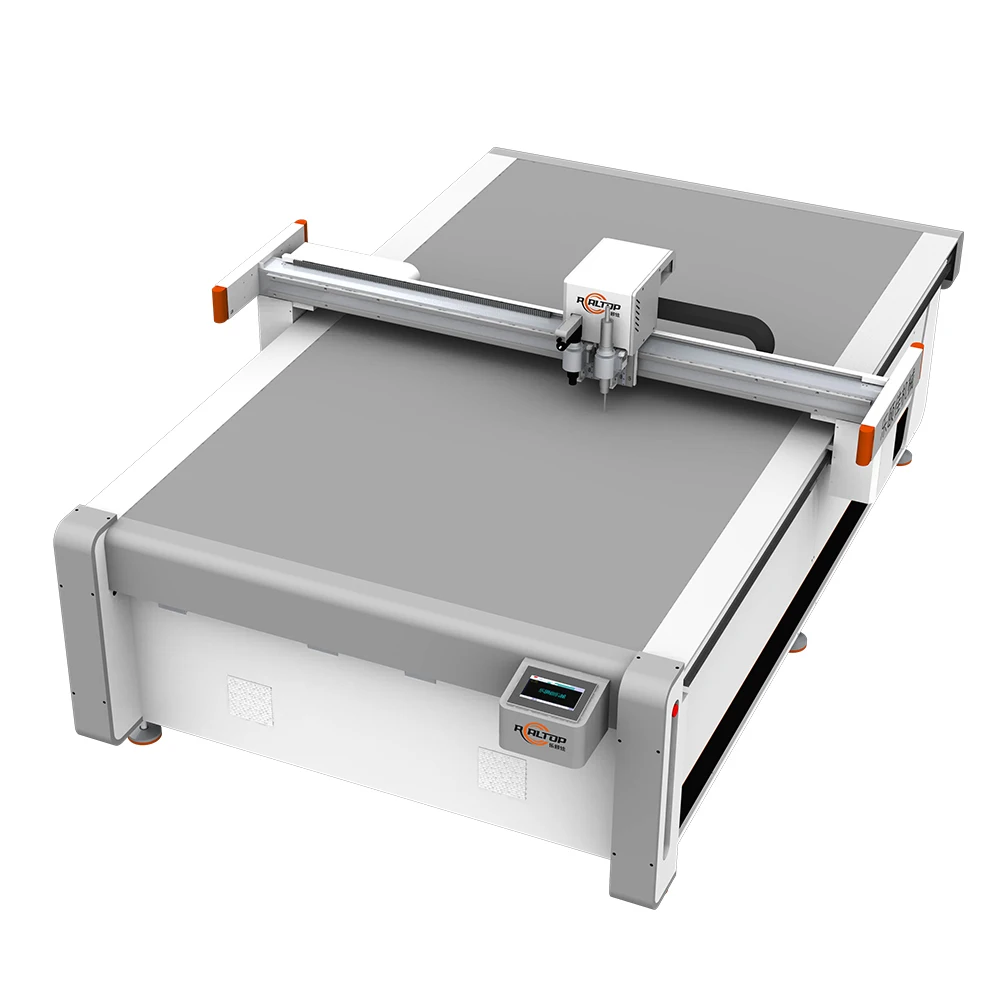
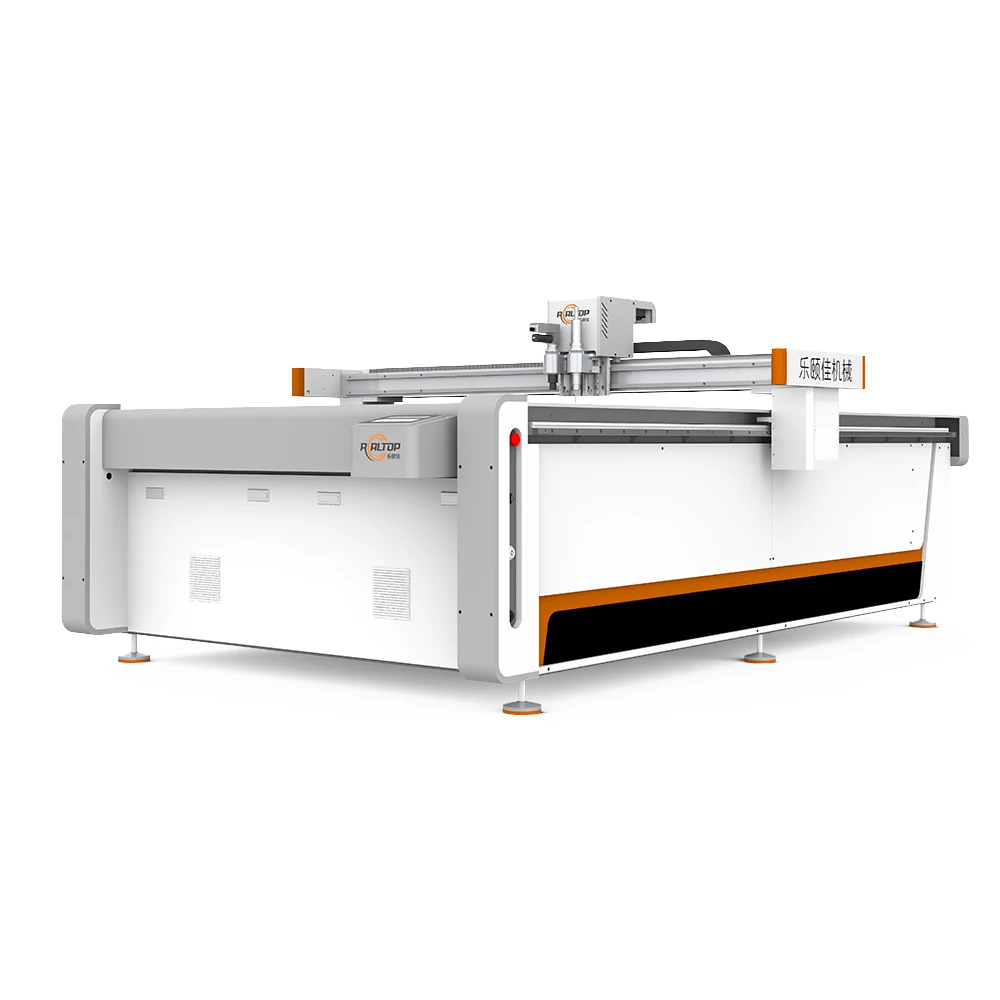
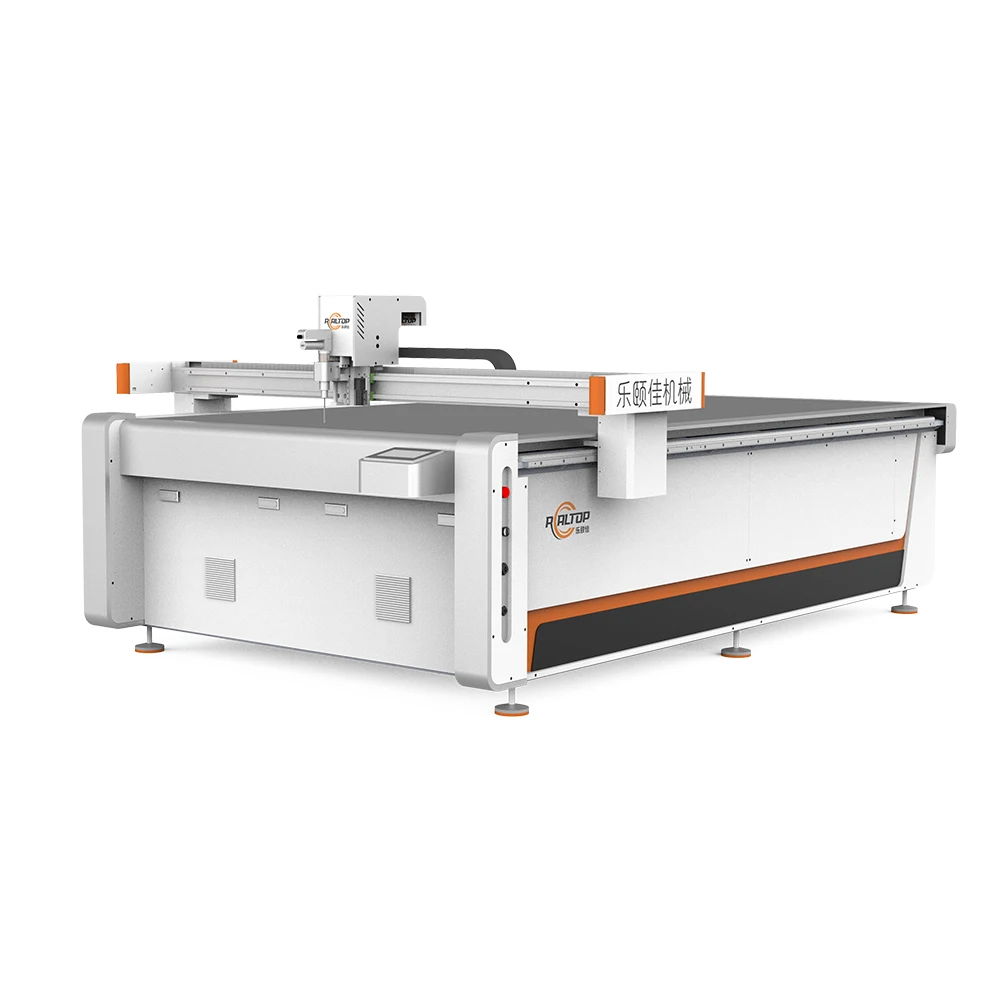
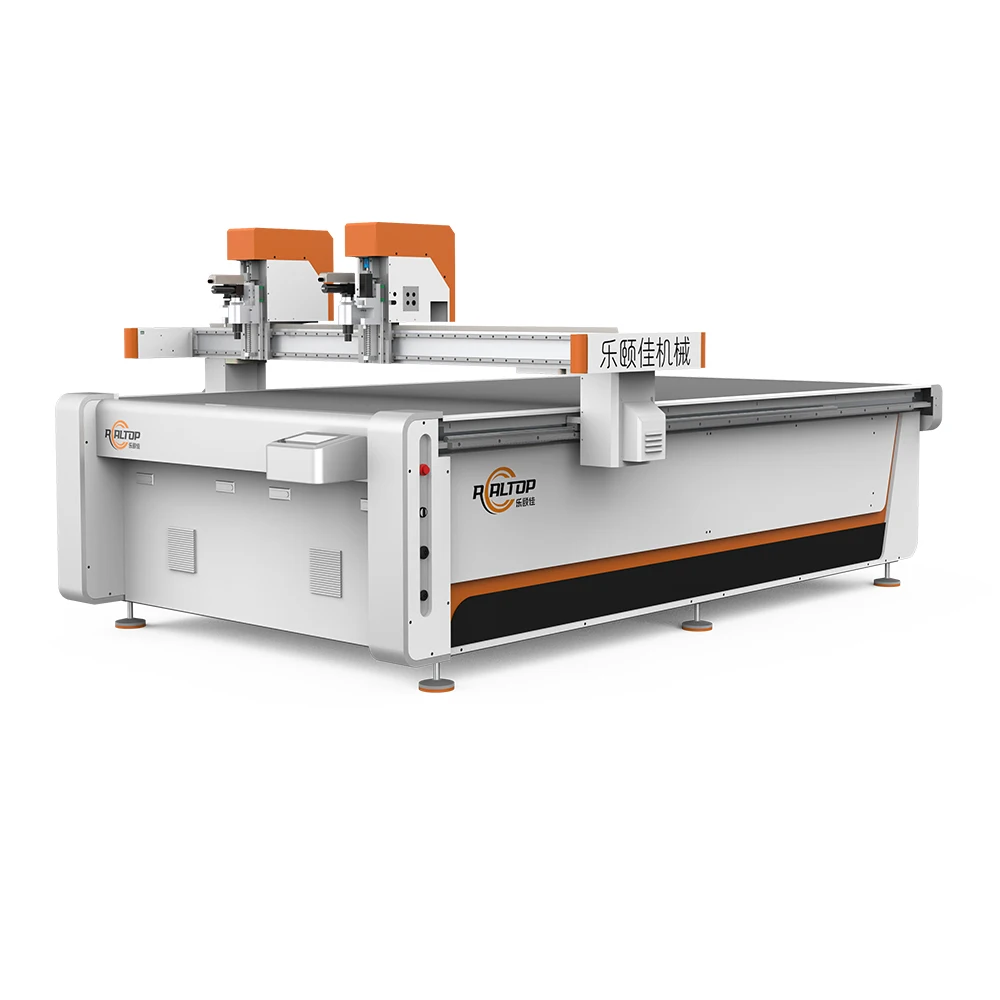
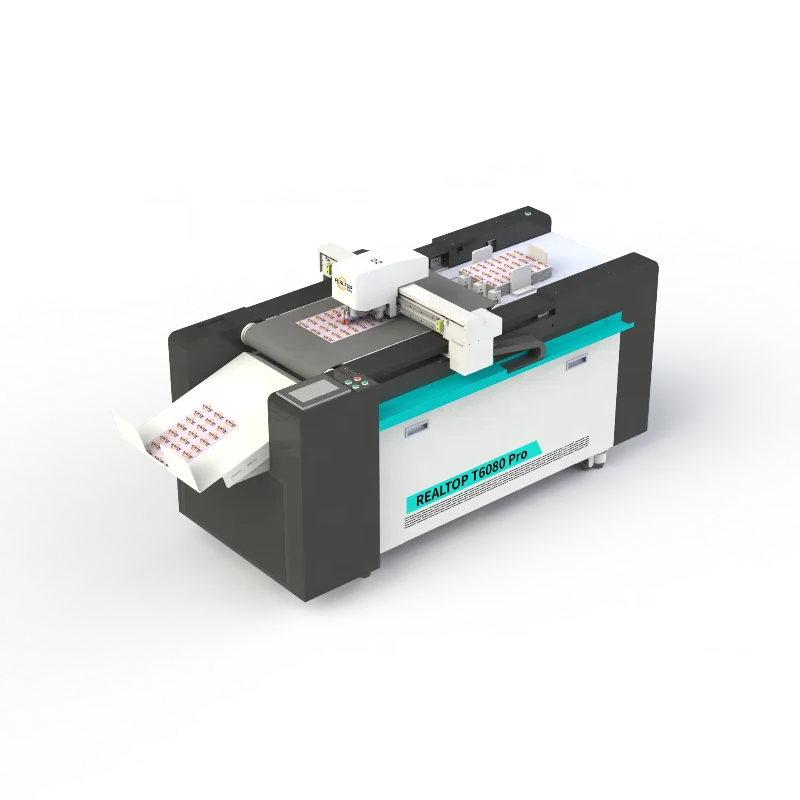
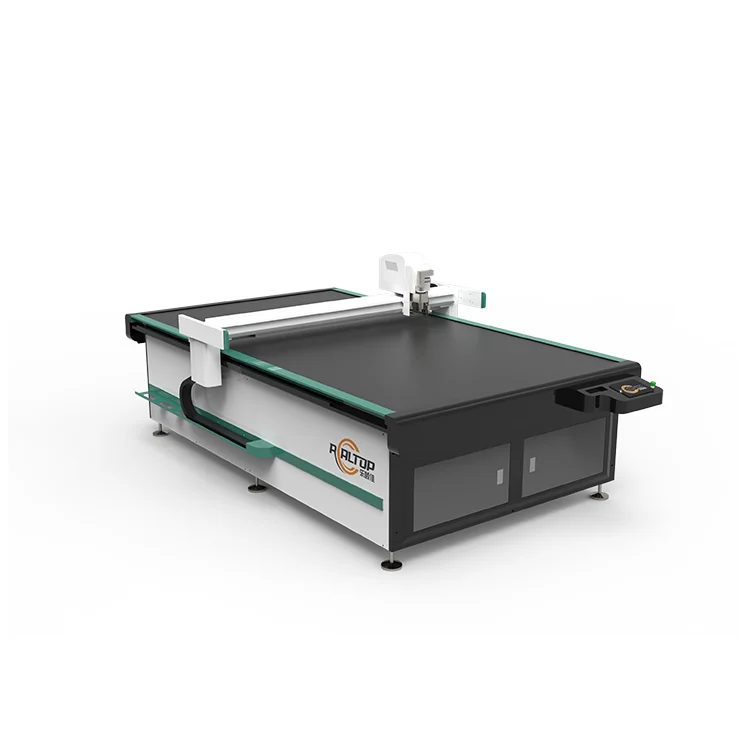
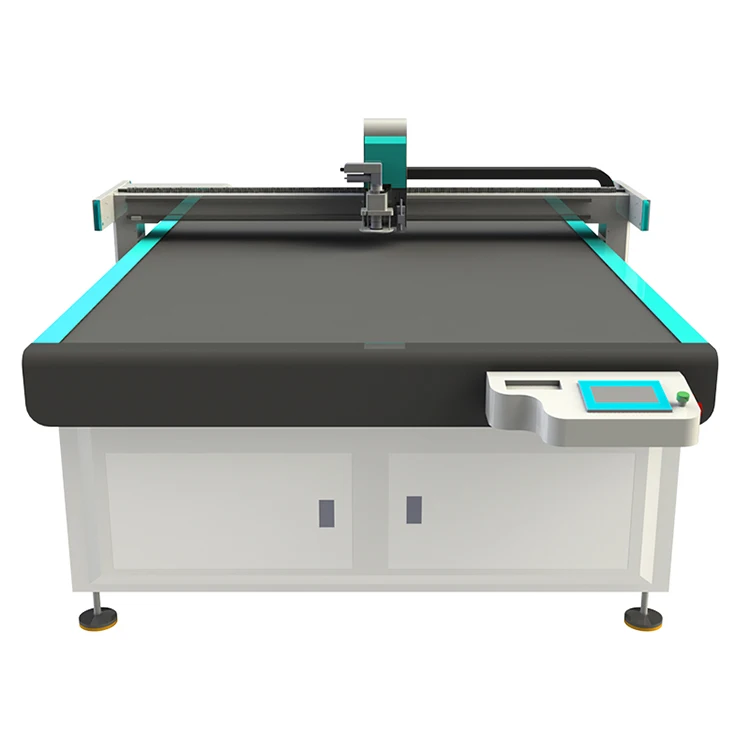
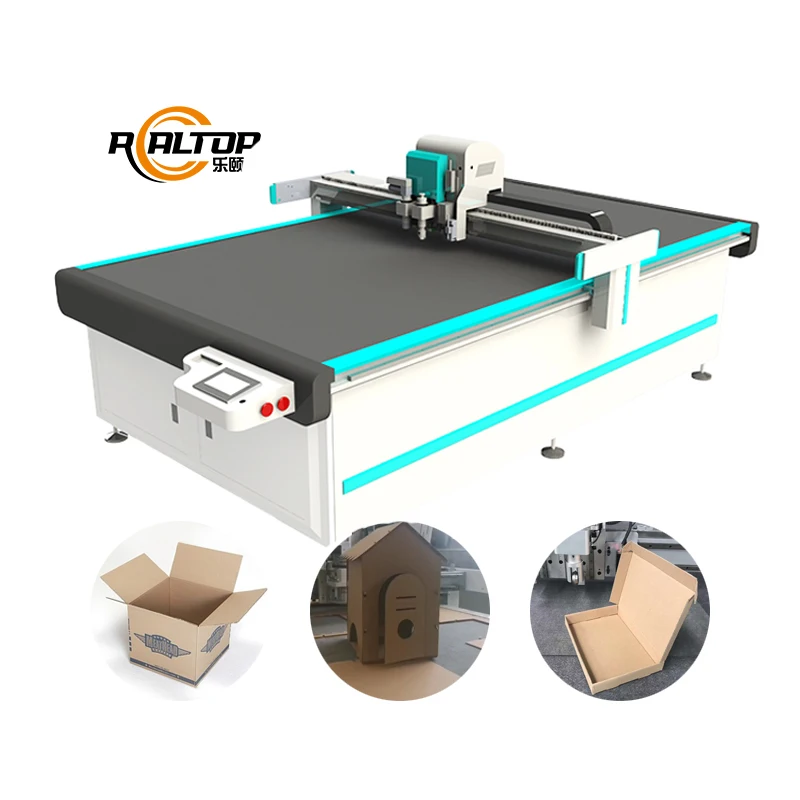
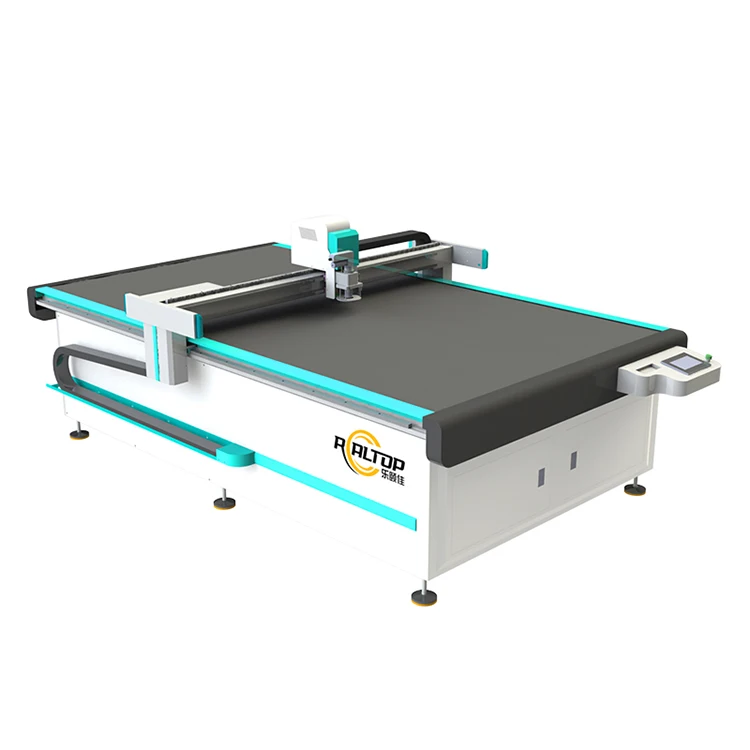
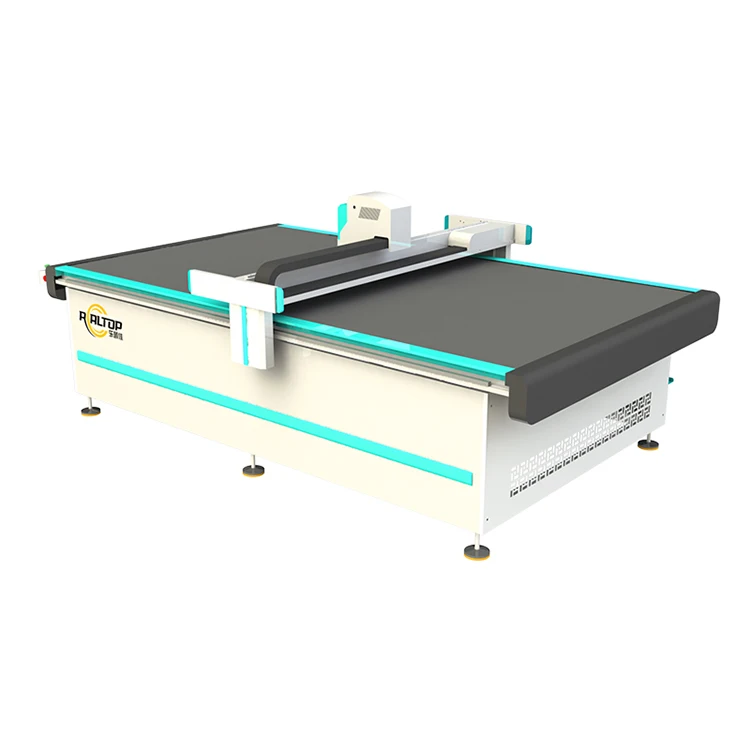
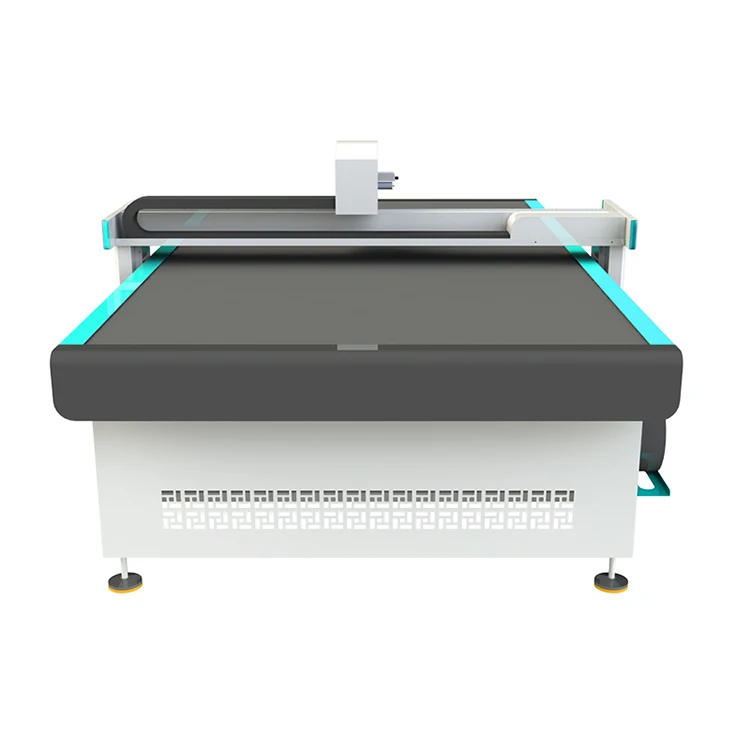
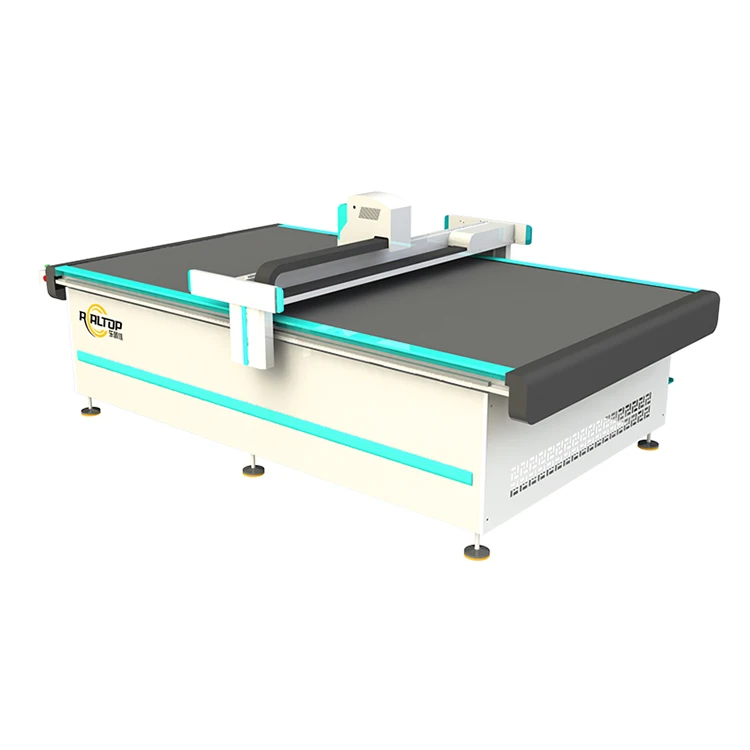
RT-D2516/RT-S2516 CNC Oscillating Knife Cutting Machine, 1600×2500mm, 9kw, ≤100mm Cutting Thickness — survey the complete digital cutting equipment portfolio before narrowing to a method for your material.
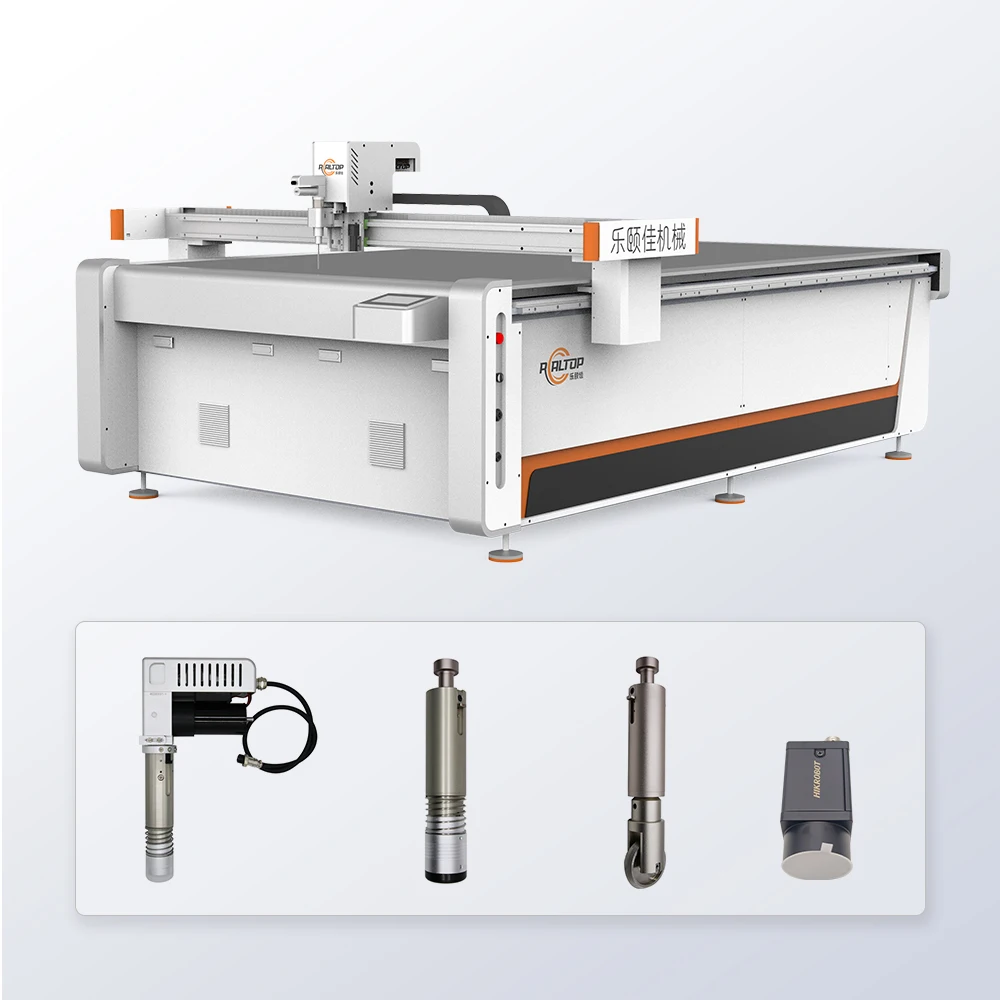
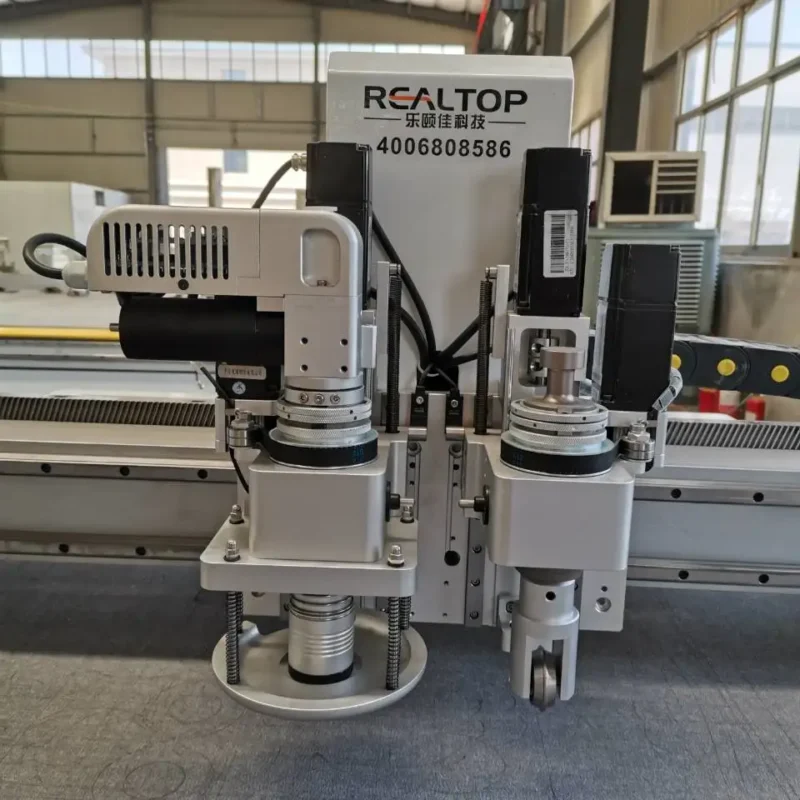
- Tool head options include oscillating knife, drag knife, creasing wheel, V-cutting knife, and punching, matched to cardboard, foam, textile, or composite processing.
- Visual positioning via CCD camera mark point, panoramic recognition, or projection ensures contour accuracy on printed packaging and stickers.
- Vacuum platform with aluminum air box adsorption and split zoning holds small carton samples securely at 200-800mm/s cutting speed.
In-house design covers both knife and laser technologies, letting you match the cutting method to material rather than force one approach — sample cutting on your own stock validates the configuration before commitment.
You’re now subscribed to price tracking for this product. We’ll notify you if the price drops.

Fast Delivery
Quick, reliable shipping to any location.

Free & easy returns
Return this item by mail or in store within 90 days for a full refund.
Tooling flexibility — Oscillating knife, drag knife, creasing wheel, and punching heads configured per material, so corrugated, foam, and composites each get the correct cutting action.
Technical Specifications
| Parameter | Value |
|---|---|
| Model | RT-D2516/RT-S2516 |
| Product Type | CNC Oscillating Knife Cutting Machine |
| Working Area | 1600 × 2500 mm |
| Overall Dimensions (L×W×H) | 3450 × 2300 × 1250 mm |
| Rated Power | 9 kW |
| Translational Velocity | 800–2000 mm/s |
| Cutting Speed | 200–800 mm/s (varies with material) |
| Cutting Thickness | ≤100 mm (varies with material) |
| Repeated Accuracy | ≤0.1 mm |
| Transmission System | Digital servo motor, linear guide, synchronous belt, ball screw |
| Instruction System | HP-GL compatible format |
| Voltage | 380V ±10% |
| Vacuum Platform | Aluminum air box platform, integrated and split zone adsorption |
| Table Options | Flat working table or auto-feeding table with Germany imported conveyor belt |
| Vacuum Pump | 7.5 kW |
| Servo Motor Options | Delta (made in China) or Japanese servo motor |
| Control Panel | Touch screen, multiple language supported |
| Software Formats | PLT, DXF, AI supported with auto typesetting |
| Tool Head Options | Oscillating knife, pneumatic knife, high-power vibrating knife, circular knife, V-cutting knife, drag knife, creasing wheel, dotted line knife, punching, brush |
| Visual Positioning Options | Small CCD camera mark point, panoramic camera recognition, projection positioning |
| Safety Device | Infrared sensors |
| Language Options | English, Russian, Italian, Chinese (custom languages available) |
| Standards | CE declaration where applicable |
Application Suitability
| Application | Material or Output |
|---|---|
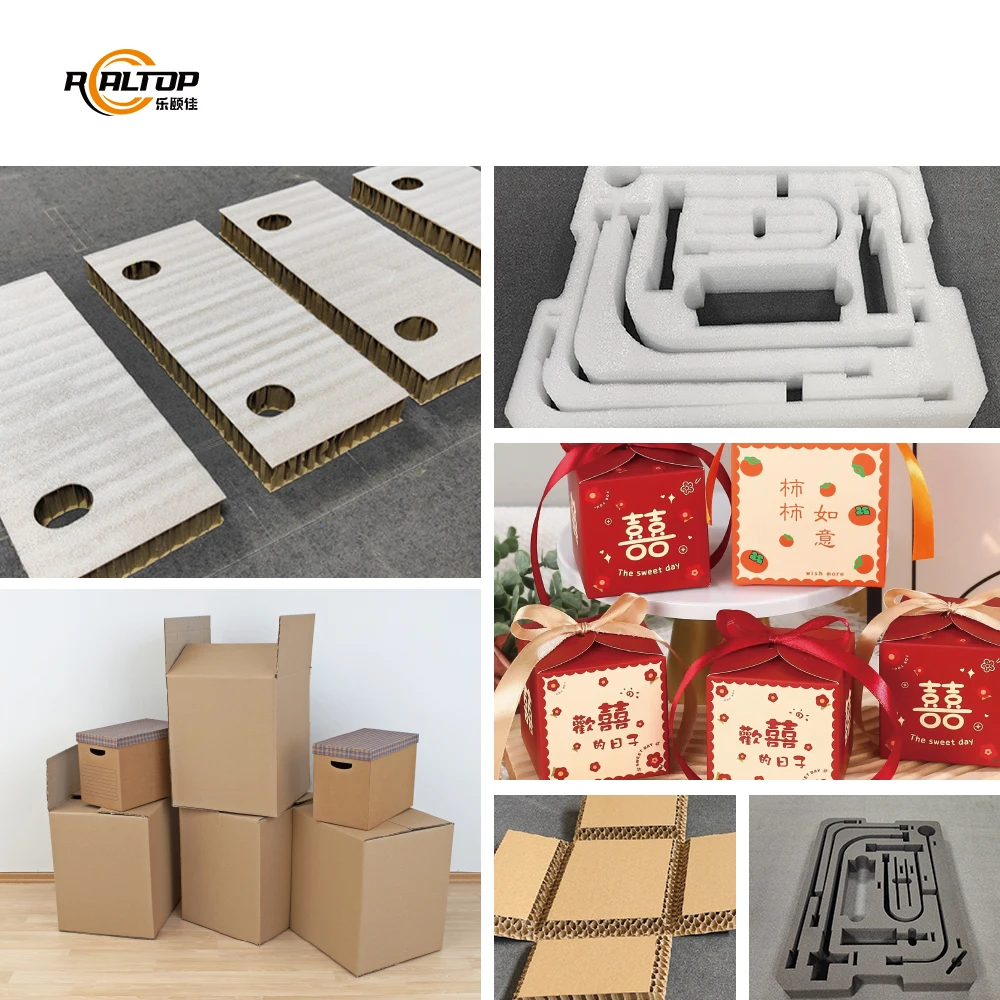
| Carton and packaging sample making | Corrugated cardboard, honeycomb cardboard, folding carton stock |
| Plastic packaging | PVC, PET, PP plastic box sheets |
| Graphic and signage production | Adhesive vinyl, sticker film, foam board |
| Foam packaging inserts | EVA, EPE, cross-linked polyethylene foam |
| Gasket and seal cutting | Rubber sheet, cork, non-asbestos fiber |
| Textile and leather goods | Fabric, leather, shoe materials, bags |
| Composite materials | Fiberglass, carbon fiber prepreg |
| Automotive interiors | Carpet, headliner, acoustic insulation |
| Soft furnishings | Upholstery fabric, carpet, floor mats |
What "Working Area Only" Specification Leaves Out
A 1600×2500 mm table tells you nothing about whether the machine will hold your smallest carton blank flat during the cut.
I remember a custom carton producer who ordered a flatbed cutter based purely on the bed size matching his largest sheet. The vacuum table had no zone splitting, so small packaging samples lifted off the bed mid-cut and the edge quality fell apart. By the time he called me, he had wasted days of production on rejected samples. The real question when evaluating a CNC Oscillating Knife Cutting Machine manufacturer is not just how big the table is, but whether the vacuum zoning, tool head selection, and material hold-down match your actual production mix [NEED_CITE: vacuum zone splitting and small part hold-down on flatbed digital cutters].
Knife Versus Laser: Matching Method to Material
Not every packaging or signage material responds well to the same cutting action. Corrugated cardboard and honeycomb board cut cleanly under an oscillating knife because the high-frequency vertical stroke slices through the flutes without crushing them. Foam inserts for protective packaging require a sharp oscillating or pneumatic knife to avoid compressing the material before the cut completes. Adhesive films and thin stickers, on the other hand, often work better with a drag knife that follows the contour without lifting the vinyl off the backing. This machine family covers both oscillating and drag knife tooling on the same table, letting a packaging shop switch methods between jobs rather than maintaining two separate machines.
Visual Positioning Across the Catalogue
Printed packaging and signage jobs demand that the cutter reads registration marks and aligns the cutting path to the printed image. The CNC Oscillating Knife Cutting Machine manufacturer offers three visual positioning approaches: a small CCD camera that locates discrete mark points for carton sample work, a panoramic camera that recognizes the entire printed contour for high-volume graphic jobs, and a projection system that overlays the cutting path directly onto the material for manual alignment checks. The choice depends on whether your production runs involve short-run custom cartons where mark points are sufficient, or long-run printed packaging where full contour recognition at production speed is necessary [NEED_CITE: CCD contour recognition speed versus mark point positioning accuracy on digital flatbed cutters].
Reading the Specification Sheet Against Your Material
Cutting speed ranges from 200 to 800 mm/s, but that span is entirely material-dependent. A single-flute corrugated board at 3 mm thickness allows the upper end of that range, while a dense EVA foam insert at 25 mm forces a slower pass to keep edge quality acceptable. The 7.5 kW vacuum pump paired with an aluminum air box platform provides adsorption across the full bed, but the split-zone option means you can isolate suction to just the area where your nesting layout sits — critical when cutting small gasket pieces or carton samples that would otherwise lose hold on a fully open table. Repeated accuracy of ≤0.1 mm holds across the 1600×2500 mm working area through the linear guide and ball screw transmission, which matters when your carton crease lines must register precisely with the cut perimeter.
The Cost of a Wrong Tool Head Selection
A creasing wheel on corrugated board produces the fold line without cutting through the liner — get this wrong and the blank will not fold correctly in the gluing department. Conversely, running an oscillating knife on thin sticker film without a drag knife option means the blade lifts the vinyl off the backing paper, ruining the sheet. Buyers who skip the material sample test before committing to a configuration often discover these mismatches only after the machine arrives on their floor, when retooling and recalibration add weeks of delay [NEED_CITE: tool head and material mismatch consequences on CNC digital cutting tables].
Why Source This Range Here
In-house design covers both knife cutting and laser cutting technologies, so a buyer comparing methods gets an honest recommendation rather than a forced fit to one machine type. Tool head and table configuration is specified per material and production volume, not quoted as a default package. CCD camera positioning is validated on your printed stock before the order is finalized, ensuring contour recognition works at your actual production speed. Software compatibility with PLT, DXF, and AI files is confirmed so your existing nesting workflow transfers without conversion issues. Voltage, control language, and plug configuration are locked in before shipment, avoiding the scenario where a 380V machine arrives at a site running 220V three-phase.
Documentation & Verification
- Machine specification sheet listing tool head and table configuration per your application
- Electrical schematic and voltage confirmation matching your facility supply
- Sample cutting report produced on your actual corrugated, foam, or composite material
- Software licence and file format compatibility note for PLT, DXF, and AI workflows
- Factory test record showing repeated accuracy measurement before dispatch
- CE declaration documentation where applicable to your import market
Installation, Commissioning & Support
- Floor space planning for the 3450×2300 mm footprint plus material staging area
- Dedicated 380V three-phase circuit rated for the 9 kW total draw including the 7.5 kW vacuum pump
- Machine arrives on flatbed with table and gantry separated for site reassembly
- First-run parameter tuning on your specific material thickness and cutting speed
- Touch screen control panel set to your preferred operating language during commissioning
- Spare tooling kit with replacement oscillating and drag knife blades included at delivery
What We Need to Quote Your Configuration
Send a sample of your primary material with the thickness and density you actually run in production, not the catalogue spec. Tell us your daily volume and whether you need the auto-feeding table for continuous roll stock or the flat table for sheet-fed work. Confirm your facility voltage and frequency so the servo and vacuum pump are wound correctly before dispatch.
Frequently Asked Questions
Q: How do I decide between oscillating knife, drag knife, and laser for my packaging material?
A: Oscillating knife suits corrugated, honeycomb, and foam where a vertical stroke prevents crushing. Drag knife works on thin films, stickers, and vinyl where the blade must stay in contact without lifting the material. Laser cuts and seals synthetics but leaves a burn edge on cardboard. We run a sample cut on your actual material to confirm which method delivers the edge quality and speed you need.
Q: What working area sizes are available across this machine range?
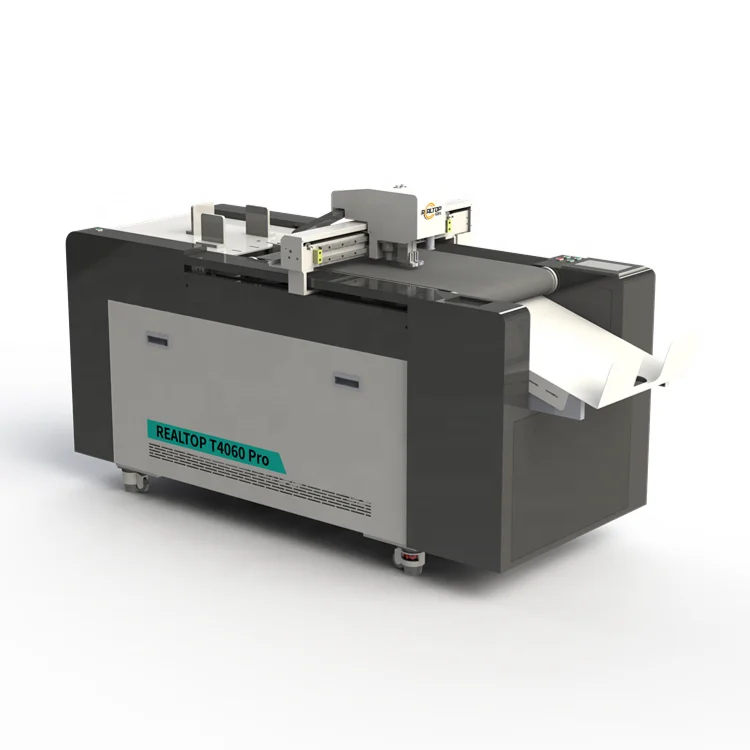
A: The RT-D2516/RT-S2516 covers 1600×2500 mm, suited to standard packaging sheet sizes. The broader catalogue includes compact tables for sample making and large-format tables for full nesting layouts. We recommend the bed size based on your largest sheet dimension plus clearance for vacuum hold-down at the edges.
Q: Which tool head options match cardboard, foam, and composite materials?
A: Corrugated and honeycomb cardboard typically use the oscillating knife with a creasing wheel for fold lines. Foam inserts require an oscillating or pneumatic knife to avoid compression. Composites like fiberglass cut with a high-power vibrating knife or circular knife. Punching tools handle ventilation holes and handle cutouts across all these materials.
Q: How does CCD camera positioning integrate with different models in the range?
A: Small CCD mark point positioning fits carton sample work where discrete registration marks are printed on the sheet. Panoramic camera recognition suits high-volume printed packaging where the full contour must be tracked. Projection positioning overlays the cutting path for visual verification. Each option integrates with the same control system across the machine family.
Q: What voltage and language customizations are available for export markets?
A: The standard configuration is 380V ±10% three-phase, but voltage and frequency are confirmed against your facility supply before production. Control panel languages include English, Russian, Italian, and Chinese, with custom language options available. Plug type and electrical schematic are matched to your target market requirements.
Tooling flexibility — Oscillating knife, drag knife, creasing wheel, and punching heads configured per material, so corrugated, foam, and composites each get the correct cutting action.
Technical Specifications
| Parameter | Value |
|---|---|
| Model | RT-D2516/RT-S2516 |
| Product Type | CNC Oscillating Knife Cutting Machine |
| Working Area | 1600 × 2500 mm |
| Overall Dimensions (L×W×H) | 3450 × 2300 × 1250 mm |
| Rated Power | 9 kW |
| Translational Velocity | 800–2000 mm/s |
| Cutting Speed | 200–800 mm/s (varies with material) |
| Cutting Thickness | ≤100 mm (varies with material) |
| Repeated Accuracy | ≤0.1 mm |
| Transmission System | Digital servo motor, linear guide, synchronous belt, ball screw |
| Instruction System | HP-GL compatible format |
| Voltage | 380V ±10% |
| Vacuum Platform | Aluminum air box platform, integrated and split zone adsorption |
| Table Options | Flat working table or auto-feeding table with Germany imported conveyor belt |
| Vacuum Pump | 7.5 kW |
| Servo Motor Options | Delta (made in China) or Japanese servo motor |
| Control Panel | Touch screen, multiple language supported |
| Software Formats | PLT, DXF, AI supported with auto typesetting |
| Tool Head Options | Oscillating knife, pneumatic knife, high-power vibrating knife, circular knife, V-cutting knife, drag knife, creasing wheel, dotted line knife, punching, brush |
| Visual Positioning Options | Small CCD camera mark point, panoramic camera recognition, projection positioning |
| Safety Device | Infrared sensors |
| Language Options | English, Russian, Italian, Chinese (custom languages available) |
| Standards | CE declaration where applicable |
Application Suitability
| Application | Material or Output |
|---|---|
| Carton and packaging sample making | Corrugated cardboard, honeycomb cardboard, folding carton stock |
| Plastic packaging | PVC, PET, PP plastic box sheets |
| Graphic and signage production | Adhesive vinyl, sticker film, foam board |
| Foam packaging inserts | EVA, EPE, cross-linked polyethylene foam |
| Gasket and seal cutting | Rubber sheet, cork, non-asbestos fiber |
| Textile and leather goods | Fabric, leather, shoe materials, bags |
| Composite materials | Fiberglass, carbon fiber prepreg |
| Automotive interiors | Carpet, headliner, acoustic insulation |
| Soft furnishings | Upholstery fabric, carpet, floor mats |
What "Working Area Only" Specification Leaves Out
A 1600×2500 mm table tells you nothing about whether the machine will hold your smallest carton blank flat during the cut.
I remember a custom carton producer who ordered a flatbed cutter based purely on the bed size matching his largest sheet. The vacuum table had no zone splitting, so small packaging samples lifted off the bed mid-cut and the edge quality fell apart. By the time he called me, he had wasted days of production on rejected samples. The real question when evaluating a CNC Oscillating Knife Cutting Machine manufacturer is not just how big the table is, but whether the vacuum zoning, tool head selection, and material hold-down match your actual production mix [NEED_CITE: vacuum zone splitting and small part hold-down on flatbed digital cutters].
Knife Versus Laser: Matching Method to Material
Not every packaging or signage material responds well to the same cutting action. Corrugated cardboard and honeycomb board cut cleanly under an oscillating knife because the high-frequency vertical stroke slices through the flutes without crushing them. Foam inserts for protective packaging require a sharp oscillating or pneumatic knife to avoid compressing the material before the cut completes. Adhesive films and thin stickers, on the other hand, often work better with a drag knife that follows the contour without lifting the vinyl off the backing. This machine family covers both oscillating and drag knife tooling on the same table, letting a packaging shop switch methods between jobs rather than maintaining two separate machines.
Visual Positioning Across the Catalogue
Printed packaging and signage jobs demand that the cutter reads registration marks and aligns the cutting path to the printed image. The CNC Oscillating Knife Cutting Machine manufacturer offers three visual positioning approaches: a small CCD camera that locates discrete mark points for carton sample work, a panoramic camera that recognizes the entire printed contour for high-volume graphic jobs, and a projection system that overlays the cutting path directly onto the material for manual alignment checks. The choice depends on whether your production runs involve short-run custom cartons where mark points are sufficient, or long-run printed packaging where full contour recognition at production speed is necessary [NEED_CITE: CCD contour recognition speed versus mark point positioning accuracy on digital flatbed cutters].
Reading the Specification Sheet Against Your Material
Cutting speed ranges from 200 to 800 mm/s, but that span is entirely material-dependent. A single-flute corrugated board at 3 mm thickness allows the upper end of that range, while a dense EVA foam insert at 25 mm forces a slower pass to keep edge quality acceptable. The 7.5 kW vacuum pump paired with an aluminum air box platform provides adsorption across the full bed, but the split-zone option means you can isolate suction to just the area where your nesting layout sits — critical when cutting small gasket pieces or carton samples that would otherwise lose hold on a fully open table. Repeated accuracy of ≤0.1 mm holds across the 1600×2500 mm working area through the linear guide and ball screw transmission, which matters when your carton crease lines must register precisely with the cut perimeter.
The Cost of a Wrong Tool Head Selection
A creasing wheel on corrugated board produces the fold line without cutting through the liner — get this wrong and the blank will not fold correctly in the gluing department. Conversely, running an oscillating knife on thin sticker film without a drag knife option means the blade lifts the vinyl off the backing paper, ruining the sheet. Buyers who skip the material sample test before committing to a configuration often discover these mismatches only after the machine arrives on their floor, when retooling and recalibration add weeks of delay [NEED_CITE: tool head and material mismatch consequences on CNC digital cutting tables].
Why Source This Range Here
In-house design covers both knife cutting and laser cutting technologies, so a buyer comparing methods gets an honest recommendation rather than a forced fit to one machine type. Tool head and table configuration is specified per material and production volume, not quoted as a default package. CCD camera positioning is validated on your printed stock before the order is finalized, ensuring contour recognition works at your actual production speed. Software compatibility with PLT, DXF, and AI files is confirmed so your existing nesting workflow transfers without conversion issues. Voltage, control language, and plug configuration are locked in before shipment, avoiding the scenario where a 380V machine arrives at a site running 220V three-phase.
Documentation & Verification
- Machine specification sheet listing tool head and table configuration per your application
- Electrical schematic and voltage confirmation matching your facility supply
- Sample cutting report produced on your actual corrugated, foam, or composite material
- Software licence and file format compatibility note for PLT, DXF, and AI workflows
- Factory test record showing repeated accuracy measurement before dispatch
- CE declaration documentation where applicable to your import market
Installation, Commissioning & Support
- Floor space planning for the 3450×2300 mm footprint plus material staging area
- Dedicated 380V three-phase circuit rated for the 9 kW total draw including the 7.5 kW vacuum pump
- Machine arrives on flatbed with table and gantry separated for site reassembly
- First-run parameter tuning on your specific material thickness and cutting speed
- Touch screen control panel set to your preferred operating language during commissioning
- Spare tooling kit with replacement oscillating and drag knife blades included at delivery
What We Need to Quote Your Configuration
Send a sample of your primary material with the thickness and density you actually run in production, not the catalogue spec. Tell us your daily volume and whether you need the auto-feeding table for continuous roll stock or the flat table for sheet-fed work. Confirm your facility voltage and frequency so the servo and vacuum pump are wound correctly before dispatch.
Frequently Asked Questions
Q: How do I decide between oscillating knife, drag knife, and laser for my packaging material?
A: Oscillating knife suits corrugated, honeycomb, and foam where a vertical stroke prevents crushing. Drag knife works on thin films, stickers, and vinyl where the blade must stay in contact without lifting the material. Laser cuts and seals synthetics but leaves a burn edge on cardboard. We run a sample cut on your actual material to confirm which method delivers the edge quality and speed you need.
Q: What working area sizes are available across this machine range?
A: The RT-D2516/RT-S2516 covers 1600×2500 mm, suited to standard packaging sheet sizes. The broader catalogue includes compact tables for sample making and large-format tables for full nesting layouts. We recommend the bed size based on your largest sheet dimension plus clearance for vacuum hold-down at the edges.
Q: Which tool head options match cardboard, foam, and composite materials?
A: Corrugated and honeycomb cardboard typically use the oscillating knife with a creasing wheel for fold lines. Foam inserts require an oscillating or pneumatic knife to avoid compression. Composites like fiberglass cut with a high-power vibrating knife or circular knife. Punching tools handle ventilation holes and handle cutouts across all these materials.
Q: How does CCD camera positioning integrate with different models in the range?
A: Small CCD mark point positioning fits carton sample work where discrete registration marks are printed on the sheet. Panoramic camera recognition suits high-volume printed packaging where the full contour must be tracked. Projection positioning overlays the cutting path for visual verification. Each option integrates with the same control system across the machine family.
Q: What voltage and language customizations are available for export markets?
A: The standard configuration is 380V ±10% three-phase, but voltage and frequency are confirmed against your facility supply before production. Control panel languages include English, Russian, Italian, and Chinese, with custom language options available. Plug type and electrical schematic are matched to your target market requirements.
商品评价
There are no reviews yet.