

Fast Delivery
Quick, reliable shipping to any location.

Free & easy returns
Return this item by mail or in store within 90 days for a full refund.
Integrated Knife and Laser Design — In-house engineering covers both cutting methods, so the RT-D2516/RT-S2516 is specified around your actual material rather than forcing a single technology fit.
Technical Specifications
| Parameter | Value |
|---|---|
| Model | RT-D2516/RT-S2516 |
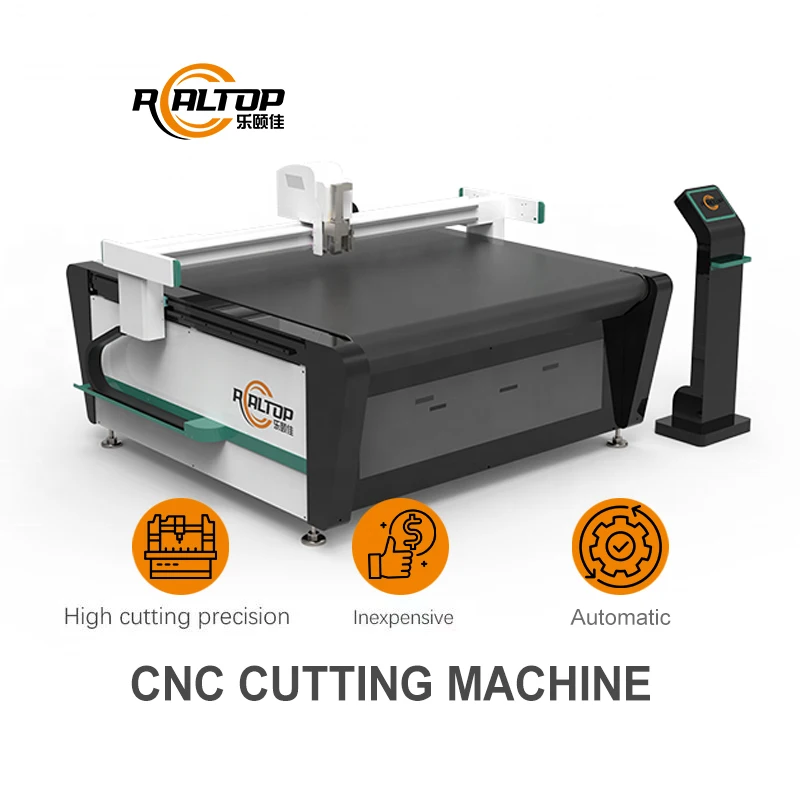
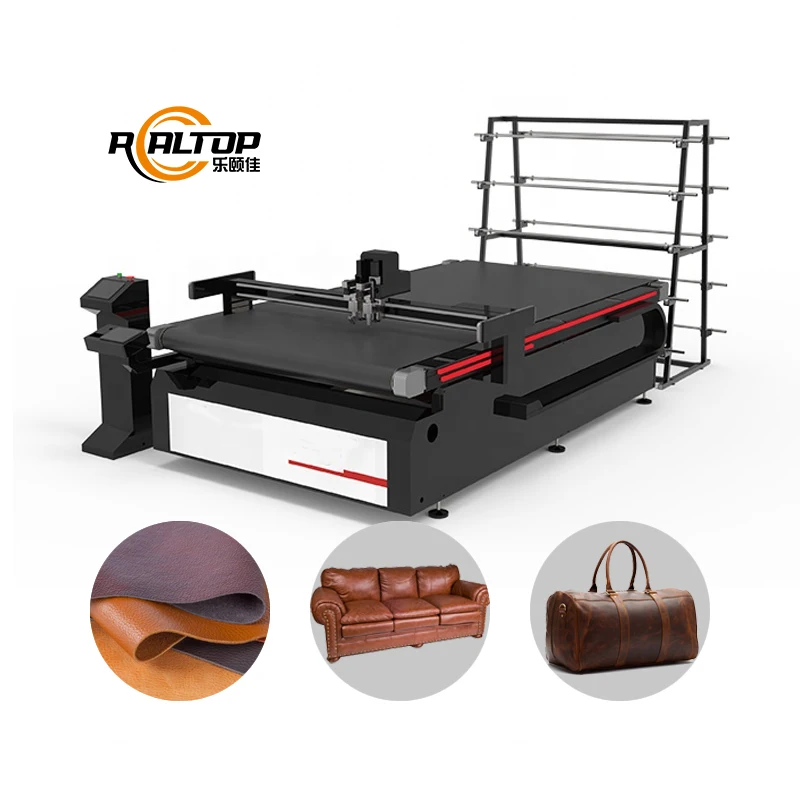
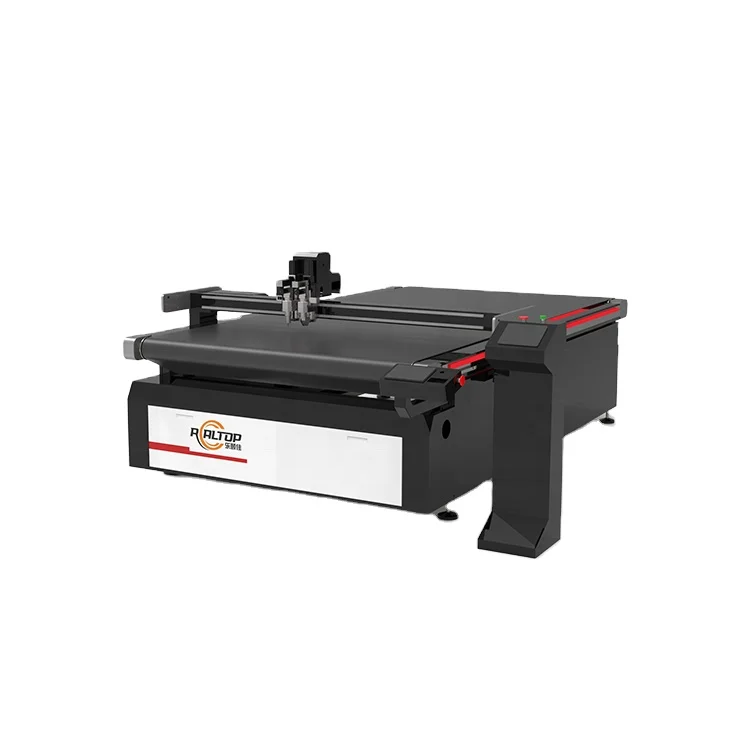
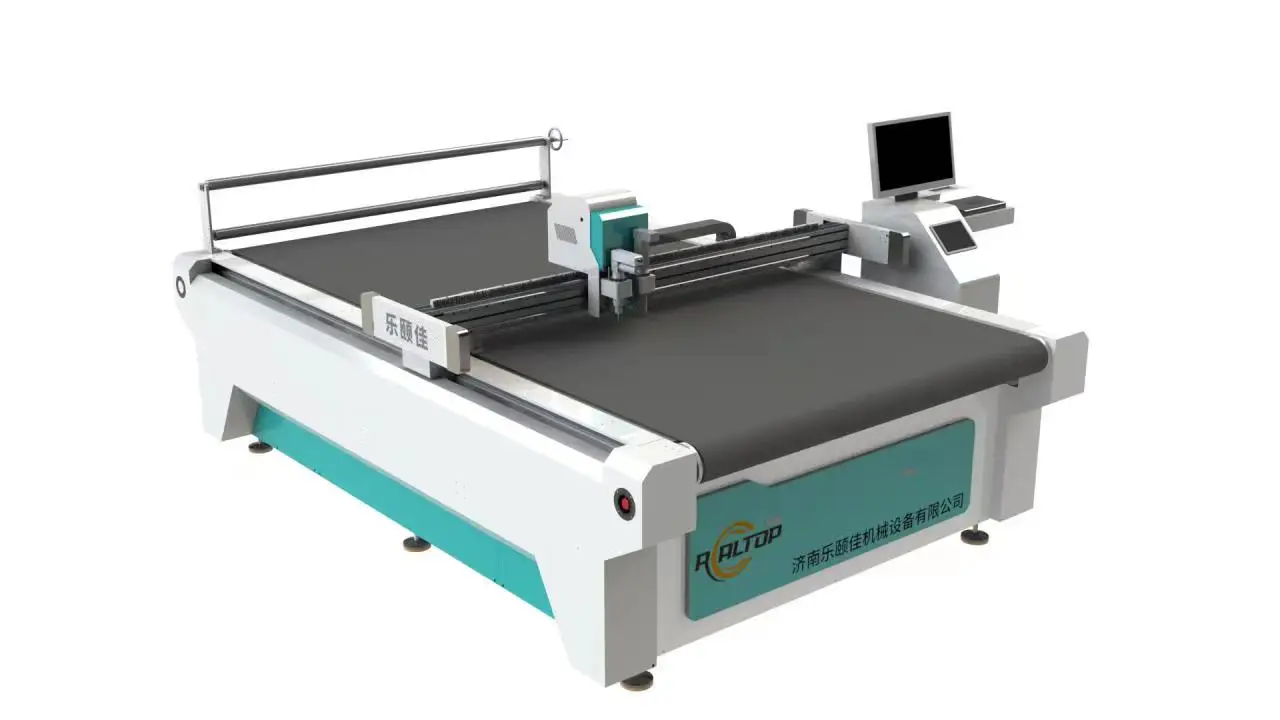
| Product Type | CNC Oscillating Knife Cutting Machine |
| Working Area | 1600×2500 mm |
| Machine Size | 3450×2300×1250 mm |
| Rated Power | 9 kW |
| Translational Velocity | 800–1200 mm/s |
| Repeated Accuracy | ≤0.1 mm |
| Table Type | Flat vacuum table, magnesium-aluminum alloy with PVDF powder spraying |
| Vacuum Pump | 7.5 kW, integrated aviation aluminum shell with built-in silencer |
| Drive & Transmission | Delta digital servo motor, Taiwan Hiwin linear rail, synchronous belt, ball screw |
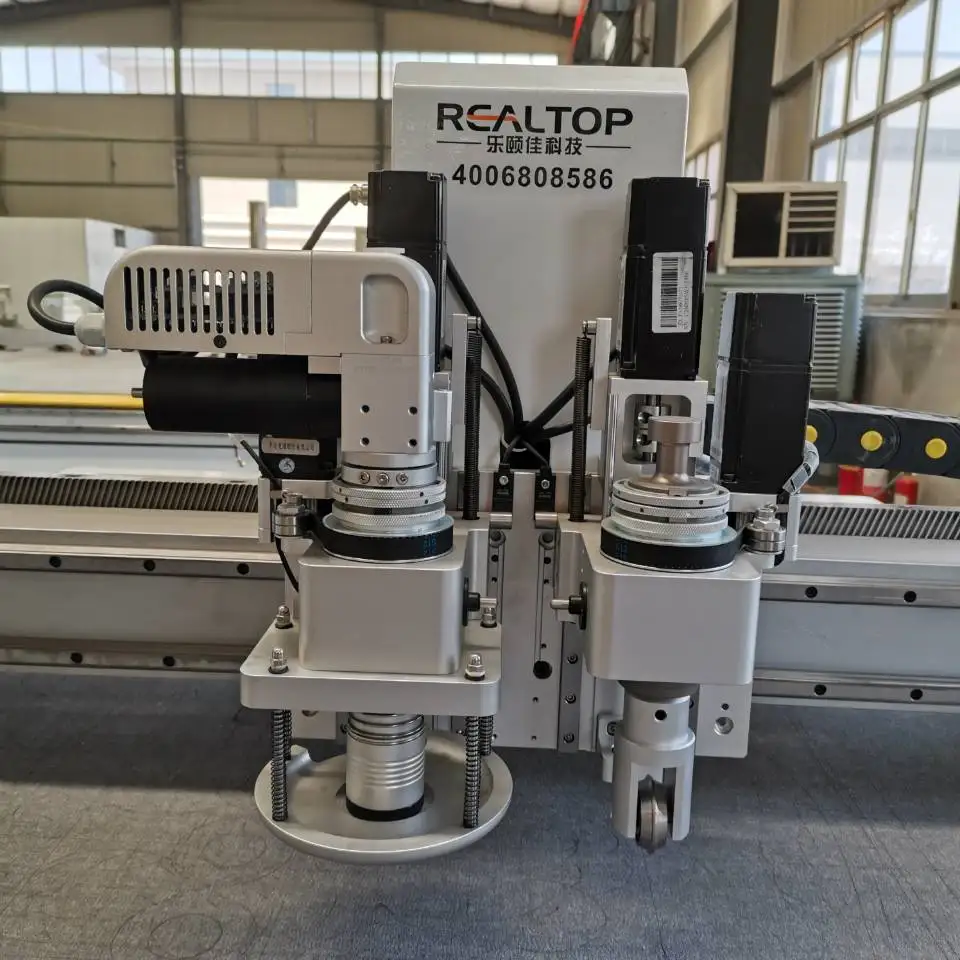
| Tool Head Options | Oscillating knife, pneumatic knife, high-power vibrating knife, circular knife, V-cutting knife, drag knife, creasing wheel, dotted-line knife, punching, brush |
| Visual Positioning | Small CCD mark-point, panoramic camera recognition, projection positioning |
| Instruction System | HP-GL compatible format |
| Voltage | 380 V ±10 % |
| Control Language | English, Russian, Italian, Chinese (custom languages available) |
| Assembly State | Fully assembled |
| Safety | Infrared sensor system |
| CE Declaration | Where applicable |
Application Suitability
| Application | Material or Output |
|---|---|
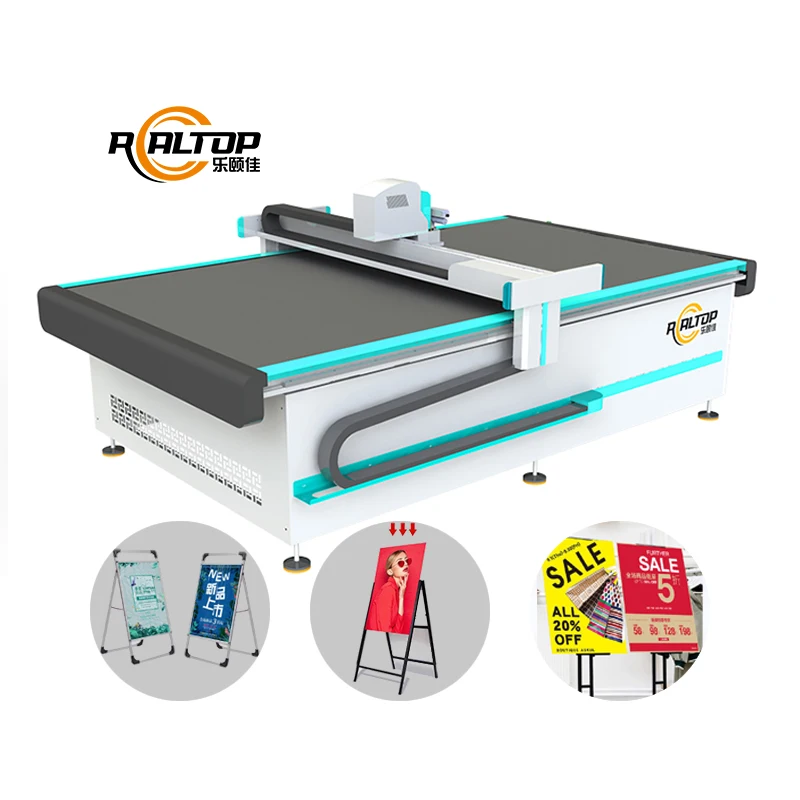
| Advertising and signage | PVC foam board, acrylic, vinyl, corrugated plastic, self-adhesive film |
| Packaging and carton sampling | Corrugated cardboard, greyboard, honeycomb board, folding carton stock |
| Garment and leather goods | Natural leather, PU, synthetic fabric, woven textile, sponge composite |
| Automotive interior and gasket | Non-woven fabric, felt, EPDM rubber, fiber-reinforced gasket sheet |
| Composite and foam fabrication | EVA foam, PE foam, XPS, EPE, closed-cell sponge |
| Soft furnishing and floor covering | Carpet, carpet tile, PVC floor mat, yoga mat material |
Why Material Thickness Decides More Than Working Area Alone
When buyers focus on table size and overlook cutting depth capacity, the CNC oscillating knife cutting machine manufacturer must flag the mismatch before the order is placed.
Confirm blade stroke, oscillation frequency, and vacuum zoning against your real material before any commitment is made.
I once worked with an advertising producer in the Pearl River Delta who selected a vibrating knife unit based solely on the 1600×2500 mm bed size, assuming it would handle their PVC board work without issue. The problem surfaced on day one: the material was high-density PVC foam board, not the softer variant the configuration was built for. Blade deflection caused ragged edges, and the daily output dropped sharply because every sheet needed manual re-trimming [NEED_CITE: material density impact on oscillating knife edge quality]. The root cause was a specification gap — cutting thickness and blade stroke were never validated against the actual stock on the shop floor.
Matching Tool Head to Material, Not Just to Catalogue
The RT-D2516/RT-S2516 supports a full range of interchangeable heads: oscillating knife for flexible and semi-rigid stock, drag knife for thin vinyl and film, creasing wheel for carton fold lines, and punching for gasket and leather hole patterns. A CNC oscillating knife cutting machine manufacturer should specify the head based on the buyer’s material test, not default to the most common option. Switching from a drag knife to a high-power vibrating knife on dense foam, for instance, changes edge finish from torn to clean without altering feed speed.
Vacuum Zoning and Small-Part Hold-Down
The magnesium-aluminum alloy table with PVDF coating provides a flat, corrosion-resistant surface, while the 7.5 kW pump delivers the suction needed across the 1600×2500 mm area. Proper zone segmentation is what keeps small signage letters and gasket blanks from lifting during the final cut pass. Without adequate zoning, vacuum pressure bleeds into empty areas, and lightweight parts shift under the knife — a frequent issue on advertising jobs where cut pieces are small and irregularly shaped [NEED_CITE: vacuum table zoning requirements for small-format cutting].
Reading the Specs That Actually Matter
Translational velocity of 800–1200 mm/s indicates how fast the head moves across the table, but actual cutting speed depends on material density and the selected tool head. The Delta servo motor and Taiwan Hiwin linear rail combination holds repeated accuracy to ≤0.1 mm, which is essential when CCD panoramic recognition tracks printed marks for contour cutting of pre-printed vinyl and fabric. The HP-GL compatible instruction system ensures that standard vector files from common design software import without conversion middleware. For shops running both knife and creasing operations, the multifunctional head allows tool changes within a single job file, eliminating the need to move sheets between machines.
The Cost of Skipping the Sample Cut
Choosing a tool head based on catalogue description rather than a physical sample cut leads to problems that only appear during production runs. Ragged edges on foam, incomplete cuts through laminated leather, and crushed corrugated board all trace back to a configuration that was never tested on the buyer’s actual material. These defects force operators to slow down feed rates or add manual trimming, eroding the throughput the machine was supposed to deliver [NEED_CITE: cost of rework from incorrect knife configuration]. A sample cutting report on the buyer’s own stock removes this risk before the machine leaves the factory.
Why Source This Configuration Here
The design team covers both knife and laser cutting platforms, meaning the cutting method is selected based on the material — not forced to fit whichever machine happens to be in stock. Tool head and table configuration for the RT-D2516/RT-S2516 are specified per material type and production volume, documented in the configuration list before production begins. CCD camera positioning is validated for the buyer’s print mark size and color contrast. Software compatibility and file format are confirmed against the buyer’s existing nesting or design workflow. Voltage, plug type, and control language are locked in with the electrical schematic before the machine ships, avoiding rewiring and re-labeling on arrival.
Documentation & Verification
- Machine specification sheet listing every selected tool head and table zone
- Electrical schematic with voltage and plug type confirmed for target market
- Sample cutting report produced on buyer’s own material before order commitment
- Tool head and table configuration list matched to material type and thickness
- Software licence and file format compatibility note for existing design workflow
- Factory test record showing repeated accuracy and CCD positioning results
Installation, Commissioning & Support
- 3450×2300 mm footprint requires level concrete floor with clearance for material loading on all sides
- 380 V ±10 % supply with dedicated circuit; confirm local frequency and plug type before dispatch
- Machine ships fully assembled; positioning and utility connection are the primary on-site tasks
- First-run parameter tuning for blade oscillation, vacuum zone mapping, and CCD calibration
- Operator training covers HP-GL file import, nesting workflow, and tool head changeover procedure
- Spare parts list includes blades, knife holders, and vacuum seals matched to selected configuration
What to Prepare Before Requesting a Quote
Send the material type, maximum thickness, and typical sheet dimensions so the tool head and vacuum table configuration can be specified accurately. Include a sample file in your standard design format to confirm software compatibility before the order is placed. State your local voltage, frequency, and preferred control language to ensure the electrical build matches the destination workshop.
Frequently Asked Questions
Q: How can I confirm the machine will handle my material thickness?
A: Provide a sample of your actual material — type, thickness, and density. The CNC oscillating knife cutting machine manufacturer runs a sample cut using the proposed tool head and blade stroke, then issues a report showing edge quality, cutting speed achieved, and any configuration adjustments needed before the order is confirmed.
Q: Will CCD camera positioning keep up at full production speed?
A: The panoramic recognition and mark-point CCD options are tested against your specific print mark size, color, and contrast. Accuracy is verified during the factory test at the production cutting speed agreed upon, and results are included in the test record provided before shipment.
Q: Is the vacuum table sufficient for small or irregularly shaped parts?
A: The magnesium-aluminum alloy table supports zone segmentation so that suction concentrates only under the material area being cut. During the sample cutting stage, small-part hold-down is evaluated, and zone layout is adjusted if any lifting is observed at the configured pump output.
Q: Will my existing design files work without conversion?
A: The HP-GL compatible instruction system accepts standard vector formats. Before the order is finalized, your typical file type is tested through the complete workflow — import, nesting, and tool path generation — and a compatibility note is issued confirming which formats are supported directly.
Q: What electrical and language details are confirmed before shipping?
A: Voltage, plug type, circuit requirements, and control interface language are documented in the electrical schematic and specification sheet. These are signed off before production begins so the RT-D2516/RT-S2516 arrives ready for the destination workshop without on-site rewiring or software reconfiguration.










商品评价
There are no reviews yet.