

Fast Delivery
Quick, reliable shipping to any location.

Free & easy returns
Return this item by mail or in store within 90 days for a full refund.
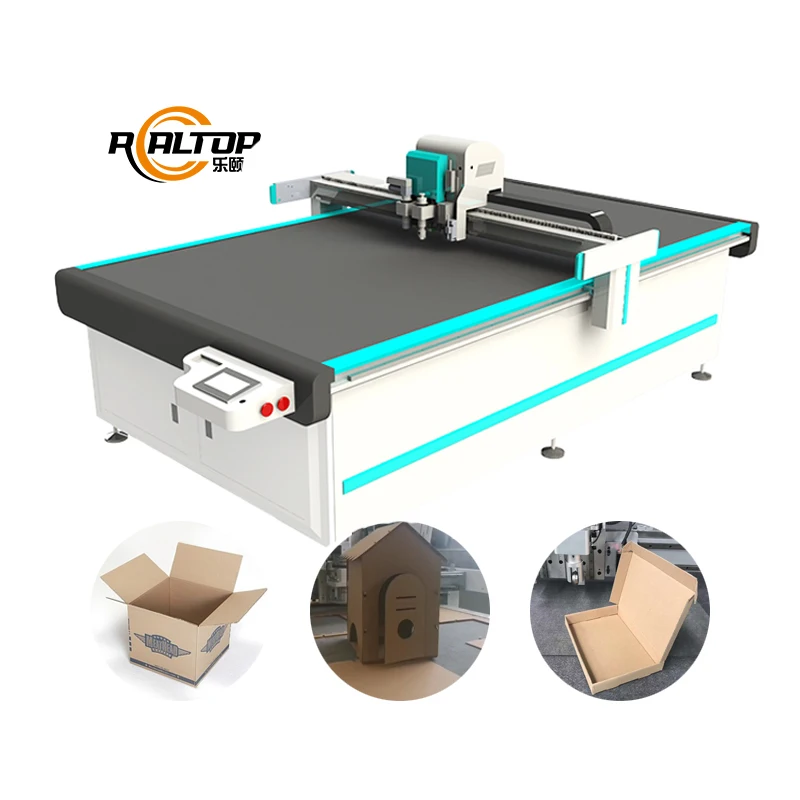
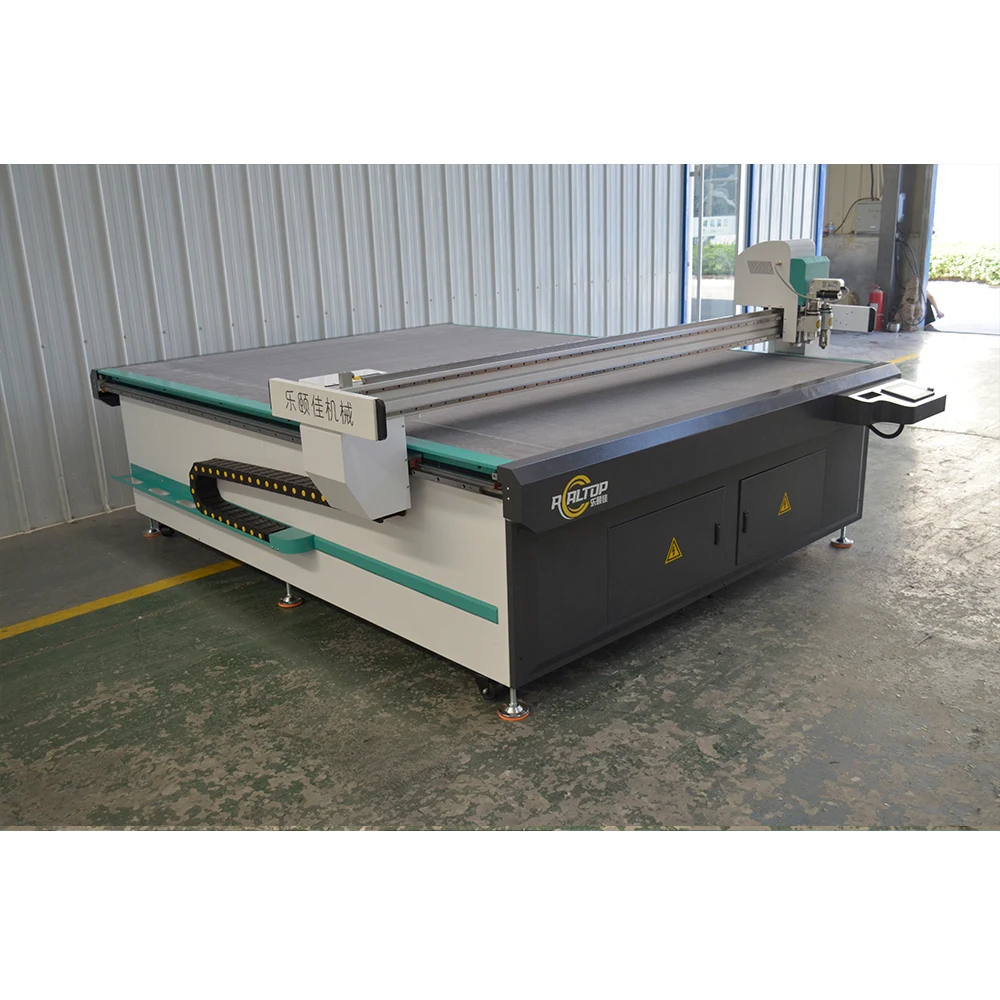
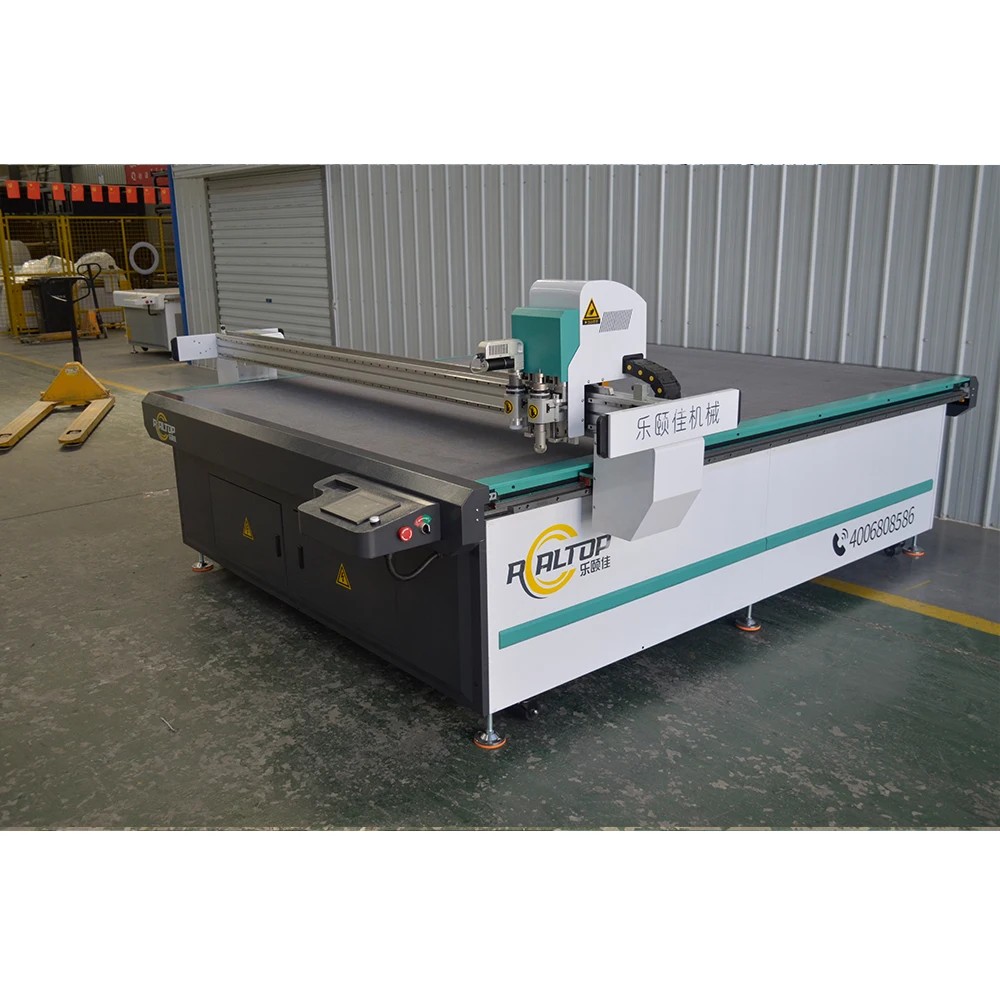
Configuration-Specific Tooling Match — The CLD2516 CNC oscillating knife cutting machine is configured per material thickness and substrate density, matching knife head stroke, vacuum partition layout and feed rate to the buyer’s actual production stock rather than quoting a generic working envelope.
Technical Specifications
| Parameter | Value |
|---|---|
| Product Type | CNC Oscillating Knife Cardboard Cutting Machine |
| Model | CLD2516 |
| Working Area | 1600 mm × 2500 mm |
| Machine Dimensions (L × W × H) | 3450 × 2300 × 1250 mm |
| Rated Power | 6.6 kW |
| Vacuum Pump | 7.5 kW |
| Voltage | 380V ±10% (frequency to be confirmed for target market) |
| Transmission System | Digital servo motor, linear guide, synchronous belt, ball screw |
| Servo Motor & Driver | Taiwan Delta |
| Linear Guide | Taiwan Hiwin rail |
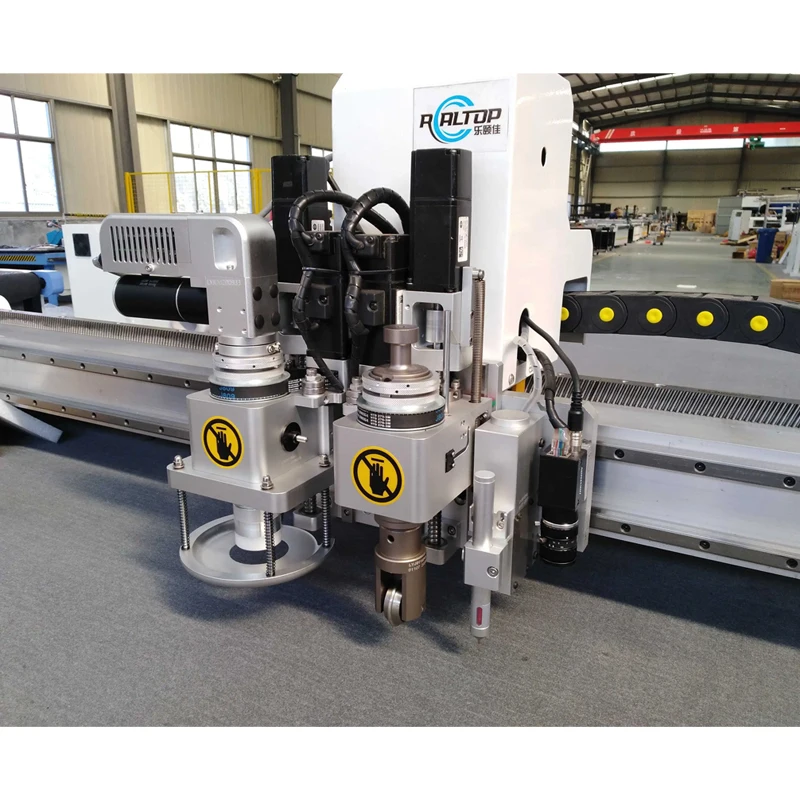
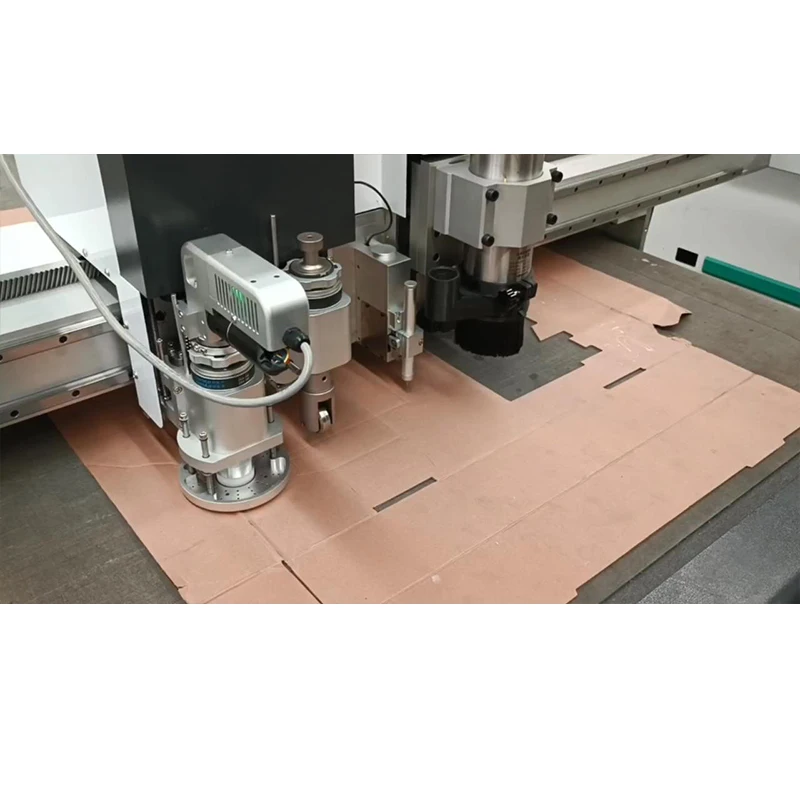
| Tool Head | Swiss imported multifunctional knife (vibration full cut, half cut, cursor location) |
| Translational Velocity | 800 – 1200 mm/s |
| Cutting Thickness | 20 – 80 mm (basis to be confirmed depending on material density) |
| Repeated Accuracy | ≤ 0.1 mm |
| Working Table | Aluminum alloy honeycomb vacuum adsorption platform with partition zoning |
| Auto Feeding System | Germany imported conveyor belt equipped |
| Safety Devices | Infrared sensors, emergency stop |
| Support File Formats | PLT, DXF, HP-GL compatible |
| Software | Professional carton nesting software (included), customized language supported |
| Machine Frame | Welded thick square seamless steel structure, high-temperature treated |
| Warranty | 3 years (listing terms); 1 year domestic and overseas (FAQ terms) — verify exact coverage |
Application Suitability
| Application | Material or Output |
|---|---|
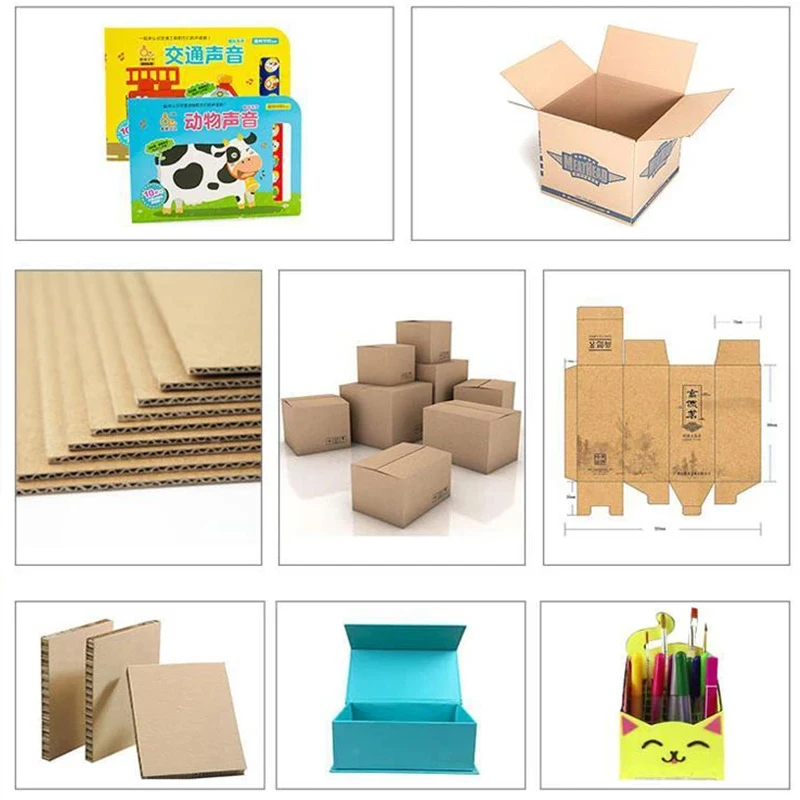
| Packaging carton sample making | Corrugated board, grey board, honeycomb paper, micro-flute stock |
| Large electrical appliance cartons | Thick single and double-wall corrugated up to machine capacity |
| Express and snack food paper boxes | Single-face corrugated, coated kraft, folding carton stock |
| High-end gift box prototyping | Rigid box board, laminated paper, magnetic closure substrates |
| Sticker and label contour cutting | Self-adhesive vinyl, coated paper, reflective film |
| Signage and advertising board | Foam board, KT board, lightweight PVC sheet |
| Flexible non-metal cutting | Leather, fabric, sponge composite, soft PVC, silicon, rubber |
Why the Material Sample Matters More Than the Spec Sheet
Cutting thickness on a data sheet tells you what the knife can reach, not what your corrugated board will let it cut cleanly.
A buyer specifying a CNC oscillating knife cutting machine manufacturer based purely on working area and stated thickness range risks discovering, after delivery, that the tool head cannot handle their actual stock density. A 40 % increase in paper grammage over the trial sample can turn clean edges into crushed, frayed cuts. Vacuum zoning that works for a full sheet may leave small offcuts lifting at production speed. [NEED_CITE: material density variation in corrugated packaging production] Sending a physical sample of your exact substrate for trial cutting remains the only reliable way to verify edge quality and tool head match before the machine ships.
Knife Versus Laser: Where Each Method Sits in the Catalogue
Before narrowing to a single model, buyers benefit from understanding where oscillating knife technology ends and laser processing begins. Knife cutting handles thicker, denser, and multi-layer substrates without burning edges or releasing fumes, making it the default for corrugated packaging, gasket stock and composite foam. Laser methods excel at sealing synthetic textile edges and engraving fine detail on thinner sheets.
This catalogue maps both families side by side so a packaging sample maker can evaluate the CLD2516 alongside laser options, matching the cutting method to the material and daily volume rather than forcing one technology to cover every job.
Full Catalogue Navigation for Production-Ready Decisions
Working area is only the starting point. A signage producer cutting 5 mm foam board needs different vacuum zoning and tool head settings than a carton sample maker processing 60 mm multi-layer corrugated. Each model in this range is positioned by material type, substrate thickness and expected daily throughput. [NEED_CITE: industrial cutting method selection criteria for flexible and semi-rigid materials]
The CLD2516 occupies the mid-to-large format segment with its 1600 mm × 2500 mm bed and 7.5 kW vacuum pump, suited to packaging operations that run full-sheet corrugated alongside smaller nested parts. Buyers comparing options across the range can see at a glance which models share the same tool head platform and which step up to multi-head or conveyor-fed configurations for continuous roll and sheet processing.
How Servo Drives and Vacuum Zoning Shape Real Output
The Taiwan Delta servo motors paired with Hiwin linear rails deliver the positioning repeatability of ≤ 0.1 mm that corrugated sample making demands, where a misaligned crease line ruins a folding carton prototype. Translational velocity of 800 – 1200 mm/s matters less than the deceleration accuracy at direction changes; a knife that overshoots on a tight radius will tear the top liner.
The 7.5 kW vacuum pump feeds into a partitioned honeycomb aluminum table, meaning the operator can isolate adsorption zones to match the sheet size on the bed. Running a small label sheet on a fully energized full-bed zone wastes pump capacity and can still fail to hold the material if the zone is too large for the part. The Swiss imported multifunctional knife head provides full cut, half cut and cursor location in one tool station, eliminating tool change time between cutting through the board and scoring a fold line.
The Cost of Skipping Configuration Verification
When vacuum partition zoning is sized for large sheets only, small nested parts lift off the bed mid-cut, producing jagged edges and wasted material across a full production run. A tool head specified for thin card stock will stall or shred when it encounters double-wall corrugated at the upper end of the thickness range. [NEED_CITE: common causes of cutting defects in automated flatbed systems]
Voltage and frequency mismatches discovered at the port of destination delay commissioning by weeks and may require a transformer that was never budgeted. Software that cannot import the buyer’s existing DXF nesting files forces a manual re-draw of every job, turning a fast sample turnaround into a bottleneck. These failures share one root cause: the configuration was locked on paper without testing against the buyer’s actual material and workflow.
Why Source This Equipment From the Manufacturer Directly
In-house design covers both knife and laser cutting platforms, so the buyer receives an honest recommendation on which technology fits the substrate rather than being sold whichever machine the factory needs to move. Tool head selection and vacuum table zoning are specified against the material sample the buyer ships before the order is confirmed.
CCD camera contour recognition is offered as a verified option, tested at production speed on printed marks rather than promised on a data sheet. Software compatibility is checked against the buyer’s existing file formats and nesting workflow before the order goes to production. Voltage, plug type and control panel language are confirmed line by line on the electrical schematic so the machine arrives ready to power on, not waiting for a local electrician to sort out a mismatch.
Documentation & Verification
- Machine specification sheet listing CLD2516 working area, tool head configuration and vacuum partition layout
- Sample cutting report on buyer’s own corrugated grade confirming edge quality and achievable thickness
- Electrical schematic with voltage and frequency confirmation matched to destination market standards
- Software licence documentation noting supported PLT, DXF and HP-GL file format compatibility
- Factory test record documenting full-bed and zoned vacuum performance before crating
- Operation and maintenance manual with language options including English, Russian, Italian and Chinese
Installation, Commissioning & Support
- Floor space allocation of approximately 3450 × 2300 mm plus operator access clearance for the CLD2516 frame
- Dedicated 380V ±10% circuit with capacity for combined 6.6 kW machine and 7.5 kW vacuum pump load
- Fully assembled frame delivery with high-temperature treated steel structure requiring only utility connections
- First-run calibration of Delta servo drives and Hiwin rails to confirm ≤ 0.1 mm repeatability on buyer stock
- Operator training on partition vacuum zoning, tool head changeover and carton nesting software workflow
- Spare parts list covering Swiss knife blades, conveyor belt segments and vacuum seal consumables
- Scheduled maintenance intervals for linear guide lubrication and honeycomb table surface inspection
What to Share Before Requesting a Quotation
To configure the CLD2516 for your line, the most useful information starts with your exact material type, grammage or density, and maximum sheet thickness you run in production. Follow that with your target daily volume and whether your workflow relies on sheet-fed or roll-fed stock.
Confirm the local voltage and frequency standard at your facility, the control panel language your operators need, and whether your design team currently works in PLT, DXF or another nesting format. If your substrates vary by season or supplier, send samples from at least two different batches so the trial cutting covers the full range the machine must handle.
Frequently Asked Questions
Q: How do I decide between knife cutting and laser cutting for my material?
A: Knife cutting handles thicker and denser substrates like corrugated board, foam and gasket stock without burning edges or generating fumes, while laser processing seals synthetic textile edges and engraves fine detail on thinner sheets. This catalogue positions both methods by material and volume so you can match the technology to your actual production stock rather than guessing from a spec sheet.
Q: How can I verify the CLD2516 will cut my specific cardboard grade cleanly?
A: Ship a sample of your exact corrugated board, including the grammage and flute type you run most often. The machine is trial-cut on that sample before the order is finalized, producing a report that documents edge quality, achievable depth and the tool head configuration selected for your substrate density.
Q: What working area and tool head options exist across this range?
A: The catalogue covers compact to large-format beds with single and multi-head configurations. Tool head choices include oscillating knife, drag knife, creasing wheel, milling and pen options. The CLD2516 ships with a Swiss multifunctional knife head supporting full cut, half cut and cursor location, configurable based on the material profile you provide.
Q: How are voltage, plug type and control language confirmed before the machine ships?
A: An electrical schematic is issued for buyer approval before production begins, listing voltage, frequency tolerance, plug standard and control panel language. Any mismatch between your facility standard and the machine default is resolved at this stage so the equipment arrives ready to connect.
Q: Will the included software work with my existing design and nesting files?
A: The professional carton nesting software supports PLT, DXF and HP-GL compatible formats and is included with the machine. Before the order is confirmed, your existing file types are tested through the import and nesting workflow to ensure your design pipeline connects without manual conversion.










商品评价
There are no reviews yet.