


Fast Delivery
Quick, reliable shipping to any location.

Free & easy returns
Return this item by mail or in store within 90 days for a full refund.
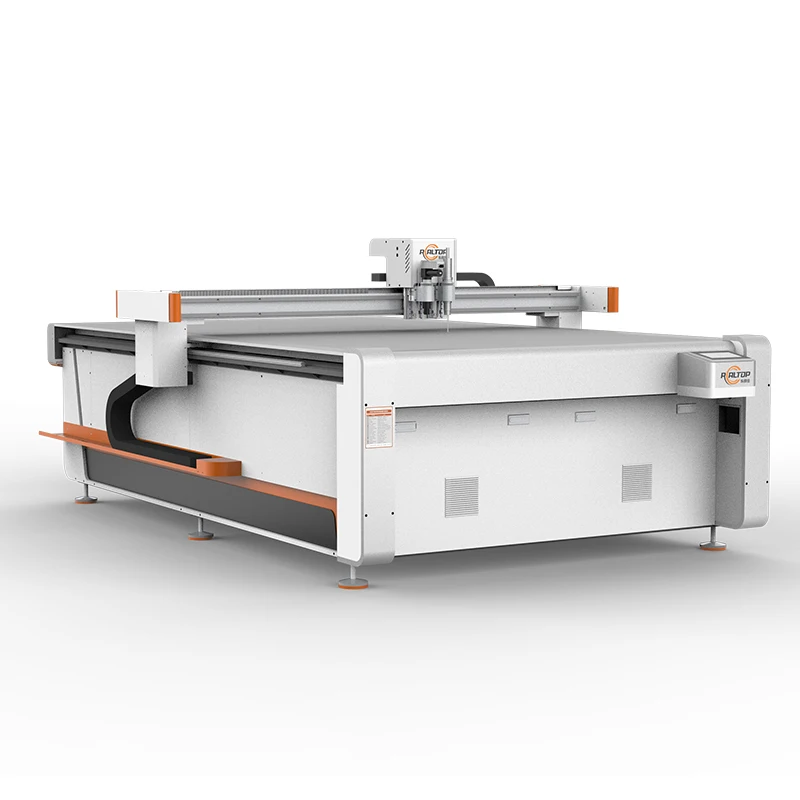
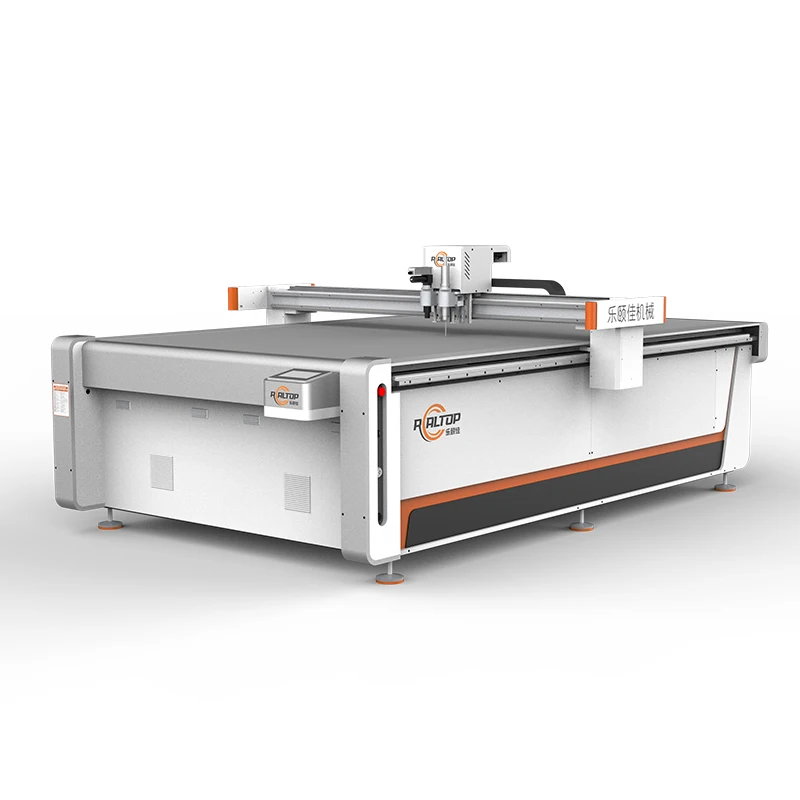
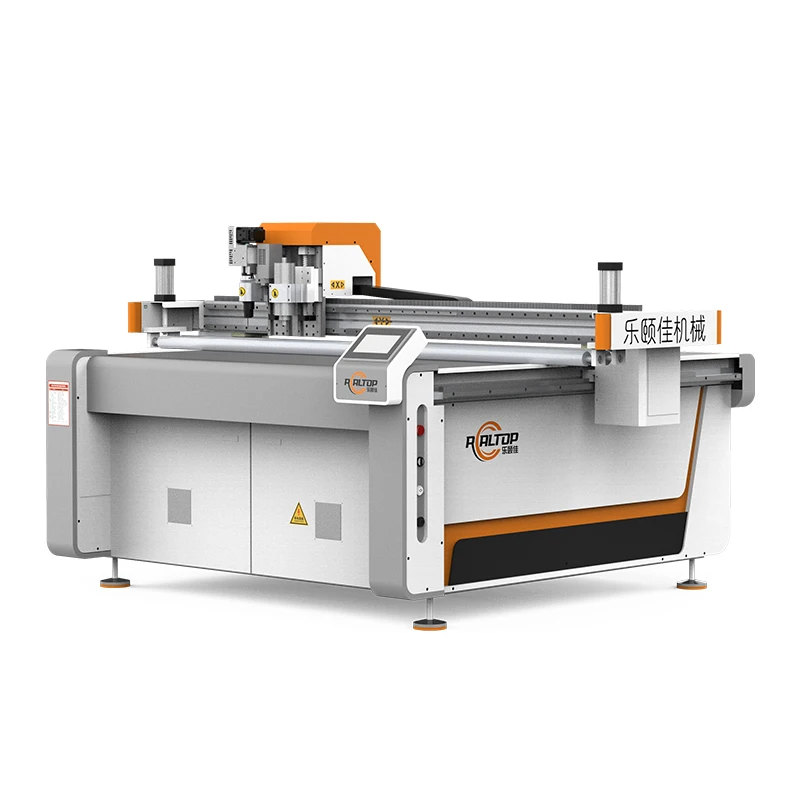
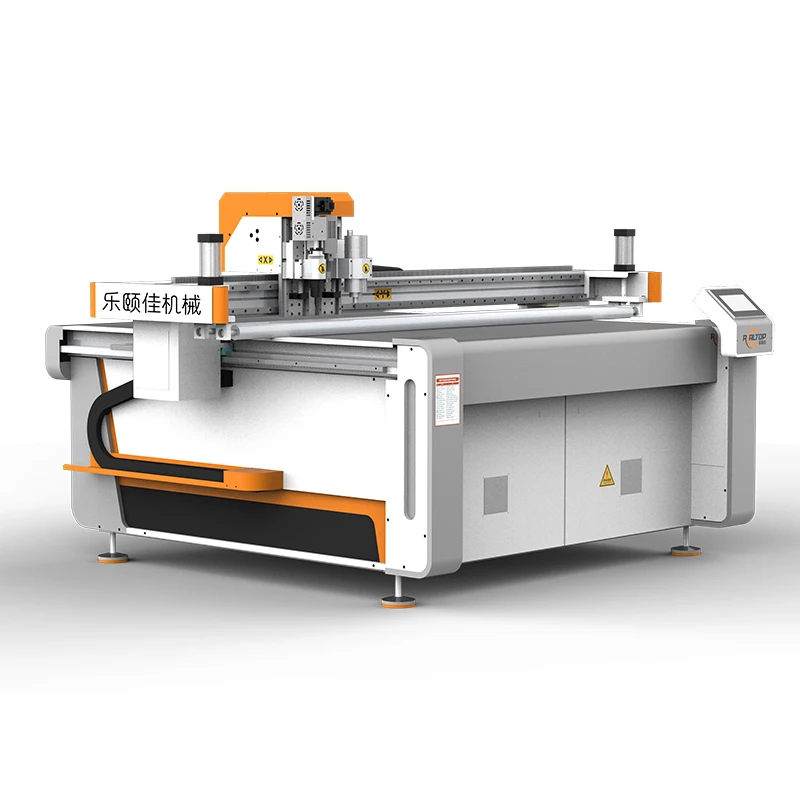
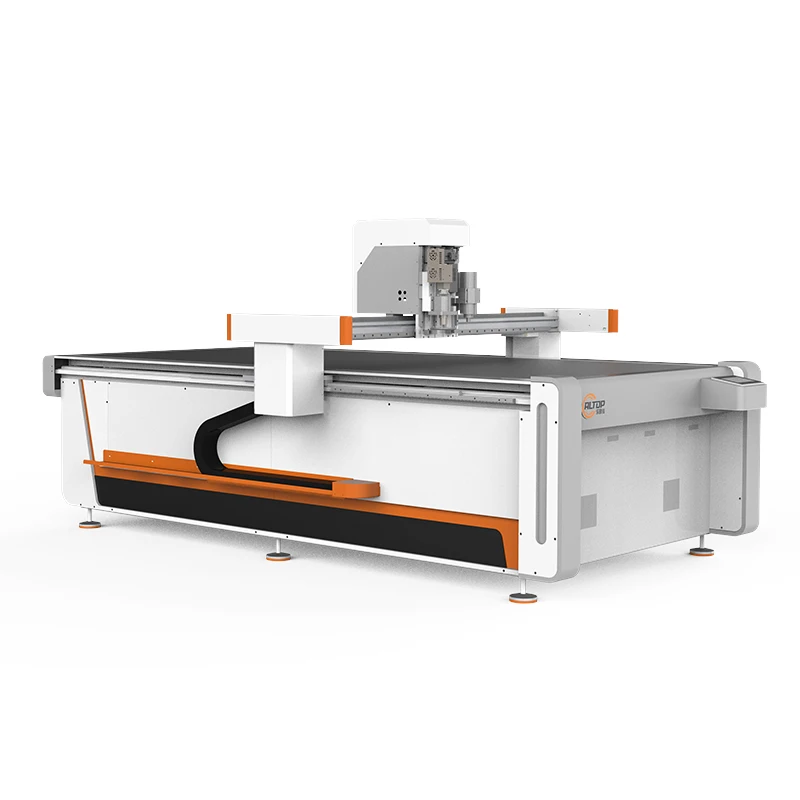
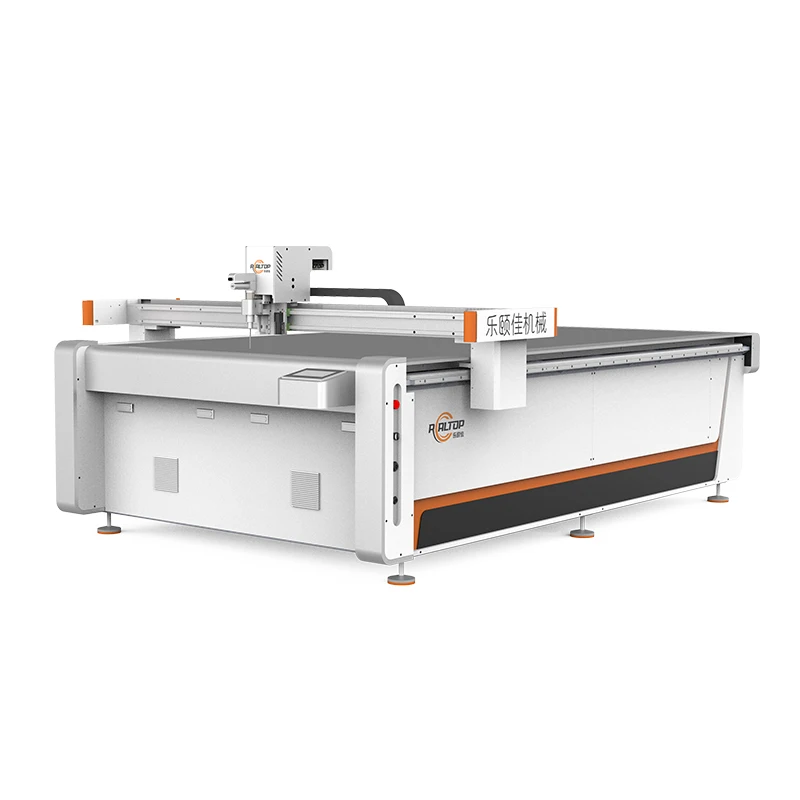
Customized Tooling Strategy — Every RT-D2516/RT-S2516 ships with a cutting configuration matched to your composite density and daily volume, verified on your actual material before the order is finalized.
Technical Specifications
| Parameter | Value |
|---|---|
| Model | RT-D2516/RT-S2516 |
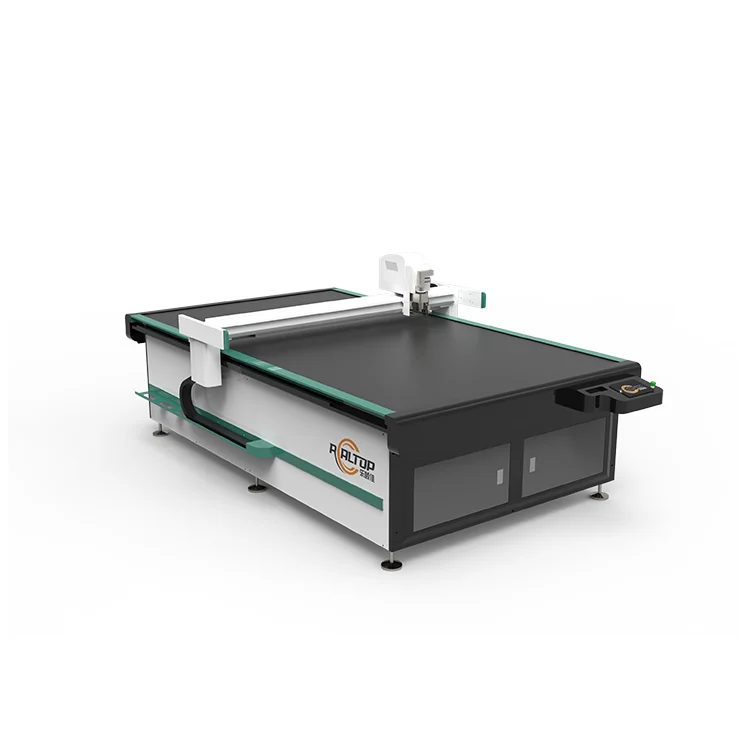
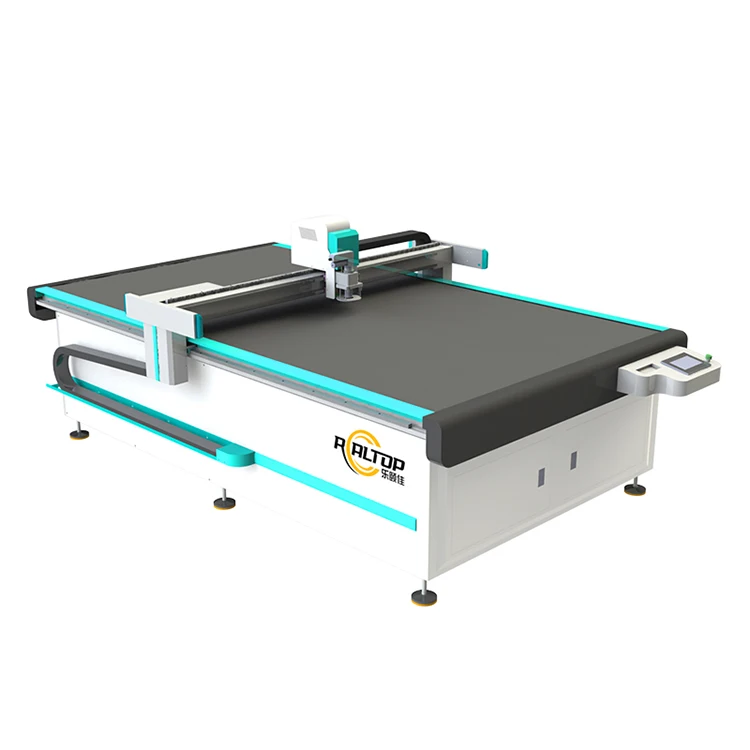
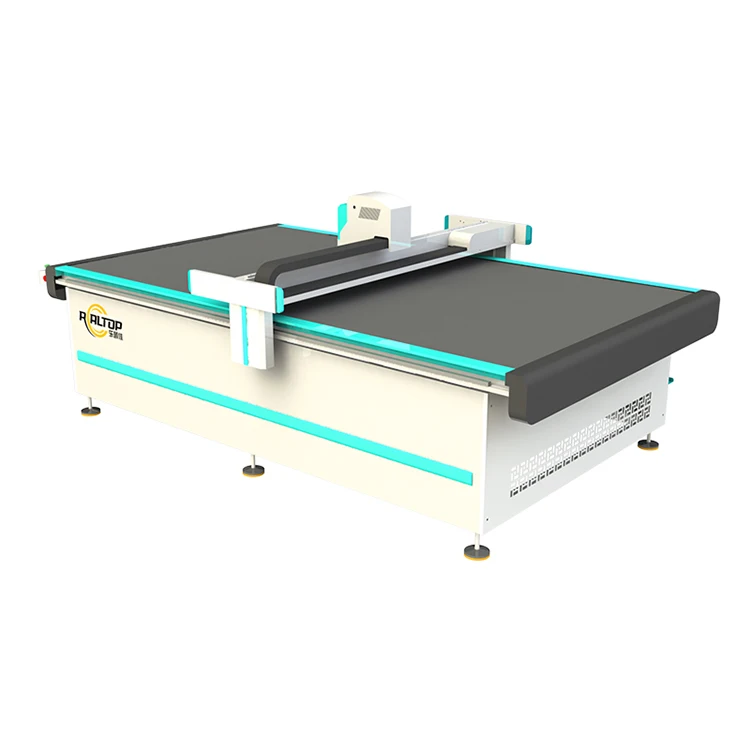
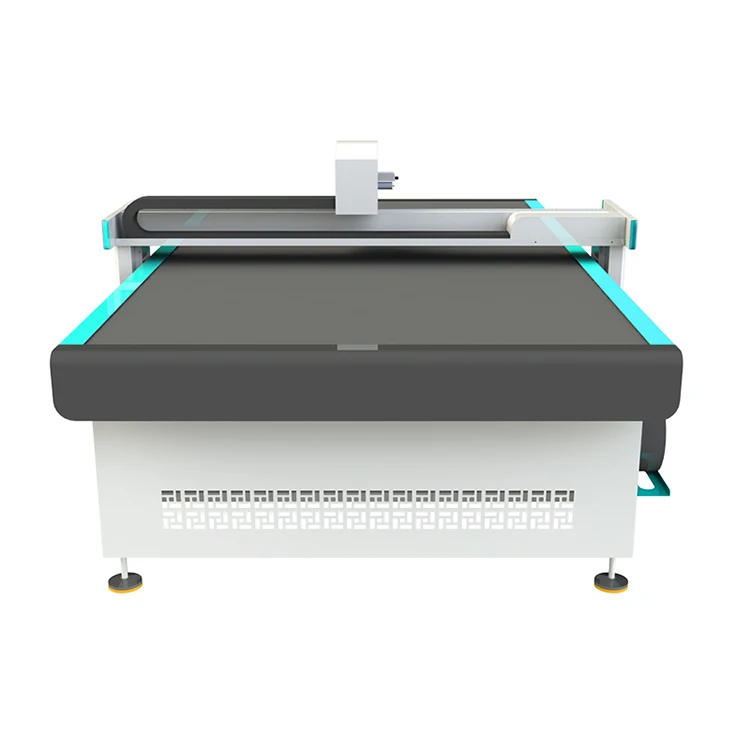
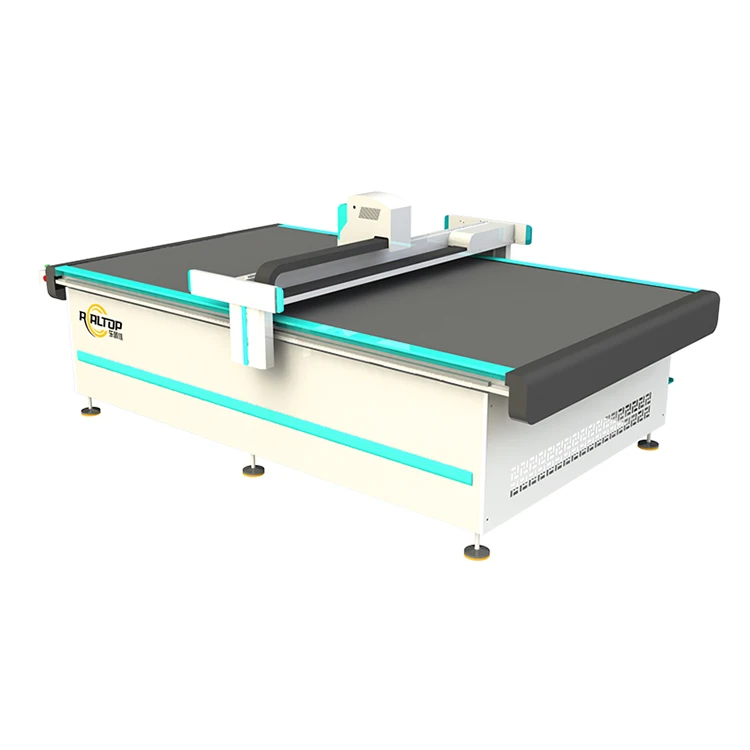
| Product Type | CNC Oscillating Knife Cutting Machine |
| Working Area | 1600 × 2500 mm |
| Overall Dimensions | 3450 × 2300 × 1250 mm |
| Rated Power | 9 kW |
| Translational Velocity | 800–2000 mm/s |
| Cutting Speed | 200–800 mm/s (varies by material) |
| Cutting Thickness | Up to 100 mm (basis to be confirmed on buyer material) |
| Repeated Accuracy | ≤0.1 mm |
| Table Type | Magnesium-aluminum alloy vacuum adsorption with PVDF fluorocarbon coating, anodic and hard oxidation |
| Vacuum Pump | 7.5 kW, integrated aviation aluminum shell with built-in silencer |
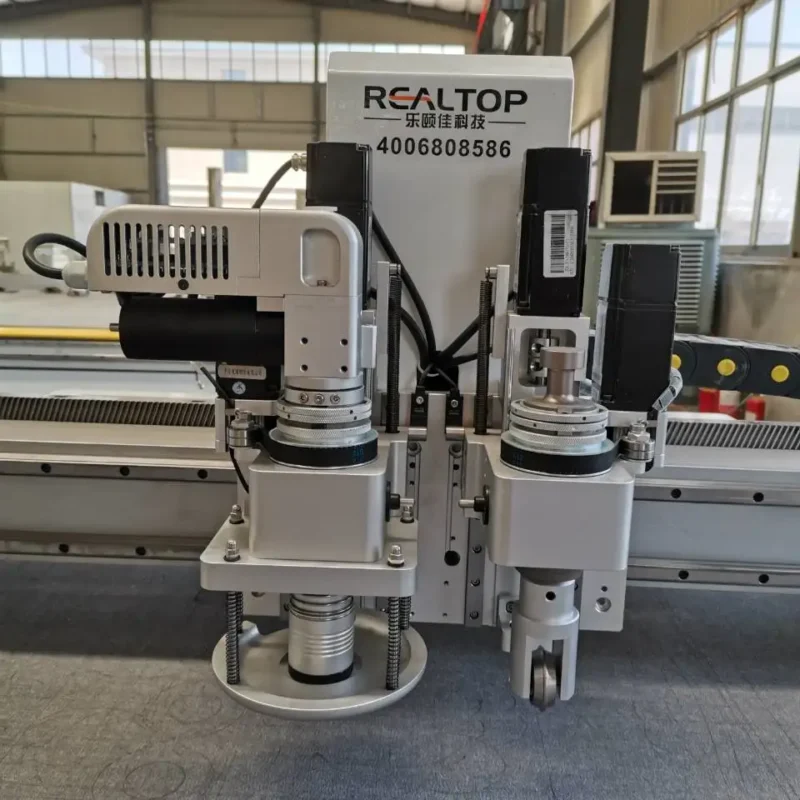
| Multifunctional Tool Head | Swiss imported knife (oscillating full/half cut, cursor location); optional pneumatic knife, high-power vibrating knife, circular knife, V-cut, drag knife, creasing wheel, dotted line knife, punching, brush |
| Visual Positioning | Small CCD mark point, panoramic camera recognition, projection positioning (optional) |
| Transmission System | Delta servo motor (Panasonic optional), Taiwan Hiwin linear guide, synchronous belt, ball screw |
| Instruction System | HP-GL compatible format |
| Voltage | 380V ± 10% |
| Frame | Welded thick-walled seamless steel, high-temperature tempering, CNC machining center finished |
| Safety Devices | Infrared sensors, beam anti-collision, emergency stop with in-situ resume |
| Standards | CE declaration |
Application Suitability
| Application | Material or Output |
|---|---|
| Acoustic panel fabrication | PET soundproofing felt, high-density polyester fiber boards |
| Automotive interior trimming | Sponge composite leather, PVC soft trim, gasket materials |
| Footwear and garment cutting | Flexible textiles, synthetic leather, multi-layer fabric lays |
| Signage and packaging prototyping | Corrugated board, vinyl, foam board, folding carton stock |
| Industrial gasket production | Silicon sheets, rubber compounds, soft glass |
Why the Cutting Depth Claim Needs a Sample Test First
The actual penetration a CNC digital cutting table for sale can achieve depends less on the stated maximum and more on how the knife stroke, oscillation frequency, and vacuum hold-down interact with your specific composite density.
When a buyer specifies a CNC Oscillating Knife Cutting Machine manufacturer based on a headline cutting thickness alone, the result on arrival often falls short. A 100 mm depth rating might hold for open-cell foam but collapse against dense acoustic PET felt or multi-layer rubber gaskets. I have seen production lines stalled because the specification sheet matched a standard material while the buyer’s actual stock carried a higher resin content or tighter fiber matrix. Running a sample cut on the buyer’s own material is the only way to confirm whether the knife amplitude and downward force can handle real production conditions [NEED_CITE: material density variation in composite panel manufacturing].
Matching the Tool Head to the Composite Structure
Selecting the right oscillating or drag knife is the single most consequential decision when configuring this CNC Oscillating Knife Cutting Machine. A standard vibrating blade handles mid-density PET felt cleanly, but high-density acoustic boards demand a high-power vibrating knife with increased stroke amplitude to prevent ragged delamination at the cut face. For thinner flexible overlays like PVC or silicon, a drag knife produces sealed edges without the fiber pull that a reciprocating blade causes.
Vacuum Zoning and Small-Part Stability
The magnesium-aluminum alloy table with PVDF coating provides a flat, corrosion-resistant surface, but flatness alone does not hold a small gasket blank in place. Uniform suction across the full 1600 × 2500 mm area requires a properly zoned vacuum layout so that a 50 mm part receives the same hold-down pressure as a full sheet. The 7.5 kW pump with its integrated silencer maintains adequate static pressure, yet the table zoning pattern must be confirmed against your typical nesting layout [NEED_CITE: vacuum hold-down requirements for small CNC-cut parts].
Reading the Spec Sheet Beyond the Headline Numbers
The 9 kW rated power covers the servo drives, vacuum pump and oscillation motor simultaneously, so peak draw during high-speed traversal with the vacuum at full capacity should be checked against your workshop supply. The Taiwan Hiwin linear guides and ball screw transmission deliver the ≤0.1 mm repeated accuracy needed for tight nesting yields on expensive composite stock. HP-GL instruction compatibility means your existing nesting software can feed cut paths without middleware conversion. The welded steel frame with high-temperature tempering resists the harmonic vibration that a lighter bolted assembly would amplify during continuous oscillating cuts, directly affecting edge finish on brittle composite boards.
The Cost of a Mismatched Configuration
Choosing a tool head based on catalog photographs rather than material behavior leads to crushed foam cores, delaminated composite edges, or blades that dull within a single shift. An undersized vacuum zone lets small parts drift during cutting, producing scrap that accumulates faster than the nesting software can compensate. These failures rarely appear in the factory acceptance test because the test uses standard reference material, not the buyer’s production stock [NEED_CITE: common CNC knife cutting failures on composite materials].
Why Sourcing This CNC Digital Cutting Table for Sale Here Makes Sense
In-house design covers both knife and laser processes, so the cutting method is matched to your material rather than forced into one technology. Every tool head and table configuration is specified per your material type and daily volume, not pulled from a default list. CCD camera positioning options are validated on your printed contour artwork before shipment. Software and file format compatibility is confirmed during the sample stage so your existing workflow transfers directly. A sample cutting report on your actual composite or felt stock is issued before you commit to the order.
Documentation & Verification
- Machine specification sheet listing confirmed tool head and table zoning layout for your composite type
- Electrical schematic with voltage, frequency and plug type matched to your destination market
- Sample cutting report on buyer-supplied material documenting edge quality and cycle parameters
- Software license and HP-GL file format compatibility note for your nesting workflow
- Factory test record showing repeated accuracy and vacuum pressure measurements before dispatch
- Spare parts list identifying blade types, vacuum seals and wear items specific to your configuration
Installation, Commissioning & Support
- Foundation must support the 3450 × 2300 mm footprint and dynamic load from the 9 kW drive system
- Dedicated 380V ± 10% circuit with appropriate breaker rating for combined servo and vacuum pump draw
- Machine arrives fully assembled; vacuum pump and conveyor belt connect on site
- First-run calibration includes vacuum zone verification against your nesting layout and material weight
- Operator training covers tool head changeover, CCD camera setup and emergency stop resume procedure
- Wear parts inventory includes Swiss knife blades and vacuum seals matched to your material profile
What to Prepare Before Requesting a Quotation
Send a data sheet describing your composite or felt material, including density, resin content if known, and typical sheet dimensions. State your daily cutting volume and the smallest part size in your nesting pattern. Confirm your workshop voltage, frequency and preferred control language so the electrical and software configuration is locked before production begins.
Frequently Asked Questions
Q: How is cutting thickness verified for my specific composite material?
A: We run a sample cut on the buyer-supplied material before the order is confirmed. The test records knife stroke, feed rate and edge quality at the thickness you need. The ≤100 mm headline figure is a general range; actual capacity depends on your composite density and fiber structure, which the sample test reveals.
Q: Which tool head suits my acoustic PET panel versus a flexible PVC overlay?
A: High-density PET panels typically require a high-power oscillating knife with increased stroke to cut cleanly without delamination. Thinner PVC and silicon overlays perform better with a drag knife that avoids fiber pull. The selection is confirmed during the sample cutting stage on your actual material.
Q: How do the CCD camera and visual positioning options differ?
A: The small CCD mark point system locates printed registration marks for contour cutting. The panoramic camera recognizes the full printed outline for higher-volume patterned work. Projection positioning overlays the cut path visually for manual alignment. The right option depends on your print format and production speed.
Q: What voltage and control language options are available before shipment?
A: The standard configuration is 380V ± 10%, but voltage, plug type and frequency must be confirmed for your destination market. Control language and software interface are set during the specification stage so operators can work in their preferred language from day one.
Q: How is the vacuum table zoned for small gasket parts?
A: The 1600 × 2500 mm magnesium-aluminum table is divided into zones that can be activated independently. Zone layout is confirmed against your nesting pattern so small parts receive sufficient hold-down pressure. The 7.5 kW pump maintains static pressure across all active zones during continuous cutting.
Customized Tooling Strategy — Every RT-D2516/RT-S2516 ships with a cutting configuration matched to your composite density and daily volume, verified on your actual material before the order is finalized.
Technical Specifications
| Parameter | Value |
|---|---|
| Model | RT-D2516/RT-S2516 |
| Product Type | CNC Oscillating Knife Cutting Machine |
| Working Area | 1600 × 2500 mm |
| Overall Dimensions | 3450 × 2300 × 1250 mm |
| Rated Power | 9 kW |
| Translational Velocity | 800–2000 mm/s |
| Cutting Speed | 200–800 mm/s (varies by material) |
| Cutting Thickness | Up to 100 mm (basis to be confirmed on buyer material) |
| Repeated Accuracy | ≤0.1 mm |
| Table Type | Magnesium-aluminum alloy vacuum adsorption with PVDF fluorocarbon coating, anodic and hard oxidation |
| Vacuum Pump | 7.5 kW, integrated aviation aluminum shell with built-in silencer |
| Multifunctional Tool Head | Swiss imported knife (oscillating full/half cut, cursor location); optional pneumatic knife, high-power vibrating knife, circular knife, V-cut, drag knife, creasing wheel, dotted line knife, punching, brush |
| Visual Positioning | Small CCD mark point, panoramic camera recognition, projection positioning (optional) |
| Transmission System | Delta servo motor (Panasonic optional), Taiwan Hiwin linear guide, synchronous belt, ball screw |
| Instruction System | HP-GL compatible format |
| Voltage | 380V ± 10% |
| Frame | Welded thick-walled seamless steel, high-temperature tempering, CNC machining center finished |
| Safety Devices | Infrared sensors, beam anti-collision, emergency stop with in-situ resume |
| Standards | CE declaration |
Application Suitability
| Application | Material or Output |
|---|---|
| Acoustic panel fabrication | PET soundproofing felt, high-density polyester fiber boards |
| Automotive interior trimming | Sponge composite leather, PVC soft trim, gasket materials |
| Footwear and garment cutting | Flexible textiles, synthetic leather, multi-layer fabric lays |
| Signage and packaging prototyping | Corrugated board, vinyl, foam board, folding carton stock |
| Industrial gasket production | Silicon sheets, rubber compounds, soft glass |
Why the Cutting Depth Claim Needs a Sample Test First
The actual penetration a CNC digital cutting table for sale can achieve depends less on the stated maximum and more on how the knife stroke, oscillation frequency, and vacuum hold-down interact with your specific composite density.
When a buyer specifies a CNC Oscillating Knife Cutting Machine manufacturer based on a headline cutting thickness alone, the result on arrival often falls short. A 100 mm depth rating might hold for open-cell foam but collapse against dense acoustic PET felt or multi-layer rubber gaskets. I have seen production lines stalled because the specification sheet matched a standard material while the buyer’s actual stock carried a higher resin content or tighter fiber matrix. Running a sample cut on the buyer’s own material is the only way to confirm whether the knife amplitude and downward force can handle real production conditions [NEED_CITE: material density variation in composite panel manufacturing].
Matching the Tool Head to the Composite Structure
Selecting the right oscillating or drag knife is the single most consequential decision when configuring this CNC Oscillating Knife Cutting Machine. A standard vibrating blade handles mid-density PET felt cleanly, but high-density acoustic boards demand a high-power vibrating knife with increased stroke amplitude to prevent ragged delamination at the cut face. For thinner flexible overlays like PVC or silicon, a drag knife produces sealed edges without the fiber pull that a reciprocating blade causes.
Vacuum Zoning and Small-Part Stability
The magnesium-aluminum alloy table with PVDF coating provides a flat, corrosion-resistant surface, but flatness alone does not hold a small gasket blank in place. Uniform suction across the full 1600 × 2500 mm area requires a properly zoned vacuum layout so that a 50 mm part receives the same hold-down pressure as a full sheet. The 7.5 kW pump with its integrated silencer maintains adequate static pressure, yet the table zoning pattern must be confirmed against your typical nesting layout [NEED_CITE: vacuum hold-down requirements for small CNC-cut parts].
Reading the Spec Sheet Beyond the Headline Numbers
The 9 kW rated power covers the servo drives, vacuum pump and oscillation motor simultaneously, so peak draw during high-speed traversal with the vacuum at full capacity should be checked against your workshop supply. The Taiwan Hiwin linear guides and ball screw transmission deliver the ≤0.1 mm repeated accuracy needed for tight nesting yields on expensive composite stock. HP-GL instruction compatibility means your existing nesting software can feed cut paths without middleware conversion. The welded steel frame with high-temperature tempering resists the harmonic vibration that a lighter bolted assembly would amplify during continuous oscillating cuts, directly affecting edge finish on brittle composite boards.
The Cost of a Mismatched Configuration
Choosing a tool head based on catalog photographs rather than material behavior leads to crushed foam cores, delaminated composite edges, or blades that dull within a single shift. An undersized vacuum zone lets small parts drift during cutting, producing scrap that accumulates faster than the nesting software can compensate. These failures rarely appear in the factory acceptance test because the test uses standard reference material, not the buyer’s production stock [NEED_CITE: common CNC knife cutting failures on composite materials].
Why Sourcing This CNC Digital Cutting Table for Sale Here Makes Sense
In-house design covers both knife and laser processes, so the cutting method is matched to your material rather than forced into one technology. Every tool head and table configuration is specified per your material type and daily volume, not pulled from a default list. CCD camera positioning options are validated on your printed contour artwork before shipment. Software and file format compatibility is confirmed during the sample stage so your existing workflow transfers directly. A sample cutting report on your actual composite or felt stock is issued before you commit to the order.
Documentation & Verification
- Machine specification sheet listing confirmed tool head and table zoning layout for your composite type
- Electrical schematic with voltage, frequency and plug type matched to your destination market
- Sample cutting report on buyer-supplied material documenting edge quality and cycle parameters
- Software license and HP-GL file format compatibility note for your nesting workflow
- Factory test record showing repeated accuracy and vacuum pressure measurements before dispatch
- Spare parts list identifying blade types, vacuum seals and wear items specific to your configuration
Installation, Commissioning & Support
- Foundation must support the 3450 × 2300 mm footprint and dynamic load from the 9 kW drive system
- Dedicated 380V ± 10% circuit with appropriate breaker rating for combined servo and vacuum pump draw
- Machine arrives fully assembled; vacuum pump and conveyor belt connect on site
- First-run calibration includes vacuum zone verification against your nesting layout and material weight
- Operator training covers tool head changeover, CCD camera setup and emergency stop resume procedure
- Wear parts inventory includes Swiss knife blades and vacuum seals matched to your material profile
What to Prepare Before Requesting a Quotation
Send a data sheet describing your composite or felt material, including density, resin content if known, and typical sheet dimensions. State your daily cutting volume and the smallest part size in your nesting pattern. Confirm your workshop voltage, frequency and preferred control language so the electrical and software configuration is locked before production begins.
Frequently Asked Questions
Q: How is cutting thickness verified for my specific composite material?
A: We run a sample cut on the buyer-supplied material before the order is confirmed. The test records knife stroke, feed rate and edge quality at the thickness you need. The ≤100 mm headline figure is a general range; actual capacity depends on your composite density and fiber structure, which the sample test reveals.
Q: Which tool head suits my acoustic PET panel versus a flexible PVC overlay?
A: High-density PET panels typically require a high-power oscillating knife with increased stroke to cut cleanly without delamination. Thinner PVC and silicon overlays perform better with a drag knife that avoids fiber pull. The selection is confirmed during the sample cutting stage on your actual material.
Q: How do the CCD camera and visual positioning options differ?
A: The small CCD mark point system locates printed registration marks for contour cutting. The panoramic camera recognizes the full printed outline for higher-volume patterned work. Projection positioning overlays the cut path visually for manual alignment. The right option depends on your print format and production speed.
Q: What voltage and control language options are available before shipment?
A: The standard configuration is 380V ± 10%, but voltage, plug type and frequency must be confirmed for your destination market. Control language and software interface are set during the specification stage so operators can work in their preferred language from day one.
Q: How is the vacuum table zoned for small gasket parts?
A: The 1600 × 2500 mm magnesium-aluminum table is divided into zones that can be activated independently. Zone layout is confirmed against your nesting pattern so small parts receive sufficient hold-down pressure. The 7.5 kW pump maintains static pressure across all active zones during continuous cutting.
商品评价
There are no reviews yet.