


Fast Delivery
Quick, reliable shipping to any location.

Free & easy returns
Return this item by mail or in store within 90 days for a full refund.
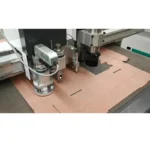
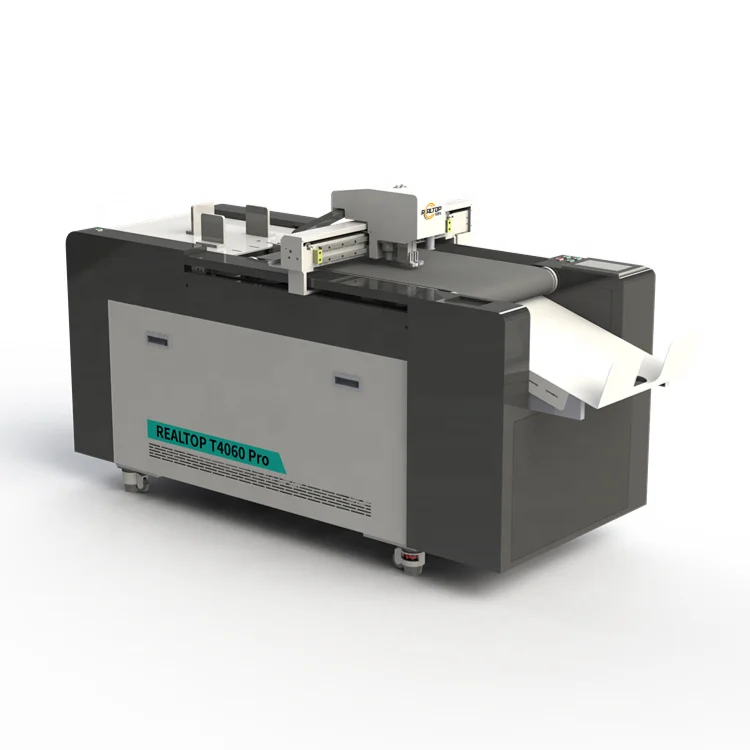
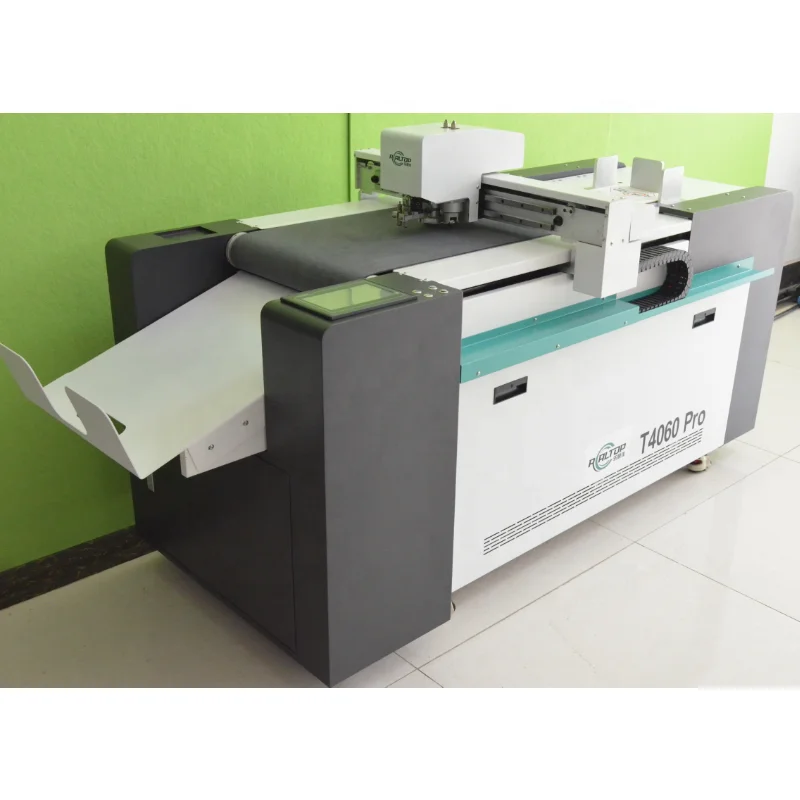
Custom Tool Head Matching — every cutting head and vacuum zone is selected after running your actual carton stock on our test table, ensuring edge quality holds up beyond the sample phase.
Technical Specifications
| Parameter | Value |
|---|---|
| Product Type | CNC Flatbed Digital Cutting Plotter |
| Working Area | A3 format (exact dimensions to be confirmed) |
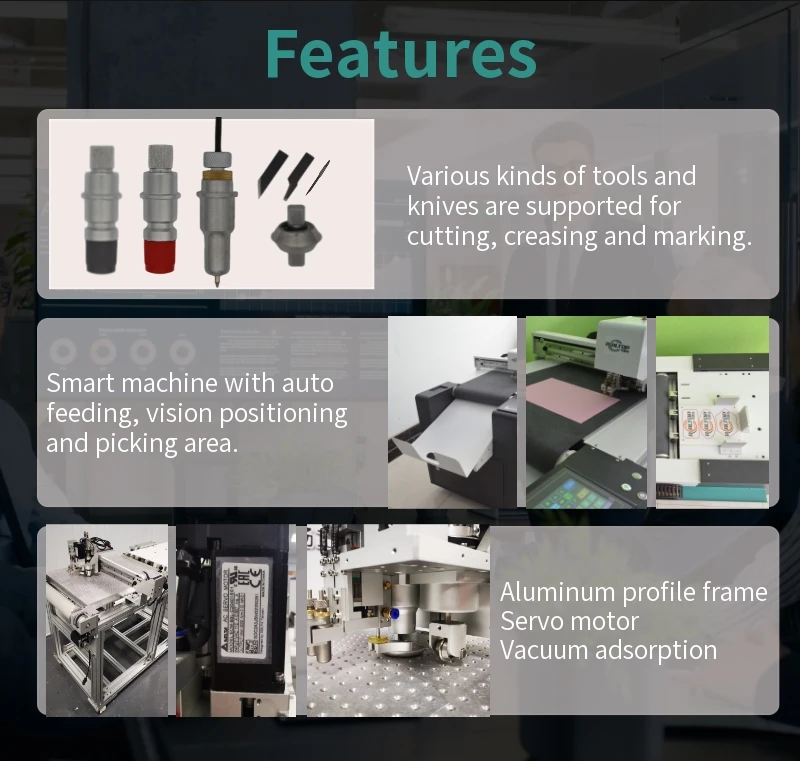
| Tool Head Options | Drag knife, creasing wheel, oscillating knife (configured per board weight and flute type) |
| Cutting Thickness | Dependent on carton stock and tool head selection (basis to be confirmed) |
| Positioning Accuracy | To be confirmed based on final configuration |
| Repeatability | To be confirmed based on final configuration |
| CCD Camera | Available for printed contour recognition (optional) |
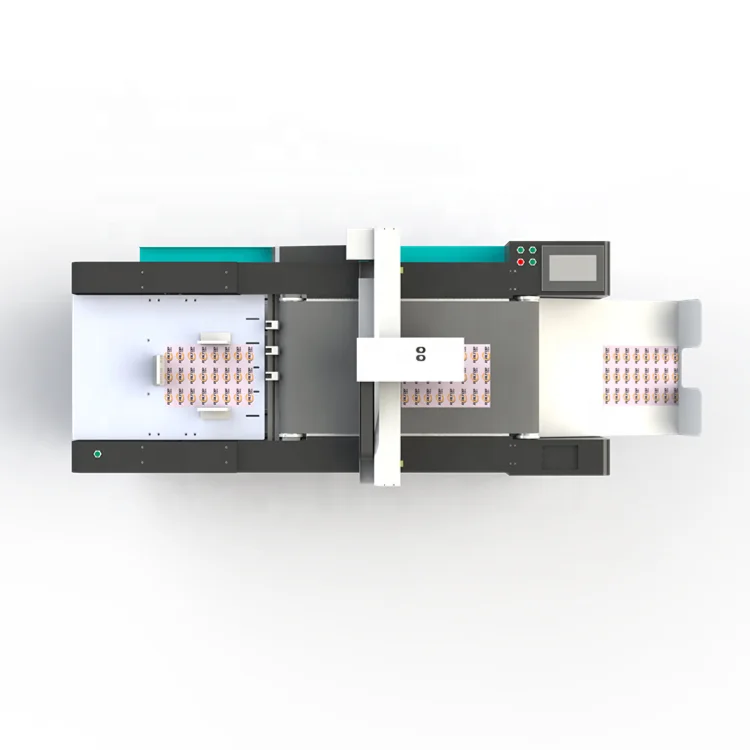
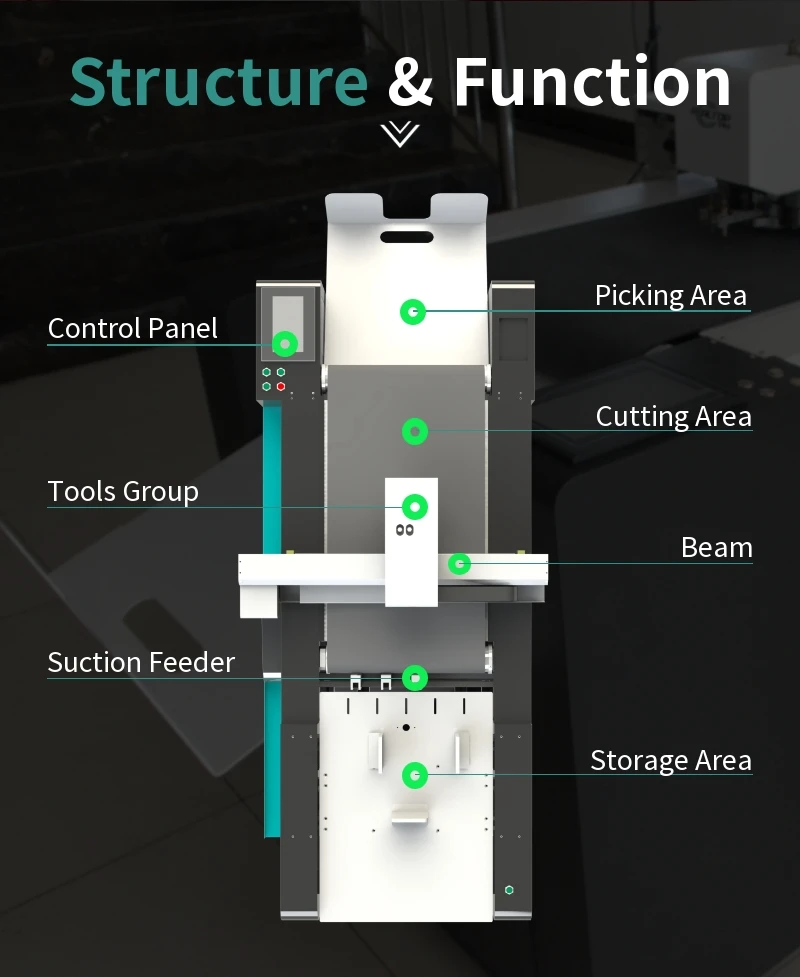
| Vacuum Table Zoning | Configurable zones matched to typical sample dimensions |
| Compatible File Formats | Confirmed against buyer’s CAD or packaging design system before order |
| Voltage & Frequency | Configurable to local facility supply (to be confirmed before shipment) |
| Control Language | Customizable to operator preference |
| Output Capacity | Dependent on material, cut complexity, and tool configuration (basis to be confirmed) |
Application Suitability
| Application | Material or Output |
|---|---|
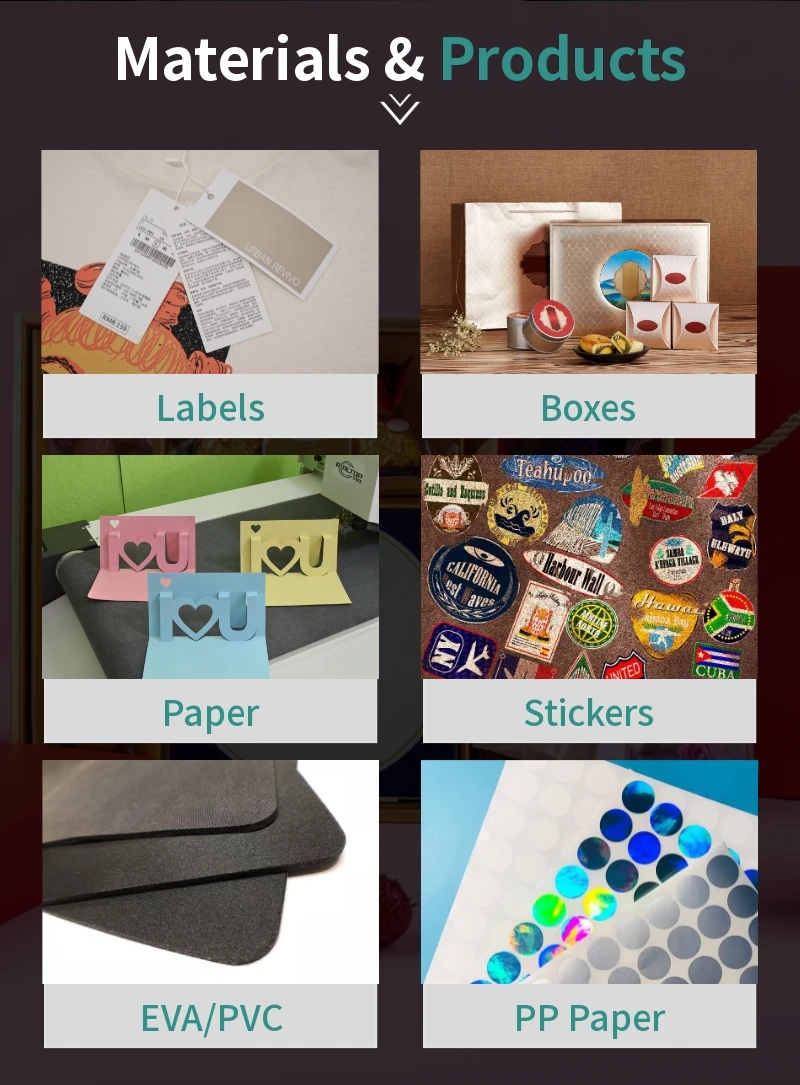
| Packaging sample prototyping | Single and multi-layer carton board, corrugated stock, greyboard up to moderate thickness |
| Carton box short-run production | Folding carton, kraft board, and composite paper grades |
| Signage and display mock-ups | Foam board, honeycomb panel, and corrugated plastic in A3 format |
| Die-line verification before mass tooling | Pre-production samples on buyer’s actual stock to validate crease and cut quality |
Why Board Thickness Matters More Than Working Area for a CNC Digital Cutting Plotter Manufacturer
Specifying a cutting table by size alone leaves the hardest question unanswered: will the tool head actually handle your material.
I have watched buyers spend weeks comparing A3 versus A4 working areas while never mentioning they run three-layer laminated greyboard. The machine arrives, the drag knife scores the surface but cannot cut through, and production stalls while a new tool head is sourced and shipped. That week of downtime costs more than the upgrade would have. A CNC digital cutting plotter manufacturer worth working with will ask for a material sample before quoting, not after [NEED_CITE: material-driven tool selection in digital flatbed cutting]. The right conversation starts with what you are cutting, how thick it is, and how many layers you need to get through in a single pass.
Matching the Tool Head to Your Carton Grade
The tool head is where a flatbed plotter either earns its keep or becomes a costly desk ornament. For thin folding carton under 1 mm, a drag knife pulls clean cuts at speed without needing the downward force of an oscillating blade. Step up to double-wall corrugated or laminated greyboard and the drag knife starts dragging the fibers instead of slicing them, leaving torn edges that fail sample approval. An oscillating knife handles those heavier stocks by vibrating through the material rather than pulling across it, but it cuts slower and demands more vacuum hold-down. A creasing wheel sits alongside the cutting tool to score fold lines without breaking the outer liner, which is essential when your sample needs to fold up into a presentation-ready box.
Vacuum Table Zoning and Small Sample Hold-Down
A full-sheet vacuum table sounds adequate until you are cutting a 50 × 80 mm carton insert and the outer zones pull air past the workpiece instead of through it. Configurable vacuum zones let the operator open only the section directly under the sample, concentrating suction where the material actually sits. Without this, small carton pieces lift during the final cuts, the blade catches the raised edge, and you restart the job [NEED_CITE: vacuum hold-down requirements for small-format digital cutting]. Zoning also matters when running nested layouts across the bed, where some areas are fully cut while others still have material holding them flat.
Reading the Spec Sheet Beyond the Working Area
The working area defines what fits on the bed, but the tool head travel depth defines what the machine can actually cut through. A plotter rated for A3 with limited Z-axis travel will struggle on 3 mm greyboard even if the footprint suggests it should manage packaging stock. Positioning accuracy and repeatability numbers tell you whether the second cut will land exactly where the CAD file says it should, which is the difference between a sample that folds square and one where the glue tab misses its slot by a visible margin. Voltage and frequency must match your facility before the machine ships, not when the electrician opens the cabinet and finds a 220V motor wired for 380V. File format compatibility with your existing packaging CAD system should be confirmed in writing before the purchase order is signed, because discovering a DXF import issue on commissioning day is a problem that could have been solved in an email.
The Cost of Skipping the Sample Cut
When a buyer skips sending material for a sample cut, every specification on the order form becomes an assumption. The quoted cutting speed applies to a generic board grade that may not match what is on the production floor. The vacuum zone count makes sense for full-sheet layouts but falls short when most jobs are small prototypes. The CCD camera was specified for printed contour work, but the registration marks on the buyer’s stock are a different color or size than what the sensor was calibrated against [NEED_CITE: CCD contour recognition calibration variables]. These mismatches do not show up in the quotation. They show up on the first production day, when the operator loads real stock and the machine behaves differently than expected.
What We Build Into the Configuration Process
Our in-house design team covers both knife and laser cutting technologies, so a buyer working with coated carton that seals better with a laser edge can explore both methods rather than being locked into one. Tool head and table configuration is specified per material and production volume, not pulled from a standard package. CCD camera positioning is available for printed contour work and calibrated against the buyer’s actual mark style. Software compatibility is confirmed before the order goes to production, not after. Voltage, language, and control interface are customized to the destination facility. And sample cutting on the buyer’s own material happens before any commitment is made, so edge quality and crease accuracy are verified on real stock.
Documentation & Verification
- Machine specification sheet with confirmed working area dimensions and tool head list
- Electrical schematic and voltage confirmation matched to facility power supply
- Sample cutting report on buyer’s actual carton stock showing edge and crease quality
- Software licence and file format compatibility note for buyer’s CAD system
- Factory test record documenting cut accuracy and vacuum performance before dispatch
Installation, Commissioning & Support
- Facility power circuit verified against confirmed voltage and frequency before delivery
- Vacuum pump and table leveling checked against A3 bed flatness on arrival
- Tool head calibration and Z-depth set using buyer’s carton stock during commissioning
- Operator training on crease wheel pressure adjustment for different board grades
- Spare knife blades, creasing wheels, and vacuum seals included with initial shipment
- Scheduled maintenance intervals provided for tool head bearings and vacuum system
Before You Send an Inquiry
A few details will let us move straight to configuration instead of going back and forth on basics. Tell us the exact carton stock you run, including board type, thickness, and whether it is single-layer or laminated. Let us know the typical sample dimensions and whether you need creasing alongside cutting. Confirm the voltage and frequency at your facility, along with the packaging CAD software you currently use. If you have printed work that requires contour recognition, describe the registration mark style and print contrast so we can confirm CCD suitability.
Frequently Asked Questions
Q: How do I know which tool head is right for my carton board?
A: It depends on the board weight, layer count, and whether you need creasing alongside cutting. Thin folding carton typically runs well with a drag knife, while heavier greyboard or corrugated stock needs an oscillating knife for clean through-cuts. We run your actual material on our test table before recommending a configuration, so the tool head choice is based on real results rather than generic guidelines.
Q: Do I need a CCD camera for carton sample cutting?
A: You need one only if you are cutting around pre-printed graphics and the registration must follow the print rather than the sheet edge. For blank carton prototypes cut from unprinted stock, the machine follows the CAD file directly and CCD positioning adds no benefit. If your work includes printed mock-ups, send us a sample so we can verify mark contrast and sensor tracking at your production speed.
Q: Will the software work with my existing packaging design files?
A: Compatibility depends on the file format your CAD system exports and how the cutting paths are structured. We confirm which formats the plotter software accepts and test a file from your system before the order is finalized. This avoids the situation where the machine arrives and the operator discovers that crease lines are not recognized as a separate tool path.
Q: What electrical information do you need before shipping?
A: We need the voltage, phase, and frequency at your facility, along with the plug type required by local standards. Providing this before production starts means the motor, control cabinet, and wiring all match your supply when the machine is uncrated. Discovering a voltage mismatch on installation day causes delays that are easily avoided with a short checklist upfront.
Q: Can I see cutting results on my own material before ordering?
A: Yes. Send us a representative sample of the carton stock you actually run, and we will cut and crease it on our test table using the tool head we are recommending. You receive the cut samples along with a report covering edge quality, crease depth, and any configuration notes, so you can evaluate the results before committing to the purchase.
Custom Tool Head Matching — every cutting head and vacuum zone is selected after running your actual carton stock on our test table, ensuring edge quality holds up beyond the sample phase.
Technical Specifications
| Parameter | Value |
|---|---|
| Product Type | CNC Flatbed Digital Cutting Plotter |
| Working Area | A3 format (exact dimensions to be confirmed) |
| Tool Head Options | Drag knife, creasing wheel, oscillating knife (configured per board weight and flute type) |
| Cutting Thickness | Dependent on carton stock and tool head selection (basis to be confirmed) |
| Positioning Accuracy | To be confirmed based on final configuration |
| Repeatability | To be confirmed based on final configuration |
| CCD Camera | Available for printed contour recognition (optional) |
| Vacuum Table Zoning | Configurable zones matched to typical sample dimensions |
| Compatible File Formats | Confirmed against buyer’s CAD or packaging design system before order |
| Voltage & Frequency | Configurable to local facility supply (to be confirmed before shipment) |
| Control Language | Customizable to operator preference |
| Output Capacity | Dependent on material, cut complexity, and tool configuration (basis to be confirmed) |
Application Suitability
| Application | Material or Output |
|---|---|
| Packaging sample prototyping | Single and multi-layer carton board, corrugated stock, greyboard up to moderate thickness |
| Carton box short-run production | Folding carton, kraft board, and composite paper grades |
| Signage and display mock-ups | Foam board, honeycomb panel, and corrugated plastic in A3 format |
| Die-line verification before mass tooling | Pre-production samples on buyer’s actual stock to validate crease and cut quality |
Why Board Thickness Matters More Than Working Area for a CNC Digital Cutting Plotter Manufacturer
Specifying a cutting table by size alone leaves the hardest question unanswered: will the tool head actually handle your material.
I have watched buyers spend weeks comparing A3 versus A4 working areas while never mentioning they run three-layer laminated greyboard. The machine arrives, the drag knife scores the surface but cannot cut through, and production stalls while a new tool head is sourced and shipped. That week of downtime costs more than the upgrade would have. A CNC digital cutting plotter manufacturer worth working with will ask for a material sample before quoting, not after [NEED_CITE: material-driven tool selection in digital flatbed cutting]. The right conversation starts with what you are cutting, how thick it is, and how many layers you need to get through in a single pass.
Matching the Tool Head to Your Carton Grade
The tool head is where a flatbed plotter either earns its keep or becomes a costly desk ornament. For thin folding carton under 1 mm, a drag knife pulls clean cuts at speed without needing the downward force of an oscillating blade. Step up to double-wall corrugated or laminated greyboard and the drag knife starts dragging the fibers instead of slicing them, leaving torn edges that fail sample approval. An oscillating knife handles those heavier stocks by vibrating through the material rather than pulling across it, but it cuts slower and demands more vacuum hold-down. A creasing wheel sits alongside the cutting tool to score fold lines without breaking the outer liner, which is essential when your sample needs to fold up into a presentation-ready box.
Vacuum Table Zoning and Small Sample Hold-Down
A full-sheet vacuum table sounds adequate until you are cutting a 50 × 80 mm carton insert and the outer zones pull air past the workpiece instead of through it. Configurable vacuum zones let the operator open only the section directly under the sample, concentrating suction where the material actually sits. Without this, small carton pieces lift during the final cuts, the blade catches the raised edge, and you restart the job [NEED_CITE: vacuum hold-down requirements for small-format digital cutting]. Zoning also matters when running nested layouts across the bed, where some areas are fully cut while others still have material holding them flat.
Reading the Spec Sheet Beyond the Working Area
The working area defines what fits on the bed, but the tool head travel depth defines what the machine can actually cut through. A plotter rated for A3 with limited Z-axis travel will struggle on 3 mm greyboard even if the footprint suggests it should manage packaging stock. Positioning accuracy and repeatability numbers tell you whether the second cut will land exactly where the CAD file says it should, which is the difference between a sample that folds square and one where the glue tab misses its slot by a visible margin. Voltage and frequency must match your facility before the machine ships, not when the electrician opens the cabinet and finds a 220V motor wired for 380V. File format compatibility with your existing packaging CAD system should be confirmed in writing before the purchase order is signed, because discovering a DXF import issue on commissioning day is a problem that could have been solved in an email.
The Cost of Skipping the Sample Cut
When a buyer skips sending material for a sample cut, every specification on the order form becomes an assumption. The quoted cutting speed applies to a generic board grade that may not match what is on the production floor. The vacuum zone count makes sense for full-sheet layouts but falls short when most jobs are small prototypes. The CCD camera was specified for printed contour work, but the registration marks on the buyer’s stock are a different color or size than what the sensor was calibrated against [NEED_CITE: CCD contour recognition calibration variables]. These mismatches do not show up in the quotation. They show up on the first production day, when the operator loads real stock and the machine behaves differently than expected.
What We Build Into the Configuration Process
Our in-house design team covers both knife and laser cutting technologies, so a buyer working with coated carton that seals better with a laser edge can explore both methods rather than being locked into one. Tool head and table configuration is specified per material and production volume, not pulled from a standard package. CCD camera positioning is available for printed contour work and calibrated against the buyer’s actual mark style. Software compatibility is confirmed before the order goes to production, not after. Voltage, language, and control interface are customized to the destination facility. And sample cutting on the buyer’s own material happens before any commitment is made, so edge quality and crease accuracy are verified on real stock.
Documentation & Verification
- Machine specification sheet with confirmed working area dimensions and tool head list
- Electrical schematic and voltage confirmation matched to facility power supply
- Sample cutting report on buyer’s actual carton stock showing edge and crease quality
- Software licence and file format compatibility note for buyer’s CAD system
- Factory test record documenting cut accuracy and vacuum performance before dispatch
Installation, Commissioning & Support
- Facility power circuit verified against confirmed voltage and frequency before delivery
- Vacuum pump and table leveling checked against A3 bed flatness on arrival
- Tool head calibration and Z-depth set using buyer’s carton stock during commissioning
- Operator training on crease wheel pressure adjustment for different board grades
- Spare knife blades, creasing wheels, and vacuum seals included with initial shipment
- Scheduled maintenance intervals provided for tool head bearings and vacuum system
Before You Send an Inquiry
A few details will let us move straight to configuration instead of going back and forth on basics. Tell us the exact carton stock you run, including board type, thickness, and whether it is single-layer or laminated. Let us know the typical sample dimensions and whether you need creasing alongside cutting. Confirm the voltage and frequency at your facility, along with the packaging CAD software you currently use. If you have printed work that requires contour recognition, describe the registration mark style and print contrast so we can confirm CCD suitability.
Frequently Asked Questions
Q: How do I know which tool head is right for my carton board?
A: It depends on the board weight, layer count, and whether you need creasing alongside cutting. Thin folding carton typically runs well with a drag knife, while heavier greyboard or corrugated stock needs an oscillating knife for clean through-cuts. We run your actual material on our test table before recommending a configuration, so the tool head choice is based on real results rather than generic guidelines.
Q: Do I need a CCD camera for carton sample cutting?
A: You need one only if you are cutting around pre-printed graphics and the registration must follow the print rather than the sheet edge. For blank carton prototypes cut from unprinted stock, the machine follows the CAD file directly and CCD positioning adds no benefit. If your work includes printed mock-ups, send us a sample so we can verify mark contrast and sensor tracking at your production speed.
Q: Will the software work with my existing packaging design files?
A: Compatibility depends on the file format your CAD system exports and how the cutting paths are structured. We confirm which formats the plotter software accepts and test a file from your system before the order is finalized. This avoids the situation where the machine arrives and the operator discovers that crease lines are not recognized as a separate tool path.
Q: What electrical information do you need before shipping?
A: We need the voltage, phase, and frequency at your facility, along with the plug type required by local standards. Providing this before production starts means the motor, control cabinet, and wiring all match your supply when the machine is uncrated. Discovering a voltage mismatch on installation day causes delays that are easily avoided with a short checklist upfront.
Q: Can I see cutting results on my own material before ordering?
A: Yes. Send us a representative sample of the carton stock you actually run, and we will cut and crease it on our test table using the tool head we are recommending. You receive the cut samples along with a report covering edge quality, crease depth, and any configuration notes, so you can evaluate the results before committing to the purchase.










商品评价
There are no reviews yet.