

Fast Delivery
Quick, reliable shipping to any location.

Free & easy returns
Return this item by mail or in store within 90 days for a full refund.
Matched Method over Guesswork — Our full catalogue lets you choose knife or laser based on your gasket material, not just the machine’s footprint.
Technical Specifications
| Parameter | Value |
|---|---|
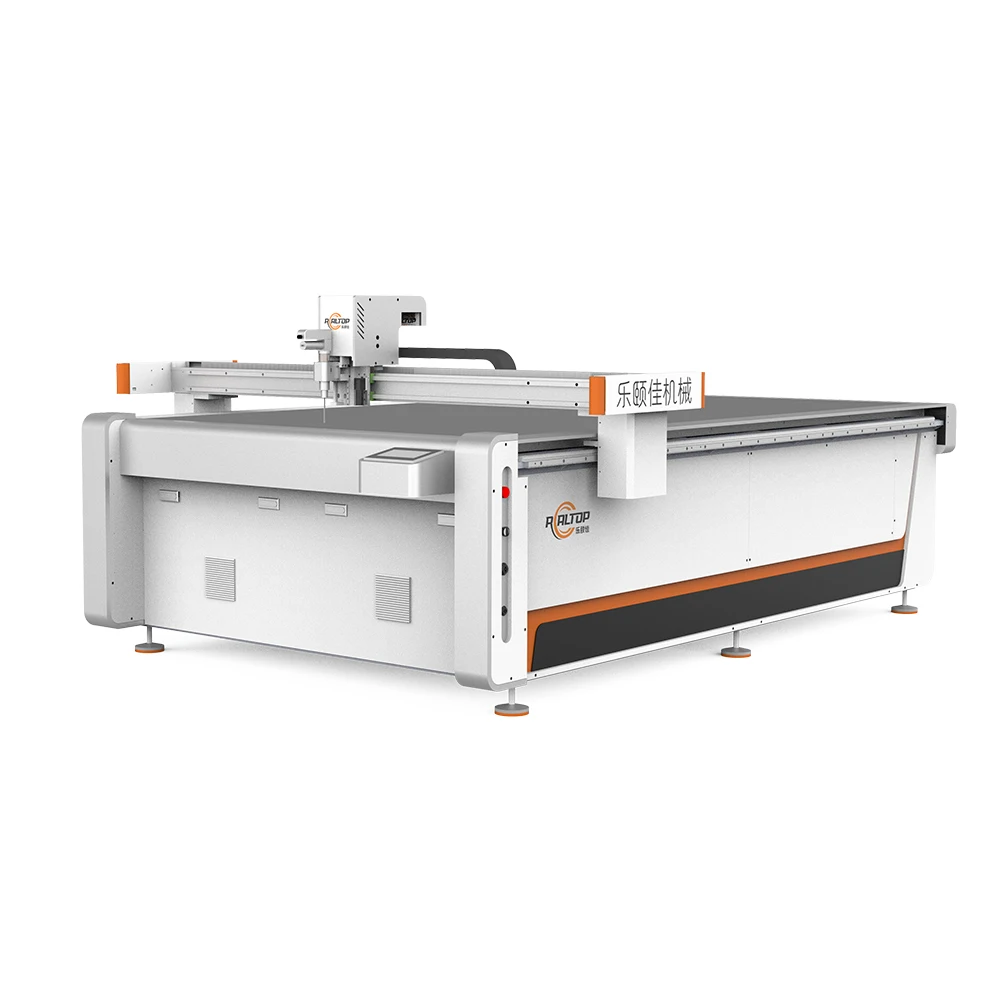
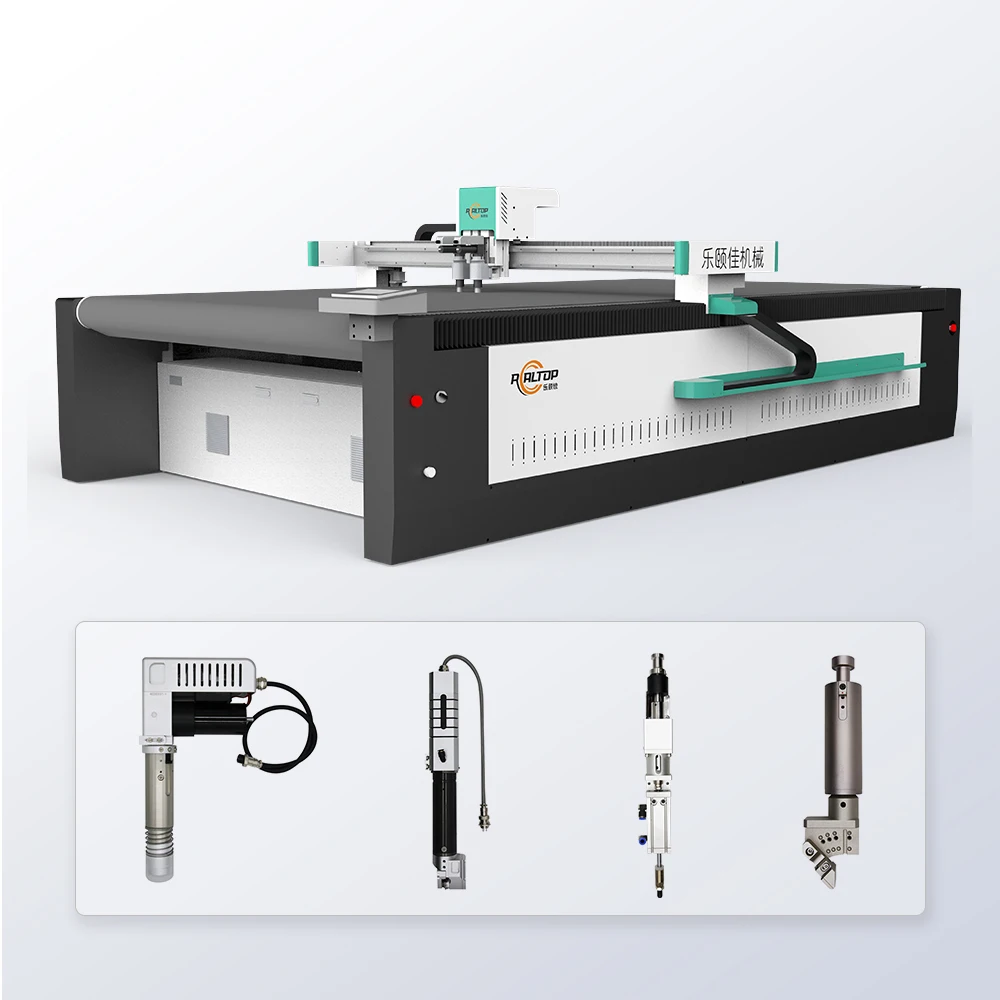
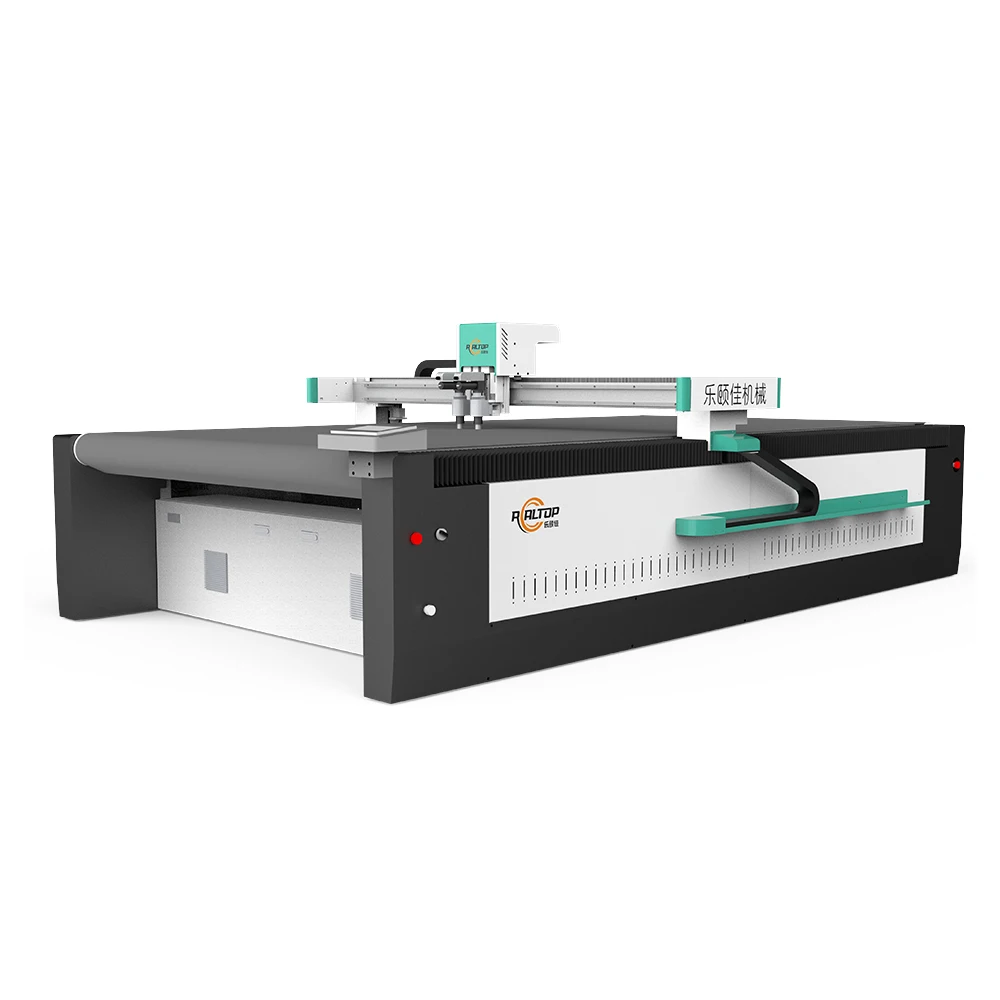
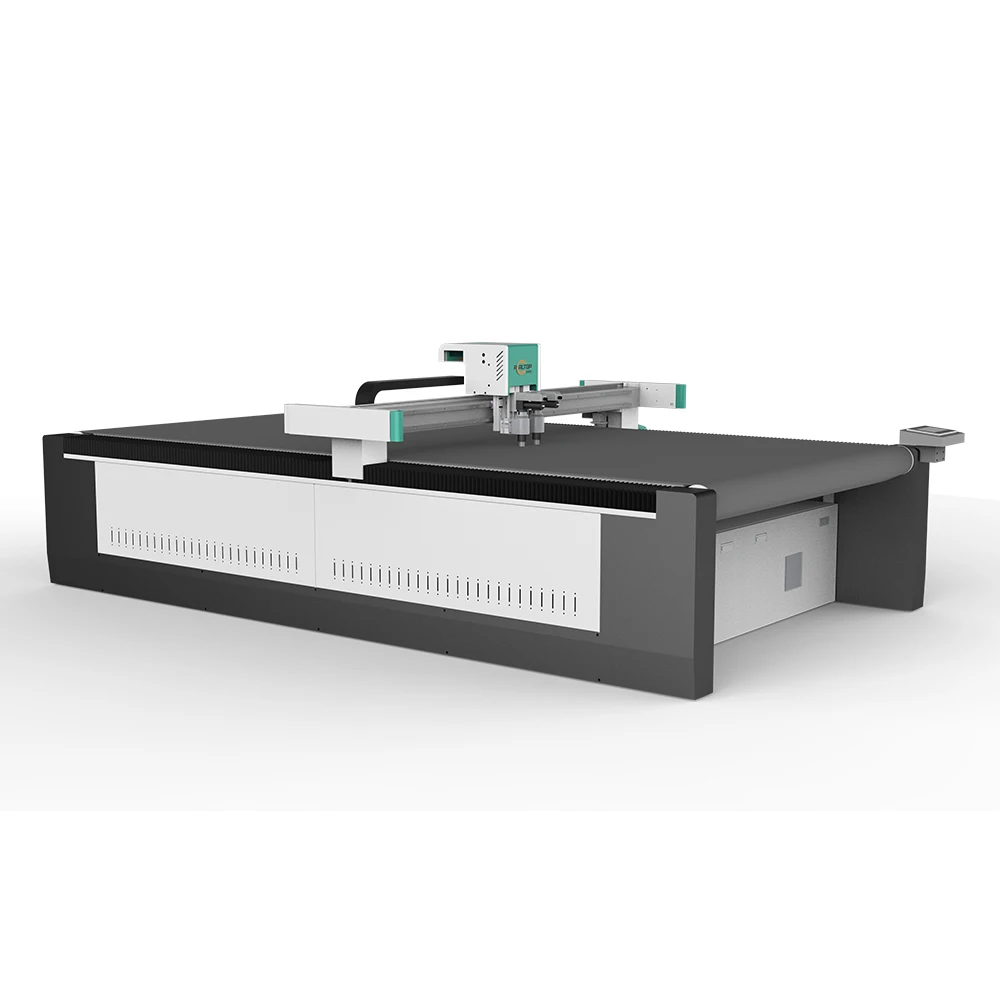
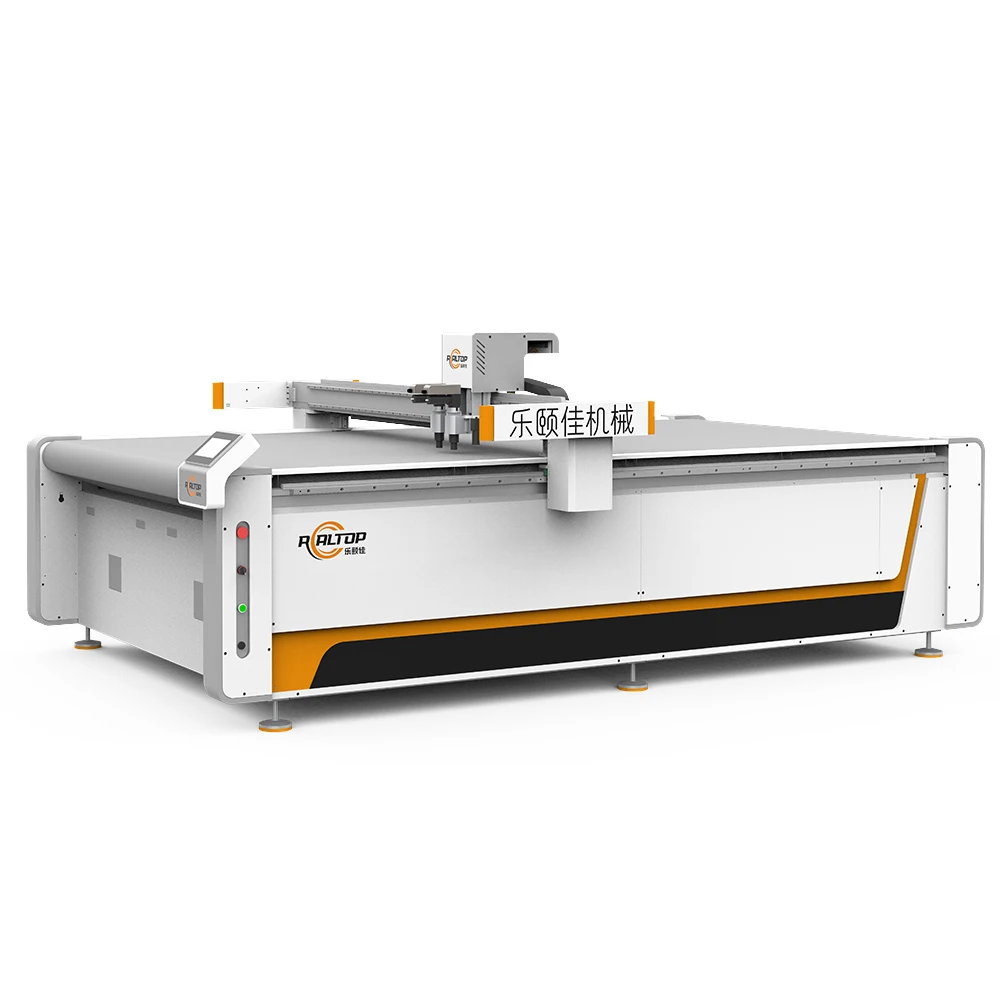
| Product Type | CNC Oscillating Knife Cutting Machine |
| Working Area | 1600 × 2500 mm |
| Tool Heads Available | Oscillating knife, Driven rotary knife, Creasing wheel, Kiss cutting tool, Pneumatic knife, Milling tool, V groove knife |
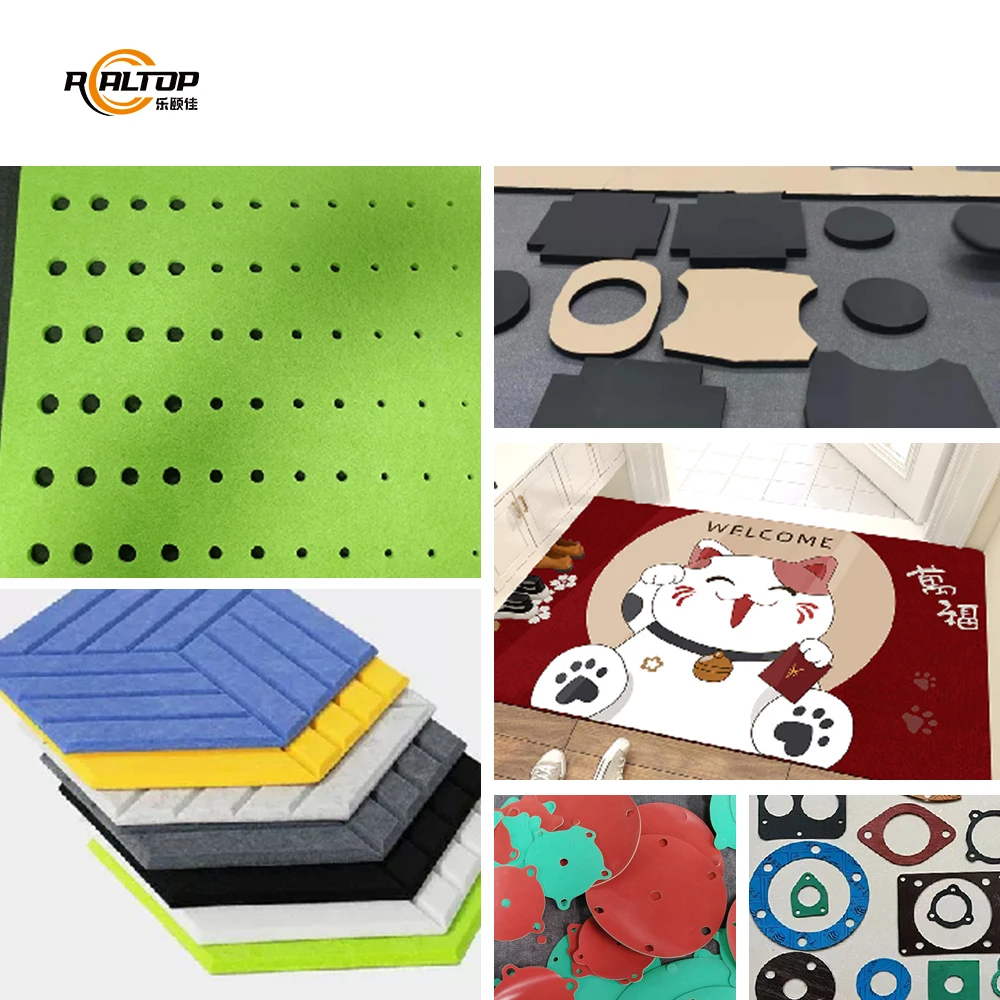
| Applicable Materials | PTFE, Rubber, Silicone, Asbestos-free felt, Foam, PVC, EVA, Leather, Acrylic, Fabric, Cardboard |
| Cutting Speed Range | 0 – 2000 mm/s |
| Maximum Cutting Thickness | ≤ 30 mm |
| Cutting Accuracy | ±0.1 mm |
| Vacuum Pump | 9 kW |
| Voltage Options | 110V, 220V, 380V |
| Profile Formats Supported | PLT, DXF, AI, PDF |
| Safety Features | Infrared sensor device, emergency stop device |
| Machine Dimensions | 3300 × 2100 × 1350 mm |
| Control System | PLC control panel |
| Display Languages | English, Russian, Italian, Chinese (customizable) |
Application Suitability
| Application | Material or Output |
|---|---|
| Industrial Gasket and Seal Production | PTFE, rubber, silicone, asbestos-free fiber, compressed non-asbestos sheets |
| Aerospace Composite Pre-form Cutting | Carbon fiber prepreg, aramid honeycomb, fiberglass cloth, thermal seals |
| Automotive and Rail Interior Components | Acoustic felt, damping pads, carpets, thermal insulation sheets, sealing strips |
| Wind Power and New Energy Insulation | Vacuum infusion mesh, foam core materials, battery insulation sheets |
| Sporting Goods and Protective Gear | Kevlar, high-performance foam, carbon fiber sheets, composite fabrics |
Why "Working Area" Alone Is the Wrong Question for Gasket Cutting
A machine specified on bed size without matching the tool head to your material will fail on the first high-density sheet.
Many buyers start the sourcing conversation by stating they need a certain table size, assuming that the cutting method and tooling are secondary. When that same machine meets a dense, abrasive asbestos-free fiber sheet or a 15 mm PTFE block, the wrong oscillating knife frequency or insufficient downward pressure produces ragged edges, incomplete cuts, or even snapped blades. This mismatch rarely shows up during a demonstration on soft silicone sample stock [NEED_CITE: industrial gasket material hardness variation across grades]. It only surfaces on your shop floor, mid-production, when your CNC oscillating knife cutting machine manufacturer assumed you would cut the same material they used for testing.
Knife Versus Laser: Matching the Process to the Gasket Material
The decision between an oscillating knife and a CO2 or fiber laser depends entirely on the material composition and the edge quality your downstream assembly requires. For non-metallic gaskets like PTFE, rubber, and compressed fiber, an oscillating knife delivers a clean mechanical shear without the thermal discoloration or melted edge that a laser leaves behind. The CNC oscillating knife cutting machine manufacturer must ask for your exact material data sheet before recommending a configuration, because a 3 mm silicone gasket and a 20 mm aramid honeycomb panel demand fundamentally different tooling strategies.
Vacuum Zoning and Its Role in Small Gasket Yield
A 1600 × 2500 mm vacuum table is only effective if the suction zones can be isolated to hold small gasket shapes that might otherwise lift during high-speed cutting. When cutting dozens of small O-rings or flange seals from a single rubber sheet, inadequate zoning allows air leakage around the part perimeter, causing the material to shift by fractions of a millimeter — enough to push a ±0.1 mm tolerance out of spec [NEED_CITE: vacuum table zoning requirements for small part retention on digital cutting beds]. Multi-zone vacuum configuration ensures that only the active cutting area pulls suction, keeping flat material locked in place regardless of how many small parts are nested.
What ±0.1 mm Accuracy Means for Flange Gaskets in Practice
Gasket cutting for piping, automotive engines, or aerospace fluid systems demands that bolt-hole patterns align perfectly on first fit. A ±0.1 mm cutting accuracy across the full 2500 mm stroke ensures that a complex flange gasket with twelve bolt holes will seat correctly without hand trimming. This tolerance is maintained through rigid frame construction and servo-driven gantry motion rather than relying on post-cut manual correction. The PLC control panel allows the operator to load DXF or AI files directly, so the digital design translates to the physical part without cumulative translation errors across software layers.
The Hidden Cost of Skipping Material-Specific Testing
Ordering a cutting machine based on a catalogue specification sheet without running your own material first is the most common route to a production delay. If the factory tests with standard 5 mm EVA foam but your actual work involves 25 mm high-density acoustic felt, the oscillating knife frequency and blade geometry that worked perfectly on the sample will crush or fray your real stock. Remote parameter adjustment after shipment can take days of back-and-forth video calls, burning through your raw material while the correct Z-axis compensation and vibration settings are dialed in [NEED_CITE: material density impact on oscillating knife cutting parameters]. Sample cutting on the buyer’s own gasket material before the order is confirmed eliminates this gap entirely.
Why Sourcing From a Complete-Catalogue Builder Matters
In-house design and production across both knife and laser platforms means your gasket cutting solution is selected based on your material science, not based on which machine the factory needs to move from inventory. Tool head and vacuum table configurations are specified per material type and daily production volume, so you receive a machine built for your actual workload rather than a generic flatbed. Software compatibility is verified before the order is placed — confirming that your existing nesting workflow and PLT, DXF, AI, or PDF files import without conversion errors. Voltage, plug type, and control language are confirmed in writing before shipment, avoiding the scenario where a 380V machine arrives at a 220V facility. Every unit ships with a sample cutting report produced on the buyer’s own material, providing a documented baseline for your production team.
Documentation & Verification
- Machine specification sheet listing tool head and vacuum table configuration per material
- Electrical schematic with voltage and plug type confirmed for your facility
- Sample cutting report on your specific gasket or composite stock before dispatch
- Software licence and file format compatibility note for your nesting workflow
- Operation and maintenance manual in your chosen control language
- Spare parts list matched to your selected tool head configuration
Installation, Commissioning & Support
- 3300 × 2100 × 1350 mm machine footprint requires level concrete floor with clearance for sheet loading
- 9 kW vacuum pump and PLC control panel need dedicated circuit matching your confirmed 110V, 220V, or 380V supply
- Machine ships partially assembled; gantry and tool heads require on-site alignment and calibration
- First-run parameter setting covers oscillating knife frequency, Z-axis depth, and vacuum zone mapping
- Operator training includes PLC panel navigation, tool change procedure, and file import from DXF and PLT formats
- Wearing parts inventory covers oscillating knife blades and creasing wheels for your specified materials
What to Include in Your Inquiry
To narrow down the correct machine family and tool head configuration from our full range, share the specific gasket materials you cut, including thickness and density data where available. Note your largest sheet size and the typical part geometry to determine vacuum table zoning requirements. Confirm your facility’s voltage, frequency, and preferred control language so these are locked in before production begins.
Frequently Asked Questions
Q: How do I decide between oscillating knife and laser cutting for my gasket material?
A: Non-metallic gaskets like PTFE, rubber, and compressed fiber generally suit oscillating knife cutting because it avoids thermal edge damage. Laser cutting may be appropriate for thin textile gaskets where edge sealing is beneficial. The decision depends on your specific material composition, thickness, and downstream assembly requirements.
Q: Which tool head should I specify for cutting dense asbestos-free fiber sheets?
A: High-density fiber sheets typically require an oscillating knife with adjustable frequency and a rigid blade geometry to shear cleanly through the material without fraying. The exact tool head is confirmed after a sample cutting test on your actual stock to verify edge quality and cutting depth.
Q: What vacuum table zoning do I need if I cut many small gaskets from one sheet?
A: Small parts such as O-rings and flange seals need multi-zone vacuum capability so suction is concentrated only under the active cutting area. Without proper zoning, air leakage around small part perimeters allows material lift, compromising the ±0.1 mm cutting accuracy.
Q: How are voltage and control language confirmed before the machine ships?
A: Your facility voltage, plug type, and preferred PLC display language are documented in writing during the specification confirmation stage. The electrical schematic is reviewed and approved before production begins, ensuring the 9 kW vacuum pump and control system match your site’s power supply.
Q: What does the sample cutting report cover before I commit to an order?
A: The report documents cutting parameters, tool head selection, edge quality photographs, and dimensional accuracy measured on your supplied gasket material. This gives your production team a verified baseline for speed, blade type, and vacuum settings before the machine is built to your configuration.
Matched Method over Guesswork — Our full catalogue lets you choose knife or laser based on your gasket material, not just the machine’s footprint.
Technical Specifications
| Parameter | Value |
|---|---|
| Product Type | CNC Oscillating Knife Cutting Machine |
| Working Area | 1600 × 2500 mm |
| Tool Heads Available | Oscillating knife, Driven rotary knife, Creasing wheel, Kiss cutting tool, Pneumatic knife, Milling tool, V groove knife |
| Applicable Materials | PTFE, Rubber, Silicone, Asbestos-free felt, Foam, PVC, EVA, Leather, Acrylic, Fabric, Cardboard |
| Cutting Speed Range | 0 – 2000 mm/s |
| Maximum Cutting Thickness | ≤ 30 mm |
| Cutting Accuracy | ±0.1 mm |
| Vacuum Pump | 9 kW |
| Voltage Options | 110V, 220V, 380V |
| Profile Formats Supported | PLT, DXF, AI, PDF |
| Safety Features | Infrared sensor device, emergency stop device |
| Machine Dimensions | 3300 × 2100 × 1350 mm |
| Control System | PLC control panel |
| Display Languages | English, Russian, Italian, Chinese (customizable) |
Application Suitability
| Application | Material or Output |
|---|---|
| Industrial Gasket and Seal Production | PTFE, rubber, silicone, asbestos-free fiber, compressed non-asbestos sheets |
| Aerospace Composite Pre-form Cutting | Carbon fiber prepreg, aramid honeycomb, fiberglass cloth, thermal seals |
| Automotive and Rail Interior Components | Acoustic felt, damping pads, carpets, thermal insulation sheets, sealing strips |
| Wind Power and New Energy Insulation | Vacuum infusion mesh, foam core materials, battery insulation sheets |
| Sporting Goods and Protective Gear | Kevlar, high-performance foam, carbon fiber sheets, composite fabrics |
Why "Working Area" Alone Is the Wrong Question for Gasket Cutting
A machine specified on bed size without matching the tool head to your material will fail on the first high-density sheet.
Many buyers start the sourcing conversation by stating they need a certain table size, assuming that the cutting method and tooling are secondary. When that same machine meets a dense, abrasive asbestos-free fiber sheet or a 15 mm PTFE block, the wrong oscillating knife frequency or insufficient downward pressure produces ragged edges, incomplete cuts, or even snapped blades. This mismatch rarely shows up during a demonstration on soft silicone sample stock [NEED_CITE: industrial gasket material hardness variation across grades]. It only surfaces on your shop floor, mid-production, when your CNC oscillating knife cutting machine manufacturer assumed you would cut the same material they used for testing.
Knife Versus Laser: Matching the Process to the Gasket Material
The decision between an oscillating knife and a CO2 or fiber laser depends entirely on the material composition and the edge quality your downstream assembly requires. For non-metallic gaskets like PTFE, rubber, and compressed fiber, an oscillating knife delivers a clean mechanical shear without the thermal discoloration or melted edge that a laser leaves behind. The CNC oscillating knife cutting machine manufacturer must ask for your exact material data sheet before recommending a configuration, because a 3 mm silicone gasket and a 20 mm aramid honeycomb panel demand fundamentally different tooling strategies.
Vacuum Zoning and Its Role in Small Gasket Yield
A 1600 × 2500 mm vacuum table is only effective if the suction zones can be isolated to hold small gasket shapes that might otherwise lift during high-speed cutting. When cutting dozens of small O-rings or flange seals from a single rubber sheet, inadequate zoning allows air leakage around the part perimeter, causing the material to shift by fractions of a millimeter — enough to push a ±0.1 mm tolerance out of spec [NEED_CITE: vacuum table zoning requirements for small part retention on digital cutting beds]. Multi-zone vacuum configuration ensures that only the active cutting area pulls suction, keeping flat material locked in place regardless of how many small parts are nested.
What ±0.1 mm Accuracy Means for Flange Gaskets in Practice
Gasket cutting for piping, automotive engines, or aerospace fluid systems demands that bolt-hole patterns align perfectly on first fit. A ±0.1 mm cutting accuracy across the full 2500 mm stroke ensures that a complex flange gasket with twelve bolt holes will seat correctly without hand trimming. This tolerance is maintained through rigid frame construction and servo-driven gantry motion rather than relying on post-cut manual correction. The PLC control panel allows the operator to load DXF or AI files directly, so the digital design translates to the physical part without cumulative translation errors across software layers.
The Hidden Cost of Skipping Material-Specific Testing
Ordering a cutting machine based on a catalogue specification sheet without running your own material first is the most common route to a production delay. If the factory tests with standard 5 mm EVA foam but your actual work involves 25 mm high-density acoustic felt, the oscillating knife frequency and blade geometry that worked perfectly on the sample will crush or fray your real stock. Remote parameter adjustment after shipment can take days of back-and-forth video calls, burning through your raw material while the correct Z-axis compensation and vibration settings are dialed in [NEED_CITE: material density impact on oscillating knife cutting parameters]. Sample cutting on the buyer’s own gasket material before the order is confirmed eliminates this gap entirely.
Why Sourcing From a Complete-Catalogue Builder Matters
In-house design and production across both knife and laser platforms means your gasket cutting solution is selected based on your material science, not based on which machine the factory needs to move from inventory. Tool head and vacuum table configurations are specified per material type and daily production volume, so you receive a machine built for your actual workload rather than a generic flatbed. Software compatibility is verified before the order is placed — confirming that your existing nesting workflow and PLT, DXF, AI, or PDF files import without conversion errors. Voltage, plug type, and control language are confirmed in writing before shipment, avoiding the scenario where a 380V machine arrives at a 220V facility. Every unit ships with a sample cutting report produced on the buyer’s own material, providing a documented baseline for your production team.
Documentation & Verification
- Machine specification sheet listing tool head and vacuum table configuration per material
- Electrical schematic with voltage and plug type confirmed for your facility
- Sample cutting report on your specific gasket or composite stock before dispatch
- Software licence and file format compatibility note for your nesting workflow
- Operation and maintenance manual in your chosen control language
- Spare parts list matched to your selected tool head configuration
Installation, Commissioning & Support
- 3300 × 2100 × 1350 mm machine footprint requires level concrete floor with clearance for sheet loading
- 9 kW vacuum pump and PLC control panel need dedicated circuit matching your confirmed 110V, 220V, or 380V supply
- Machine ships partially assembled; gantry and tool heads require on-site alignment and calibration
- First-run parameter setting covers oscillating knife frequency, Z-axis depth, and vacuum zone mapping
- Operator training includes PLC panel navigation, tool change procedure, and file import from DXF and PLT formats
- Wearing parts inventory covers oscillating knife blades and creasing wheels for your specified materials
What to Include in Your Inquiry
To narrow down the correct machine family and tool head configuration from our full range, share the specific gasket materials you cut, including thickness and density data where available. Note your largest sheet size and the typical part geometry to determine vacuum table zoning requirements. Confirm your facility’s voltage, frequency, and preferred control language so these are locked in before production begins.
Frequently Asked Questions
Q: How do I decide between oscillating knife and laser cutting for my gasket material?
A: Non-metallic gaskets like PTFE, rubber, and compressed fiber generally suit oscillating knife cutting because it avoids thermal edge damage. Laser cutting may be appropriate for thin textile gaskets where edge sealing is beneficial. The decision depends on your specific material composition, thickness, and downstream assembly requirements.
Q: Which tool head should I specify for cutting dense asbestos-free fiber sheets?
A: High-density fiber sheets typically require an oscillating knife with adjustable frequency and a rigid blade geometry to shear cleanly through the material without fraying. The exact tool head is confirmed after a sample cutting test on your actual stock to verify edge quality and cutting depth.
Q: What vacuum table zoning do I need if I cut many small gaskets from one sheet?
A: Small parts such as O-rings and flange seals need multi-zone vacuum capability so suction is concentrated only under the active cutting area. Without proper zoning, air leakage around small part perimeters allows material lift, compromising the ±0.1 mm cutting accuracy.
Q: How are voltage and control language confirmed before the machine ships?
A: Your facility voltage, plug type, and preferred PLC display language are documented in writing during the specification confirmation stage. The electrical schematic is reviewed and approved before production begins, ensuring the 9 kW vacuum pump and control system match your site’s power supply.
Q: What does the sample cutting report cover before I commit to an order?
A: The report documents cutting parameters, tool head selection, edge quality photographs, and dimensional accuracy measured on your supplied gasket material. This gives your production team a verified baseline for speed, blade type, and vacuum settings before the machine is built to your configuration.










商品评价
There are no reviews yet.