

Fast Delivery
Quick, reliable shipping to any location.

Free & easy returns
Return this item by mail or in store within 90 days for a full refund.
One-stop technology matching — a single catalogue that lets packaging producers select either oscillating knife or laser cutting based on material behavior rather than forcing one method across every substrate.
Technical Specifications
| Parameter | Value |
|---|---|
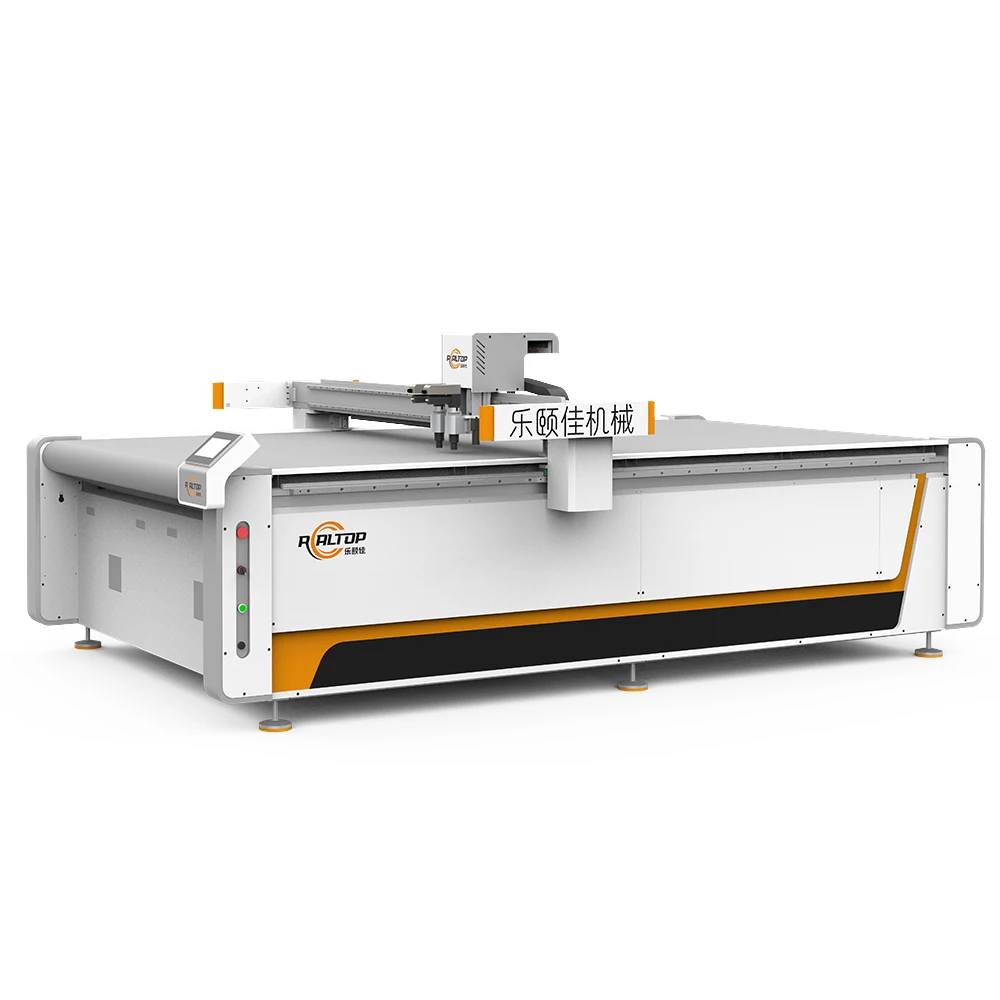
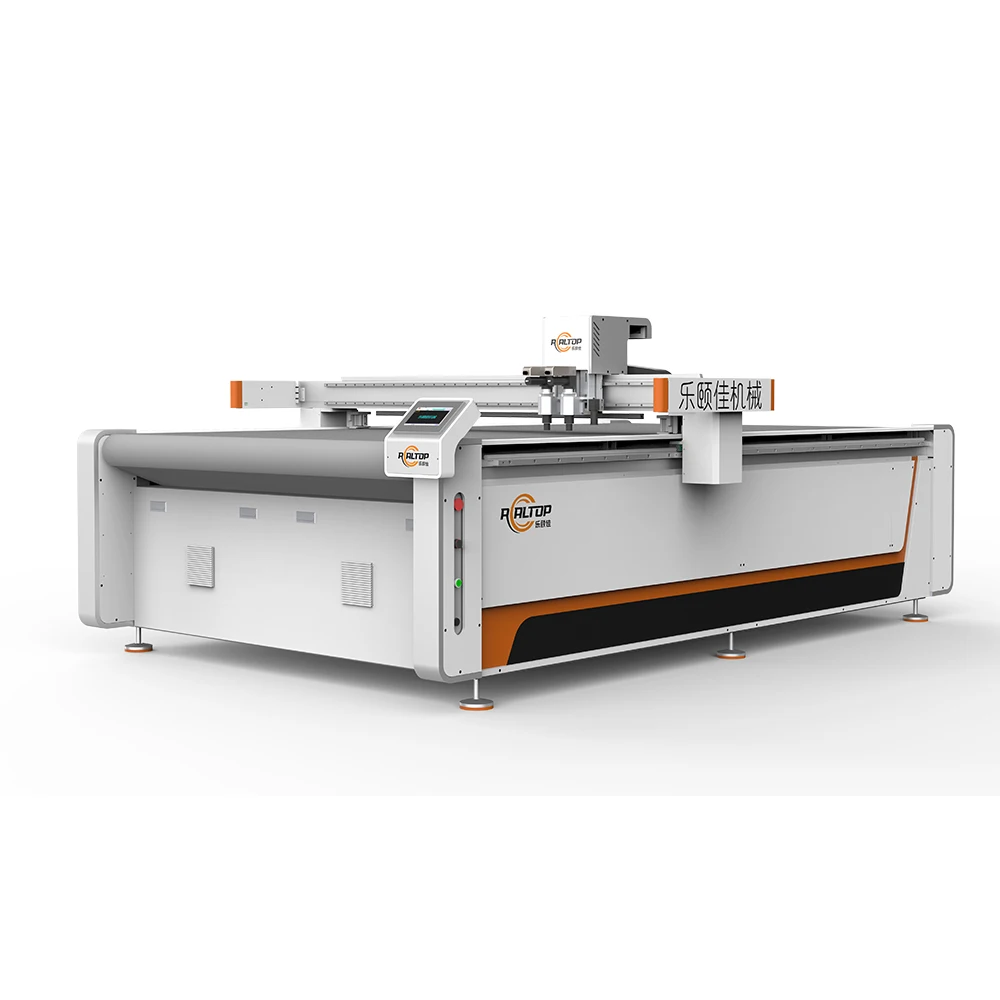
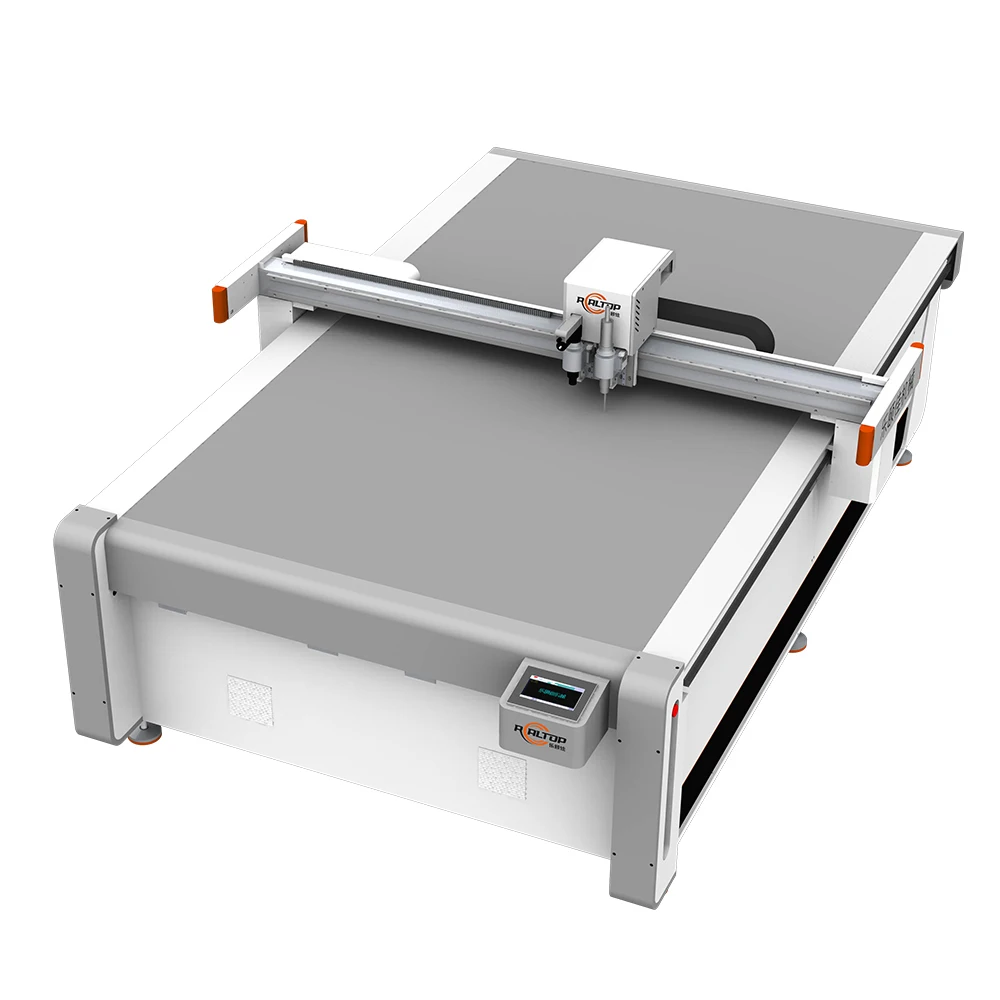
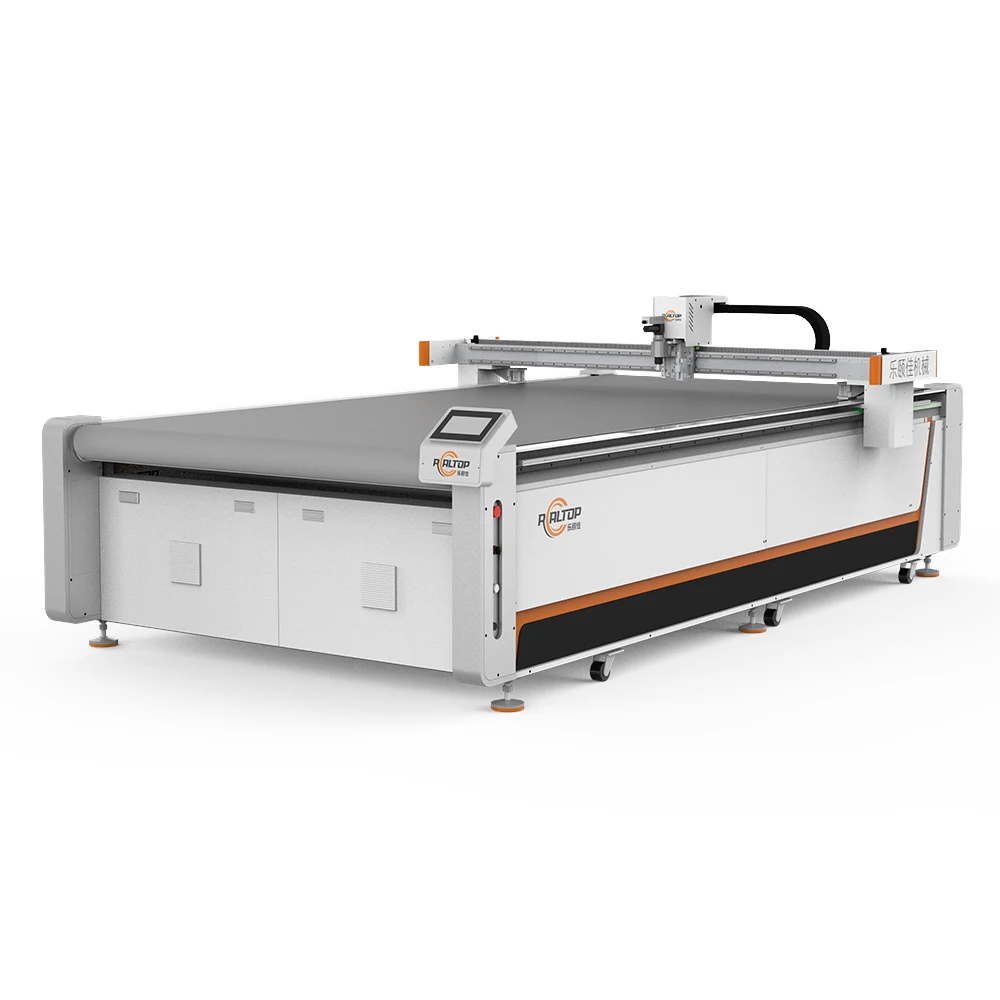
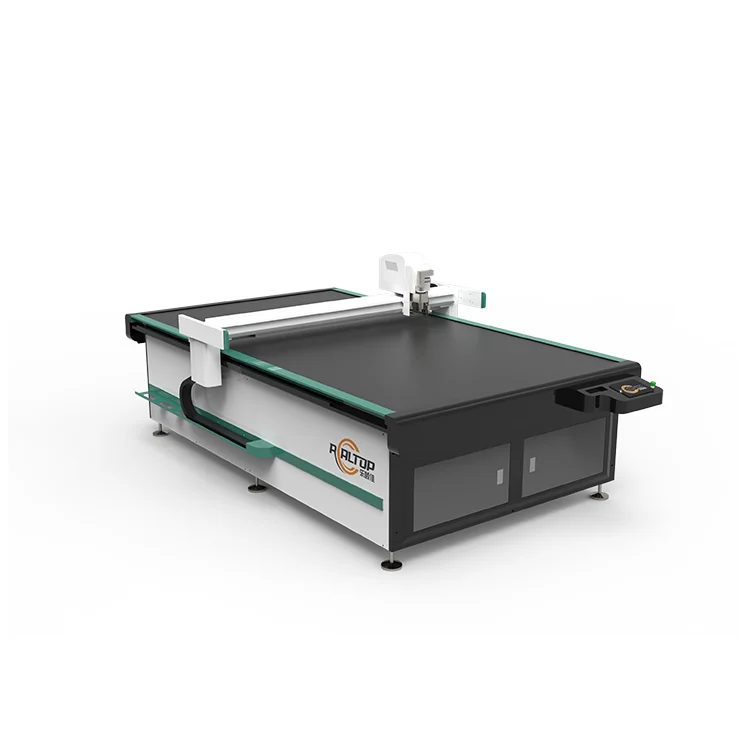
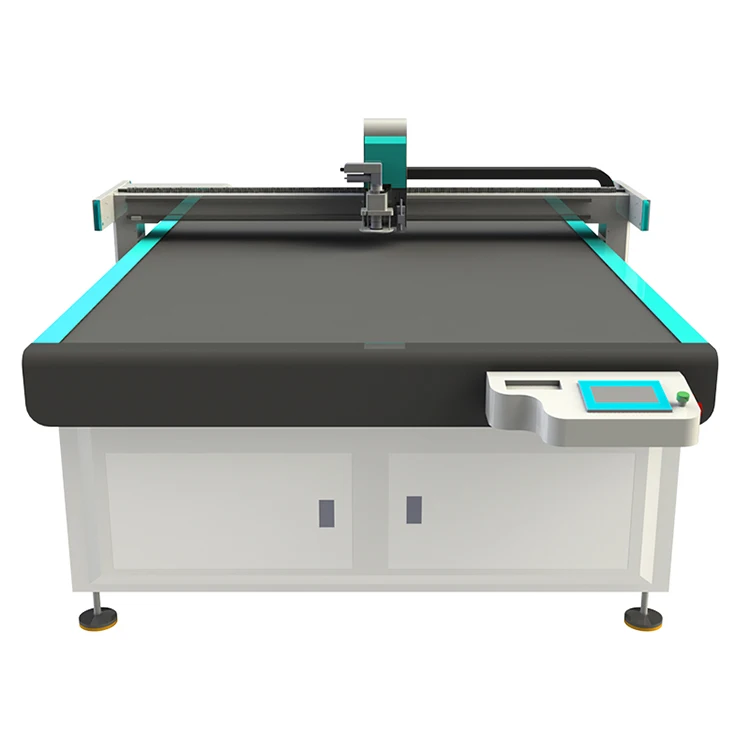
| Product Type | CNC Oscillating Knife Cutting Machine |
| Working Area | 1600×2500 mm |
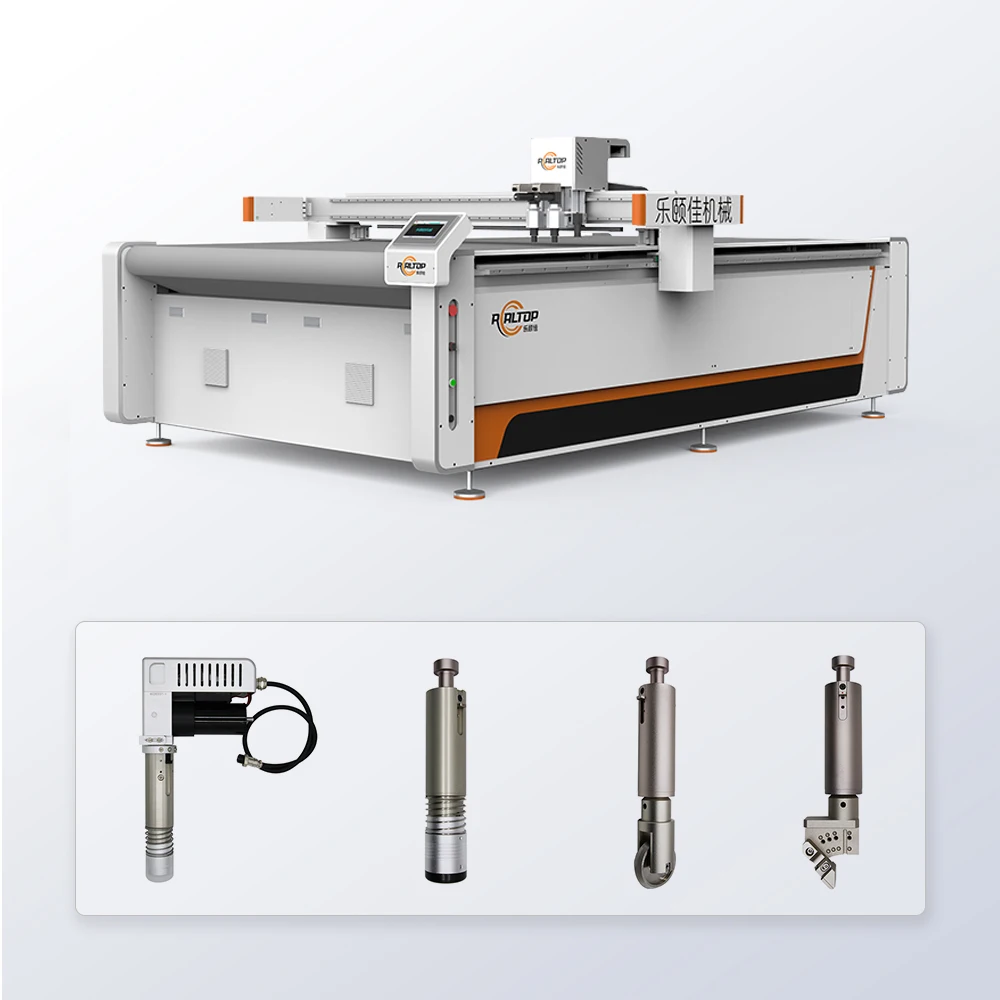
| Tool Head Options | Oscillating knife, Driven rotary knife, Creasing wheel, Kiss cutting tool, Pneumatic knife, Milling tool, V-groove knife |
| Cutting Speed | 0–1500 mm/s |
| Cutting Thickness | ≤ 40 mm (basis not stated in source — confirm material type and density) |
| Positioning Accuracy | ±0.1 mm |
| Vacuum Pump Power | 9 kW |
| Vacuum Table | Aluminum bellows vacuum table |
| Control System | PLC control panel |
| Servo Motor Options | Panasonic, Delta, Dorna (rated or peak not specified in source) |
| Voltage Options | 110V, 220V, 380V (frequency not specified in source) |
| File Formats Supported | PLT, DXF, AI, PDF |
| Software Language Options | English, Russian, Italian, Chinese (custom languages available) |
| Dedicated Software | Packaging box structure design software |
| Safety Devices | Infrared sensor device, Emergency stop device |
| Machine Dimensions (L×W×H) | 3300×2100×1350 mm |
| Certification | CE (exact scope to be confirmed) |
Application Suitability
| Application | Material or Output |
|---|---|
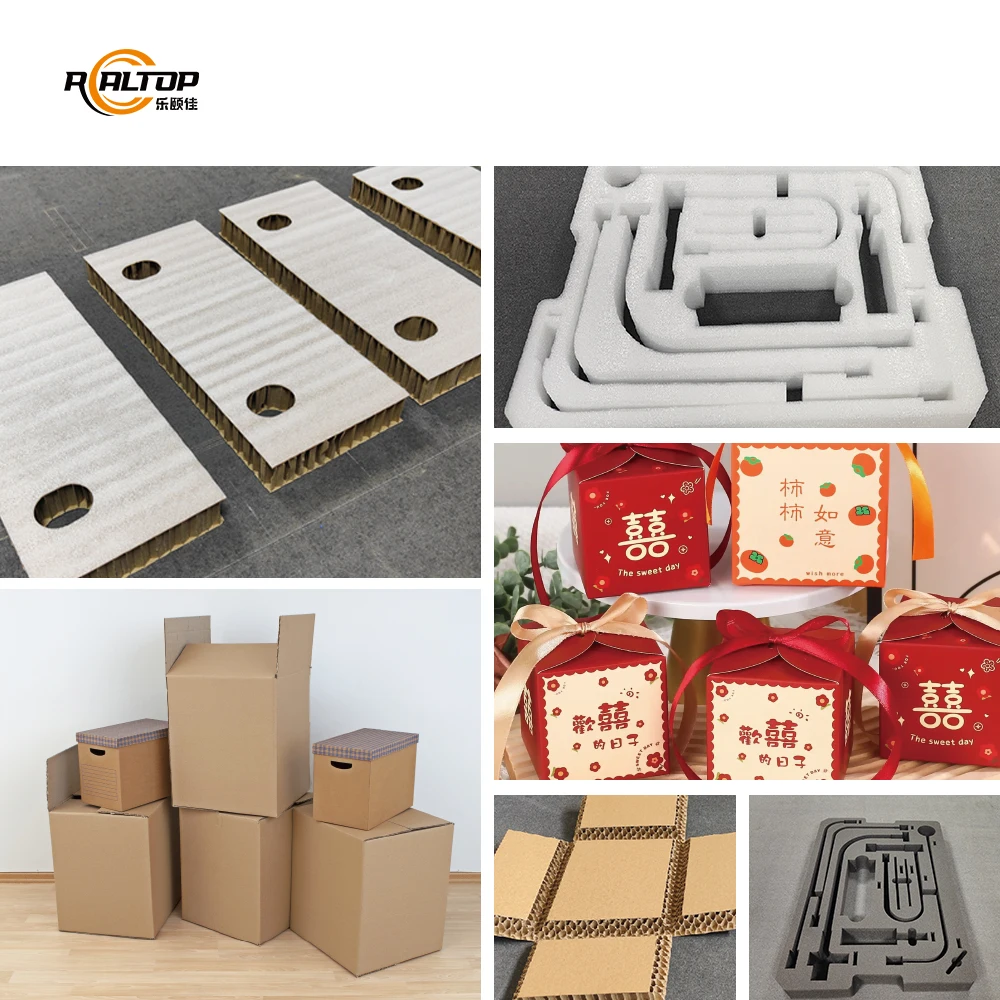
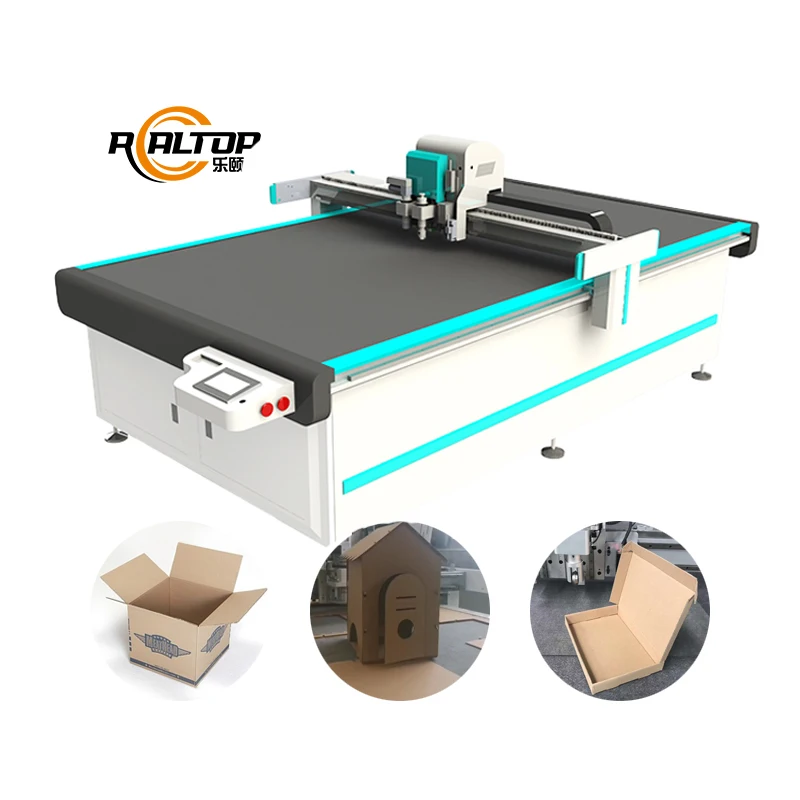
| Corrugated packaging sample making | E-flute, B-flute, BC-flute corrugated cardboard |
| Folding carton prototyping | Greyboard, cardstock, art paper, specialty paper |
| Foam display and signage cutting | EVA foam, EPE foam, PU foam, KT board, fiberboard |
| Protective insert and gasket production | Rubber mats, PTFE, composite materials |
| Textile and leather packaging components | Velvet/fleece fabric, non-woven fabric, synthetic leather |
| Point-of-purchase display fabrication | Thin plastic sheets (PVC, PET), adhesive-backed materials |
What "40 mm Cutting Thickness" Actually Depends On
Cutting depth is a function of material density and tool head selection, not a standalone number on a spec sheet.
I remember a job where a KT board exhibitor ordered based on our rated capacity, only to discover his PVC foam board ran denser than the samples we used for testing. The knife head started gumming up mid-sheet, and actual throughput dropped noticeably below expectations. That gap between a headline thickness figure and real production behavior is where most CNC digital cutting machine manufacturer quotations fall short. When a buyer sees ≤ 40 mm without a material qualifier, the assumption is that any 40 mm stock will cut cleanly — and that is rarely the case across corrugated flutes, greyboard grades, and closed-cell foams [NEED_CITE: material density effects on oscillating knife cutting depth].
Matching the Tool Head to the Packaging Structure
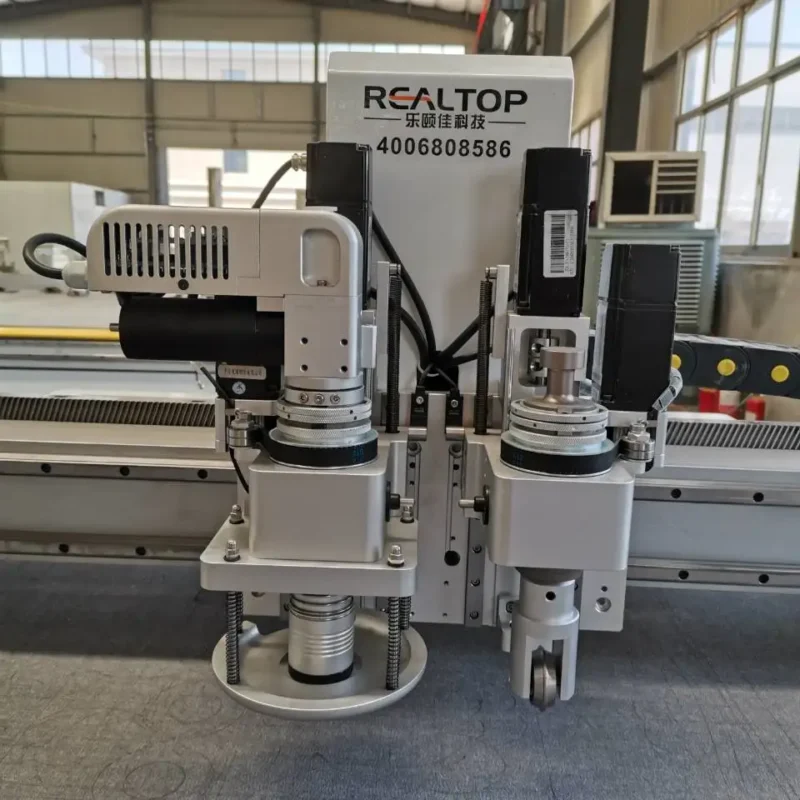
A CNC digital cutting machine manufacturer that offers only an oscillating knife forces packaging converters to compromise on edge quality and crease definition. This system provides seven tool head options — oscillating knife, driven rotary knife, creasing wheel, kiss cutting tool, pneumatic knife, milling tool, and V-groove knife — each selected against the specific board grade and structural requirement. Creasing wheels produce fold lines on corrugated and greyboard without cutting through the face liner, while V-groove knives remove material to create clean 90-degree folds on foam board displays.
Software Integration Across the Packaging Workflow
The dedicated packaging box structure design software sits directly in the cutting workflow, reducing the translation steps between a structural design and the cut file. File imports in PLT, DXF, AI, and PDF formats mean that packaging houses running established design pipelines do not need to rebuild their file library. For international production environments, the PLC control panel supports English, Russian, Italian, and Chinese interfaces with custom language configuration available, so operators read instructions in the language they work in every day [NEED_CITE: PLC interface language configuration for export machinery].
Reading the Specs That Matter Beyond the Working Area
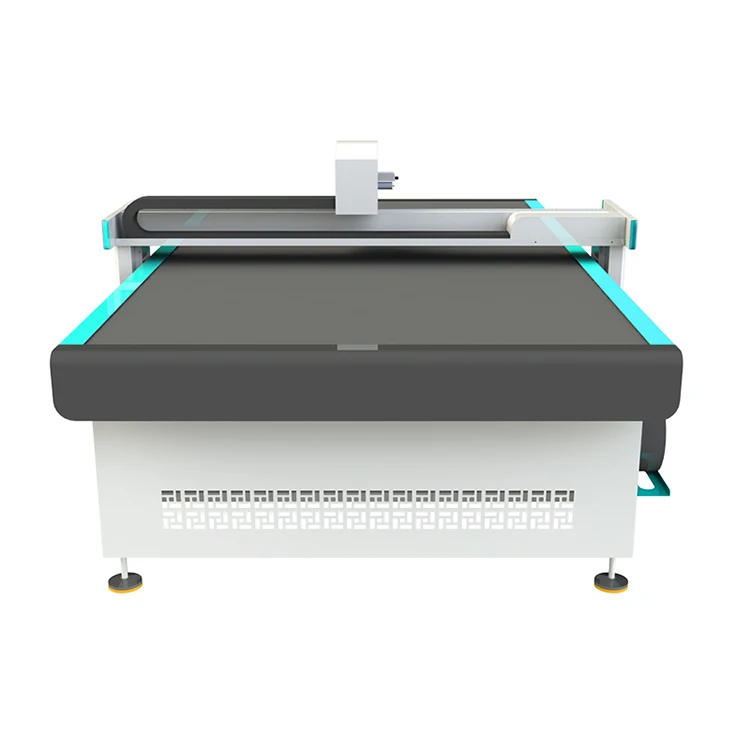
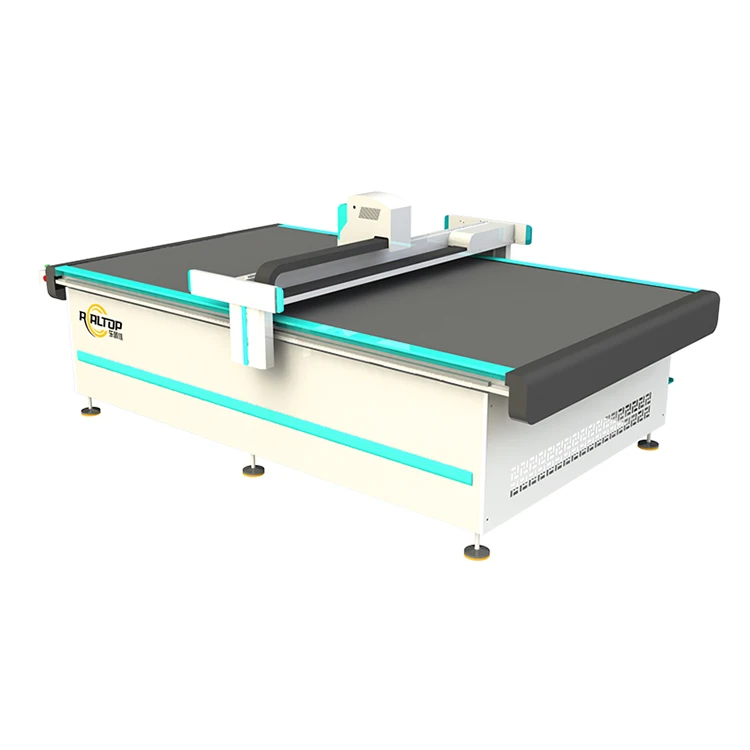
The 1600×2500 mm working area accommodates standard packaging sheet sizes, but the aluminum bellows vacuum table is what actually holds the material flat during cutting. Corrugated board and lightweight cardstock tend to lift at the edges under high-speed knife travel, and full-surface vacuum adsorption counteracts that lift across the entire bed. The 9 kW vacuum pump provides the suction needed for heavier corrugated grades, while the ±0.1 mm positioning accuracy keeps crease lines and cut paths aligned on intricate carton structures. Servo motor selection across Panasonic, Delta, and Dorna options allows the motion system to be tuned to the responsiveness required by the buyer’s material mix.
The Cost of Skipping a Sample Cut
When a packaging converter commits to a digital cutter without testing on their actual board stock, the failures show up weeks later on the production floor. A creasing wheel that works on B-flute may crush BC-flute instead of folding it. Kiss cutting tools calibrated for one adhesive-backed material can cut through the release liner on another. These mismatches lead to scrapped sheets, missed delivery windows, and tooling replacements that were not part of the original budget [NEED_CITE: packaging material variability in digital cutting operations].
Why Source From This Catalogue
The catalogue covers both knife and laser cutting technologies under one roof, so a buyer processing corrugated board and acrylic display components can match each material to its appropriate method rather than forcing one technology across incompatible substrates. Tool head and table configurations are specified per material type and declared daily volume, not offered as a single default package. CCD camera positioning is available for printed contour work where registration marks must be tracked at production speed. Software compatibility is confirmed before the order is placed, and voltage, plug type, and control language are locked in before shipment. Sample cutting on the buyer’s own material — whether corrugated ply count, foam density, or board thickness — is completed before any commitment is made.
Documentation & Verification
- Factory test record run on your specific corrugated flute type and board thickness before dispatch
- Tool head and vacuum table configuration list matched to your declared material and production volume
- Electrical schematic with voltage and frequency confirmation for your target market
- Software licence and file format compatibility note covering your existing PLT, DXF, or AI design files
- Sample cutting report documenting edge quality and crease definition on your supplied material
- Operation and maintenance manual with PLC language set to your operator requirement
Installation, Commissioning & Support
- Floor space planning based on the 3300×2100 mm machine footprint plus operator access clearance
- Dedicated electrical circuit sized for the selected voltage option and 9 kW vacuum pump load
- Assembly and leveling of the aluminum bellows vacuum table on-site after delivery
- First-run parameter setting for your primary board material and selected tool head configuration
- Operator training on the PLC control panel in the configured language with packaging software workflow
- Spare parts list covering oscillating knife blades, creasing wheels, and vacuum table seals
What to Prepare Before Requesting a Quote
To match the right configuration to your packaging operation, we need to know the primary materials you cut — corrugated flute type, board grade, foam density, or specialty paper weight — along with typical sheet dimensions and daily volume targets. Your workshop voltage and frequency, preferred control language, and any existing design software or nesting workflow will determine the electrical and software setup. If you can supply material samples, a test cut on your actual stock will be completed before any configuration is finalized.
Frequently Asked Questions
Q: How do I verify cutting thickness capability against my specific corrugated flute or foam density?
A: The ≤ 40 mm figure on the spec sheet is a starting point, not a guarantee. Cutting depth depends on material density, ply count, and tool head selection. We run a sample cut on your actual board stock — whether E-flute, BC-flute, or closed-cell foam — and document the results in a cutting report before you commit to a configuration.
Q: Which tool head do I need for creasing folding cartons versus flat cutting?
A: Creasing and folding carton structures require a creasing wheel to produce fold lines without cutting through the face liner, paired with an oscillating or driven rotary knife for the cut paths. Flat cutting of foam inserts or display components uses the oscillating or pneumatic knife. We specify the tool head combination based on your structural designs and material mix.
Q: What voltage, plug type, and control language are confirmed before shipment?
A: Voltage is configurable across 110V, 220V, and 380V options, and the plug type is matched to your market standard. The PLC control panel language — English, Russian, Italian, Chinese, or a custom option — is confirmed during the order process. These specifications are documented in the electrical schematic before the machine leaves the factory.
Q: How does the packaging design software work with my existing file formats?
A: The dedicated packaging box structure design software imports PLT, DXF, AI, and PDF files directly, so your existing design library transfers without manual rebuilding. We confirm file format compatibility and nesting workflow integration before the order is placed, and the software licence is included in the documentation package.
Q: How do I choose between knife cutting and laser cutting for my material mix?
A: Knife cutting handles corrugated board, foam, greyboard, and adhesive-backed materials without edge burning, while laser cutting suits acrylic, wood, and textile applications where edge sealing is required. This catalogue covers both methods, so each material in your production mix is matched to the appropriate technology rather than forced onto a single system.
One-stop technology matching — a single catalogue that lets packaging producers select either oscillating knife or laser cutting based on material behavior rather than forcing one method across every substrate.
Technical Specifications
| Parameter | Value |
|---|---|
| Product Type | CNC Oscillating Knife Cutting Machine |
| Working Area | 1600×2500 mm |
| Tool Head Options | Oscillating knife, Driven rotary knife, Creasing wheel, Kiss cutting tool, Pneumatic knife, Milling tool, V-groove knife |
| Cutting Speed | 0–1500 mm/s |
| Cutting Thickness | ≤ 40 mm (basis not stated in source — confirm material type and density) |
| Positioning Accuracy | ±0.1 mm |
| Vacuum Pump Power | 9 kW |
| Vacuum Table | Aluminum bellows vacuum table |
| Control System | PLC control panel |
| Servo Motor Options | Panasonic, Delta, Dorna (rated or peak not specified in source) |
| Voltage Options | 110V, 220V, 380V (frequency not specified in source) |
| File Formats Supported | PLT, DXF, AI, PDF |
| Software Language Options | English, Russian, Italian, Chinese (custom languages available) |
| Dedicated Software | Packaging box structure design software |
| Safety Devices | Infrared sensor device, Emergency stop device |
| Machine Dimensions (L×W×H) | 3300×2100×1350 mm |
| Certification | CE (exact scope to be confirmed) |
Application Suitability
| Application | Material or Output |
|---|---|
| Corrugated packaging sample making | E-flute, B-flute, BC-flute corrugated cardboard |
| Folding carton prototyping | Greyboard, cardstock, art paper, specialty paper |
| Foam display and signage cutting | EVA foam, EPE foam, PU foam, KT board, fiberboard |
| Protective insert and gasket production | Rubber mats, PTFE, composite materials |
| Textile and leather packaging components | Velvet/fleece fabric, non-woven fabric, synthetic leather |
| Point-of-purchase display fabrication | Thin plastic sheets (PVC, PET), adhesive-backed materials |
What "40 mm Cutting Thickness" Actually Depends On
Cutting depth is a function of material density and tool head selection, not a standalone number on a spec sheet.
I remember a job where a KT board exhibitor ordered based on our rated capacity, only to discover his PVC foam board ran denser than the samples we used for testing. The knife head started gumming up mid-sheet, and actual throughput dropped noticeably below expectations. That gap between a headline thickness figure and real production behavior is where most CNC digital cutting machine manufacturer quotations fall short. When a buyer sees ≤ 40 mm without a material qualifier, the assumption is that any 40 mm stock will cut cleanly — and that is rarely the case across corrugated flutes, greyboard grades, and closed-cell foams [NEED_CITE: material density effects on oscillating knife cutting depth].
Matching the Tool Head to the Packaging Structure
A CNC digital cutting machine manufacturer that offers only an oscillating knife forces packaging converters to compromise on edge quality and crease definition. This system provides seven tool head options — oscillating knife, driven rotary knife, creasing wheel, kiss cutting tool, pneumatic knife, milling tool, and V-groove knife — each selected against the specific board grade and structural requirement. Creasing wheels produce fold lines on corrugated and greyboard without cutting through the face liner, while V-groove knives remove material to create clean 90-degree folds on foam board displays.
Software Integration Across the Packaging Workflow
The dedicated packaging box structure design software sits directly in the cutting workflow, reducing the translation steps between a structural design and the cut file. File imports in PLT, DXF, AI, and PDF formats mean that packaging houses running established design pipelines do not need to rebuild their file library. For international production environments, the PLC control panel supports English, Russian, Italian, and Chinese interfaces with custom language configuration available, so operators read instructions in the language they work in every day [NEED_CITE: PLC interface language configuration for export machinery].
Reading the Specs That Matter Beyond the Working Area
The 1600×2500 mm working area accommodates standard packaging sheet sizes, but the aluminum bellows vacuum table is what actually holds the material flat during cutting. Corrugated board and lightweight cardstock tend to lift at the edges under high-speed knife travel, and full-surface vacuum adsorption counteracts that lift across the entire bed. The 9 kW vacuum pump provides the suction needed for heavier corrugated grades, while the ±0.1 mm positioning accuracy keeps crease lines and cut paths aligned on intricate carton structures. Servo motor selection across Panasonic, Delta, and Dorna options allows the motion system to be tuned to the responsiveness required by the buyer’s material mix.
The Cost of Skipping a Sample Cut
When a packaging converter commits to a digital cutter without testing on their actual board stock, the failures show up weeks later on the production floor. A creasing wheel that works on B-flute may crush BC-flute instead of folding it. Kiss cutting tools calibrated for one adhesive-backed material can cut through the release liner on another. These mismatches lead to scrapped sheets, missed delivery windows, and tooling replacements that were not part of the original budget [NEED_CITE: packaging material variability in digital cutting operations].
Why Source From This Catalogue
The catalogue covers both knife and laser cutting technologies under one roof, so a buyer processing corrugated board and acrylic display components can match each material to its appropriate method rather than forcing one technology across incompatible substrates. Tool head and table configurations are specified per material type and declared daily volume, not offered as a single default package. CCD camera positioning is available for printed contour work where registration marks must be tracked at production speed. Software compatibility is confirmed before the order is placed, and voltage, plug type, and control language are locked in before shipment. Sample cutting on the buyer’s own material — whether corrugated ply count, foam density, or board thickness — is completed before any commitment is made.
Documentation & Verification
- Factory test record run on your specific corrugated flute type and board thickness before dispatch
- Tool head and vacuum table configuration list matched to your declared material and production volume
- Electrical schematic with voltage and frequency confirmation for your target market
- Software licence and file format compatibility note covering your existing PLT, DXF, or AI design files
- Sample cutting report documenting edge quality and crease definition on your supplied material
- Operation and maintenance manual with PLC language set to your operator requirement
Installation, Commissioning & Support
- Floor space planning based on the 3300×2100 mm machine footprint plus operator access clearance
- Dedicated electrical circuit sized for the selected voltage option and 9 kW vacuum pump load
- Assembly and leveling of the aluminum bellows vacuum table on-site after delivery
- First-run parameter setting for your primary board material and selected tool head configuration
- Operator training on the PLC control panel in the configured language with packaging software workflow
- Spare parts list covering oscillating knife blades, creasing wheels, and vacuum table seals
What to Prepare Before Requesting a Quote
To match the right configuration to your packaging operation, we need to know the primary materials you cut — corrugated flute type, board grade, foam density, or specialty paper weight — along with typical sheet dimensions and daily volume targets. Your workshop voltage and frequency, preferred control language, and any existing design software or nesting workflow will determine the electrical and software setup. If you can supply material samples, a test cut on your actual stock will be completed before any configuration is finalized.
Frequently Asked Questions
Q: How do I verify cutting thickness capability against my specific corrugated flute or foam density?
A: The ≤ 40 mm figure on the spec sheet is a starting point, not a guarantee. Cutting depth depends on material density, ply count, and tool head selection. We run a sample cut on your actual board stock — whether E-flute, BC-flute, or closed-cell foam — and document the results in a cutting report before you commit to a configuration.
Q: Which tool head do I need for creasing folding cartons versus flat cutting?
A: Creasing and folding carton structures require a creasing wheel to produce fold lines without cutting through the face liner, paired with an oscillating or driven rotary knife for the cut paths. Flat cutting of foam inserts or display components uses the oscillating or pneumatic knife. We specify the tool head combination based on your structural designs and material mix.
Q: What voltage, plug type, and control language are confirmed before shipment?
A: Voltage is configurable across 110V, 220V, and 380V options, and the plug type is matched to your market standard. The PLC control panel language — English, Russian, Italian, Chinese, or a custom option — is confirmed during the order process. These specifications are documented in the electrical schematic before the machine leaves the factory.
Q: How does the packaging design software work with my existing file formats?
A: The dedicated packaging box structure design software imports PLT, DXF, AI, and PDF files directly, so your existing design library transfers without manual rebuilding. We confirm file format compatibility and nesting workflow integration before the order is placed, and the software licence is included in the documentation package.
Q: How do I choose between knife cutting and laser cutting for my material mix?
A: Knife cutting handles corrugated board, foam, greyboard, and adhesive-backed materials without edge burning, while laser cutting suits acrylic, wood, and textile applications where edge sealing is required. This catalogue covers both methods, so each material in your production mix is matched to the appropriate technology rather than forced onto a single system.
商品评价
There are no reviews yet.