

Fast Delivery
Quick, reliable shipping to any location.

Free & easy returns
Return this item by mail or in store within 90 days for a full refund.
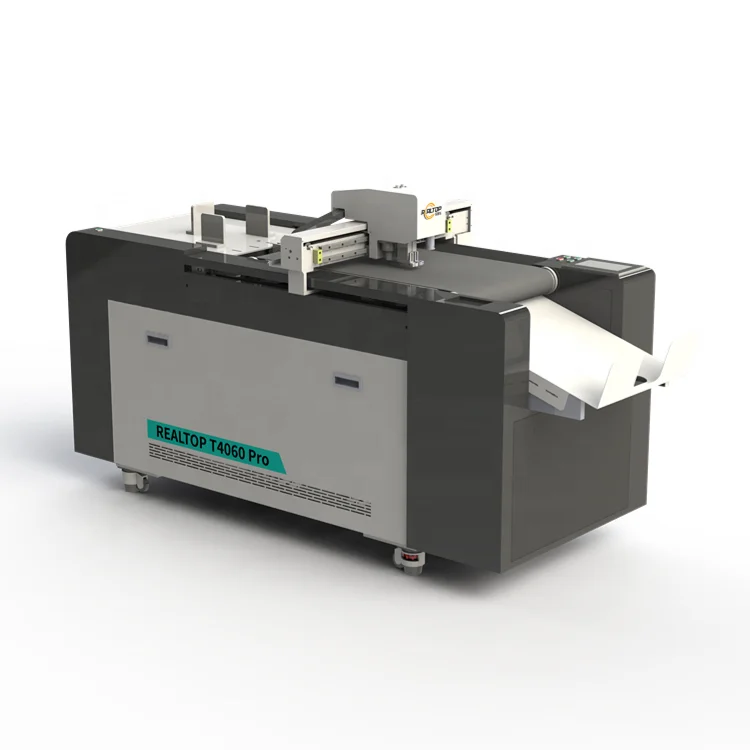
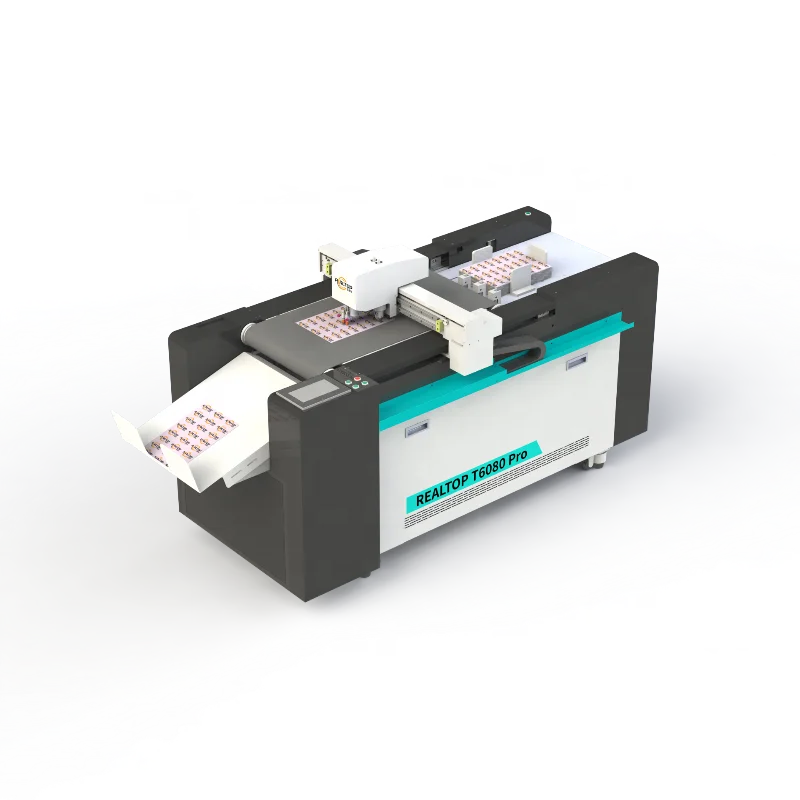
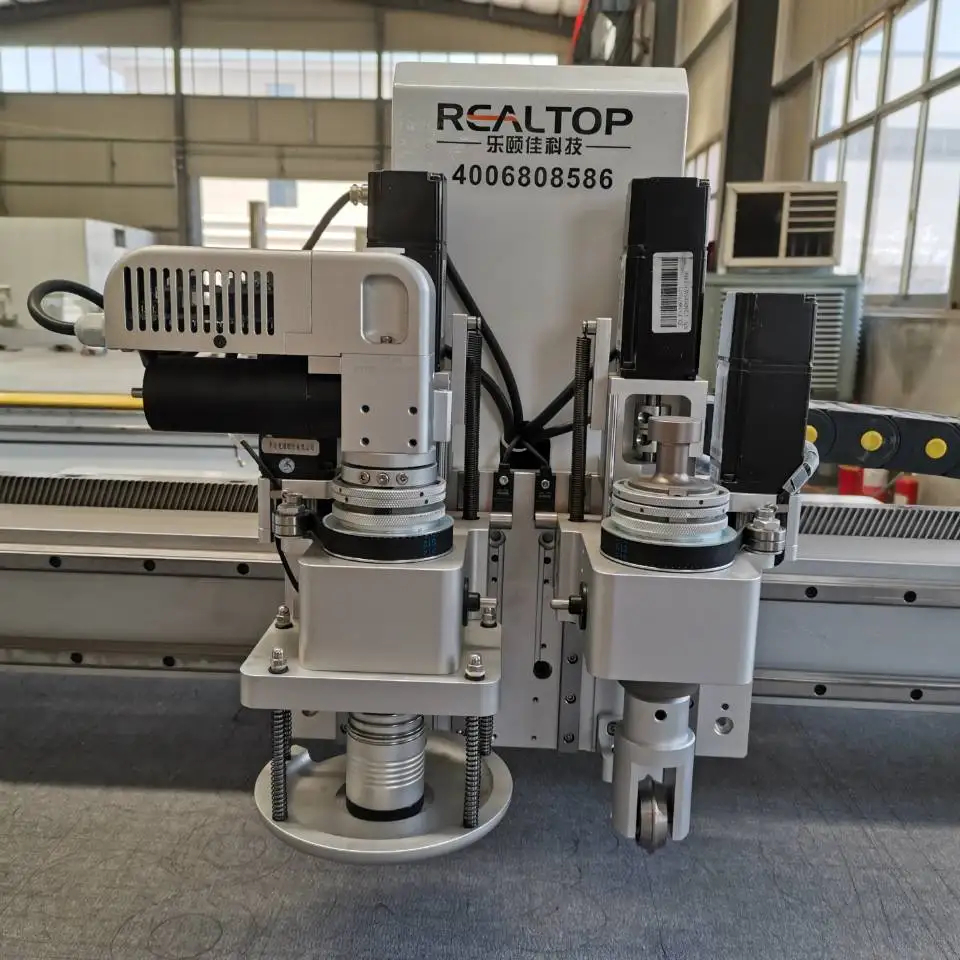
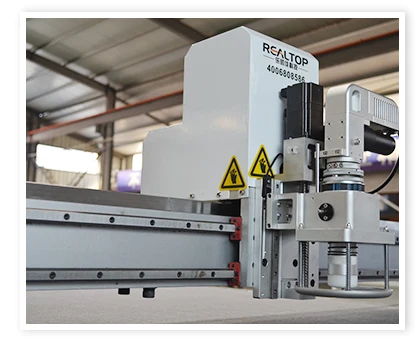
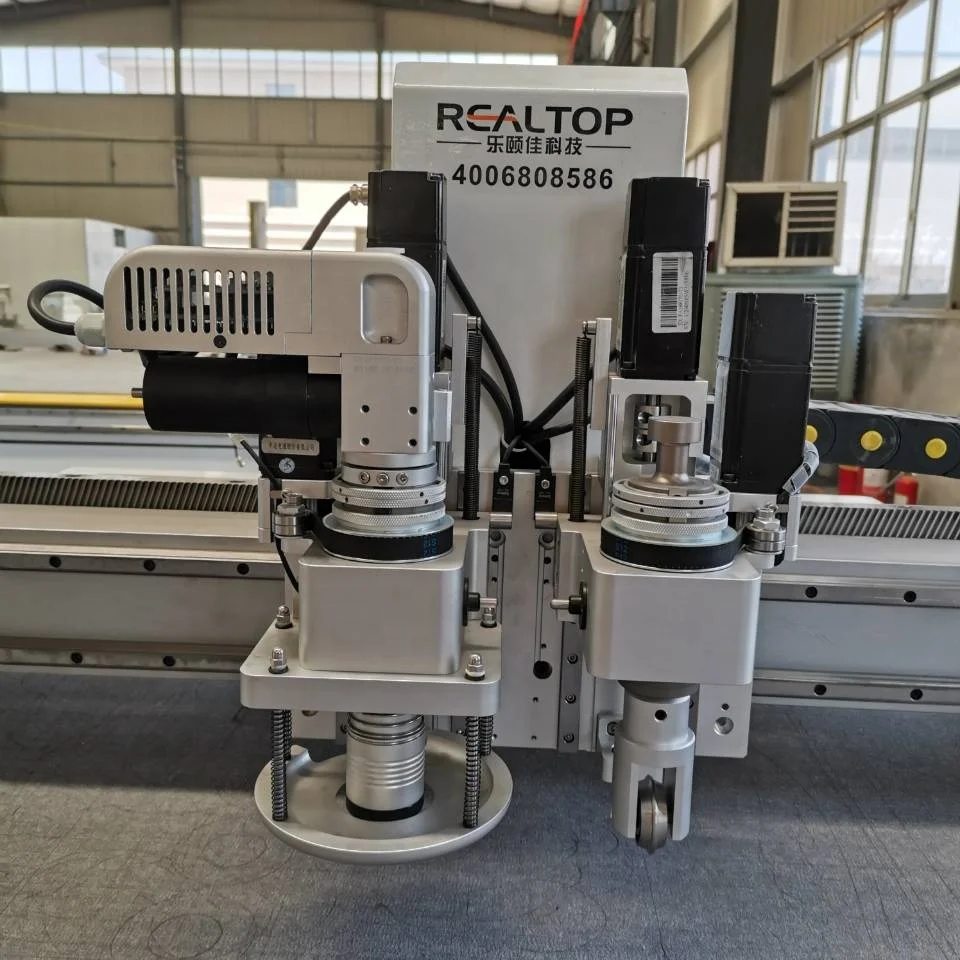
Configurable Tool Heads — A single platform fitted with the cutting tool matched to your material, rather than forcing one blade through every job.
Technical Specifications
| Parameter | Value |
|---|---|
| Product Type | CNC Digital Cutting Plotter |
| Working Area Options | 400×600 / 600×800 / 900×1200 mm |
| Tool Head Configuration | Oscillating knife, Creasing wheel, Kiss cutting tool, CCD camera, Marking pen |
| Cutting Speed | 0–1500 mm/s |
| Cutting Thickness | ≤ 20 mm (basis not stated in source — confirm material type and density) |
| Cutting Accuracy | ±0.1 mm |
| Vacuum Pump Power | 2.5 kW / 3.2 kW |
| Operating Voltage | 110V / 220V |
| Compatible File Formats | PLT, DXF, AI, PDF |
| Safety Devices | Infrared sensor, emergency stop |
| Control Language | English, Russian, Italian, Chinese (customizable) |
| Certification | CE |
Application Suitability
| Application | Material or Output |
|---|---|
| Store logos and vehicle decals | Self-adhesive vinyl, reflective film, heat transfer vinyl |
| Window clings and short-run labels | Clear PVC, static cling film, coated paper |
| Packaging box prototypes | Corrugated board, white cardstock, greyboard up to 20 mm |
| Educational puzzles and craft cards | Thin MDF, laminated cardstock, foam board |
| Cultural paper-cut and leather crafts | Rice paper, genuine leather, synthetic PU leather |
| Electronic gasket sampling | Silicone foam, EPDM sponge, adhesive-backed felt |
Why Thickness Matters More Than Sheet Size When Choosing a CNC Cutting Plotter
A machine specified on working area alone often fails the first real production run because the tool head cannot handle the material thickness and density at your required speed.
I spent years in Southeast Asia helping converters and packaging shops match cutting equipment to their actual workflow. One carton sample maker ordered a plotter based purely on bed size, only to discover that the standard drag knife dragged and tore through triple-wall corrugated board. The edges were ragged, the crease lines were shallow, and the first delivery was rejected by their client. That situation repeats far more often than buyers expect [NEED_CITE: equipment specification mismatches in packaging converting]. The cutting depth and the tool head selection must be confirmed against your specific material before any commitment is made.
Tool Head Selection Across Materials
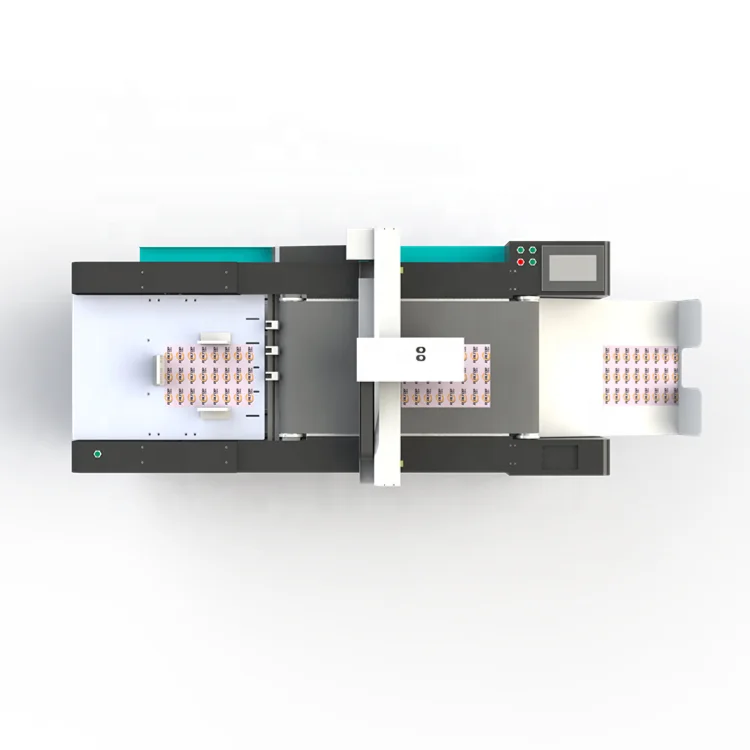
An oscillating knife moves up and down at high frequency to shear through fibrous and foam-based materials cleanly, which makes it the right choice for corrugated board, gasket rubber and layered textiles. A creasing wheel presses a scored fold line into cardstock without cutting through the face, essential for packaging prototypes that need to fold flat and then assemble. Kiss cutting tools score through the top layer of self-adhesive vinyl while leaving the backing paper intact, which is what decal and sticker production demands. The CNC cutting plotter for sale here allows these tool heads to sit on one platform, so you switch the head to the job rather than switching machines.
CCD Contour Recognition for Printed Graphics
The CCD camera reads printed registration marks on pre-printed sheets and adjusts the cutting path in real time to compensate for any stretch or skew that occurred during printing. This is what makes contour-cut stickers and printed signage viable at production volume. Without reliable mark tracking, the cut line drifts from the printed image and every sheet in the run becomes waste. The camera on this platform is specified to track marks at cutting speed, though buyers should always verify this on their own printed stock before the order is finalized [NEED_CITE: CCD contour recognition accuracy standards for digital finishing].
How Core Parameters Translate on the Workshop Floor
The ±0.1 mm repeat positioning accuracy is what keeps intricate serif fonts and fine contour lines sharp across a long run of decals — any drift compounds over hundreds of sheets and the last piece looks different from the first. The vacuum pump options at 2.5 kW and 3.2 kW serve different holding requirements; smaller-format sticker work on thin vinyl needs less suction than dense greyboard for packaging prototypes, and oversizing the pump wastes energy while undersizing lets small parts lift during the cut. The available file formats — AI, PLT, DXF, PDF — mean the machine imports directly from the design software most studios already use, eliminating a manual redraw step that introduces its own tolerance errors. Cutting speed up to 1500 mm/s is a headroom figure; actual production speed depends entirely on material density, thickness and the complexity of the cut path.
The Hidden Cost of a Wrong Configuration
Choosing a single drag knife and assuming it will handle every material from vinyl to 20 mm foam board leads to crushed edges on soft materials and broken tips on dense board. A vacuum table without adequate zoning allows small sticker parts to lift off the bed mid-cut because the suction is spread across the entire surface instead of concentrated where the material sits. Skipping a sample cut on your own material means you discover these problems after the machine arrives and your production deadline has already passed [NEED_CITE: material testing protocols before equipment commissioning]. Voltage and plug type confirmed after the machine is built require expensive transformer work on the shop floor, or worse, the control system runs at the wrong frequency and the servo motors behave unpredictably.
Why Buyers Source This Range Here
In-house design and production covers both the knife cutting mechanics and the control software, so configuration changes are handled at the factory rather than through third-party integrators. The tool head and table setup is specified against your material samples, not selected from a fixed catalogue page. CCD camera positioning is tested on your printed sheets to confirm mark tracking before the machine leaves the factory. Software compatibility is verified against your existing file formats so there are no import surprises on delivery day. Voltage, plug type and control interface language are confirmed in writing before production starts, matching the electrical standards of your local market.
Documentation & Verification
- Machine specification sheet listing your chosen working area and tool head combination
- Electrical schematic confirming your ordered voltage and plug configuration
- Sample cutting report produced on your supplied material with measured edge quality
- Tool head and vacuum table configuration list matched to your material profile
- Software licence documentation with confirmed file format compatibility notes
- Factory test record showing positioning accuracy verified before crating
Installation, Commissioning & Support
- Dedicated circuit rated for the selected vacuum pump at 2.5 kW or 3.2 kW plus control power
- Level floor required across the full 900×1200 mm maximum footprint for accurate positioning
- Machine ships with tool heads pre-calibrated; on-site assembly limited to gantry and table mating
- First-run parameter setting for your specific material thickness and cutting speed
- Operator training covering tool head changeover, vacuum zoning and CCD mark registration
- Spare blade and creasing wheel inventory sized to your daily cutting volume
What to Include in Your Inquiry
Send the exact material type, thickness and sheet size you run most often, along with a sample of your printed stock if you need CCD contour work. Specify your local voltage and frequency so the electrical system is built to match. Let us know your target daily volume and which file formats your design team uses, so we can confirm software compatibility and recommend the working area and tool head combination that fits your output.
Frequently Asked Questions
Q: Which working area size fits my sheet format and daily volume?
A: The 400×600 mm bed suits desk-level sticker and craft production where sheets are A3 or smaller. The 600×800 mm format handles standard packaging sample sizes and mid-volume decal runs. The 900×1200 mm area is for larger carton prototypes and full-sheet printed graphics. Share your typical sheet dimensions and daily piece count so we can match the bed to your workflow.
Q: How do I choose between an oscillating knife and a creasing wheel?
A: An oscillating knife shears completely through fibrous and foam materials for clean edge separation. A creasing wheel scores a fold line into cardstock without penetrating the face, which is necessary for packaging prototypes that fold and assemble. Many packaging sample makers run both heads on the same platform, switching between cut and crease passes within a single job file.
Q: Can the CCD camera reliably track my printed registration marks at cutting speed?
A: The camera is specified to read printed marks and adjust the cut path during operation. Reliability depends on mark contrast, print quality and the speed at which your material allows cutting. We test the CCD on your printed sheets at your target speed before shipment so you have a documented result rather than a catalogue promise.
Q: What voltage and language options are available for my market?
A: The control system is configurable for 110V or 220V supply, with plug type set to your local standard. The interface language is selectable from English, Russian, Italian and Chinese at the factory, and other languages can be requested. Confirming these details before production avoids costly electrical modifications on your shop floor.
Q: Can I send my material for a test cut before committing to an order?
A: Yes. Send a roll or stack of your actual production material — including any lamination or coating — and we run it on the configured tool head. You receive the cut samples along with a report documenting edge quality, achievable thickness and cutting speed so you can evaluate the result against your own quality standard.










商品评价
There are no reviews yet.