

Fast Delivery
Quick, reliable shipping to any location.

Free & easy returns
Return this item by mail or in store within 90 days for a full refund.
Tool head matched to material — Swiss-imported oscillating knife with creasing wheel in one head, specified per substrate rather than a fixed configuration for every job.
Technical Specifications
| Parameter | Value |
|---|---|
| Model | RT-D2516 / RT-S2516 |
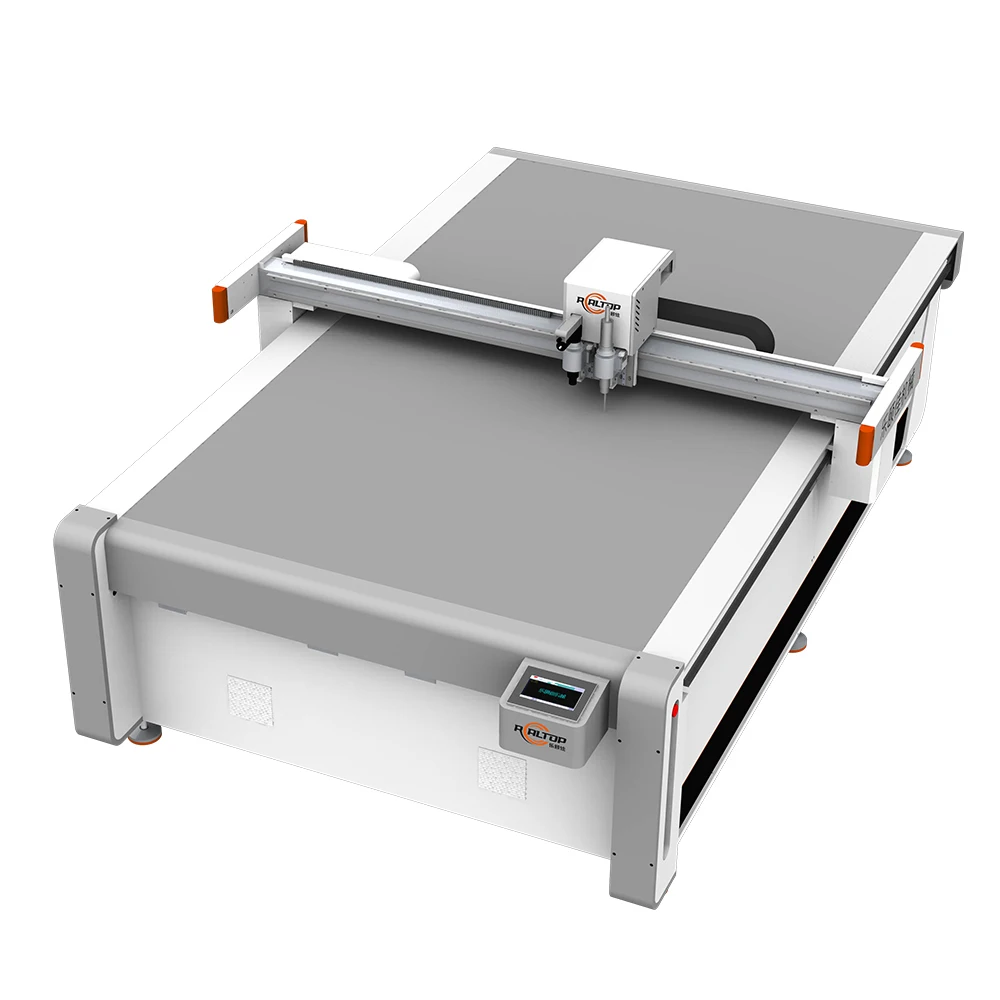
| Product Type | CNC Oscillating Knife Cutting Machine |
| Working Area | 1600 × 2500 mm |
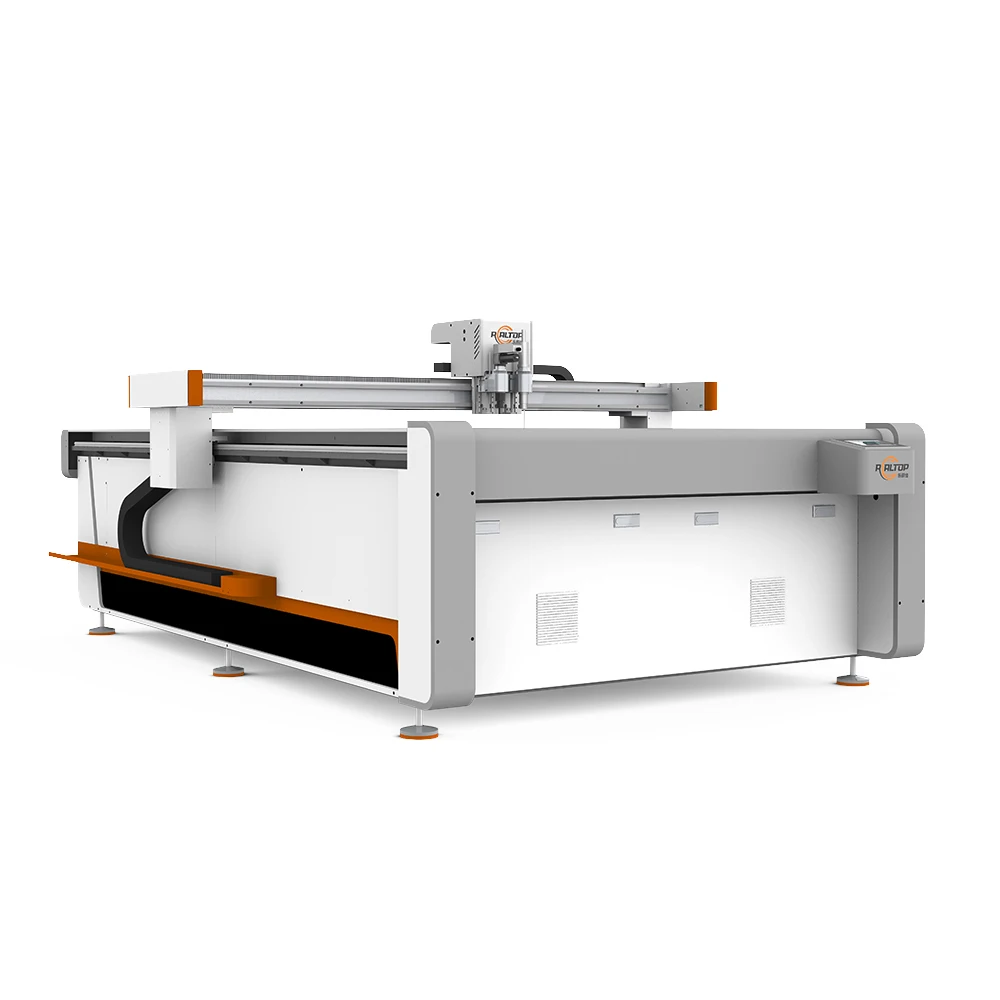
| Overall Dimensions | 3450 × 2300 × 1250 mm |
| Rated Power | 9 kW |
| Voltage | 380V ±10% (frequency 50 Hz / 60 Hz to confirm before shipment) |
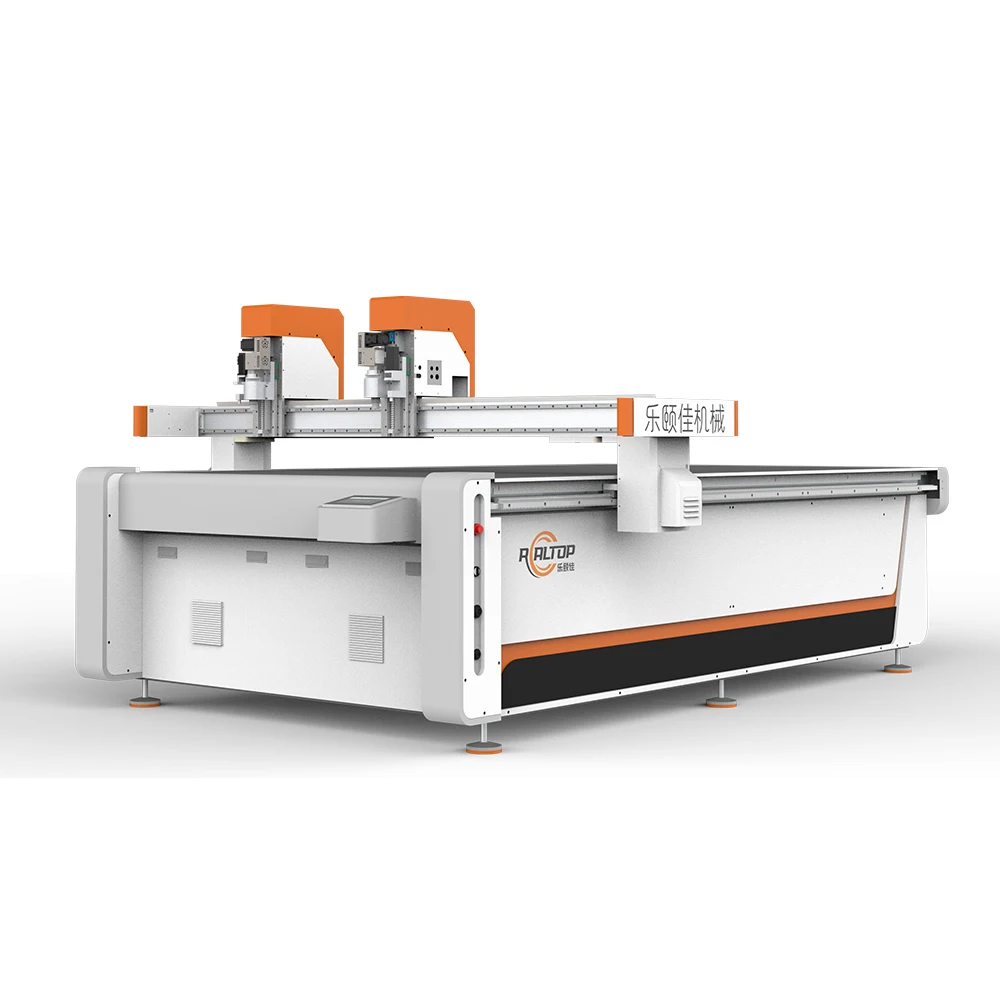
| Tool Head | Swiss imported oscillating knife with full-cut, half-cut and cursor positioning |
| Multifunctional Head Options | Vibration knife, creasing wheel, cursor positioning |
| Translational Velocity | 800–2000 mm/s |
| Cutting Speed | 200–800 mm/s (varies according to material type and thickness) |
| Repeatability | ≤ 0.1 mm |
| Servo Motor | Delta servo motor and drivers |
| Linear Guide | Taiwan Hiwin rail |
| Transmission System | Imported digital servo motor, linear guide, synchronous belt, ball screw |
| Vacuum Pump | 7.5 kW |
| Vacuum Table | Aluminum alloy honeycomb structure vacuum adsorption platform |
| Working Table | Flat table (Germany imported conveyor belt option available) |
| Cutting Thickness | ≤ 100 mm (varies with material) |
| Safety Device | Infrared sensors and emergency stop devices |
| Instruction System | HP-GL compatible format |
| Software | Professional carton nesting software included; multiple file format imports |
| Language Options | English, Russian, Italian, Chinese (special languages customizable) |
| Certification | CE (verify for this model before order) |
| Warranty | First year parts supplied free (buyer pays shipping); engineer dispatch available (buyer covers travel) |
Application Suitability
| Application | Material or Output |
|---|---|
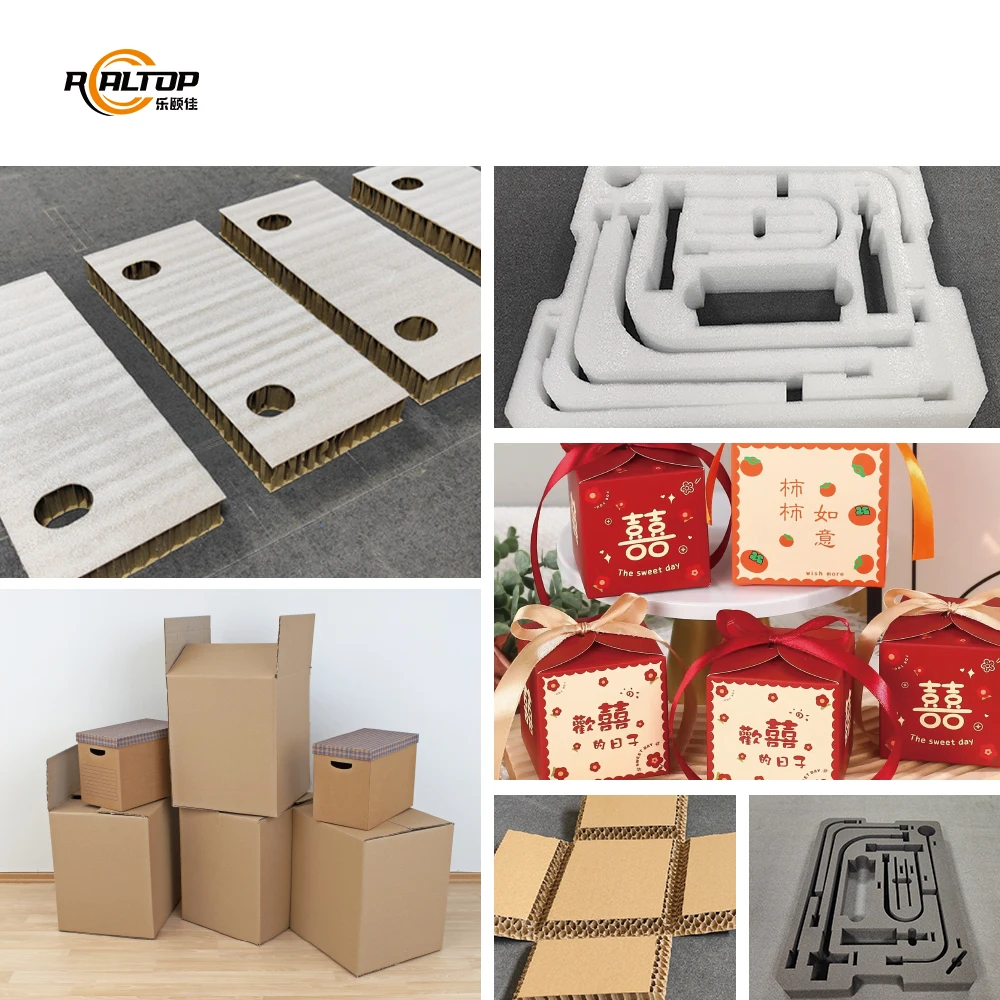
| Corrugated carton sample making | Single, double and triple-wall corrugated board up to 100 mm |
| Electrical packaging and express boxes | Grey board, kraft paper, white card stock |
| High-end gift box prototyping | Laminated cardboard, foam-board composites |
| Sticker and label production | Self-adhesive vinyl, paper-backed labels |
| Billboard and business card cutting | PVC foam board, coated paper, synthetic board |
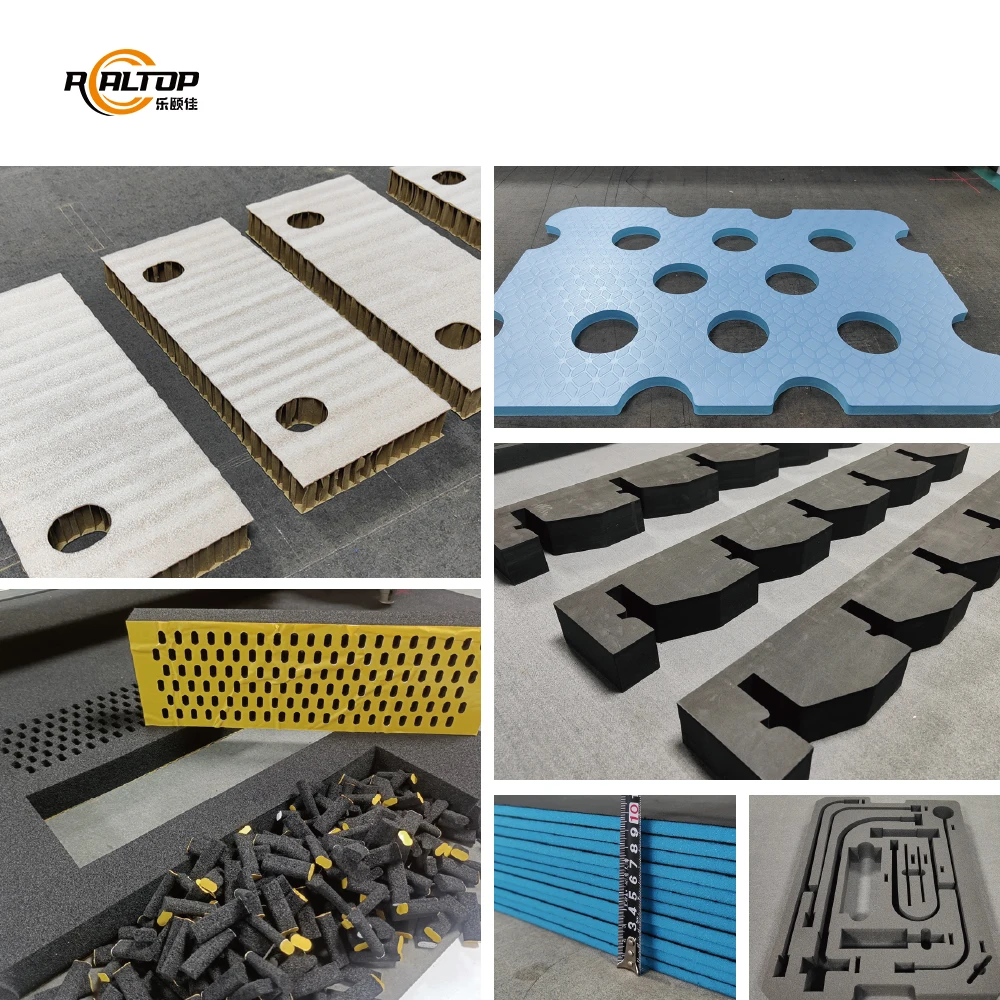
| Flexible non-metal cutting | Leather, garment fabric, sponge composite, PVC, soft glass, silicone, rubber |
What a Working-Area-Only Spec Leaves Out on Your Next CNC Digital Cutting Machine for Sale
Bed size is the starting conversation, not the whole specification.
I spent years running installations across Latin America, and one of the most frustrating calls I took was from a carton sample maker who had purchased a flatbed cutter based purely on a 1600 × 2500 mm working area. The machine arrived, and the buyer immediately loaded high-density double-wall corrugated. The standard creasing wheel cracked every fold line, the vacuum table could not hold the smaller die-cut pieces flat, and an entire batch of sample boxes was scrapped before we got involved. That is the kind of failure a brochure never mentions [NEED_CITE: buyer verification practices for CNC flatbed cutting equipment]. A carton sample cutting machine must be configured around the thickest board you intend to run, the smallest piece you need to hold, and the actual file formats your design office already uses.
Knife Head Selection Drives Edge Quality on Every Substrate
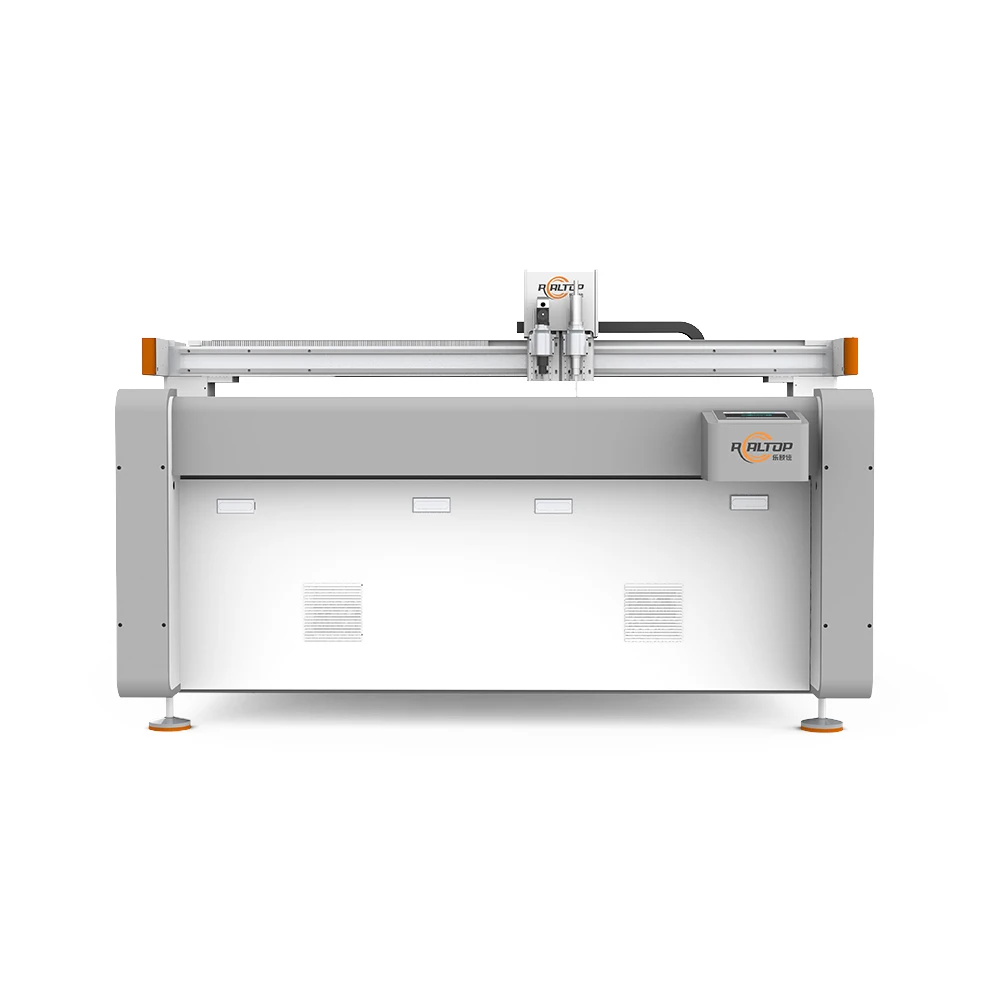
The RT-D2516 and RT-S2516 share a multifunctional head that carries a Swiss-imported oscillating knife alongside a dedicated creasing wheel and cursor positioning module. For corrugated board, the oscillating knife produces a clean cut through flutes without crushing the structure, while the creasing wheel scores fold lines at a depth and pressure matched to the ply count. Switching to leather or garment fabric means the same head handles the job with a blade profile suited to flexible sheets. This approach means buyers evaluate the knife configuration against their actual material stack instead of accepting a generic tooling package.
Vacuum Adsorption and Small-Part Stability
The aluminum alloy honeycomb vacuum table paired with a 7.5 kW vacuum pump generates the suction required to hold full sheets of corrugated board flat across the 1600 × 2500 mm surface. In carton sample cutting, the real test comes when nesting software places dozens of small die-cut shapes on one sheet. Lightweight or narrow pieces can lift at cutting speed if the vacuum zoning is not adequate [NEED_CITE: vacuum table zoning requirements for small-part CNC cutting]. Confirming the zone layout against your typical nesting pattern before shipment prevents lift-related scrap and keeps the oscillating knife on its programmed path.
Reading the Specs That Actually Affect Production
Cutting speed is listed as 200–800 mm/s, a range that depends entirely on the material being processed — single-face corrugated at the upper end, dense multi-ply board toward the lower. Translational velocity of 800–2000 mm/s governs non-cutting moves between cut paths and influences overall cycle time when nesting software spreads shapes across the bed. Delta servo motors driving Taiwan Hiwin linear guides deliver repeatability within 0.1 mm, which matters when a creasing wheel must land on the same score line thousands of times without drift. The HP-GL compatible instruction system and included carton nesting software accept standard file formats, reducing the friction of importing designs from existing packaging CAD workflows.
The Cost of Skipping Material Trials Before Commitment
A creasing wheel specified for single-wall corrugated will fracture the liner on double-wall stock, and an oscillating knife set to the wrong stroke frequency will leave ragged edges on dense foam or rubber. These are not defects — they are configuration mismatches that surface only when the machine meets the buyer’s actual material [NEED_CITE: tool head configuration mismatches in CNC flatbed cutting]. Without a sample cut on the buyer’s own substrate before the order is finalized, the first production run becomes the test, and any scrap comes out of the buyer’s margin.
Why Procurement Here Reduces Configuration Risk
In-house design and production cover both knife and laser cutting technologies, so a buyer evaluating flexible materials can compare methods against real cutting results rather than forcing every material through one process. Tool head and table configurations are specified per material type and production volume, not assigned from a default list. Voltage, control language and plug type are confirmed before the machine enters assembly, preventing the rewiring delays that stall installations. Sample cutting on the buyer’s own material is a standard step before commitment, producing a report that documents edge quality, cutting speed and tooling selection [NEED_CITE: pre-order sample cutting verification on buyer-supplied material].
Documentation & Verification
- Machine specification sheet with tool head and vacuum table configuration listed per material
- Electrical schematic confirming voltage and frequency for the target market before dispatch
- Sample cutting report on buyer-supplied corrugated board or flexible material with edge and crease evaluation
- Software licence and file format compatibility note matching the buyer’s existing nesting workflow
- CE declaration where applicable for the destination market
- Factory test record documenting cutting repeatability and vacuum adsorption performance before shipment
Installation, Commissioning & Support
- Confirm workshop floor can support the 3450 × 2300 × 1250 mm footprint plus material feed clearance on all sides
- Verify 380V ±10% dedicated circuit with frequency matched to the local grid before the machine leaves the factory
- Machine ships fully assembled; position on leveled floor and connect vacuum pump and compressed air supply
- First-run parameter tuning covers oscillating knife stroke, creasing wheel pressure and vacuum zone mapping for the buyer’s primary material
- Operator training includes nesting software workflow, file import procedures and tool head changeover
- Spare oscillating knife blades, creasing wheels and vacuum seals supplied with initial shipment
What to Send with Your Inquiry
To move from a general CNC digital cutting machine for sale listing to a confirmed configuration, share the material types you cut most often, the thickness range, your typical sheet size, and the daily volume you need to sustain. Include your local voltage and frequency standard and the control language your operators require. If you already run nesting software, specify the file formats in use so compatibility can be verified before the quotation stage.
Frequently Asked Questions
Q: How do I decide between an oscillating knife and a laser for my material?
A: Oscillating knife cutting works well for corrugated board, foam, leather, fabric and composites where edge sealing is not required. CO2 laser suits acrylic, wood and textiles where a sealed edge prevents fraying. We run sample cuts on your material with both methods so you can compare edge quality and throughput before committing to one configuration.
Q: Will the vacuum table hold small die-cut pieces during nesting?
A: The aluminum honeycomb table with a 7.5 kW vacuum pump provides strong adsorption across the full bed. For very small or lightweight pieces, we review your nesting pattern and adjust vacuum zoning before shipment to prevent lift at cutting speed.
Q: Can the included software import my existing design files?
A: The professional carton nesting software supports multiple file formats and HP-GL compatible instructions. Before your order is confirmed, we verify compatibility with your current CAD output and document the result in a file format compatibility note.
Q: What working area should I choose for packaging sample production?
A: The 1600 × 2500 mm bed accommodates most standard packaging sheet sizes. If your production runs larger format boards or requires higher throughput through continuous feeding, a conveyor belt table option is available. We match bed size to your actual sheet dimensions and nesting requirements.
Q: How are voltage and control language handled for export markets?
A: Voltage and frequency are confirmed to match the destination market electrical standard before the machine enters production. Control language options include English, Russian, Italian and Chinese, with additional languages available on request, documented in the specification sheet before shipment.










商品评价
There are no reviews yet.