


Fast Delivery
Quick, reliable shipping to any location.

Free & easy returns
Return this item by mail or in store within 90 days for a full refund.
Configuration Match — Every oscillating knife cutting system we supply is validated against the buyer’s actual material thickness and contour complexity before shipment, eliminating the common failure of machines specified on working area alone.
Technical Specifications
| Parameter | Value |
|---|---|
| Product Type | CNC Oscillating Knife Cutting Machine |
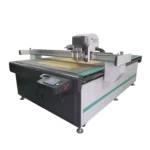
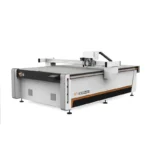
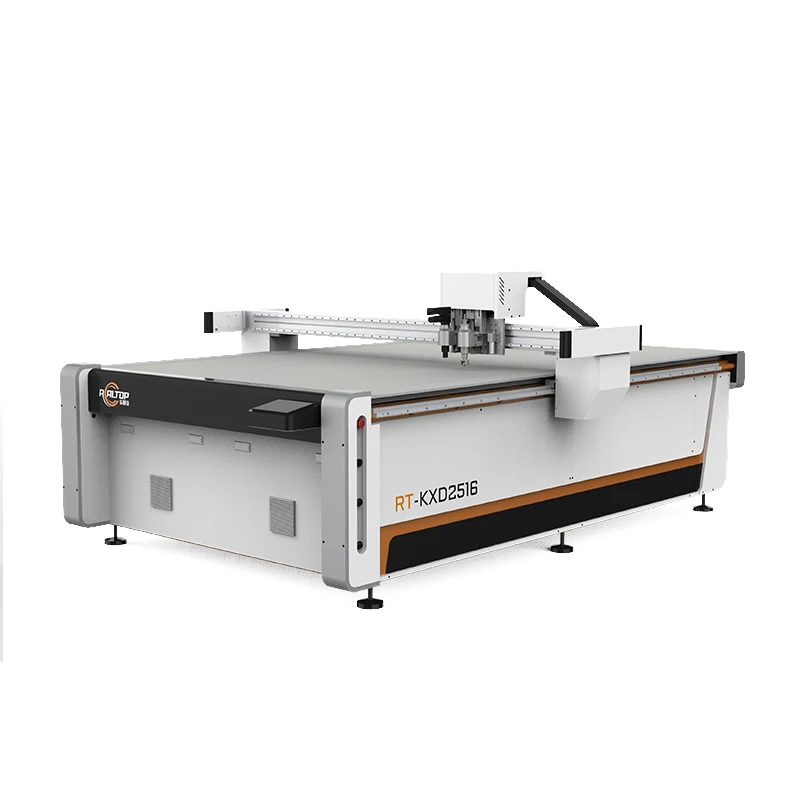
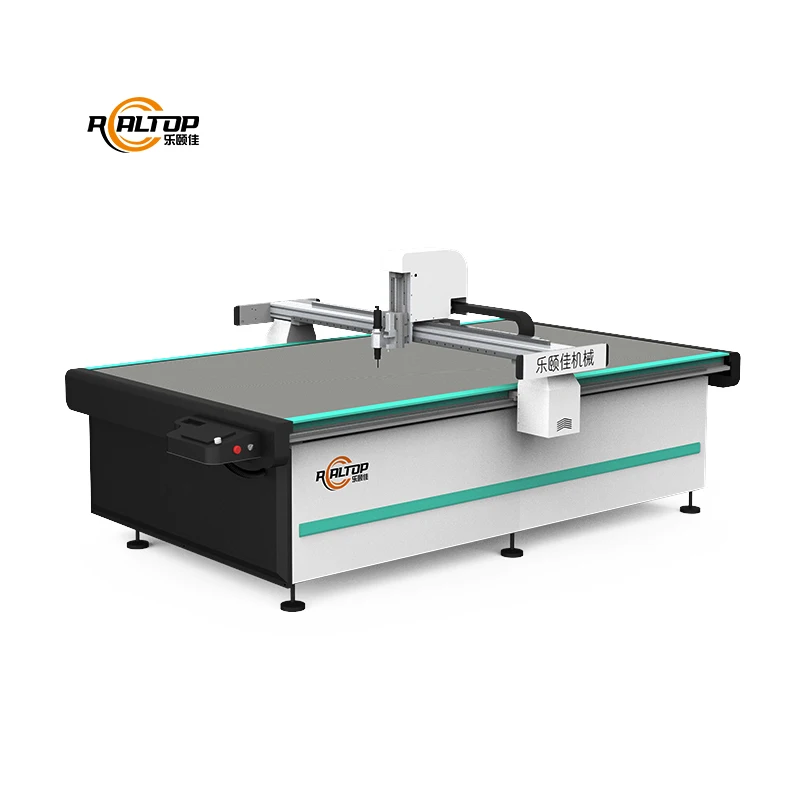
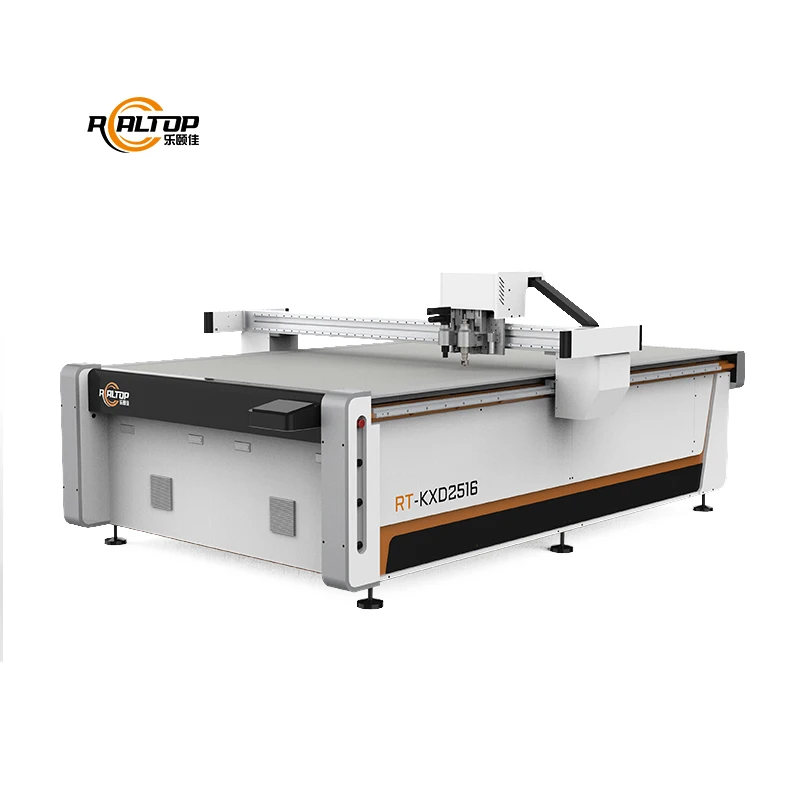
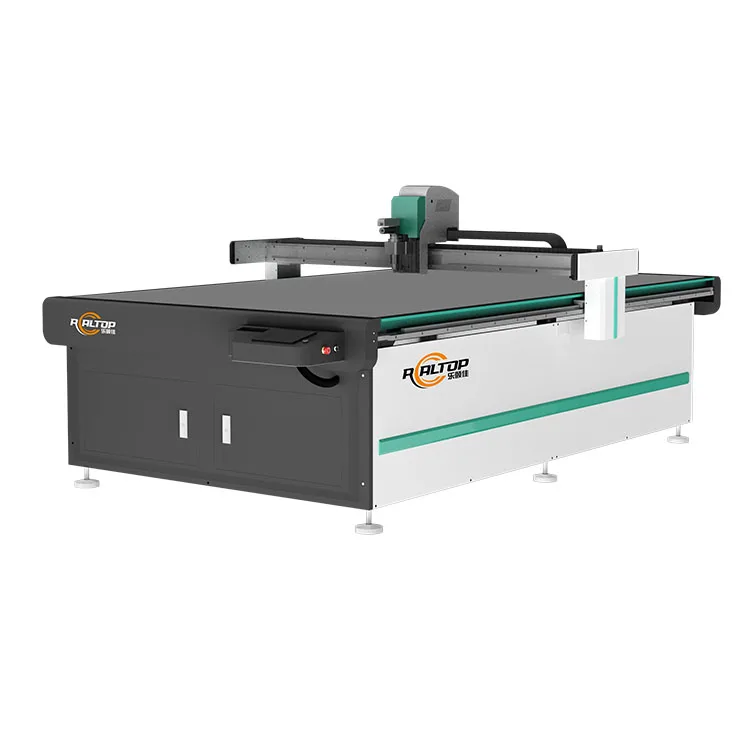
| Model | RT–R2513 / RT-D2516 / RT-S2516 |
| Working Area | 2500×1300 mm (RT–R2513) / 1600×2500 mm (RT-D2516 / RT-S2516) |
| Machine Size | 3550×1910×1400 mm (RT–R2513) / 3450×2300×1250 mm (RT-D2516 / RT-S2516) |
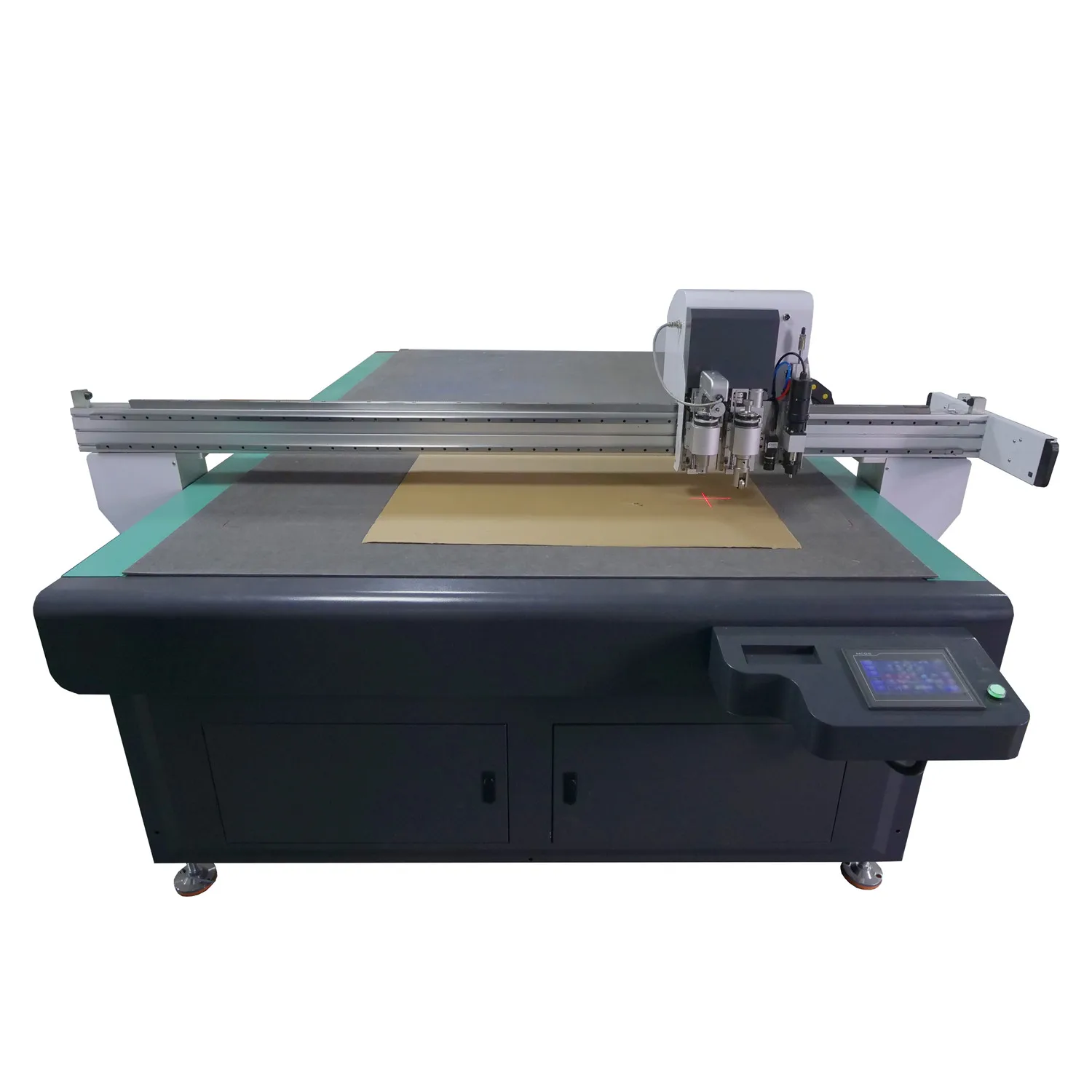
| Cutting Tools | Oscillating knife, Creasing tool, Kiss-Cut Knife Tool, Round punch |
| Cutting Thickness | ≤18 mm (basis to be confirmed) |
| Repeated Accuracy | <0.05 mm |
| Fixing Method | Vacuum adsorption on aluminum alloy honeycomb platform |
| Vacuum Pump | 7.5 kW |
| Rated Power | 9 kW |
| Voltage | 380 V |
| Servo Motor | Dongling servo (Delta servo available) |
| Transmission | Rack transmission with imported straight-line square guide rail |
| Profile Formats | DXF, OLT, PDF, AI |
| Data Transmission | Ethernet port |
| Safety Device | Infrared sensors with emergency stop |
| Felt Belt | Wear-resistant anti-pull composite fiber felt |
| Blade Included | 10 pieces of oscillating blades |
| Software | Professional carton nesting software with multiple file format import |
| Language Options | English, Russian, Italian, Chinese (customizable) |
| Frame | Welded thick square seamless steel structure with high-temperature treatment |
| Conveyor Belt | Germany imported conveyor belt (optional) |
| Auto Feeding | Available (optional) |
| Delivery Time | <30 working days |
| Warranty | 1 year (excludes felt and knife blades) |
Application Suitability
| Application | Material or Output |
|---|---|
| Packaging carton sample making | Corrugated cardboard, E-flute and B-flute board, kraft paper |
| Sticker and label production | Self-adhesive vinyl, PP paper, sticker sheets with kiss-cut requirements |
| Advertising and signage fabrication | Board materials, vinyl films, lightweight display substrates |
| Leather goods manufacturing | Natural and synthetic leather for footwear and accessory patterns |
| Paper and card stock cutting | Business cards, tags, paper-based promotional items |
Why the Thickness Rating Matters More Than the Work Area
A cutting machine specified only by bed size will fail when material density and flute profile change between regions.
I spent two weeks in a Riyadh plant rebuilding the creasing wheel pressure curve because the local corrugated stock carried higher moisture content than the E-flute board used during factory acceptance. The machine itself was fine — the RT–R2513 ran flawlessly on standard board back in Jinan. But nobody had specified the actual material profile, and the creasing tool crushed every sheet on the first fold [NEED_CITE: material moisture variation effects on corrugated cutting pressure]. This is the gap a CNC oscillating knife cutting machine manufacturer must close before the machine ships, not after it arrives.
Knife Versus Laser: Matching the Process to the Substrate
The full catalogue here covers both oscillating knife and laser cutting technologies, which means the cutting method is selected to suit the material rather than forcing every job through one process. Corrugated cardboard, foam gaskets and leather all respond poorly to thermal cutting — the laser chars edges and delaminates flutes. An oscillating knife produces clean mechanical cuts without heat-affected zones, which matters when the finished carton goes directly to a packaging line without secondary edge finishing.
Tool Head Configuration Across Material Families
Each model variant supports multiple tool heads — oscillating knife for through-cuts, creasing wheel for fold lines, kiss-cut knife for sticker contour work and round punch for registration holes. The combination is specified per production job. A carton sample maker running mixed flute profiles needs the creasing tool and oscillating knife on the same gantry. A sticker producer needs the kiss-cut tool with precise depth control to cut the face stock without damaging the release liner [NEED_CITE: kiss-cut depth tolerance requirements for label production].
What the Specification Sheet Actually Tells You
The aluminum alloy honeycomb vacuum platform with zone-following adsorption holds small parts flat without mechanical clamps — essential when cutting sticker sheets where any lift produces ragged contours. The rack transmission paired with imported linear square guide rails delivers <0.05 mm repeated accuracy, which keeps nested carton patterns within tolerance across long production runs. The 7.5 kW vacuum pump generates sufficient hold-down force across the full 1600×2500 mm working area of the RT-D2516 and RT-S2516 models. The 9 kW rated power covers the oscillating knife motor, vacuum system and servo drives simultaneously without tripping breakers during continuous operation.
The Cost of Choosing the Wrong Configuration
Buyers who select a machine on working area alone often discover that the vacuum zoning cannot hold small sticker parts during high-speed contour cutting — pieces lift and the blade tears rather than cuts. Others find that the oscillating knife frequency does not match their material density, producing crushed foam cores or frayed fabric edges. CCD contour recognition may be promised for printed label work but fails to track registration marks at production speed, forcing operators to slow the machine to a fraction of its rated throughput [NEED_CITE: contour recognition tracking limits at production speed].
Why Buyers Source This Equipment Range Here
In-house design and production cover both knife and laser cutting technologies within the same facility, so a buyer can evaluate both methods against their material before committing. Tool head and table configuration is specified per material type and daily production volume rather than sold as a fixed package. CCD camera positioning is available for printed contour work on sticker and label stock. Software compatibility with DXF, OLT, PDF and AI file formats is confirmed before order placement. Voltage, control language and specification customization are handled before shipment rather than discovered at installation. Sample cutting on the buyer’s own material is conducted before commitment, with a full cutting report provided.
Documentation & Verification
- Machine specification sheet with tool head and vacuum table configuration confirmed per material
- Electrical schematic and 380 V voltage confirmation matched to facility power supply
- Sample cutting report on buyer’s own corrugated stock or sticker material
- Software licence with DXF, OLT, PDF and AI file format compatibility note
- Factory test record documenting repeated accuracy and cutting edge quality before dispatch
- Operation and maintenance manual with language option confirmed before shipment
Installation, Commissioning & Support
- Foundation requirements based on machine weight and the 3450–3550 mm footprint of selected model
- Dedicated 380 V circuit sized for 9 kW rated power plus 7.5 kW vacuum pump draw
- Machine arrives assembled with gantry and vacuum platform integrated, requiring utility connections only
- First-run commissioning includes vacuum zone calibration and tool head pressure setting on buyer material
- Operator training covers nesting software workflow and tool head changeover between carton and sticker jobs
- Spare parts list includes oscillating blades and felt belt replacement schedule
Requesting a Configuration Recommendation
To match the correct model and tool head combination to your production environment, share the material type, sheet dimensions, maximum thickness and typical daily volume. Specify your facility voltage and frequency, preferred control language, and whether your workflow involves printed contour cutting that requires CCD registration. If you run multiple material families on one line, note which substrates share the machine and which require dedicated tooling.
Frequently Asked Questions
Q: How do I choose between oscillating knife, creasing wheel and kiss-cut tool heads?
A: The oscillating knife handles through-cuts on corrugated board, leather and foam. The creasing wheel produces fold lines on carton stock without cutting through. The kiss-cut tool slices sticker face stock while leaving the release liner intact. Your material mix determines which tools are mounted on the gantry, and the configuration is confirmed during sample cutting before shipment.
Q: Which working area should I select for my production volume?
A: The 2500×1300 mm bed suits standard carton sample making and smaller sticker sheets. The 1600×2500 mm format handles full-size corrugated sheets and high-volume label layouts. Match the bed to your largest common sheet size rather than your maximum occasional size, since oversized beds consume more vacuum energy and floor space.
Q: Should I use knife cutting or laser for corrugated cardboard and stickers?
A: Knife cutting produces clean mechanical edges on corrugated board without charring or flute delamination. Laser cutting works well for acrylic, wood and textile engraving but damages paper-based materials. This catalogue lets you evaluate both methods against your actual substrate before committing to one process.
Q: What file formats does the nesting software accept?
A: The software imports DXF, OLT, PDF and AI files directly. File format compatibility is confirmed before order placement to ensure your existing design workflow integrates without conversion steps. Custom language support is available across English, Russian, Italian and Chinese interfaces.










商品评价
There are no reviews yet.