


Fast Delivery
Quick, reliable shipping to any location.

Free & easy returns
Return this item by mail or in store within 90 days for a full refund.
Sample-First Commitment — every RT-D2516/RT-S2516 configuration is verified against the buyer’s actual stock before the order is locked, matching cutting method to material density rather than guessing from a catalogue sheet.
Technical Specifications
| Parameter | Value |
|---|---|
| Model | RT-D2516 / RT-S2516 |
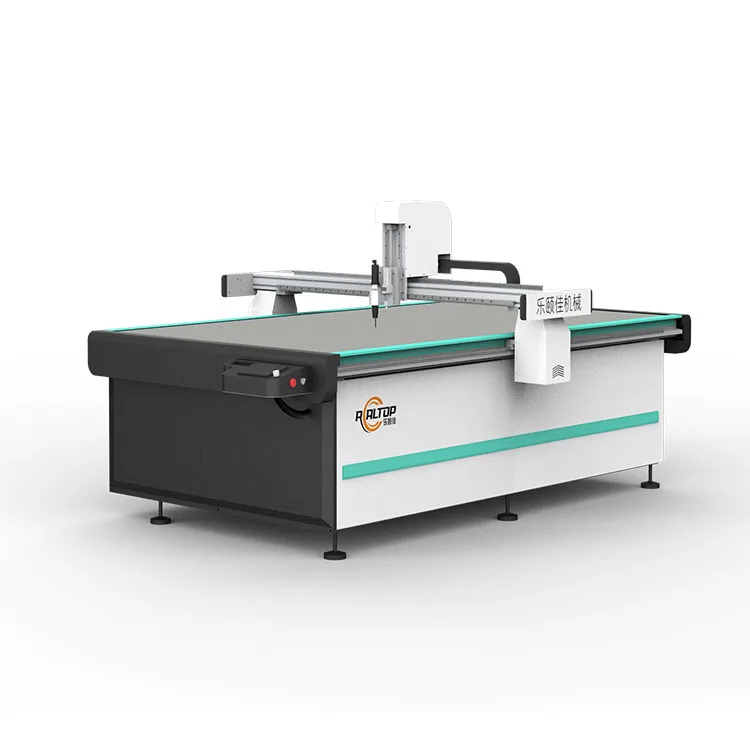
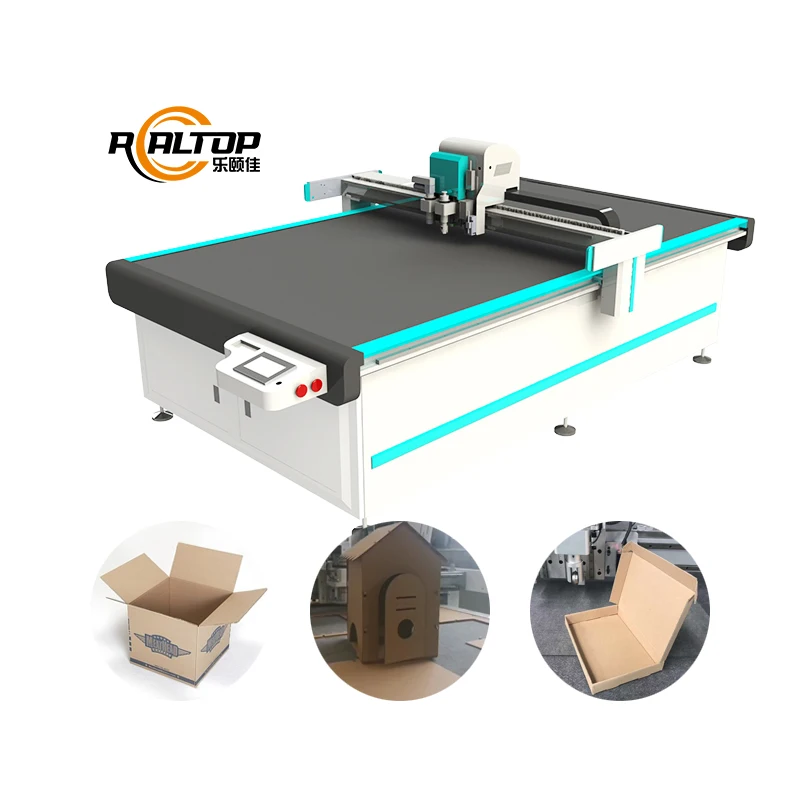
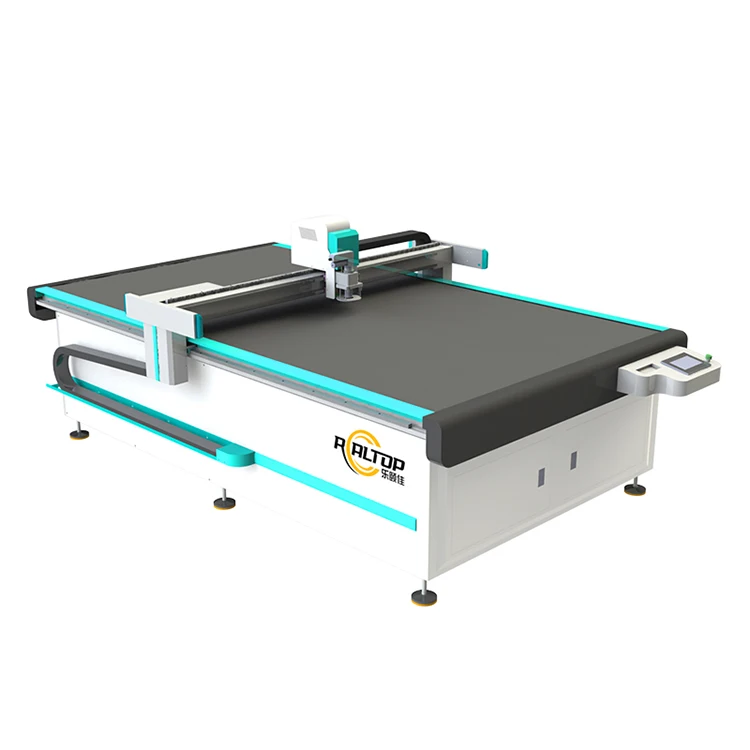
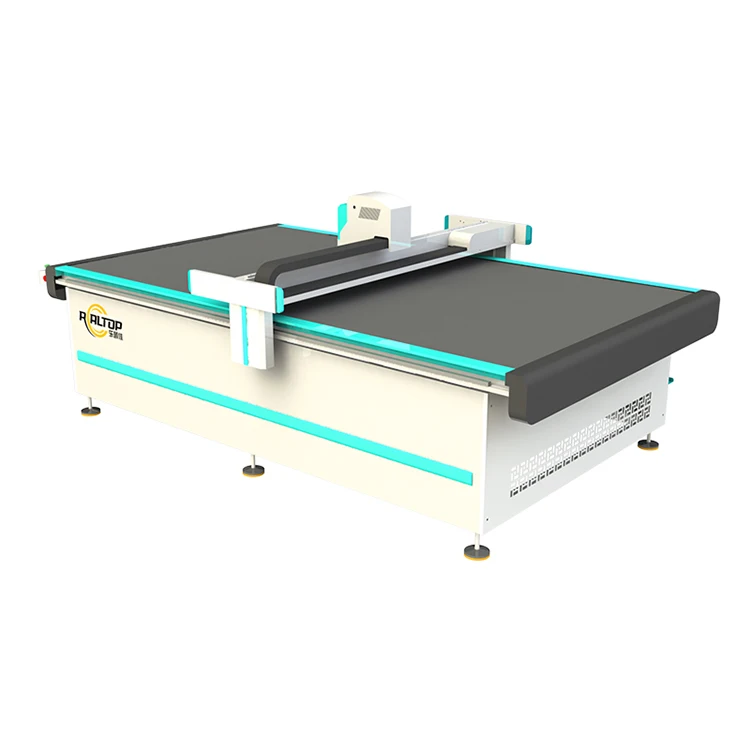
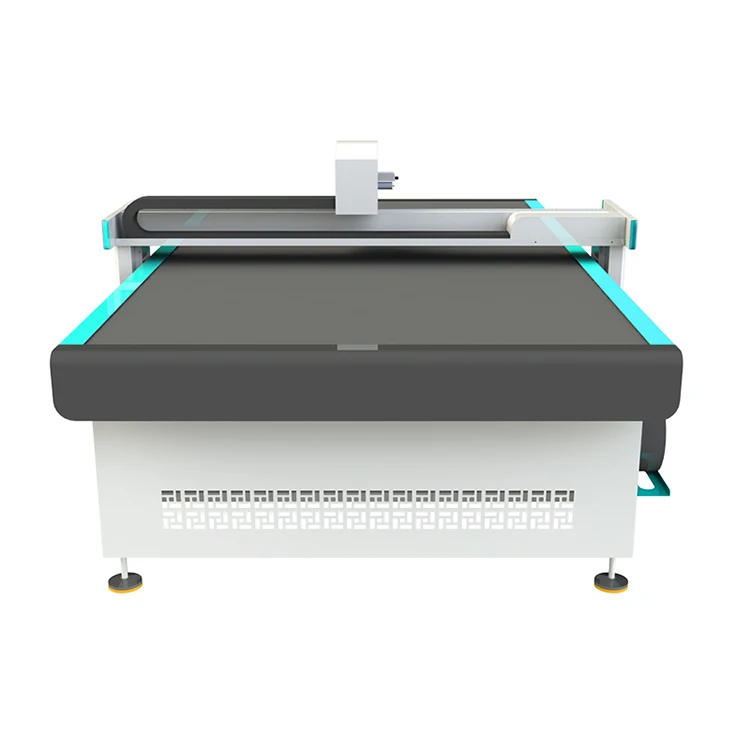
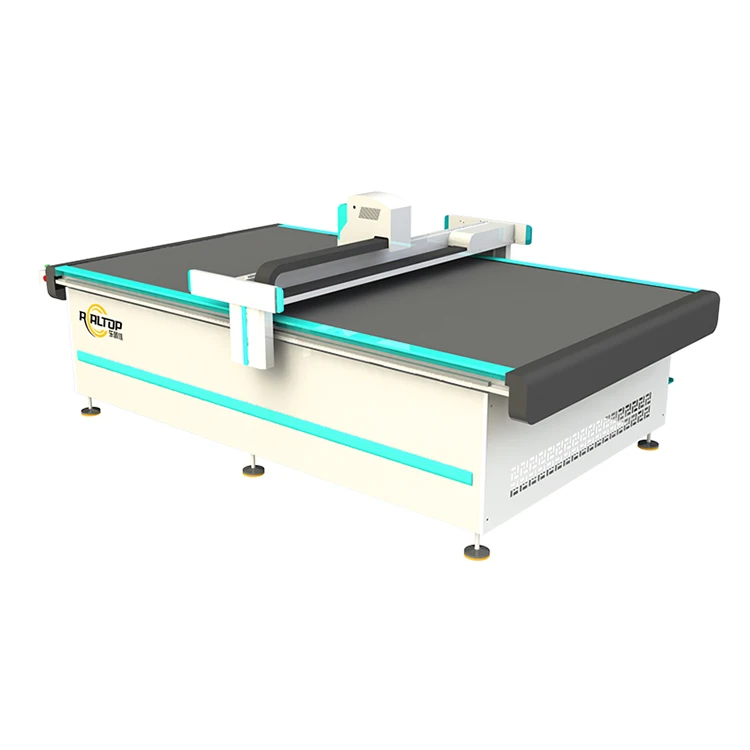
| Product Type | CNC Digital Carton Cutting Machine |
| Working Area | 1600 × 2500 mm |
| Machine Size | 3450 × 2300 × 1250 mm |
| Rated Power | 9 kW |
| Vacuum Pump | 7.5 kW |
| Voltage | 380V ±10% (frequency to be confirmed per market) |
| Control System | CNC, HP-GL compatible format |
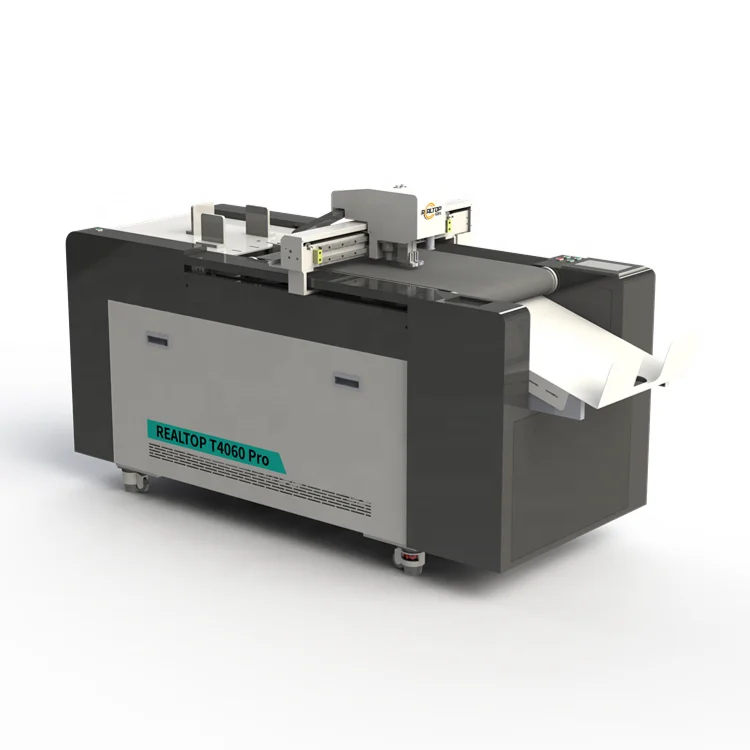
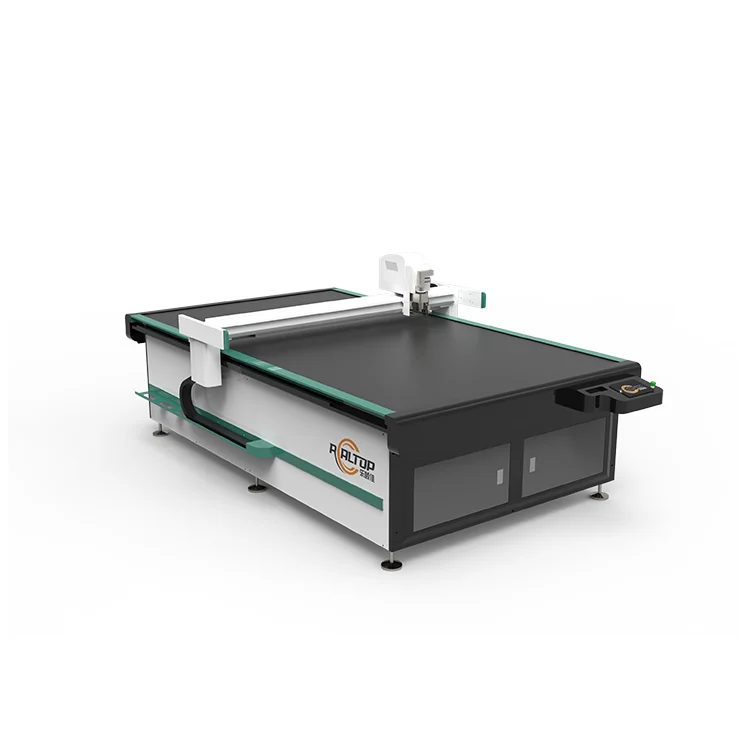
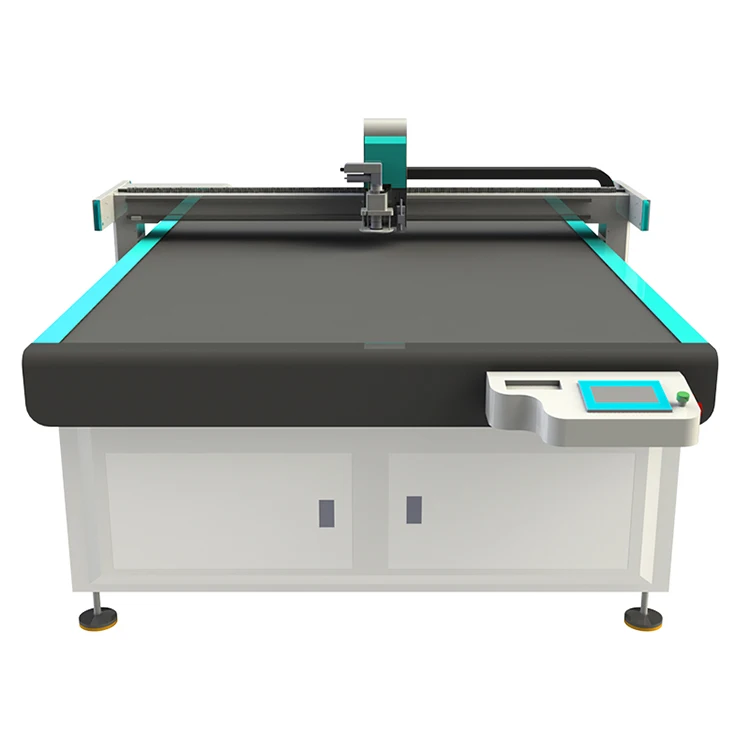
| Table Type | Aluminum alloy honeycomb vacuum adsorption flatbed |
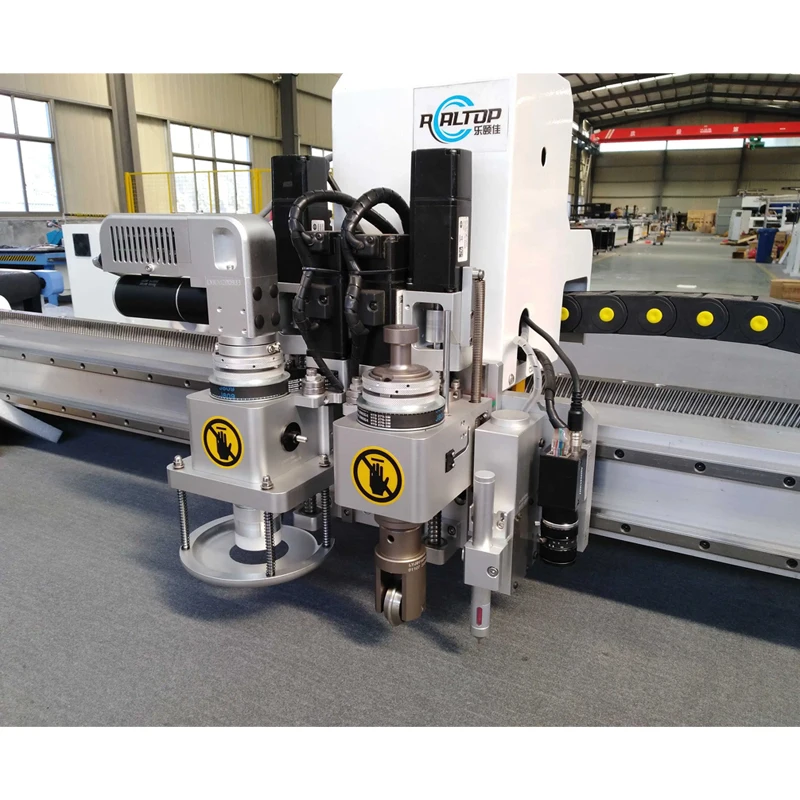
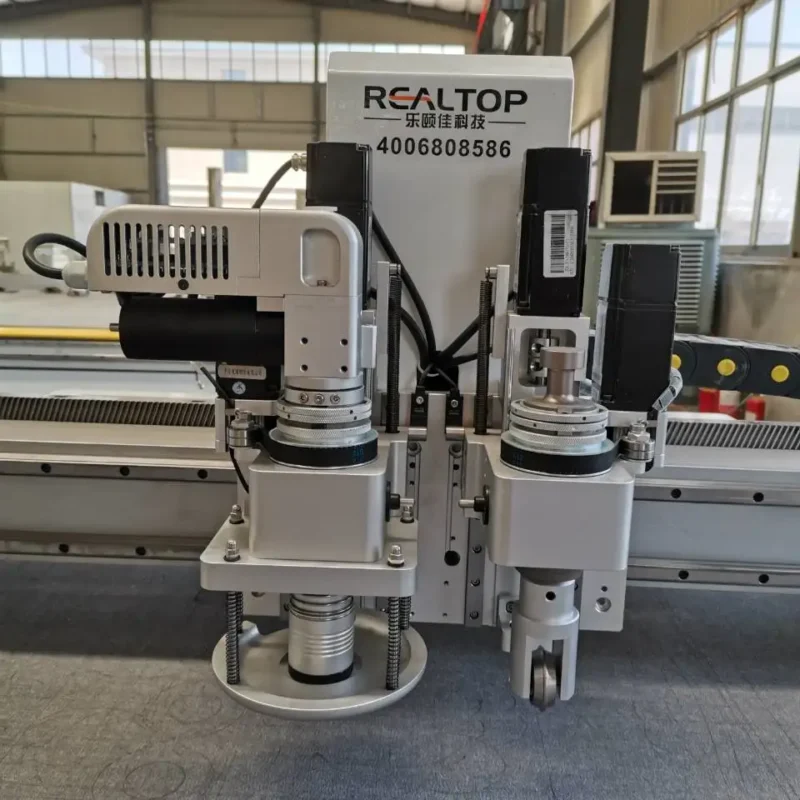
| Tool Head | Swiss imported oscillating knife (vibration full cut, half cut, cursor location) |
| Translational Velocity | 800 – 1200 mm/s |
| Cutting Speed | 200 – 800 mm/s (basis to be confirmed — varies with material type and density) |
| Cutting Thickness | ≤ 100 mm (basis to be confirmed — depends on material composition) |
| Repeated Accuracy | ≤ 0.1 mm |
| Transmission System | Taiwan Delta digital servo motor, Taiwan Hiwin linear guide, synchronous belt, ball screw, rack transmission |
| Conveyor Belt | Germany imported |
| Safety Device | Infrared sensors, emergency stop |
| Software | Professional carton nesting software, multi-format import, custom language support |
| Assembly State | Fully assembled |
| Warranty | 1 year (parts free, buyer pays shipping) |
| Certification | CE (verify per unit) |
Application Suitability
| Application | Material or Output |
|---|---|
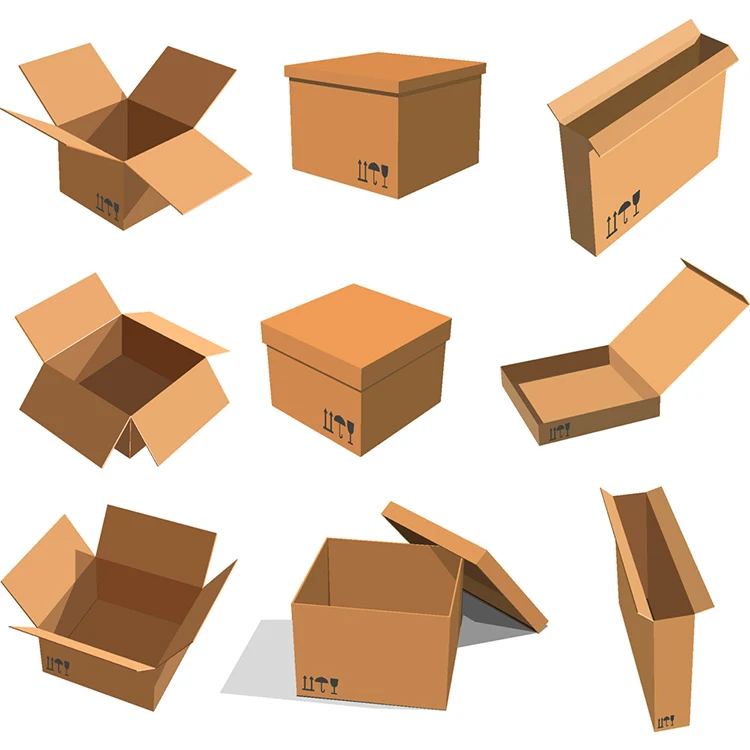
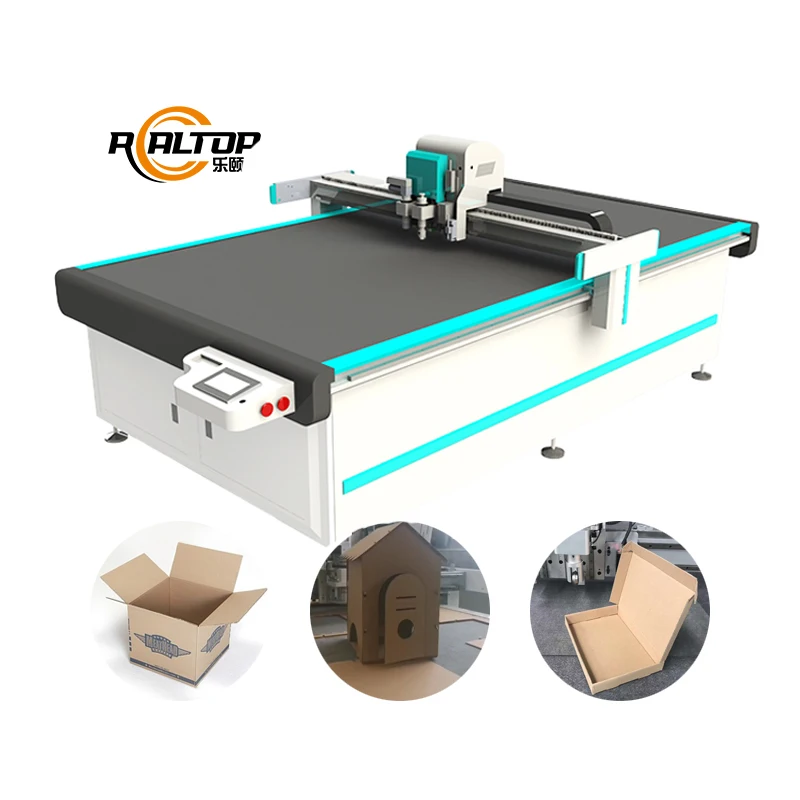
| Large-format carton sample making | Corrugated board, grey board, E-flute up to working area limits |
| Express and logistics box prototyping | Kraft liner board, single-face corrugated |
| High-end gift and retail packaging | Coated art board, specialty paper, laminated stock |
| Gasket and soft-material cutting | PVC, rubber, sponge composite leather, silicone |
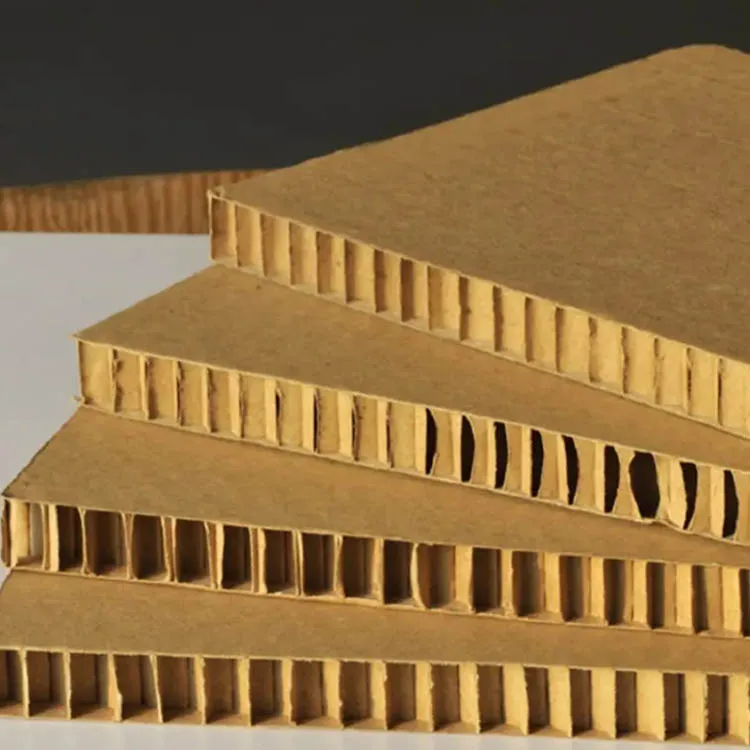
| Signage and display board production | Foam board, honeycomb paper board, light card stock |
| Sticker and label sheet processing | Self-adhesive vinyl, label paper, magnetic sheet |
Why a 1600 × 2500 mm Bed Does Not Guarantee Clean E-Flute Cuts
The cutting depth a CNC digital carton cutting machine achieves depends on the knife oscillation force and vacuum zoning, not just the table area printed on the spec sheet.
I once watched a workshop in Jinan load E-flute corrugated onto a flatbed that claimed generous dimensions. The problem was not the footprint — it was that the vacuum zones were too large and the oscillation stroke too short. Small carton panels lifted at the edges mid-cut, leaving ragged crease lines that failed the fold test. Buyers sourcing a CNC digital carton cutting machine manufacturer should ask for zone-level vacuum maps and oscillation stroke data, then match those figures to their thickest and smallest stock [NEED_CITE: vacuum hold-down requirements for small-format corrugated cutting].
Knife, Laser or Both — Picking the Right Method Before the Machine
The RT-D2516/RT-S2516 sits inside the oscillating knife family of the Realtop catalogue, purpose-built for cardboard, corrugated, and flexible packaging stock where a clean fold line matters as much as the cut itself. Buyers evaluating the full equipment range should start with the material: if the job involves sealed-edge acrylic or engraved wood, that belongs in the laser range, not here. Keeping the method matched to the material avoids the common trap of forcing one technology across every job in the shop.
Nesting Yield and the Software Question Nobody Asks Early Enough
Carton sample work generates dozens of small blank shapes per sheet, and the gap between a 65 percent and an 85 percent material yield is almost entirely decided by nesting software logic. The included professional carton nesting software handles multi-format file import and supports custom language interfaces including English, Russian, Italian, and Chinese. Buyers should send their own DXF or PLT files during the inquiry stage and run a nesting simulation before committing — file format incompatibility discovered after delivery is a downtime event, not a settings tweak [NEED_CITE: DXF and PLT file format compatibility in industrial nesting software].
Reading the Numbers That Actually Matter on the Shop Floor
The Swiss imported oscillating knife head delivers full cut, half cut, and cursor positioning from a single tool station, which matters when a carton design requires a scored crease line beside a through-cut window in the same pass. Switching tools mid-job costs seconds per sheet, and those seconds compound across a full production run. The Taiwan Delta servo motors paired with Hiwin linear guides hold repeated accuracy to within 0.1 mm — tight enough that registration marks on pre-printed board align without manual nudging. Cutting speed ranges from 200 to 800 mm/s depending on material density, and the aluminum alloy honeycomb vacuum table distributes suction across zones so that small sticker sheets stay flat without a full-sheet mask.
What Happens When the Wrong Tool Head Meets the Wrong Board
Selecting a drag knife instead of an oscillating knife for double-wall corrugated does not produce a slightly worse cut — it crushes the flute structure, leaving a crease that will not fold to ninety degrees without cracking the liner. I have seen cartons fail drop tests because the fold line was compressed rather than scored. With the RT-D2516/RT-S2516, the vibration half-cut function addresses this by oscillating through only part of the board thickness, preserving flute integrity on the bottom face. Buyers running mixed flute profiles should request a tool head and stroke configuration sheet before the order goes to production [NEED_CITE: flute crush versus scored crease in corrugated packaging testing].
Why Buyers Source This Range from the Factory That Builds It
Realtop designs and produces both knife and laser systems in-house, so the RT-D2516/RT-S2516 is not a re-badged frame with a bolted-on head — the table structure and motion components are specified together as one assembly. The CNC digital carton cutting machine manufacturer configures vacuum zoning, knife stroke, and conveyor options per material sample rather than from a fixed menu. Software licences and file format compatibility notes are confirmed in writing before production begins, and voltage and frequency are documented against the destination country’s grid standard. Factory test records on the buyer’s own stock are available for review before the crate is sealed.
Documentation & Verification
- Machine specification sheet with tool head stroke and vacuum zone map per material
- Electrical schematic with voltage and frequency confirmed for destination grid
- Sample cutting report on buyer-supplied corrugated or card stock before order
- Software licence key and file format compatibility note issued pre-shipment
- Factory test record with dimensional accuracy data on buyer’s reference design
- Operation and maintenance manual with language-specific control interface guide
Installation, Commissioning & Support
- Fully assembled RT-D2516/RT-S2516 arrives ready to level on a flat concrete floor, no foundation bolts required for standard duty
- Dedicated 380V ±10% circuit with appropriate breaker rating for the combined 9 kW machine and 7.5 kW vacuum pump load
- On-site commissioning includes vacuum zone calibration against buyer’s smallest and thickest stock
- Operator training covers nesting software file import, tool head changeover, and half-cut depth adjustment
- Spare parts list provided at shipment covering oscillating knife blades, vacuum seals, and belt segments
- One-year warranty covers parts free of charge with buyer-funded shipping; on-site engineer visits available
What We Need Before Quoting
Send a sample of the thickest corrugated or board stock you plan to run, along with a typical carton design file in DXF or PLT format. Specify the daily sheet volume and the local voltage and frequency standard so the electrical cabinet can be built to match. If you run pre-printed board, confirm whether contour recognition is required so the correct sensor package can be included.
Frequently Asked Questions
Q: How does the knife-cutting range compare to the laser range in this catalogue?
A: The RT-D2516/RT-S2516 belongs to the oscillating knife family, suited for cardboard, corrugated, and flexible packaging materials where fold-line integrity matters. The laser range handles acrylic, wood, and sheet metal where sealed edges or deep engraving is needed. Buyers evaluate the full range and select the method that matches their primary material, rather than forcing one technology across every job.
Q: What tool head configurations are available across the machine families?
A: The RT-D2516/RT-S2516 ships with the Swiss imported oscillating knife head supporting full cut, half cut, and cursor positioning. Other machines in the range offer drag knife, creasing wheel, milling, and pen tool heads. The correct head is selected based on the buyer’s material type, thickness, and edge quality requirement, confirmed through sample testing before order.
Q: How to match working area and cutting method to material type and thickness?
A: The 1600 × 2500 mm working area handles large carton formats, but cutting thickness capacity up to 100 mm varies with material density. Buyers should submit actual stock samples for test cutting so the oscillation stroke and vacuum zoning can be configured accordingly. Working area alone does not guarantee cutting performance on thick or dense materials.
Q: What software and file format options are included, and can language be customized?
A: The included professional carton nesting software supports multi-format file import and custom language interfaces in English, Russian, Italian, and Chinese. Buyers should send their standard design files during inquiry so format compatibility is verified before the machine ships, avoiding file conversion delays during commissioning.
Q: How does the RT-D2516/RT-S2516 differ from the conveyor-fed models in the range?
A: The RT-D2516/RT-S2516 uses a flatbed vacuum table suited for rigid board and carton sample work where sheets are loaded individually. Conveyor-fed models in the range add a Germany imported belt system for continuous roll or sheet feeding in higher-volume production environments. The choice depends on whether the workflow is sample-driven or volume-driven.
Sample-First Commitment — every RT-D2516/RT-S2516 configuration is verified against the buyer’s actual stock before the order is locked, matching cutting method to material density rather than guessing from a catalogue sheet.
Technical Specifications
| Parameter | Value |
|---|---|
| Model | RT-D2516 / RT-S2516 |
| Product Type | CNC Digital Carton Cutting Machine |
| Working Area | 1600 × 2500 mm |
| Machine Size | 3450 × 2300 × 1250 mm |
| Rated Power | 9 kW |
| Vacuum Pump | 7.5 kW |
| Voltage | 380V ±10% (frequency to be confirmed per market) |
| Control System | CNC, HP-GL compatible format |
| Table Type | Aluminum alloy honeycomb vacuum adsorption flatbed |
| Tool Head | Swiss imported oscillating knife (vibration full cut, half cut, cursor location) |
| Translational Velocity | 800 – 1200 mm/s |
| Cutting Speed | 200 – 800 mm/s (basis to be confirmed — varies with material type and density) |
| Cutting Thickness | ≤ 100 mm (basis to be confirmed — depends on material composition) |
| Repeated Accuracy | ≤ 0.1 mm |
| Transmission System | Taiwan Delta digital servo motor, Taiwan Hiwin linear guide, synchronous belt, ball screw, rack transmission |
| Conveyor Belt | Germany imported |
| Safety Device | Infrared sensors, emergency stop |
| Software | Professional carton nesting software, multi-format import, custom language support |
| Assembly State | Fully assembled |
| Warranty | 1 year (parts free, buyer pays shipping) |
| Certification | CE (verify per unit) |
Application Suitability
| Application | Material or Output |
|---|---|
| Large-format carton sample making | Corrugated board, grey board, E-flute up to working area limits |
| Express and logistics box prototyping | Kraft liner board, single-face corrugated |
| High-end gift and retail packaging | Coated art board, specialty paper, laminated stock |
| Gasket and soft-material cutting | PVC, rubber, sponge composite leather, silicone |
| Signage and display board production | Foam board, honeycomb paper board, light card stock |
| Sticker and label sheet processing | Self-adhesive vinyl, label paper, magnetic sheet |
Why a 1600 × 2500 mm Bed Does Not Guarantee Clean E-Flute Cuts
The cutting depth a CNC digital carton cutting machine achieves depends on the knife oscillation force and vacuum zoning, not just the table area printed on the spec sheet.
I once watched a workshop in Jinan load E-flute corrugated onto a flatbed that claimed generous dimensions. The problem was not the footprint — it was that the vacuum zones were too large and the oscillation stroke too short. Small carton panels lifted at the edges mid-cut, leaving ragged crease lines that failed the fold test. Buyers sourcing a CNC digital carton cutting machine manufacturer should ask for zone-level vacuum maps and oscillation stroke data, then match those figures to their thickest and smallest stock [NEED_CITE: vacuum hold-down requirements for small-format corrugated cutting].
Knife, Laser or Both — Picking the Right Method Before the Machine
The RT-D2516/RT-S2516 sits inside the oscillating knife family of the Realtop catalogue, purpose-built for cardboard, corrugated, and flexible packaging stock where a clean fold line matters as much as the cut itself. Buyers evaluating the full equipment range should start with the material: if the job involves sealed-edge acrylic or engraved wood, that belongs in the laser range, not here. Keeping the method matched to the material avoids the common trap of forcing one technology across every job in the shop.
Nesting Yield and the Software Question Nobody Asks Early Enough
Carton sample work generates dozens of small blank shapes per sheet, and the gap between a 65 percent and an 85 percent material yield is almost entirely decided by nesting software logic. The included professional carton nesting software handles multi-format file import and supports custom language interfaces including English, Russian, Italian, and Chinese. Buyers should send their own DXF or PLT files during the inquiry stage and run a nesting simulation before committing — file format incompatibility discovered after delivery is a downtime event, not a settings tweak [NEED_CITE: DXF and PLT file format compatibility in industrial nesting software].
Reading the Numbers That Actually Matter on the Shop Floor
The Swiss imported oscillating knife head delivers full cut, half cut, and cursor positioning from a single tool station, which matters when a carton design requires a scored crease line beside a through-cut window in the same pass. Switching tools mid-job costs seconds per sheet, and those seconds compound across a full production run. The Taiwan Delta servo motors paired with Hiwin linear guides hold repeated accuracy to within 0.1 mm — tight enough that registration marks on pre-printed board align without manual nudging. Cutting speed ranges from 200 to 800 mm/s depending on material density, and the aluminum alloy honeycomb vacuum table distributes suction across zones so that small sticker sheets stay flat without a full-sheet mask.
What Happens When the Wrong Tool Head Meets the Wrong Board
Selecting a drag knife instead of an oscillating knife for double-wall corrugated does not produce a slightly worse cut — it crushes the flute structure, leaving a crease that will not fold to ninety degrees without cracking the liner. I have seen cartons fail drop tests because the fold line was compressed rather than scored. With the RT-D2516/RT-S2516, the vibration half-cut function addresses this by oscillating through only part of the board thickness, preserving flute integrity on the bottom face. Buyers running mixed flute profiles should request a tool head and stroke configuration sheet before the order goes to production [NEED_CITE: flute crush versus scored crease in corrugated packaging testing].
Why Buyers Source This Range from the Factory That Builds It
Realtop designs and produces both knife and laser systems in-house, so the RT-D2516/RT-S2516 is not a re-badged frame with a bolted-on head — the table structure and motion components are specified together as one assembly. The CNC digital carton cutting machine manufacturer configures vacuum zoning, knife stroke, and conveyor options per material sample rather than from a fixed menu. Software licences and file format compatibility notes are confirmed in writing before production begins, and voltage and frequency are documented against the destination country’s grid standard. Factory test records on the buyer’s own stock are available for review before the crate is sealed.
Documentation & Verification
- Machine specification sheet with tool head stroke and vacuum zone map per material
- Electrical schematic with voltage and frequency confirmed for destination grid
- Sample cutting report on buyer-supplied corrugated or card stock before order
- Software licence key and file format compatibility note issued pre-shipment
- Factory test record with dimensional accuracy data on buyer’s reference design
- Operation and maintenance manual with language-specific control interface guide
Installation, Commissioning & Support
- Fully assembled RT-D2516/RT-S2516 arrives ready to level on a flat concrete floor, no foundation bolts required for standard duty
- Dedicated 380V ±10% circuit with appropriate breaker rating for the combined 9 kW machine and 7.5 kW vacuum pump load
- On-site commissioning includes vacuum zone calibration against buyer’s smallest and thickest stock
- Operator training covers nesting software file import, tool head changeover, and half-cut depth adjustment
- Spare parts list provided at shipment covering oscillating knife blades, vacuum seals, and belt segments
- One-year warranty covers parts free of charge with buyer-funded shipping; on-site engineer visits available
What We Need Before Quoting
Send a sample of the thickest corrugated or board stock you plan to run, along with a typical carton design file in DXF or PLT format. Specify the daily sheet volume and the local voltage and frequency standard so the electrical cabinet can be built to match. If you run pre-printed board, confirm whether contour recognition is required so the correct sensor package can be included.
Frequently Asked Questions
Q: How does the knife-cutting range compare to the laser range in this catalogue?
A: The RT-D2516/RT-S2516 belongs to the oscillating knife family, suited for cardboard, corrugated, and flexible packaging materials where fold-line integrity matters. The laser range handles acrylic, wood, and sheet metal where sealed edges or deep engraving is needed. Buyers evaluate the full range and select the method that matches their primary material, rather than forcing one technology across every job.
Q: What tool head configurations are available across the machine families?
A: The RT-D2516/RT-S2516 ships with the Swiss imported oscillating knife head supporting full cut, half cut, and cursor positioning. Other machines in the range offer drag knife, creasing wheel, milling, and pen tool heads. The correct head is selected based on the buyer’s material type, thickness, and edge quality requirement, confirmed through sample testing before order.
Q: How to match working area and cutting method to material type and thickness?
A: The 1600 × 2500 mm working area handles large carton formats, but cutting thickness capacity up to 100 mm varies with material density. Buyers should submit actual stock samples for test cutting so the oscillation stroke and vacuum zoning can be configured accordingly. Working area alone does not guarantee cutting performance on thick or dense materials.
Q: What software and file format options are included, and can language be customized?
A: The included professional carton nesting software supports multi-format file import and custom language interfaces in English, Russian, Italian, and Chinese. Buyers should send their standard design files during inquiry so format compatibility is verified before the machine ships, avoiding file conversion delays during commissioning.
Q: How does the RT-D2516/RT-S2516 differ from the conveyor-fed models in the range?
A: The RT-D2516/RT-S2516 uses a flatbed vacuum table suited for rigid board and carton sample work where sheets are loaded individually. Conveyor-fed models in the range add a Germany imported belt system for continuous roll or sheet feeding in higher-volume production environments. The choice depends on whether the workflow is sample-driven or volume-driven.
商品评价
There are no reviews yet.