

Fast Delivery
Quick, reliable shipping to any location.

Free & easy returns
Return this item by mail or in store within 90 days for a full refund.
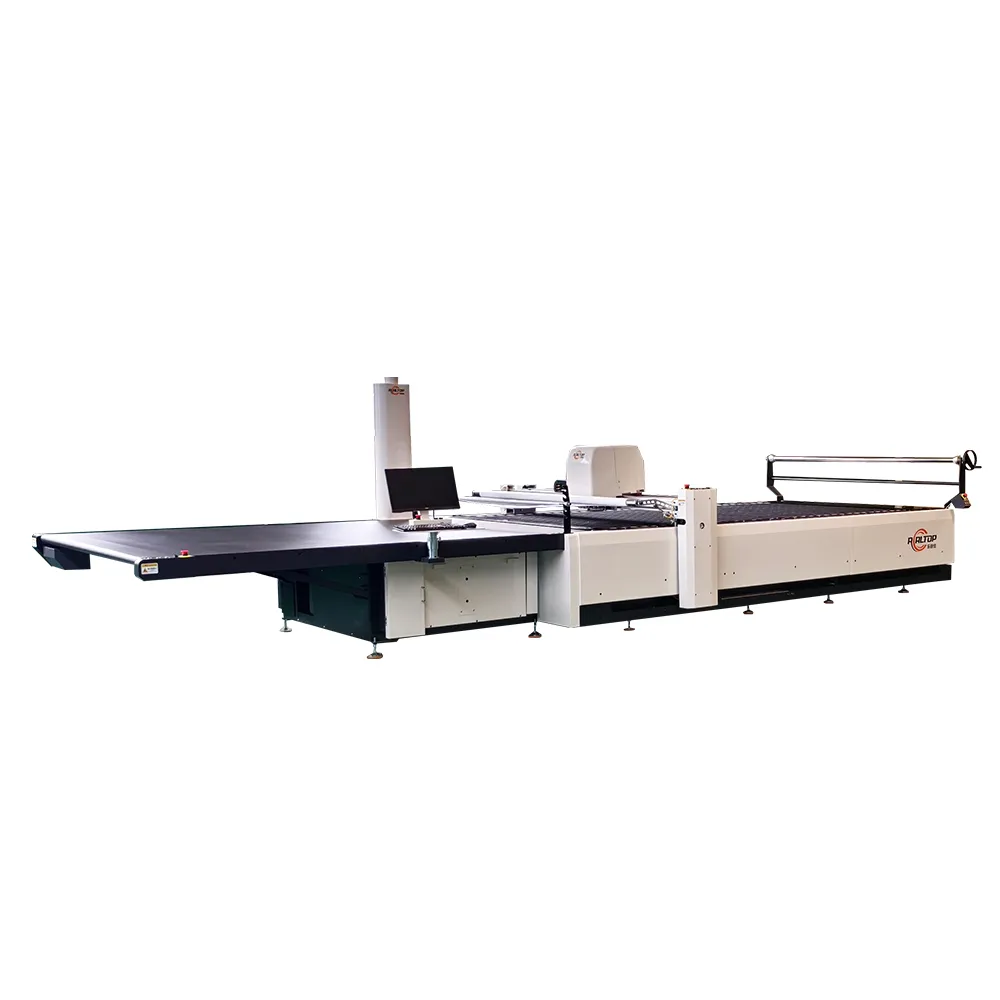
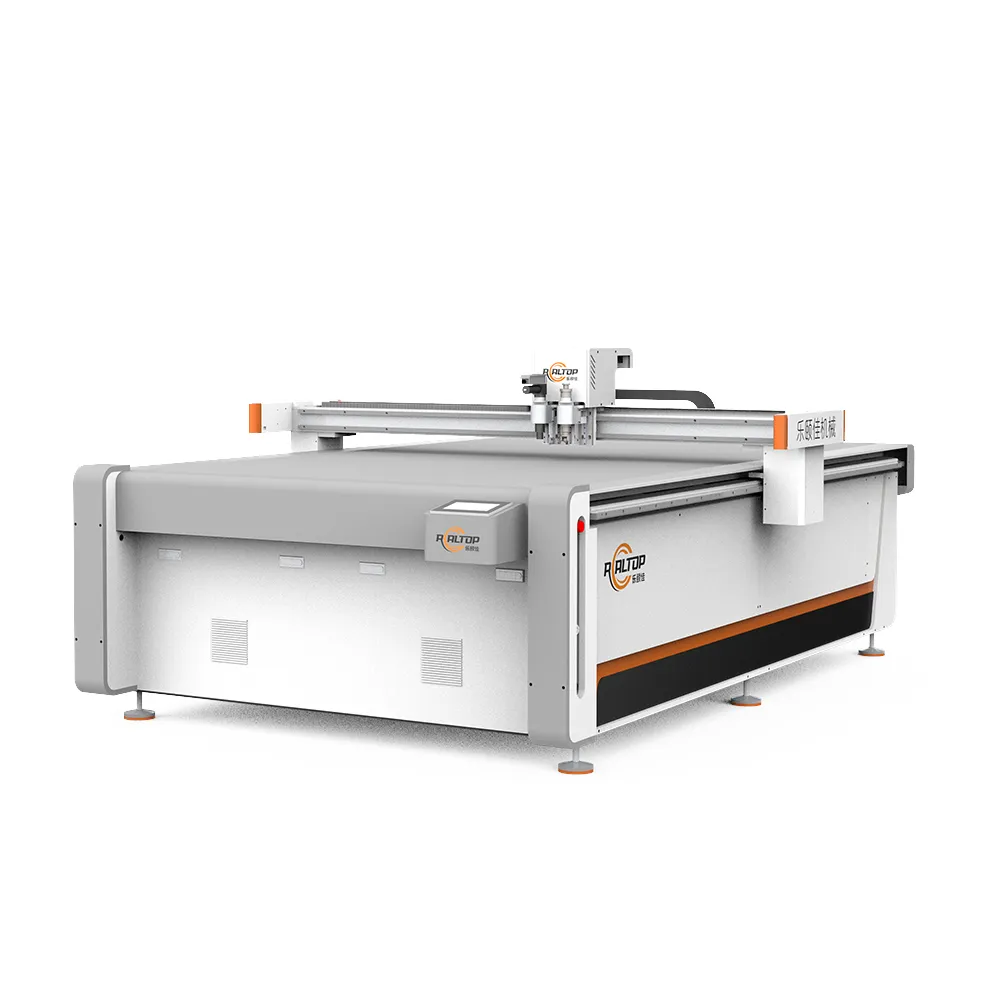
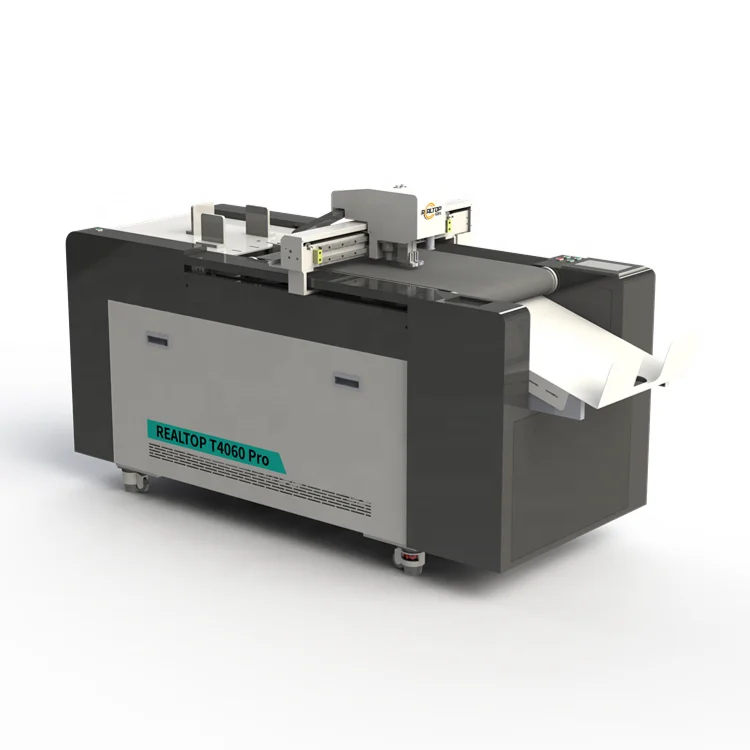
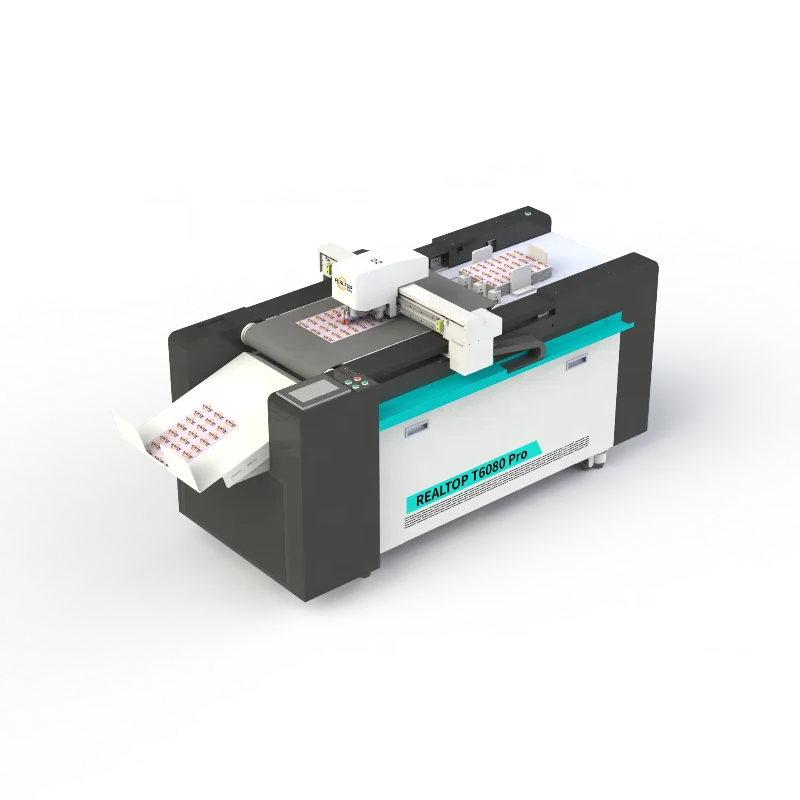
Full Range Coverage — We configure knife, laser and table size to match your actual material stack and daily volume, not just a working area on paper.
Technical Specifications
| Parameter | Value |
|---|---|
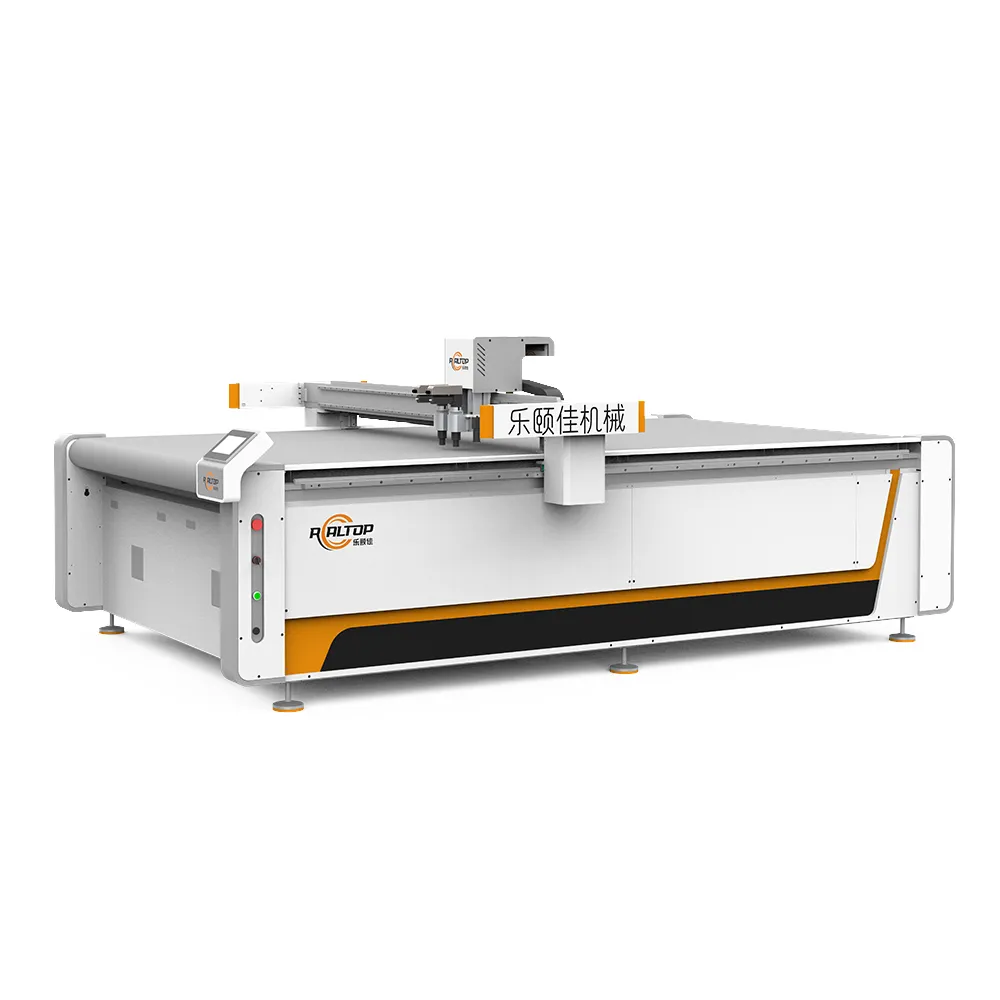
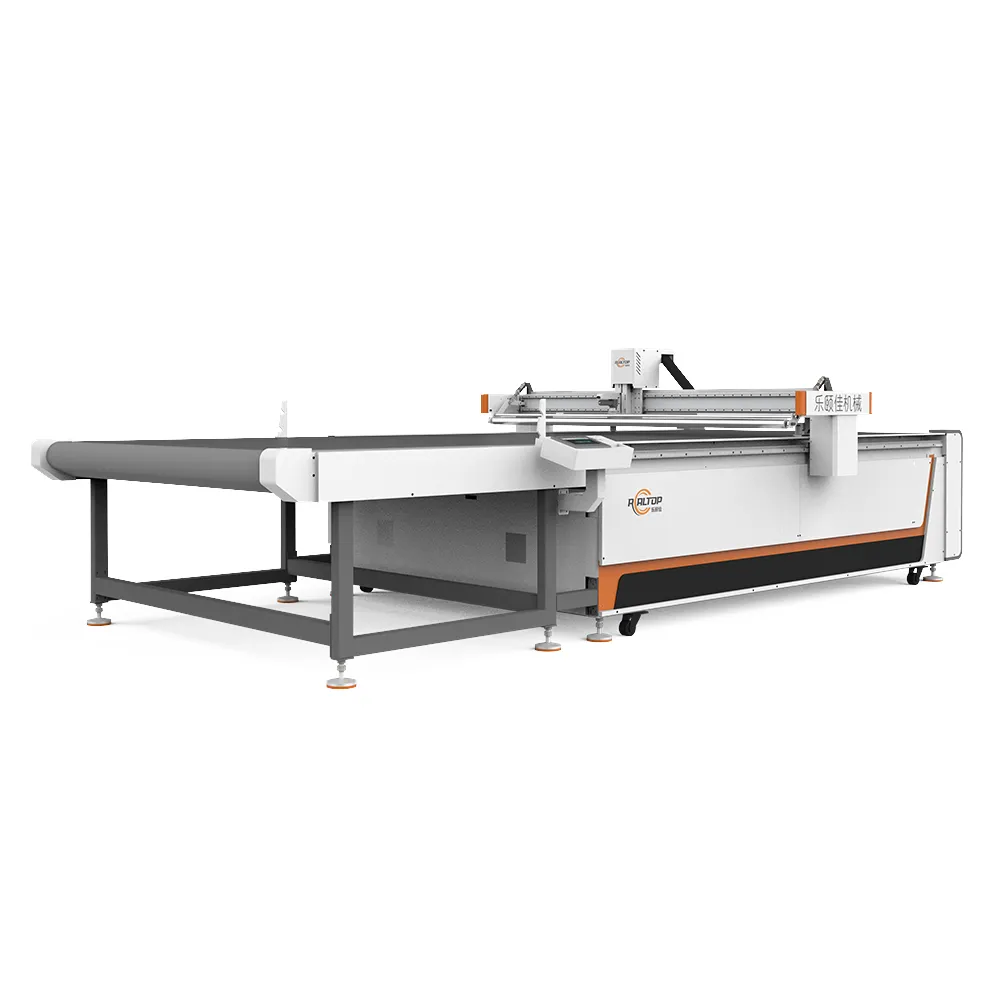
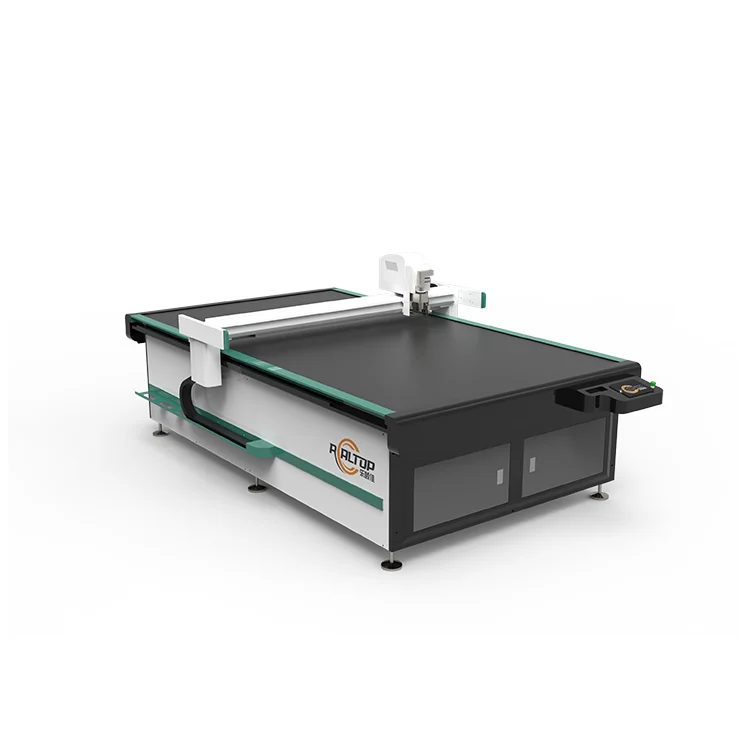
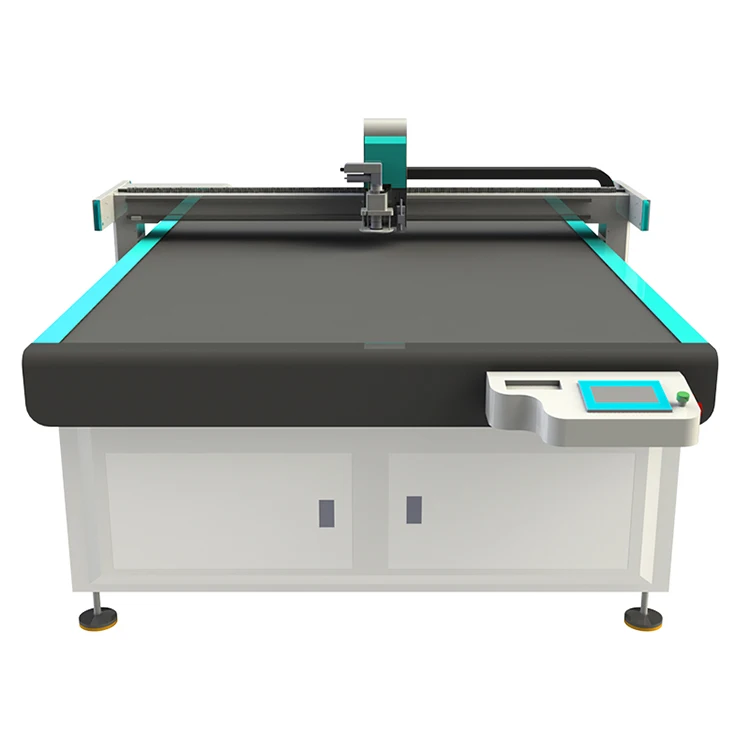
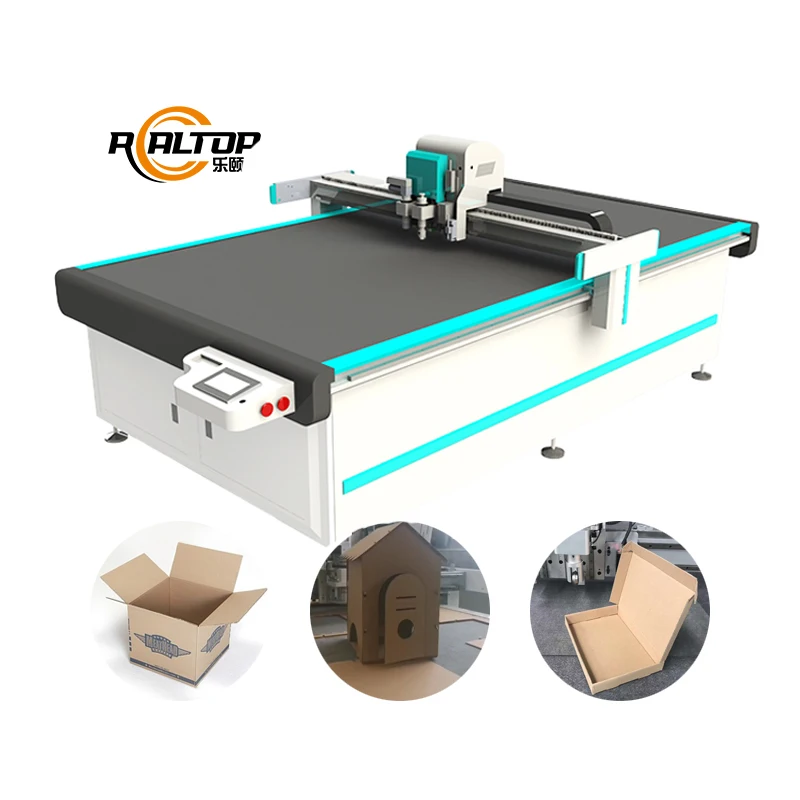
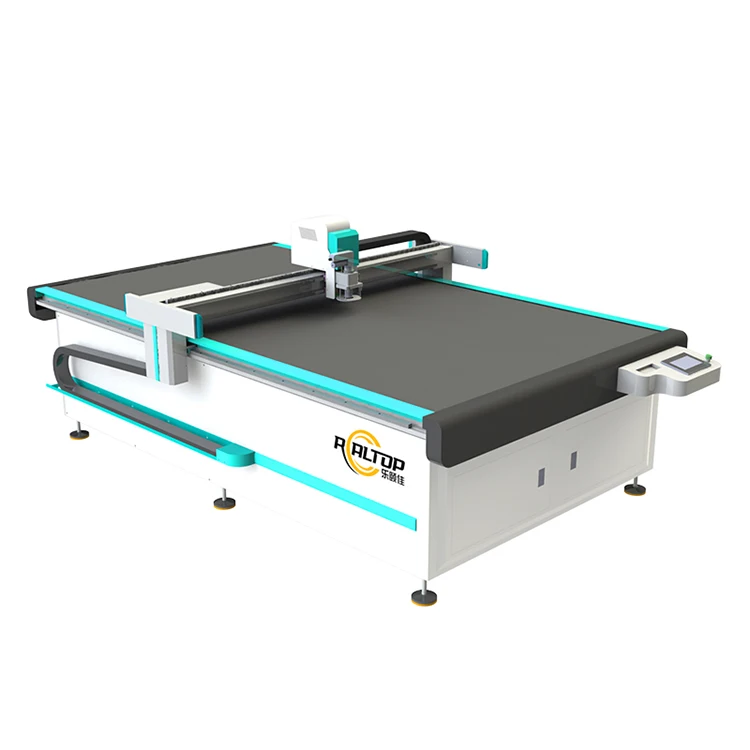
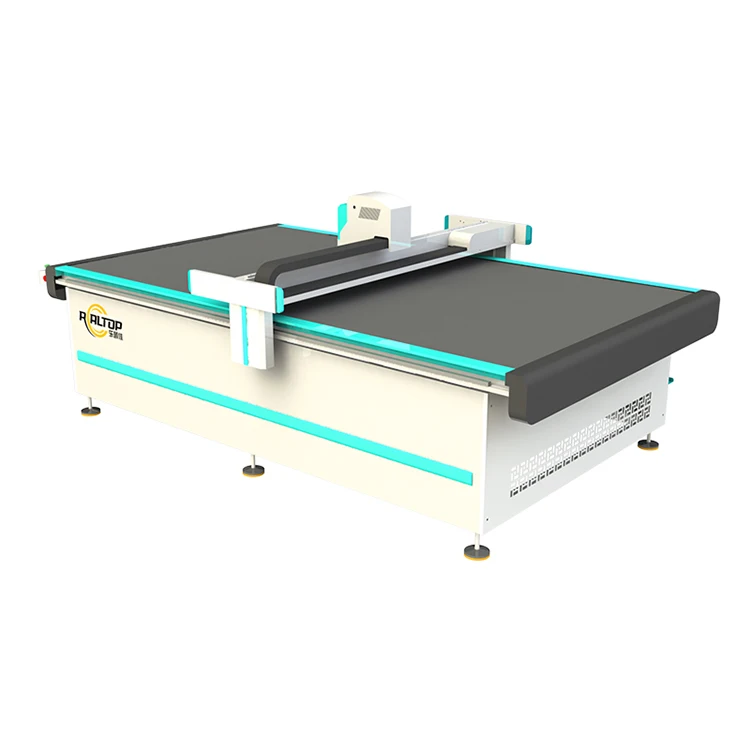
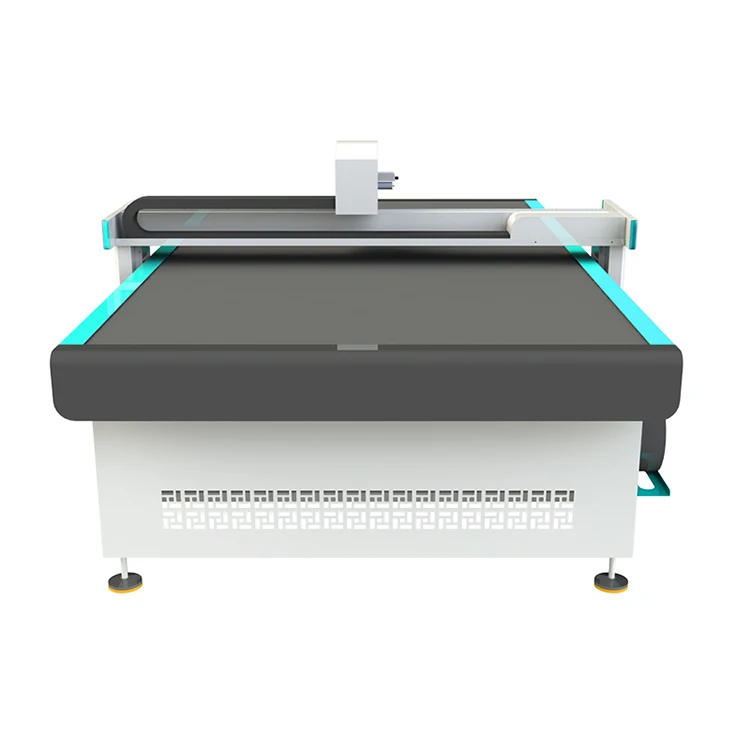
| Product Type | CNC Oscillating Knife Cutting Machine |
| Working Area Options | 2500×1600mm / 2500×2200mm / 3000×2200mm |
| Maximum Speed | 2000mm/s (basis not stated in source — confirm material type / thickness) |
| Reset Accuracy | ±0.1mm |
| Cutting Thickness | ≤40mm (basis not stated in source — confirm material type / density) |
| Table Type | Automatic feeding conveyor |
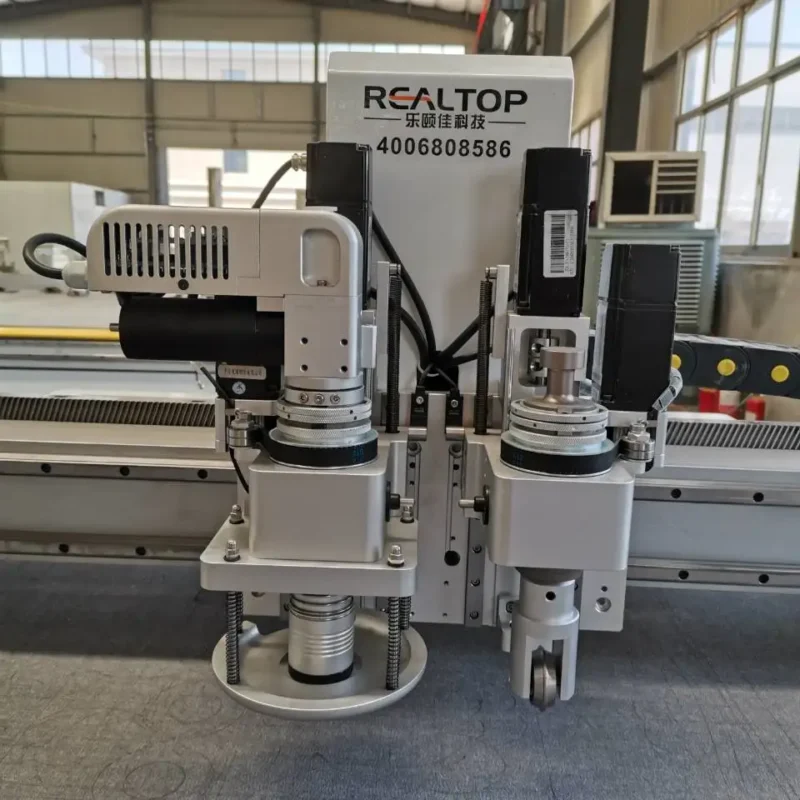
| Tool Head Options | Conventional vibrating knife, Servo vibrating knife, Pneumatic knife, Circular knife |
| Data Formats | dxf, plt, ai, pdf |
| Visual Positioning | Panoramic visual positioning for edge cutting and template matching |
| Conveyor Belt | Industrial belt with glass fiber tension cord (low noise, high temperature and corrosion resistant) |
| Safety Devices | Infrared blocking stop and anti-collision protection |
| Voltage | 380V / 220V |
| Control System | REALTOP customized high-speed control system |
| Wiring | Oxygen-free copper shielded wire |
| Bed Treatment | Quenched to eliminate internal stress |
Application Suitability
| Application | Material or Output |
|---|---|
| Automotive interior panels | Leather, PU, fabric, foam composites in multi-layer layups |
| Car seat cover cutting | Single and multi-layer textile with printed contour recognition |
| Door trim and headliner processing | Non-woven, felt and composite panels up to specified thickness |
| Dashboard soft-touch skins | Synthetic leather and laminated fabric rolls |
| Advertising and signage | Vinyl, banner material and printed graphics with edge tracking |
| Garment and footwear | Multi-layer fabric cutting with nesting optimization |
What a Spec Sheet Leaves Out About Flexible Material Cutting
The material stack you actually run is the only spec that matters.
I have watched automotive interior plants invest in a flatbed cutter that sliced cleanly through single-layer PU leather during the demo, then struggled on three-layer leather-foam-fabric composites once it hit the shop floor. Edges frayed, throughput dropped well below expectations, and batches were scrapped before anyone traced the problem back to a tool head that was never matched to the real layup. A CNC Oscillating Knife Cutting Machine manufacturer worth speaking to will cut your material before asking for a deposit [NEED_CITE: industrial cutting tool selection by material type and layup thickness].
Matching the Knife to the Composite, Not the Brochure
Automotive interiors rarely involve a single clean material. Seat covers combine leather or synthetic hide with foam backing and woven scrim layers. Door inserts mix non-woven felt with adhesive films. Each combination demands a different cutting action — an oscillating knife for dense leather, a pneumatic knife for thick foam stacks, a circular knife for continuous roll-fed textile. The REALTOP range offers all four tool head types, so the CNC Oscillating Knife Cutting Machine is built around the job rather than the other way around.
Why Panoramic Visual Positioning Changes Contour Work
Printed graphics on automotive floor mats and decorative inserts must be cut precisely along printed borders. The panoramic visual positioning system captures the full sheet in one pass, identifies printed marks and adjusts the cutting path accordingly. This removes the manual alignment step that slows down production and introduces drift over long runs. When the camera and software are confirmed against your actual print file format — dxf, plt, ai or pdf — before the order is placed, the system arrives ready for your workflow.
Reading the Specs That Matter on the Floor
Cutting thickness of up to 40mm sounds generous, but the real question is whether that applies to dense automotive leather or low-density acoustic foam — the answer changes tool selection entirely [NEED_CITE: cutting depth ratings by material density class]. Reset accuracy at ±0.1mm means the carriage returns to the same point reliably across thousands of cycles, which matters when you are nesting dozens of seat cover panels on one sheet and a drift of even half a millimeter accumulates into wasted material. The quenched bed treatment eliminates internal stress in the steel frame, so the flatness you measure on day one is the flatness you get in year three. Conveyor belt specification with glass fiber tension cord is not a luxury detail — it prevents belt stretch under continuous roll-fed loading, keeping feed accuracy consistent.
The Hidden Cost of Specifying by Working Area Alone
Buyers who choose a cutter based on table size often discover too late that the vacuum zoning cannot hold small automotive trim pieces flat during cutting. Parts lift, the knife drags, edges show chatter marks, and operators spend time re-fixturing instead of running production. The same applies to voltage — a machine wired for 380V three-phase arriving at a North American plant running 220V single-phase becomes a large, expensive paperweight until a transformer is sourced and installed [NEED_CITE: voltage and frequency standards by export market]. These are not exotic failure modes; they show up in nearly every cross-border equipment purchase where the specification conversation stopped at working area.
Why Buyers Source This Range From Jinan
In-house design covers both knife and laser cutting technologies, so you can match the method to the material rather than forcing one approach across every application. Tool head and table configuration is specified per material and production volume before the order is finalized, not assumed from a catalogue default. The panoramic visual positioning system is tested with your printed files before the machine ships. Voltage, plug type and control language are confirmed in writing so the machine matches your facility on arrival. Every machine undergoes a factory test cutting your actual material, and you receive the sample cutting report before committing to shipment.
Documentation & Verification
- Machine specification sheet with confirmed tool head and conveyor configuration for your material
- Electrical schematic showing voltage, phase and circuit protection matched to your facility
- Sample cutting report on your automotive interior material at production speed before dispatch
- Software licence with confirmed file format compatibility across dxf, plt, ai and pdf
- Factory test record documenting accuracy and edge quality on your specified layup
- Spare parts list with tool wear intervals specific to your chosen knife type
Installation, Commissioning & Support
- Floor space planning for the selected working area (2516, 2522 or 3022) plus roll-feed clearance
- Dedicated electrical circuit sized to the confirmed 380V or 220V requirement
- Machine arrives on a single crate with bed, gantry and conveyor pre-assembled for faster rigging
- First-run calibration of visual positioning using your printed contour files
- Operator training on tool head changeover between oscillating, pneumatic and circular knives
- Scheduled maintenance intervals for conveyor belt tension and knife wear parts
What to Prepare Before Requesting a Quote
Send us the specific materials you cut — leather type, foam density, fabric weight, number of layers in your typical layup — along with your largest sheet dimension and target daily output. Let us know your facility voltage, phase and frequency, plus the control language your operators need. If you run printed contour work, share a sample print file so we can confirm the panoramic positioning system tracks your marks at speed. We will cut your material in our Jinan factory and send you the sample report before any commercial commitment.
Frequently Asked Questions
Q: Which knife type should I specify for multi-layer automotive leather and foam composites?
A: Servo vibrating knives handle dense leather with clean edges, while pneumatic knives manage thick foam stacks without crushing the cell structure. For continuous textile rolls, a circular knife maintains speed. We test all relevant heads on your actual layup before recommending a configuration, so the choice is based on cut quality evidence rather than catalogue defaults.
Q: What working area fits automotive seat cover production?
A: The 2500×1600mm table suits most single-hide automotive leather cutting, while 2500×2200mm accommodates wider roll-fed textile for headliners and door inserts. The 3022 format handles larger nesting layouts for higher daily volume. The right size depends on your sheet format and how many parts you nest per cycle.
Q: Can the panoramic visual positioning track my printed marks at full production speed?
A: The system captures the entire working area and aligns cutting paths to printed borders automatically. We verify tracking accuracy using your actual print files — in dxf, plt, ai or pdf format — during the factory test, so you know the system handles your mark size and contrast before the machine ships.
Q: Is voltage and control language customization included before shipment?
A: Yes. We confirm your facility voltage (380V or 220V), phase, plug type and the control interface language in writing before production begins. This prevents the common situation where a machine arrives configured for a different electrical standard, requiring costly on-site modification.
Q: What test records come with the machine?
A: You receive a factory test record showing cutting accuracy and edge quality on your specific material, a sample cutting report from the pre-shipment trial, and the electrical schematic confirming voltage and circuit configuration. These documents let you verify performance before the machine leaves our factory.
Full Range Coverage — We configure knife, laser and table size to match your actual material stack and daily volume, not just a working area on paper.
Technical Specifications
| Parameter | Value |
|---|---|
| Product Type | CNC Oscillating Knife Cutting Machine |
| Working Area Options | 2500×1600mm / 2500×2200mm / 3000×2200mm |
| Maximum Speed | 2000mm/s (basis not stated in source — confirm material type / thickness) |
| Reset Accuracy | ±0.1mm |
| Cutting Thickness | ≤40mm (basis not stated in source — confirm material type / density) |
| Table Type | Automatic feeding conveyor |
| Tool Head Options | Conventional vibrating knife, Servo vibrating knife, Pneumatic knife, Circular knife |
| Data Formats | dxf, plt, ai, pdf |
| Visual Positioning | Panoramic visual positioning for edge cutting and template matching |
| Conveyor Belt | Industrial belt with glass fiber tension cord (low noise, high temperature and corrosion resistant) |
| Safety Devices | Infrared blocking stop and anti-collision protection |
| Voltage | 380V / 220V |
| Control System | REALTOP customized high-speed control system |
| Wiring | Oxygen-free copper shielded wire |
| Bed Treatment | Quenched to eliminate internal stress |
Application Suitability
| Application | Material or Output |
|---|---|
| Automotive interior panels | Leather, PU, fabric, foam composites in multi-layer layups |
| Car seat cover cutting | Single and multi-layer textile with printed contour recognition |
| Door trim and headliner processing | Non-woven, felt and composite panels up to specified thickness |
| Dashboard soft-touch skins | Synthetic leather and laminated fabric rolls |
| Advertising and signage | Vinyl, banner material and printed graphics with edge tracking |
| Garment and footwear | Multi-layer fabric cutting with nesting optimization |
What a Spec Sheet Leaves Out About Flexible Material Cutting
The material stack you actually run is the only spec that matters.
I have watched automotive interior plants invest in a flatbed cutter that sliced cleanly through single-layer PU leather during the demo, then struggled on three-layer leather-foam-fabric composites once it hit the shop floor. Edges frayed, throughput dropped well below expectations, and batches were scrapped before anyone traced the problem back to a tool head that was never matched to the real layup. A CNC Oscillating Knife Cutting Machine manufacturer worth speaking to will cut your material before asking for a deposit [NEED_CITE: industrial cutting tool selection by material type and layup thickness].
Matching the Knife to the Composite, Not the Brochure
Automotive interiors rarely involve a single clean material. Seat covers combine leather or synthetic hide with foam backing and woven scrim layers. Door inserts mix non-woven felt with adhesive films. Each combination demands a different cutting action — an oscillating knife for dense leather, a pneumatic knife for thick foam stacks, a circular knife for continuous roll-fed textile. The REALTOP range offers all four tool head types, so the CNC Oscillating Knife Cutting Machine is built around the job rather than the other way around.
Why Panoramic Visual Positioning Changes Contour Work
Printed graphics on automotive floor mats and decorative inserts must be cut precisely along printed borders. The panoramic visual positioning system captures the full sheet in one pass, identifies printed marks and adjusts the cutting path accordingly. This removes the manual alignment step that slows down production and introduces drift over long runs. When the camera and software are confirmed against your actual print file format — dxf, plt, ai or pdf — before the order is placed, the system arrives ready for your workflow.
Reading the Specs That Matter on the Floor
Cutting thickness of up to 40mm sounds generous, but the real question is whether that applies to dense automotive leather or low-density acoustic foam — the answer changes tool selection entirely [NEED_CITE: cutting depth ratings by material density class]. Reset accuracy at ±0.1mm means the carriage returns to the same point reliably across thousands of cycles, which matters when you are nesting dozens of seat cover panels on one sheet and a drift of even half a millimeter accumulates into wasted material. The quenched bed treatment eliminates internal stress in the steel frame, so the flatness you measure on day one is the flatness you get in year three. Conveyor belt specification with glass fiber tension cord is not a luxury detail — it prevents belt stretch under continuous roll-fed loading, keeping feed accuracy consistent.
The Hidden Cost of Specifying by Working Area Alone
Buyers who choose a cutter based on table size often discover too late that the vacuum zoning cannot hold small automotive trim pieces flat during cutting. Parts lift, the knife drags, edges show chatter marks, and operators spend time re-fixturing instead of running production. The same applies to voltage — a machine wired for 380V three-phase arriving at a North American plant running 220V single-phase becomes a large, expensive paperweight until a transformer is sourced and installed [NEED_CITE: voltage and frequency standards by export market]. These are not exotic failure modes; they show up in nearly every cross-border equipment purchase where the specification conversation stopped at working area.
Why Buyers Source This Range From Jinan
In-house design covers both knife and laser cutting technologies, so you can match the method to the material rather than forcing one approach across every application. Tool head and table configuration is specified per material and production volume before the order is finalized, not assumed from a catalogue default. The panoramic visual positioning system is tested with your printed files before the machine ships. Voltage, plug type and control language are confirmed in writing so the machine matches your facility on arrival. Every machine undergoes a factory test cutting your actual material, and you receive the sample cutting report before committing to shipment.
Documentation & Verification
- Machine specification sheet with confirmed tool head and conveyor configuration for your material
- Electrical schematic showing voltage, phase and circuit protection matched to your facility
- Sample cutting report on your automotive interior material at production speed before dispatch
- Software licence with confirmed file format compatibility across dxf, plt, ai and pdf
- Factory test record documenting accuracy and edge quality on your specified layup
- Spare parts list with tool wear intervals specific to your chosen knife type
Installation, Commissioning & Support
- Floor space planning for the selected working area (2516, 2522 or 3022) plus roll-feed clearance
- Dedicated electrical circuit sized to the confirmed 380V or 220V requirement
- Machine arrives on a single crate with bed, gantry and conveyor pre-assembled for faster rigging
- First-run calibration of visual positioning using your printed contour files
- Operator training on tool head changeover between oscillating, pneumatic and circular knives
- Scheduled maintenance intervals for conveyor belt tension and knife wear parts
What to Prepare Before Requesting a Quote
Send us the specific materials you cut — leather type, foam density, fabric weight, number of layers in your typical layup — along with your largest sheet dimension and target daily output. Let us know your facility voltage, phase and frequency, plus the control language your operators need. If you run printed contour work, share a sample print file so we can confirm the panoramic positioning system tracks your marks at speed. We will cut your material in our Jinan factory and send you the sample report before any commercial commitment.
Frequently Asked Questions
Q: Which knife type should I specify for multi-layer automotive leather and foam composites?
A: Servo vibrating knives handle dense leather with clean edges, while pneumatic knives manage thick foam stacks without crushing the cell structure. For continuous textile rolls, a circular knife maintains speed. We test all relevant heads on your actual layup before recommending a configuration, so the choice is based on cut quality evidence rather than catalogue defaults.
Q: What working area fits automotive seat cover production?
A: The 2500×1600mm table suits most single-hide automotive leather cutting, while 2500×2200mm accommodates wider roll-fed textile for headliners and door inserts. The 3022 format handles larger nesting layouts for higher daily volume. The right size depends on your sheet format and how many parts you nest per cycle.
Q: Can the panoramic visual positioning track my printed marks at full production speed?
A: The system captures the entire working area and aligns cutting paths to printed borders automatically. We verify tracking accuracy using your actual print files — in dxf, plt, ai or pdf format — during the factory test, so you know the system handles your mark size and contrast before the machine ships.
Q: Is voltage and control language customization included before shipment?
A: Yes. We confirm your facility voltage (380V or 220V), phase, plug type and the control interface language in writing before production begins. This prevents the common situation where a machine arrives configured for a different electrical standard, requiring costly on-site modification.
Q: What test records come with the machine?
A: You receive a factory test record showing cutting accuracy and edge quality on your specific material, a sample cutting report from the pre-shipment trial, and the electrical schematic confirming voltage and circuit configuration. These documents let you verify performance before the machine leaves our factory.
商品评价
There are no reviews yet.