



Fast Delivery
Quick, reliable shipping to any location.

Free & easy returns
Return this item by mail or in store within 90 days for a full refund.
Multi-Method Cutting Portfolio — A buyer evaluating fabric, foam or composite processing can compare knife and laser options on the same platform, matching the cutting method to the material rather than forcing one technology across every production line.
Technical Specifications
| Parameter | Value |
|---|---|
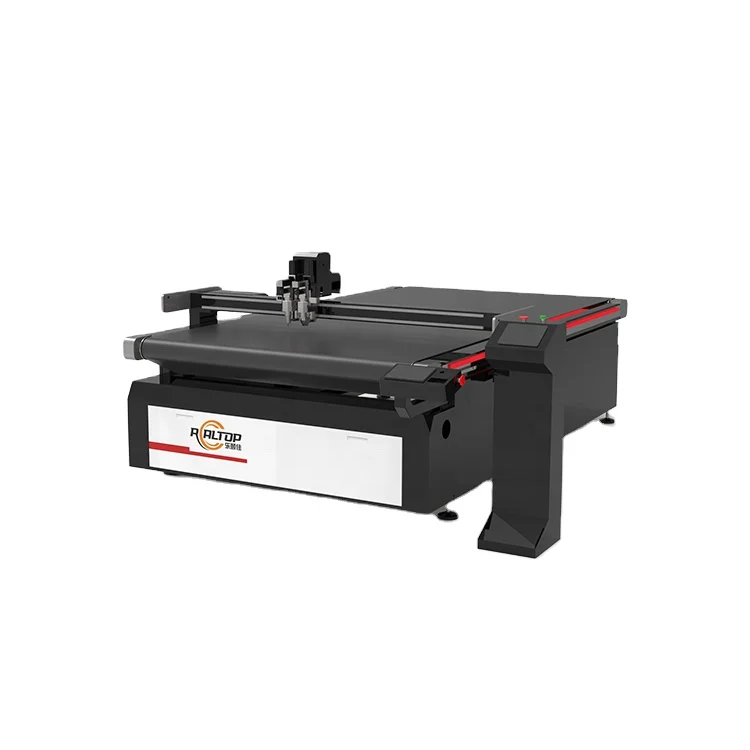
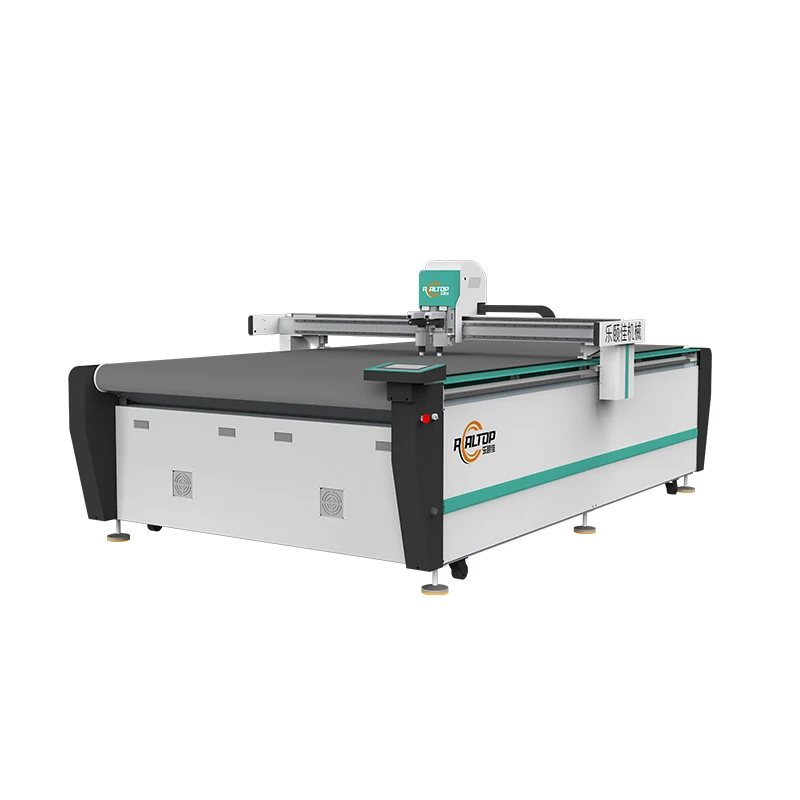
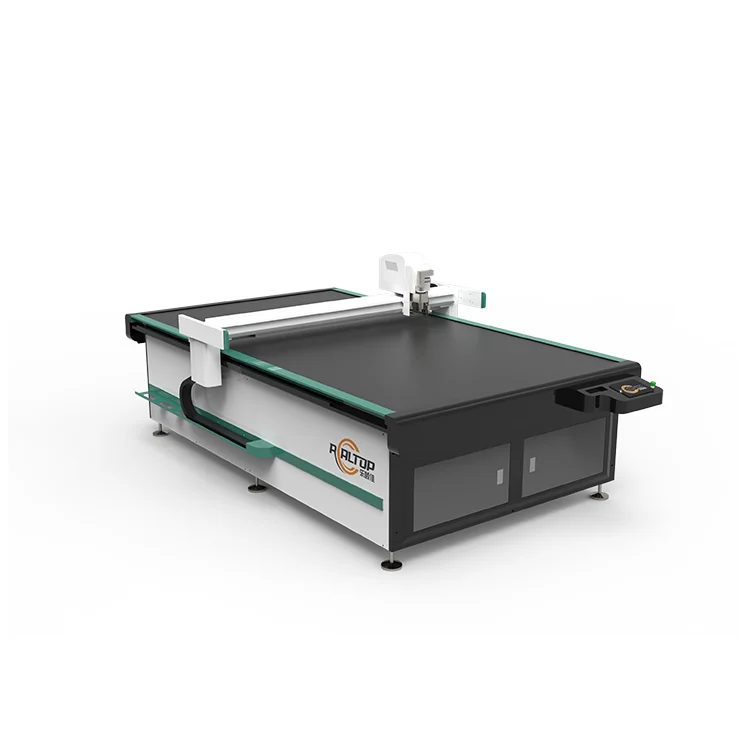
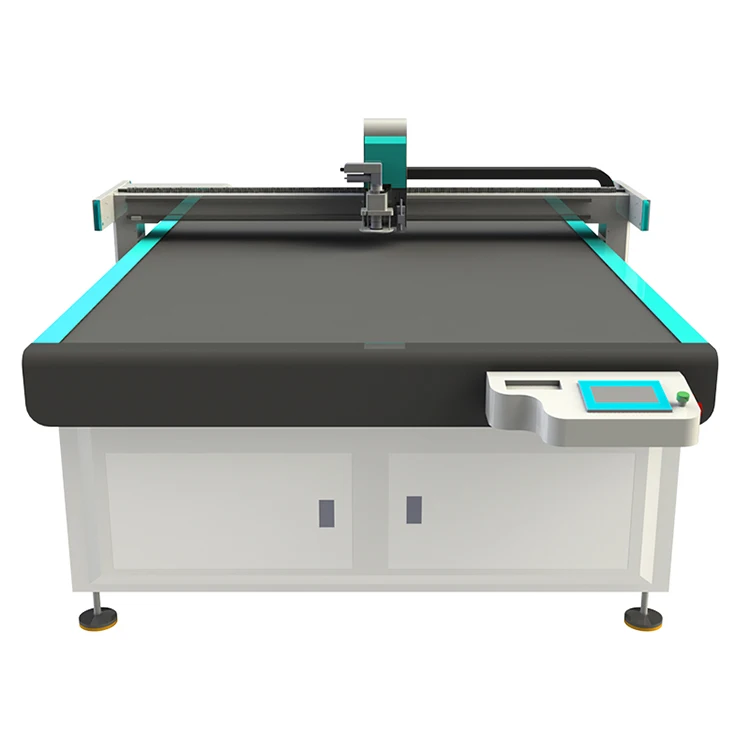
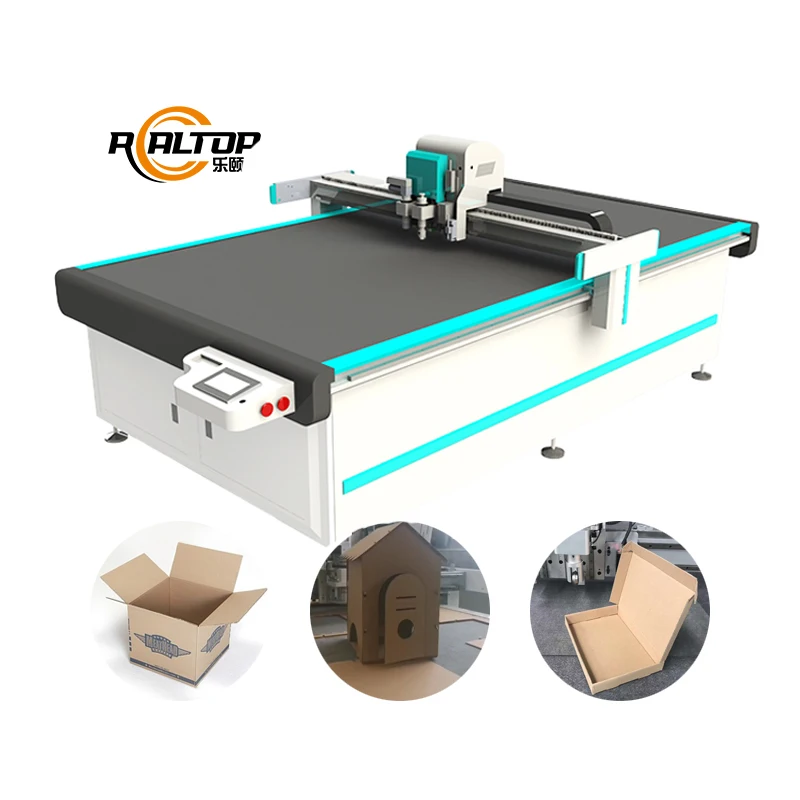
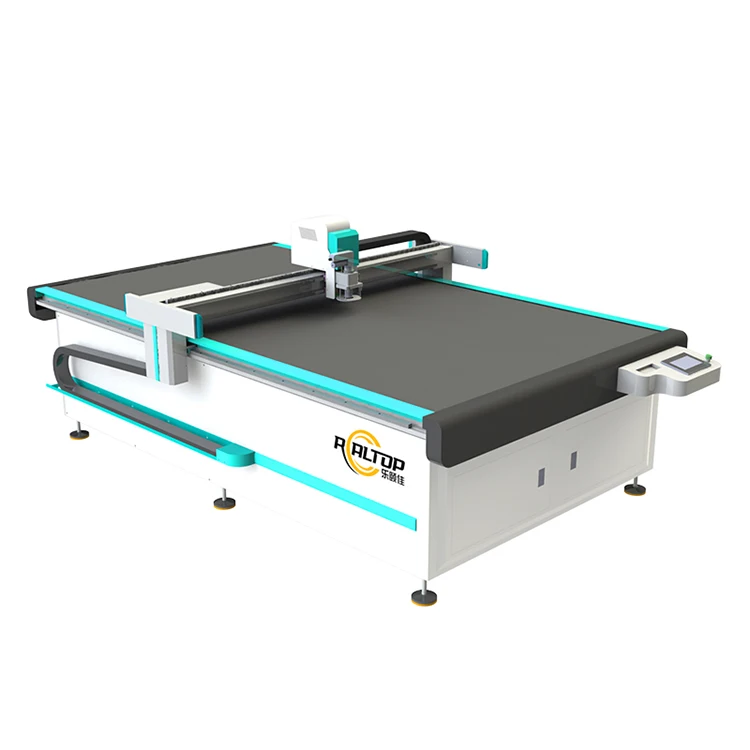
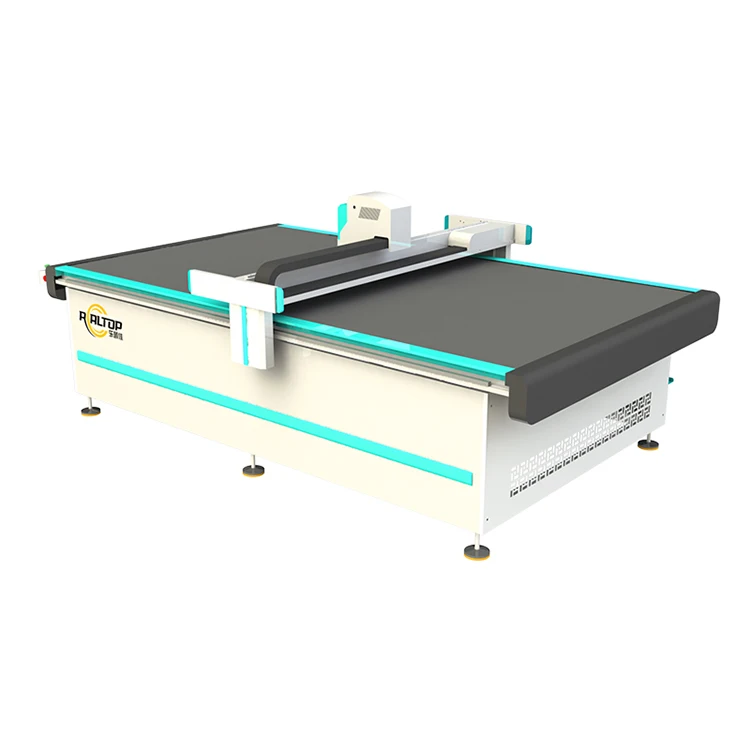
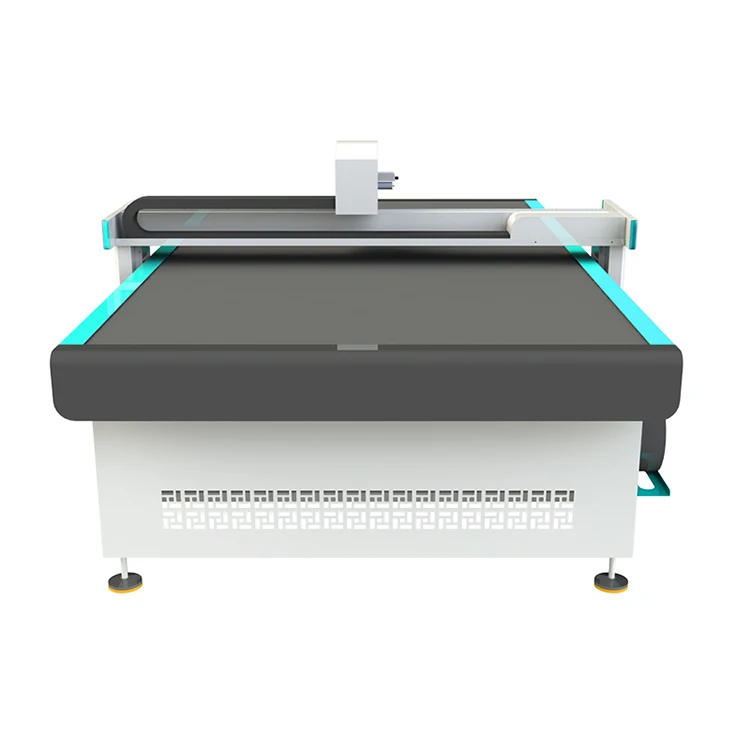
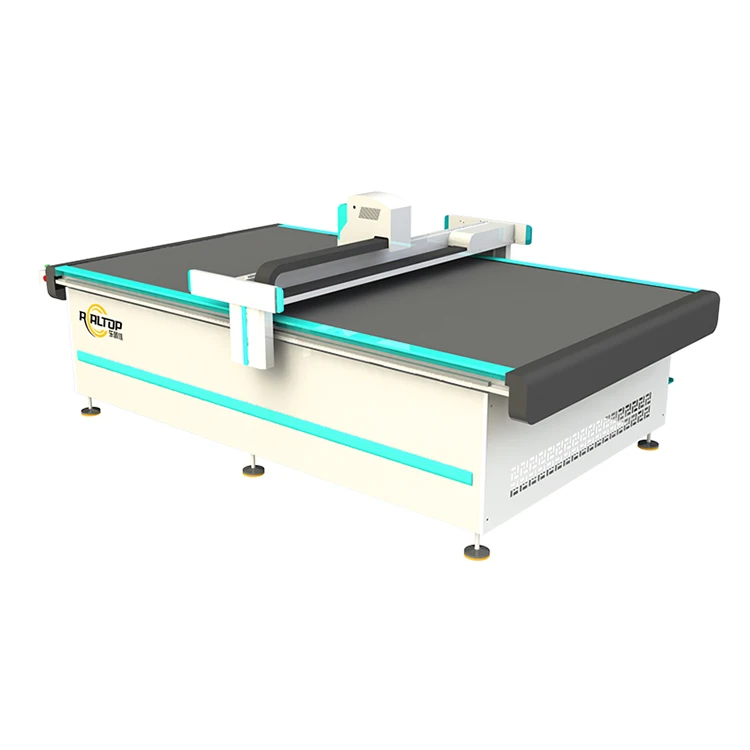
| Product Type | CNC Oscillating Knife Cutting Machine |
| Working Area | 1600 × 2500 mm |
| Machine Size (L × W × H) | 3450 × 2300 × 1250 mm |
| Rated Power | 9 kW |
| Voltage | 380V ±10% |
| Control System | CNC with HP-GL compatible format |
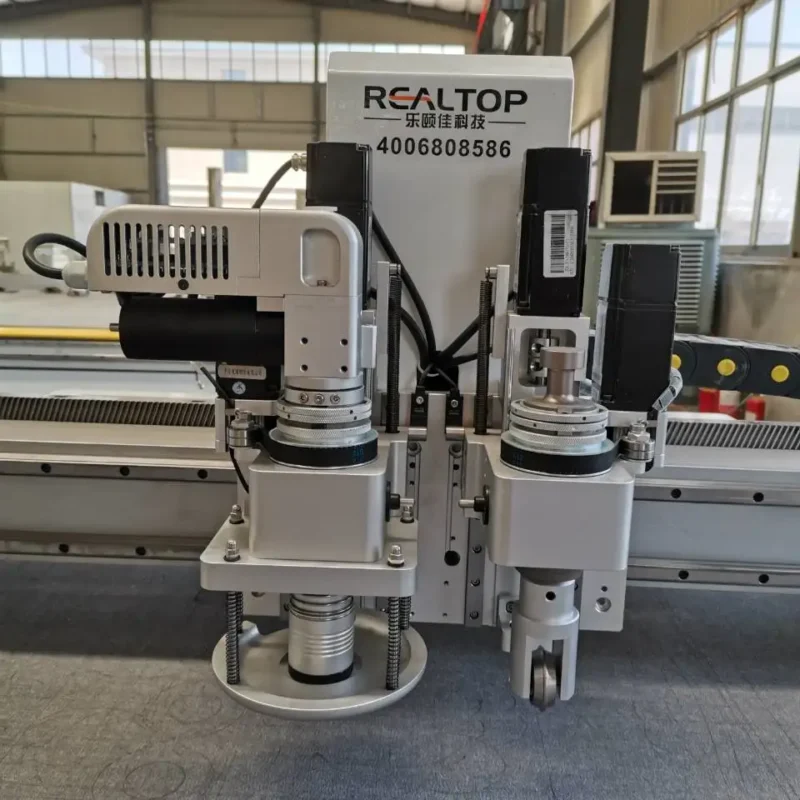
| Transmission System | Digital servo motor (Delta or Panasonic optional), linear guide, synchronous belt, ball screw |
| Repeatability | ≤0.1 mm |
| Translational Velocity | 800 – 1200 mm/s |
| Cutting Thickness | 20 – 80 mm (basis not stated in source — confirm material type and density) |
| Tool Head Options | Swiss imported oscillating knife, pneumatic knife, high-power vibrating knife, circular knife, V-cutting knife, drag knife, creasing wheel, dotted line knife, punching tool, brush |
| Positioning System | Small CCD camera mark point positioning, panoramic camera recognition, projection positioning |
| Work Table | Magnesium-aluminum alloy vacuum adsorption table with PVDF fluorocarbon powder spraying, anodic oxidation |
| Vacuum Pump | 7.5 kW, integrated aviation aluminum shell with built-in silencer sponge |
| Safety Devices | Infrared induction blocking, anti-collision sensors on both sides of beam, emergency stop button |
| Software Language Options | English, Russian, Italian, Chinese (custom languages available) |
| Additional Configuration | Germany imported conveyor belt, auto feeding system, Taiwan Hiwin rail |
Application Suitability
| Application | Material or Output |
|---|---|
| Garment and footwear production | Multi-layer fabric, leather, shoe material, luggage textile |
| Automotive interior and sealing | Composite panels, foam, PU, EVA, XPE, gasket material |
| Carpet and floor mat fabrication | Carpet rolls, sponge, non-woven fabric, rubber |
| Packaging and sample making | Corrugated cardboard, sticker, film, cardboard |
| Soft furnishings and outdoor goods | Textile, PVC, PP, PE, PTFE, ETFE composite sheets |
Why a Working Area Number Alone Tells You Nothing About Cutting Capacity
Many buyers specify a CNC oscillating knife cloth cutting machine manufacturer on bed size, then discover on the factory floor that the unit cannot hold down small pattern pieces or cut through their material at the quoted thickness. A 1600 × 2500 mm table is only useful when the vacuum zoning, tool head selection and material density are all confirmed together. A machine that slices cleanly through a single layer of cotton will behave very differently on a 60 mm stack of automotive foam, and no spec sheet communicates that without a sample test on the buyer’s own stock [NEED_CITE: vacuum hold-down requirements for multi-layer fabric cutting]. The gap between a catalogue number and a production-ready configuration is where most disappointment starts.
Knife Versus Laser — Reading the Catalogue Before You Commit
The catalogue on this platform covers both oscillating knife and laser cutting lines, which matters when a buyer is surveying options before narrowing to a method. Fabric and leather processors working with multi-layer stacks or composite materials generally start with an oscillating knife configuration, while synthetics requiring sealed edges or fine engraving may suit a CO2 laser. Having both technologies available from the same manufacturer means a production manager can compare real cutting results on the same material before committing capital, rather than relying on a sales pitch from two unrelated suppliers.
Matching the CNC Oscillating Knife Cloth Cutting Machine to Your Daily Volume
For mid-to-high volume garment or automotive interior lines, the 800 – 1200 mm/s translational velocity and auto feeding system with conveyor belt allow continuous lay-up and cutting cycles without manual sheet reloading between cycles. The servo-driven transmission — available with Delta or Panasonic digital servo motors — keeps repeatability within 0.1 mm across long production runs, which matters when pattern pieces must align with pre-printed graphics or stitch lines in downstream assembly [NEED_CITE: repeatability standards in digital flatbed cutting]. Buyers with shorter runs and frequent changeovers will value the quick-swap tool head carriage, where a creasing wheel or drag knife can replace the oscillating knife in minutes.
What the Spec Sheet Numbers Mean on the Shop Floor
The 7.5 kW vacuum pump with zoned suction directly affects whether small pattern pieces — like collar stays or gasket rings — stay flat during the final cuts, a common failure point on tables with only single-zone vacuum. The PVDF fluorocarbon coating on the magnesium-aluminum table resists adhesive residue from sticker and film cutting, reducing cleaning downtime between material changes. On the positioning side, the choice between a small CCD mark-point camera and a panoramic recognition camera depends on whether the buyer is tracking a single registration mark or scanning an entire printed sheet for contour cutting at production speed. The cutting thickness range of 20 – 80 mm is achievable only when material density and compression behaviour are confirmed; a low-density sponge and a high-density EVA foam of the same thickness will demand very different blade amplitudes and feed rates [NEED_CITE: oscillating knife cutting parameters by material density].
What Happens When the Tool Head and Material Do Not Agree
Selecting a drag knife for a material that needs an oscillating action produces ragged edges on woven fabric and crushed rather than severed foam cells, and the defect may not appear until the first full production run. Buyers who skip the sample cutting step sometimes discover that their chosen vacuum zoning cannot hold small pieces flat, causing the blade to lift the workpiece and produce miscut parts that fail downstream quality checks. Voltage and plug mismatches found after arrival can delay commissioning by weeks while a transformer is sourced locally [NEED_CITE: industrial voltage and plug standards by export market]. Software incompatibility with the buyer’s existing nesting files forces a manual reprogramming detour that erodes the throughput the machine was purchased to deliver.
Why Buyers Source This Equipment Through the Full Catalogue
In-house design and production across both knife and laser cutting means a buyer comparing methods receives honest guidance on which technology fits the material, not a forced recommendation toward whichever machine is in stock. Tool head and table configurations are specified per material type and daily volume, not sold as a one-size-fits-all package. CCD camera positioning options — mark-point, panoramic and projection — are demonstrated on the buyer’s own printed stock before the order is confirmed. Voltage, plug type and control language are verified against the destination workshop before the machine leaves the factory. Sample cutting on the buyer’s actual material provides a documented report showing edge quality, achievable thickness and cutting speed before any commitment is made.
Documentation & Verification
- Machine specification sheet listing every tool head and table option selected for your material
- Electrical schematic confirming voltage, frequency and plug type for your destination market
- Sample cutting report produced on your own fabric or composite stock before order confirmation
- CE declaration included where applicable to the configured machine variant
- Software licence and file format compatibility note matching your existing nesting workflow
- Spare parts list itemising blades, belts and wear items with recommended stock quantities
Installation, Commissioning & Support
- Foundation must accommodate 3450 × 2300 mm footprint with level access for the 1600 × 2500 mm table
- Dedicated 380V ±10% circuit required to supply the 9 kW rated machine load plus 7.5 kW vacuum pump
- Machine ships fully assembled; confirm workshop door width and overhead clearance before delivery
- First-run parameter setting covers blade amplitude, vacuum zoning and servo tuning for your material
- Operator training includes tool head changeover, CCD camera calibration and HP-GL file import
- Consumable blade stock and spare belt quantities confirmed against your daily cutting volume at handover
Preparing Your Enquiry
To match the right configuration from the catalogue, share your material type, maximum sheet size, stack thickness and daily cutting volume. Confirm your workshop voltage, frequency and plug standard along with the preferred control language. If your workflow relies on a specific nesting software or file format, note that so compatibility can be verified before the quotation stage.
Frequently Asked Questions
Q: Knife or laser — which method suits my fabric and production volume?
A: Multi-layer fabric, leather and foam generally suit an oscillating knife for clean, uncompressed edges. Sealed edges on synthetics or fine engraving favour a CO2 laser. Having both methods available from one source lets you compare real cut samples on your own material before deciding.
Q: How do you verify cutting thickness for my specific material?
A: We run a sample cutting test on your actual stock, recording the blade type, amplitude, feed rate and edge quality achieved. The resulting report documents what thickness and density your configured machine can handle reliably before you commit to the order.
Q: Which CCD positioning option fits printed contour cutting?
A: Small mark-point CCD suits jobs with consistent registration marks. Panoramic recognition handles full-sheet printed patterns where the camera must locate multiple reference points at production speed. Projection positioning overlays the cut path visually, helping operators align irregular pieces before cutting begins.
Q: Can I confirm voltage, language and software fit before ordering?
A: Yes. Voltage, plug type and control language are locked into the specification before production. We also verify that your existing nesting files import correctly into the machine’s HP-GL compatible control system and document the result in a software compatibility note.
Q: Is it possible to test my material on the machine before purchase?
A: Sample cutting on your own material is a standard step in the enquiry process. We send back the cut samples together with a report covering edge quality, achievable thickness and recommended tool head, so you can evaluate the result before placing the order.
Multi-Method Cutting Portfolio — A buyer evaluating fabric, foam or composite processing can compare knife and laser options on the same platform, matching the cutting method to the material rather than forcing one technology across every production line.
Technical Specifications
| Parameter | Value |
|---|---|
| Product Type | CNC Oscillating Knife Cutting Machine |
| Working Area | 1600 × 2500 mm |
| Machine Size (L × W × H) | 3450 × 2300 × 1250 mm |
| Rated Power | 9 kW |
| Voltage | 380V ±10% |
| Control System | CNC with HP-GL compatible format |
| Transmission System | Digital servo motor (Delta or Panasonic optional), linear guide, synchronous belt, ball screw |
| Repeatability | ≤0.1 mm |
| Translational Velocity | 800 – 1200 mm/s |
| Cutting Thickness | 20 – 80 mm (basis not stated in source — confirm material type and density) |
| Tool Head Options | Swiss imported oscillating knife, pneumatic knife, high-power vibrating knife, circular knife, V-cutting knife, drag knife, creasing wheel, dotted line knife, punching tool, brush |
| Positioning System | Small CCD camera mark point positioning, panoramic camera recognition, projection positioning |
| Work Table | Magnesium-aluminum alloy vacuum adsorption table with PVDF fluorocarbon powder spraying, anodic oxidation |
| Vacuum Pump | 7.5 kW, integrated aviation aluminum shell with built-in silencer sponge |
| Safety Devices | Infrared induction blocking, anti-collision sensors on both sides of beam, emergency stop button |
| Software Language Options | English, Russian, Italian, Chinese (custom languages available) |
| Additional Configuration | Germany imported conveyor belt, auto feeding system, Taiwan Hiwin rail |
Application Suitability
| Application | Material or Output |
|---|---|
| Garment and footwear production | Multi-layer fabric, leather, shoe material, luggage textile |
| Automotive interior and sealing | Composite panels, foam, PU, EVA, XPE, gasket material |
| Carpet and floor mat fabrication | Carpet rolls, sponge, non-woven fabric, rubber |
| Packaging and sample making | Corrugated cardboard, sticker, film, cardboard |
| Soft furnishings and outdoor goods | Textile, PVC, PP, PE, PTFE, ETFE composite sheets |
Why a Working Area Number Alone Tells You Nothing About Cutting Capacity
Many buyers specify a CNC oscillating knife cloth cutting machine manufacturer on bed size, then discover on the factory floor that the unit cannot hold down small pattern pieces or cut through their material at the quoted thickness. A 1600 × 2500 mm table is only useful when the vacuum zoning, tool head selection and material density are all confirmed together. A machine that slices cleanly through a single layer of cotton will behave very differently on a 60 mm stack of automotive foam, and no spec sheet communicates that without a sample test on the buyer’s own stock [NEED_CITE: vacuum hold-down requirements for multi-layer fabric cutting]. The gap between a catalogue number and a production-ready configuration is where most disappointment starts.
Knife Versus Laser — Reading the Catalogue Before You Commit
The catalogue on this platform covers both oscillating knife and laser cutting lines, which matters when a buyer is surveying options before narrowing to a method. Fabric and leather processors working with multi-layer stacks or composite materials generally start with an oscillating knife configuration, while synthetics requiring sealed edges or fine engraving may suit a CO2 laser. Having both technologies available from the same manufacturer means a production manager can compare real cutting results on the same material before committing capital, rather than relying on a sales pitch from two unrelated suppliers.
Matching the CNC Oscillating Knife Cloth Cutting Machine to Your Daily Volume
For mid-to-high volume garment or automotive interior lines, the 800 – 1200 mm/s translational velocity and auto feeding system with conveyor belt allow continuous lay-up and cutting cycles without manual sheet reloading between cycles. The servo-driven transmission — available with Delta or Panasonic digital servo motors — keeps repeatability within 0.1 mm across long production runs, which matters when pattern pieces must align with pre-printed graphics or stitch lines in downstream assembly [NEED_CITE: repeatability standards in digital flatbed cutting]. Buyers with shorter runs and frequent changeovers will value the quick-swap tool head carriage, where a creasing wheel or drag knife can replace the oscillating knife in minutes.
What the Spec Sheet Numbers Mean on the Shop Floor
The 7.5 kW vacuum pump with zoned suction directly affects whether small pattern pieces — like collar stays or gasket rings — stay flat during the final cuts, a common failure point on tables with only single-zone vacuum. The PVDF fluorocarbon coating on the magnesium-aluminum table resists adhesive residue from sticker and film cutting, reducing cleaning downtime between material changes. On the positioning side, the choice between a small CCD mark-point camera and a panoramic recognition camera depends on whether the buyer is tracking a single registration mark or scanning an entire printed sheet for contour cutting at production speed. The cutting thickness range of 20 – 80 mm is achievable only when material density and compression behaviour are confirmed; a low-density sponge and a high-density EVA foam of the same thickness will demand very different blade amplitudes and feed rates [NEED_CITE: oscillating knife cutting parameters by material density].
What Happens When the Tool Head and Material Do Not Agree
Selecting a drag knife for a material that needs an oscillating action produces ragged edges on woven fabric and crushed rather than severed foam cells, and the defect may not appear until the first full production run. Buyers who skip the sample cutting step sometimes discover that their chosen vacuum zoning cannot hold small pieces flat, causing the blade to lift the workpiece and produce miscut parts that fail downstream quality checks. Voltage and plug mismatches found after arrival can delay commissioning by weeks while a transformer is sourced locally [NEED_CITE: industrial voltage and plug standards by export market]. Software incompatibility with the buyer’s existing nesting files forces a manual reprogramming detour that erodes the throughput the machine was purchased to deliver.
Why Buyers Source This Equipment Through the Full Catalogue
In-house design and production across both knife and laser cutting means a buyer comparing methods receives honest guidance on which technology fits the material, not a forced recommendation toward whichever machine is in stock. Tool head and table configurations are specified per material type and daily volume, not sold as a one-size-fits-all package. CCD camera positioning options — mark-point, panoramic and projection — are demonstrated on the buyer’s own printed stock before the order is confirmed. Voltage, plug type and control language are verified against the destination workshop before the machine leaves the factory. Sample cutting on the buyer’s actual material provides a documented report showing edge quality, achievable thickness and cutting speed before any commitment is made.
Documentation & Verification
- Machine specification sheet listing every tool head and table option selected for your material
- Electrical schematic confirming voltage, frequency and plug type for your destination market
- Sample cutting report produced on your own fabric or composite stock before order confirmation
- CE declaration included where applicable to the configured machine variant
- Software licence and file format compatibility note matching your existing nesting workflow
- Spare parts list itemising blades, belts and wear items with recommended stock quantities
Installation, Commissioning & Support
- Foundation must accommodate 3450 × 2300 mm footprint with level access for the 1600 × 2500 mm table
- Dedicated 380V ±10% circuit required to supply the 9 kW rated machine load plus 7.5 kW vacuum pump
- Machine ships fully assembled; confirm workshop door width and overhead clearance before delivery
- First-run parameter setting covers blade amplitude, vacuum zoning and servo tuning for your material
- Operator training includes tool head changeover, CCD camera calibration and HP-GL file import
- Consumable blade stock and spare belt quantities confirmed against your daily cutting volume at handover
Preparing Your Enquiry
To match the right configuration from the catalogue, share your material type, maximum sheet size, stack thickness and daily cutting volume. Confirm your workshop voltage, frequency and plug standard along with the preferred control language. If your workflow relies on a specific nesting software or file format, note that so compatibility can be verified before the quotation stage.
Frequently Asked Questions
Q: Knife or laser — which method suits my fabric and production volume?
A: Multi-layer fabric, leather and foam generally suit an oscillating knife for clean, uncompressed edges. Sealed edges on synthetics or fine engraving favour a CO2 laser. Having both methods available from one source lets you compare real cut samples on your own material before deciding.
Q: How do you verify cutting thickness for my specific material?
A: We run a sample cutting test on your actual stock, recording the blade type, amplitude, feed rate and edge quality achieved. The resulting report documents what thickness and density your configured machine can handle reliably before you commit to the order.
Q: Which CCD positioning option fits printed contour cutting?
A: Small mark-point CCD suits jobs with consistent registration marks. Panoramic recognition handles full-sheet printed patterns where the camera must locate multiple reference points at production speed. Projection positioning overlays the cut path visually, helping operators align irregular pieces before cutting begins.
Q: Can I confirm voltage, language and software fit before ordering?
A: Yes. Voltage, plug type and control language are locked into the specification before production. We also verify that your existing nesting files import correctly into the machine’s HP-GL compatible control system and document the result in a software compatibility note.
Q: Is it possible to test my material on the machine before purchase?
A: Sample cutting on your own material is a standard step in the enquiry process. We send back the cut samples together with a report covering edge quality, achievable thickness and recommended tool head, so you can evaluate the result before placing the order.
商品评价
There are no reviews yet.