


Fast Delivery
Quick, reliable shipping to any location.

Free & easy returns
Return this item by mail or in store within 90 days for a full refund.
Tool Head Matched to Material — We test your fabric, leather, foam or composite on our cutting table before recommending a knife type, so the configuration fits what you actually run.
Technical Specifications
| Parameter | Value |
|---|---|
| Model | 1625 |
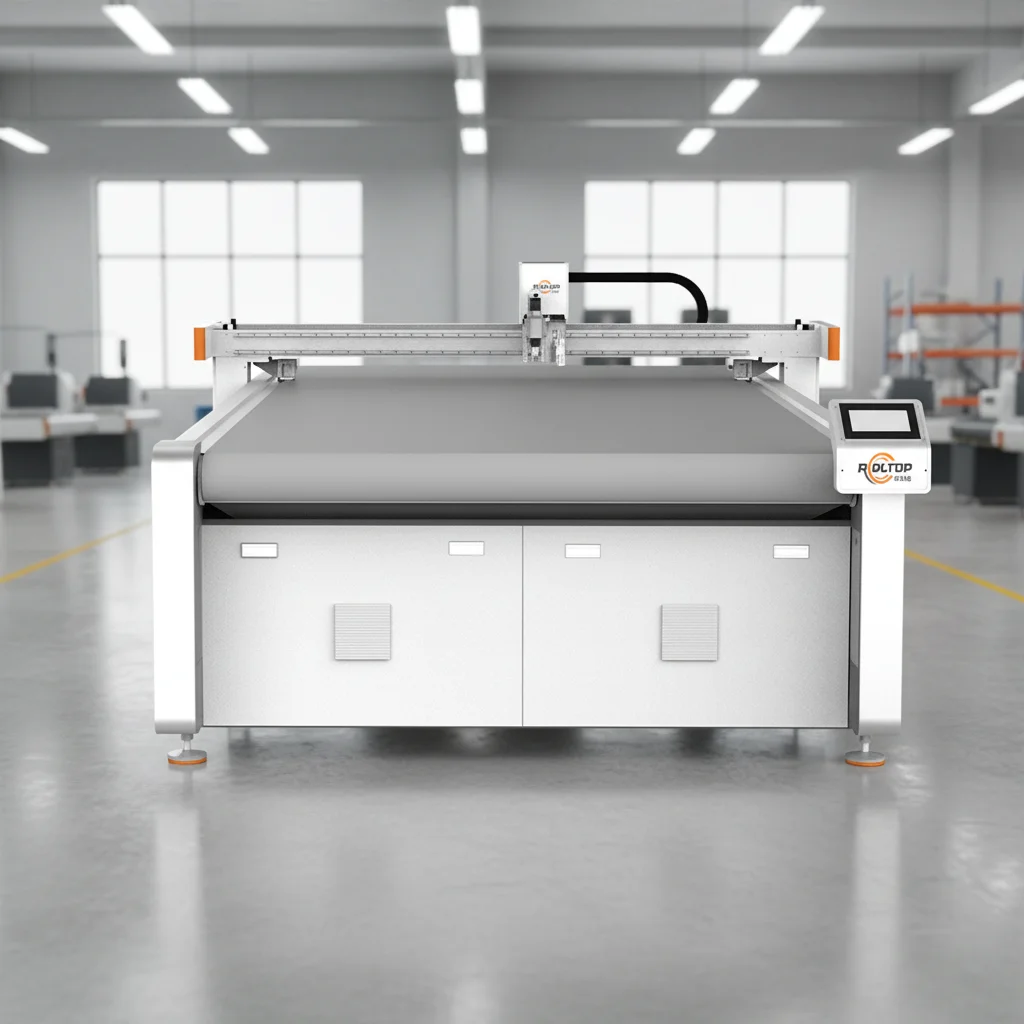
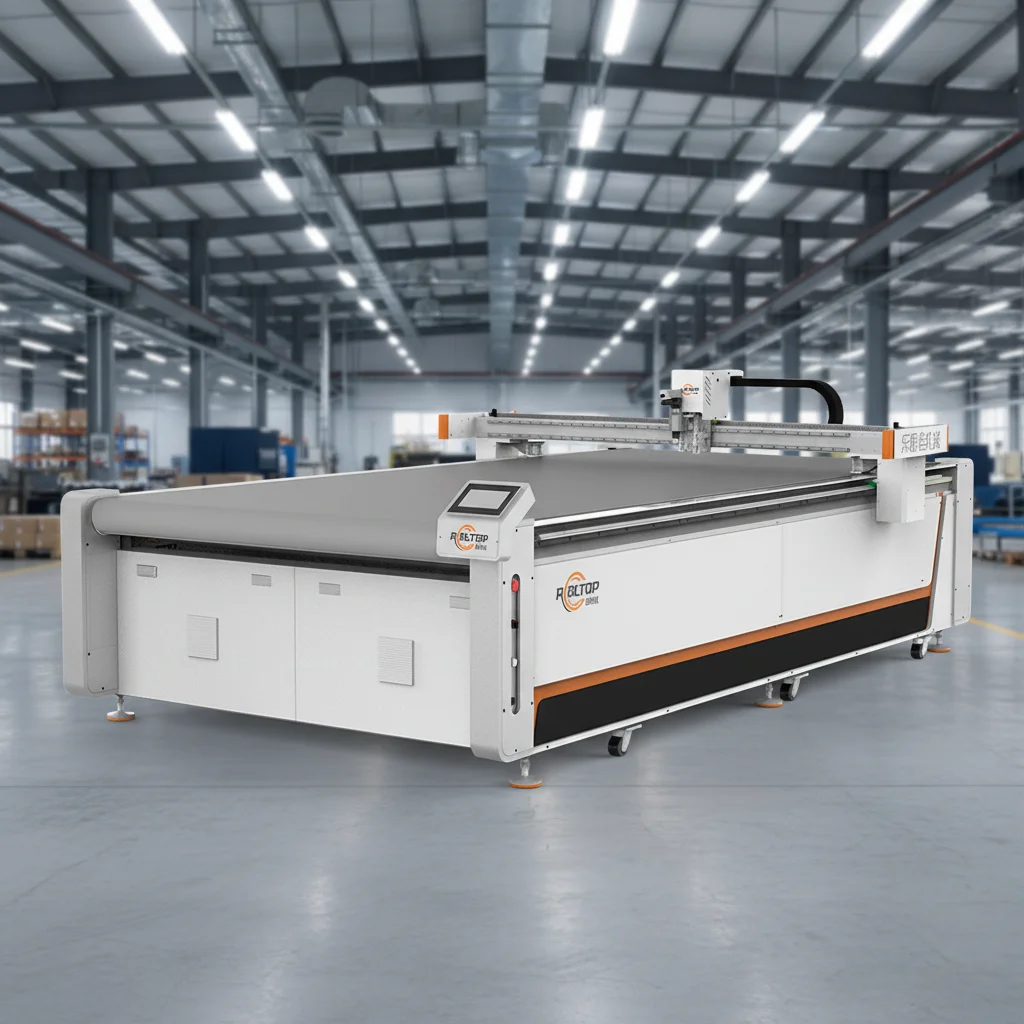
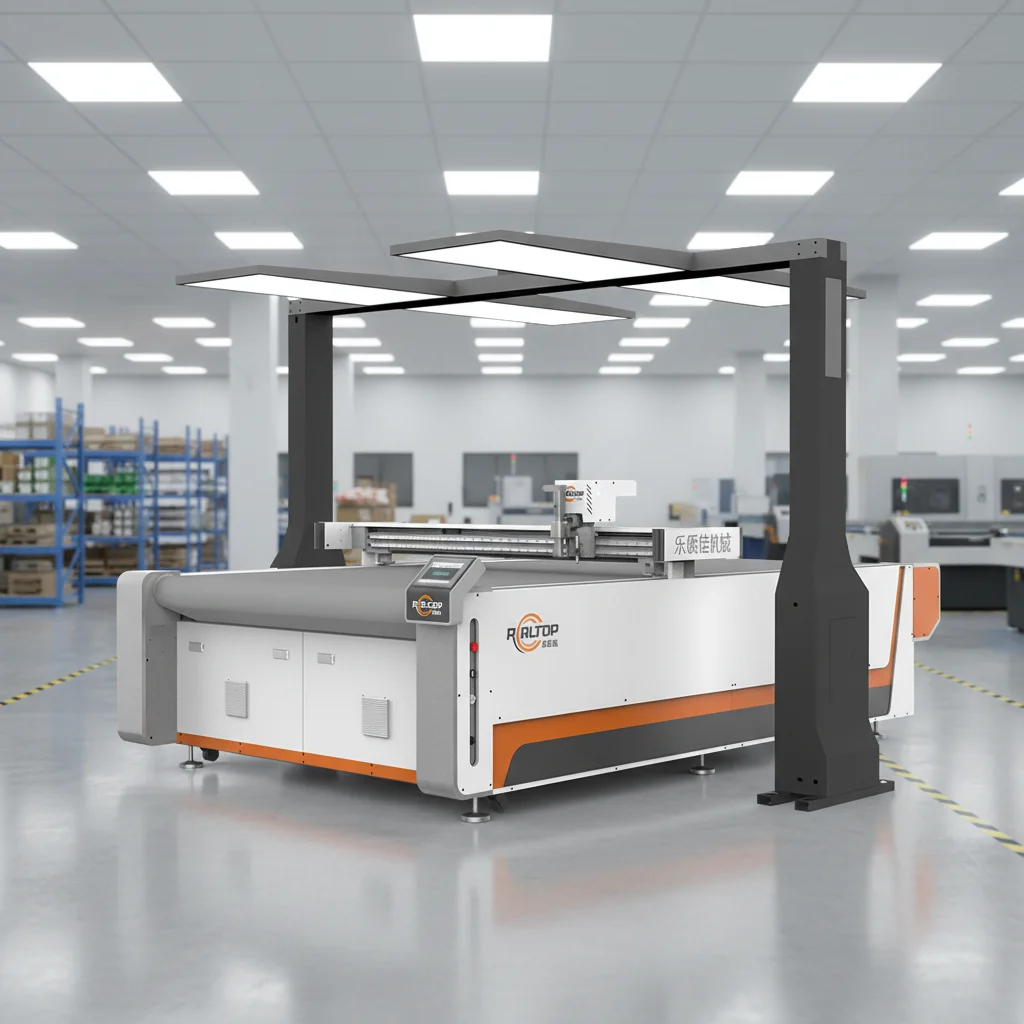
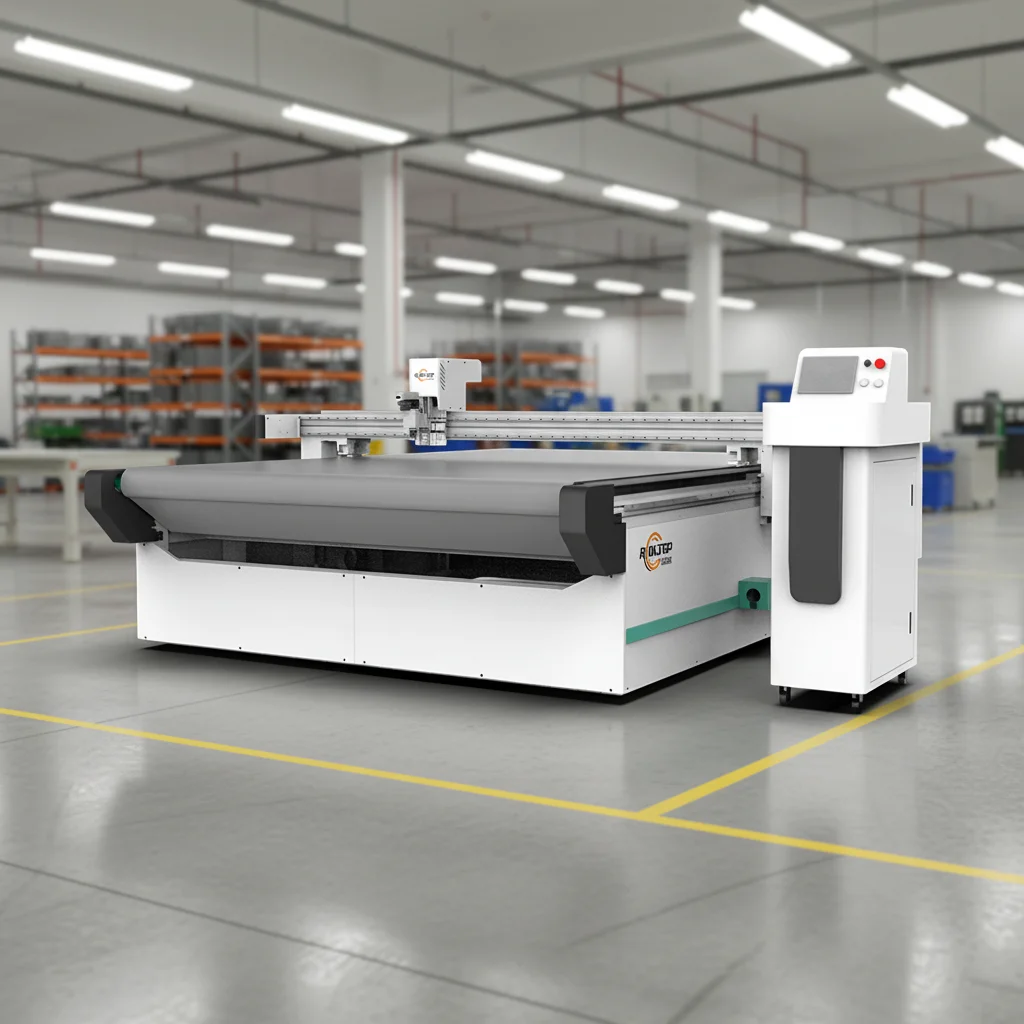
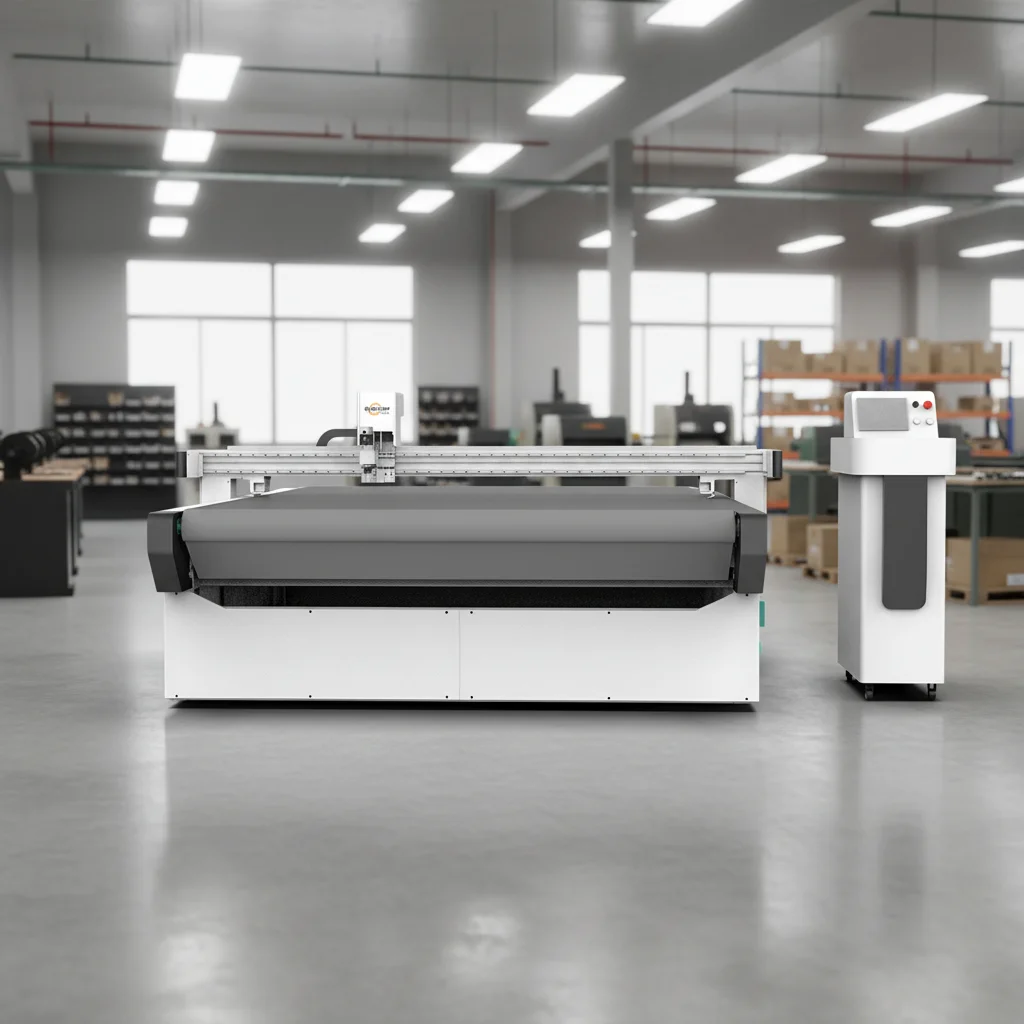
| Product Type | CNC Oscillating Knife Cutting Machine |
| Working Area | 1600 × 2500 mm |
| Tool Head Options | Oscillating knife, Driven rotary knife, Creasing wheel, Kiss cutting tool, Pneumatic knife, Milling tool, V groove knife |
| Cutting Thickness | ≤ 30 mm (basis not stated in source — confirm material density and lamination) |
| Cutting Speed | 0–2000 mm/s |
| Cutting Accuracy | ±0.1 mm |
| Vacuum Table Type | Aluminum bellows vacuum table |
| Vacuum Pump Power | 9 kW |
| Servo Motor Options | Panasonic, Delta, Dorna |
| Control System | PLC with intuitive interface |
| Supported File Formats | PLT, DXF, AI, PDF |
| Voltage Options | 110V, 220V, 380V |
| Display Languages | English, Russian, Italian, Chinese (special languages customizable) |
| Safety Devices | Infrared sensor device, Emergency stop device |
| Machine Dimensions | 3300 × 2100 × 1350 mm |
| Standards | CE declaration where applicable |
Application Suitability
| Application | Material or Output |
|---|---|
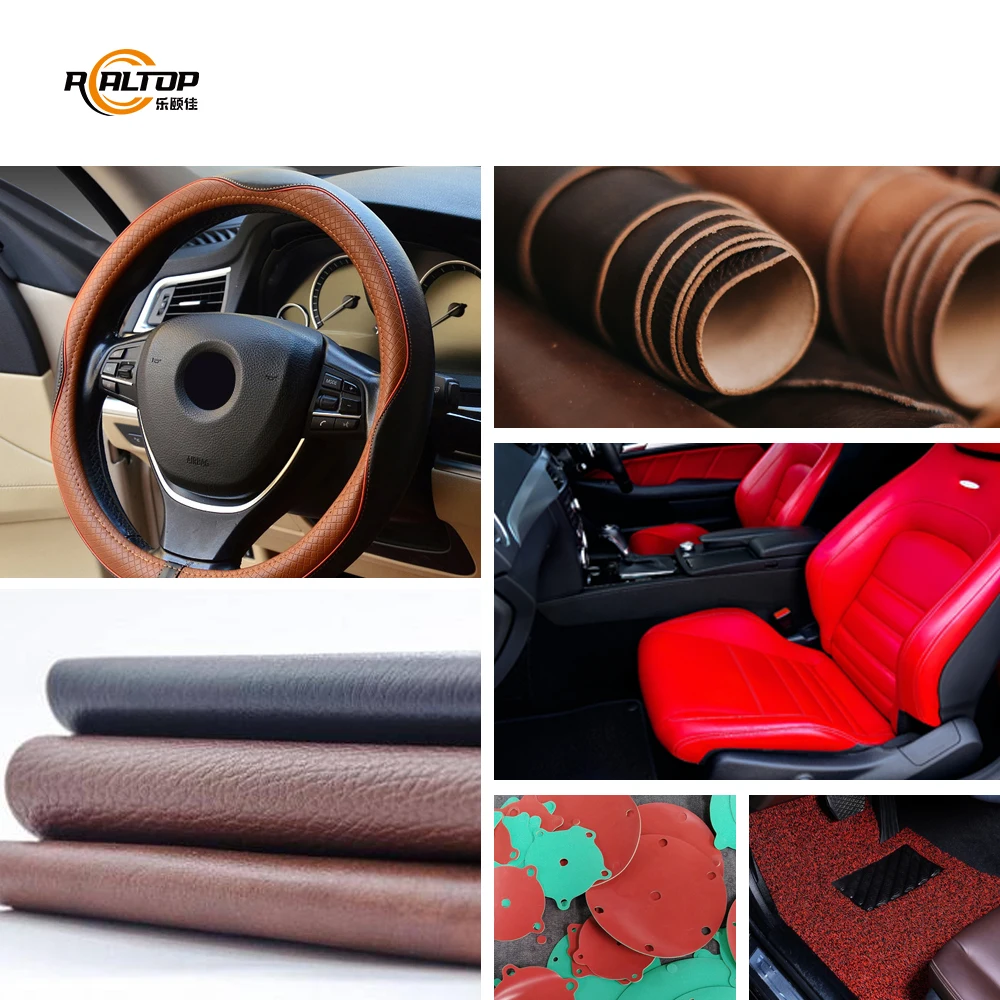
| Apparel manufacturing | Suits, knitwear, lace, and complex fabrics requiring pattern-matching |
| Automotive interiors | Seat fabrics, carpets, and PVC floor mats cut to burr-free standards |
| Home textiles | Sofa upholstery fabrics, heavy curtains, and woven rugs |
| Composite material processing | Carbon fiber prepreg, aramid weaves, and specialty laminates avoiding thermal damage |
Why Working Area Alone Is a Bad Way to Choose a CNC Oscillating Knife Cutting Machine for Sale
A 1600 × 2500 mm bed tells you nothing about how the machine handles your specific fabric stack.
I spent years on the assembly floor in Jinan before moving to technical sales, and the most common failure I have seen starts with a buyer specifying a machine purely on table size. The unit arrives, the fabric goes on the table, and the oscillating knife either crushes the foam core, leaves ragged edges on coated textiles, or simply cannot hold small pattern pieces down under vacuum. The daily output drops because operators spend more time repositioning material and clearing scrap than actually cutting. The working area is just a footprint; the tool head, vacuum zoning, and knife frequency are what determine whether the machine earns its keep on your shop floor [NEED_CITE: CNC digital cutting configuration selection by material type].
Surveying the Complete Digital Cutting Range
When you evaluate a CNC oscillating knife cutting machine for sale, the first question is whether knife cutting is actually the right method for your material mix. Some synthetic textiles seal better under a CO2 laser, while dense foam and multi-layer composites demand the mechanical shearing action of an oscillating or driven rotary knife. Our catalogue spans both knife and laser platforms so that you select based on material behavior, not on whichever single technology a supplier happens to manufacture.
Matching Tool Heads to Real Production Variables
The 1625 platform supports seven distinct tool head options. An oscillating knife handles most woven and non-woven fabrics up to the stated thickness limit, but a driven rotary knife produces cleaner edges on aramid and carbon fiber prepreg where fraying is unacceptable. For packaging sample work that crosses into corrugated board, the creasing wheel and V groove knife allow a single machine to score and cut without a secondary operation [NEED_CITE: oscillating versus rotary knife edge quality on technical textiles]. The key is testing your actual material before locking in the configuration.
Reading the Specification Sheet Against Your Workflow
The 9 kW vacuum pump paired with an aluminum bellows table is designed to maintain flat hold-down across the full 1600 × 2500 mm surface, but vacuum zoning matters just as much as total suction. If you cut many small garment pattern pieces, the table must be segmented so that vacuum concentrates under each piece rather than leaking through exposed areas. The PLC control accepts PLT, DXF, AI, and PDF files, which covers most nesting software outputs, yet file import is one of those details that only surfaces during the first production run. Confirming format compatibility during the sample stage prevents costly software workarounds later.
The Hidden Cost of Skipping the Sample Cut
I have watched buyers commit to a full container order based on a brochure cutting speed figure, only to discover that their PVC-coated fabric melts onto the blade at high oscillation frequency, forcing the operator to stop and clean the knife every few minutes. A different buyer running silicone-impregnated gasket material found that the standard oscillating knife left compressed edges that failed dimensional inspection. Both situations could have been caught with a sample cutting report on the buyer’s own material roll — a step that takes a few days and prevents weeks of commissioning frustration on site [NEED_CITE: material-specific cutting validation before CNC equipment purchase].
Why Source This Range Through Our Factory
We design and build both knife and laser cutting systems in-house, which means a single technical conversation can cover your entire material spectrum rather than pushing you toward one technology. Every machine leaves our Jinan facility with a tool head and table configuration list matched to the samples you sent us, not a generic default build. Voltage, plug type, and control language are confirmed on the electrical schematic before production starts, so the unit that arrives at your dock plugs in and powers up without a transformer hunt. The factory test record documents actual cutting on your material, and the spare parts list reflects the tool heads on your specific machine, not a one-size-fits-all kit.
Documentation & Verification
- Machine specification sheet listing every confirmed tool head and servo option on your build
- Electrical schematic with your target voltage and frequency annotated before production release
- Sample cutting report on your fabric stack showing edge quality and achievable throughput
- Factory test record with dimensional checks against your pattern files
- Software licence note confirming PLT, DXF, AI, or PDF import compatibility
- Packing photographs documenting table flatness and tool head condition before crating
Installation, Commissioning & Support
- Foundation must support the 3300 × 2100 × 1350 mm footprint plus operator clearance on all sides
- Dedicated circuit matching confirmed voltage option — 110V, 220V, or 380V — with correct breaker rating for the 9 kW vacuum pump
- Table leveling checked against the aluminum bellows surface to maintain vacuum seal integrity
- First-run parameter tuning for oscillation frequency and knife depth on your actual material stack
- PLC interface set to your chosen display language before operator training begins
- Consumable blade and oscillating knife holder spares matched to your tool head configuration
What to Send With Your Inquiry
To give you a configuration that actually works on your production floor, we need the material type, the number of layers you plan to cut at once, and the largest single piece dimension. Tell us your local voltage and frequency standard, the control language your operators need, and whether your existing nesting software exports PLT, DXF, AI, or PDF. If you can ship a sample roll to our Jinan workshop, we will run it on the 1625 platform and send you the cutting report before any order discussion.
Frequently Asked Questions
Q: How do I decide between an oscillating knife and a driven rotary knife for my fabric?
A: Woven and non-woven fabrics up to the stated thickness generally suit the oscillating knife. Technical textiles like aramid and carbon fiber prepreg, where fraying is unacceptable, often require the driven rotary knife. We cut samples with both heads on your actual material so the choice is based on edge quality evidence, not assumptions.
Q: Will the vacuum table hold small pattern pieces without lifting during high-speed cutting?
A: The aluminum bellows table on the 1625 is designed for full-surface adsorption, but small parts need effective zoning. During the sample stage we verify that vacuum concentrates under each piece in your nesting layout and adjust zoning recommendations so parts stay flat at cutting speeds within the 0–2000 mm/s range.
Q: Is CCD camera contour recognition available for printed fabric?
A: CCD positioning can be specified on this platform for printed contour work. We test recognition on your printed marks at production speed during the sample stage to confirm tracking accuracy before the machine is built, avoiding surprises during your first live run.
Q: What voltage and language options are confirmed before the machine ships?
A: The 1625 supports 110V, 220V, and 380V configurations, and the PLC interface is available in English, Russian, Italian, Chinese, or customizable languages. We lock in voltage, plug type, and language on the electrical schematic before production starts, so no field adaptation is needed upon arrival.










商品评价
There are no reviews yet.