





Fast Delivery
Quick, reliable shipping to any location.

Free & easy returns
Return this item by mail or in store within 90 days for a full refund.
Voltage, language and specification customization — confirmed per market before the RT-D2516/RT-S2516 ships, matching the 380V supply and control panel language to your workshop environment.
Technical Specifications
| Parameter | Value |
|---|---|
| Model | RT-D2516/RT-S2516 |
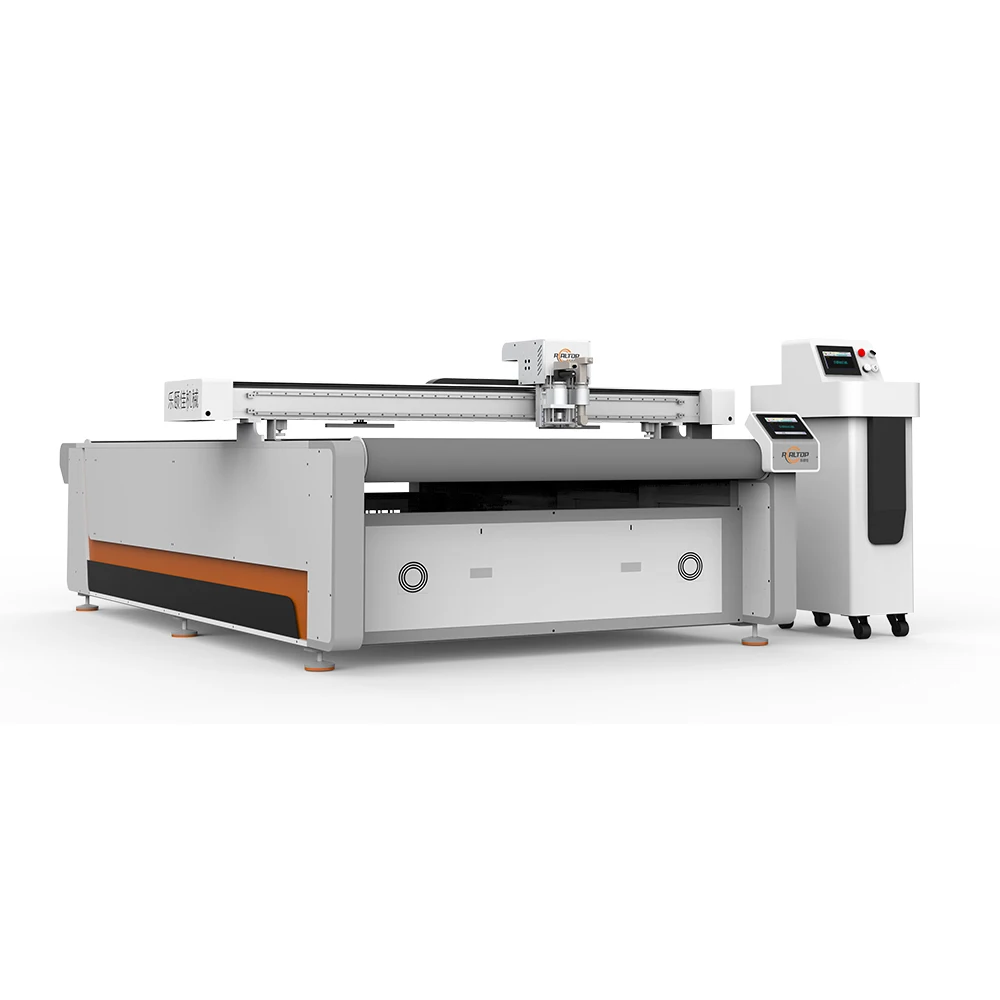
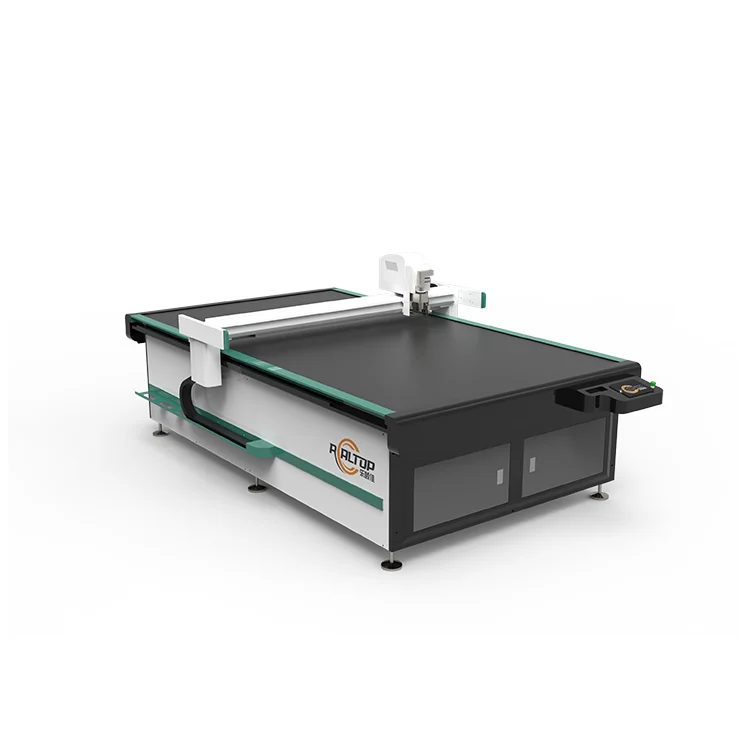
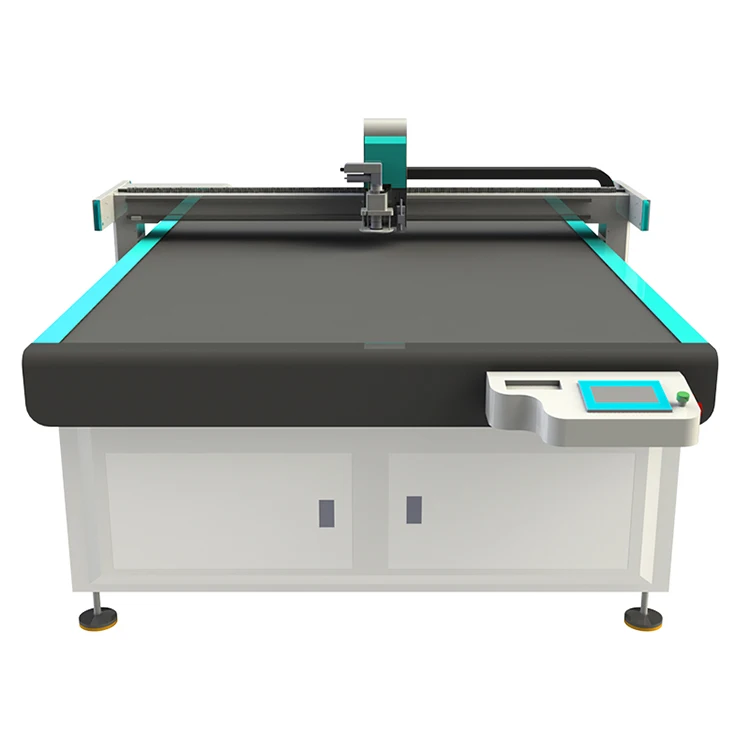
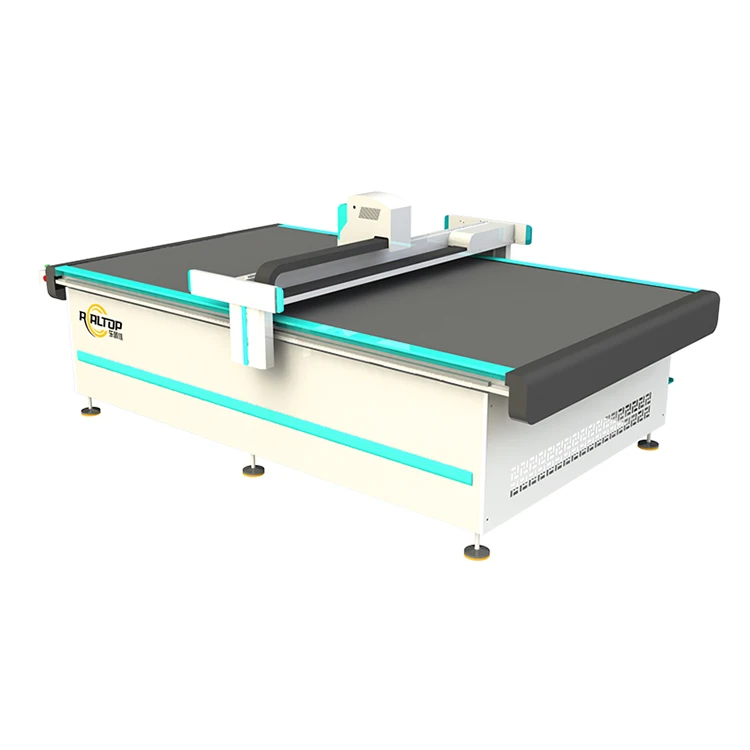
| Product Type | CNC Oscillating Knife Cutting Machine with Auto Feeding |
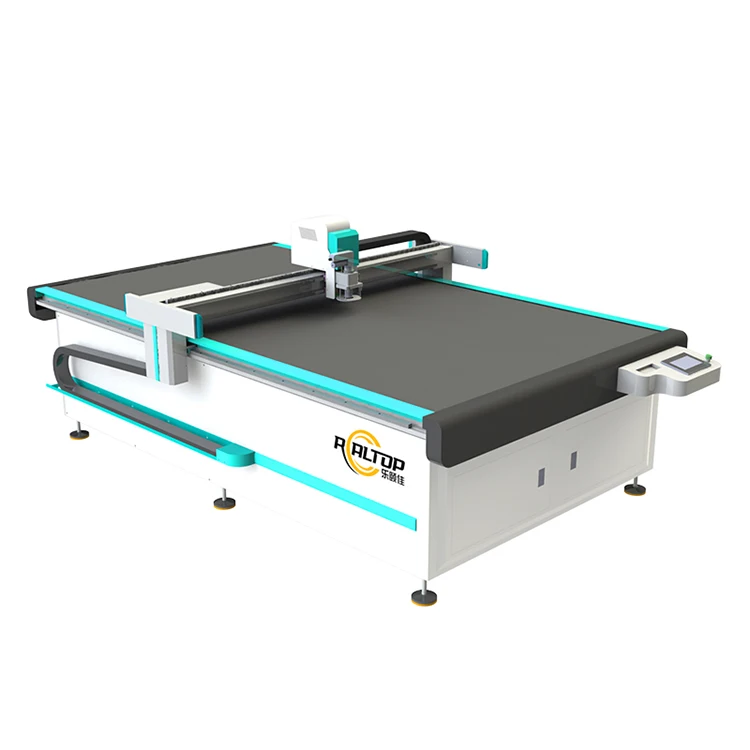
| Working Area | 1600×2500 mm |
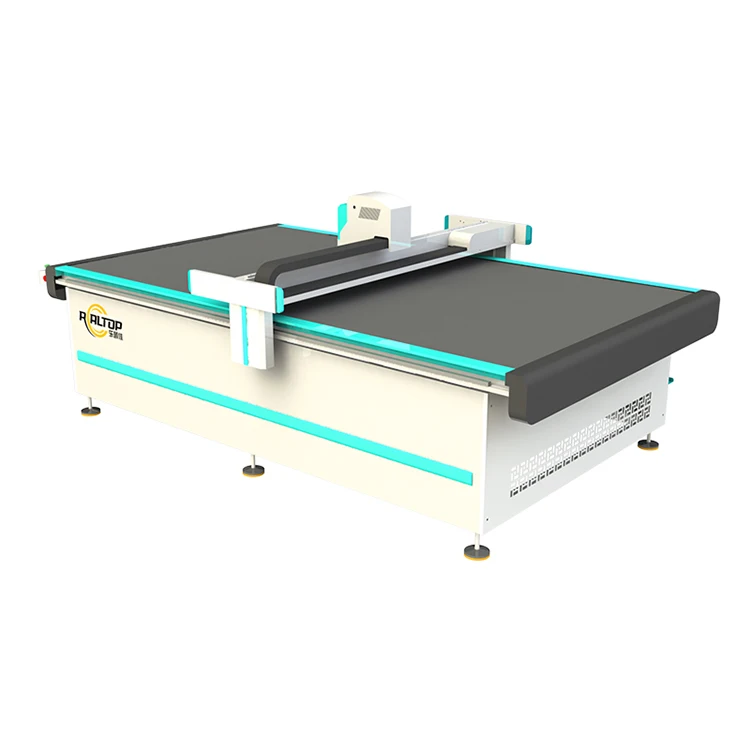
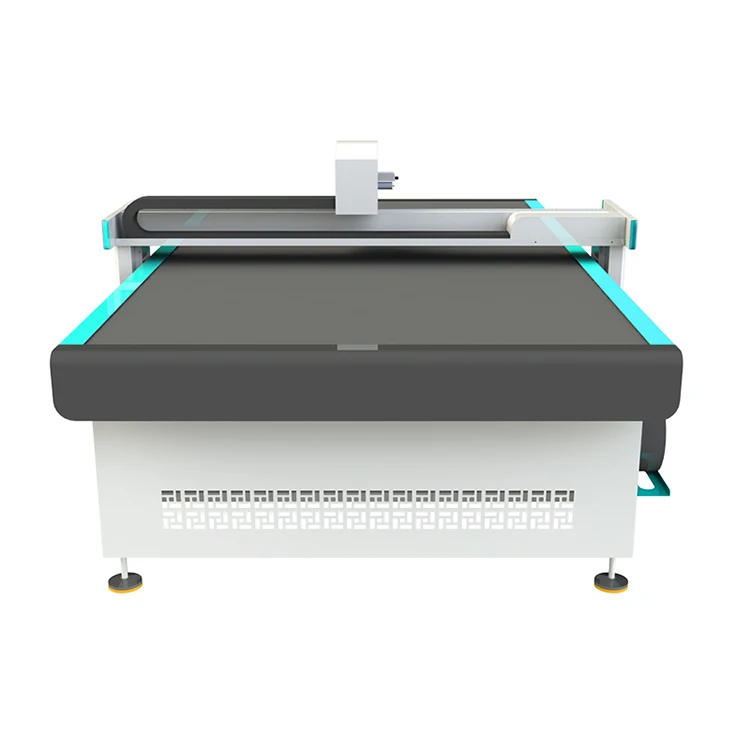
| Machine Size | 3450×2300×1250 mm |
| Rated Power | 9 kW |
| Vacuum Pump | 7.5 kW |
| Table Type | Flat working table / auto feeding table |
| Translational Velocity | 800–2000 mm/s |
| Cutting Speed | 200–800 mm/s (according to different cutting materials) |
| Repeated Accuracy | ≤0.1 mm |
| Transmission System | Digital servo motor, linear guide, synchronous belt, ball screw |
| Servo Motor | Delta (optional Panasonic) |
| Guide Rail | Taiwan Hiwin rail |
| Conveyor Belt | Germany imported |
| Control Panel | Touch screen with multiple language support |
| Software | Auto typesetting, supports PLT / DXF / AI formats |
| Instruction System | HP-GL compatible format |
| Voltage | 380V±10% |
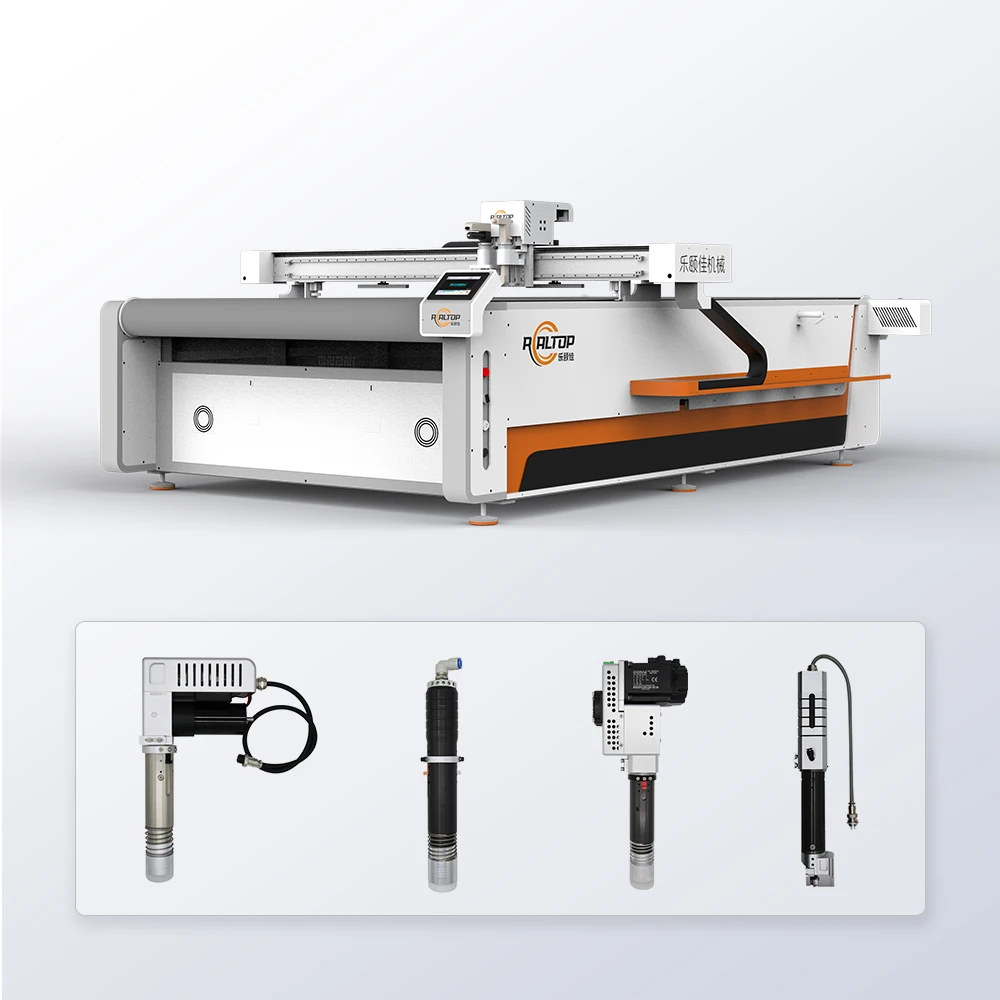
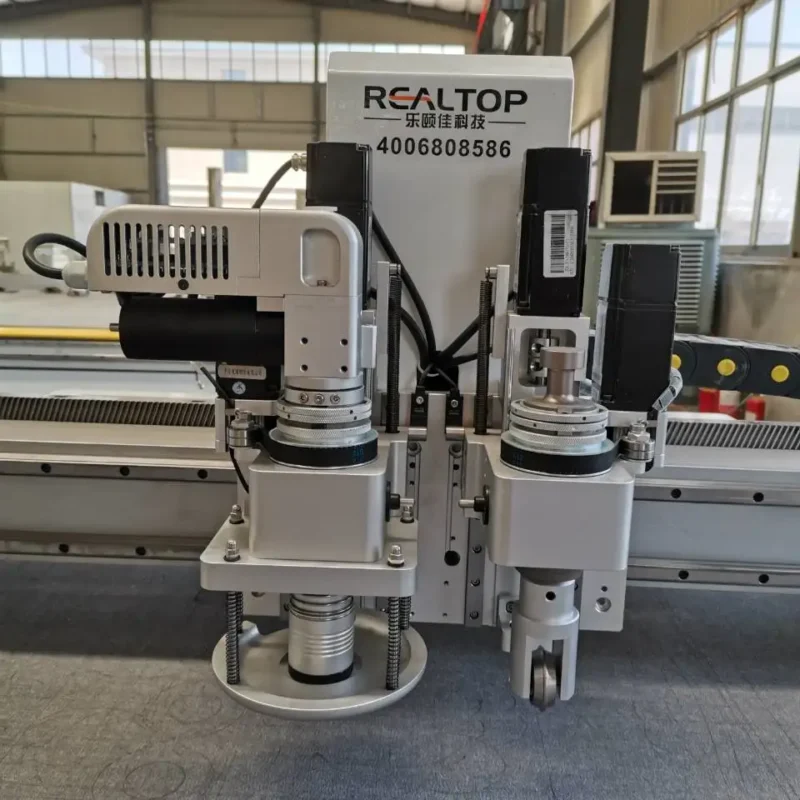
| Tool Head Options | Oscillating knife, pneumatic knife, high-power vibrating knife, circular knife, V-cutting knife, drag knife, creasing wheel, dotted line knife, punching, brush |
| Visual Positioning | Small CCD camera mark point positioning, panoramic camera recognition positioning, projection positioning |
| Vacuum Table | Magnesium-aluminum alloy with fluorocarbon PVDF powder spraying, anodic oxidation, hard oxidation |
| Frame | Thick-walled seamless steel structure, high-temperature tempering, CNC machining center finished |
| Safety Device | Infrared sensors |
| Cutting Thickness | ≤100 mm (varies with material) (basis not stated in source) |
| Language Options | English, Russian, Italian, Chinese (special languages customizable) |
Application Suitability
| Application | Material or Output |
|---|---|
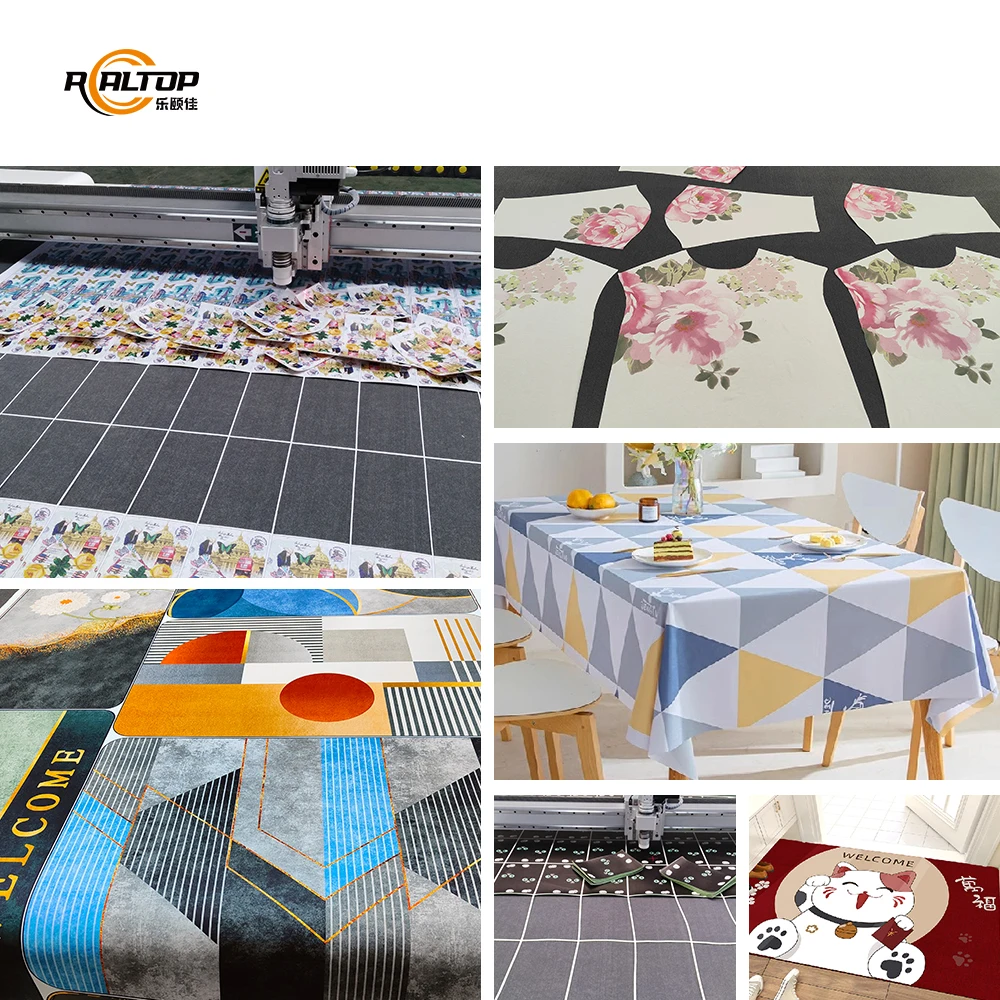
| Garment and footwear production | Single and multi-layer fabric, leather, shoe material, luggage material, non-woven fabric |
| Automotive interior trimming | Sponge composite leather, foam, PU, EVA, XPE, carpet and floor mat materials |
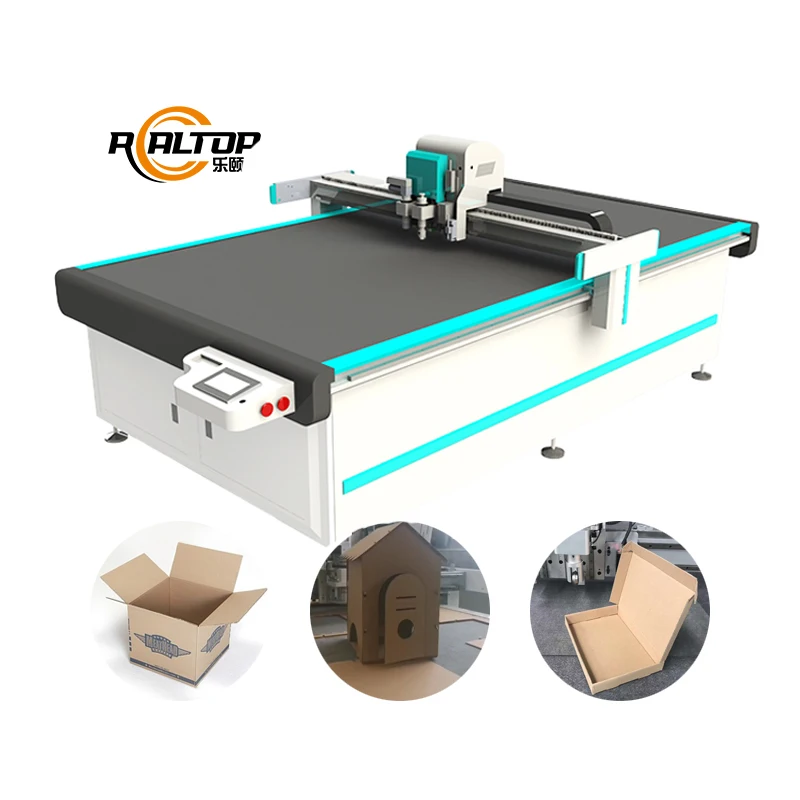
| Packaging and carton sample making | Corrugated cardboard, cardboard, sticker, film, plastic box |
| Gasket and sealing fabrication | Rubber, PTFE, ETFE, fiberglass, gasket material |
| Soft furnishing and textile | Cloth, textile, carpet, PVC, PP, PE, composite materials |
Why the Voltage Question Should Come Before the Price on a CNC Oscillating Knife Cutting Machine
Confirming local voltage, plug type and control language before quotation prevents expensive on-site rewiring and operator confusion.
I have stood in European workshops where a machine arrived wired for 380V three-phase only to find the facility running 400V with a different plug standard. The electrician spent a full day sorting it out while rolls of fabric sat idle. The same goes for language — a touch screen locked in a language the operator cannot read slows down nesting adjustments and increases miscut risk [NEED_CITE: voltage and frequency standards by export market]. When sourcing a CNC oscillating knife cutting machine manufacturer, these details belong in the first exchange, not the shipping documents.
Comparing Knife and Laser for Fabric and Composite Materials
Choosing between knife and laser cutting depends on the material behaviour under each process. The RT-D2516/RT-S2516 operates as a CNC oscillating knife cutting machine, which means the blade physically slices through fabric, foam, leather and composites without generating heat at the cut edge. This matters when cutting synthetic textiles that melt or seal under a laser beam, or multi-layer layups where heat distortion would shift the ply alignment. The auto-feeding conveyor table feeds roll stock continuously, which suits high-volume garment or automotive interior production where unattended cutting between marks keeps throughput steady.
Tool Head Selection Across the Material Range
A single platform carrying oscillating knife, pneumatic knife, drag knife, creasing wheel and punching tool heads means the cutting method follows the material rather than forcing one method across everything. Cutting sponge composite leather for car seats requires a different blade stroke and frequency than scoring corrugated cardboard for a packaging sample. The high-power vibrating knife handles thicker foam and rubber, while the creasing wheel produces fold lines on carton stock without cutting through [NEED_CITE: tool head and material matching guidance in digital cutting]. Configuring the correct tool head before shipment avoids the situation where a machine arrives set up for thin vinyl and then struggles on 20 mm foam gaskets.
Reading the Specification Sheet Against Your Actual Production
The 1600×2500 mm working area accommodates full garment marker layouts and large signage panels, but the usable cutting width depends on the roll width you feed and the vacuum zone layout beneath. The magnesium-aluminum alloy vacuum table with PVDF coating resists belt abrasion and provides zoned suction — critical when cutting small gasket parts that tend to lift off a poorly zoned table at 800 mm/s translational speed. The Taiwan Hiwin linear guides and Delta servo motors maintain ≤0.1 mm repeated accuracy, which keeps pattern pieces within garment grading tolerances across a full shift of cutting. The 9 kW rated power covers the servo drives, vacuum pump and spindle simultaneously without tripping a standard workshop breaker, though a dedicated 380V circuit is still recommended.
What Happens When Configuration Is Guessed Instead of Specified
I have watched buyers choose a machine based solely on bed size, then discover the vacuum table lacks sufficient zoning for the small pieces they actually cut — parts lift, the knife drags them, and the edge is ruined. Another common miss is the CCD camera: it is listed on the brochure, but nobody checked whether the vision system tracks printed registration marks at full conveyor speed on their specific print substrate [NEED_CITE: CCD contour recognition reliability at production speed]. Wrong tool head selection produces ragged edges on foam or crushed fibres on technical textiles, and the operator spends more time sorting rejects than cutting.
Why Source This Machine Through REALTOP
In-house design covers both knife and laser cutting technologies, so a buyer cutting mixed materials can match the method to each job without forcing one technology across the board. Every RT-D2516/RT-S2516 leaves the factory with tool head and table configuration specified per the buyer’s material and daily volume. CCD camera positioning is tested on the buyer’s printed contour file before dispatch. Software compatibility — PLT, DXF, AI — is confirmed against the buyer’s existing nesting workflow so file import works on day one. Voltage, plug type and control panel language are locked in at order, not left to chance. Sample cutting on the buyer’s own material is available before any commitment is made.
Documentation & Verification
- Machine specification sheet confirming working area, tool head list and table configuration per material
- Electrical schematic and voltage confirmation matched to destination market supply
- Sample cutting report on buyer-supplied material with edge quality and speed notes
- Software licence and file format compatibility note for PLT, DXF and AI workflows
- Factory test record including repeated accuracy measurement before crating
Installation, Commissioning & Support
- Dedicated 380V±10% three-phase circuit required for the 9 kW rated power and 7.5 kW vacuum pump
- Machine footprint 3450×2300 mm plus conveyor infeed and outfeed clearance for roll loading
- Frame arrives as a single welded unit on high-temperature tempered steel — no structural assembly on site
- Touch screen control panel activated in the confirmed language during first-day commissioning
- Auto typesetting software loaded and tested with buyer’s PLT, DXF or AI file formats
- Spare oscillating and drag knife blades, conveyor belt section and vacuum seal strip included at delivery
What to Share Before Requesting a Quotation
Send the specific material types, thicknesses and sheet or roll widths you plan to cut, along with your typical daily volume. Include your local voltage and frequency, preferred control panel language, and the file formats your design team currently uses. If your production involves printed contour cutting, share a sample print file so the CCD positioning can be validated against your actual registration marks before the machine is built.
Frequently Asked Questions
Q: How do I decide between knife cutting and laser cutting for my material?
A: Knife cutting suits materials that melt, seal or emit fumes under laser heat — synthetic textiles, foam, coated fabrics and rubber gaskets. Laser works better where edge sealing is desired, such as acrylic or certain woven textiles. The RT-D2516/RT-S2516 uses oscillating knife technology, which keeps cut edges clean without thermal distortion across most fabric and composite applications.
Q: What working area and table type fits my production volume?
A: The 1600×2500 mm area handles full garment markers and large signage sheets. Choose the auto-feeding conveyor table when cutting from rolls or running continuous multi-layer layups at volume. The flat table suits rigid sheets such as corrugated board and gasket material where roll feeding is unnecessary.
Q: Which tool head should I specify for my material?
A: Oscillating knife handles most fabrics, foams and composites. Drag knife suits vinyl and thin sticker materials. The creasing wheel scores corrugated and carton board without cutting through. High-power vibrating knife is used for thicker rubber and dense foam. Configuration is confirmed per your material samples before order.
Q: Does the CCD camera track printed marks at full production speed?
A: The small CCD and panoramic camera options are tested on the buyer’s actual printed substrate before shipment. Tracking reliability depends on mark contrast, print resolution and conveyor speed. Share a sample print file so the vision system parameters can be tuned to your specific registration marks.
Q: What file formats does the software support?
A: The auto typesetting software accepts PLT, DXF and AI formats and generates HP-GL compatible output. Compatibility with your existing nesting workflow is confirmed before order to ensure files import correctly and material yield calculations match your production planning.
Voltage, language and specification customization — confirmed per market before the RT-D2516/RT-S2516 ships, matching the 380V supply and control panel language to your workshop environment.
Technical Specifications
| Parameter | Value |
|---|---|
| Model | RT-D2516/RT-S2516 |
| Product Type | CNC Oscillating Knife Cutting Machine with Auto Feeding |
| Working Area | 1600×2500 mm |
| Machine Size | 3450×2300×1250 mm |
| Rated Power | 9 kW |
| Vacuum Pump | 7.5 kW |
| Table Type | Flat working table / auto feeding table |
| Translational Velocity | 800–2000 mm/s |
| Cutting Speed | 200–800 mm/s (according to different cutting materials) |
| Repeated Accuracy | ≤0.1 mm |
| Transmission System | Digital servo motor, linear guide, synchronous belt, ball screw |
| Servo Motor | Delta (optional Panasonic) |
| Guide Rail | Taiwan Hiwin rail |
| Conveyor Belt | Germany imported |
| Control Panel | Touch screen with multiple language support |
| Software | Auto typesetting, supports PLT / DXF / AI formats |
| Instruction System | HP-GL compatible format |
| Voltage | 380V±10% |
| Tool Head Options | Oscillating knife, pneumatic knife, high-power vibrating knife, circular knife, V-cutting knife, drag knife, creasing wheel, dotted line knife, punching, brush |
| Visual Positioning | Small CCD camera mark point positioning, panoramic camera recognition positioning, projection positioning |
| Vacuum Table | Magnesium-aluminum alloy with fluorocarbon PVDF powder spraying, anodic oxidation, hard oxidation |
| Frame | Thick-walled seamless steel structure, high-temperature tempering, CNC machining center finished |
| Safety Device | Infrared sensors |
| Cutting Thickness | ≤100 mm (varies with material) (basis not stated in source) |
| Language Options | English, Russian, Italian, Chinese (special languages customizable) |
Application Suitability
| Application | Material or Output |
|---|---|
| Garment and footwear production | Single and multi-layer fabric, leather, shoe material, luggage material, non-woven fabric |
| Automotive interior trimming | Sponge composite leather, foam, PU, EVA, XPE, carpet and floor mat materials |
| Packaging and carton sample making | Corrugated cardboard, cardboard, sticker, film, plastic box |
| Gasket and sealing fabrication | Rubber, PTFE, ETFE, fiberglass, gasket material |
| Soft furnishing and textile | Cloth, textile, carpet, PVC, PP, PE, composite materials |
Why the Voltage Question Should Come Before the Price on a CNC Oscillating Knife Cutting Machine
Confirming local voltage, plug type and control language before quotation prevents expensive on-site rewiring and operator confusion.
I have stood in European workshops where a machine arrived wired for 380V three-phase only to find the facility running 400V with a different plug standard. The electrician spent a full day sorting it out while rolls of fabric sat idle. The same goes for language — a touch screen locked in a language the operator cannot read slows down nesting adjustments and increases miscut risk [NEED_CITE: voltage and frequency standards by export market]. When sourcing a CNC oscillating knife cutting machine manufacturer, these details belong in the first exchange, not the shipping documents.
Comparing Knife and Laser for Fabric and Composite Materials
Choosing between knife and laser cutting depends on the material behaviour under each process. The RT-D2516/RT-S2516 operates as a CNC oscillating knife cutting machine, which means the blade physically slices through fabric, foam, leather and composites without generating heat at the cut edge. This matters when cutting synthetic textiles that melt or seal under a laser beam, or multi-layer layups where heat distortion would shift the ply alignment. The auto-feeding conveyor table feeds roll stock continuously, which suits high-volume garment or automotive interior production where unattended cutting between marks keeps throughput steady.
Tool Head Selection Across the Material Range
A single platform carrying oscillating knife, pneumatic knife, drag knife, creasing wheel and punching tool heads means the cutting method follows the material rather than forcing one method across everything. Cutting sponge composite leather for car seats requires a different blade stroke and frequency than scoring corrugated cardboard for a packaging sample. The high-power vibrating knife handles thicker foam and rubber, while the creasing wheel produces fold lines on carton stock without cutting through [NEED_CITE: tool head and material matching guidance in digital cutting]. Configuring the correct tool head before shipment avoids the situation where a machine arrives set up for thin vinyl and then struggles on 20 mm foam gaskets.
Reading the Specification Sheet Against Your Actual Production
The 1600×2500 mm working area accommodates full garment marker layouts and large signage panels, but the usable cutting width depends on the roll width you feed and the vacuum zone layout beneath. The magnesium-aluminum alloy vacuum table with PVDF coating resists belt abrasion and provides zoned suction — critical when cutting small gasket parts that tend to lift off a poorly zoned table at 800 mm/s translational speed. The Taiwan Hiwin linear guides and Delta servo motors maintain ≤0.1 mm repeated accuracy, which keeps pattern pieces within garment grading tolerances across a full shift of cutting. The 9 kW rated power covers the servo drives, vacuum pump and spindle simultaneously without tripping a standard workshop breaker, though a dedicated 380V circuit is still recommended.
What Happens When Configuration Is Guessed Instead of Specified
I have watched buyers choose a machine based solely on bed size, then discover the vacuum table lacks sufficient zoning for the small pieces they actually cut — parts lift, the knife drags them, and the edge is ruined. Another common miss is the CCD camera: it is listed on the brochure, but nobody checked whether the vision system tracks printed registration marks at full conveyor speed on their specific print substrate [NEED_CITE: CCD contour recognition reliability at production speed]. Wrong tool head selection produces ragged edges on foam or crushed fibres on technical textiles, and the operator spends more time sorting rejects than cutting.
Why Source This Machine Through REALTOP
In-house design covers both knife and laser cutting technologies, so a buyer cutting mixed materials can match the method to each job without forcing one technology across the board. Every RT-D2516/RT-S2516 leaves the factory with tool head and table configuration specified per the buyer’s material and daily volume. CCD camera positioning is tested on the buyer’s printed contour file before dispatch. Software compatibility — PLT, DXF, AI — is confirmed against the buyer’s existing nesting workflow so file import works on day one. Voltage, plug type and control panel language are locked in at order, not left to chance. Sample cutting on the buyer’s own material is available before any commitment is made.
Documentation & Verification
- Machine specification sheet confirming working area, tool head list and table configuration per material
- Electrical schematic and voltage confirmation matched to destination market supply
- Sample cutting report on buyer-supplied material with edge quality and speed notes
- Software licence and file format compatibility note for PLT, DXF and AI workflows
- Factory test record including repeated accuracy measurement before crating
Installation, Commissioning & Support
- Dedicated 380V±10% three-phase circuit required for the 9 kW rated power and 7.5 kW vacuum pump
- Machine footprint 3450×2300 mm plus conveyor infeed and outfeed clearance for roll loading
- Frame arrives as a single welded unit on high-temperature tempered steel — no structural assembly on site
- Touch screen control panel activated in the confirmed language during first-day commissioning
- Auto typesetting software loaded and tested with buyer’s PLT, DXF or AI file formats
- Spare oscillating and drag knife blades, conveyor belt section and vacuum seal strip included at delivery
What to Share Before Requesting a Quotation
Send the specific material types, thicknesses and sheet or roll widths you plan to cut, along with your typical daily volume. Include your local voltage and frequency, preferred control panel language, and the file formats your design team currently uses. If your production involves printed contour cutting, share a sample print file so the CCD positioning can be validated against your actual registration marks before the machine is built.
Frequently Asked Questions
Q: How do I decide between knife cutting and laser cutting for my material?
A: Knife cutting suits materials that melt, seal or emit fumes under laser heat — synthetic textiles, foam, coated fabrics and rubber gaskets. Laser works better where edge sealing is desired, such as acrylic or certain woven textiles. The RT-D2516/RT-S2516 uses oscillating knife technology, which keeps cut edges clean without thermal distortion across most fabric and composite applications.
Q: What working area and table type fits my production volume?
A: The 1600×2500 mm area handles full garment markers and large signage sheets. Choose the auto-feeding conveyor table when cutting from rolls or running continuous multi-layer layups at volume. The flat table suits rigid sheets such as corrugated board and gasket material where roll feeding is unnecessary.
Q: Which tool head should I specify for my material?
A: Oscillating knife handles most fabrics, foams and composites. Drag knife suits vinyl and thin sticker materials. The creasing wheel scores corrugated and carton board without cutting through. High-power vibrating knife is used for thicker rubber and dense foam. Configuration is confirmed per your material samples before order.
Q: Does the CCD camera track printed marks at full production speed?
A: The small CCD and panoramic camera options are tested on the buyer’s actual printed substrate before shipment. Tracking reliability depends on mark contrast, print resolution and conveyor speed. Share a sample print file so the vision system parameters can be tuned to your specific registration marks.
Q: What file formats does the software support?
A: The auto typesetting software accepts PLT, DXF and AI formats and generates HP-GL compatible output. Compatibility with your existing nesting workflow is confirmed before order to ensure files import correctly and material yield calculations match your production planning.
商品评价
There are no reviews yet.