

Fast Delivery
Quick, reliable shipping to any location.

Free & easy returns
Return this item by mail or in store within 90 days for a full refund.
Full Material Mapping — Every RT-D2516/RT-S2516 configuration is matched to a documented material type and thickness range before shipment, eliminating the guesswork between working area and real cutting capacity.
Technical Specifications
| Parameter | Value |
|---|---|
| Model | RT-D2516/RT-S2516 |
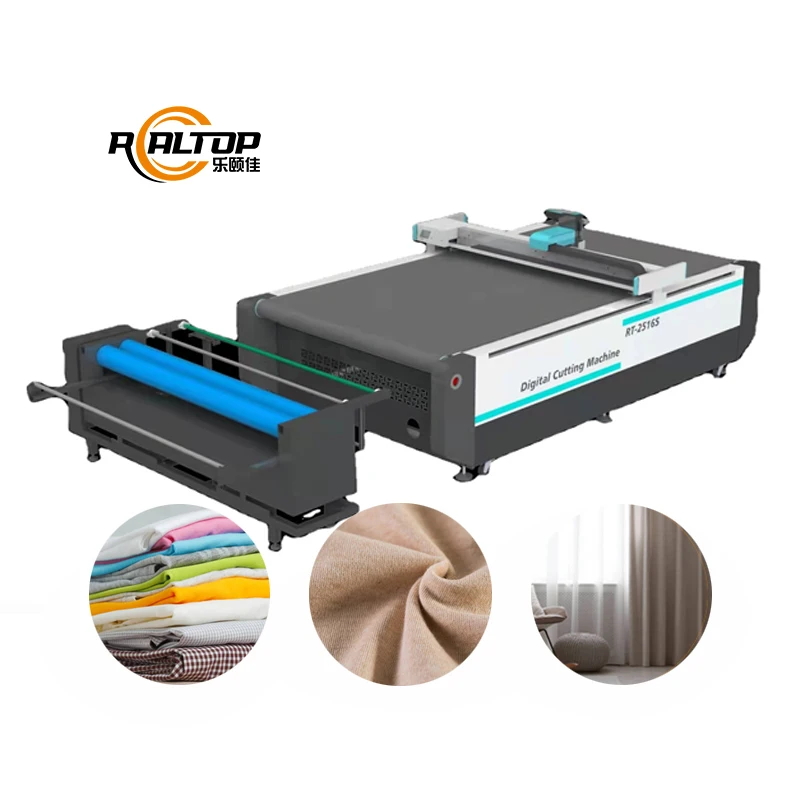
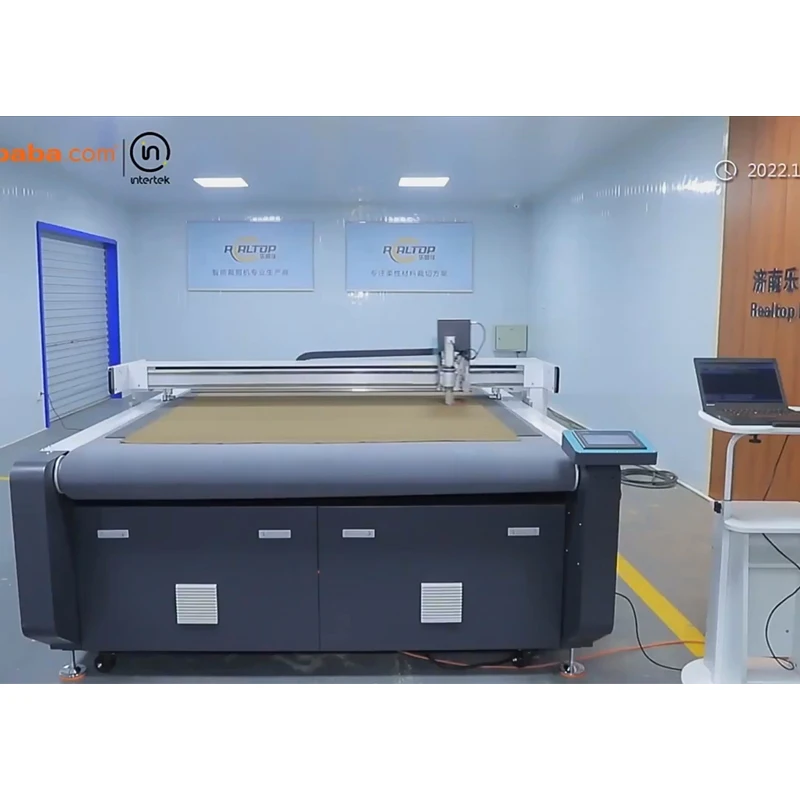
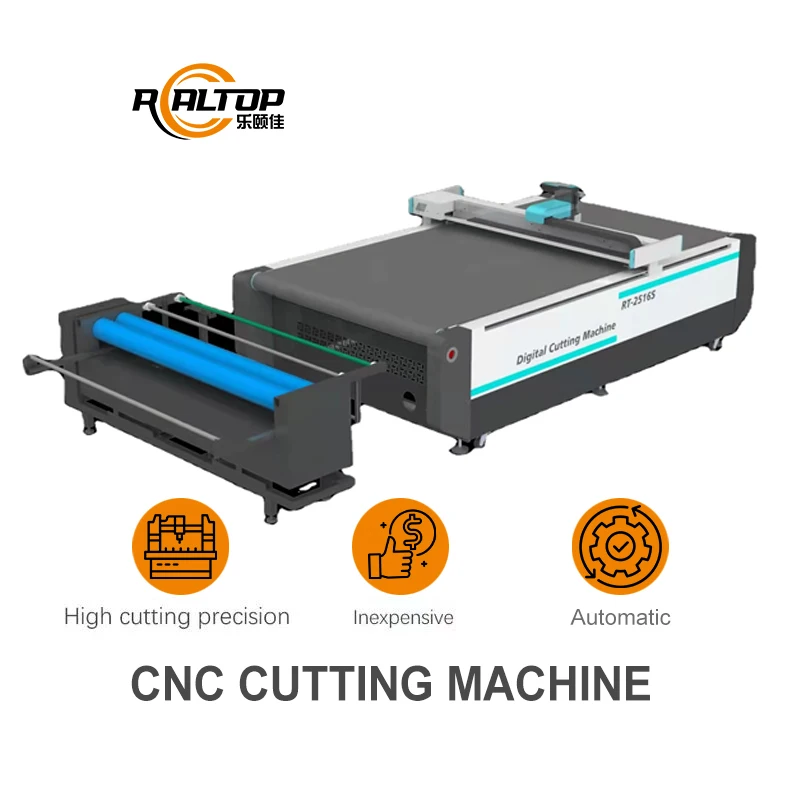
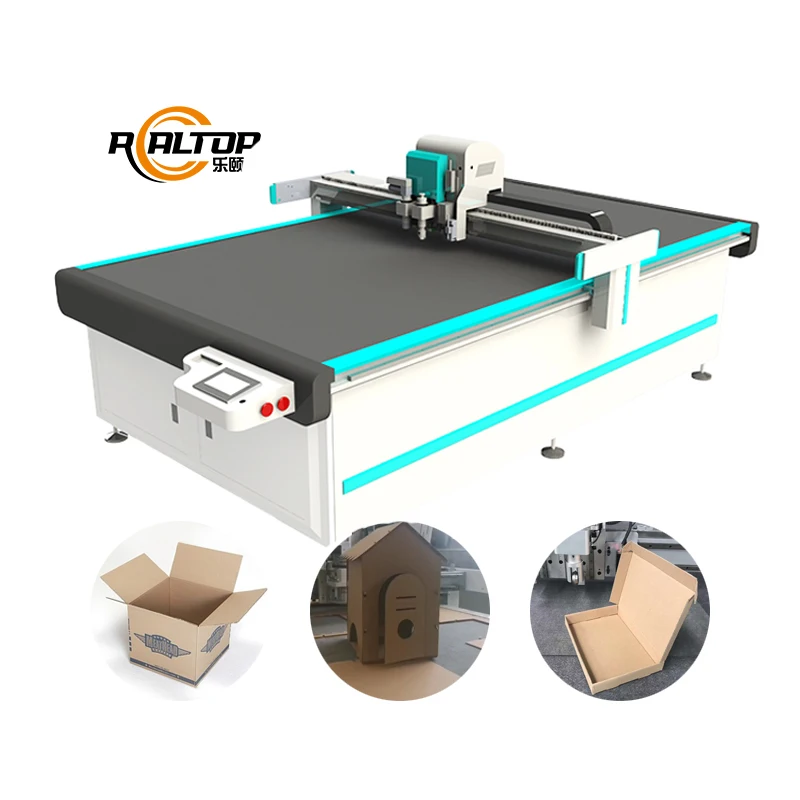
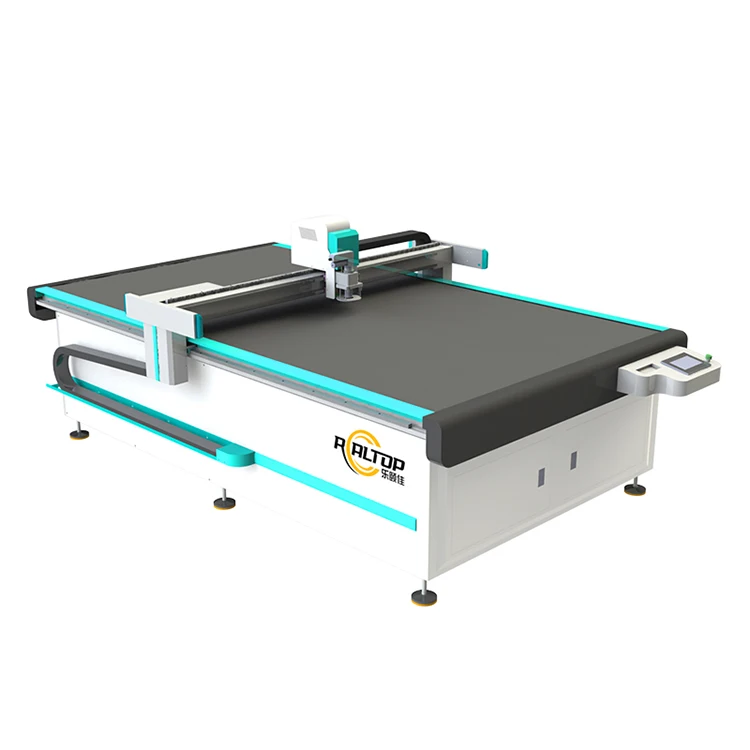
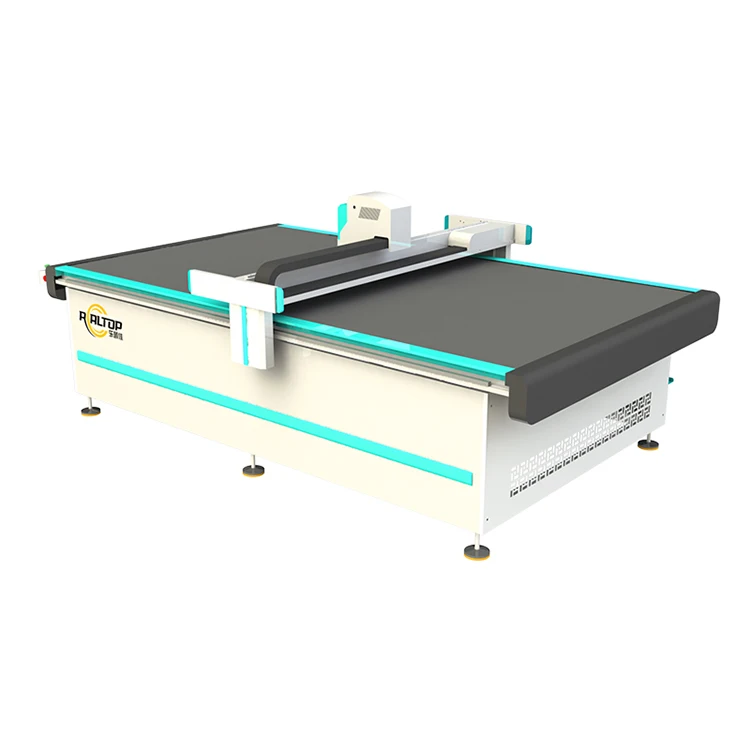
| Product Type | CNC Oscillating Knife Cutting Machine |
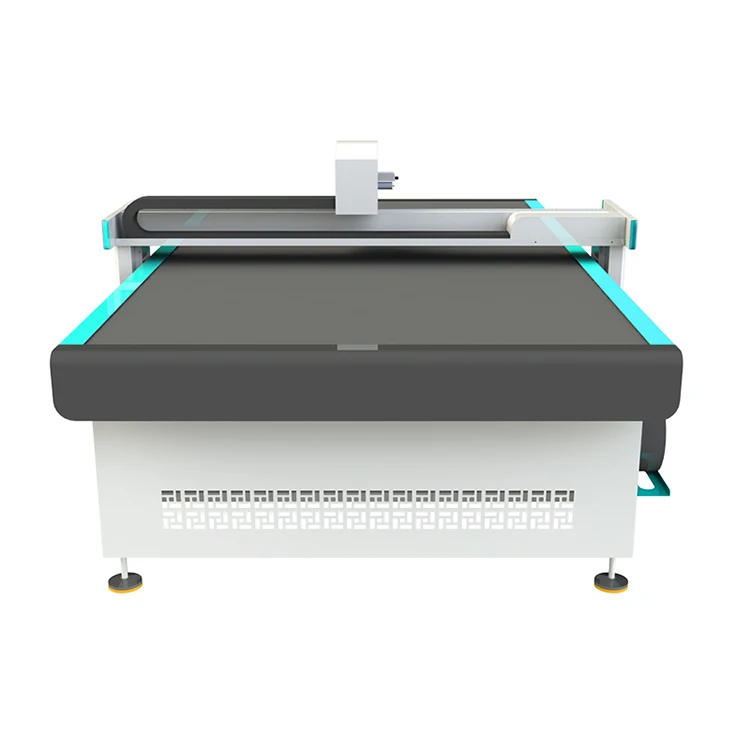
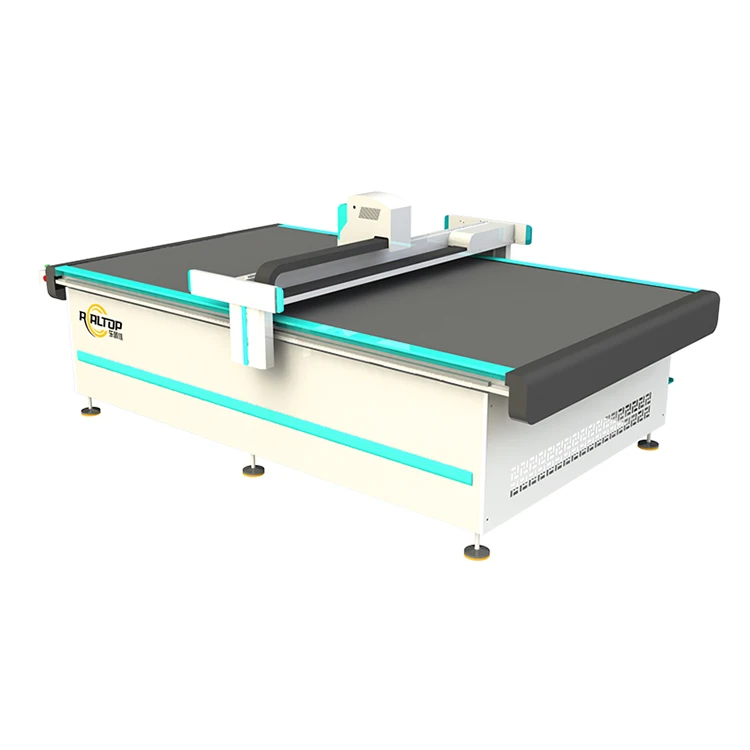
| Working Area | 1600×2500mm |
| Overall Dimensions | 3450×2300×1250mm |
| Rated Power | 9kW |
| Voltage | 380V±10% |
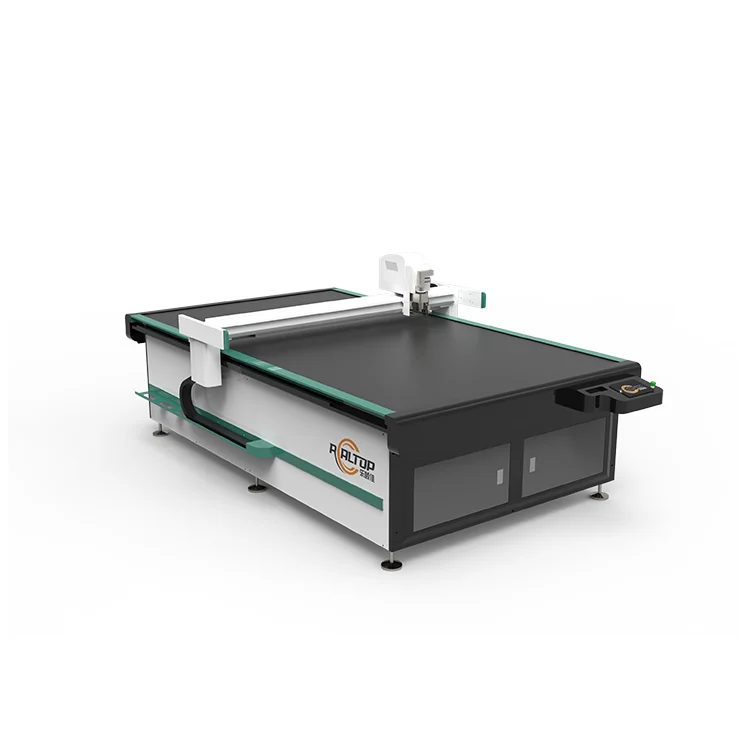
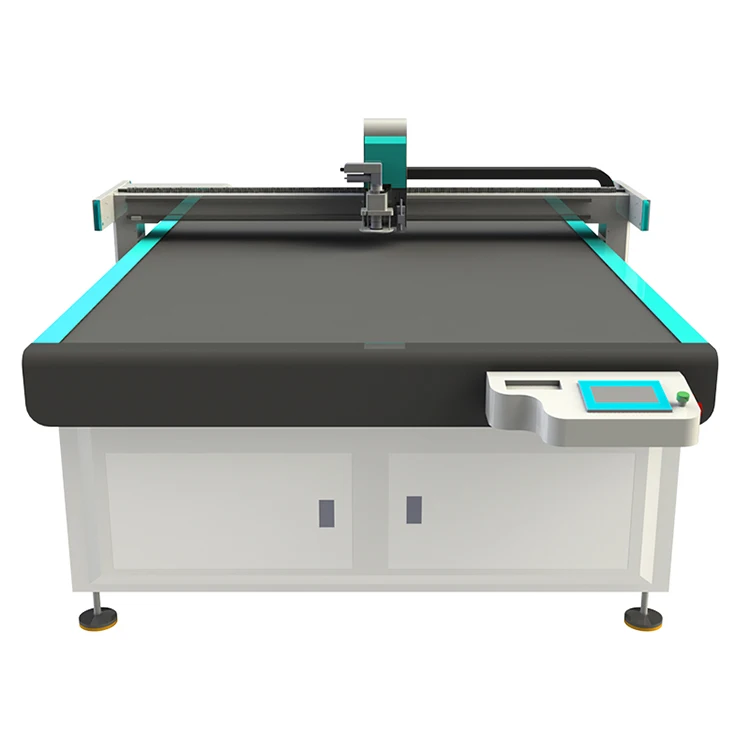
| Table Type | Magnesium-aluminum alloy vacuum adsorption table with PVDF coating |
| Vacuum Pump | 7.5kW aviation aluminum shell with built-in silencer sponge |
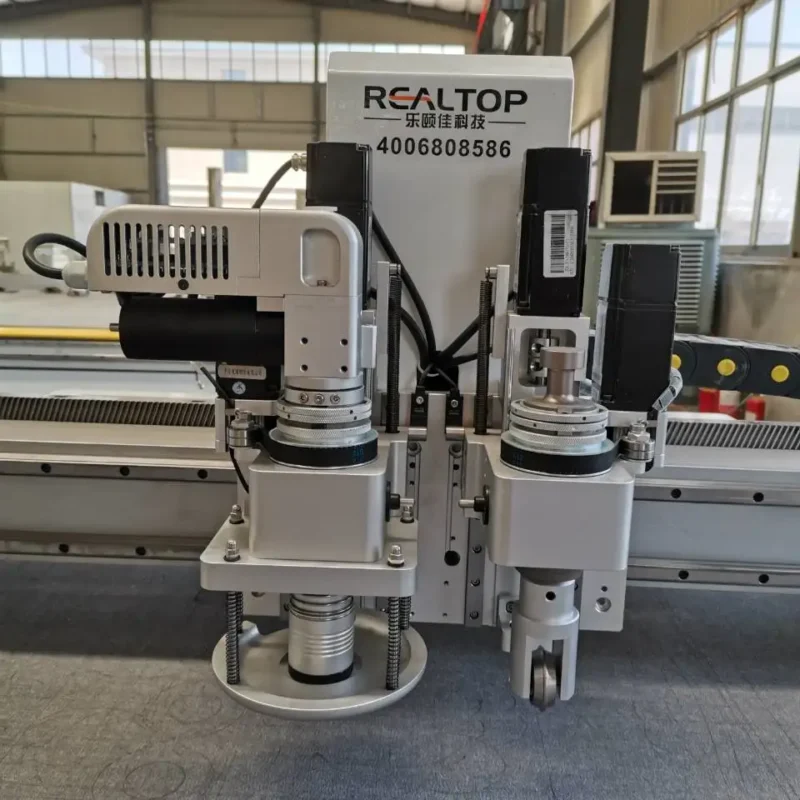
| Tool Head Options | Oscillating knife, pneumatic knife, high-power vibrating knife, circular knife, V cutting knife, drag knife, creasing wheel, dotted line knife, punching, brush |
| Visual Positioning | Small CCD camera mark point positioning, panoramic camera recognition, projection positioning (options) |
| Cutting Thickness | 20mm–80mm (varies by material — basis not stated in source) |
| Translational Velocity | 800–1200mm/s |
| Repeated Accuracy | ≤0.1mm |
| Transmission System | Delta digital servo motor, Taiwan Hiwin linear guide, synchronous belt, ball screw |
| Instruction System | HP-GL compatible format |
| Safety Device | Infrared induction blocking, beam anti-collision, emergency stop |
| Control Language | English, Russian, Italian, Chinese (special languages customizable) |
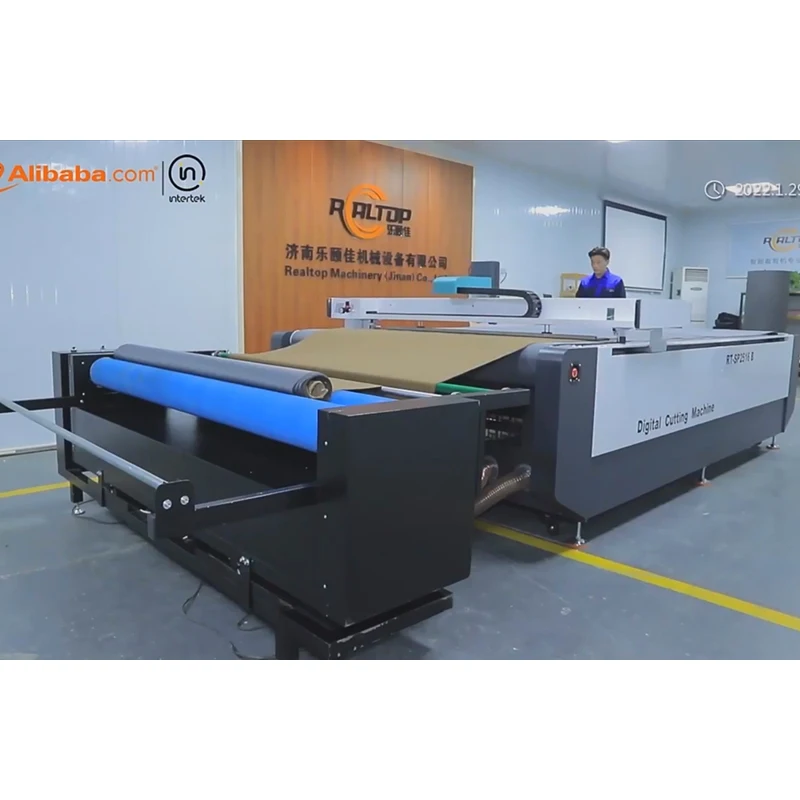
| Feeding System | Auto feeding with Germany imported conveyor belt |
| Assembly State | Fully assembled |
Application Suitability
| Application | Material or Output |
|---|---|
| Automotive interior trimming | Leather, synthetic PU, EVA foam and composite panels for dashboards and door cards |
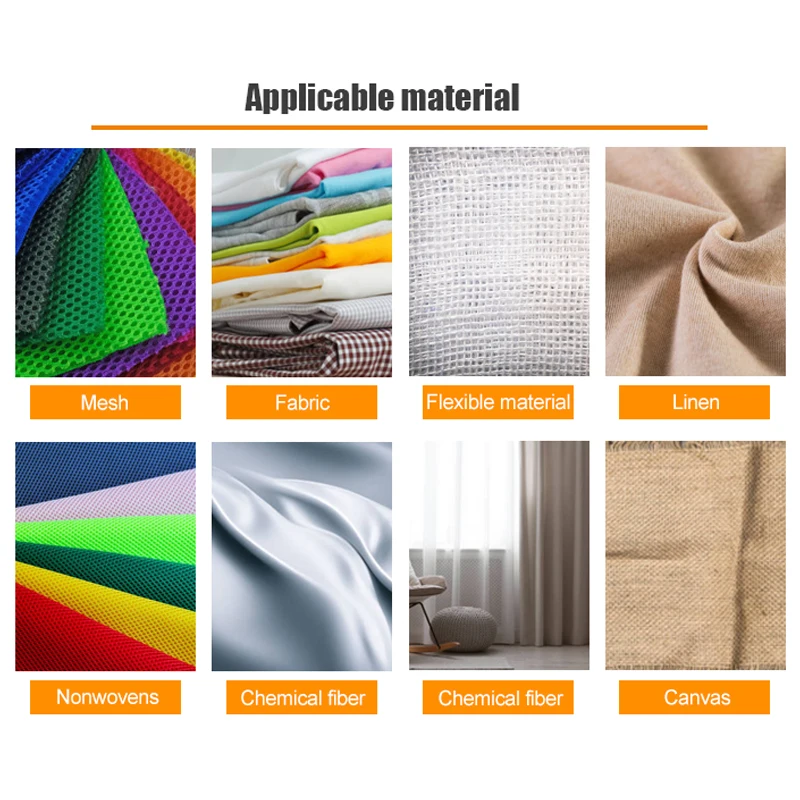
| Garment and footwear production | Woven fabric, non-woven textile, shoe upper material, luggage cloth |
| Packaging and carton sample making | Corrugated cardboard, sticker film, plastic box sheet, PP and PE board |
| Gasket and seal fabrication | Rubber, PTFE, ETFE, fiberglass and composite sealing material |
| Carpet and floor mat cutting | Carpet, sponge, XPE foam, PVC and PU flooring rolls |
| Advertising and signage | Vinyl, film, foam board and flexible display substrates |
Why Specified Cutting Depth Rarely Matches the First Test
Actual cutting depth depends on material density, fiber structure and tool head selection — not on the machine plate alone.
When a buyer quotes a CNC Knife Cutting Machine manufacturer based only on working area, the assumption is that any material within the stated thickness range will cut cleanly. In practice, a fiber-reinforced composite at 30mm behaves entirely differently from a closed-cell foam at the same depth. Blades that slice through EVA cleanly may chatter on PVC-laminated fabric, leaving ragged edges that require secondary trimming. This gap between spec sheet and shop floor is where most first-article tests fail [NEED_CITE: material density variance in flexible cutting applications].
Tool Head Selection Determines Edge Quality
The RT-D2516/RT-S2516 platform supports a full range of interchangeable tool heads, from standard oscillating knife to high-power vibrating knife, circular knife and drag knife. Each head addresses a different material behavior: oscillating action handles thick foam and sponge without crushing the cell structure, while a circular knife suits continuous roll-fed textile cutting at production speed. Specifying the correct head before order prevents the common situation where a machine arrives configured for one material and must be retrofitted when the buyer’s actual stock is different.
Vacuum Zoning and Small-Part Hold-Down
The magnesium-aluminum alloy vacuum table uses a PVDF-coated surface with multi-zone suction. When cutting small gasket parts or intricate garment pattern pieces, full-table vacuum often fails to hold the material flat because the suction area exceeds the part footprint. Zoned suction directs airflow only under the cutting region, keeping thin film and lightweight fabric from lifting during high-speed passes. This is particularly critical when the nesting software places parts close together, as any material shift compromises the repeated accuracy of ≤0.1mm across the 1600×2500mm working area [NEED_CITE: vacuum hold-down requirements for nested flexible material cutting].
How Core Parameters Affect Daily Output
The Delta digital servo motor paired with Taiwan Hiwin linear guides provides the translational velocity range of 800–1200mm/s while maintaining the stated repeated accuracy. In real production, sustained speed depends on contour complexity — a straight-line cut on corrugated cardboard reaches the upper end, while tight-radius contours on automotive leather require the servo to decelerate at each direction change. The 7.5kW vacuum pump with aviation aluminum shell and built-in silencer sponge maintains suction without adding excessive workshop noise during extended shifts. For printed contour work, the optional CCD camera or panoramic vision system locates registration marks and adjusts the cutting path in real time, which is essential for signage and appliqué work where print-to-cut alignment cannot rely on manual positioning. The HP-GL compatible instruction format allows the CNC Knife Cutting Machine manufacturer to confirm file compatibility with the buyer’s existing nesting software before the order is placed.
The Cost of Wrong Configuration Choices
A machine specified without confirming the buyer’s actual material often arrives with the wrong tool head, producing crushed foam or frayed fabric edges that require re-cutting. Insufficient vacuum zoning for small parts causes material lift, resulting in miscut pieces that waste both stock and production time. When voltage and frequency are not confirmed for the destination market, the servo motor may run at incorrect speed or overheat within the first week of operation [NEED_CITE: industrial voltage mismatch impact on servo motor lifespan]. Software incompatibility with the buyer’s nesting workflow adds unplanned downtime while file formats are converted manually.
Why Buyers Source This Range Here
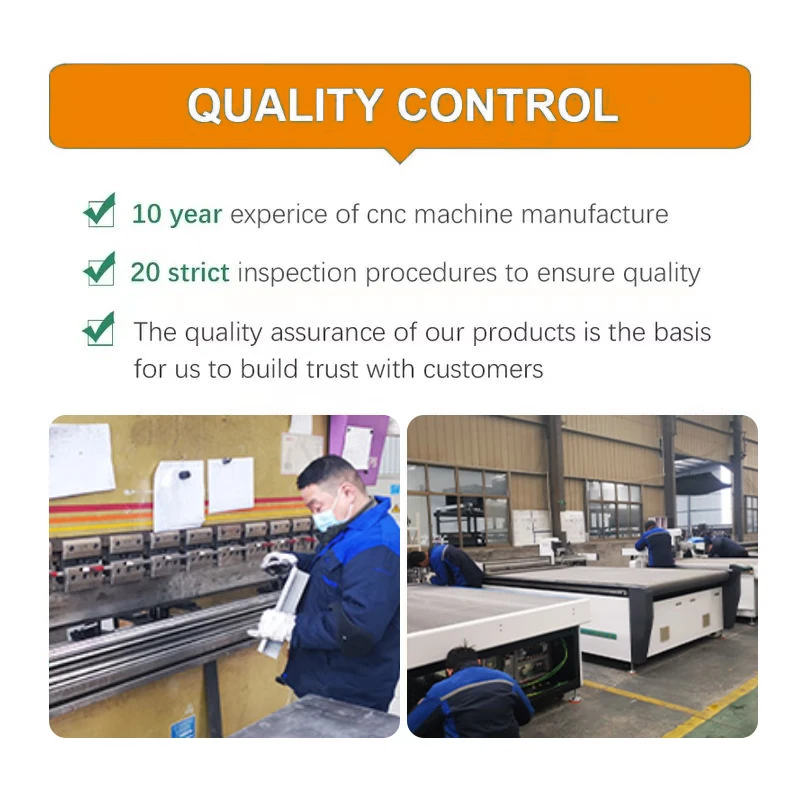
In-house design covers both knife and laser cutting technologies, so a buyer comparing methods can evaluate which suits their material rather than forcing one approach. Each tool head and table configuration is specified against the buyer’s declared material type, thickness and daily volume. CCD camera positioning options are matched to the buyer’s print quality and production speed before commitment. Software compatibility — including HP-GL format and nesting workflow — is confirmed in writing before the order enters production. Sample cutting on the buyer’s own material is conducted and documented before shipment, so edge quality and cutting depth are verified rather than assumed.
Documentation & Verification
- Machine specification sheet listing tool head and table configuration matched to your material
- Electrical schematic confirming voltage, frequency and plug type for destination market
- Sample cutting report on your actual material showing edge quality and achievable thickness
- Software licence and file format compatibility note for your nesting workflow
- Factory test record documenting repeated accuracy and vacuum performance before dispatch
Installation, Commissioning & Support
- Requires a level concrete floor to support the 3450×2300×1250mm footprint and dynamic cutting loads
- Dedicated 380V±10% circuit with appropriate breaker rating for the 9kW total power draw
- Fully assembled delivery — position, level and connect power and vacuum only
- First-run calibration of servo parameters and vacuum zone mapping to your sheet size
- Operator training on tool head changeover, CCD mark teaching and emergency stop procedures
- Spare parts list covering blades, vacuum seals and conveyor belt segments for routine maintenance
What We Need to Quote Accurately
To recommend the correct RT-D2516/RT-S2516 configuration, send the material type, maximum thickness, sheet or roll width and your typical daily volume. Confirm your workshop voltage and frequency, preferred control language, and whether your workflow uses printed registration marks requiring CCD positioning. If your existing nesting software exports in a format other than HP-GL, provide a sample file so we verify compatibility before quotation.
Frequently Asked Questions
Q: How do I choose between oscillating knife and drag knife for my material?
A: Oscillating knife suits thick, compressible materials like foam, sponge and corrugated board where the vibrating action prevents crushing. Drag knife works on thin, dense sheets such as vinyl, gasket rubber and sticker film where a steady drag produces a clean edge. We run a sample cut on your actual material to confirm which head delivers the required edge quality before finalizing configuration.
Q: Does the CCD camera system work with all printed mark types?
A: The CCD and panoramic camera options locate printed registration marks and adjust the cutting path accordingly. Tracking accuracy depends on mark contrast, size and print consistency across the sheet. We test with your printed material sample at production speed to confirm the vision system can reliably detect marks before recommending this option for your workflow.
Q: How does vacuum table zoning affect cutting small gasket parts?
A: Full-table vacuum can lose suction on parts smaller than the zone area, causing material lift during cutting. The multi-zone table on this CNC Knife Cutting Machine manufacturer platform directs airflow only under the active cutting region, holding small and nested parts flat. Zone layout is configured based on your typical part size range to maintain the stated repeated accuracy.
Q: What file formats does the control system accept?
A: The system accepts HP-GL compatible format as standard, which covers most mainstream nesting and CAD outputs. If your current workflow uses a proprietary format, provide sample files during the inquiry stage so we confirm import compatibility. This prevents the common situation where a machine is installed but cannot read the buyer’s existing production files without manual conversion.
Q: Can the control language be changed after delivery?
A: The system supports English, Russian, Italian and Chinese as standard options, with additional languages configurable before shipment. Language packs are loaded during factory setup based on the confirmed destination market. Requesting a non-standard language after delivery may require a software update cycle, so confirming operator language during the order process avoids downtime at commissioning.
Full Material Mapping — Every RT-D2516/RT-S2516 configuration is matched to a documented material type and thickness range before shipment, eliminating the guesswork between working area and real cutting capacity.
Technical Specifications
| Parameter | Value |
|---|---|
| Model | RT-D2516/RT-S2516 |
| Product Type | CNC Oscillating Knife Cutting Machine |
| Working Area | 1600×2500mm |
| Overall Dimensions | 3450×2300×1250mm |
| Rated Power | 9kW |
| Voltage | 380V±10% |
| Table Type | Magnesium-aluminum alloy vacuum adsorption table with PVDF coating |
| Vacuum Pump | 7.5kW aviation aluminum shell with built-in silencer sponge |
| Tool Head Options | Oscillating knife, pneumatic knife, high-power vibrating knife, circular knife, V cutting knife, drag knife, creasing wheel, dotted line knife, punching, brush |
| Visual Positioning | Small CCD camera mark point positioning, panoramic camera recognition, projection positioning (options) |
| Cutting Thickness | 20mm–80mm (varies by material — basis not stated in source) |
| Translational Velocity | 800–1200mm/s |
| Repeated Accuracy | ≤0.1mm |
| Transmission System | Delta digital servo motor, Taiwan Hiwin linear guide, synchronous belt, ball screw |
| Instruction System | HP-GL compatible format |
| Safety Device | Infrared induction blocking, beam anti-collision, emergency stop |
| Control Language | English, Russian, Italian, Chinese (special languages customizable) |
| Feeding System | Auto feeding with Germany imported conveyor belt |
| Assembly State | Fully assembled |
Application Suitability
| Application | Material or Output |
|---|---|
| Automotive interior trimming | Leather, synthetic PU, EVA foam and composite panels for dashboards and door cards |
| Garment and footwear production | Woven fabric, non-woven textile, shoe upper material, luggage cloth |
| Packaging and carton sample making | Corrugated cardboard, sticker film, plastic box sheet, PP and PE board |
| Gasket and seal fabrication | Rubber, PTFE, ETFE, fiberglass and composite sealing material |
| Carpet and floor mat cutting | Carpet, sponge, XPE foam, PVC and PU flooring rolls |
| Advertising and signage | Vinyl, film, foam board and flexible display substrates |
Why Specified Cutting Depth Rarely Matches the First Test
Actual cutting depth depends on material density, fiber structure and tool head selection — not on the machine plate alone.
When a buyer quotes a CNC Knife Cutting Machine manufacturer based only on working area, the assumption is that any material within the stated thickness range will cut cleanly. In practice, a fiber-reinforced composite at 30mm behaves entirely differently from a closed-cell foam at the same depth. Blades that slice through EVA cleanly may chatter on PVC-laminated fabric, leaving ragged edges that require secondary trimming. This gap between spec sheet and shop floor is where most first-article tests fail [NEED_CITE: material density variance in flexible cutting applications].
Tool Head Selection Determines Edge Quality
The RT-D2516/RT-S2516 platform supports a full range of interchangeable tool heads, from standard oscillating knife to high-power vibrating knife, circular knife and drag knife. Each head addresses a different material behavior: oscillating action handles thick foam and sponge without crushing the cell structure, while a circular knife suits continuous roll-fed textile cutting at production speed. Specifying the correct head before order prevents the common situation where a machine arrives configured for one material and must be retrofitted when the buyer’s actual stock is different.
Vacuum Zoning and Small-Part Hold-Down
The magnesium-aluminum alloy vacuum table uses a PVDF-coated surface with multi-zone suction. When cutting small gasket parts or intricate garment pattern pieces, full-table vacuum often fails to hold the material flat because the suction area exceeds the part footprint. Zoned suction directs airflow only under the cutting region, keeping thin film and lightweight fabric from lifting during high-speed passes. This is particularly critical when the nesting software places parts close together, as any material shift compromises the repeated accuracy of ≤0.1mm across the 1600×2500mm working area [NEED_CITE: vacuum hold-down requirements for nested flexible material cutting].
How Core Parameters Affect Daily Output
The Delta digital servo motor paired with Taiwan Hiwin linear guides provides the translational velocity range of 800–1200mm/s while maintaining the stated repeated accuracy. In real production, sustained speed depends on contour complexity — a straight-line cut on corrugated cardboard reaches the upper end, while tight-radius contours on automotive leather require the servo to decelerate at each direction change. The 7.5kW vacuum pump with aviation aluminum shell and built-in silencer sponge maintains suction without adding excessive workshop noise during extended shifts. For printed contour work, the optional CCD camera or panoramic vision system locates registration marks and adjusts the cutting path in real time, which is essential for signage and appliqué work where print-to-cut alignment cannot rely on manual positioning. The HP-GL compatible instruction format allows the CNC Knife Cutting Machine manufacturer to confirm file compatibility with the buyer’s existing nesting software before the order is placed.
The Cost of Wrong Configuration Choices
A machine specified without confirming the buyer’s actual material often arrives with the wrong tool head, producing crushed foam or frayed fabric edges that require re-cutting. Insufficient vacuum zoning for small parts causes material lift, resulting in miscut pieces that waste both stock and production time. When voltage and frequency are not confirmed for the destination market, the servo motor may run at incorrect speed or overheat within the first week of operation [NEED_CITE: industrial voltage mismatch impact on servo motor lifespan]. Software incompatibility with the buyer’s nesting workflow adds unplanned downtime while file formats are converted manually.
Why Buyers Source This Range Here
In-house design covers both knife and laser cutting technologies, so a buyer comparing methods can evaluate which suits their material rather than forcing one approach. Each tool head and table configuration is specified against the buyer’s declared material type, thickness and daily volume. CCD camera positioning options are matched to the buyer’s print quality and production speed before commitment. Software compatibility — including HP-GL format and nesting workflow — is confirmed in writing before the order enters production. Sample cutting on the buyer’s own material is conducted and documented before shipment, so edge quality and cutting depth are verified rather than assumed.
Documentation & Verification
- Machine specification sheet listing tool head and table configuration matched to your material
- Electrical schematic confirming voltage, frequency and plug type for destination market
- Sample cutting report on your actual material showing edge quality and achievable thickness
- Software licence and file format compatibility note for your nesting workflow
- Factory test record documenting repeated accuracy and vacuum performance before dispatch
Installation, Commissioning & Support
- Requires a level concrete floor to support the 3450×2300×1250mm footprint and dynamic cutting loads
- Dedicated 380V±10% circuit with appropriate breaker rating for the 9kW total power draw
- Fully assembled delivery — position, level and connect power and vacuum only
- First-run calibration of servo parameters and vacuum zone mapping to your sheet size
- Operator training on tool head changeover, CCD mark teaching and emergency stop procedures
- Spare parts list covering blades, vacuum seals and conveyor belt segments for routine maintenance
What We Need to Quote Accurately
To recommend the correct RT-D2516/RT-S2516 configuration, send the material type, maximum thickness, sheet or roll width and your typical daily volume. Confirm your workshop voltage and frequency, preferred control language, and whether your workflow uses printed registration marks requiring CCD positioning. If your existing nesting software exports in a format other than HP-GL, provide a sample file so we verify compatibility before quotation.
Frequently Asked Questions
Q: How do I choose between oscillating knife and drag knife for my material?
A: Oscillating knife suits thick, compressible materials like foam, sponge and corrugated board where the vibrating action prevents crushing. Drag knife works on thin, dense sheets such as vinyl, gasket rubber and sticker film where a steady drag produces a clean edge. We run a sample cut on your actual material to confirm which head delivers the required edge quality before finalizing configuration.
Q: Does the CCD camera system work with all printed mark types?
A: The CCD and panoramic camera options locate printed registration marks and adjust the cutting path accordingly. Tracking accuracy depends on mark contrast, size and print consistency across the sheet. We test with your printed material sample at production speed to confirm the vision system can reliably detect marks before recommending this option for your workflow.
Q: How does vacuum table zoning affect cutting small gasket parts?
A: Full-table vacuum can lose suction on parts smaller than the zone area, causing material lift during cutting. The multi-zone table on this CNC Knife Cutting Machine manufacturer platform directs airflow only under the active cutting region, holding small and nested parts flat. Zone layout is configured based on your typical part size range to maintain the stated repeated accuracy.
Q: What file formats does the control system accept?
A: The system accepts HP-GL compatible format as standard, which covers most mainstream nesting and CAD outputs. If your current workflow uses a proprietary format, provide sample files during the inquiry stage so we confirm import compatibility. This prevents the common situation where a machine is installed but cannot read the buyer’s existing production files without manual conversion.
Q: Can the control language be changed after delivery?
A: The system supports English, Russian, Italian and Chinese as standard options, with additional languages configurable before shipment. Language packs are loaded during factory setup based on the confirmed destination market. Requesting a non-standard language after delivery may require a software update cycle, so confirming operator language during the order process avoids downtime at commissioning.
商品评价
There are no reviews yet.