

Fast Delivery
Quick, reliable shipping to any location.

Free & easy returns
Return this item by mail or in store within 90 days for a full refund.
Complete catalogue coverage — a single source to compare oscillating knife and laser options by material, working area and production volume before narrowing to the right cutting method.
Technical Specifications
| Parameter | Value |
|---|---|
| Model | 1625 |
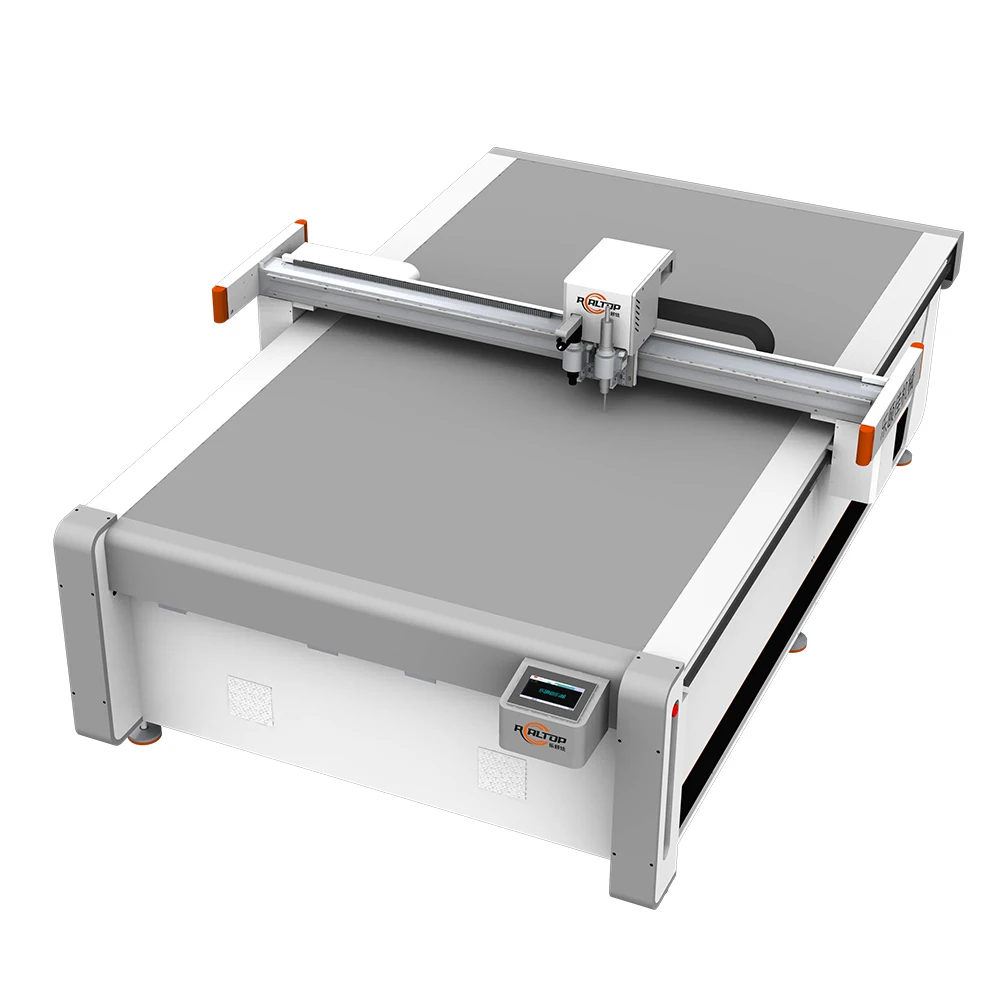
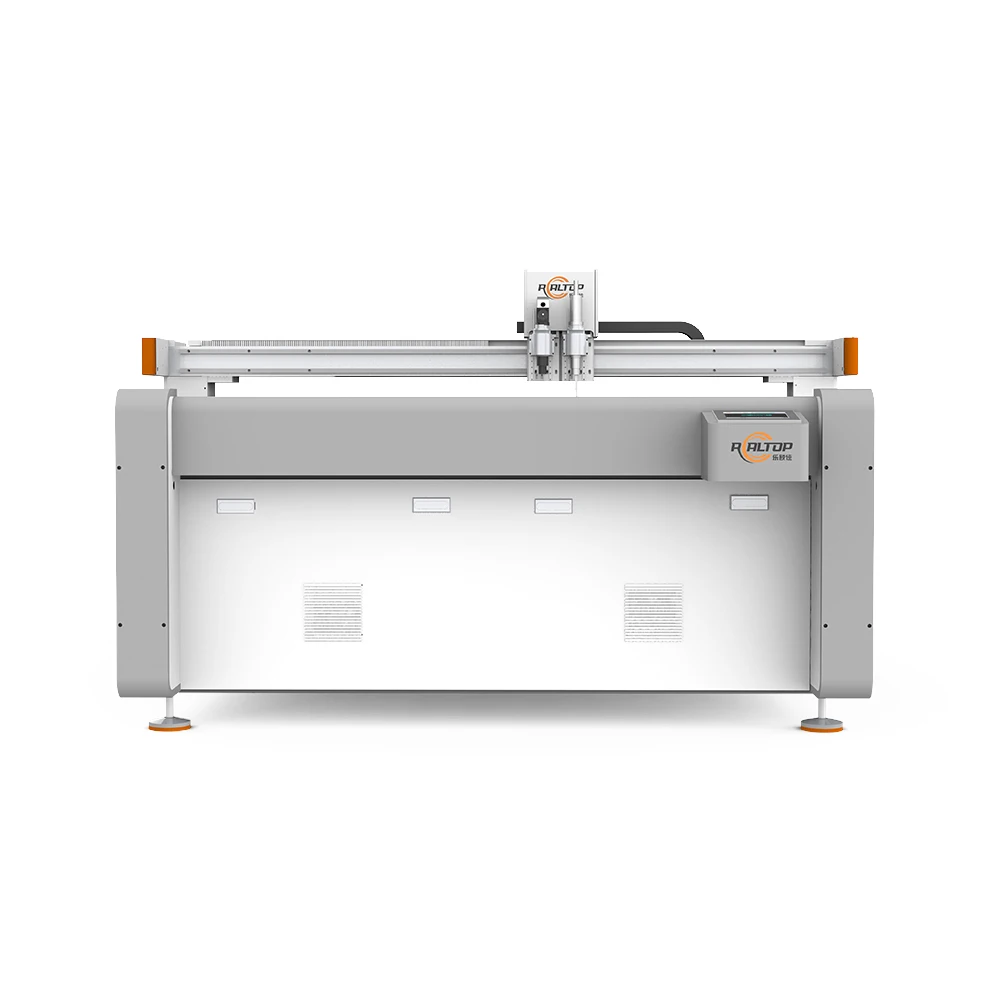
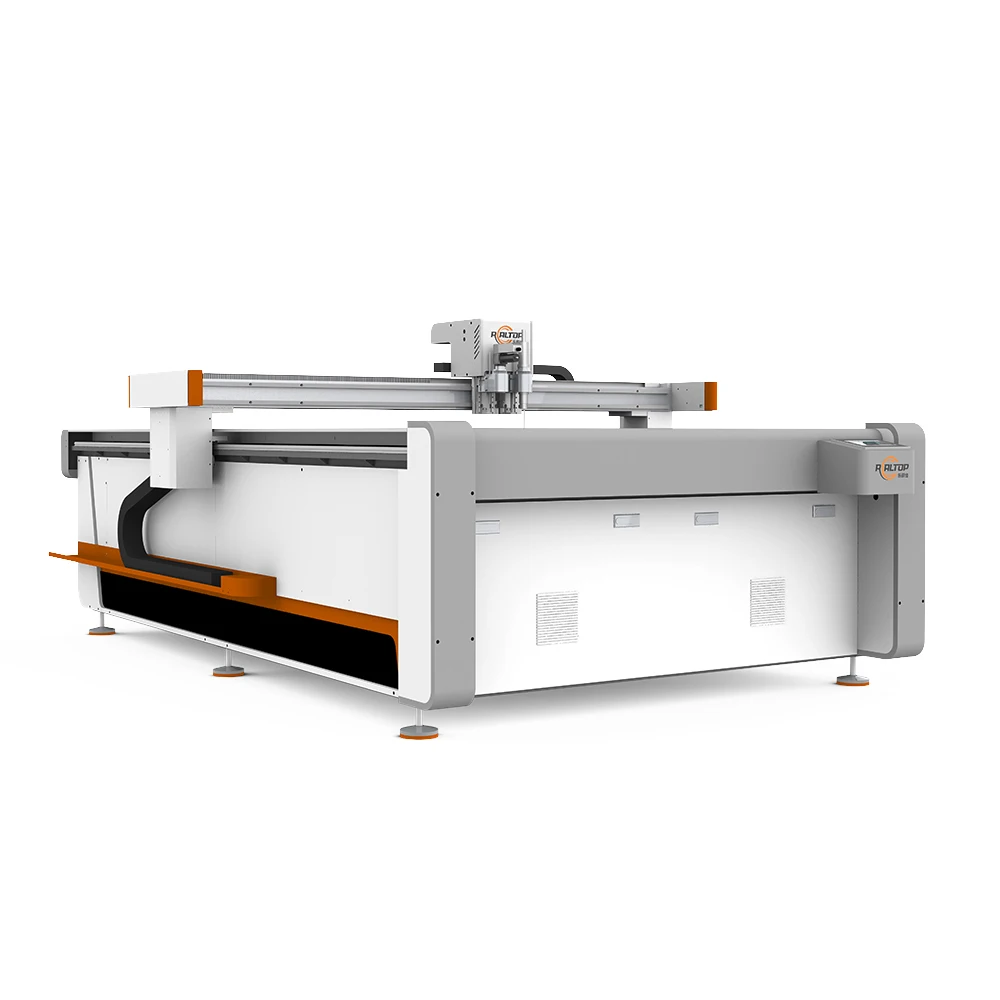
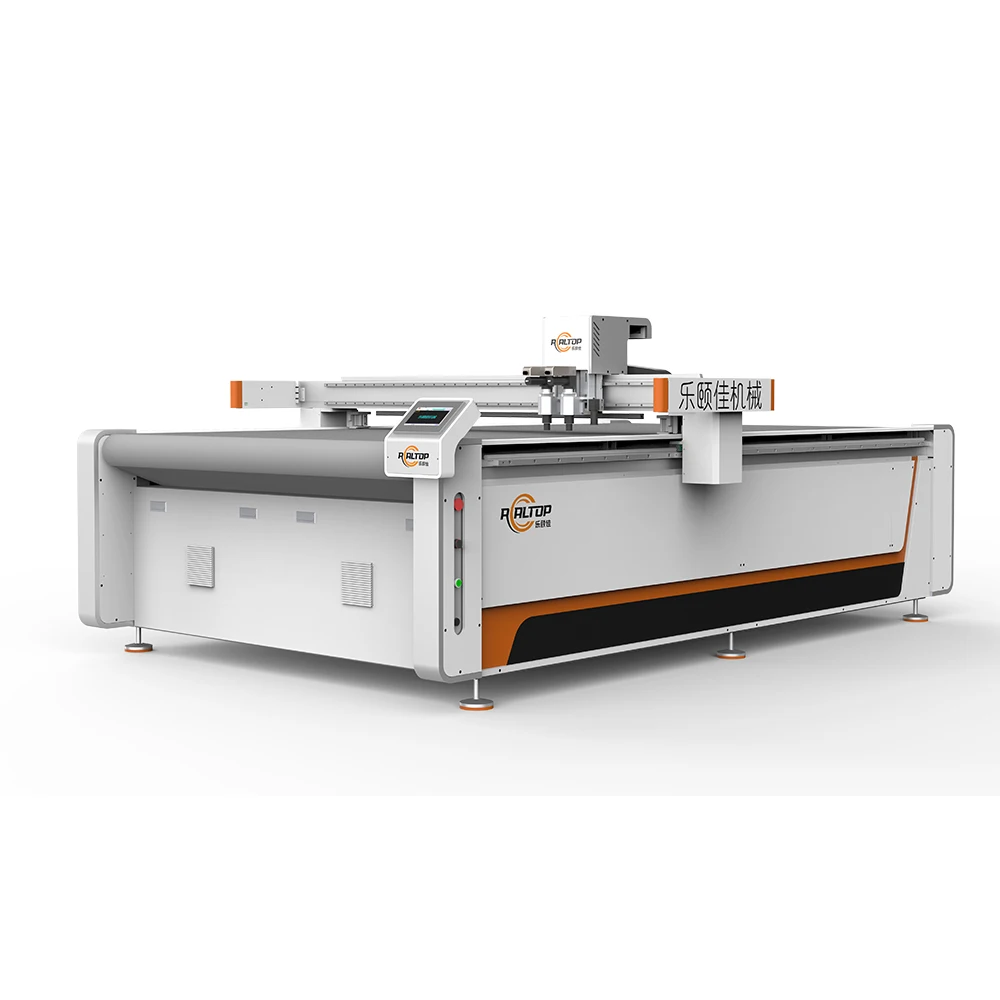
| Product Type | CNC Oscillating Knife Cutting Machine |
| Working Area | 1600 × 2500 mm |
| Cutting Accuracy | ±0.1 mm |
| Cutting Speed | 0–1500 mm/s |
| Cutting Thickness | Up to 40 mm (basis not stated in source — confirm block format, material and thickness before quoting) |
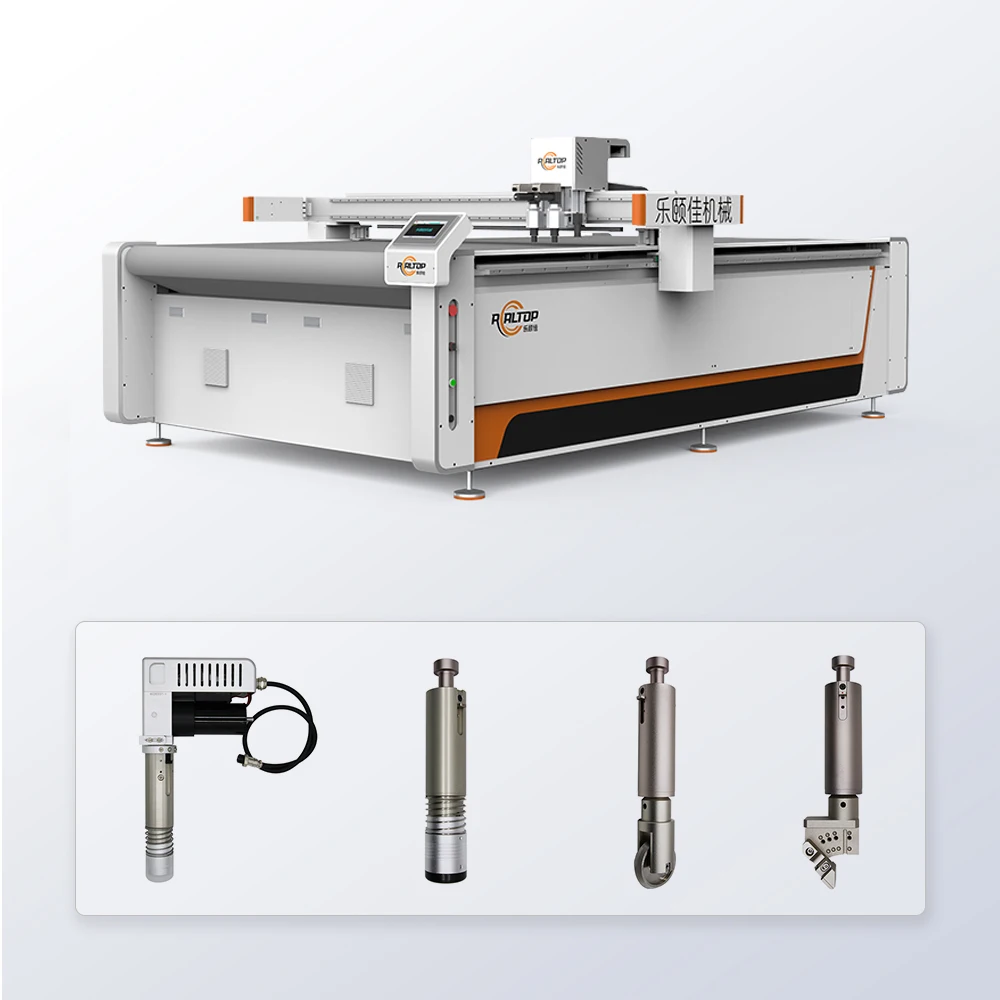
| Tool Head Options | Oscillating knife, Driven rotary knife, Creasing wheel, Kiss cutting tool, Pneumatic knife, Milling tool, V groove knife |
| Vacuum Table | Aluminum bellows vacuum table |
| Vacuum Pump | 9 kW |
| Control System | PLC control panel with dedicated packaging box structure design software |
| Servo Drive Options | Panasonic, Delta, Dorna |
| Voltage | 110V / 220V / 380V (rated or peak not specified in source) |
| Profile Formats Supported | PLT, DXF, AI, PDF |
| Language Options | English, Russian, Italian, Chinese (special languages customizable) |
| Safety Devices | Infrared sensor device, emergency stop |
| Machine Size | 3300 × 2100 × 1350 mm |
| Certification | CE (implied) |
Application Suitability
| Application | Material or Output |
|---|---|
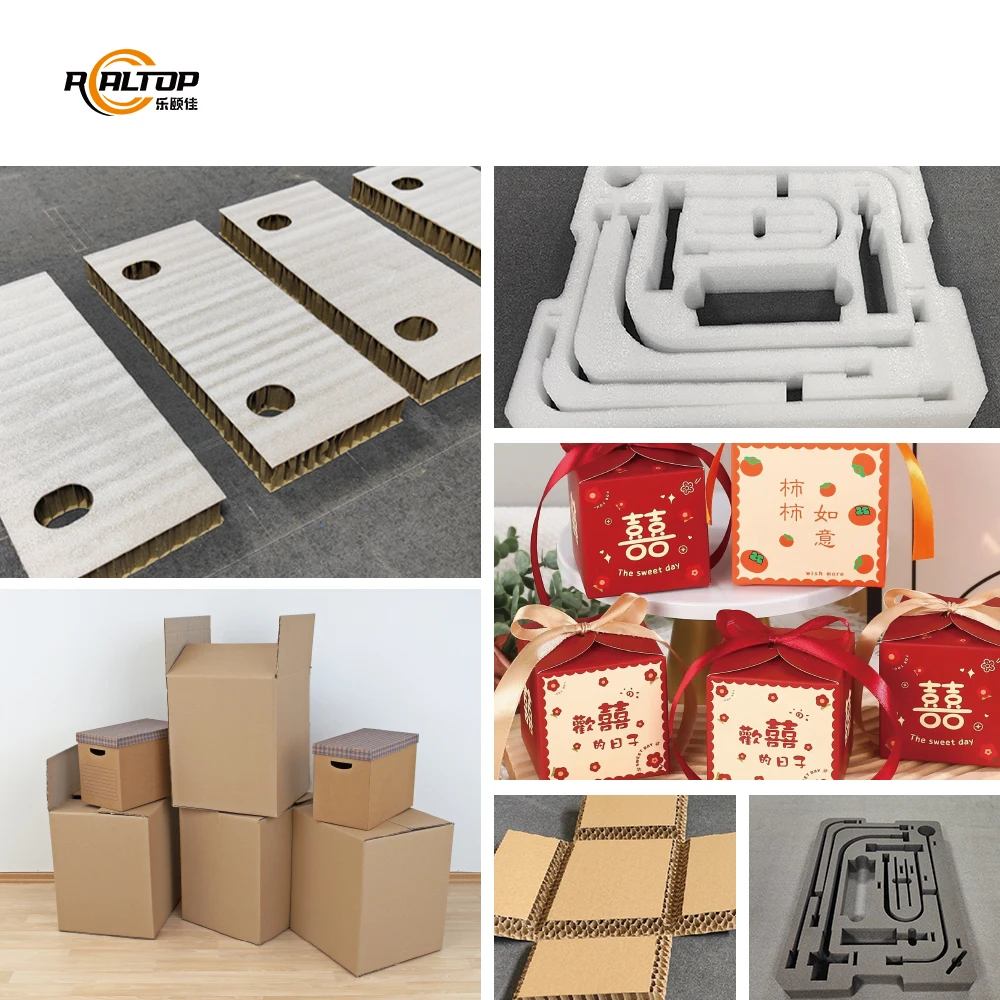
| Corrugated carton box prototyping and short-run production | E-flute, B-flute, BC-flute corrugated cardboard |
| Greyboard and specialty paper packaging sample making | Greyboard, cardstock, art paper, specialty paper |
| Foam insert and protective packaging cutting | EVA, EPE, PU foam |
| Gasket and seal production for industrial packaging | Rubber mats, PTFE, composite materials |
| Inner lining and fabric-based packaging components | Velvet, fleece fabric, non-woven fabric |
| Thin plastic packaging and blister components | PVC, PET thin plastic sheets |
| Leather and synthetic leather packaging accents | Leather, synthetic leather |
| Adhesive-backed material kiss cutting | Adhesive-backed films and labels |
Why "Working Area 1600×2500" Is Not the Whole Specification
A cutting table is only as useful as the tool head and vacuum zoning matched to the actual material you run.
I have walked into packaging workshops where a 1625-class machine sat idle because the oscillating knife could not crease greyboard cleanly, and the vacuum table lifted small carton blanks during high-speed contour cuts. Buyers often specify by table size and discover too late that thickness capacity, tool head configuration and hold-down pressure determine whether the machine actually runs their daily job. [NEED_CITE: vacuum hold-down requirements for small-format corrugated blanks] When you survey a full equipment catalogue, the goal is to match cutting method, tooling and table behaviour to your material stack before committing to a purchase order.
Matching the Cutting Method to the Packaging Material
The decision between oscillating knife and laser for packaging work comes down to edge finish and material composition. Corrugated board, greyboard and foam respond well to knife cutting because the blade shears fibres cleanly without thermal damage, leaving an edge that glues and folds predictably. Laser cutting suits acrylic display components or thin textile inserts where a sealed edge matters. This catalogue spans both technologies so you can select based on the material on your floor, not force one method across every packaging job.
How the Full Range Reduces Specification Risk
A CNC oscillating knife cutting machine manufacturer offering both knife and laser systems lets buyers consolidate sampling and production under one technical support channel. When a packaging house needs creasing wheels for carton fold lines alongside oscillating knives for contour cuts, the tooling conversation happens before the machine ships. Distributors evaluating options for their regional market can compare working areas, tool head counts and power configurations side by side, reducing the chance of specifying a machine that cannot handle the local material supply. [NEED_CITE: material variability in regional corrugated board supply chains]
Reading the Specs That Actually Matter on the Floor
The 1600 × 2500 mm working area accommodates standard corrugated sheets and allows nested layouts for short-run carton production. Cutting accuracy of ±0.1 mm ensures that interlocking tab-and-slot joints on prototype boxes register correctly during folding and assembly. The 9 kW vacuum pump paired with an aluminum bellows table delivers consistent hold-down across the full bed, which matters when cutting lightweight cardstock that shifts under tool pressure. Servo drive options from Panasonic, Delta or Dorna let buyers align replacement parts availability with local service networks. The PLC control panel with dedicated packaging box structure software shortens the path from DXF or AI artwork to a finished cut sample. [NEED_CITE: PLC control language availability in Southeast Asian packaging workshops]
The Hidden Cost of Skipping the Material Sample
Ordering a machine on catalogue specifications alone is the fastest way to discover that your corrugated stock has higher moisture than the factory test sample, causing the oscillating knife to drag and leave ragged edges on E-flute board. I have seen buyers receive a machine configured for standard B-flute only to find their local BC-flute supply requires a pneumatic knife and higher vacuum zoning. These mismatches surface within the first week of production and stall the entire sample approval workflow. [NEED_CITE: moisture content impact on oscillating knife cutting quality]
Why Buyers Source the Full Range Here
In-house design covers both knife and laser cutting technologies, so a packaging buyer can test corrugated board on an oscillating knife and acrylic display panels on a CO2 laser under one roof. Tool head and table configuration are specified per material and production volume rather than sold as a fixed package. CCD camera positioning options are available for printed contour work on packaging prototypes where registration marks guide the cut path. Software compatibility is confirmed before the order, ensuring your existing PLT, DXF or AI files open without conversion errors. Sample cutting on your own material runs before commitment, producing a documented report you can evaluate in your own workshop.
Documentation & Verification
- Machine specification sheet listing the exact tool heads and vacuum zoning configured for your material
- Electrical schematic with voltage confirmed for your local 110V, 220V or 380V supply
- Sample cutting report produced on your corrugated board or foam stock before dispatch
- Software licence and file format compatibility note covering PLT, DXF, AI and PDF workflows
- Factory test record documenting cutting accuracy across your specified material thickness range
- Packing photographs showing machine condition and accessory inventory before crate closure
Installation, Commissioning & Support
- Foundation must support the 3300 × 2100 mm footprint with level tolerance for the aluminum bellows vacuum table
- Dedicated circuit required matching confirmed 110V, 220V or 380V supply and the 9 kW vacuum pump draw
- Machine arrives partially assembled; gantry and tool head carriage require on-site alignment and calibration
- First-run parameter setting covers cutting speed, oscillation frequency and vacuum zoning for your initial material batch
- Operator training covers PLC panel navigation, tool change procedure and packaging box structure software workflow
- Spare parts list identifies consumable blades, creasing wheels and vacuum table seals with local sourcing options
What to Include with Your Inquiry
Send your primary material type, thickness range and the largest sheet size you handle daily so the tool head and table configuration can be matched before quotation. Confirm your workshop voltage, frequency and preferred control language to avoid electrical mismatches at commissioning. If you already run nesting software or have a library of DXF and AI artwork, share a sample file so compatibility can be verified on the packaging box structure design software before the machine ships.
Frequently Asked Questions
Q: How do I choose between oscillating knife and laser cutting for my packaging material?
A: Corrugated cardboard, greyboard, foam and fabric cut cleanly with an oscillating knife because the blade shears fibres without thermal damage. Laser cutting suits acrylic display components or thin textile inserts where a sealed edge is required. Testing both methods on your actual material sample is the most reliable way to confirm which produces the edge quality your downstream folding and gluing process demands.
Q: Which tool head configuration suits corrugated cardboard versus foam versus fabric?
A: Corrugated E-flute and B-flute typically run on an oscillating knife, while thicker BC-flute may need a pneumatic knife for cleaner penetration. Foam inserts cut well with an oscillating knife at adjusted frequency to avoid compression. Fabric and non-woven materials often suit a driven rotary knife for continuous edge cuts. The creasing wheel handles fold lines on carton stock without cutting through the liner.
Q: What working area sizes and multi-head configurations are available across the catalogue?
A: The 1625 model offers a 1600 × 2500 mm working area suited to standard corrugated sheets and nested carton layouts. The broader catalogue includes compact and large-format tables with single or multi-head configurations depending on production volume. Buyers should confirm their largest sheet dimension and daily output target so the table size and head count match actual workflow needs.
Q: How do I confirm voltage, plug type and control language before shipment?
A: Voltage options include 110V, 220V and 380V, but the rated versus peak specification should be confirmed against your workshop supply before the electrical schematic is finalised. Plug type must match local standards, and control language is selectable from English, Russian, Italian and Chinese, with special languages available on request. These details are locked in at order confirmation, not at shipment.










商品评价
There are no reviews yet.