





Fast Delivery
Quick, reliable shipping to any location.

Free & easy returns
Return this item by mail or in store within 90 days for a full refund.
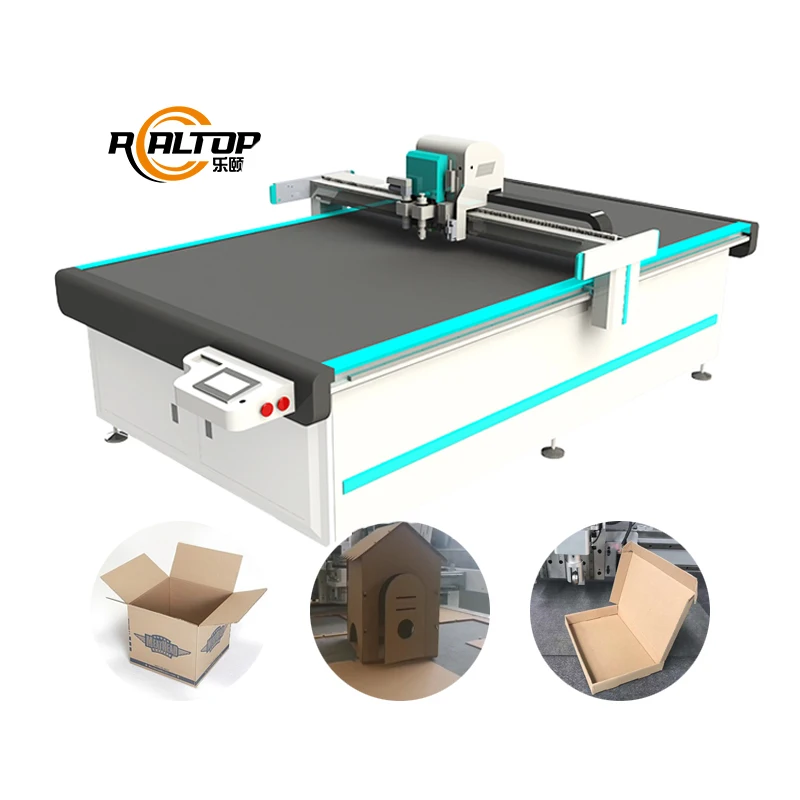
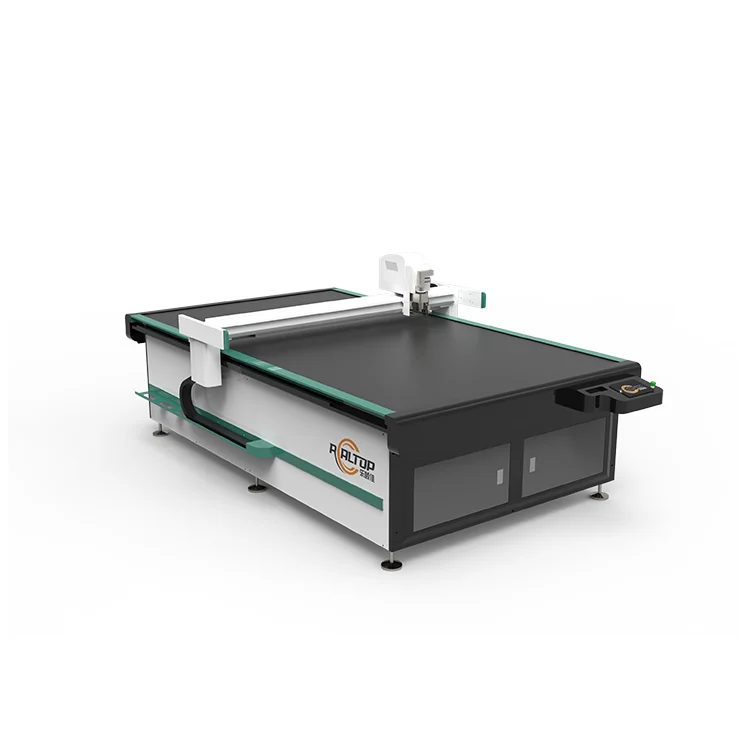
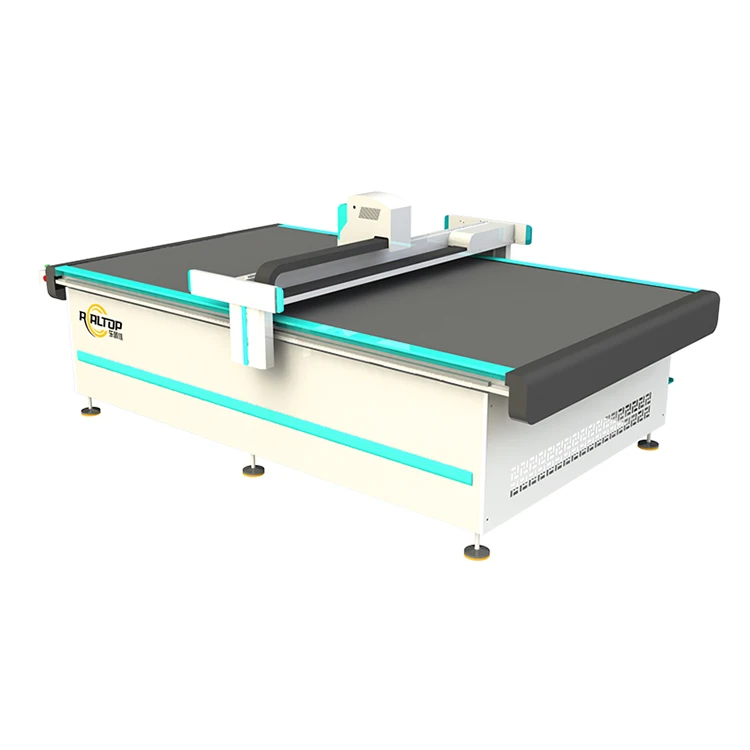
Knife Versus Laser Matched To Material — the RT-D2516/RT-S2516 is configured per stock type and thickness rather than quoted on working area alone, with sample cutting on the buyer’s own material before order commitment.
Technical Specifications
| Parameter | Value |
|---|---|
| Model | RT-D2516/RT-S2516 |
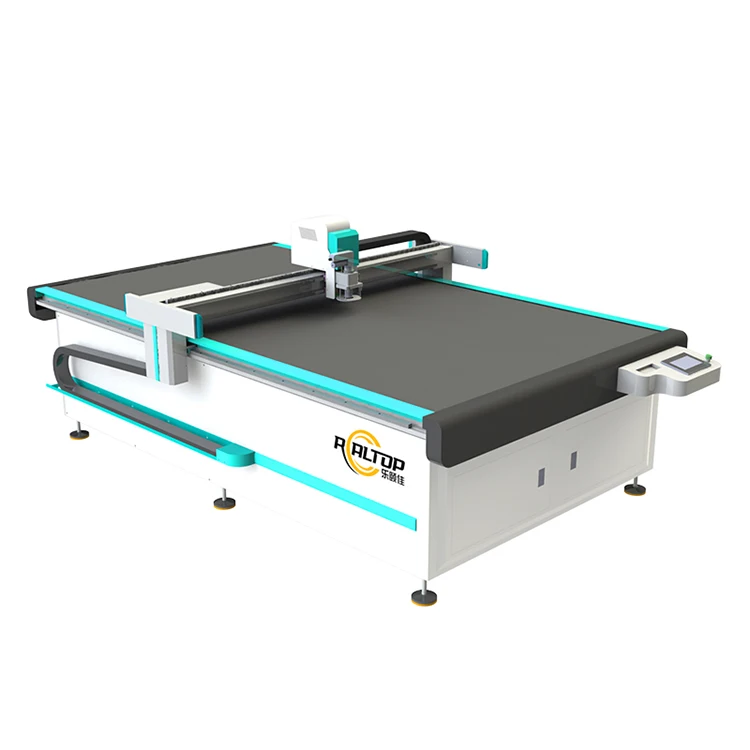
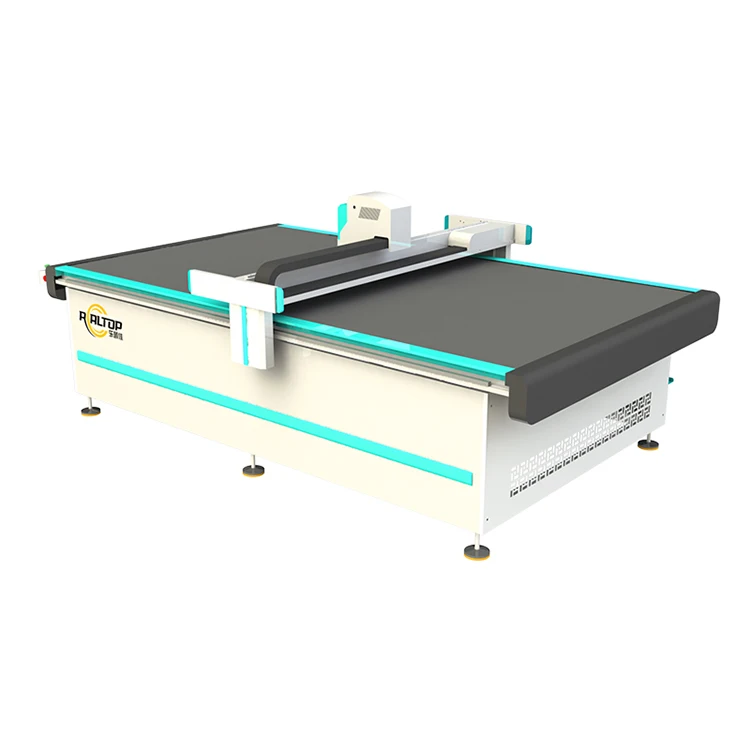
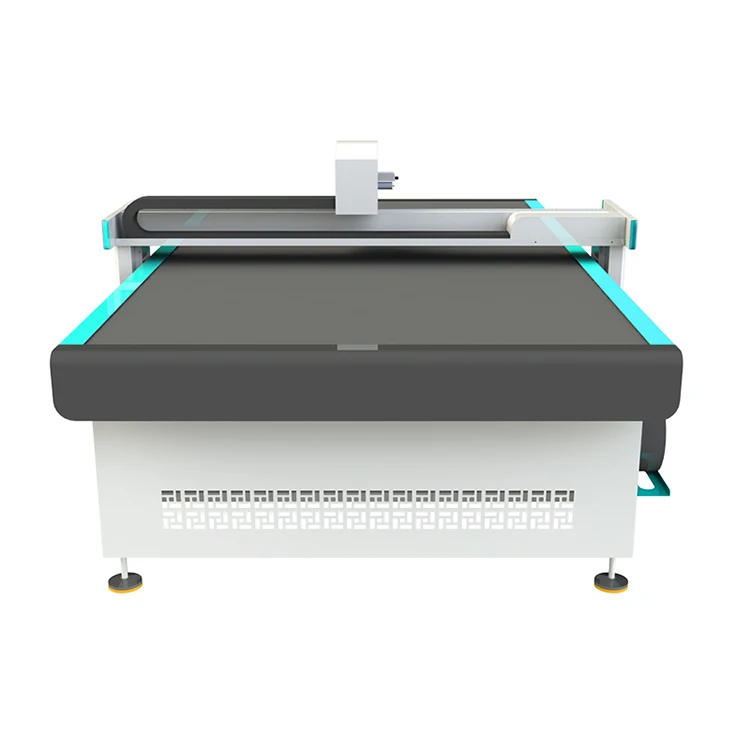
| Product Type | CNC Oscillating Knife Cutting Machine |
| Working Area | 1600×2500mm |
| Machine Size | 3450×2300×1250mm |
| Rated Power | 9kW |
| Vacuum Pump | 7.5kW |
| Voltage | 380V±10% (frequency to be confirmed for destination market) |
| Control System | CNC |
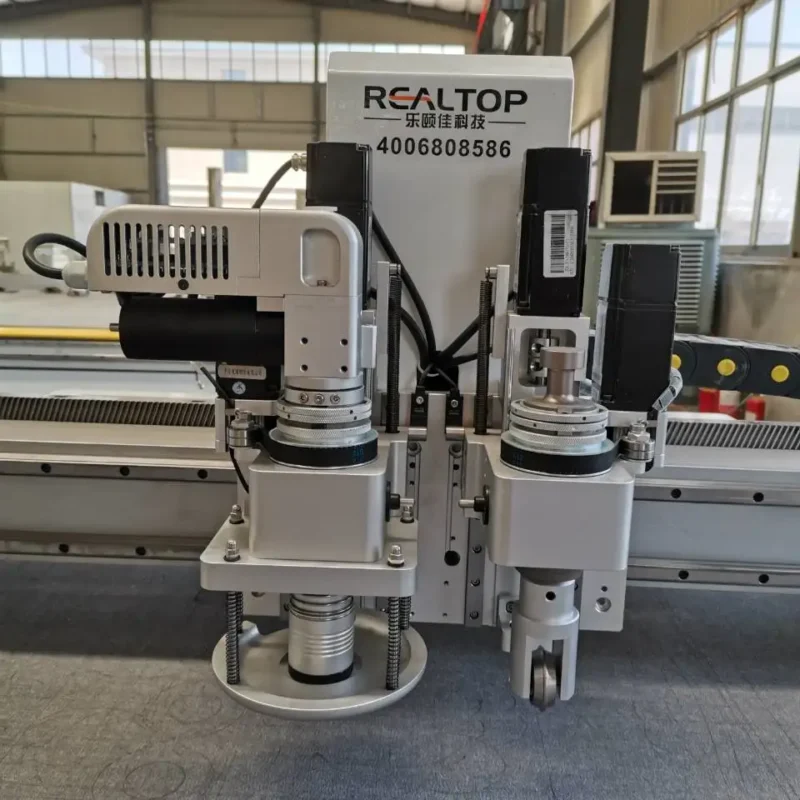
| Tool Head Type | Swiss imported vibration knife (full cutting, half cutting, cursor location); creasing wheel for indentation |
| Cutting Speed (translational) | 800–1200mm/s |
| Cutting Speed (cutting rate) | 200–800mm/s (according to different cutting materials — basis to be confirmed) |
| Repeated Accuracy | ≤0.1mm |
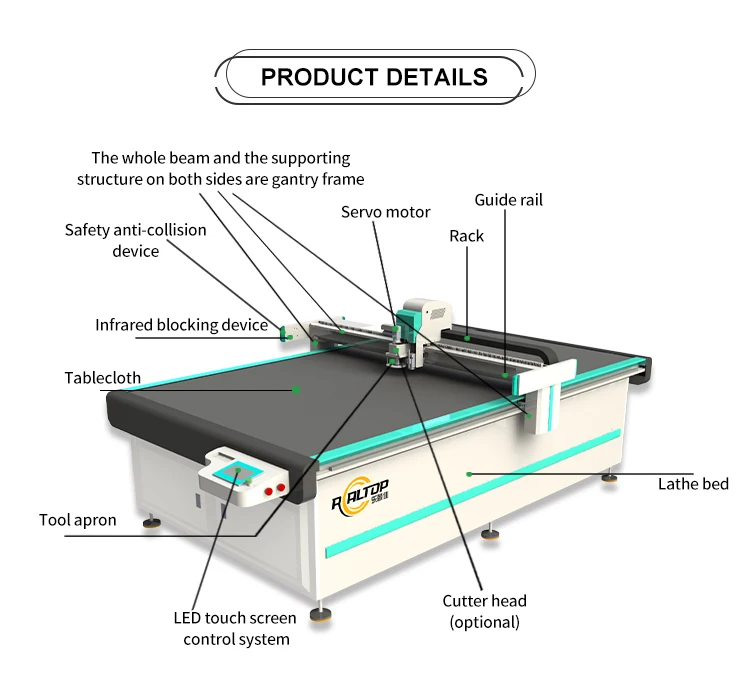
| Transmission System | Delta servo motor, linear guide, synchronous belt, ball screw, rack transmission |
| Vacuum Table | Aluminum alloy honeycomb structure with zoned adsorption |
| Conveyor Belt | Germany imported, wear-resistant anti-pull composite fiber felt |
| Feeding System | Auto feeding |
| Safety Device | Infrared sensors, emergency stop |
| Software | Professional carton nesting software, HP-GL compatible format |
| Language Options | English, Russian, Italian, Chinese, custom |
| Certification | CE declaration where applicable |
Application Suitability
| Application | Material or Output |
|---|---|
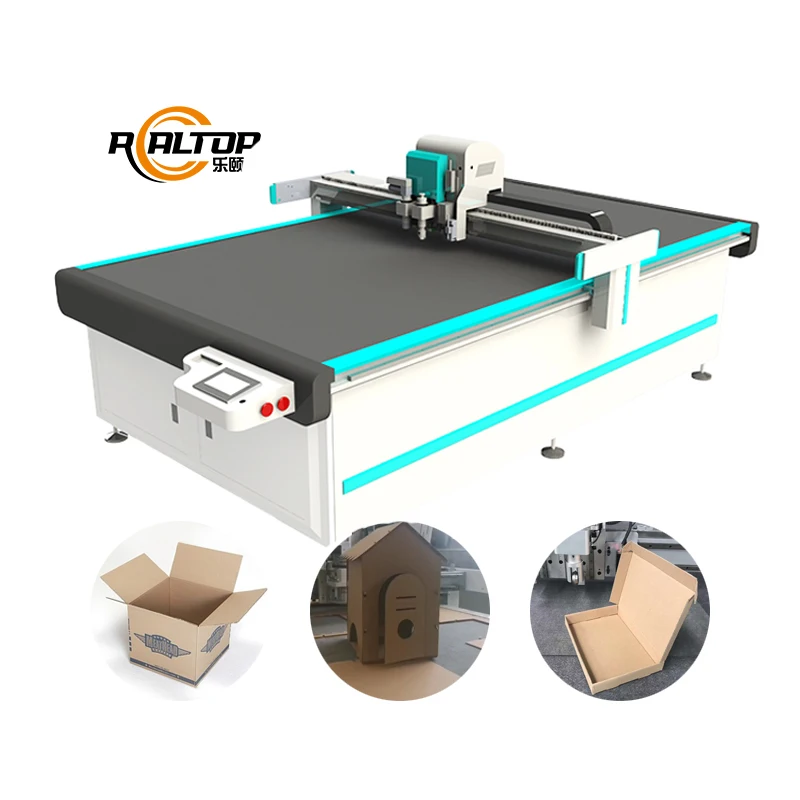
| Carton and packaging sample making | Corrugated board, solid cardboard, grey board |
| Sticker and label contour cutting | Self-adhesive vinyl, printed labels with registration marks |
| Billboard and signage production | PVC board, KT board, printed vinyl sheets |
| Card tag and hang tag cutting | Cardstock, art paper, laminated paper board |
| Flexible material processing | Leather, clothing fabric, sponge composite leather, PVC, soft glass, silicone, rubber |
Why Working Area Alone Is the Wrong Starting Point
A cutting table specified by bed size without matching tool head and vacuum zoning to the actual material will underperform on the shop floor.
I have watched buyers receive machines that fit their sheet dimensions perfectly, only to discover the oscillating knife cannot penetrate their dense corrugated stock at a usable speed, or the vacuum zones are too wide to hold small sticker shapes flat during contour cuts. The CNC knife cutting machine manufacturer you choose should be asking about your material grade, thickness and part geometry before quoting a working area [NEED_CITE:]. Without those details, the speed figures on the spec sheet remain theoretical.
Matching the Knife Method to Your Material Class
This oscillating knife platform sits on the knife side of the cutting equipment range, built for materials where laser would leave burnt edges, toxic fumes or sealed fibres that compromise downstream sewing or gluing. Fabrics, genuine leather, sponge composites and corrugated board all fall into this category. The Swiss imported vibration knife head handles full cuts, half cuts and cursor location in a single tool station, while the creasing wheel adds fold-line indentation for carton sample work — allowing a packaging prototype to be cut and scored in one pass without a separate die.
Where Laser Would Be the Better Choice
For acrylic signage, wood inlays or engraved nameplates, a CO2 or fiber laser platform would be the appropriate selection instead. The full catalogue approach means a buyer can compare both cutting methods against their specific material before committing, rather than being forced into one technology. The RT-D2516/RT-S2516 covers the non-metal, flexible and fibrous material space where a blade produces a cleaner edge than a thermal beam [NEED_CITE:].
How the Core Parameters Translate to Production
The 1600×2500mm working area with auto-feeding conveyor positions this table for continuous roll-fed sticker runs and sheet-fed carton batches. Delta servo motors driving the rack and linear guide transmission hold ≤0.1mm repeatability, which matters when a CCD camera is tracking printed registration marks around tight label contours. The aluminum alloy honeycomb vacuum table with zoned adsorption addresses small-part lift — a 7.5kW pump pulls air through defined zones so that narrow sticker shapes stay pinned even when the knife exits a cut. The Germany imported composite fiber felt conveyor belt resists stretching under the tension of continuous feeding cycles.
The Cost of Skipping the Sample Cutting Step
When a buyer approves a quotation based on working area and translational speed alone, the first week of production often reveals that the knife angle, blade depth or vacuum zone layout does not suit their specific stock density. Ragged edges on corrugated board, crushed foam cores and small vinyl parts lifting off the table are all symptoms of a configuration chosen without material testing [NEED_CITE:]. Correcting these issues after shipment means flying in different blades, reprogramming vacuum zones or replacing the conveyor felt — downtime that a pre-shipment sample cut on the buyer’s own material would have prevented.
Why Source This Platform From The Factory That Builds It
In-house design covers both knife and laser cutting technologies, so the recommendation is based on material suitability rather than pushing one machine type. The tool head and table configuration is specified per material class and production volume, not quoted as a generic package. CCD camera positioning is available for printed contour work, with sensor capability confirmed against your registration mark style at production speed before the order is finalized. Software compatibility and file format import are tested with your existing nesting workflow. Voltage, plug type and control language are confirmed to match your facility before the machine enters production.
Documentation & Verification
- Machine specification sheet listing confirmed tool head and vacuum zone layout
- Electrical schematic with voltage and frequency matched to your destination market
- Sample cutting report on your own material showing edge quality and achievable speed
- Tool head and table configuration list specifying blade type, depth and zone count
- Software licence with HP-GL and native file format compatibility confirmed in writing
- Factory test record documenting repeatability and CCD tracking performance before dispatch
Installation, Commissioning & Support
- 3450×2300mm footprint requires a level concrete floor with clearance for auto-feeding conveyor infeed and outfeed
- 9kW machine power plus 7.5kW vacuum pump require a dedicated 380V circuit with confirmed frequency
- Machine ships fully assembled with flatbed working table; conveyor and feeding system aligned at factory
- First-day commissioning includes vacuum zone mapping, blade depth calibration and CCD mark registration setup
- Operator training covers nesting software, tool head changeover and creasing wheel adjustment
- Spare blade and conveyor felt kit matched to your material type included with initial shipment
What To Prepare Before Requesting A Quotation
To match the correct configuration, share your material type, maximum thickness, sheet or roll dimensions and the daily volume you need to cut. Confirm your facility voltage and frequency, the control language your operators require, and whether your existing design files use HP-GL or another format that must import directly. If your production involves printed contour cutting, provide a sample of your registration mark style and target run speed so the CCD system can be validated before order.
Frequently Asked Questions
Q: How do I confirm the cutting thickness capacity for my specific board grade?
A: Request a sample cutting report using your own material sent to the factory. The report documents achievable cutting speed, edge quality and whether the standard vibration knife or an upgraded blade angle is needed for your stock density. Thickness capacity varies significantly between solid grey board, single-wall corrugated and honeycomb composite, so generic figures on a spec sheet are not sufficient for purchase decisions.
Q: Knife versus laser — which method is correct for my material?
A: Flexible materials like fabric, leather, sponge composites and corrugated board typically suit oscillating knife cutting because a blade leaves a clean, unsealed edge. Acrylic, wood and engraved metals require laser. Sourcing from a manufacturer that builds both platforms means you can compare cut samples on the same material from both methods before deciding.
Q: Is the CCD contour tracking rated for production-speed sticker runs?
A: The CCD camera is specified for auto positioning and contour recognition, but tracking reliability depends on your printed mark size, contrast and the cutting speed of your specific contour geometry. Provide sample printed sheets to the factory so the sensor can be tested at your target production speed and mark format before the machine ships.
Q: What voltage and control language will the machine ship with?
A: The standard configuration is 380V±10%, but frequency and plug type must be confirmed for your destination market before production begins. Control language is available in English, Russian, Italian and Chinese, with custom language options. All electrical and interface specifications are documented in the pre-shipment electrical schematic for your approval.
Q: Will my existing nesting software files import without conversion?
A: The included nesting software supports HP-GL compatible format. If your current workflow uses DXF, PLT or a proprietary format, share sample files with the factory before ordering so import compatibility can be verified and any conversion requirements documented in the software licence note.
Knife Versus Laser Matched To Material — the RT-D2516/RT-S2516 is configured per stock type and thickness rather than quoted on working area alone, with sample cutting on the buyer’s own material before order commitment.
Technical Specifications
| Parameter | Value |
|---|---|
| Model | RT-D2516/RT-S2516 |
| Product Type | CNC Oscillating Knife Cutting Machine |
| Working Area | 1600×2500mm |
| Machine Size | 3450×2300×1250mm |
| Rated Power | 9kW |
| Vacuum Pump | 7.5kW |
| Voltage | 380V±10% (frequency to be confirmed for destination market) |
| Control System | CNC |
| Tool Head Type | Swiss imported vibration knife (full cutting, half cutting, cursor location); creasing wheel for indentation |
| Cutting Speed (translational) | 800–1200mm/s |
| Cutting Speed (cutting rate) | 200–800mm/s (according to different cutting materials — basis to be confirmed) |
| Repeated Accuracy | ≤0.1mm |
| Transmission System | Delta servo motor, linear guide, synchronous belt, ball screw, rack transmission |
| Vacuum Table | Aluminum alloy honeycomb structure with zoned adsorption |
| Conveyor Belt | Germany imported, wear-resistant anti-pull composite fiber felt |
| Feeding System | Auto feeding |
| Safety Device | Infrared sensors, emergency stop |
| Software | Professional carton nesting software, HP-GL compatible format |
| Language Options | English, Russian, Italian, Chinese, custom |
| Certification | CE declaration where applicable |
Application Suitability
| Application | Material or Output |
|---|---|
| Carton and packaging sample making | Corrugated board, solid cardboard, grey board |
| Sticker and label contour cutting | Self-adhesive vinyl, printed labels with registration marks |
| Billboard and signage production | PVC board, KT board, printed vinyl sheets |
| Card tag and hang tag cutting | Cardstock, art paper, laminated paper board |
| Flexible material processing | Leather, clothing fabric, sponge composite leather, PVC, soft glass, silicone, rubber |
Why Working Area Alone Is the Wrong Starting Point
A cutting table specified by bed size without matching tool head and vacuum zoning to the actual material will underperform on the shop floor.
I have watched buyers receive machines that fit their sheet dimensions perfectly, only to discover the oscillating knife cannot penetrate their dense corrugated stock at a usable speed, or the vacuum zones are too wide to hold small sticker shapes flat during contour cuts. The CNC knife cutting machine manufacturer you choose should be asking about your material grade, thickness and part geometry before quoting a working area [NEED_CITE:]. Without those details, the speed figures on the spec sheet remain theoretical.
Matching the Knife Method to Your Material Class
This oscillating knife platform sits on the knife side of the cutting equipment range, built for materials where laser would leave burnt edges, toxic fumes or sealed fibres that compromise downstream sewing or gluing. Fabrics, genuine leather, sponge composites and corrugated board all fall into this category. The Swiss imported vibration knife head handles full cuts, half cuts and cursor location in a single tool station, while the creasing wheel adds fold-line indentation for carton sample work — allowing a packaging prototype to be cut and scored in one pass without a separate die.
Where Laser Would Be the Better Choice
For acrylic signage, wood inlays or engraved nameplates, a CO2 or fiber laser platform would be the appropriate selection instead. The full catalogue approach means a buyer can compare both cutting methods against their specific material before committing, rather than being forced into one technology. The RT-D2516/RT-S2516 covers the non-metal, flexible and fibrous material space where a blade produces a cleaner edge than a thermal beam [NEED_CITE:].
How the Core Parameters Translate to Production
The 1600×2500mm working area with auto-feeding conveyor positions this table for continuous roll-fed sticker runs and sheet-fed carton batches. Delta servo motors driving the rack and linear guide transmission hold ≤0.1mm repeatability, which matters when a CCD camera is tracking printed registration marks around tight label contours. The aluminum alloy honeycomb vacuum table with zoned adsorption addresses small-part lift — a 7.5kW pump pulls air through defined zones so that narrow sticker shapes stay pinned even when the knife exits a cut. The Germany imported composite fiber felt conveyor belt resists stretching under the tension of continuous feeding cycles.
The Cost of Skipping the Sample Cutting Step
When a buyer approves a quotation based on working area and translational speed alone, the first week of production often reveals that the knife angle, blade depth or vacuum zone layout does not suit their specific stock density. Ragged edges on corrugated board, crushed foam cores and small vinyl parts lifting off the table are all symptoms of a configuration chosen without material testing [NEED_CITE:]. Correcting these issues after shipment means flying in different blades, reprogramming vacuum zones or replacing the conveyor felt — downtime that a pre-shipment sample cut on the buyer’s own material would have prevented.
Why Source This Platform From The Factory That Builds It
In-house design covers both knife and laser cutting technologies, so the recommendation is based on material suitability rather than pushing one machine type. The tool head and table configuration is specified per material class and production volume, not quoted as a generic package. CCD camera positioning is available for printed contour work, with sensor capability confirmed against your registration mark style at production speed before the order is finalized. Software compatibility and file format import are tested with your existing nesting workflow. Voltage, plug type and control language are confirmed to match your facility before the machine enters production.
Documentation & Verification
- Machine specification sheet listing confirmed tool head and vacuum zone layout
- Electrical schematic with voltage and frequency matched to your destination market
- Sample cutting report on your own material showing edge quality and achievable speed
- Tool head and table configuration list specifying blade type, depth and zone count
- Software licence with HP-GL and native file format compatibility confirmed in writing
- Factory test record documenting repeatability and CCD tracking performance before dispatch
Installation, Commissioning & Support
- 3450×2300mm footprint requires a level concrete floor with clearance for auto-feeding conveyor infeed and outfeed
- 9kW machine power plus 7.5kW vacuum pump require a dedicated 380V circuit with confirmed frequency
- Machine ships fully assembled with flatbed working table; conveyor and feeding system aligned at factory
- First-day commissioning includes vacuum zone mapping, blade depth calibration and CCD mark registration setup
- Operator training covers nesting software, tool head changeover and creasing wheel adjustment
- Spare blade and conveyor felt kit matched to your material type included with initial shipment
What To Prepare Before Requesting A Quotation
To match the correct configuration, share your material type, maximum thickness, sheet or roll dimensions and the daily volume you need to cut. Confirm your facility voltage and frequency, the control language your operators require, and whether your existing design files use HP-GL or another format that must import directly. If your production involves printed contour cutting, provide a sample of your registration mark style and target run speed so the CCD system can be validated before order.
Frequently Asked Questions
Q: How do I confirm the cutting thickness capacity for my specific board grade?
A: Request a sample cutting report using your own material sent to the factory. The report documents achievable cutting speed, edge quality and whether the standard vibration knife or an upgraded blade angle is needed for your stock density. Thickness capacity varies significantly between solid grey board, single-wall corrugated and honeycomb composite, so generic figures on a spec sheet are not sufficient for purchase decisions.
Q: Knife versus laser — which method is correct for my material?
A: Flexible materials like fabric, leather, sponge composites and corrugated board typically suit oscillating knife cutting because a blade leaves a clean, unsealed edge. Acrylic, wood and engraved metals require laser. Sourcing from a manufacturer that builds both platforms means you can compare cut samples on the same material from both methods before deciding.
Q: Is the CCD contour tracking rated for production-speed sticker runs?
A: The CCD camera is specified for auto positioning and contour recognition, but tracking reliability depends on your printed mark size, contrast and the cutting speed of your specific contour geometry. Provide sample printed sheets to the factory so the sensor can be tested at your target production speed and mark format before the machine ships.
Q: What voltage and control language will the machine ship with?
A: The standard configuration is 380V±10%, but frequency and plug type must be confirmed for your destination market before production begins. Control language is available in English, Russian, Italian and Chinese, with custom language options. All electrical and interface specifications are documented in the pre-shipment electrical schematic for your approval.
Q: Will my existing nesting software files import without conversion?
A: The included nesting software supports HP-GL compatible format. If your current workflow uses DXF, PLT or a proprietary format, share sample files with the factory before ordering so import compatibility can be verified and any conversion requirements documented in the software licence note.
商品评价
There are no reviews yet.