


Fast Delivery
Quick, reliable shipping to any location.

Free & easy returns
Return this item by mail or in store within 90 days for a full refund.
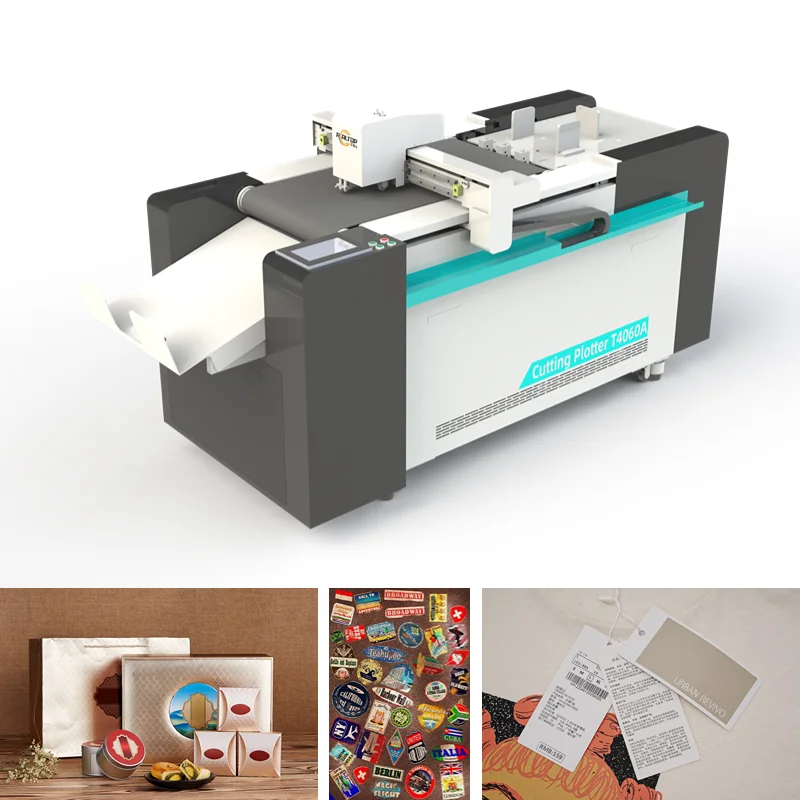
Method-to-Material Matching — The RTT-4060 Pro page clarifies which substrates and thicknesses the plotter method actually covers before you commit, so buyers compare knife, plotter and laser options against real production requirements.
Technical Specifications
| Parameter | Value |
|---|---|
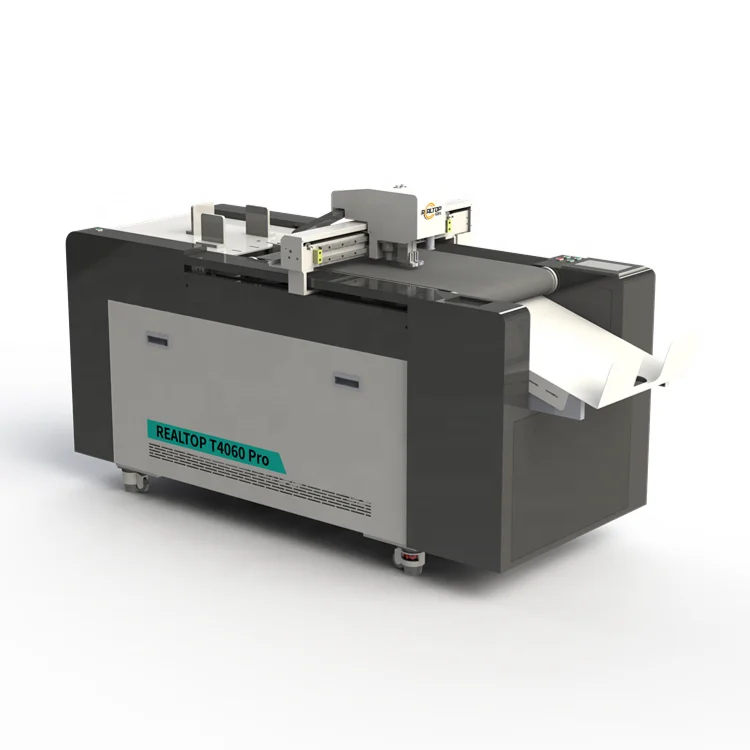
| Model | RTT-4060 Pro |
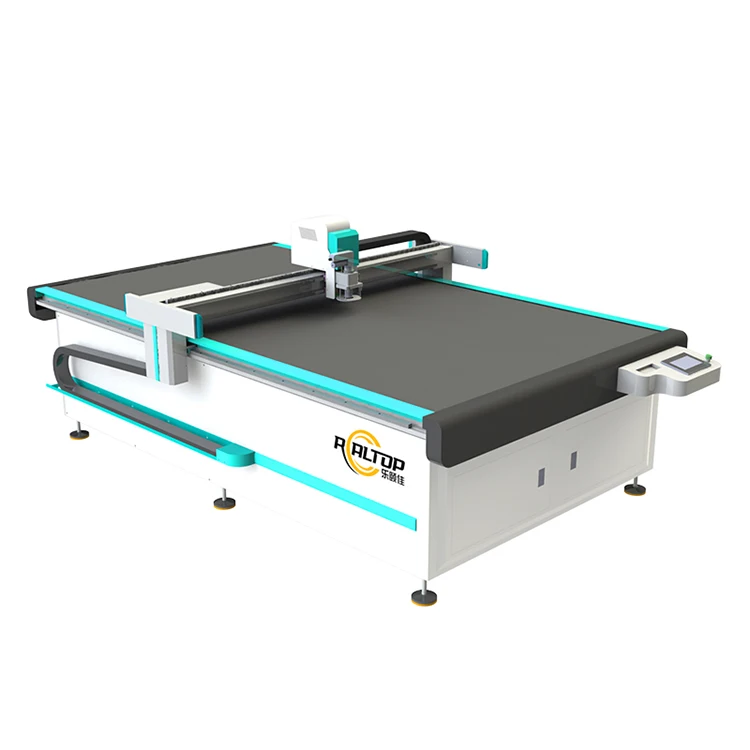
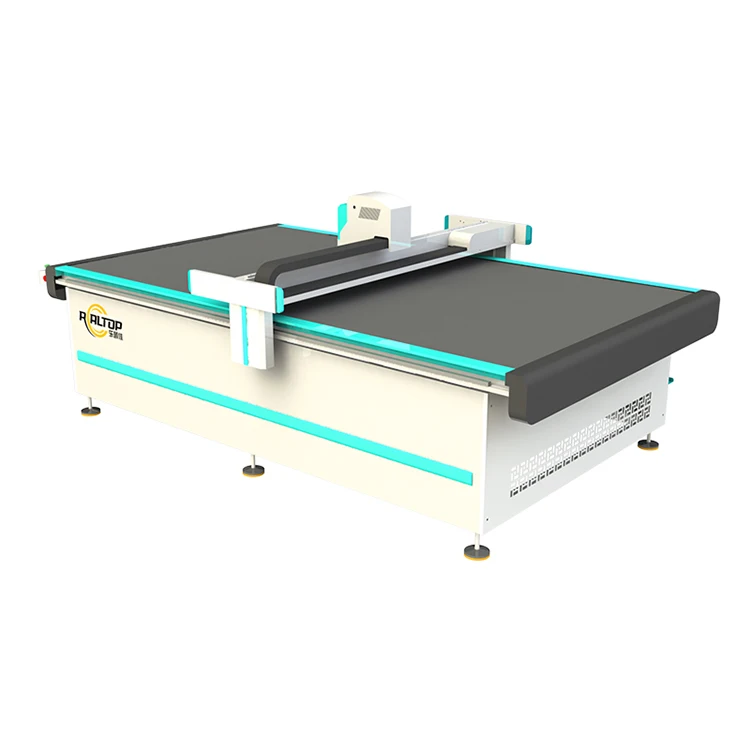
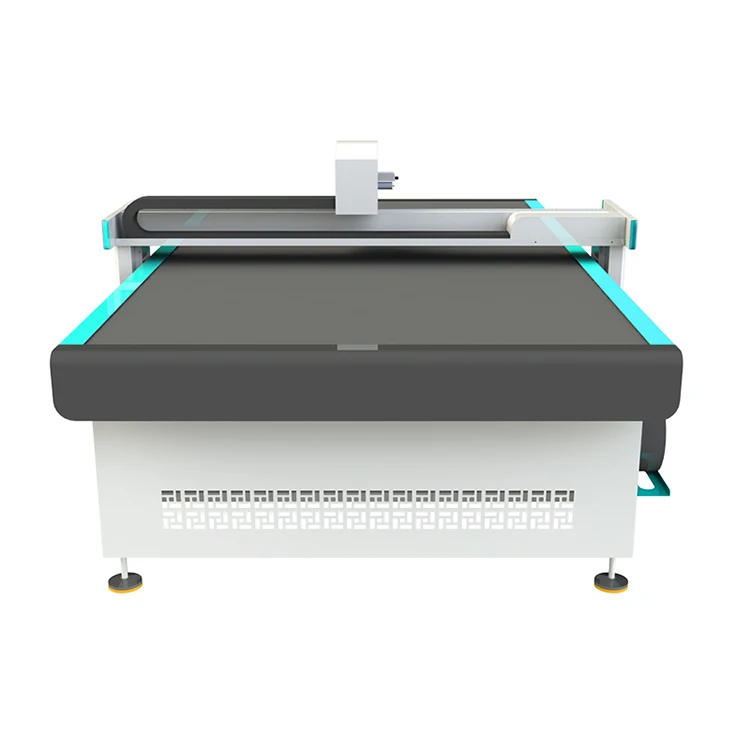
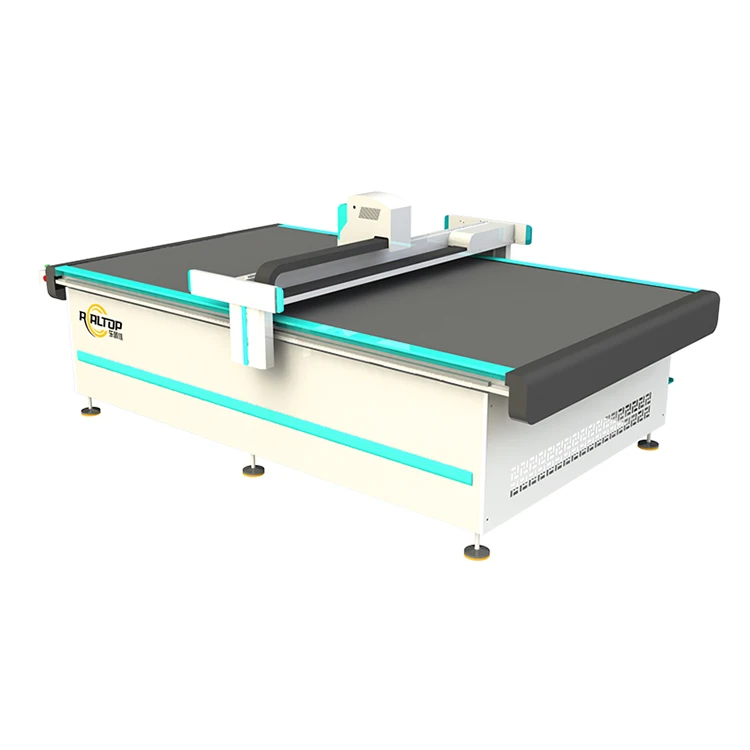
| Product Type | CNC Cutting Plotter |
| Working Area | 400×600 mm |
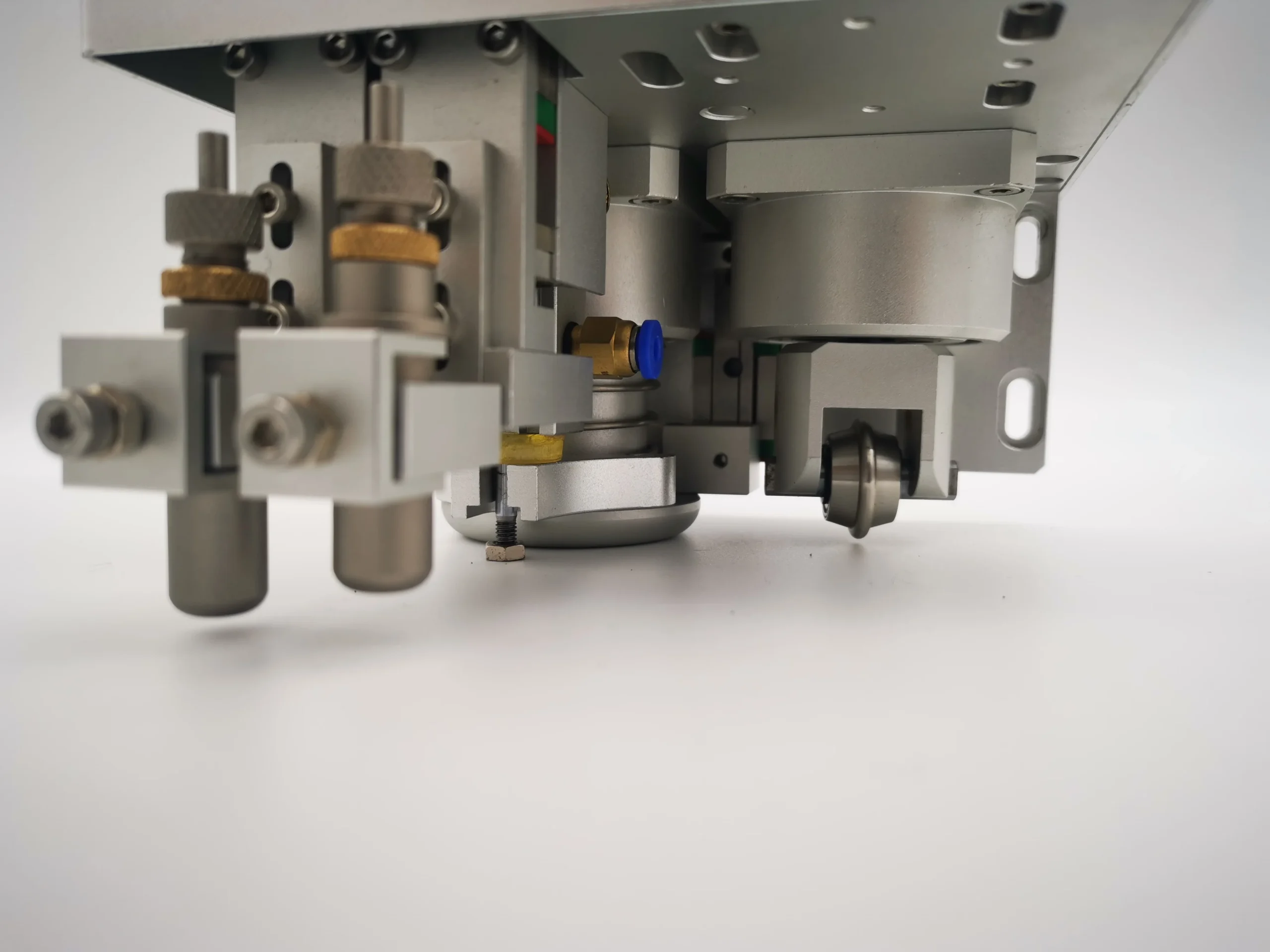
| Tool Head Type | Plotter / Drag Knife |
| Control System | CNC |
| Suitable Industries | Advertising, packaging, paper processing |
| Warranty | One year for whole machine |
| Rated Power (kW) | (basis to be confirmed) |
| Voltage & Frequency | (basis to be confirmed) |
| Overall Dimensions (L×W×H) | (basis to be confirmed) |
| Net Weight | (basis to be confirmed) |
| Positioning Accuracy | (basis to be confirmed) |
Application Suitability
| Application | Material or Output |
|---|---|
| Advertising signage production | Vinyl films, self-adhesive sheets, lightweight PVC board |
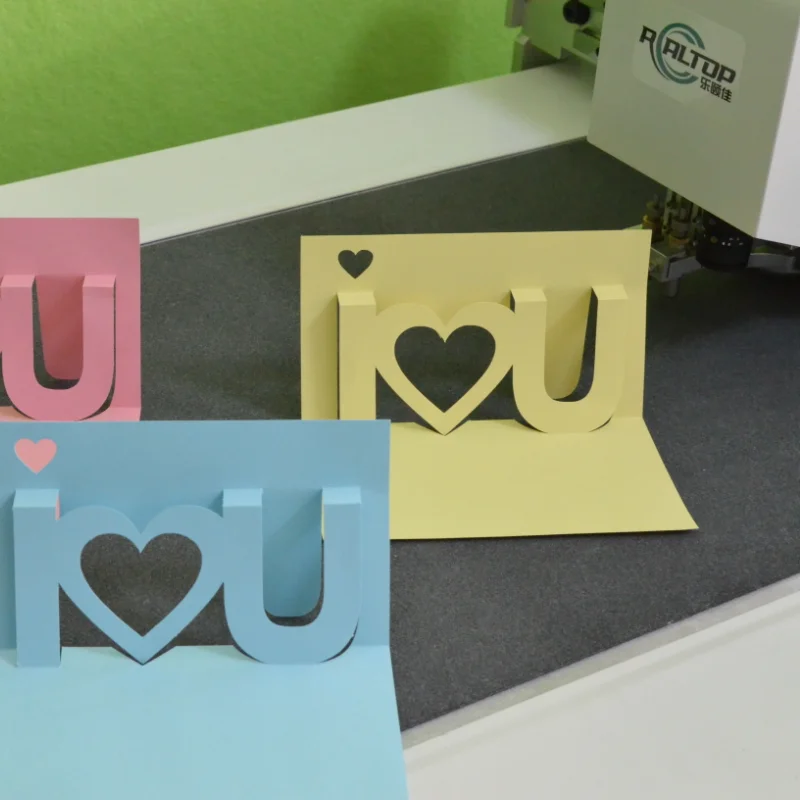
| Packaging sample making | Cardstock, corrugated liner, folding carton board for short-run die-line proofs |
| Paper processing and converting | Copy paper sheets, label stock, printed paper rolls cut to format |
Why the Voltage Question Should Come Before the Quotation
Confirming local electrical standards at the inquiry stage prevents costly rewiring or transformer additions after the CNC cutting plotter manufacturer delivers the machine.
Many equipment disputes start not with the cutting quality but with the power supply. A plotter wired for 380V three-phase arrives in a market running 220V single-phase, and the buyer faces an unplanned transformer purchase or panel rewiring before the first sheet is cut [NEED_CITE: voltage and frequency standards by export market]. Frequency mismatch — 50 Hz versus 60 Hz — shifts motor speeds and can degrade the positioning repeatability of the servo drives on the RTT-4060 Pro. Asking for an electrical schematic and voltage confirmation up front removes this variable before production begins.
Plotter versus Knife versus Laser: Reading the Full Range
The RTT-4060 Pro sits within a broader cutting equipment catalogue that includes oscillating knife tables and CO2 laser systems. A buyer surveying options can see exactly where the plotter method fits — thin, flexible substrates requiring kiss-cut or through-cut precision — and compare it against knife cutting for thicker foam or laser sealing for synthetic textiles. This full-range positioning is central to what a CNC cutting plotter manufacturer should communicate, so the buyer selects the method rather than forcing one technology across every material.
Matching the Tool Head to the Substrate
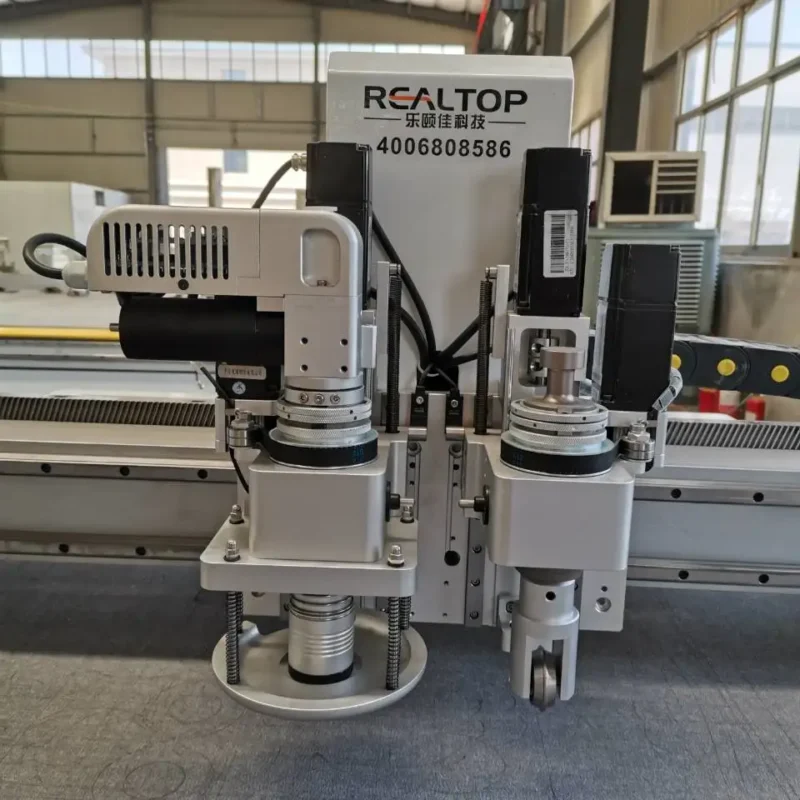
Drag knife and plotter blade configurations behave differently on self-adhesive vinyl versus coated cardstock. A drag knife follows vector paths with a swiveling blade, suitable for intricate lettering and corner work on thin films. A plotter blade scores or kiss-cuts without penetrating the backing liner, essential for label and decal production [NEED_CITE: tool head selection criteria for digital finishing]. Choosing the wrong tool head for the stock produces ragged edges or crushed fibers — a defect that only appears once production speed increases.
What the Specification Sheet Actually Tells the Production Floor
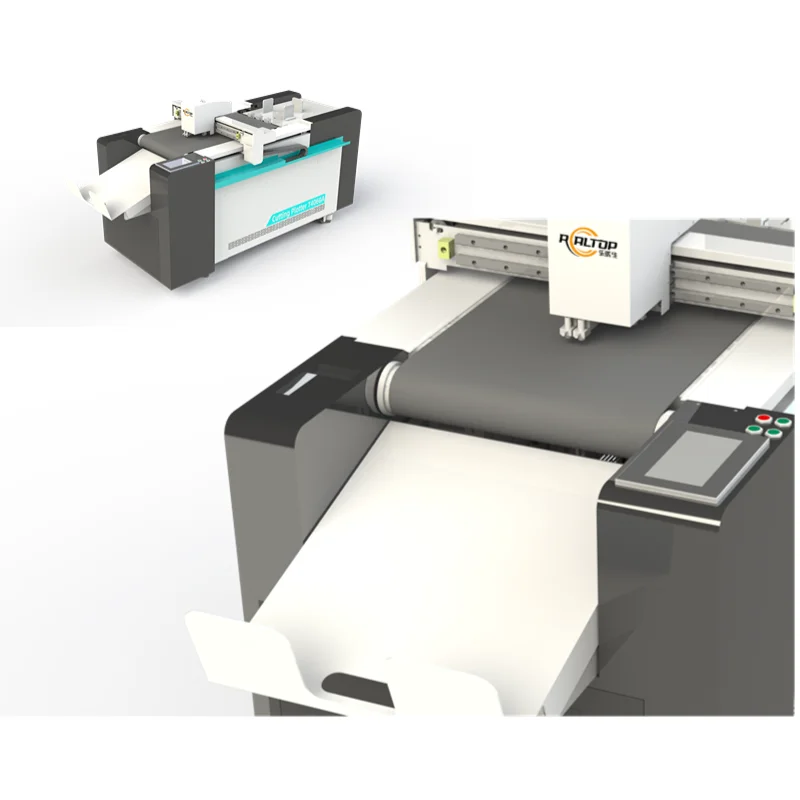
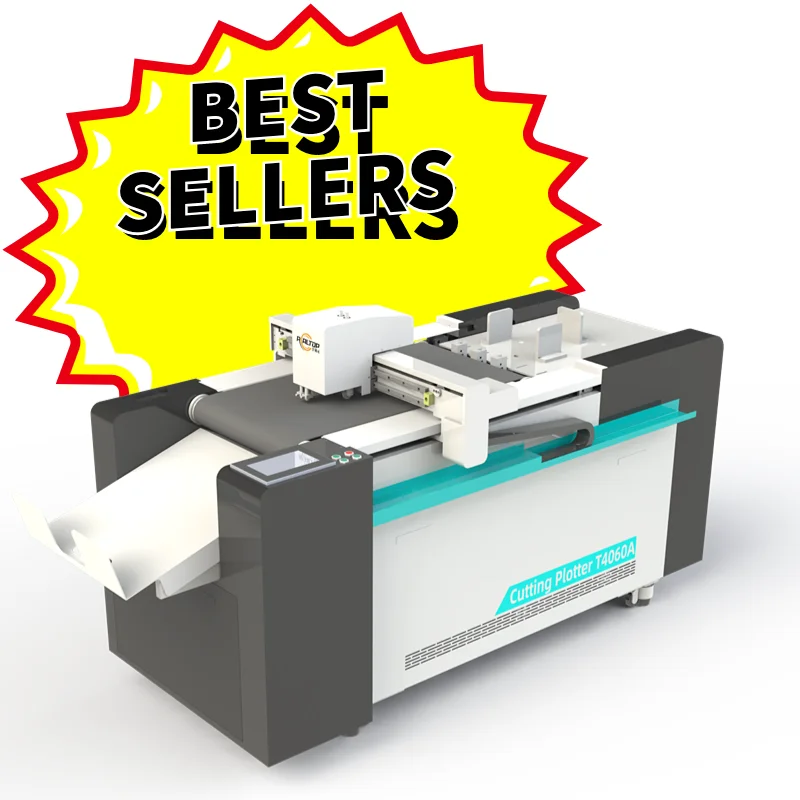
The 400×600 mm working area defines the maximum sheet format the RTT-4060 Pro accepts, directly bounding the size of packaging prototypes or signage panels that can be cut in a single pass. The CNC control system governs how accurately the tool head follows the imported vector path, which determines corner sharpness on small typography and repeat accuracy on nested layouts. Warranty coverage of one year for the whole machine sets the baseline for spare parts planning and maintenance scheduling during the first production cycles.
The Cost of Skipping the Sample Cut
When a buyer orders on working area alone and skips testing on their own stock, the first production run often reveals that the drag knife cannot handle the adhesive layer, or that the vacuum hold-down lifts small decal pieces mid-cut. Re-tooling after delivery means new blades, new parameter sets and lost schedule time [NEED_CITE: sample testing best practices in digital finishing]. A sample cutting report on the buyer’s actual material, reviewed before the order is finalized, converts these unknowns into confirmed settings.
Why Procurement Flows Through This Catalogue
In-house design and production across both knife and laser platforms mean the RTT-4060 Pro is not a standalone unit but part of a matched equipment range — a buyer can start with plotter cutting and later add an oscillating knife table from the same engineering team. Tool head and table configuration is specified per material and production volume, not quoted from a fixed brochure. Software compatibility is confirmed before order, preventing file-format dead ends on the shop floor. Voltage, control language and plug type are customized to the destination market. Sample cutting on the buyer’s own substrate is available before any commitment is made.
Documentation & Verification
- Machine specification sheet confirming the 400×600 mm working area and plotter tool head configuration
- Electrical schematic and voltage confirmation matched to the buyer’s local grid standard
- Sample cutting report produced on the buyer’s own vinyl or cardstock before dispatch
- Software licence and file format compatibility note listing supported vector imports
- Operation and maintenance manual covering blade replacement and vacuum table upkeep
Installation, Commissioning & Support
- Confirm floor space for the 400×600 mm footprint plus operator clearance on three sides
- Provide a dedicated circuit matching the confirmed voltage and frequency before delivery
- Verify vacuum table suction and plotter blade depth during first-power commissioning
- Train operators on nesting software workflow and tool head changeover procedures
- Stock replacement drag knife blades and plotter holders as first-order spare parts
What We Need From Your Side
Send the material type, thickness range and maximum sheet dimensions you plan to process on the RTT-4060 Pro. Include your local voltage and frequency standard along with preferred control language. If you already run a nesting or design workflow, share a sample file so we can confirm software import compatibility before the quotation stage.
Frequently Asked Questions
Q: How do I decide between a plotter, an oscillating knife and a laser for my material?
A: Plotters handle thin films and cardstock with kiss-cut or through-cut precision. Oscillating knives cut thicker foam, gaskets and textiles. Lasers seal synthetic edges and engrave non-metals. The full catalogue lets a CNC cutting plotter manufacturer show where each method fits your specific substrate and daily volume.
Q: Can I confirm the machine handles my material before I place the order?
A: Yes. Send a sample of your vinyl, cardstock or paper stock. We run it on the RTT-4060 Pro and provide a sample cutting report showing edge quality, cutting depth and achievable speed before you commit to the purchase.
Q: What electrical and software details should I prepare before requesting a quote?
A: Provide your local voltage, frequency and plug type so the electrical schematic is confirmed early. Share a sample design file in your current format so we verify that the nesting software imports it without conversion issues.
Q: Is the working area the only factor that determines whether this plotter suits my production?
A: No. Beyond the 400×600 mm format, you must match the tool head type to the substrate, confirm vacuum hold-down adequacy for small parts, and verify that the control system supports your production speed and nesting requirements.
Method-to-Material Matching — The RTT-4060 Pro page clarifies which substrates and thicknesses the plotter method actually covers before you commit, so buyers compare knife, plotter and laser options against real production requirements.
Technical Specifications
| Parameter | Value |
|---|---|
| Model | RTT-4060 Pro |
| Product Type | CNC Cutting Plotter |
| Working Area | 400×600 mm |
| Tool Head Type | Plotter / Drag Knife |
| Control System | CNC |
| Suitable Industries | Advertising, packaging, paper processing |
| Warranty | One year for whole machine |
| Rated Power (kW) | (basis to be confirmed) |
| Voltage & Frequency | (basis to be confirmed) |
| Overall Dimensions (L×W×H) | (basis to be confirmed) |
| Net Weight | (basis to be confirmed) |
| Positioning Accuracy | (basis to be confirmed) |
Application Suitability
| Application | Material or Output |
|---|---|
| Advertising signage production | Vinyl films, self-adhesive sheets, lightweight PVC board |
| Packaging sample making | Cardstock, corrugated liner, folding carton board for short-run die-line proofs |
| Paper processing and converting | Copy paper sheets, label stock, printed paper rolls cut to format |
Why the Voltage Question Should Come Before the Quotation
Confirming local electrical standards at the inquiry stage prevents costly rewiring or transformer additions after the CNC cutting plotter manufacturer delivers the machine.
Many equipment disputes start not with the cutting quality but with the power supply. A plotter wired for 380V three-phase arrives in a market running 220V single-phase, and the buyer faces an unplanned transformer purchase or panel rewiring before the first sheet is cut [NEED_CITE: voltage and frequency standards by export market]. Frequency mismatch — 50 Hz versus 60 Hz — shifts motor speeds and can degrade the positioning repeatability of the servo drives on the RTT-4060 Pro. Asking for an electrical schematic and voltage confirmation up front removes this variable before production begins.
Plotter versus Knife versus Laser: Reading the Full Range
The RTT-4060 Pro sits within a broader cutting equipment catalogue that includes oscillating knife tables and CO2 laser systems. A buyer surveying options can see exactly where the plotter method fits — thin, flexible substrates requiring kiss-cut or through-cut precision — and compare it against knife cutting for thicker foam or laser sealing for synthetic textiles. This full-range positioning is central to what a CNC cutting plotter manufacturer should communicate, so the buyer selects the method rather than forcing one technology across every material.
Matching the Tool Head to the Substrate
Drag knife and plotter blade configurations behave differently on self-adhesive vinyl versus coated cardstock. A drag knife follows vector paths with a swiveling blade, suitable for intricate lettering and corner work on thin films. A plotter blade scores or kiss-cuts without penetrating the backing liner, essential for label and decal production [NEED_CITE: tool head selection criteria for digital finishing]. Choosing the wrong tool head for the stock produces ragged edges or crushed fibers — a defect that only appears once production speed increases.
What the Specification Sheet Actually Tells the Production Floor
The 400×600 mm working area defines the maximum sheet format the RTT-4060 Pro accepts, directly bounding the size of packaging prototypes or signage panels that can be cut in a single pass. The CNC control system governs how accurately the tool head follows the imported vector path, which determines corner sharpness on small typography and repeat accuracy on nested layouts. Warranty coverage of one year for the whole machine sets the baseline for spare parts planning and maintenance scheduling during the first production cycles.
The Cost of Skipping the Sample Cut
When a buyer orders on working area alone and skips testing on their own stock, the first production run often reveals that the drag knife cannot handle the adhesive layer, or that the vacuum hold-down lifts small decal pieces mid-cut. Re-tooling after delivery means new blades, new parameter sets and lost schedule time [NEED_CITE: sample testing best practices in digital finishing]. A sample cutting report on the buyer’s actual material, reviewed before the order is finalized, converts these unknowns into confirmed settings.
Why Procurement Flows Through This Catalogue
In-house design and production across both knife and laser platforms mean the RTT-4060 Pro is not a standalone unit but part of a matched equipment range — a buyer can start with plotter cutting and later add an oscillating knife table from the same engineering team. Tool head and table configuration is specified per material and production volume, not quoted from a fixed brochure. Software compatibility is confirmed before order, preventing file-format dead ends on the shop floor. Voltage, control language and plug type are customized to the destination market. Sample cutting on the buyer’s own substrate is available before any commitment is made.
Documentation & Verification
- Machine specification sheet confirming the 400×600 mm working area and plotter tool head configuration
- Electrical schematic and voltage confirmation matched to the buyer’s local grid standard
- Sample cutting report produced on the buyer’s own vinyl or cardstock before dispatch
- Software licence and file format compatibility note listing supported vector imports
- Operation and maintenance manual covering blade replacement and vacuum table upkeep
Installation, Commissioning & Support
- Confirm floor space for the 400×600 mm footprint plus operator clearance on three sides
- Provide a dedicated circuit matching the confirmed voltage and frequency before delivery
- Verify vacuum table suction and plotter blade depth during first-power commissioning
- Train operators on nesting software workflow and tool head changeover procedures
- Stock replacement drag knife blades and plotter holders as first-order spare parts
What We Need From Your Side
Send the material type, thickness range and maximum sheet dimensions you plan to process on the RTT-4060 Pro. Include your local voltage and frequency standard along with preferred control language. If you already run a nesting or design workflow, share a sample file so we can confirm software import compatibility before the quotation stage.
Frequently Asked Questions
Q: How do I decide between a plotter, an oscillating knife and a laser for my material?
A: Plotters handle thin films and cardstock with kiss-cut or through-cut precision. Oscillating knives cut thicker foam, gaskets and textiles. Lasers seal synthetic edges and engrave non-metals. The full catalogue lets a CNC cutting plotter manufacturer show where each method fits your specific substrate and daily volume.
Q: Can I confirm the machine handles my material before I place the order?
A: Yes. Send a sample of your vinyl, cardstock or paper stock. We run it on the RTT-4060 Pro and provide a sample cutting report showing edge quality, cutting depth and achievable speed before you commit to the purchase.
Q: What electrical and software details should I prepare before requesting a quote?
A: Provide your local voltage, frequency and plug type so the electrical schematic is confirmed early. Share a sample design file in your current format so we verify that the nesting software imports it without conversion issues.
Q: Is the working area the only factor that determines whether this plotter suits my production?
A: No. Beyond the 400×600 mm format, you must match the tool head type to the substrate, confirm vacuum hold-down adequacy for small parts, and verify that the control system supports your production speed and nesting requirements.
商品评价
There are no reviews yet.