





Fast Delivery
Quick, reliable shipping to any location.

Free & easy returns
Return this item by mail or in store within 90 days for a full refund.
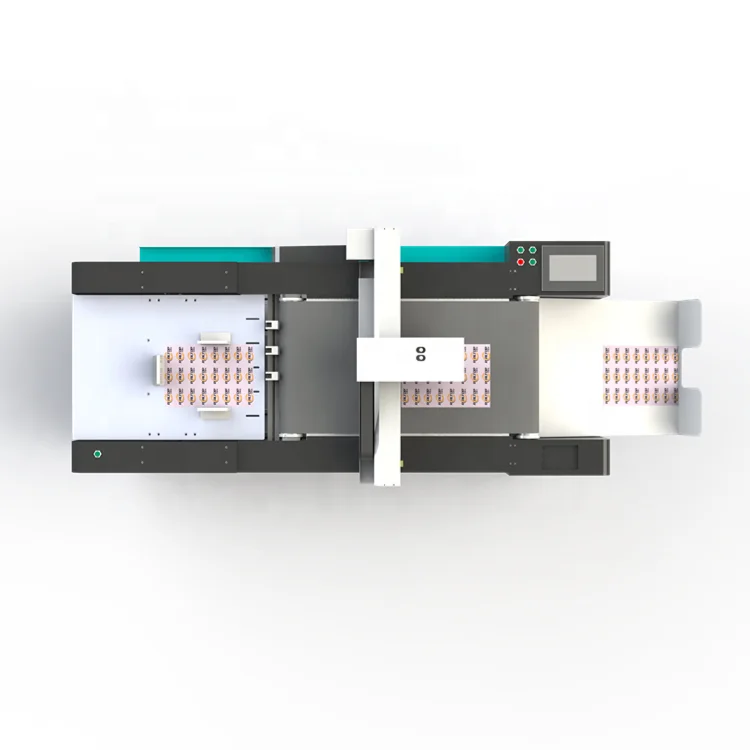
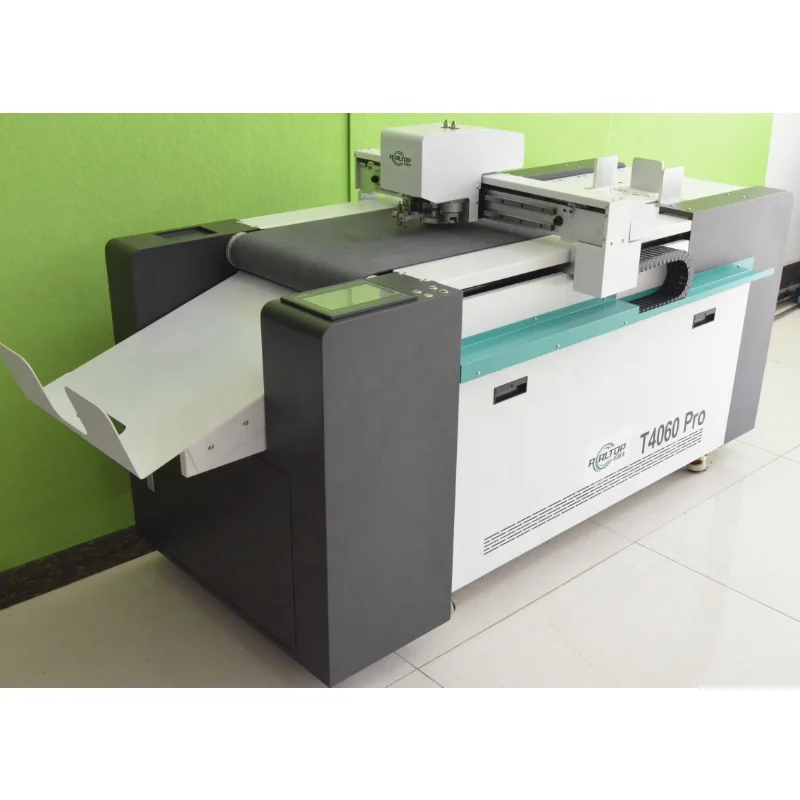
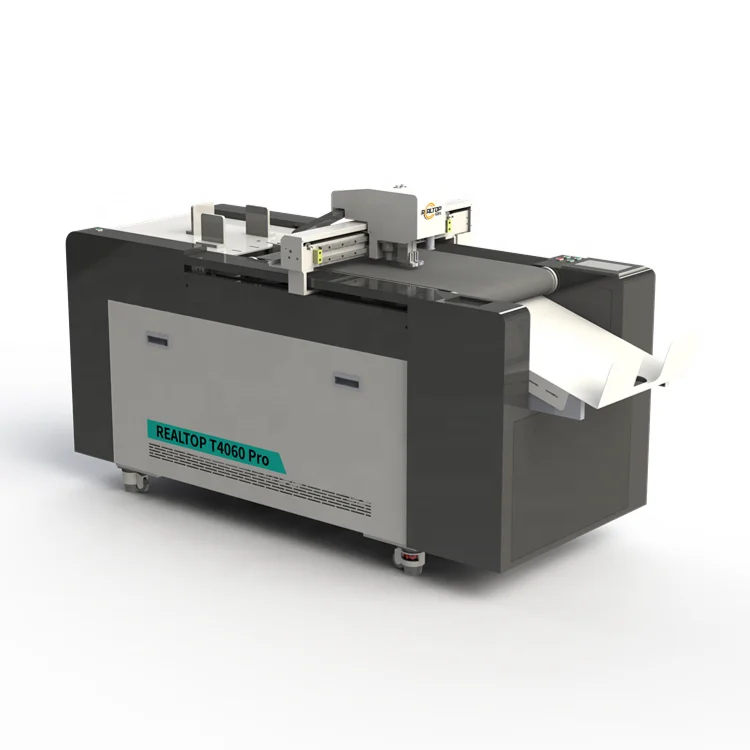
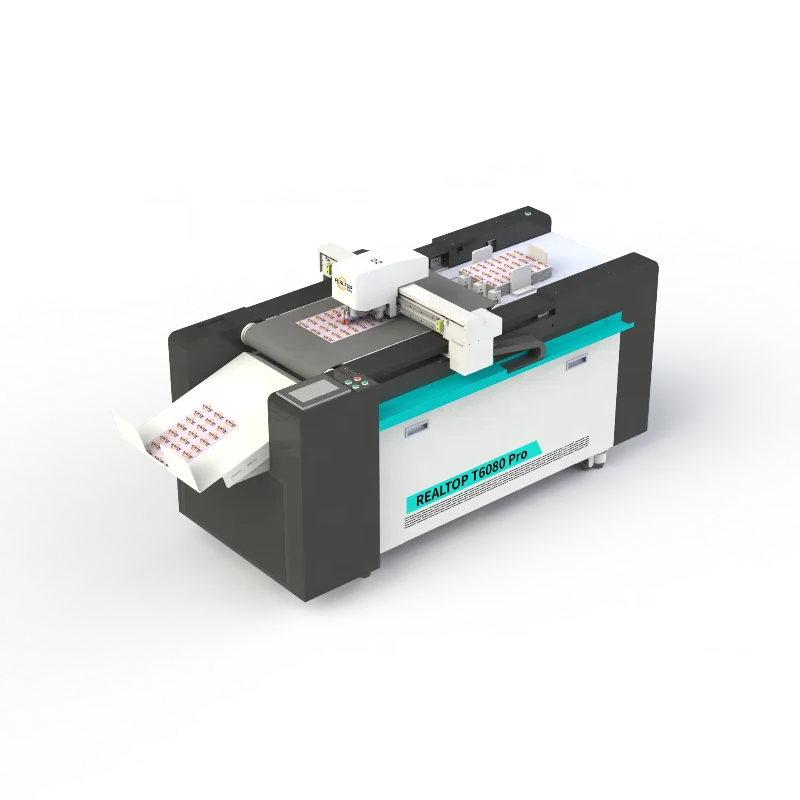
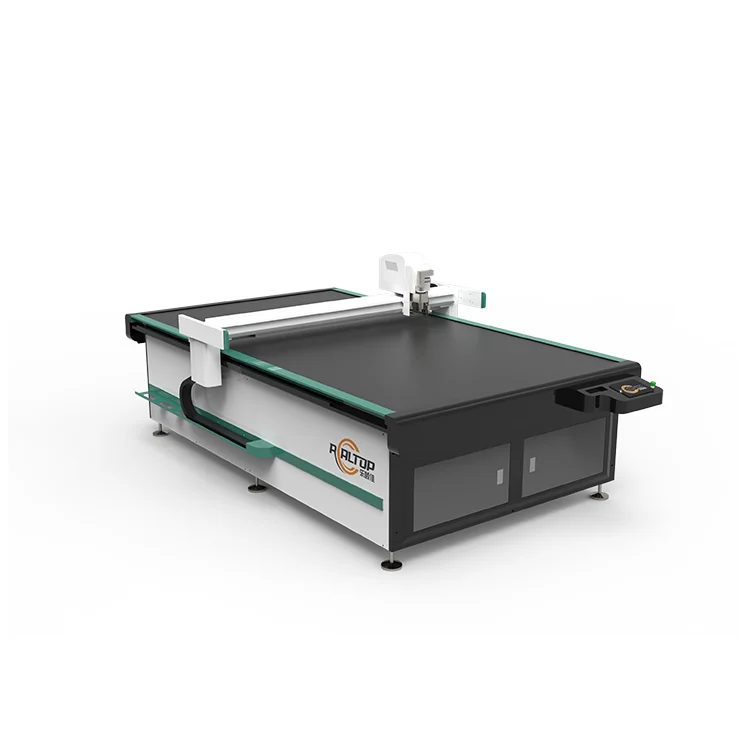
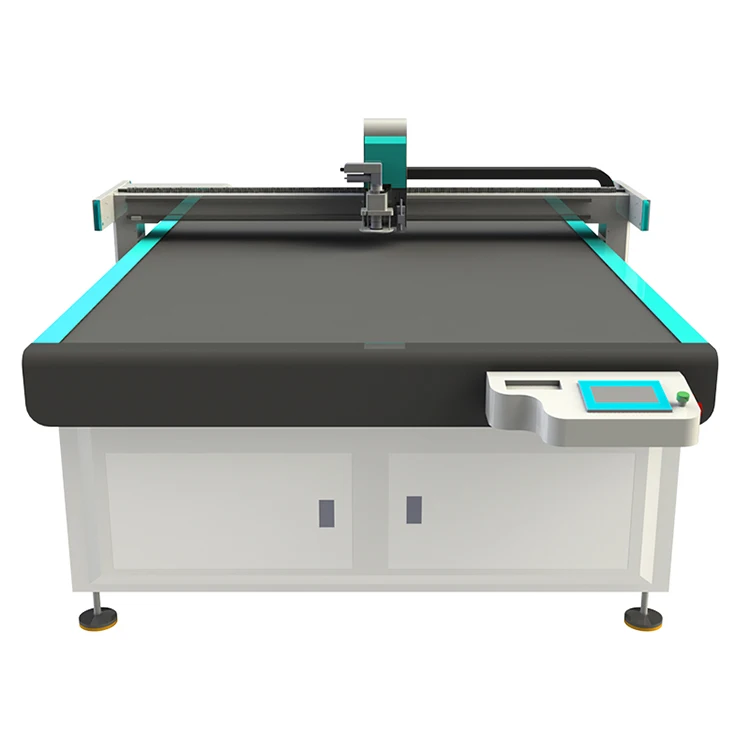
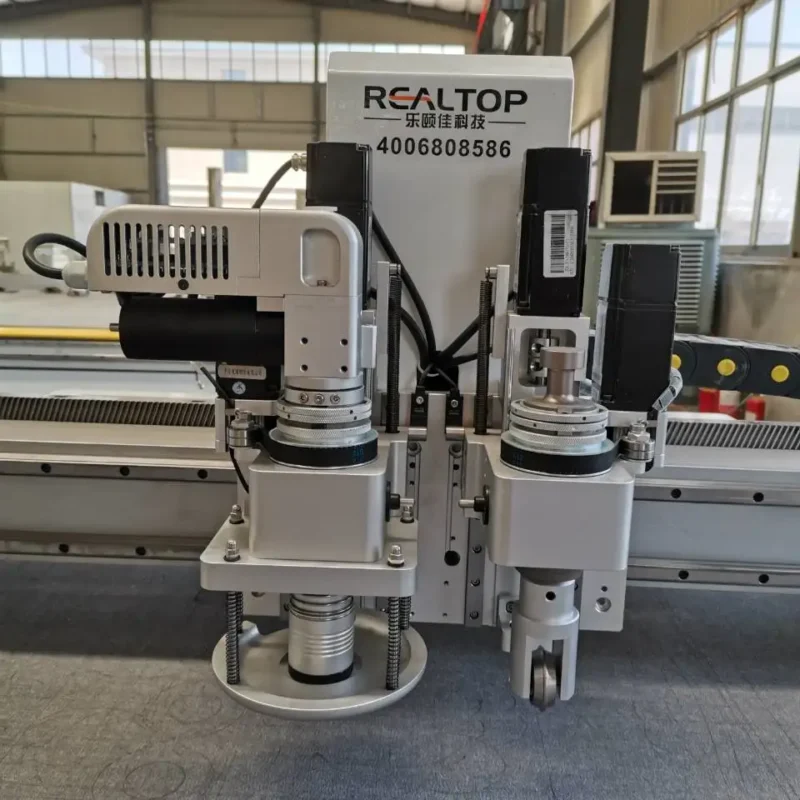
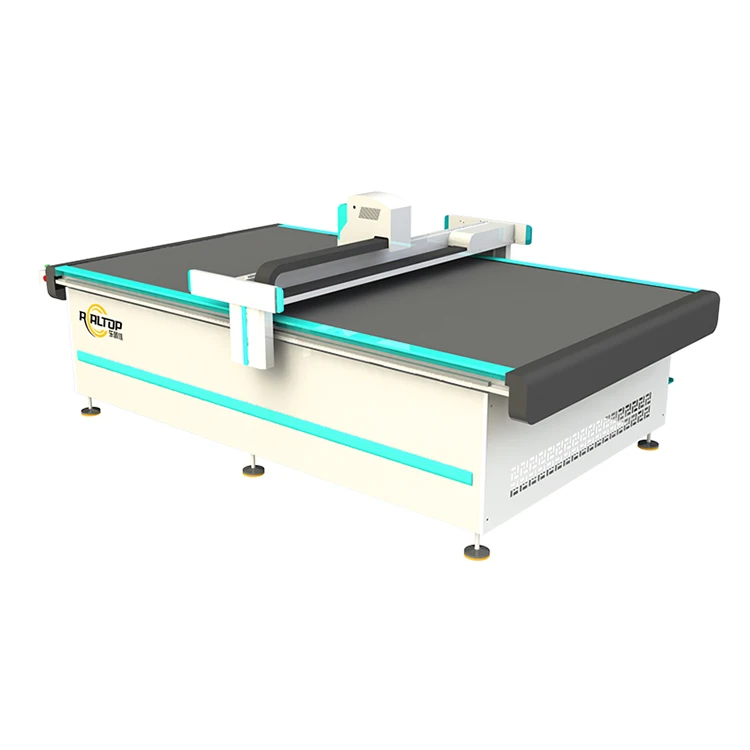
Tool-to-Material Matching — The RTT4060 series lets you specify cutting tool, kiss-cutting tool, creasing wheel, and CCD camera within a single compact head, so thin stock like wrapping paper or textile prints gets the exact blade action it needs rather than a forced compromise.
Technical Specifications
| Parameter | Value |
|---|---|
| Model | RTT4060 / RTT4060 Pro |
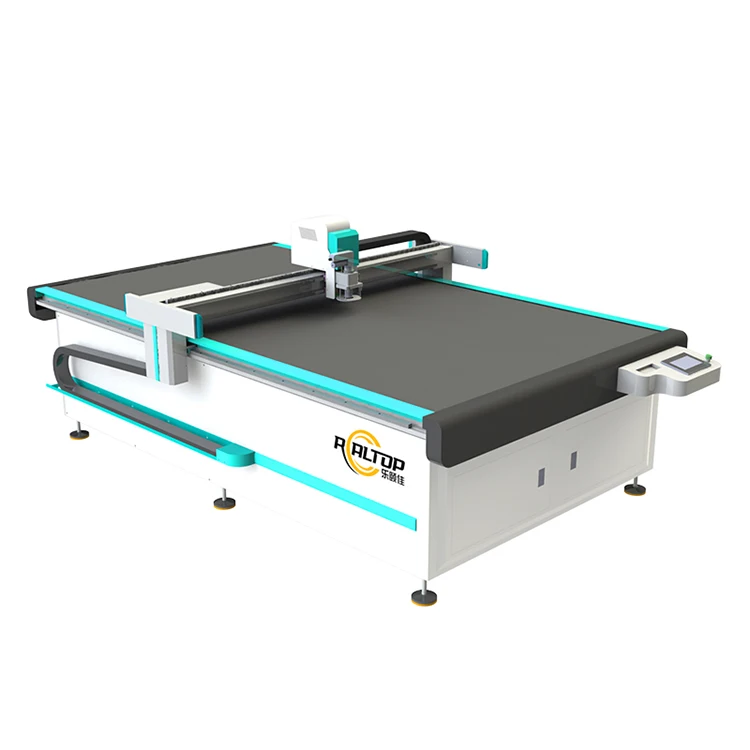
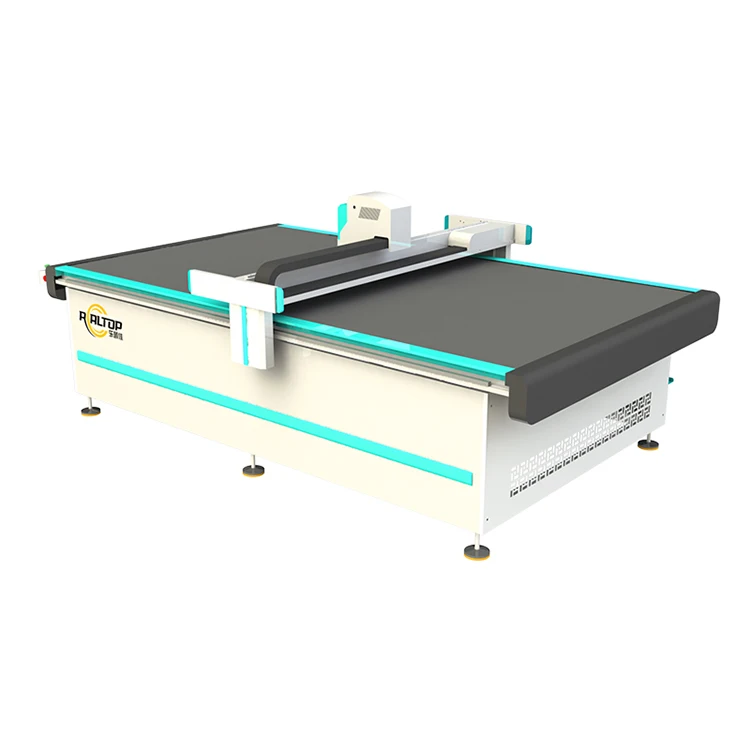
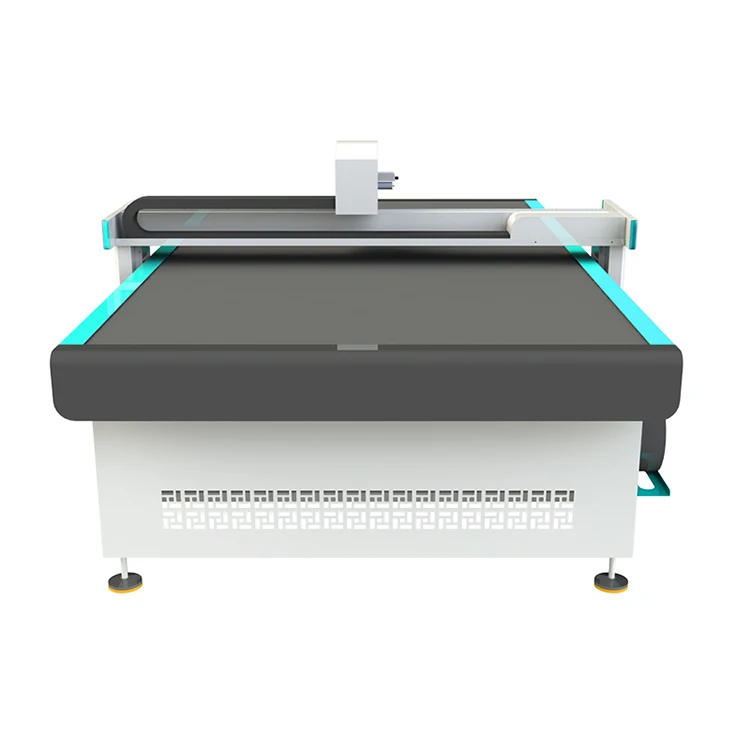
| Product Type | CNC Digital Cutting Machine |
| Working Area | 400 mm × 600 mm |
| Tool Group | Cutting Tool; Kiss-cutting Tool; Creasing Tool; CCD Camera; High Speed Oscillating Knife (RTT4060 Pro only) |
| Max Cutting Speed | 1500 mm/s (according to the material) |
| Cutting Thickness | <2 mm (RTT4060) / <5 mm (RTT4060 Pro) (basis not stated in source — confirm material type / density) |
| Positioning Accuracy | 0.05 mm |
| Supported File Formats | DXF, OLT, PDF, AI |
| Transmission Method | Ethernet port |
| Rated Power | 2.5 kW |
| Voltage & Frequency | Configurable to target market standard (to be confirmed before order) |
| Control System | CNC interface with language customization (to be confirmed before order) |
| Overall Dimensions (L×W×H) | To be verified against manufacturer catalog |
| Net Weight | To be verified against manufacturer catalog |
| Vacuum Table / Zoning | To be verified against manufacturer catalog |
| Standards | CE declaration |
Application Suitability
| Application | Material or Output |
|---|---|
| Printed wrapping paper contour cutting | Coated and uncoated wrapping paper with registered print marks tracked by CCD camera |
| Textile printing sample finishing | Digital-printed fabrics and heat-transfer media requiring precise contour following |
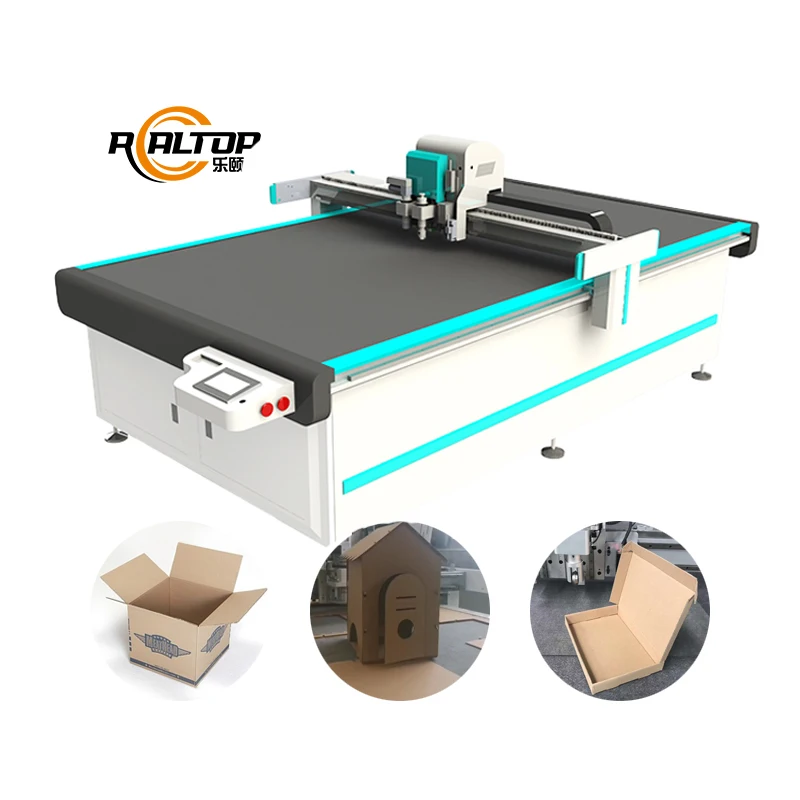
| Short-run packaging prototyping | Thin carton, folding box board and sample-grade corrugated at compact format |
| Label and sticker kiss-cutting | Self-adhesive label stock and thin film where cut and crease coexist on one table |
| Signage finishing and sample making | Vinyl, magnetic sheet and display board at 400 × 600 mm working envelope |
Why the Tool Head Question Comes Before the Working Area
Most compact-format buyers specify table size first and discover later that the tool head cannot handle their stock thickness cleanly.
A CNC digital cutting machine manufacturer sees this pattern repeatedly: a studio orders a small-format cutter based on its footprint, then finds the supplied drag knife tears through coated wrapping paper or crushes thin foam gaskets. The machine footprint was right, but the cutting action was wrong. On the RTT4060 series, the tool group is defined up front — cutting tool, kiss-cutting tool, creasing wheel, and CCD camera are all available in the same head, while the RTT4060 Pro adds a high-speed oscillating knife for stock that a static blade simply cannot shear [NEED_CITE: tool head selection by material and thickness]. Choosing the right blade action before confirming the working area prevents the most common cause of edge-quality complaints in this format class.
Matching Blade Action to Thin Stock Behaviour
Wrapping paper and digital-printed textiles share a trait that thicker materials do not: they deform under lateral blade pressure. A drag knife pulled across 80 gsm coated paper will drag fibres and leave a feathered edge, while the same paper cut with a high-speed oscillating knife on the RTT4060 Pro shears cleanly because the blade vibrates through the stock rather than dragging across it. This CNC digital cutting machine manufacturer pairs each tool option with specific material behaviour, so buyers can see exactly which blade suits their production mix.
CCD Camera Positioning for Registered Print Work
The CCD camera on the RTT4060 and RTT4060 Pro reads printed registration marks and adjusts the cut path in real time. For wrapping paper with a repeating pattern or textile prints where the design shifts slightly between sheets, the camera closes the gap between the printed image and the cut line. Without this, operators manually align each sheet and accept visible drift on finished samples [NEED_CITE: CCD contour recognition accuracy at production speed on printed media]. The 0.05 mm positioning accuracy means fine label details and small-type crease lines stay within tolerance even at the upper end of the cutting speed range.
Reading the Spec Sheet Against Your Actual Production Needs
The 1500 mm/s maximum cutting speed is a head-movement figure; actual throughput depends on material density, cut-path complexity, and the number of tool changes per job. The RTT4060 cuts stock under 2 mm, while the RTT4060 Pro extends to under 5 mm — but those thresholds shift with material composition, so a dense 1.5 mm rubber gasket may behave differently from a 1.5 mm foam board. Ethernet transmission of DXF, OLT, PDF, and AI files removes the USB-drive bottleneck that stalls sample studios when operators move between design software and the machine floor. The 2.5 kW rated power figure covers the spindle drive, vacuum pump, and control electronics running together, which matters when you calculate the dedicated circuit your workshop needs.
The Cost of Skipping the Configuration Conversation
Buyers who order a compact CNC knife cutting table for sale without confirming vacuum zoning often discover that small label parts lift off the table mid-cut, ruining the sheet and wasting the printed material. Others find their existing AI or PDF workflow does not import cleanly into the machine software, forcing operators to redraw cut paths by hand — a process that adds hours to every sample run and introduces alignment errors [NEED_CITE: software file format compatibility for digital cutting tables]. Skipping the sample-cutting step before commitment means these issues surface only after the machine arrives and production deadlines are already tight.
Why Source This Compact Format Range Here
In-house design covers both knife and laser cutting methods, so you can compare results on your material before locking in the cutting technology. Tool head and table configuration are documented per material and volume, not left to a generic packing list. CCD camera positioning is verified on your printed artwork before the order ships, not assumed from a catalogue promise. Software compatibility with your existing DXF, AI, PDF, or OLT files is confirmed in writing. Voltage, plug type, and control language are locked in during the order stage so the machine arrives ready to run in your local workshop. Sample cutting on your own wrapping paper or textile stock is standard before any commitment is made.
Documentation & Verification
- Machine specification sheet matching confirmed RTT4060 or RTT4060 Pro tool group configuration
- Electrical schematic with voltage and frequency locked to your target market standard
- Sample cutting report on your wrapping paper, textile, or label stock before order
- Tool head and table configuration list detailing active tool per material type
- Software licence and file format compatibility note for DXF, AI, PDF, and OLT workflows
- Factory test record showing positioning accuracy verification at 0.05 mm
Installation, Commissioning & Support
- Dedicated circuit sizing based on the 2.5 kW rated power draw of the RTT4060 series
- Vacuum pump and extraction routing planned around the 400 × 600 mm table footprint
- First-run parameter setting on your wrapping paper or textile stock at delivery
- Control interface language confirmed during commissioning to match operator preference
- Ethernet network setup for direct DXF and AI file transfer from your design station
- Spare blade and creasing wheel kit matched to the tool group you specified at order
Starting the Conversation
To recommend the correct RTT4060 configuration, share the material types you run most often, their typical thickness range, and whether registered print tracking is part of your daily workflow. Your local voltage and frequency standard, preferred control language, and any existing design software in your studio help shape the quotation. If sample cutting on your own stock matters before commitment, send a few sheets and the team will return a cutting report alongside the proposal.
Frequently Asked Questions
Q: How do I confirm the RTT4060 can handle my material thickness, not just the headline number?
A: The published cutting thresholds of under 2 mm and under 5 mm shift with material density and composition. Request a sample cut on your exact wrapping paper or textile stock and review the cutting report before ordering. This confirms whether the standard cutting tool or the RTT4060 Pro oscillating knife delivers the edge quality you need.
Q: Which tool head option suits my wrapping paper or printed textile job?
A: Coated wrapping paper and thin printed textiles generally cut cleaner with the oscillating knife on the RTT4060 Pro, while uncoated paper and label stock work well with the standard cutting tool. Share your material samples so the tool group can be matched precisely to your production mix before the order is placed.
Q: How does CCD contour recognition perform at working speed on my printed designs?
A: The CCD camera reads registration marks and adjusts the cut path during operation, but tracking reliability depends on mark contrast, print density, and sheet alignment. A test run on your actual printed artwork confirms the camera holds the 0.05 mm positioning accuracy across your typical job layout.
Q: How are voltage and control language confirmed before the machine ships?
A: Your local voltage, frequency, and plug type are documented during the order stage, and the control interface language is set to match your operators. An electrical schematic reflecting these choices is included in the documentation package so your electrician can prepare the workshop circuit before delivery.
Q: Will my existing DXF and AI design files import without rework?
A: The RTT4060 series supports DXF, OLT, PDF, and AI formats, but nesting behaviour and layer recognition vary between software versions. A file compatibility note is prepared during the order stage, confirming that your current design workflow imports cleanly and identifying any adjustments needed before the machine arrives.
Tool-to-Material Matching — The RTT4060 series lets you specify cutting tool, kiss-cutting tool, creasing wheel, and CCD camera within a single compact head, so thin stock like wrapping paper or textile prints gets the exact blade action it needs rather than a forced compromise.
Technical Specifications
| Parameter | Value |
|---|---|
| Model | RTT4060 / RTT4060 Pro |
| Product Type | CNC Digital Cutting Machine |
| Working Area | 400 mm × 600 mm |
| Tool Group | Cutting Tool; Kiss-cutting Tool; Creasing Tool; CCD Camera; High Speed Oscillating Knife (RTT4060 Pro only) |
| Max Cutting Speed | 1500 mm/s (according to the material) |
| Cutting Thickness | <2 mm (RTT4060) / <5 mm (RTT4060 Pro) (basis not stated in source — confirm material type / density) |
| Positioning Accuracy | 0.05 mm |
| Supported File Formats | DXF, OLT, PDF, AI |
| Transmission Method | Ethernet port |
| Rated Power | 2.5 kW |
| Voltage & Frequency | Configurable to target market standard (to be confirmed before order) |
| Control System | CNC interface with language customization (to be confirmed before order) |
| Overall Dimensions (L×W×H) | To be verified against manufacturer catalog |
| Net Weight | To be verified against manufacturer catalog |
| Vacuum Table / Zoning | To be verified against manufacturer catalog |
| Standards | CE declaration |
Application Suitability
| Application | Material or Output |
|---|---|
| Printed wrapping paper contour cutting | Coated and uncoated wrapping paper with registered print marks tracked by CCD camera |
| Textile printing sample finishing | Digital-printed fabrics and heat-transfer media requiring precise contour following |
| Short-run packaging prototyping | Thin carton, folding box board and sample-grade corrugated at compact format |
| Label and sticker kiss-cutting | Self-adhesive label stock and thin film where cut and crease coexist on one table |
| Signage finishing and sample making | Vinyl, magnetic sheet and display board at 400 × 600 mm working envelope |
Why the Tool Head Question Comes Before the Working Area
Most compact-format buyers specify table size first and discover later that the tool head cannot handle their stock thickness cleanly.
A CNC digital cutting machine manufacturer sees this pattern repeatedly: a studio orders a small-format cutter based on its footprint, then finds the supplied drag knife tears through coated wrapping paper or crushes thin foam gaskets. The machine footprint was right, but the cutting action was wrong. On the RTT4060 series, the tool group is defined up front — cutting tool, kiss-cutting tool, creasing wheel, and CCD camera are all available in the same head, while the RTT4060 Pro adds a high-speed oscillating knife for stock that a static blade simply cannot shear [NEED_CITE: tool head selection by material and thickness]. Choosing the right blade action before confirming the working area prevents the most common cause of edge-quality complaints in this format class.
Matching Blade Action to Thin Stock Behaviour
Wrapping paper and digital-printed textiles share a trait that thicker materials do not: they deform under lateral blade pressure. A drag knife pulled across 80 gsm coated paper will drag fibres and leave a feathered edge, while the same paper cut with a high-speed oscillating knife on the RTT4060 Pro shears cleanly because the blade vibrates through the stock rather than dragging across it. This CNC digital cutting machine manufacturer pairs each tool option with specific material behaviour, so buyers can see exactly which blade suits their production mix.
CCD Camera Positioning for Registered Print Work
The CCD camera on the RTT4060 and RTT4060 Pro reads printed registration marks and adjusts the cut path in real time. For wrapping paper with a repeating pattern or textile prints where the design shifts slightly between sheets, the camera closes the gap between the printed image and the cut line. Without this, operators manually align each sheet and accept visible drift on finished samples [NEED_CITE: CCD contour recognition accuracy at production speed on printed media]. The 0.05 mm positioning accuracy means fine label details and small-type crease lines stay within tolerance even at the upper end of the cutting speed range.
Reading the Spec Sheet Against Your Actual Production Needs
The 1500 mm/s maximum cutting speed is a head-movement figure; actual throughput depends on material density, cut-path complexity, and the number of tool changes per job. The RTT4060 cuts stock under 2 mm, while the RTT4060 Pro extends to under 5 mm — but those thresholds shift with material composition, so a dense 1.5 mm rubber gasket may behave differently from a 1.5 mm foam board. Ethernet transmission of DXF, OLT, PDF, and AI files removes the USB-drive bottleneck that stalls sample studios when operators move between design software and the machine floor. The 2.5 kW rated power figure covers the spindle drive, vacuum pump, and control electronics running together, which matters when you calculate the dedicated circuit your workshop needs.
The Cost of Skipping the Configuration Conversation
Buyers who order a compact CNC knife cutting table for sale without confirming vacuum zoning often discover that small label parts lift off the table mid-cut, ruining the sheet and wasting the printed material. Others find their existing AI or PDF workflow does not import cleanly into the machine software, forcing operators to redraw cut paths by hand — a process that adds hours to every sample run and introduces alignment errors [NEED_CITE: software file format compatibility for digital cutting tables]. Skipping the sample-cutting step before commitment means these issues surface only after the machine arrives and production deadlines are already tight.
Why Source This Compact Format Range Here
In-house design covers both knife and laser cutting methods, so you can compare results on your material before locking in the cutting technology. Tool head and table configuration are documented per material and volume, not left to a generic packing list. CCD camera positioning is verified on your printed artwork before the order ships, not assumed from a catalogue promise. Software compatibility with your existing DXF, AI, PDF, or OLT files is confirmed in writing. Voltage, plug type, and control language are locked in during the order stage so the machine arrives ready to run in your local workshop. Sample cutting on your own wrapping paper or textile stock is standard before any commitment is made.
Documentation & Verification
- Machine specification sheet matching confirmed RTT4060 or RTT4060 Pro tool group configuration
- Electrical schematic with voltage and frequency locked to your target market standard
- Sample cutting report on your wrapping paper, textile, or label stock before order
- Tool head and table configuration list detailing active tool per material type
- Software licence and file format compatibility note for DXF, AI, PDF, and OLT workflows
- Factory test record showing positioning accuracy verification at 0.05 mm
Installation, Commissioning & Support
- Dedicated circuit sizing based on the 2.5 kW rated power draw of the RTT4060 series
- Vacuum pump and extraction routing planned around the 400 × 600 mm table footprint
- First-run parameter setting on your wrapping paper or textile stock at delivery
- Control interface language confirmed during commissioning to match operator preference
- Ethernet network setup for direct DXF and AI file transfer from your design station
- Spare blade and creasing wheel kit matched to the tool group you specified at order
Starting the Conversation
To recommend the correct RTT4060 configuration, share the material types you run most often, their typical thickness range, and whether registered print tracking is part of your daily workflow. Your local voltage and frequency standard, preferred control language, and any existing design software in your studio help shape the quotation. If sample cutting on your own stock matters before commitment, send a few sheets and the team will return a cutting report alongside the proposal.
Frequently Asked Questions
Q: How do I confirm the RTT4060 can handle my material thickness, not just the headline number?
A: The published cutting thresholds of under 2 mm and under 5 mm shift with material density and composition. Request a sample cut on your exact wrapping paper or textile stock and review the cutting report before ordering. This confirms whether the standard cutting tool or the RTT4060 Pro oscillating knife delivers the edge quality you need.
Q: Which tool head option suits my wrapping paper or printed textile job?
A: Coated wrapping paper and thin printed textiles generally cut cleaner with the oscillating knife on the RTT4060 Pro, while uncoated paper and label stock work well with the standard cutting tool. Share your material samples so the tool group can be matched precisely to your production mix before the order is placed.
Q: How does CCD contour recognition perform at working speed on my printed designs?
A: The CCD camera reads registration marks and adjusts the cut path during operation, but tracking reliability depends on mark contrast, print density, and sheet alignment. A test run on your actual printed artwork confirms the camera holds the 0.05 mm positioning accuracy across your typical job layout.
Q: How are voltage and control language confirmed before the machine ships?
A: Your local voltage, frequency, and plug type are documented during the order stage, and the control interface language is set to match your operators. An electrical schematic reflecting these choices is included in the documentation package so your electrician can prepare the workshop circuit before delivery.
Q: Will my existing DXF and AI design files import without rework?
A: The RTT4060 series supports DXF, OLT, PDF, and AI formats, but nesting behaviour and layer recognition vary between software versions. A file compatibility note is prepared during the order stage, confirming that your current design workflow imports cleanly and identifying any adjustments needed before the machine arrives.
商品评价
There are no reviews yet.