

Fast Delivery
Quick, reliable shipping to any location.

Free & easy returns
Return this item by mail or in store within 90 days for a full refund.
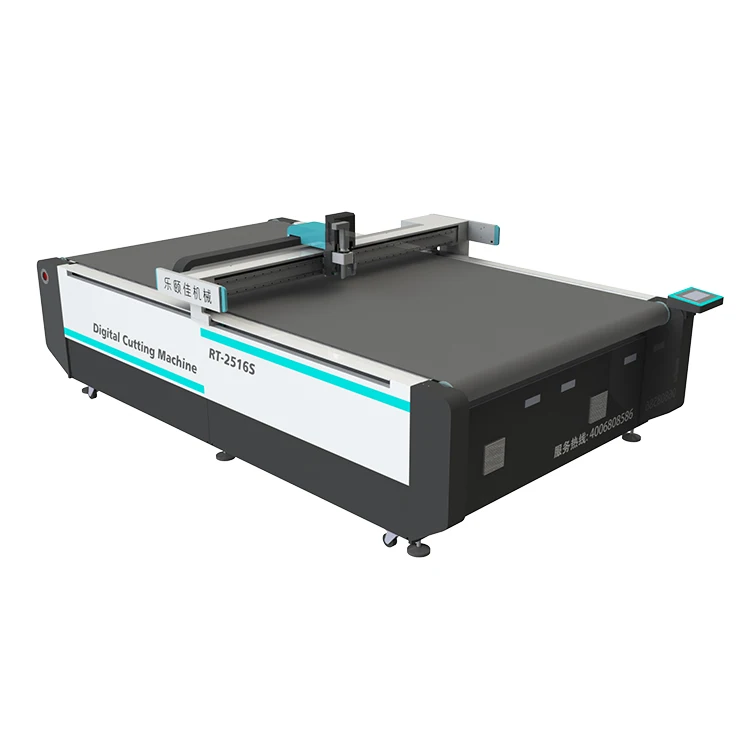
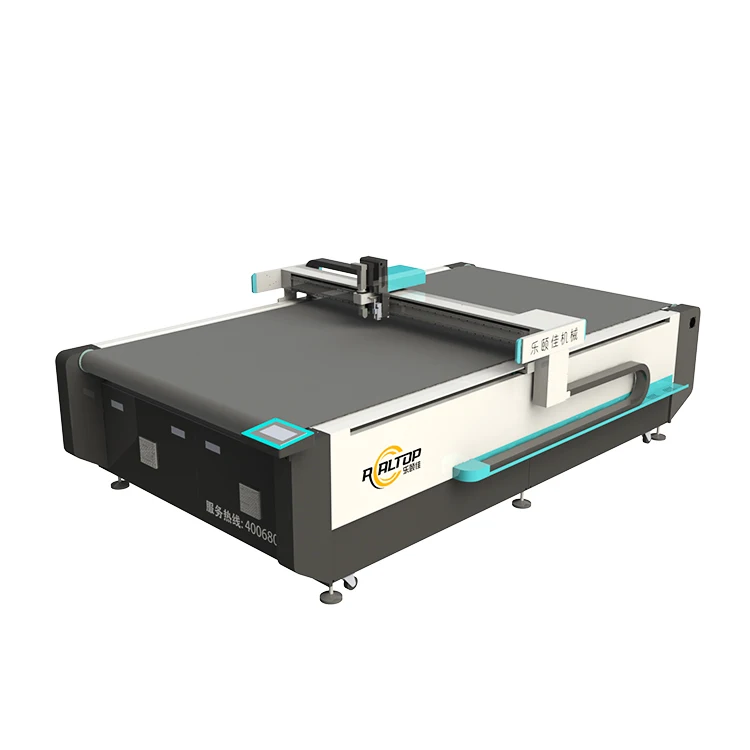
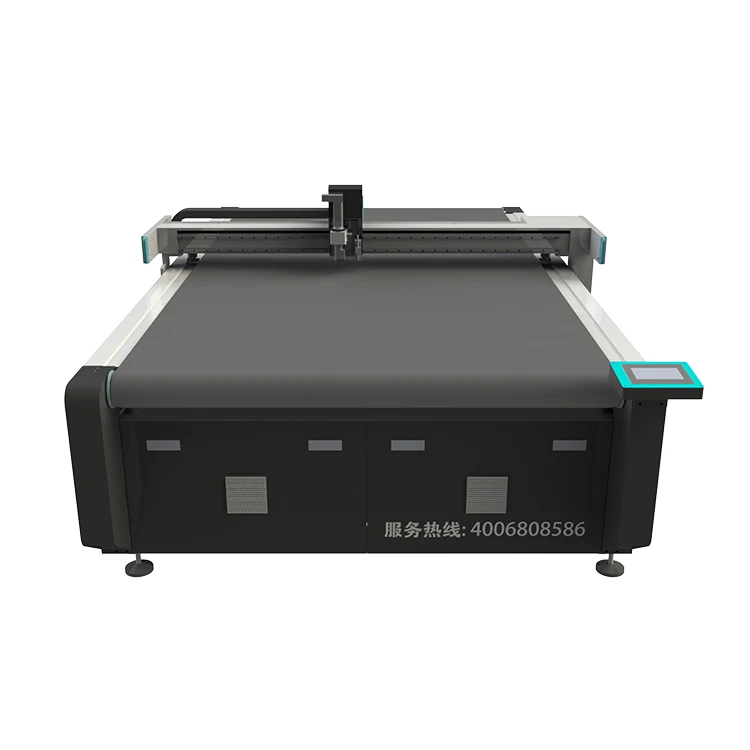
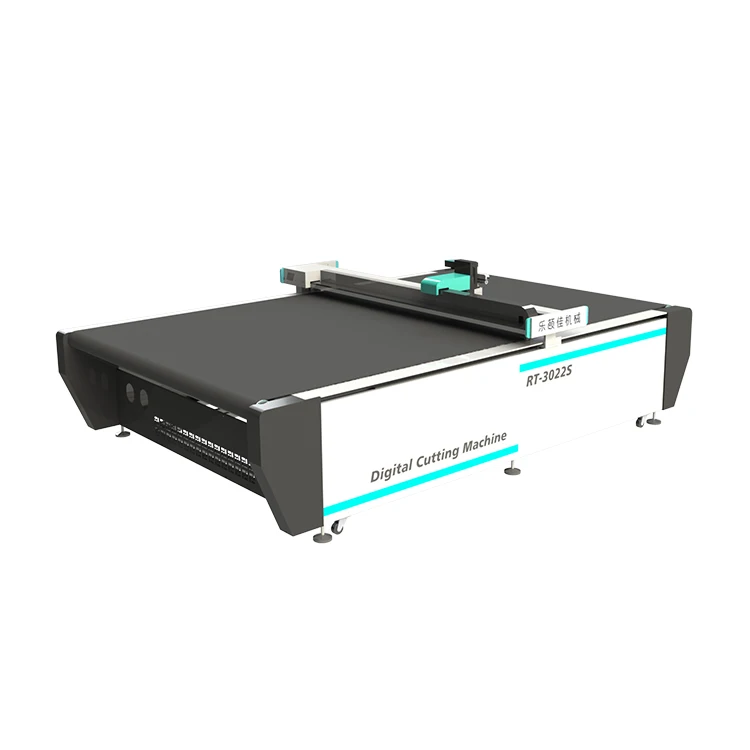
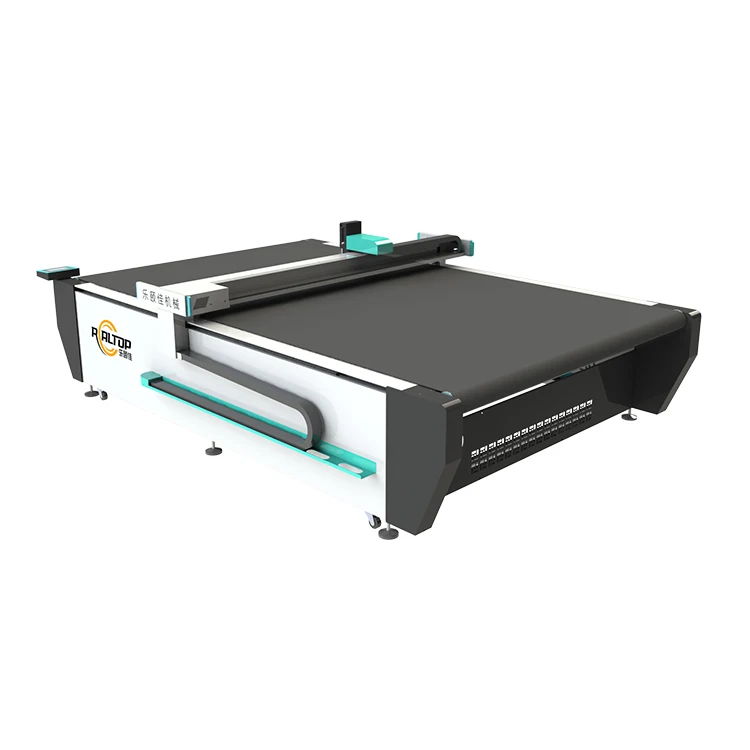
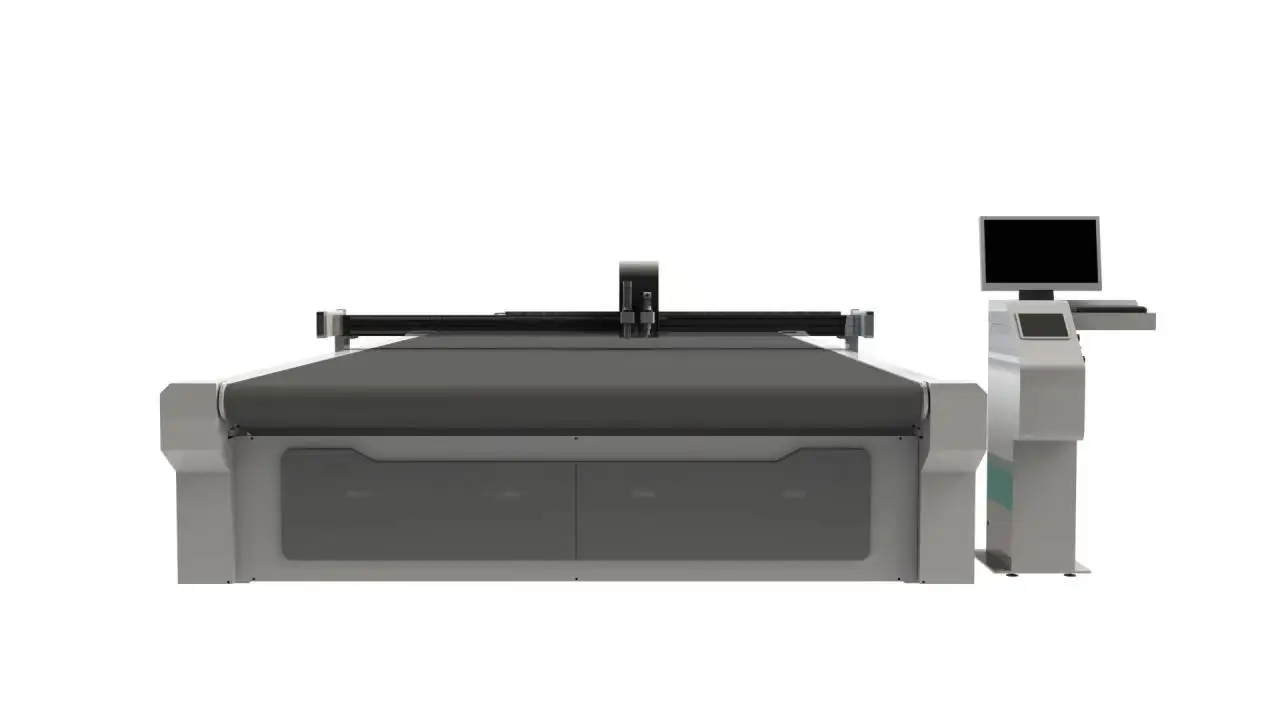
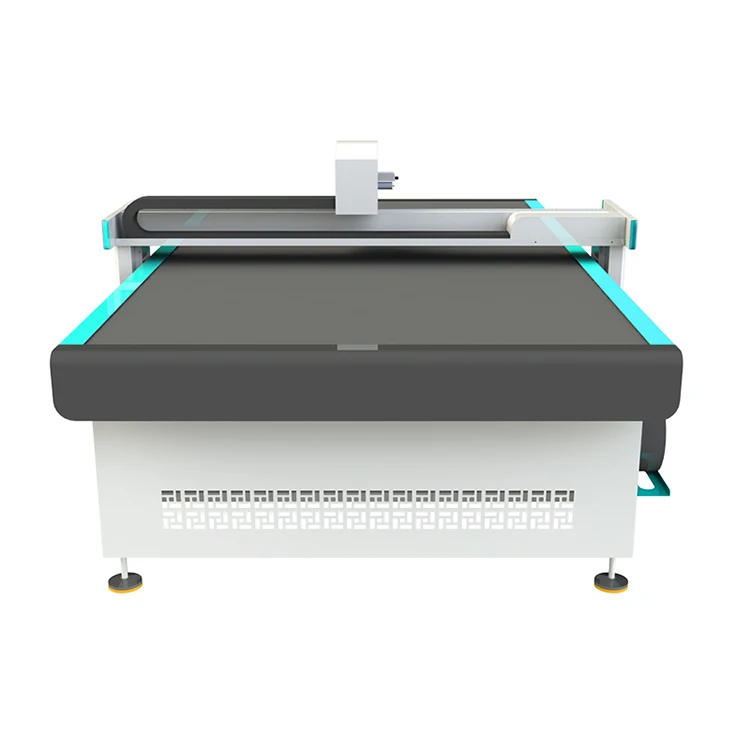
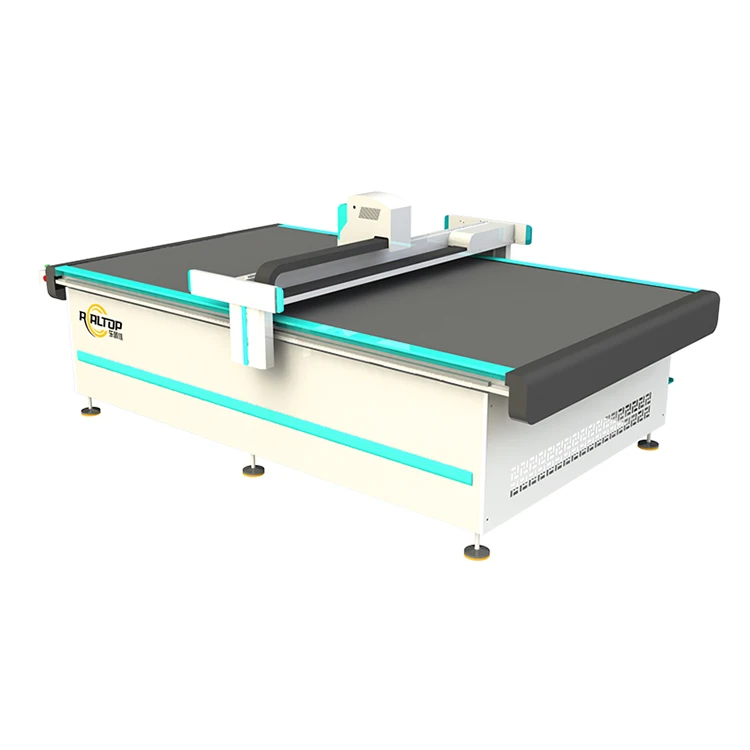
Specification locked to material — the RT-D2516 / RT-S2516 is matched to leather hide size, composite layup and daily volume before the oscillating knife frequency and vacuum zoning are finalized.
Technical Specifications
| Parameter | Value |
|---|---|
| Model | RT-D2516 / RT-S2516 |
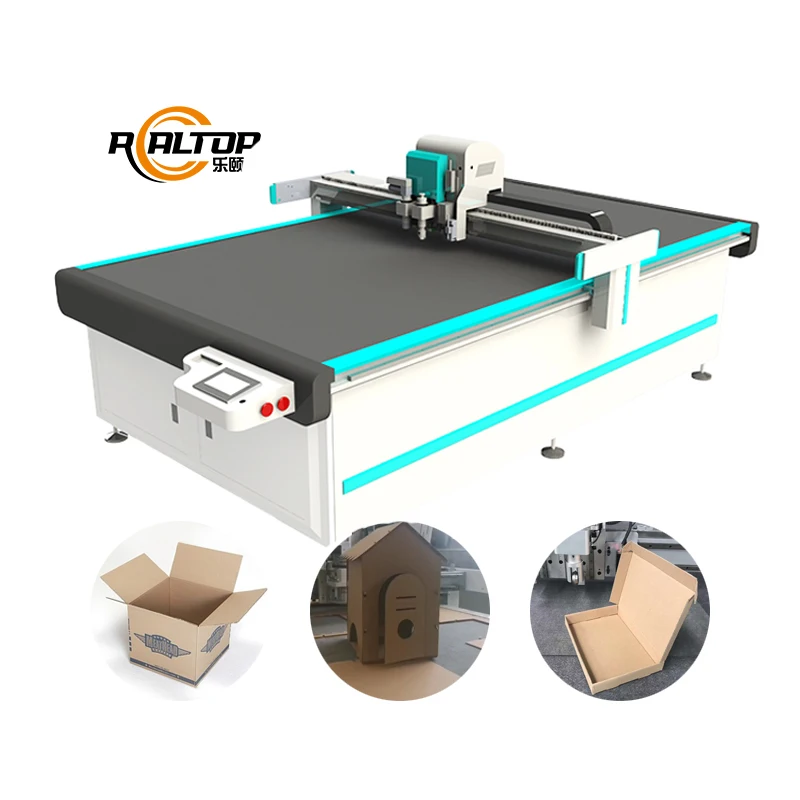
| Product Type | CNC Leather Oscillating Knife Cutting Machine |
| Working Area | 1600 × 2500 mm |
| Overall Dimensions | 3450 × 2300 × 1250 mm |
| Working Table | Flat vacuum table with auto-feeding conveyor |
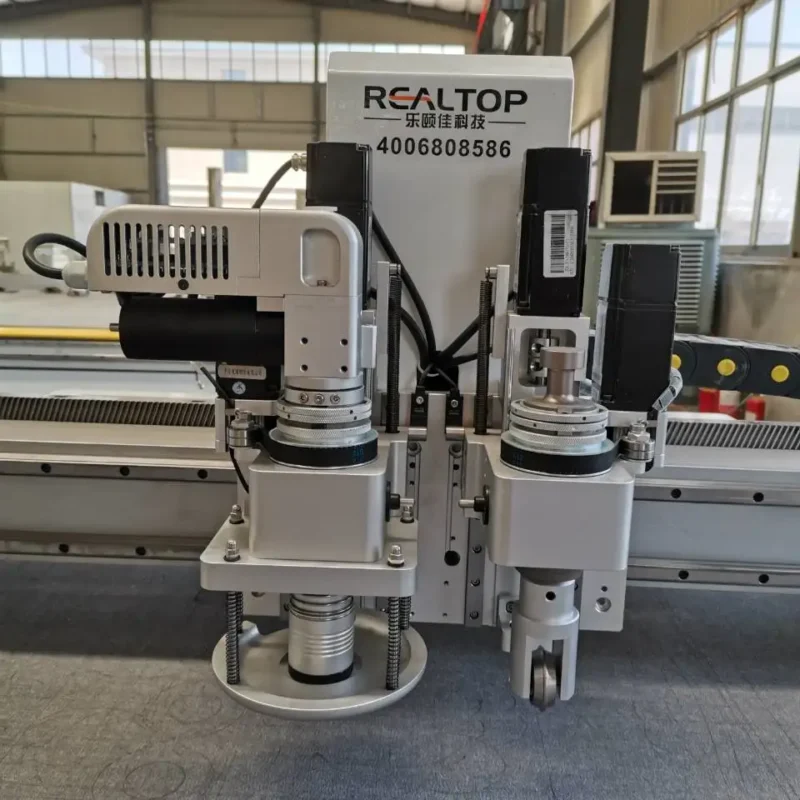
| Tool Head | Swiss imported knife with vibration full cutting, half cutting and cursor location |
| Translational Velocity | 800–1200 mm/s |
| Cutting Speed | 200–800 mm/s (basis to be confirmed) |
| Repeatability | ≤ 0.1 mm |
| Transmission System | Digital servo motor, linear guide, synchronous belt, ball screw |
| Core Components | Japanese Yaskawa servo motor, Germany imported conveyor belt, Taiwan Hiwin rail |
| Vacuum Pump | 7.5 kW |
| Rated Power | 9 kW |
| Voltage | 380 V ± 10 % |
| Instruction System | HP-GL compatible format |
| Safety Device | Infrared sensors |
| OEM / ODM | Supported |
Application Suitability
| Application | Material or Output |
|---|---|
| Footwear uppers and insoles | Natural leather, synthetic PU / PVC leather, lining textiles |
| Automotive seat covers and interior trim | Multi-layer composite leather with sponge backing |
| Bags, luggage and leather goods | Garment leather, sponge composite leather, soft glass |
| Sofa and upholstery patterning | Thick hide, silicon, rubber and flexible composite sheets |
What a Working Area Figure Leaves Out When Sourcing a CNC Leather Cutting Machine manufacturer
The machine must be matched to your hide thickness and composite layup, not just the table size.
Many buyers specify a leather cutter based solely on the 1600 × 2500 mm working area, then discover the vacuum zoning cannot hold small pattern pieces flat, or the oscillating knife frequency produces ragged edges on multi-layer sponge-backed automotive leather. In my time commissioning these machines across the Pearl River Delta, I have seen batches of shoe uppers and seat covers stall because the factory test ran on standard PU while the actual production material was a dense composite. The configuration of the tool head, vacuum table zones and feed rate must be locked to your specific material before commitment [NEED_CITE: CNC oscillating knife cutting parameters for composite leather materials].
Knife Cutting Families Within the Full Catalogue
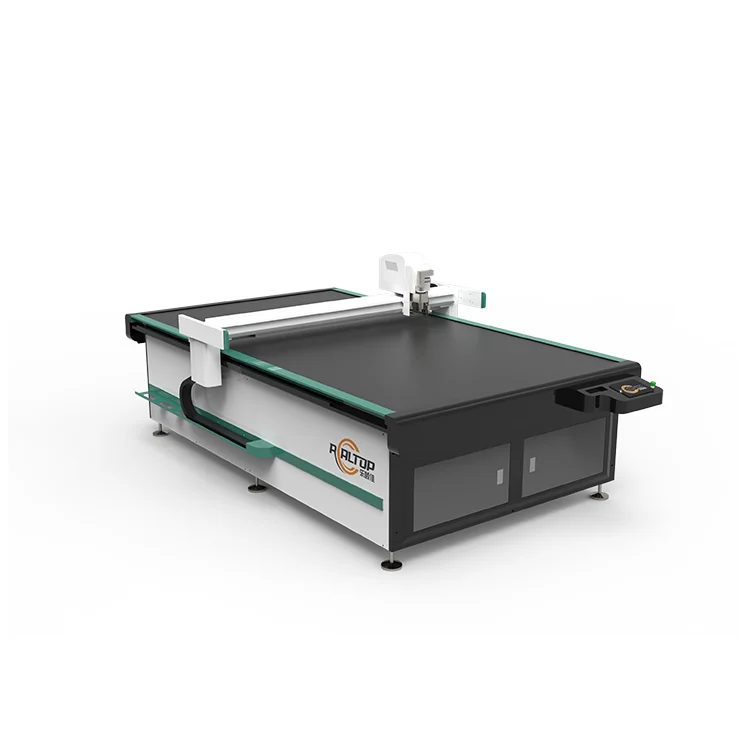
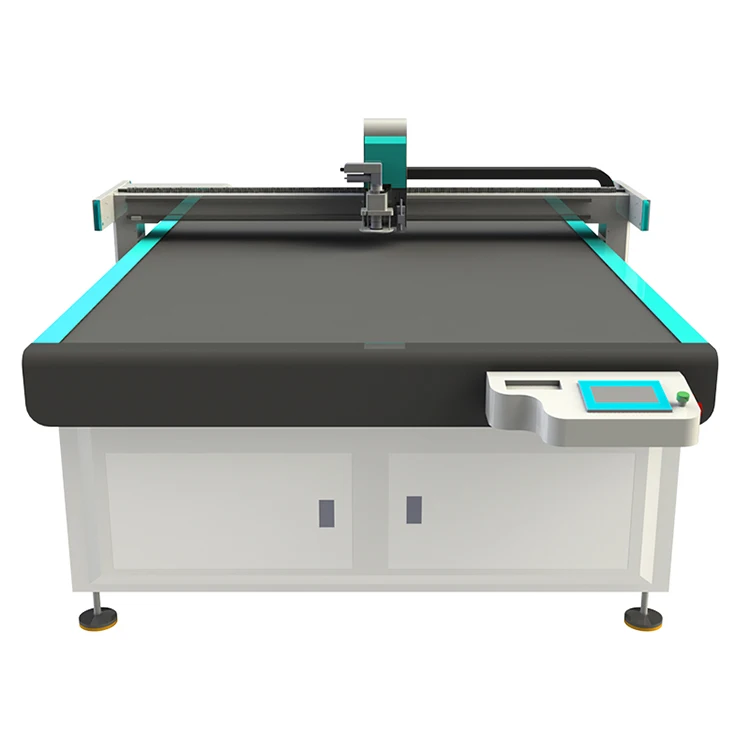
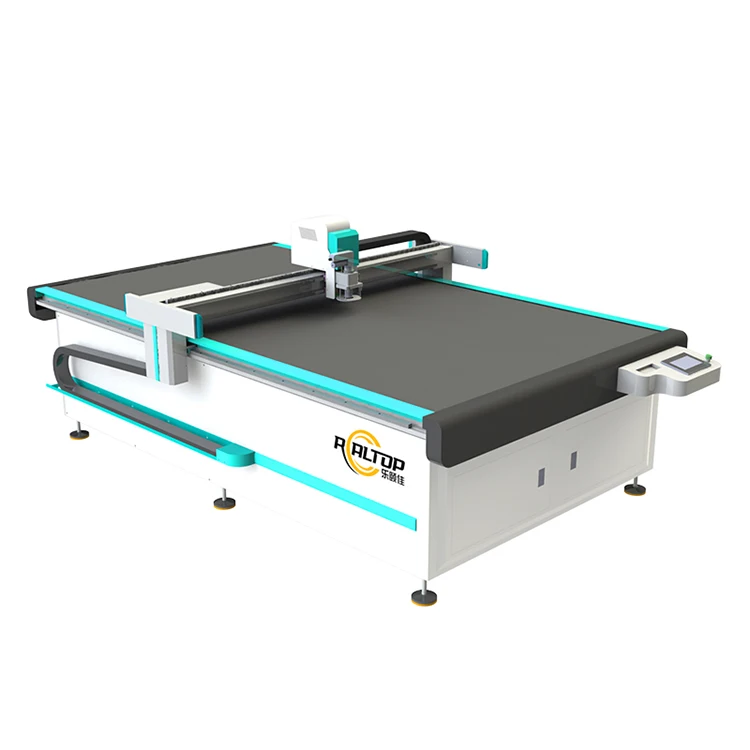
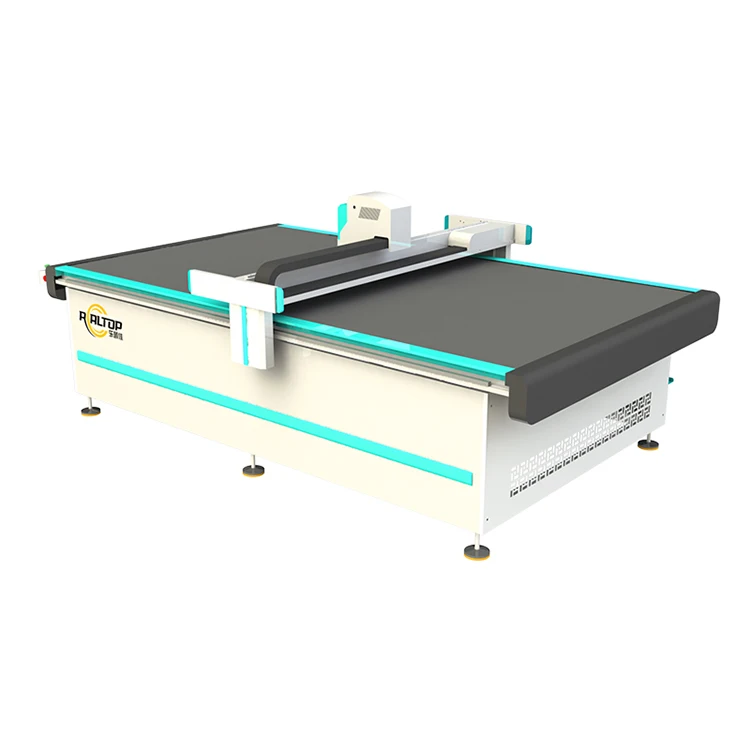
From a full-catalogue perspective, this CNC Leather Cutting Machine manufacturer positions the RT-D2516 / RT-S2516 as the dedicated soft-flexible-material variant within the broader knife cutting range. The flatbed digital cutting table format handles both roll-fed and hide-by-hide workflows, with the auto-feeding conveyor and 7.5 kW vacuum pump working together to maintain material tension and hold during continuous operation. Buyers comparing options across the catalogue can see where this model sits relative to heavier gasket cutters and high-volume multi-layer fabric systems.
Oscillating Knife Mechanics and Edge Quality
The Swiss imported oscillating knife head on this CNC Leather Cutting Machine manufacturer model provides full-cut, half-cut and cursor location functions, which covers the three most common leather processing requirements in footwear and automotive trim. Full cutting separates pattern pieces from the hide, half cutting scores fold lines for subsequent assembly, and cursor location references printed marks or natural hide defects for manual nesting adjustment. The Yaskawa servo and Hiwin linear guide combination holds repeatability to 0.1 mm or better, which matters when interlocking pattern pieces must nest tightly to maximize yield from an expensive natural hide [NEED_CITE: leather nesting yield and pattern placement accuracy].
Transmission and Vacuum Table Engineering
The 800–1200 mm/s translational velocity governs how quickly the head moves between cuts, while the 200–800 mm/s cutting speed range applies during actual material separation and depends on leather density and layer count. The 7.5 kW vacuum pump feeds a zoned flat table, meaning the operator can activate only the zones under active cutting to maintain suction on small pieces like insole components or armrest trim. Without this zoning, small leather parts lift during the oscillating stroke and produce oversized or deformed cuts that fail downstream quality checks. The digital servo system with ball screw and synchronous belt ensures the acceleration and deceleration curves do not introduce vibration that would show as chatter marks on the cut edge.
The Cost of Skipping Material-Matched Configuration
When a leather cutting machine is ordered without confirming the actual composite structure, the oscillating knife frequency and feed rate arrive set for a generic material. On multi-layer sponge-backed leather, this mismatch produces crushed foam at the cut edge, forcing the assembly line to reject pieces or add manual trimming. Small automotive trim parts lift off an unzoned vacuum table mid-cut, wasting hide that cannot be re-nested. Voltage differences at the destination factory cause servo drives to fault repeatedly during the first week, delaying production ramp-up [NEED_CITE: industrial servo drive voltage tolerance and fault behavior].
Why Source This Model From the Full Catalogue
The in-house design team covers both knife and laser cutting technologies, so buyers can compare methods against their actual material rather than being forced into one process. Tool head and vacuum table configurations are specified per leather type and production volume before the order is locked. Sample cutting on the buyer’s own material — whether natural hide, PU composite or sponge-backed automotive leather — is conducted before commitment, with a report documenting the parameters used. Electrical schematics and voltage are confirmed for the target market, and the HP-GL compatible instruction system is checked against the buyer’s existing nesting software and file format workflow. The core factory handles production, factory testing and OEM customization under one roof.
Documentation & Verification
- Sample cutting report on your leather thickness and composite layup
- Machine specification sheet with locked tool head and vacuum zone configuration
- Electrical schematic and voltage confirmation for your local power standard
- Software licence and HP-GL file format compatibility note for your nesting workflow
- Factory test record with parameters matched to your production material
- Spare parts list covering oscillating knife blades, conveyor belt segments and vacuum seals
Installation, Commissioning & Support
- Floor space allocation for 3450 × 2300 mm footprint plus material feed and offload clearance
- Dedicated 380 V ± 10 % circuit with rated 9 kW capacity and separate vacuum pump supply
- Auto-feeding conveyor tensioning and vacuum zone mapping during first commissioning
- Oscillating knife frequency and feed rate calibration on your actual leather stock
- Operator training on HP-GL file import, nesting layout and cursor location referencing
- Scheduled replacement plan for knife blades, Hiwin rail lubrication and vacuum pump filters
Preparing a Productive Inquiry
Share the specific leather type, thickness and composite structure you run — natural hide, PU, sponge-backed or multi-layer — along with your typical sheet or roll dimensions. Specify your local voltage and frequency, control language preference, and the nesting software or file format currently in use. If your production involves printed leather or patterned hides, note whether CCD camera contour recognition is needed so the configuration can include the appropriate positioning system.
Frequently Asked Questions
Q: How is cutting capacity verified against my leather thickness and composite layup?
A: Before any order is confirmed, your actual material is run on the machine and a sample cutting report is issued documenting the oscillating knife frequency, feed rate and edge quality achieved. This ensures the 200–800 mm/s cutting speed range is validated against your specific sponge-backed or multi-layer leather rather than a generic test sample.
Q: Oscillating knife, drag knife or laser — which method fits my leather and foam composite?
A: Oscillating knife suits most leather and foam composites where a clean vertical edge is needed without thermal sealing. Drag knife works for thinner single-layer materials. Laser cuts and seals synthetic edges simultaneously but can discolor natural leather. The full catalogue allows comparison so the method is matched to your material, not forced.
Q: Will voltage, plug, control language and software file format be confirmed before shipment?
A: Yes. The electrical schematic and voltage confirmation are locked to your local 380 V or other standard before production begins. Control language, plug type and HP-GL file format compatibility with your nesting software are all verified and documented so there are no surprises when the machine arrives at your factory.
Q: Is CCD camera contour recognition available for printed leather and patterned hides?
A: CCD camera positioning can be included in the configuration for buyers working with printed contours or natural hide defect avoidance. This is confirmed during the inquiry stage so the camera specification and software integration are matched to your marking system and production speed requirements.
Q: What does lead time, packing and overseas training look like for this model family?
A: Lead time follows a typical multi-week production and factory test cycle after specification confirmation. Packing photographs are provided before dispatch, and installation, operator training and after-sales support are available at your facility to ensure the auto-feeding conveyor and vacuum zones are calibrated to your production workflow.
Specification locked to material — the RT-D2516 / RT-S2516 is matched to leather hide size, composite layup and daily volume before the oscillating knife frequency and vacuum zoning are finalized.
Technical Specifications
| Parameter | Value |
|---|---|
| Model | RT-D2516 / RT-S2516 |
| Product Type | CNC Leather Oscillating Knife Cutting Machine |
| Working Area | 1600 × 2500 mm |
| Overall Dimensions | 3450 × 2300 × 1250 mm |
| Working Table | Flat vacuum table with auto-feeding conveyor |
| Tool Head | Swiss imported knife with vibration full cutting, half cutting and cursor location |
| Translational Velocity | 800–1200 mm/s |
| Cutting Speed | 200–800 mm/s (basis to be confirmed) |
| Repeatability | ≤ 0.1 mm |
| Transmission System | Digital servo motor, linear guide, synchronous belt, ball screw |
| Core Components | Japanese Yaskawa servo motor, Germany imported conveyor belt, Taiwan Hiwin rail |
| Vacuum Pump | 7.5 kW |
| Rated Power | 9 kW |
| Voltage | 380 V ± 10 % |
| Instruction System | HP-GL compatible format |
| Safety Device | Infrared sensors |
| OEM / ODM | Supported |
Application Suitability
| Application | Material or Output |
|---|---|
| Footwear uppers and insoles | Natural leather, synthetic PU / PVC leather, lining textiles |
| Automotive seat covers and interior trim | Multi-layer composite leather with sponge backing |
| Bags, luggage and leather goods | Garment leather, sponge composite leather, soft glass |
| Sofa and upholstery patterning | Thick hide, silicon, rubber and flexible composite sheets |
What a Working Area Figure Leaves Out When Sourcing a CNC Leather Cutting Machine manufacturer
The machine must be matched to your hide thickness and composite layup, not just the table size.
Many buyers specify a leather cutter based solely on the 1600 × 2500 mm working area, then discover the vacuum zoning cannot hold small pattern pieces flat, or the oscillating knife frequency produces ragged edges on multi-layer sponge-backed automotive leather. In my time commissioning these machines across the Pearl River Delta, I have seen batches of shoe uppers and seat covers stall because the factory test ran on standard PU while the actual production material was a dense composite. The configuration of the tool head, vacuum table zones and feed rate must be locked to your specific material before commitment [NEED_CITE: CNC oscillating knife cutting parameters for composite leather materials].
Knife Cutting Families Within the Full Catalogue
From a full-catalogue perspective, this CNC Leather Cutting Machine manufacturer positions the RT-D2516 / RT-S2516 as the dedicated soft-flexible-material variant within the broader knife cutting range. The flatbed digital cutting table format handles both roll-fed and hide-by-hide workflows, with the auto-feeding conveyor and 7.5 kW vacuum pump working together to maintain material tension and hold during continuous operation. Buyers comparing options across the catalogue can see where this model sits relative to heavier gasket cutters and high-volume multi-layer fabric systems.
Oscillating Knife Mechanics and Edge Quality
The Swiss imported oscillating knife head on this CNC Leather Cutting Machine manufacturer model provides full-cut, half-cut and cursor location functions, which covers the three most common leather processing requirements in footwear and automotive trim. Full cutting separates pattern pieces from the hide, half cutting scores fold lines for subsequent assembly, and cursor location references printed marks or natural hide defects for manual nesting adjustment. The Yaskawa servo and Hiwin linear guide combination holds repeatability to 0.1 mm or better, which matters when interlocking pattern pieces must nest tightly to maximize yield from an expensive natural hide [NEED_CITE: leather nesting yield and pattern placement accuracy].
Transmission and Vacuum Table Engineering
The 800–1200 mm/s translational velocity governs how quickly the head moves between cuts, while the 200–800 mm/s cutting speed range applies during actual material separation and depends on leather density and layer count. The 7.5 kW vacuum pump feeds a zoned flat table, meaning the operator can activate only the zones under active cutting to maintain suction on small pieces like insole components or armrest trim. Without this zoning, small leather parts lift during the oscillating stroke and produce oversized or deformed cuts that fail downstream quality checks. The digital servo system with ball screw and synchronous belt ensures the acceleration and deceleration curves do not introduce vibration that would show as chatter marks on the cut edge.
The Cost of Skipping Material-Matched Configuration
When a leather cutting machine is ordered without confirming the actual composite structure, the oscillating knife frequency and feed rate arrive set for a generic material. On multi-layer sponge-backed leather, this mismatch produces crushed foam at the cut edge, forcing the assembly line to reject pieces or add manual trimming. Small automotive trim parts lift off an unzoned vacuum table mid-cut, wasting hide that cannot be re-nested. Voltage differences at the destination factory cause servo drives to fault repeatedly during the first week, delaying production ramp-up [NEED_CITE: industrial servo drive voltage tolerance and fault behavior].
Why Source This Model From the Full Catalogue
The in-house design team covers both knife and laser cutting technologies, so buyers can compare methods against their actual material rather than being forced into one process. Tool head and vacuum table configurations are specified per leather type and production volume before the order is locked. Sample cutting on the buyer’s own material — whether natural hide, PU composite or sponge-backed automotive leather — is conducted before commitment, with a report documenting the parameters used. Electrical schematics and voltage are confirmed for the target market, and the HP-GL compatible instruction system is checked against the buyer’s existing nesting software and file format workflow. The core factory handles production, factory testing and OEM customization under one roof.
Documentation & Verification
- Sample cutting report on your leather thickness and composite layup
- Machine specification sheet with locked tool head and vacuum zone configuration
- Electrical schematic and voltage confirmation for your local power standard
- Software licence and HP-GL file format compatibility note for your nesting workflow
- Factory test record with parameters matched to your production material
- Spare parts list covering oscillating knife blades, conveyor belt segments and vacuum seals
Installation, Commissioning & Support
- Floor space allocation for 3450 × 2300 mm footprint plus material feed and offload clearance
- Dedicated 380 V ± 10 % circuit with rated 9 kW capacity and separate vacuum pump supply
- Auto-feeding conveyor tensioning and vacuum zone mapping during first commissioning
- Oscillating knife frequency and feed rate calibration on your actual leather stock
- Operator training on HP-GL file import, nesting layout and cursor location referencing
- Scheduled replacement plan for knife blades, Hiwin rail lubrication and vacuum pump filters
Preparing a Productive Inquiry
Share the specific leather type, thickness and composite structure you run — natural hide, PU, sponge-backed or multi-layer — along with your typical sheet or roll dimensions. Specify your local voltage and frequency, control language preference, and the nesting software or file format currently in use. If your production involves printed leather or patterned hides, note whether CCD camera contour recognition is needed so the configuration can include the appropriate positioning system.
Frequently Asked Questions
Q: How is cutting capacity verified against my leather thickness and composite layup?
A: Before any order is confirmed, your actual material is run on the machine and a sample cutting report is issued documenting the oscillating knife frequency, feed rate and edge quality achieved. This ensures the 200–800 mm/s cutting speed range is validated against your specific sponge-backed or multi-layer leather rather than a generic test sample.
Q: Oscillating knife, drag knife or laser — which method fits my leather and foam composite?
A: Oscillating knife suits most leather and foam composites where a clean vertical edge is needed without thermal sealing. Drag knife works for thinner single-layer materials. Laser cuts and seals synthetic edges simultaneously but can discolor natural leather. The full catalogue allows comparison so the method is matched to your material, not forced.
Q: Will voltage, plug, control language and software file format be confirmed before shipment?
A: Yes. The electrical schematic and voltage confirmation are locked to your local 380 V or other standard before production begins. Control language, plug type and HP-GL file format compatibility with your nesting software are all verified and documented so there are no surprises when the machine arrives at your factory.
Q: Is CCD camera contour recognition available for printed leather and patterned hides?
A: CCD camera positioning can be included in the configuration for buyers working with printed contours or natural hide defect avoidance. This is confirmed during the inquiry stage so the camera specification and software integration are matched to your marking system and production speed requirements.
Q: What does lead time, packing and overseas training look like for this model family?
A: Lead time follows a typical multi-week production and factory test cycle after specification confirmation. Packing photographs are provided before dispatch, and installation, operator training and after-sales support are available at your facility to ensure the auto-feeding conveyor and vacuum zones are calibrated to your production workflow.
商品评价
There are no reviews yet.