

Fast Delivery
Quick, reliable shipping to any location.

Free & easy returns
Return this item by mail or in store within 90 days for a full refund.
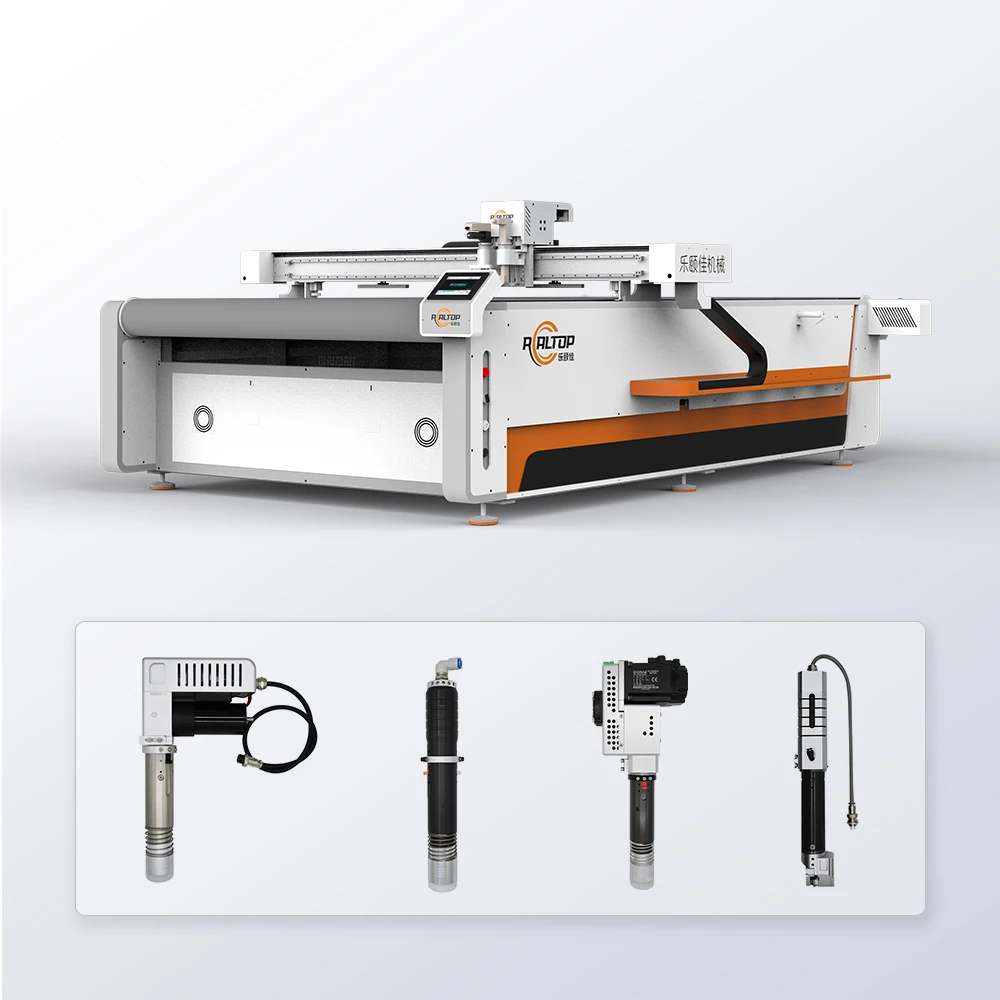
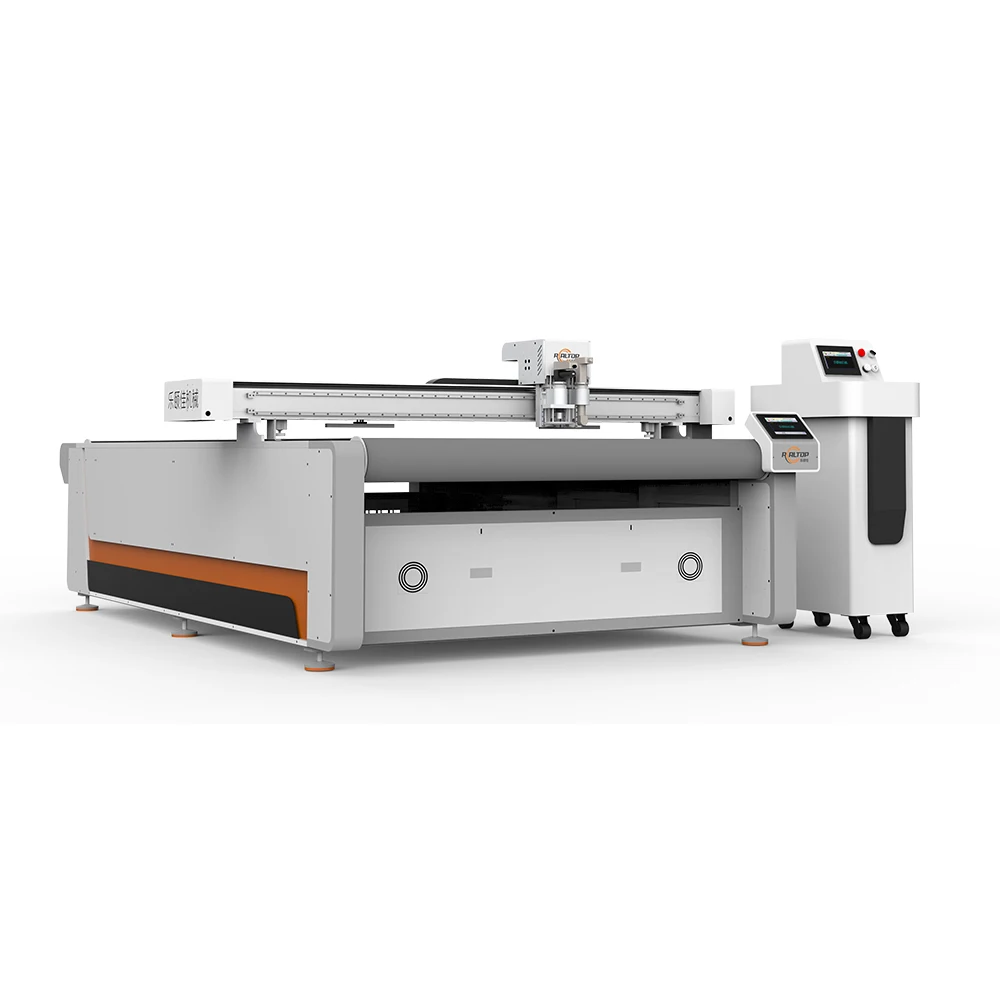
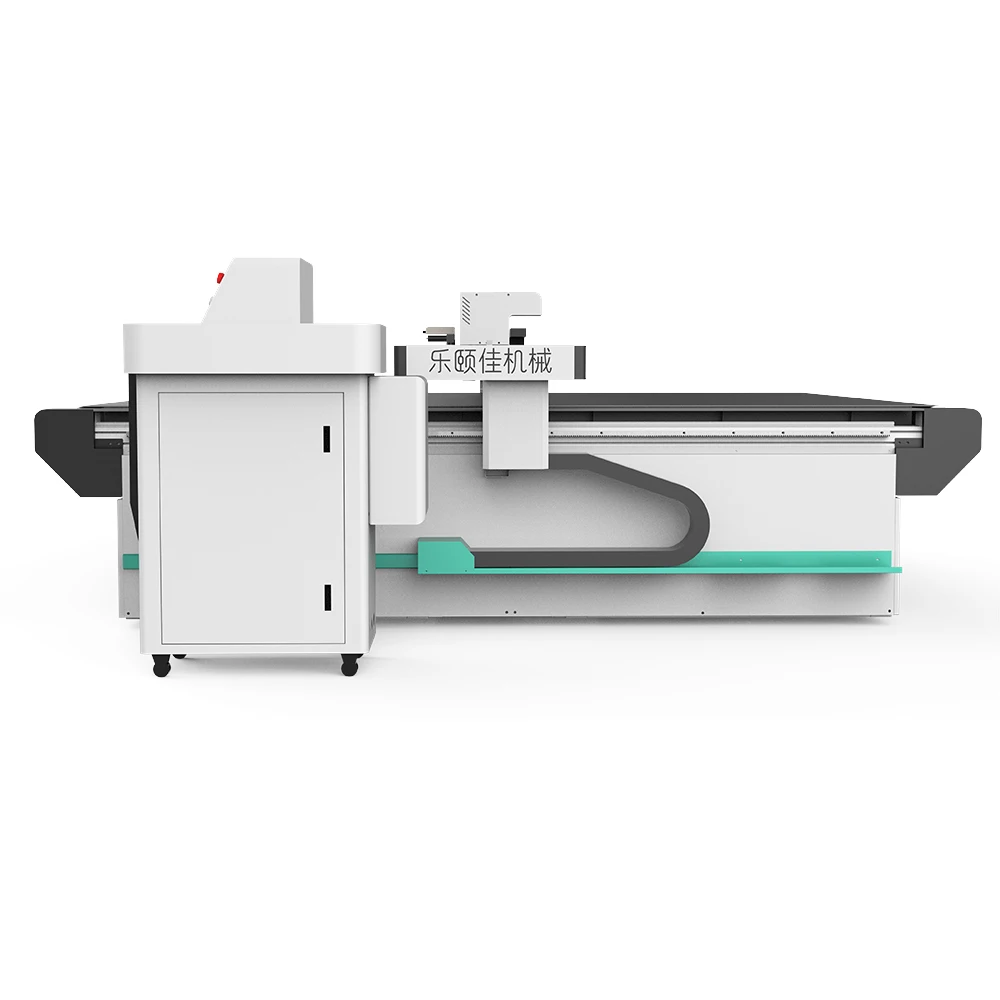
Tool Head and Method Matching — A 1500W oscillating knife platform configured per material rather than sold as a one-size-fits-all cutter, with seven interchangeable tool options verified on buyer-supplied fabric, foam, and composites before order confirmation.
Technical Specifications
| Parameter | Value |
|---|---|
| Product Type | CNC Oscillating Knife Cutting Machine |
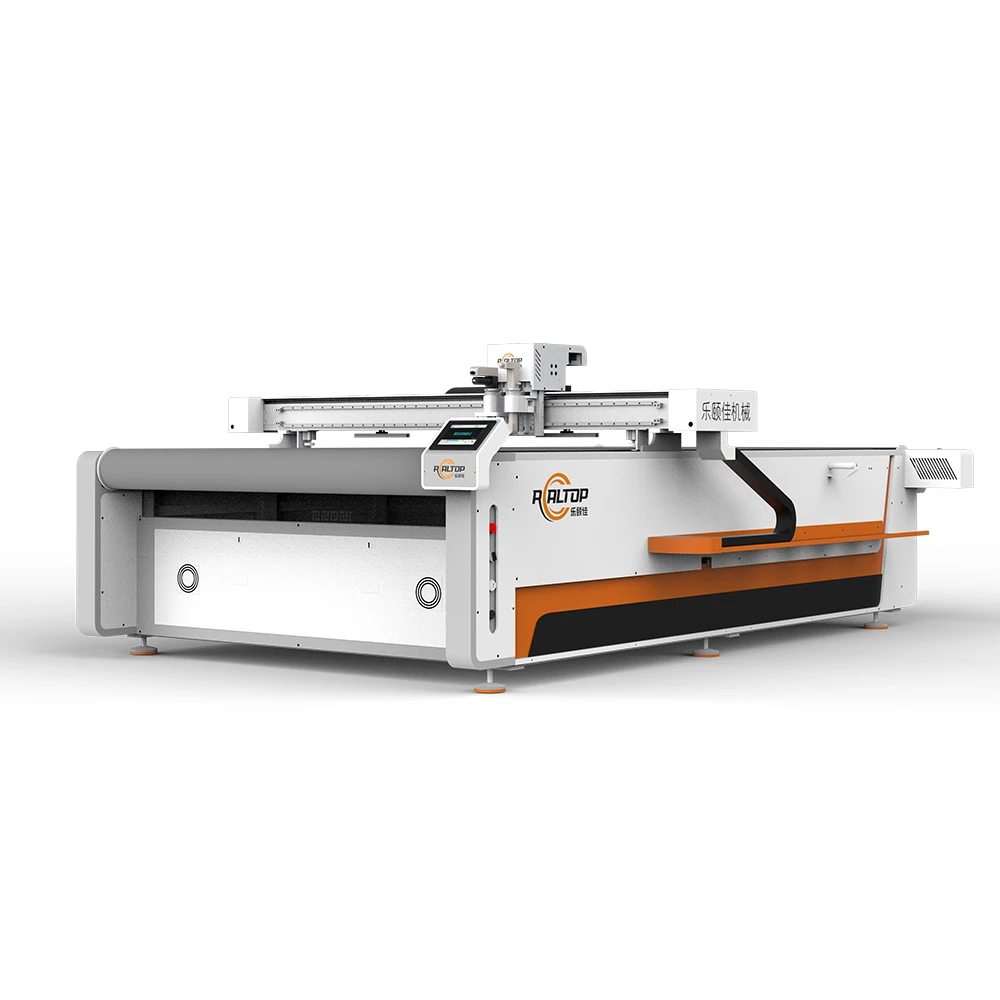
| Working Area | 2500×2200 mm |
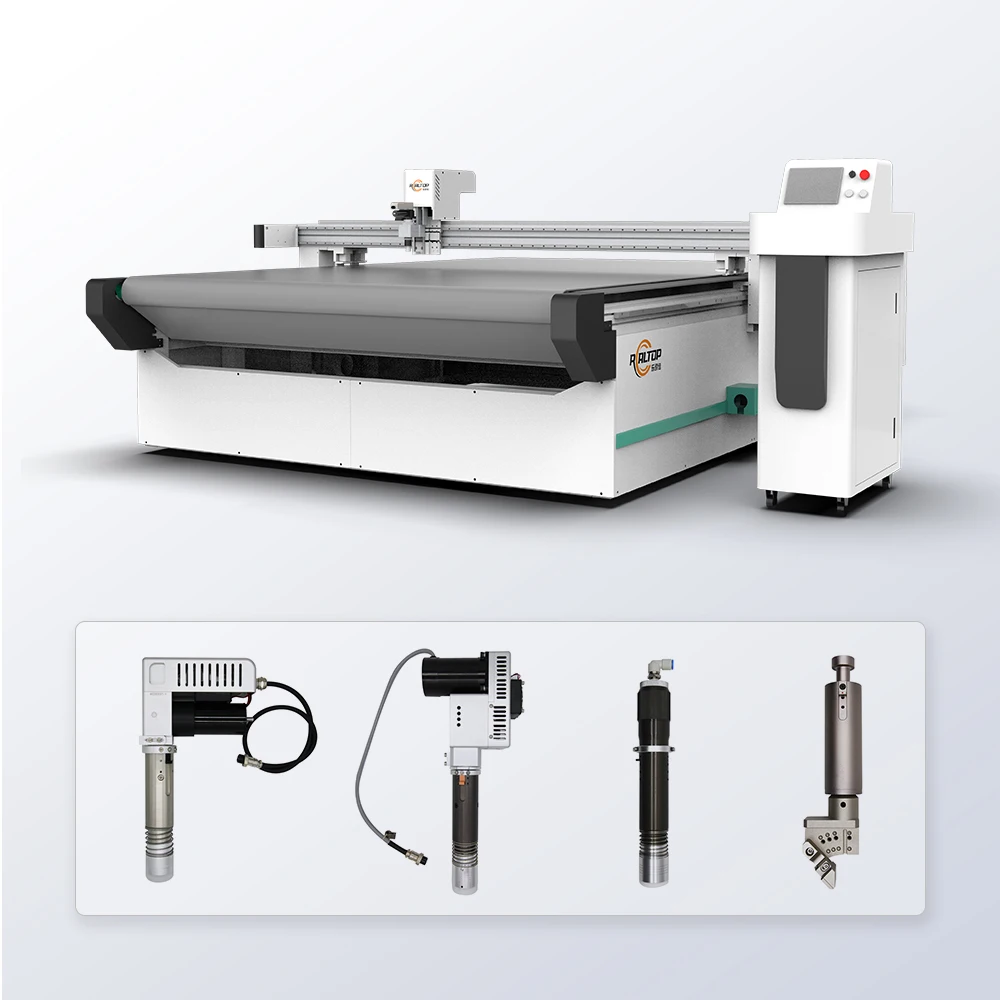
| Tool Head Options | Oscillating knife, Driven rotary knife, Creasing wheel, Kiss cutting tool, Pneumatic knife, Milling tool, V groove knife |
| Cutting Speed | 0–1500 mm/s |
| Cutting Thickness | ≤ 30 mm |
| Cutting / Positioning Accuracy | ±0.1 mm |
| Vacuum Pump | 9 kW |
| Vacuum Table | Aluminum bellows vacuum table |
| Control System | PLC control panel with intuitive interface |
| Servo Motors | Panasonic, Delta, or Dorna (source value — verify against manufacturer catalog) |
| Voltage Options | 110V, 220V, 380V |
| File Formats | PLT, DXF, AI, PDF |
| Language Options | English, Russian, Italian, Chinese (special languages customizable) |
| Safety Device | Infrared sensor device and emergency stop device |
| Machine Size | 3300×2700×1350 mm |
| Certification | CE (source shows certification image, text confirmation pending) |
Application Suitability
| Application | Material or Output |
|---|---|
| Automotive floor mats | Full-coverage car mats, loop mats, multi-layer composites |
| Home floor mats and non-slip pads | Coral fleece carpets, PVC mats with geometric patterns |
| Yoga mats and fitness flooring | Custom-shaped mats, wave edges, cut-out designs in EVA and foam |
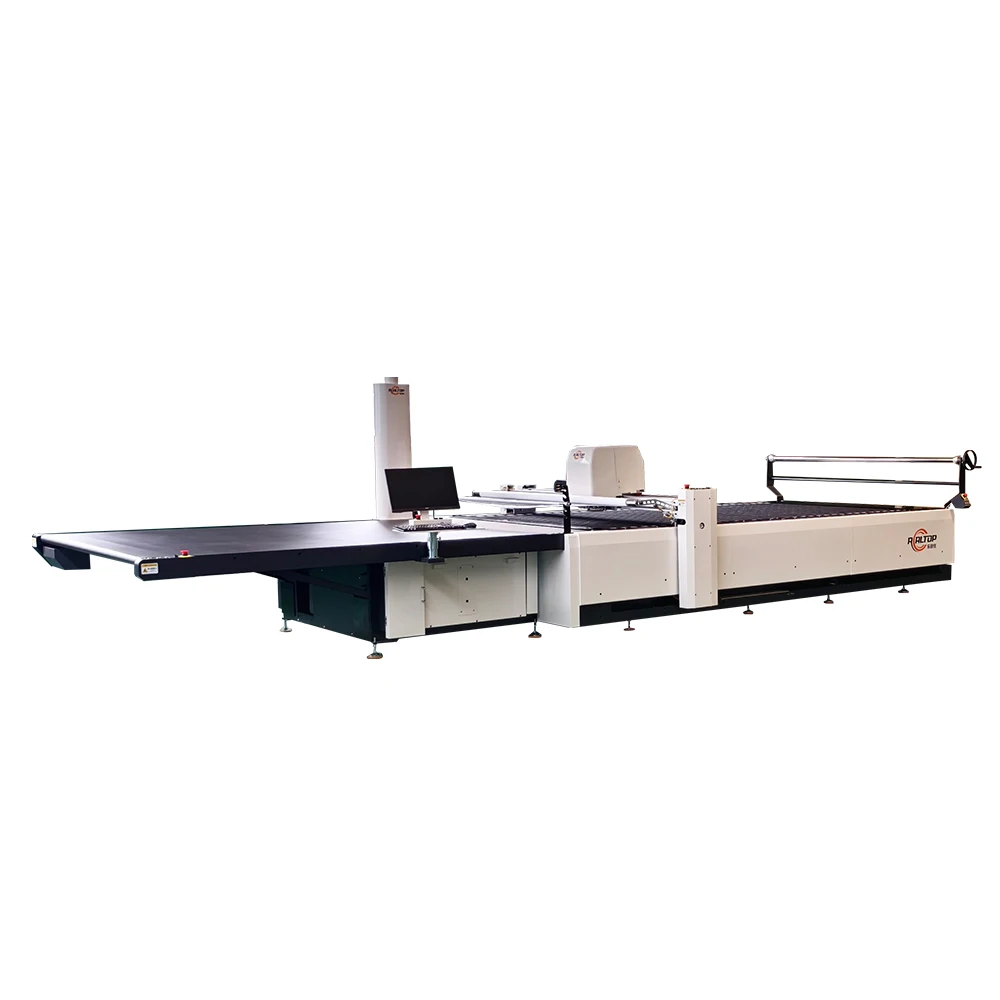
| Garment and textile cutting | Multi-layer fabric stacks, woven and knitted textiles |
| Leather goods and footwear | Natural and synthetic leather, shoe uppers, insoles |
| Gasket and seal production | PTFE, rubber, and composite gasket sheets |
Why "Working Area" Alone Fails Fabric and Foam Buyers
A CNC oscillating knife cutting machine manufacturer must specify tool head, vacuum zoning, and cutting depth together — quoting only a 2500×2200 mm table tells you nothing about whether the machine will actually handle your 20 mm EVA foam or your fiberglass-reinforced leather composite without fraying the edges.
I learned this the hard way in the assembly shop. A buyer ordered a unit rated for fabric, and the test cuts on our standard PU sample ran perfectly. When their actual material arrived — a leather composite with a fiberglass interlayer — the edge quality fell apart, fibers pulling and fraying along every contour. We spent two weeks re-tuning oscillation frequency, knife angle, and vacuum pressure before the machine passed acceptance. Since then, I never let an order go to production without a cutting test on the buyer’s real material. [NEED_CITE: common causes of edge fraying in composite material cutting]
Knife Versus Laser: Where Each Method Belongs in the Catalogue
The full cutting equipment range exists because no single method handles every material cleanly. Oscillating knife cutting dominates where fabrics, foams, and multi-layer composites need clean edges without thermal sealing or burn marks. Laser cutting takes over when acrylic, wood, and certain synthetics require edge sealing as part of the process. A buyer cutting automotive floor mats from loop fabric and EVA foam needs the knife platform; a buyer cutting acrylic signage needs the laser. This catalogue lets you match method to material before narrowing down to a specific configuration, and the CNC oscillating knife cutting machine manufacturer can run side-by-side samples when the choice is not obvious.
Matching Tool Heads to the Material Stack You Actually Run
Seven interchangeable tool heads sit on this platform, and choosing the wrong one is the most common specification mistake I see. Oscillating knife handles most fabrics and foams up to the stated thickness limit. Driven rotary knife works for continuous cuts on woven textiles. Pneumatic knife takes heavier, denser materials. Kiss cutting tool handles adhesive-backed vinyl and thin films without cutting through the liner. Creasing wheel and V groove knife serve carton and packaging sample work. Milling tool addresses rigid boards. A buyer running coral fleece carpets and PVC mats in the same shop needs at least two of these heads, and swapping between them takes minutes rather than requiring a separate machine. [NEED_CITE: tool head selection criteria for flexible and semi-rigid materials]
Reading the Specs That Actually Matter on the Shop Floor
The 2500×2200 mm working area places this machine in the large-format category, suitable for full-size automotive mats and wide textile rolls laid flat. The ±0.1 mm positioning accuracy governs how precisely the knife follows nested patterns — important when cutting interlocking shapes from expensive leather where every millimeter of yield matters. The 9 kW vacuum pump paired with the aluminum bellows vacuum table provides the hold-down force that keeps thin fabrics and flexible materials flat during high-speed cutting; without adequate vacuum, small parts lift and shift before the knife finishes the contour. The supported file formats — PLT, DXF, AI, PDF — cover the standard outputs from most nesting and CAD software, but I always confirm the buyer’s specific nesting workflow before the machine ships, because a format mismatch discovered at commissioning means days of lost production.
The Hidden Cost of an Underspecified Configuration
When vacuum table zoning is inadequate for small parts, pieces lift during the final cuts and the edge quality degrades or the part dimension drifts outside tolerance. When the oscillation frequency is set for thin fabric but the buyer runs 25 mm foam, the knife drags and the edge compresses rather than shearing cleanly. When voltage and plug type are assumed rather than confirmed, the machine sits idle for weeks while a transformer or adapter is sourced locally. [NEED_CITE: consequences of vacuum table zoning mismatch in digital cutting] These are not theoretical problems — they are the issues that delay commissioning and erode the buyer’s confidence before the first production run is complete.
Why Buyers Source This Range From a Single Manufacturer
The design team covers both knife and laser cutting technologies in-house, so the recommendation starts with which method fits the material rather than which machine is in stock. Tool head and table configuration are specified per material and production volume, not pulled from a default list. CCD camera positioning is available for printed contour work where registration marks must be tracked at production speed. Software compatibility is confirmed before order placement, not discovered during installation. Voltage, language, and control interface are customized to the buyer’s market — a Russian-speaking operator in one region and an Italian-speaking operator in another get the same machine hardware with the correct interface. Sample cutting on the buyer’s own material is standard before commitment, because the cutting test is where specifications meet reality.
Documentation & Verification
- Machine specification sheet listing exact tool heads, vacuum pump rating, and servo motor source
- Electrical schematic and voltage confirmation matched to buyer’s local supply
- Tool head and table configuration list verified against buyer’s material thickness range
- Sample cutting report on buyer-supplied material showing edge quality and cutting speed
- Factory test record documenting full-table run before crating and dispatch
- Software licence and file format compatibility note for PLT, DXF, AI, PDF workflow
Installation, Commissioning & Support
- Foundation requires level concrete floor to accommodate the 3300×2700×1350 mm machine footprint and dynamic loads
- Dedicated electrical circuit required per confirmed voltage (110V, 220V, or 380V) with appropriate breaker rating
- Machine ships partially disassembled; table sections and gantry require on-site alignment during commissioning
- First-run parameter tuning covers oscillation frequency, vacuum pressure, and knife depth per material
- Operator training covers tool head changeover, nesting software import, and PLC control panel operation
- Spare parts list includes consumable blades, vacuum table seals, and drive belt specifications
What to Include With Your Inquiry
Send the material type, thickness, and maximum sheet or roll width you will cut most often. State your daily cutting volume and whether you run single-layer or multi-layer stacks. Confirm your local voltage, frequency, and preferred control language. If you have an existing nesting software workflow, specify the file format and nesting logic so we can verify compatibility before quotation.
Frequently Asked Questions
Q: How do I choose between oscillating knife and laser cutting for my material?
A: Fabric, foam, multi-layer composites, and gasket materials generally suit oscillating knife because the cut edge remains free of thermal marks and the material structure is not altered by heat. Acrylic, wood, and certain synthetics that benefit from edge sealing suit laser cutting. When the choice is unclear, we run sample cuts on your actual material using both methods and let the edge quality and throughput data decide.
Q: How is cutting speed verified, and what thickness is it based on?
A: The stated 0–1500 mm/s range represents the mechanical travel capability of the gantry. Actual production speed depends on material type, thickness, contour complexity, and tool head selection. A 2 mm fabric cut at full speed behaves very differently from a 25 mm foam cut at reduced speed with adjusted oscillation. We document the verified speed on your specific material in the sample cutting report.
Q: What tool head configuration fits my material and thickness?
A: We match tool head to material during the inquiry stage based on your material samples. Oscillating knife covers most flexible materials, driven rotary knife handles continuous textile cuts, and pneumatic knife addresses denser stacks. For buyers running multiple material families, we specify two or three heads and confirm changeover time during the factory test.
Q: What voltage and control language options are available?
A: The platform supports 110V, 220V, and 380V configurations with market-specific plug types. Control language options include English, Russian, Italian, and Chinese as standard, with additional languages configurable before shipment. We confirm voltage, frequency, and language at order placement to avoid commissioning delays at your facility.
Q: How does the full catalogue map to different industries and volumes?
A: The catalogue organizes machines by cutting method and then by working area and throughput tier. Compact knife tables serve sample rooms and low-volume footwear shops. Large-format oscillating knife systems handle automotive mat and garment production at volume. Laser machines address signage, engraving, and sheet metal. Each entry specifies the material families and production scale it serves, so buyers can compare options before narrowing to one configuration.










商品评价
There are no reviews yet.