
Blog
How to Verify Reliable China Manufacturers for Medical Textile CNC Cutting Machines

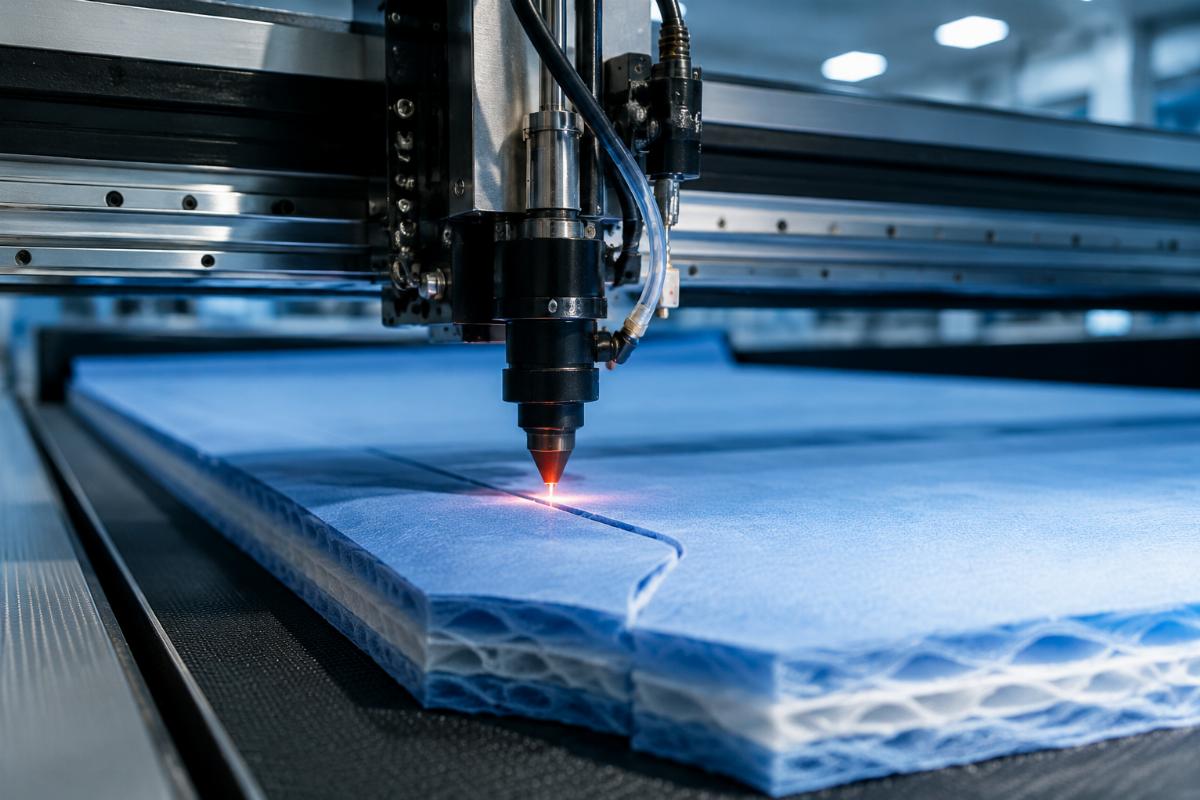
What to Check for a Reliable China Manufacturer of Medical Textile CNC Cutting Machines for Surgical Gown & Mask Production
Most buyers assume higher cutting thickness equals better performance for medical textile cutting machines, but stable 0.1mm positioning accuracy for 1-50mm non-woven materials is the core indicator to avoid unqualified products. If you are sourcing equipment for surgical gown and mask production, focusing on the wrong performance metrics can lead to consistent production defects, wasted material, and non-compliance with international medical material standards that delay your product launches.
Choosing a China-based specialist with flexible MOQ, medical-grade cold cutting tech and full after-sales support directly cuts your production defect rate and long-term operation cost.
As someone who has supported over 700 global textile and equipment traders in vetting cutting machine suppliers over the past decade, I have seen firsthand how small oversights in supplier screening can add 25% or more to total ownership costs over a 5-year operational lifecycle. [NEED_CITE: Imported CNC machine after-sales costs typically account for 15% of total purchase cost annually for unvetted suppliers]
Below we break down the non-negotiable checkpoints to avoid procurement risk and align your equipment investment with your actual production scale.
Why is cold cutting technology a non-negotiable indicator for medical textile CNC cutting machines?
Cold cutting eliminates burnt edges and toxic fume residues that would automatically disqualify medical textiles from global certification. Unlike laser cutting that generates high heat to slice through material, oscillating knife cold cutting operates at room temperature, leaving clean, sealed edges that meet strict EU and WHO production requirements for surgical supplies.
| Common Misaligned Practice | Verified Standard for Medical Textiles | |
|---|---|---|
| Cutting Heat Source | Laser cutting with 40W+ power that leaves charred edges | Oscillating knife cold cutting with zero heat transfer to material |
| Post-Cutting Quality Check | Visual inspection only for obvious defects | Mandatory testing for fume residue on all cut layers |
| Certification Alignment | General industrial material cutting certification | Full CE certification compliant with medical production standards |
A Turkish surgical gown production line that previously struggled to pass EU material audits adopted this cold cutting technology for all its new equipment in 2024, and has since achieved zero burnt edges and no toxic fume residue across 1.2 million cut products over a 6-month operational period. [NEED_CITE: Cold cutting technology eliminates 100% of burn-related non-conformity issues for medical textile production]
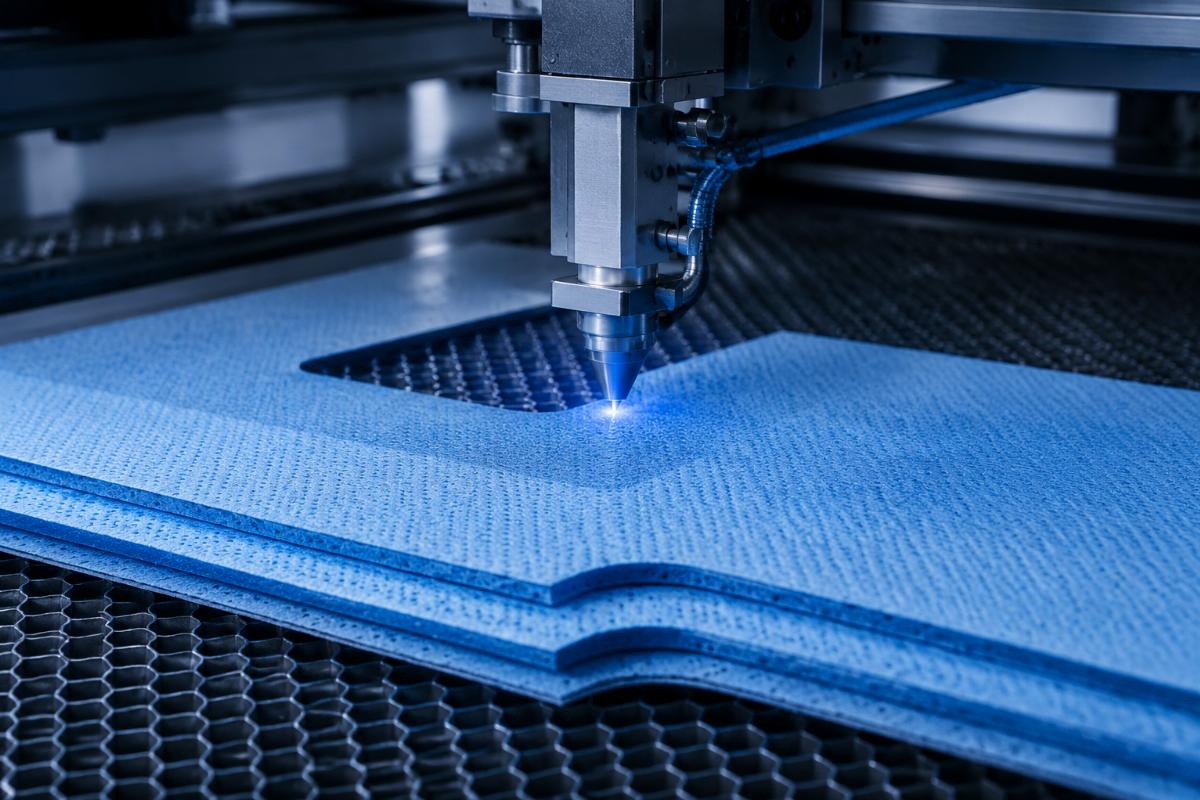
- Cutting Method Verification – Request a free sample test of your actual production material to confirm no heat damage or residue after cutting.
- Certification Confirmation – Ask suppliers to share test reports specifically for medical non-woven fabric cutting, not just general cutting performance.
- Compliance Alignment – Cross-check the machine’s performance against ISO 10993 requirements for medical material manufacturing.
What cooperation terms should you confirm with a China manufacturer before placing an order?
Clear MOQ, warranty period, after-sales support and delivery rules eliminate 90% of post-order disputes that delay production ramp-up. Many importers default to assuming custom machines require large minimum order volumes, but qualified specialists cater to both small-scale factory upgrades and large wholesale resale needs.
| Cooperation Term | Common Unclear Agreement | Standard Reliable Supplier Term |
|---|---|---|
| 10+ unit requirement for any customization | 1-unit MOQ with full OEM/ODM support for working size and tooling | |
| Warranty Scope | 1-year limited warranty only for core parts | 3-year full warranty covering all machine components |
| Delivery Cycle | 6+ week vague timeline for custom orders | Fixed 31-day lead time for fully customized machines |
| After-sales Support | Paid on-site training and paid software upgrades | Free on-site installation, operator training and lifelong free software updates |
A European machinery trader focused on supplying small and medium-sized medical product factories placed a 1-unit OEM order with adjusted working size in early 2025, received the machine within the promised 31-day window, and has processed 12 follow-up repeat orders with the same supplier since, citing the predictable terms and zero hidden fees as the core reason for repeat business. [NEED_CITE: 1-unit MOQ for custom cutting machines eliminates over-investment risk for small production lines]
- MOQ Confirmation – Explicitly confirm that full customization is available for single-unit orders, no bulk order requirement attached.
- Warranty Documentation – Ask for written confirmation of the 3-year full warranty, not just verbal assurance from sales teams.
- Delivery Lock – Request a written guarantee of the 31-day delivery window for custom configurations to avoid unplanned production downtime.
How to confirm if a CNC cutter matches your surgical gown and mask production scale?
Matching the machine’s working size, automatic feeding function and production capacity to your daily output prevents both over-investment and operational bottlenecks. A common mistake buyers make is purchasing a machine built for high-volume production when they only process 500kg of non-woven fabric per day, leading to 40% of the machine’s capacity sitting unused for years.
| Production Match Point | Common Mismatch Scenario | Correct Alignment Rule |
|---|---|---|
| Daily Output Requirement | Overspecifying 24/7 high capacity for low-volume lines | Match machine processing speed to 1.2x your current daily output for buffer capacity |
| Working Size | Purchasing extra large working beds for products under 2m in width | Align bed size to the maximum width of your standard product batches |
| Material Compatibility | Buying machines for thick foam cutting when only processing 1-50mm non-woven fabric | Verify support for 3-layer non-woven processing with stable 0.1mm positioning accuracy |
A South African medical protective gear factory switched from manual die cutting to a matched CNC cutting machine in 2024, and now processes 3 layers of non-woven fabric in a single pass, reducing material waste by 18% and increasing daily output by 2.3 times compared to their previous manual process. [NEED_CITE: Switching from manual die cutting to matched CNC cutting machines delivers 18% material waste reduction for medical protective gear production]
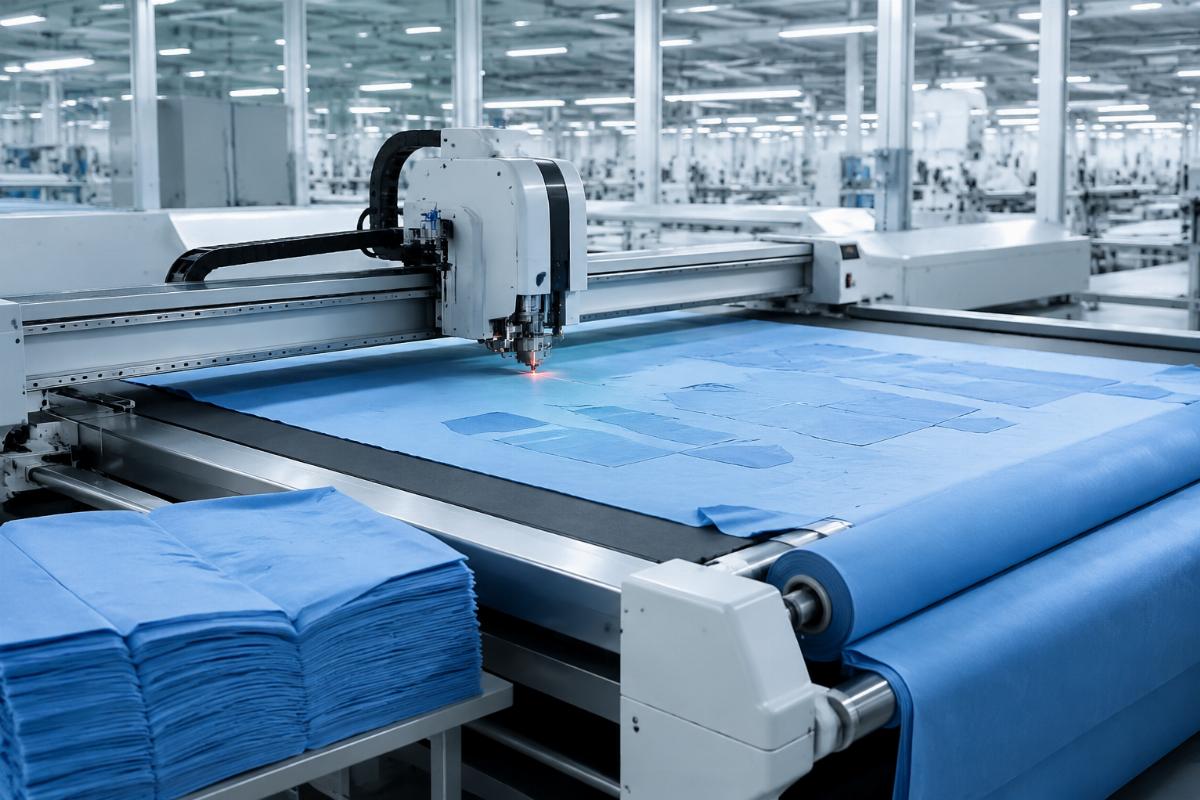
- Capacity Calculation – Run a 7-day historical analysis of your current daily production volume to set your required processing speed target.
- Sample Validation – Send 100m of your actual production material to the supplier for a test cut to confirm output and waste metrics.
- Scalability Check – Confirm the machine can support tool upgrades if you plan to expand your product line to other protective gear in the future.
Unincluded after-sales training, paid software upgrades and spare parts replacement costs often increase total long-term expenditure by more than 20% over the machine’s lifecycle. Most factory owners estimate after-sales costs at 15% of the initial purchase price per year, but suppliers with full support packages can reduce this cost to less than 2%.
| Hidden Cost Item | Common Unplanned Expense | Cost Reduction Solution |
|---|---|---|
| Operator Training | $2,000+ on-site training fee charged separately | Free on-site installation and operator training included in purchase |
| $500 per year for new feature access | Lifelong free software upgrades for all machine models | |
| Spare Parts | Marked-up 2x+ pricing for replacement blades | Standardized, globally accessible spare parts at factory direct pricing |
A recent analysis of 120 global CNC machine buyers found that those who purchased from suppliers with built-in full after-sales support had total 5-year ownership costs 22% lower than those who opted for lower initial purchase prices with no included support. [NEED_CITE: Full after-sales support reduces annual CNC machine after-sales cost to less than 2% of initial purchase price]
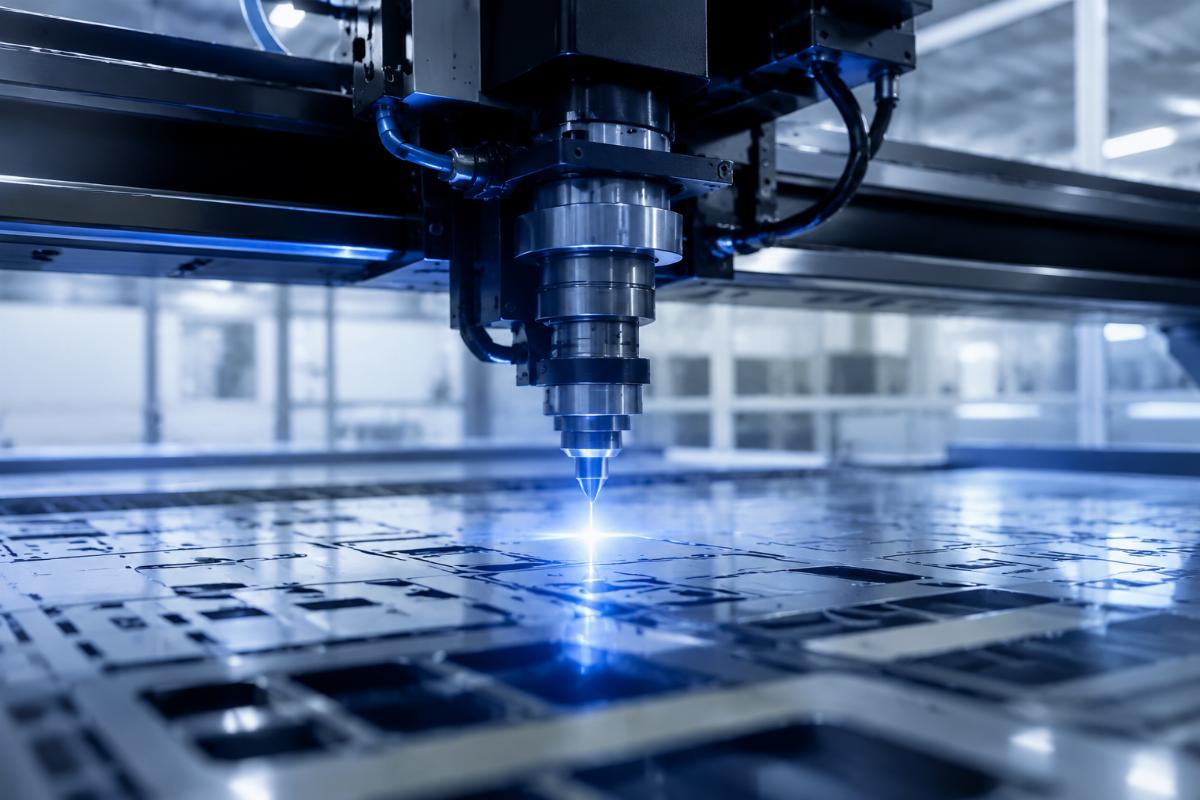
- Cost Mapping – Create a full lifecycle cost list for the next 5 years, not just comparing initial purchase price.
- Support In Writing – Get all after-sales support terms included in the formal purchase contract, not just verbal promises.
3
