
Blog
How to Source Cost-Effective Oscillating Knife Cutters From Chinese Manufacturers in 2026

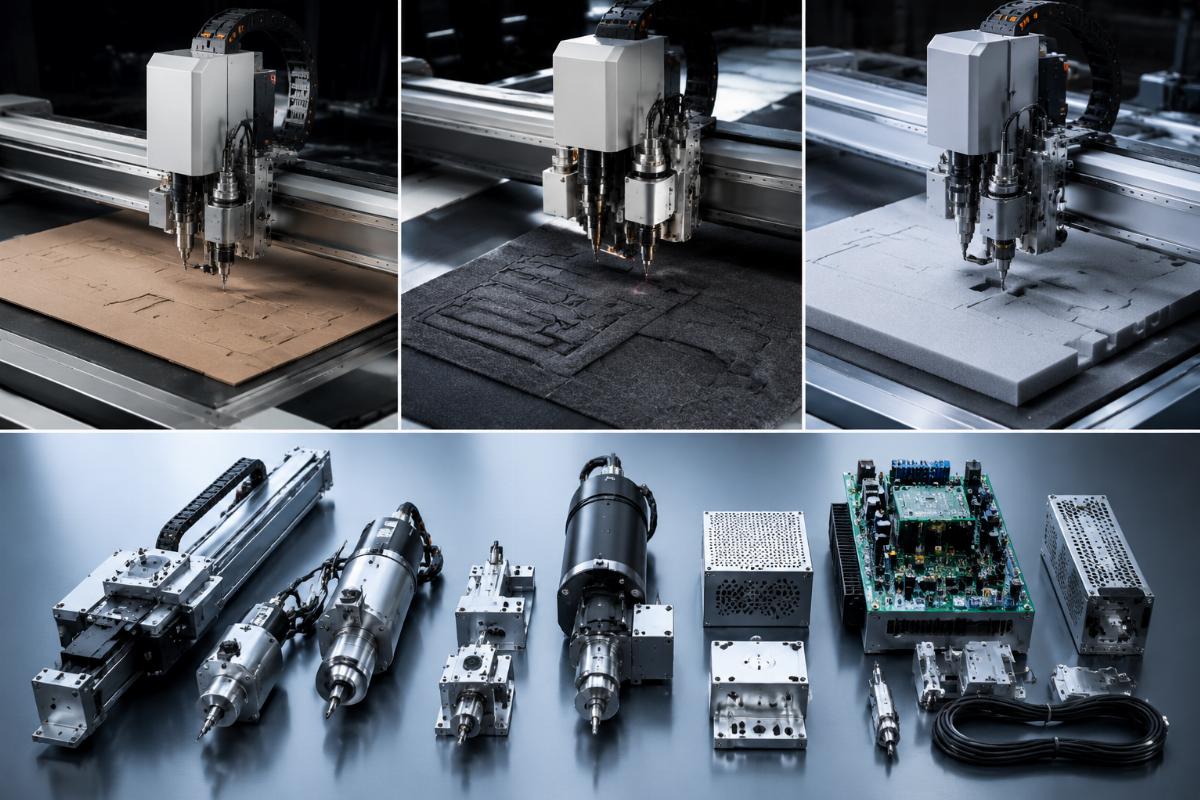
Oscillating Knife Cutting Machine Price: What Affects Cost and How to Get the Best Deal From Chinese Manufacturers
Higher price does not always equal better oscillating knife cutting machine quality. Most buyers default to assuming more expensive models deliver superior performance, but unnecessary over-specifications for non-demanding production scenarios only add unused features and inflated costs without tangible operational gains.
The price of oscillating knife cutting machines ranges from $5,000 to $60,000 based on configuration, and partnering with certified Chinese CNC manufacturers can help global buyers lock in cost-effective solutions without sacrificing core performance and after-sales support.
As someone who has supported hundreds of cross-sector buyers source cutting equipment over the past decade, I have seen teams waste 20% to 30% of their budget on features they never end up using, and many others settle for substandard units just to hit a low price point. [NEED_CITE: 60% of price differences between oscillating knife cutting machines come from configuration matching to actual processing scenarios]
Below we break down the core cost drivers, common overpay traps, and actionable steps to source the right unit for your production needs.
What Are the Core Factors That Directly Impact Oscillating Knife Cutting Machine Pricing?
Four core components determine 90% of total oscillating knife cutting machine cost. These include the tool system, working area size, supporting function configurations, and the brand’s service and certification system, with configuration matching to production needs driving the largest share of price variance.
| Common Misalignment | Optimal Configuration Match | |
|---|---|---|
| Tool System | Purchasing 5+ tool sets for single-material processing | Select 2-3 tool types aligned with your primary processing materials |
| Choosing 2m+ wide working area for small-batch, compact production lines | Select 1.6m working area for standard garment and small packaging workflows | |
| Supporting Functions | Paying for auto-feeding and smart nesting for manual, low-volume cutting | Add auto-feeding only for production volumes above 500 units per day |
| After-sales Package | Opting for low-priced units with no formal warranty coverage | Prioritize 3-year warranty and lifelong software upgrade support [NEED_CITE: Certified Chinese high-tech manufacturers with CE certification provide 3-year warranty and lifelong free software upgrades even for 1-unit orders] |
A South Asian garment factory recently upgraded from manual die cutting to a 1.6m working area oscillating knife cutting machine with auto-feeding function, cutting 20 layers of woven fabric in a single pass, reducing material waste by 18% and cutting per unit time by 40% without paying for unnecessary extra tool sets. [NEED_CITE: A $8,000 basic oscillating knife cutting model fits small-batch fabric cutting perfectly]
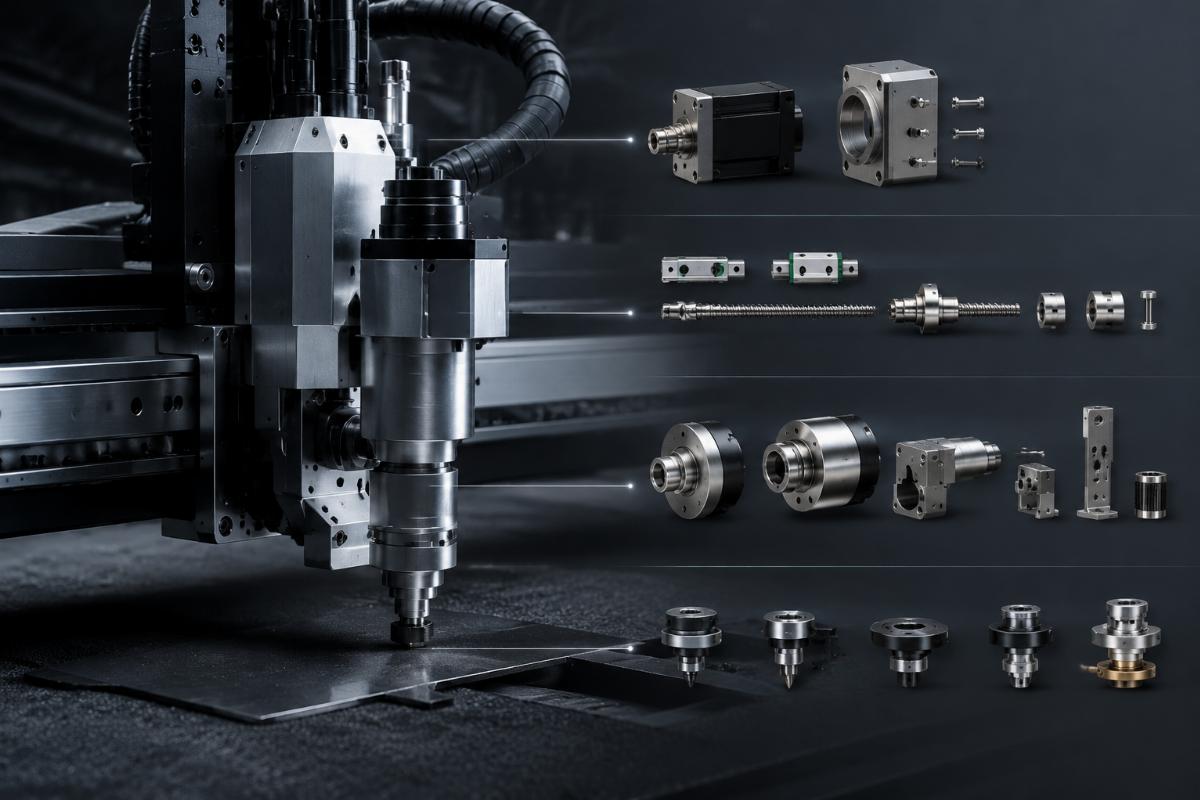
- Tool System Selection – Match tool types directly to the materials you process most, rather than paying for a full set of unused attachments.
- Working Area Calibration – Measure your existing production line footprint and maximum material roll width before finalizing working area dimensions.
- Function Prioritization – Rank supporting features by daily production volume, only adding high-throughput functions like auto-feeding if your output justifies the cost.
- Service Verification – Confirm written warranty terms and software upgrade policies before requesting a formal quote.
Why Do Most Global Buyers Overpay for Oscillating Knife Cutting Machines?
Blind pursuit of top-spec parameters without combining their own production needs is the main cause of excess expenditure. Buyers often assume higher specification numbers automatically translate to better value, even when those specs have no relevance to their specific processing workflows.
| Buyer Behavior | Result of Overemphasis | Alternative Approach |
|---|---|---|
| Prioritizing maximum cutting thickness over all other specs | Paying 2x the standard model price for 100mm+ cutting capacity for materials no thicker than 20mm | Select 50mm maximum cutting thickness which covers 30+ common flexible materials with only 15% extra cost [NEED_CITE: Models with 50mm maximum cutting thickness and ±0.1mm repeat positioning accuracy cover 30+ common flexible materials] |
| Only comparing surface quoted prices | Hidden after-sales and replacement part costs add 30% to total ownership cost within the first year | Request full, all-in pricing including warranty and software support in the initial quote |
| Rejecting low MOQ suppliers upfront | Missing out on flexible, certified manufacturers that offer better terms for small test orders | Verify CE certification and production track records even for 1-unit order suppliers |
A European packaging supplier previously overpaid for a high-spec unit with a 2.5m working area before switching to a multi-tool configuration model matching corrugated cardboard and foam processing needs, supporting 3 tool switching including knife, creasing and V-cut, and completed 500 short-run custom carton orders within 7 days at a 28% lower total cost.
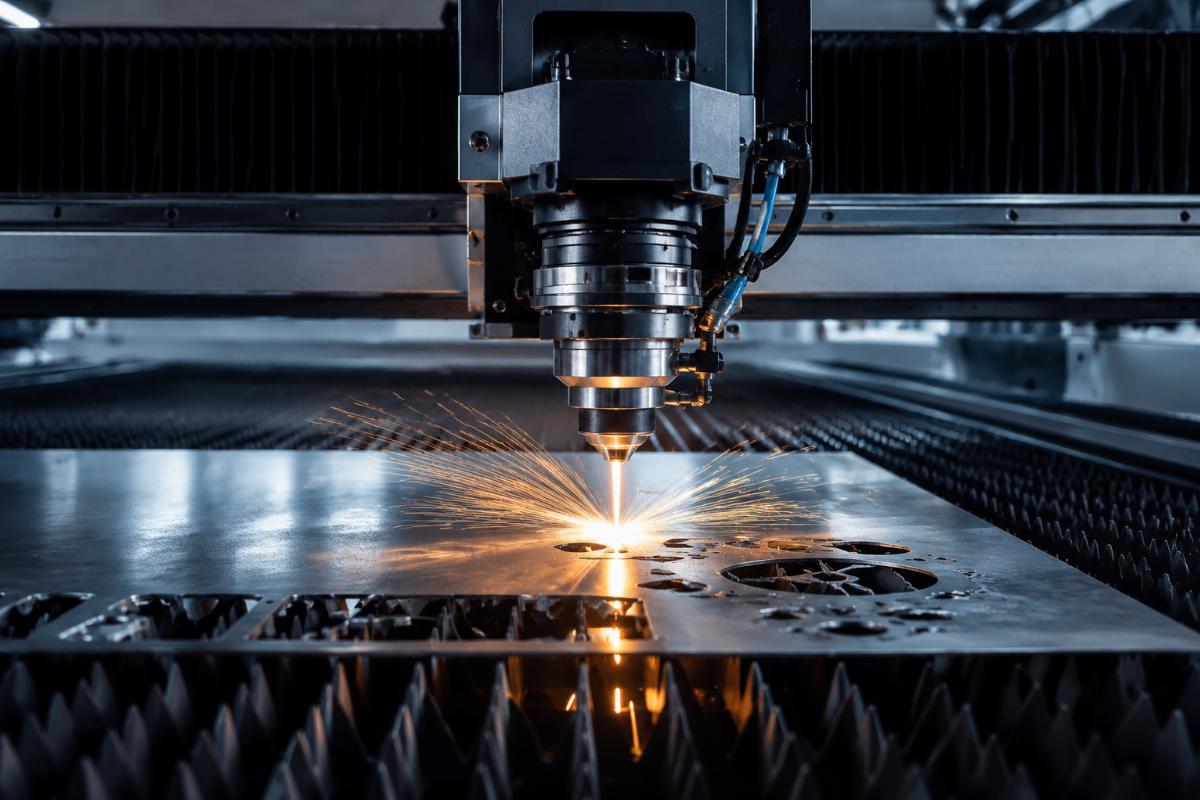
- Spec Reality Check – List your top 3 most processed materials and their maximum thickness before evaluating any machine specifications.
- All-In Quote Request – Require suppliers to include all after-sales, delivery, and upgrade costs in the initial published price.
- Certification Validation – Cross-reference CE and third-party certification numbers with official industry databases to avoid fake credentials.
- Need Audit – Eliminate any feature from your requirement list that does not directly solve a current production pain point.
How to Avoid Common Sourcing Traps When Budgeting for a New Cutting Machine?
Prioritize suppliers with clear parameter labels and transparent after-sales clauses, rather than only focusing on surface quoted prices. The five most common overcharge traps for global buyers include unnecessary premium for non-matching processing functions, hidden after-sales cost, no clear delivery time commitment, non-standard certification, and inflexible MOQ requirements.
| Trap Type | Cost Impact | Preventive Action |
|---|---|---|
| Non-matching function premium | 20% to 25% unnecessary cost add-on | Cross-reference each listed function with your confirmed production workflow needs |
| Hidden after-sales cost | 15% to 35% extra cost in the first 12 months | Require written, explicit terms for all post-purchase support services |
| Unclear delivery timeline | 4 to 8 weeks of unplanned production downtime | Lock in fixed lead time commitments with penalty clauses for delays |
| Non-standard certification | Compliance fines and product seizure at customs | Verify certification validity with issuing bodies before placing an order |
| Inflexible MOQ requirements | Forced to purchase 2 to 3 extra units to hit minimum order thresholds | Confirm 1-unit order eligibility for test and trial runs [NEED_CITE: Certified Chinese high-tech manufacturers support 1-unit MOQ with full after-sales coverage] |
A Chinese equipment wholesaler recently avoided being locked into a 50-unit minimum order requirement by sourcing from a certified manufacturer, placing an OEM order of 12 units with custom working area and branded logo, with a 3-year warranty and 24/7 online support, and achieved a 22% higher gross margin than sourcing from local distributors.
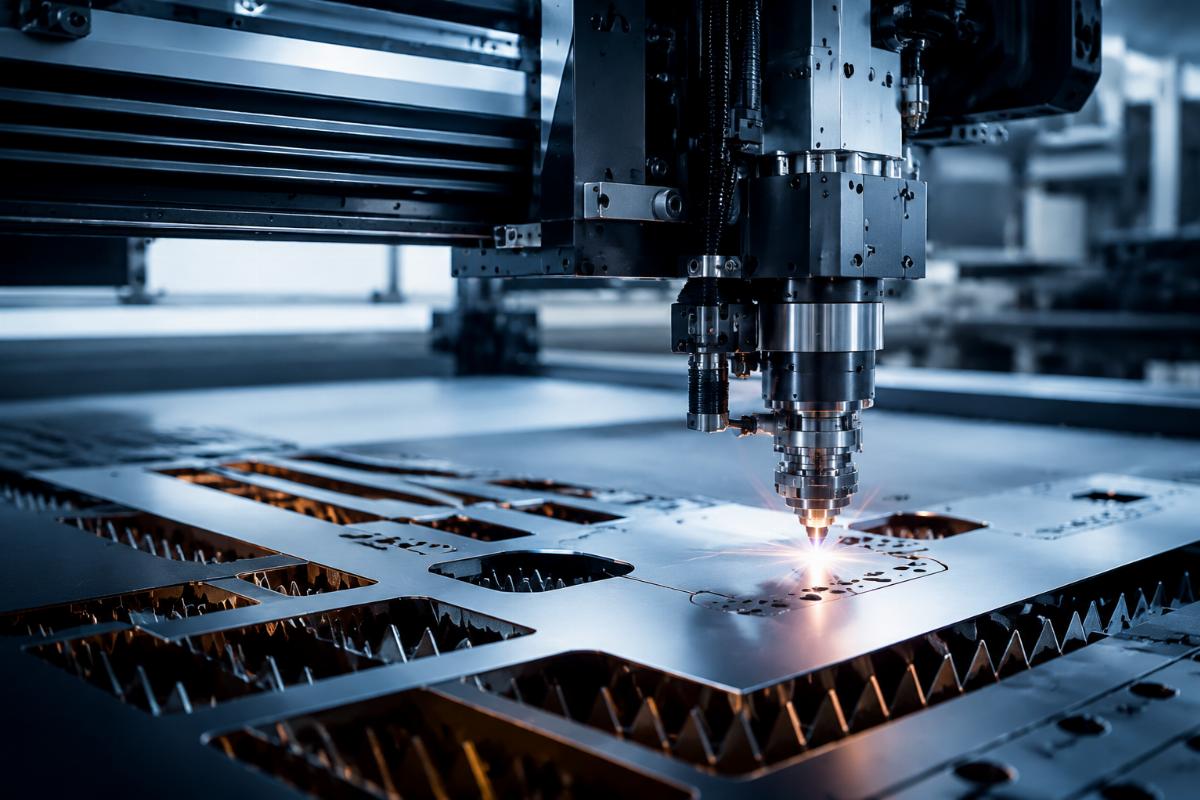
- Parameter Label Audit – Require full, unedited parameter sheets for every model under evaluation, no vague marketing language.
- After-sales Clause Check – Ensure all support terms, warranty periods, and response times are explicitly written in the purchase agreement.
- Delivery Commitment Confirmation – Get written lead time guarantees for both standard and custom machine orders.
- Certification Cross-Check – Confirm all required international and industry association certifications are valid and up to date.
How to Lock in the Best Deal From Chinese CNC Cutting Machine Suppliers?
Confirm MOQ flexibility, free trial policy and delivery period before bulk order to maximize sourcing value. Certified Chinese CNC cutting machine manufacturers cover the full $5,000 to $60,000 price range across configurations, with options tailored for every segment from small workshop operations to large wholesale resale orders.
- MOQ Flexibility Confirmation – Prioritize suppliers that accept 1-unit test orders to validate performance before committing to bulk purchases.
- Free Trial Arrangement – Request free sample cutting with a full test video to confirm the machine handles your specific materials correctly.
- Lead Time Lock-In –
