

Fast Delivery
Quick, reliable shipping to any location.

Free & easy returns
Return this item by mail or in store within 90 days for a full refund.
Integrated Knife and Laser Engineering — the RT-D2516/RT-S2516 reflects a build philosophy where cutting method is matched to material behaviour rather than forcing one technology across every substrate.
Technical Specifications
| Parameter | Value |
|---|---|
| Model | RT-D2516 / RT-S2516 |
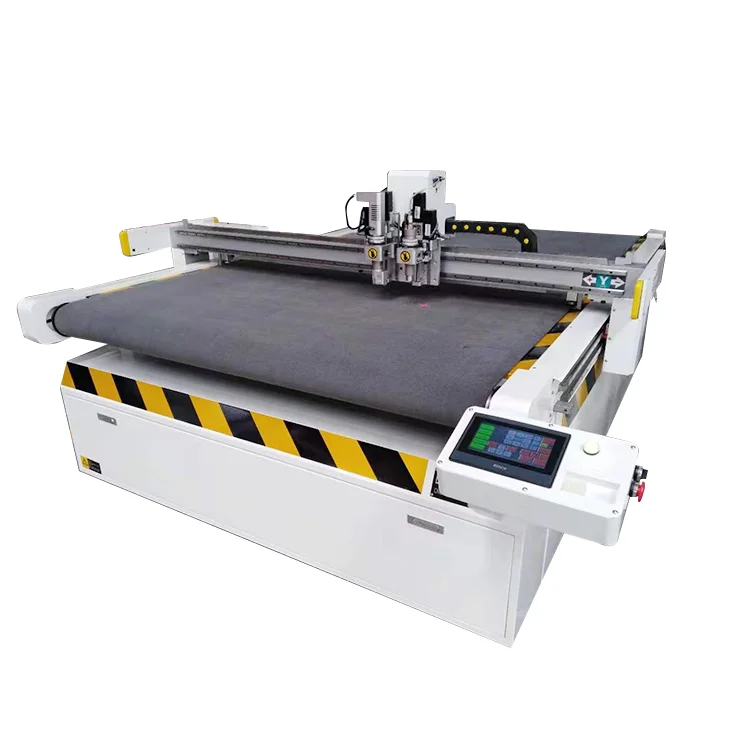
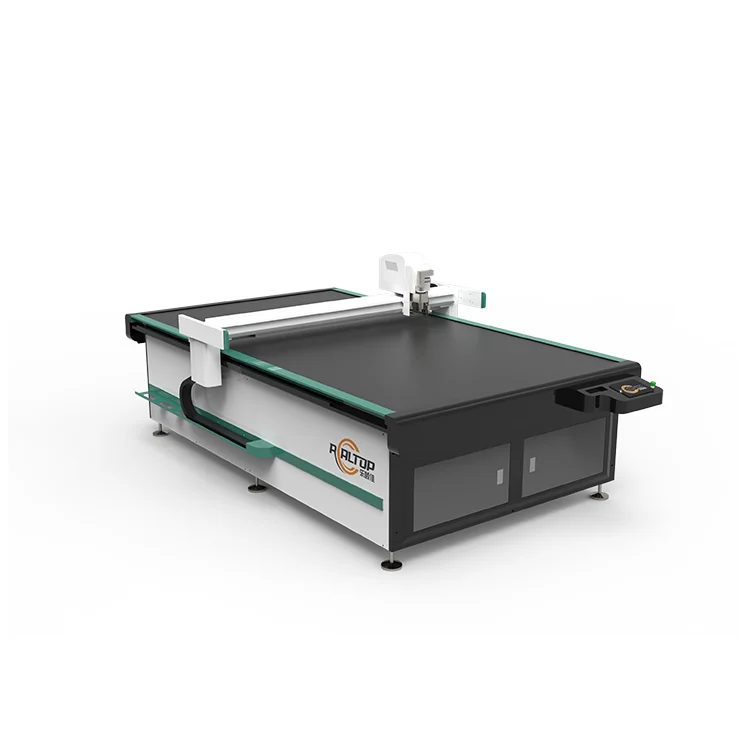
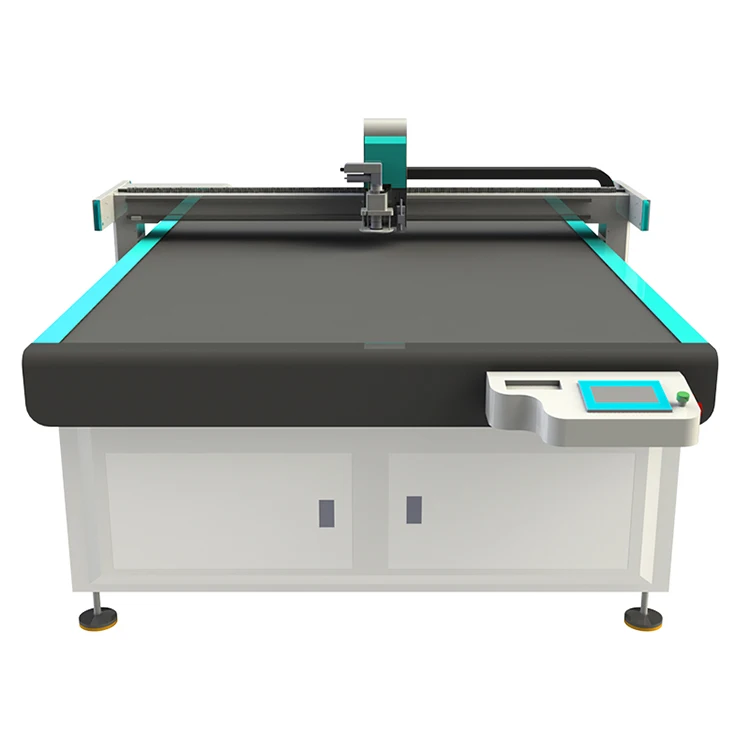
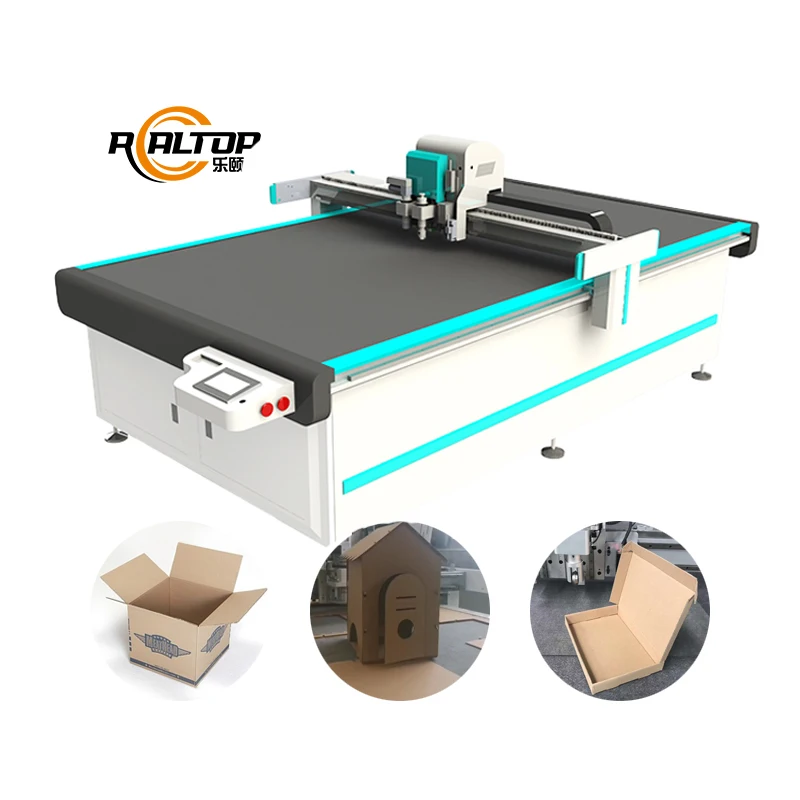
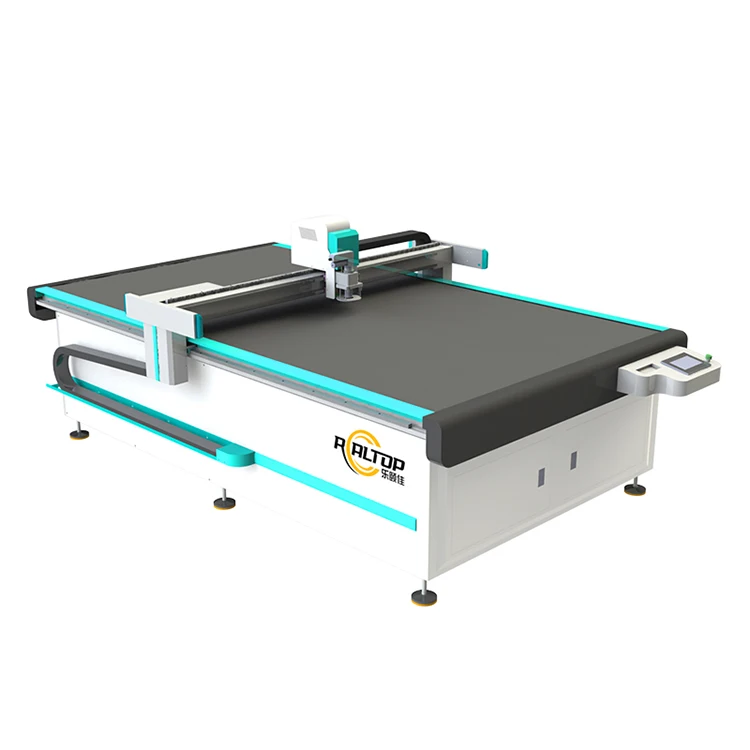
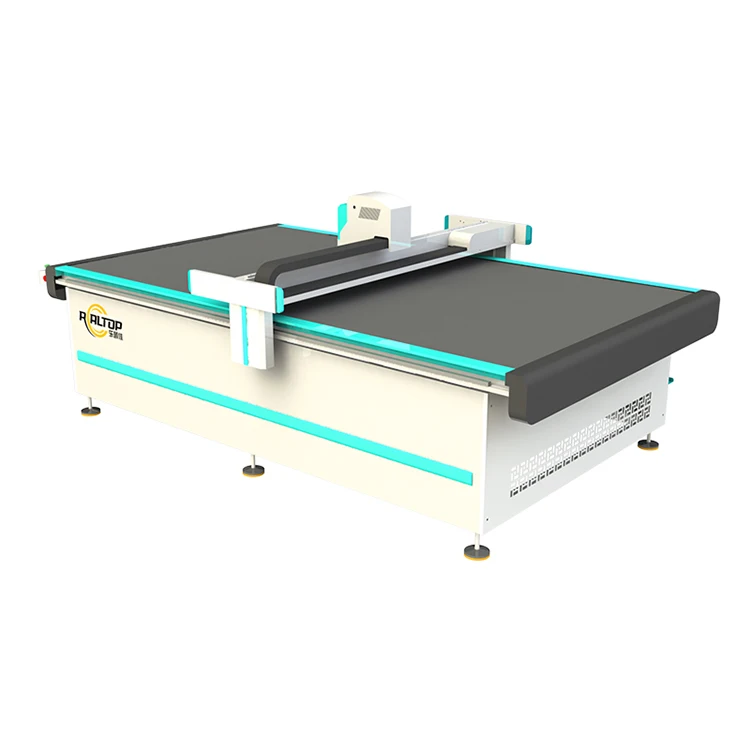
| Product Type | Multi-Layer CNC Oscillating Knife Cutting Machine |
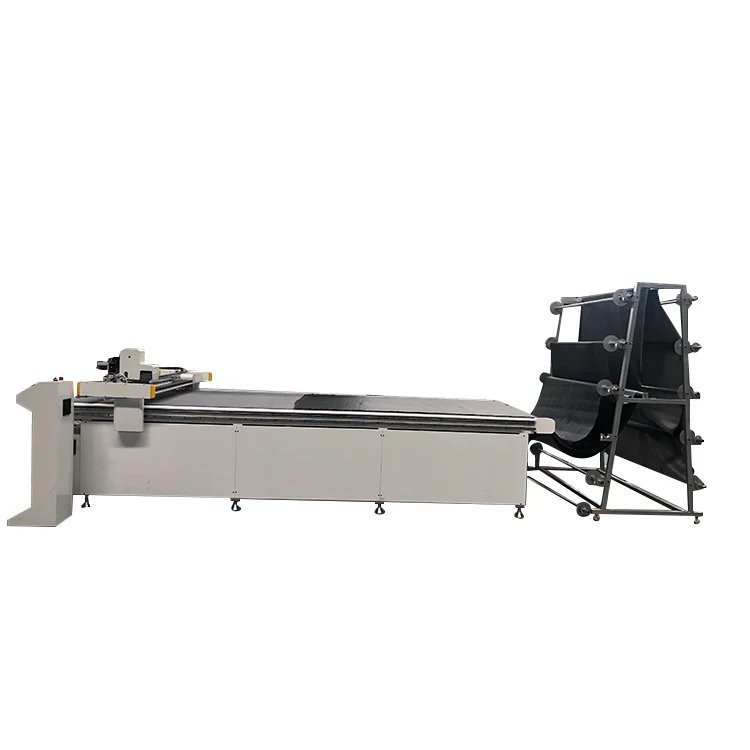
| Working Area | 1600 × 2500 mm |
| Overall Dimensions (L × W × H) | 3450 × 2300 × 1250 mm |
| Rated Power | 9 kW |
| Voltage | 380V ±10% |
| Vacuum Pump Power | 7.5 kW |
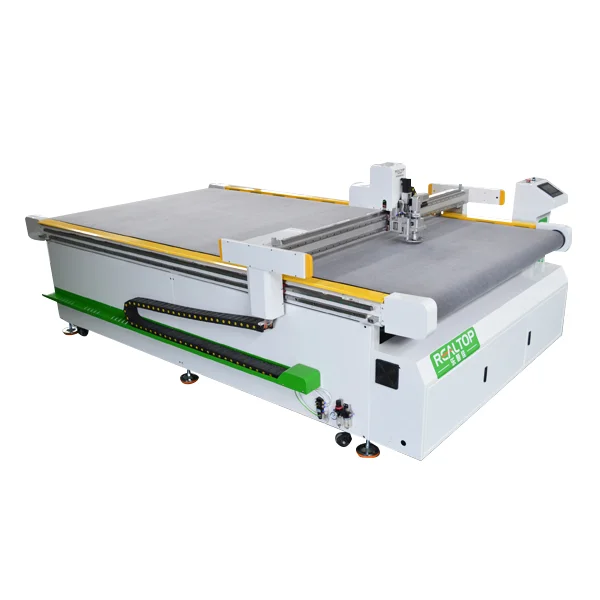
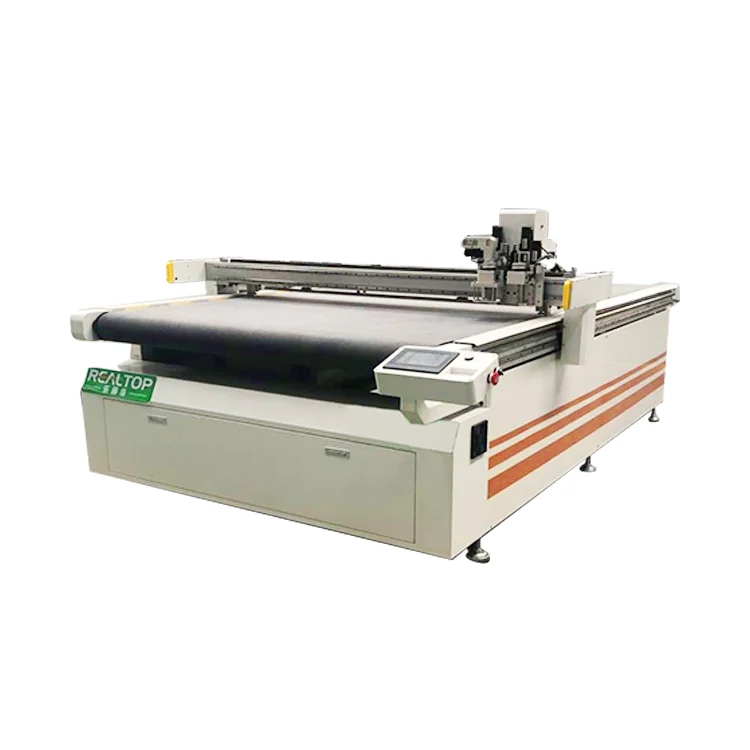
| Table Type | Flat vacuum table with auto-feeding conveyor, Germany-imported belt |
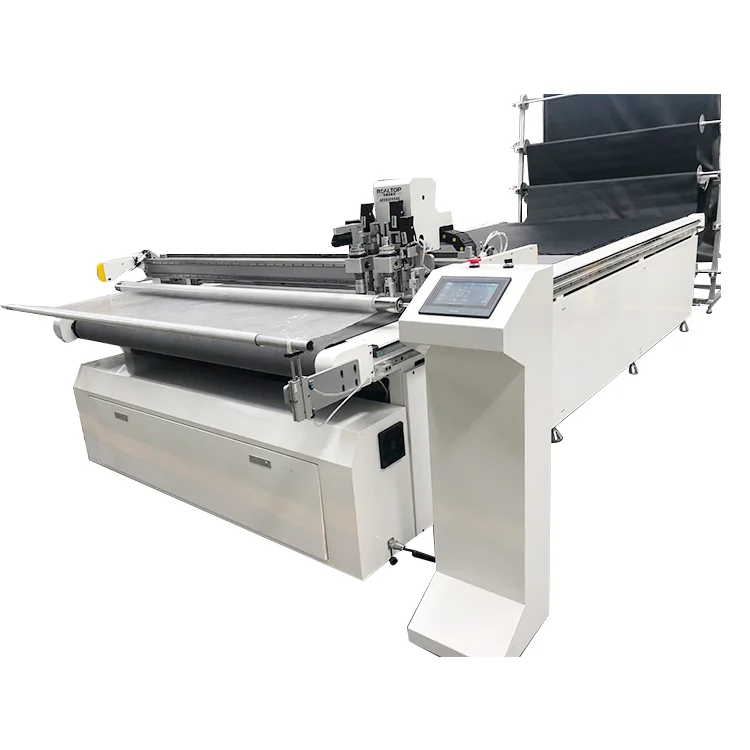
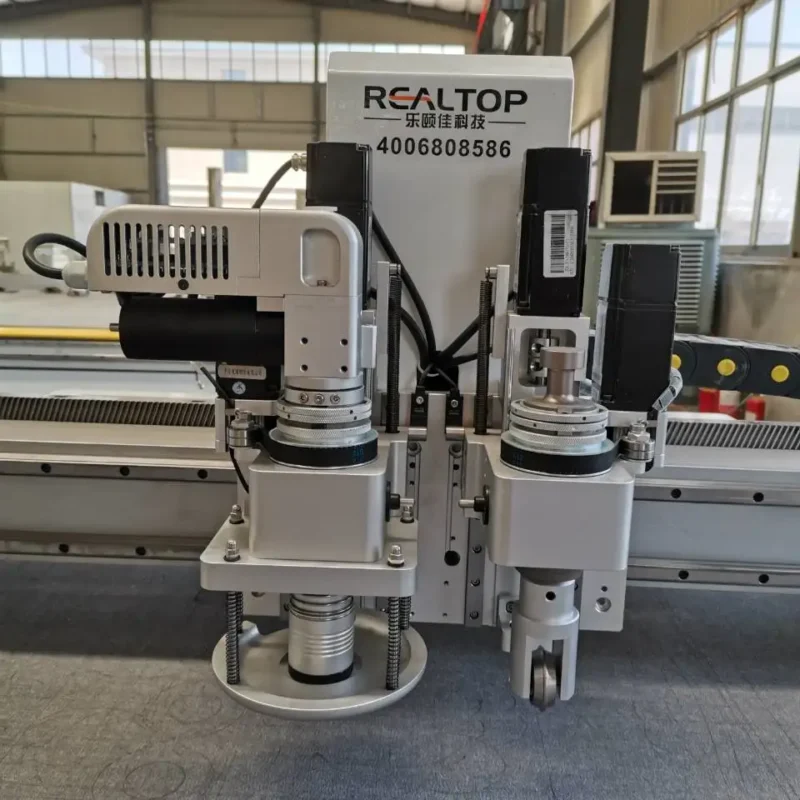
| Tool Head | Swiss-imported oscillating knife — full cut, half cut, cursor location |
| Translational Velocity | 800–1200 mm/s |
| Cutting Speed | 200–800 mm/s (basis not stated in source — depends on material type and lay height) |
| Repeatability | ≤ 0.1 mm |
| Transmission System | Japanese Yaskawa digital servo motor, Taiwan Hiwin linear guide, synchronous belt, ball screw |
| Safety Device | Infrared sensors |
| Instruction System | HP-GL compatible format |
Application Suitability
| Application | Material or Output |
|---|---|
| Garment and footwear production | Multi-layer woven fabric, knitted fabric, high-elastic spandex blends |
| Leather goods manufacturing | Genuine leather, PU synthetic leather, sponge-composite leather |
| Gasket and seal fabrication | Rubber sheet, silicone sheet, PVC, soft glass |
| Automotive interior components | Composite leather, foam-laminated textile, non-woven fabric |
Why the Layer Count Question Must Come Before the Working Area
A larger bed does not compensate for insufficient vacuum hold-down or wrong oscillation frequency at your actual lay height.
I once watched a garment factory lay out six-ply spandex blend on a machine that was sold purely on its 1600 × 2500 mm footprint. The cutting speed dropped from the quoted range because the vacuum zoning could not grip the outermost plies, and the knife dragged fabric instead of shearing it. Edge quality collapsed on curves, and the operator had to reduce speed well below what the production schedule assumed. [NEED_CITE: vacuum hold-down requirements for multi-layer elastic fabric cutting] When sourcing a Multi-Layer CNC Cutting Machine, the conversation should start with your actual lay height, fabric composition and smallest pattern piece — not just the table dimensions.
How Auto-Feeding Changes the Production Rhythm
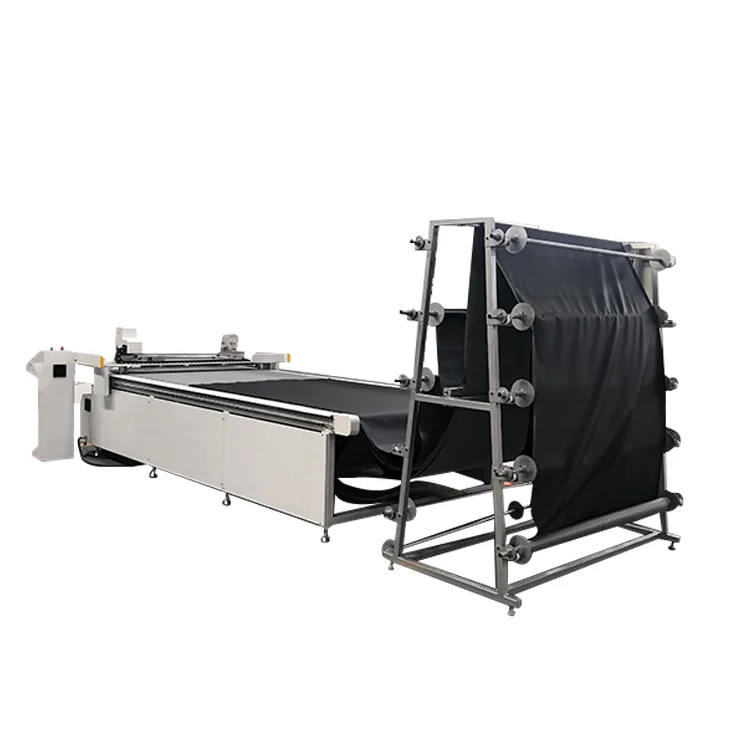
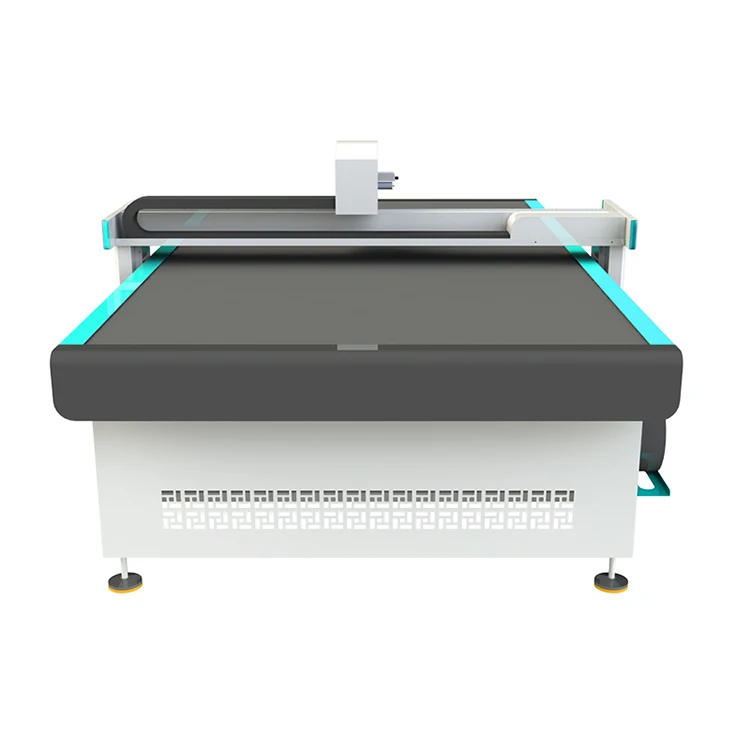
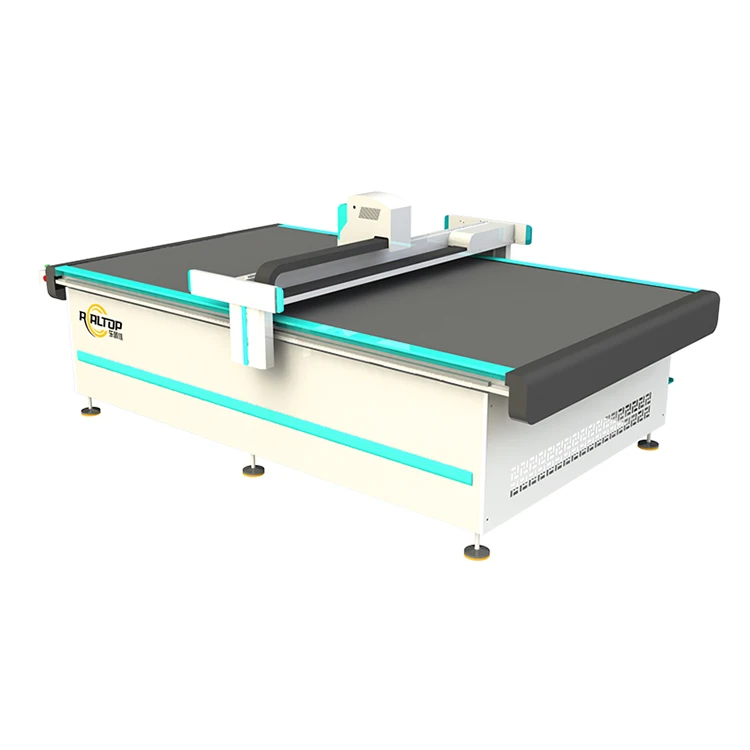
On a standard flatbed, an operator manually loads each spread, waits for the cut cycle, then unloads the finished plies before the next lay goes down. The RT-D2516/RT-S2516 replaces that stop-start loop with a continuous conveyor belt that advances the material through the cutting zone while the German-imported belt maintains flat tracking. This means the Multi-Layer CNC Cutting Machine can process roll after roll without the operator repositioning the leading edge, which is where most registration drift originates in garment cutting rooms.
Swiss Knife Oscillation and Edge Behaviour on Elastic Blends
The Swiss-imported oscillating knife on this machine delivers both full-cut and half-cut modes, which matters when you switch from a stable woven to a high-elastic knit mid-shift. Full oscillation shears through dense multi-ply lays by breaking the fibre shear plane at each stroke, while half-cut is reserved for kiss-cutting adhesive-backed laminates. [NEED_CITE: oscillation frequency effect on elastic textile edge quality] The cursor location function lets the operator re-register the starting point after a mid-job material change, preventing the accumulated drift that ruins the last third of a long spread.
Reading the Specs Beyond the Brochure Numbers
The 7.5 kW vacuum pump paired with the flat vacuum table is the specification that actually governs your achievable layer count — not the 9 kW rated machine power. If your smallest pattern piece sits below the dimension of a single vacuum zone, the material lifts during high-speed traverse and the knife chatters. The Japanese Yaskawa servo motors and Taiwan Hiwin linear guides deliver positioning repeatability of ≤ 0.1 mm, which keeps notch marks aligned across a multi-ply spread, but that precision is wasted if the hold-down lets the bottom ply shift. Translational velocity of 800–1200 mm/s governs non-cutting travel between paths; actual cutting speed of 200–800 mm/s is the number that determines your pieces-per-shift, and it varies by material density and lay height.
What Happens When the Vacuum Zones Are Too Coarse
A buyer once specified a machine with a large-format table and a single-zone vacuum, assuming the pump power would compensate. When they ran small garment panels — collars, cuffs, pocket flaps — the outer edges of each piece lifted under the knife, producing ragged edges and forcing a secondary trimming pass. On a Multi-Layer CNC Cutting Machine, the number and layout of vacuum zones must match your typical nested part size, not just the overall bed area. [NEED_CITE: vacuum zoning strategy for small-part nesting in garment cutting]
Why Sourcing from a Dual-Technology Builder Matters Here
Realtop designs and produces both oscillating knife and laser cutting systems in-house, which means the RT-D2516/RT-S2516 was specified as a knife platform because fabric and leather respond poorly to thermal cutting. The tool head and table configuration are set per material and production volume rather than pulled from a standard catalogue page. Sample cutting runs on the buyer’s own material at production layer count confirm the configuration before the order is locked. Voltage, plug type and control language are verified for the destination facility before shipment. The build covers the full cutting range, so if a buyer’s material profile shifts toward synthetics that benefit from edge-sealing, the conversation moves to the laser side of the catalogue without changing suppliers.
Documentation & Verification
- Machine specification sheet confirming RT-D2516/RT-S2516 voltage and frequency for your grid
- Tool head and vacuum table configuration list matched to your material type and lay height
- Sample cutting report run on your own fabric at production ply count before order confirmation
- Factory test record showing repeatability measurement on the 1600 × 2500 mm bed
- Electrical schematic with 380V ±10% circuit and 7.5 kW vacuum pump load confirmed
- HP-GL software compatibility note listing supported file formats from your nesting system
Installation, Commissioning & Support
- Floor space allocation of 3450 × 2300 mm plus operator clearance on the feeding side
- Dedicated 380V ±10% circuit sized for 9 kW machine load plus 7.5 kW vacuum pump
- Assembled frame arrives with conveyor belt pre-tensioned; vacuum table zones commissioned on site
- First-run calibration includes servo tuning and repeatability verification at ≤ 0.1 mm across full travel
- Operator training covers oscillation mode switching between full cut and half cut on the Swiss knife head
- Spare parts list includes knife blades, synchronous belt segments and Hiwin guide carriage blocks
How to Start the Specification Conversation
Send the material data sheet — fibre composition, weight per square metre and typical lay height — along with your target daily output in cut pieces. Confirm the voltage and frequency at your facility, the control language your operators need, and whether your nesting software exports HP-GL or requires a different format. If your production includes printed contour work, note that requirement early so camera positioning can be evaluated before the build.
Frequently Asked Questions
Q: How do I confirm cutting speed against my specific fabric and lay height?
A: Request a sample cutting report using your own material at your production ply count. The cutting speed range of 200–800 mm/s varies by material density, so a factory-run test on your actual spread is the only way to establish a reliable pieces-per-shift figure before committing to the order.
Q: When does CCD camera contour recognition become necessary on this machine?
A: CCD positioning is relevant when cutting pre-printed fabric or material with registered marks, such as sublimation-printed sportswear panels. Confirm file format compatibility and whether the system tracks marks at your intended cutting speed before including it in the specification.
Q: How should vacuum zone layout match my nesting pattern?
A: The vacuum table must have zones fine enough to hold your smallest nested part flat. If a collar or cuff pattern piece spans less than one zone width, material lift causes edge ragging. Provide your typical nest layout so the zone configuration can be matched to your part sizes.
Q: Should I choose knife cutting or laser for my material mix?
A: Knife cutting suits multi-layer woven fabric, knits, leather and foam where thermal sealing is not required. Laser suits synthetics that benefit from edge-sealing during the cut. A builder offering both technologies can evaluate your material profile and recommend the method that fits rather than defaulting to one.
Integrated Knife and Laser Engineering — the RT-D2516/RT-S2516 reflects a build philosophy where cutting method is matched to material behaviour rather than forcing one technology across every substrate.
Technical Specifications
| Parameter | Value |
|---|---|
| Model | RT-D2516 / RT-S2516 |
| Product Type | Multi-Layer CNC Oscillating Knife Cutting Machine |
| Working Area | 1600 × 2500 mm |
| Overall Dimensions (L × W × H) | 3450 × 2300 × 1250 mm |
| Rated Power | 9 kW |
| Voltage | 380V ±10% |
| Vacuum Pump Power | 7.5 kW |
| Table Type | Flat vacuum table with auto-feeding conveyor, Germany-imported belt |
| Tool Head | Swiss-imported oscillating knife — full cut, half cut, cursor location |
| Translational Velocity | 800–1200 mm/s |
| Cutting Speed | 200–800 mm/s (basis not stated in source — depends on material type and lay height) |
| Repeatability | ≤ 0.1 mm |
| Transmission System | Japanese Yaskawa digital servo motor, Taiwan Hiwin linear guide, synchronous belt, ball screw |
| Safety Device | Infrared sensors |
| Instruction System | HP-GL compatible format |
Application Suitability
| Application | Material or Output |
|---|---|
| Garment and footwear production | Multi-layer woven fabric, knitted fabric, high-elastic spandex blends |
| Leather goods manufacturing | Genuine leather, PU synthetic leather, sponge-composite leather |
| Gasket and seal fabrication | Rubber sheet, silicone sheet, PVC, soft glass |
| Automotive interior components | Composite leather, foam-laminated textile, non-woven fabric |
Why the Layer Count Question Must Come Before the Working Area
A larger bed does not compensate for insufficient vacuum hold-down or wrong oscillation frequency at your actual lay height.
I once watched a garment factory lay out six-ply spandex blend on a machine that was sold purely on its 1600 × 2500 mm footprint. The cutting speed dropped from the quoted range because the vacuum zoning could not grip the outermost plies, and the knife dragged fabric instead of shearing it. Edge quality collapsed on curves, and the operator had to reduce speed well below what the production schedule assumed. [NEED_CITE: vacuum hold-down requirements for multi-layer elastic fabric cutting] When sourcing a Multi-Layer CNC Cutting Machine, the conversation should start with your actual lay height, fabric composition and smallest pattern piece — not just the table dimensions.
How Auto-Feeding Changes the Production Rhythm
On a standard flatbed, an operator manually loads each spread, waits for the cut cycle, then unloads the finished plies before the next lay goes down. The RT-D2516/RT-S2516 replaces that stop-start loop with a continuous conveyor belt that advances the material through the cutting zone while the German-imported belt maintains flat tracking. This means the Multi-Layer CNC Cutting Machine can process roll after roll without the operator repositioning the leading edge, which is where most registration drift originates in garment cutting rooms.
Swiss Knife Oscillation and Edge Behaviour on Elastic Blends
The Swiss-imported oscillating knife on this machine delivers both full-cut and half-cut modes, which matters when you switch from a stable woven to a high-elastic knit mid-shift. Full oscillation shears through dense multi-ply lays by breaking the fibre shear plane at each stroke, while half-cut is reserved for kiss-cutting adhesive-backed laminates. [NEED_CITE: oscillation frequency effect on elastic textile edge quality] The cursor location function lets the operator re-register the starting point after a mid-job material change, preventing the accumulated drift that ruins the last third of a long spread.
Reading the Specs Beyond the Brochure Numbers
The 7.5 kW vacuum pump paired with the flat vacuum table is the specification that actually governs your achievable layer count — not the 9 kW rated machine power. If your smallest pattern piece sits below the dimension of a single vacuum zone, the material lifts during high-speed traverse and the knife chatters. The Japanese Yaskawa servo motors and Taiwan Hiwin linear guides deliver positioning repeatability of ≤ 0.1 mm, which keeps notch marks aligned across a multi-ply spread, but that precision is wasted if the hold-down lets the bottom ply shift. Translational velocity of 800–1200 mm/s governs non-cutting travel between paths; actual cutting speed of 200–800 mm/s is the number that determines your pieces-per-shift, and it varies by material density and lay height.
What Happens When the Vacuum Zones Are Too Coarse
A buyer once specified a machine with a large-format table and a single-zone vacuum, assuming the pump power would compensate. When they ran small garment panels — collars, cuffs, pocket flaps — the outer edges of each piece lifted under the knife, producing ragged edges and forcing a secondary trimming pass. On a Multi-Layer CNC Cutting Machine, the number and layout of vacuum zones must match your typical nested part size, not just the overall bed area. [NEED_CITE: vacuum zoning strategy for small-part nesting in garment cutting]
Why Sourcing from a Dual-Technology Builder Matters Here
Realtop designs and produces both oscillating knife and laser cutting systems in-house, which means the RT-D2516/RT-S2516 was specified as a knife platform because fabric and leather respond poorly to thermal cutting. The tool head and table configuration are set per material and production volume rather than pulled from a standard catalogue page. Sample cutting runs on the buyer’s own material at production layer count confirm the configuration before the order is locked. Voltage, plug type and control language are verified for the destination facility before shipment. The build covers the full cutting range, so if a buyer’s material profile shifts toward synthetics that benefit from edge-sealing, the conversation moves to the laser side of the catalogue without changing suppliers.
Documentation & Verification
- Machine specification sheet confirming RT-D2516/RT-S2516 voltage and frequency for your grid
- Tool head and vacuum table configuration list matched to your material type and lay height
- Sample cutting report run on your own fabric at production ply count before order confirmation
- Factory test record showing repeatability measurement on the 1600 × 2500 mm bed
- Electrical schematic with 380V ±10% circuit and 7.5 kW vacuum pump load confirmed
- HP-GL software compatibility note listing supported file formats from your nesting system
Installation, Commissioning & Support
- Floor space allocation of 3450 × 2300 mm plus operator clearance on the feeding side
- Dedicated 380V ±10% circuit sized for 9 kW machine load plus 7.5 kW vacuum pump
- Assembled frame arrives with conveyor belt pre-tensioned; vacuum table zones commissioned on site
- First-run calibration includes servo tuning and repeatability verification at ≤ 0.1 mm across full travel
- Operator training covers oscillation mode switching between full cut and half cut on the Swiss knife head
- Spare parts list includes knife blades, synchronous belt segments and Hiwin guide carriage blocks
How to Start the Specification Conversation
Send the material data sheet — fibre composition, weight per square metre and typical lay height — along with your target daily output in cut pieces. Confirm the voltage and frequency at your facility, the control language your operators need, and whether your nesting software exports HP-GL or requires a different format. If your production includes printed contour work, note that requirement early so camera positioning can be evaluated before the build.
Frequently Asked Questions
Q: How do I confirm cutting speed against my specific fabric and lay height?
A: Request a sample cutting report using your own material at your production ply count. The cutting speed range of 200–800 mm/s varies by material density, so a factory-run test on your actual spread is the only way to establish a reliable pieces-per-shift figure before committing to the order.
Q: When does CCD camera contour recognition become necessary on this machine?
A: CCD positioning is relevant when cutting pre-printed fabric or material with registered marks, such as sublimation-printed sportswear panels. Confirm file format compatibility and whether the system tracks marks at your intended cutting speed before including it in the specification.
Q: How should vacuum zone layout match my nesting pattern?
A: The vacuum table must have zones fine enough to hold your smallest nested part flat. If a collar or cuff pattern piece spans less than one zone width, material lift causes edge ragging. Provide your typical nest layout so the zone configuration can be matched to your part sizes.
Q: Should I choose knife cutting or laser for my material mix?
A: Knife cutting suits multi-layer woven fabric, knits, leather and foam where thermal sealing is not required. Laser suits synthetics that benefit from edge-sealing during the cut. A builder offering both technologies can evaluate your material profile and recommend the method that fits rather than defaulting to one.
商品评价
There are no reviews yet.