

Fast Delivery
Quick, reliable shipping to any location.

Free & easy returns
Return this item by mail or in store within 90 days for a full refund.
Specified Per Material — we match the tool head, vacuum zoning and feed rate to your fabric type before quoting, not after the machine is built.
Technical Specifications
| Parameter | Value |
|---|---|
| Model | RT-D2516 / RT-S2516 |
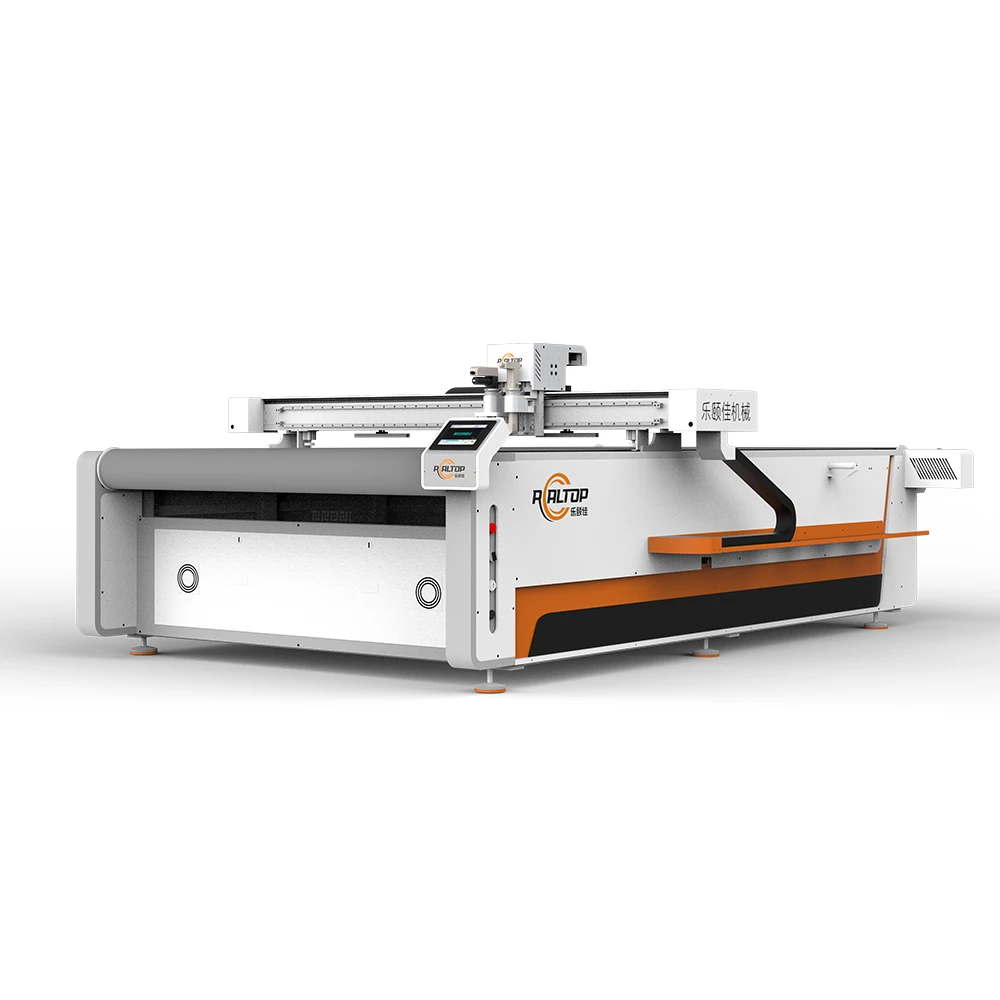
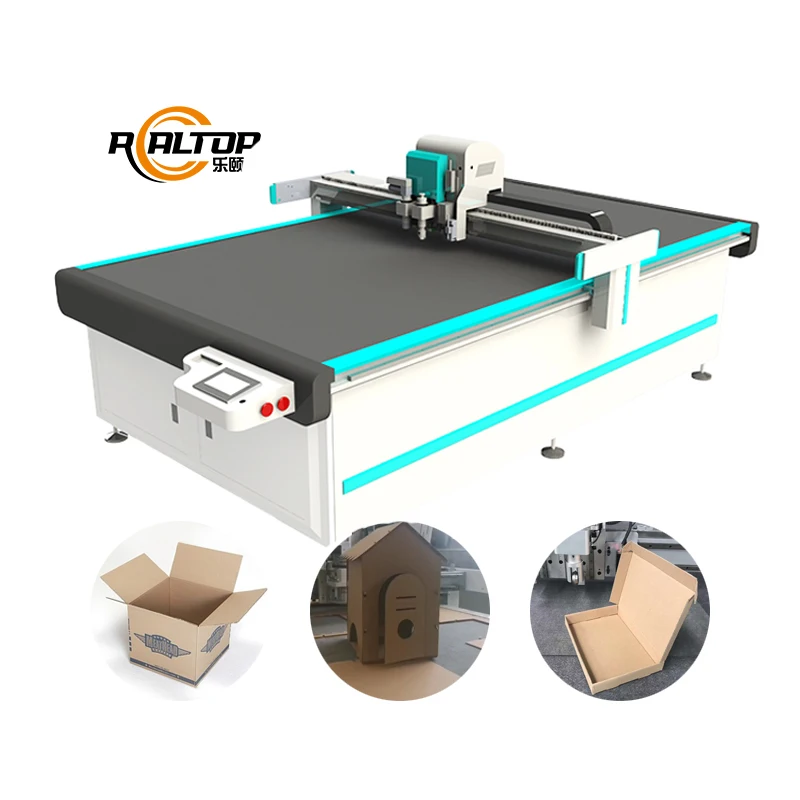
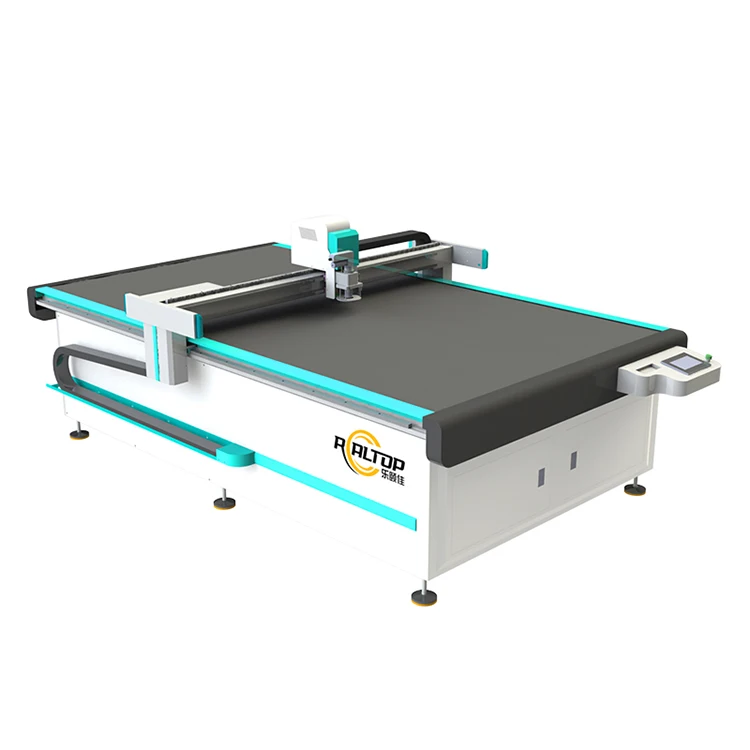
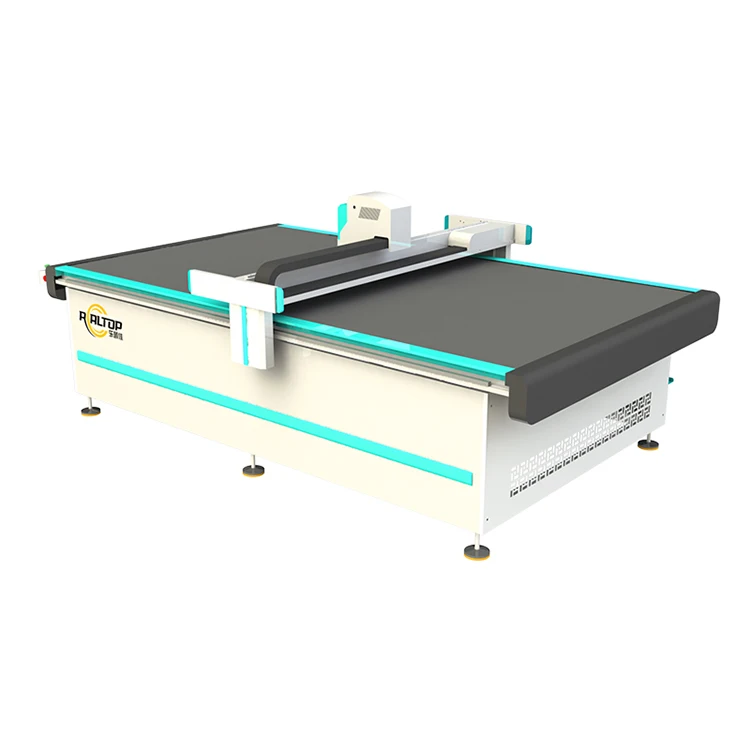
| Product Type | Multi-Layer CNC Fabric Cutting Machine with Auto Feeding Table |
| Working Area | 1600 × 2500 mm |
| Machine Dimensions | 3450 × 2300 × 1250 mm |
| Rated Power | 9 kW |
| Voltage | 380V ±10% |
| Table Type | Flat working table or auto feeding (conveyor) table |
| Vacuum Pump | 7.5 kW |
| Translational Velocity | 800–2000 mm/s |
| Cutting Speed | 200–800 mm/s (basis not stated in source — confirm material type and thickness) |
| Cutting Thickness | ≤100 mm (basis not stated in source — confirm specific material and layer count) |
| Repeated Accuracy | ≤0.1 mm |
| Transmission System | Digital servo motor (Delta or Panasonic optional), linear guide, synchronous belt, ball screw (Taiwan Hiwin rail) |
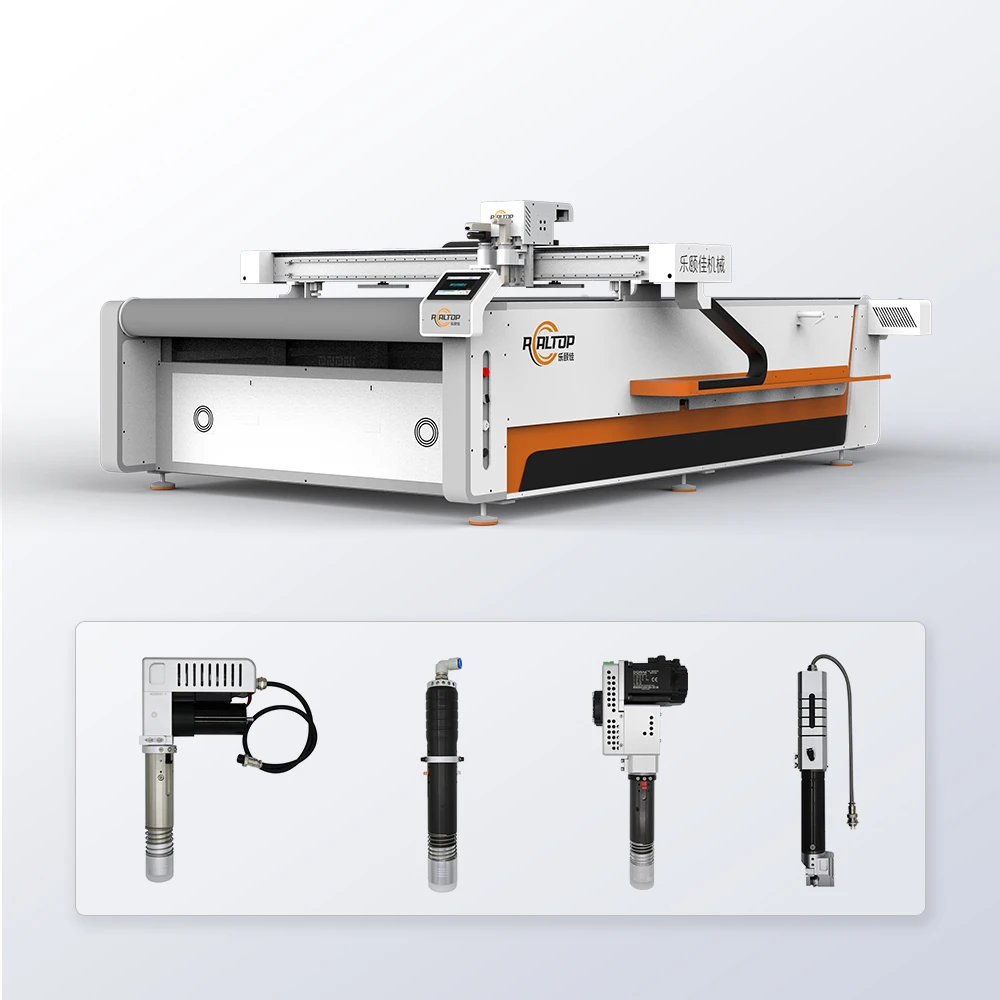
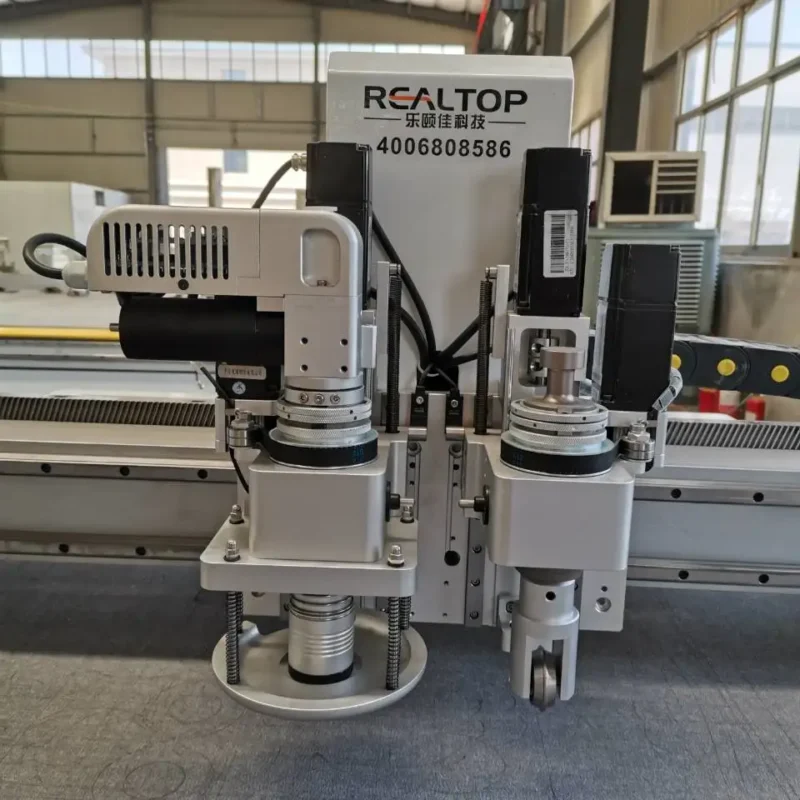
| Multifunctional Head | Swiss imported knife with vibration full/half cutting; optional pneumatic knife, high-power vibrating knife, circular knife, V-cutting knife, drag knife, creasing wheel, dotted line knife, punching, brush |
| CCD/Visual Positioning | Small CCD mark point, panoramic camera recognition, projection positioning (optional) |
| File Format Support | PLT, DXF, AI (HP-GL compatible) |
| Conveyor Belt | Germany imported |
| Vacuum Table Surface | Magnesium-aluminum alloy with fluorocarbon PVDF coating, anodic and hard oxidation |
| Safety Devices | Infrared induction blocking, anti-collision sensors, emergency stop with in-situ resume |
| Control Panel | Touch screen, multiple languages (English, Russian, Italian, Chinese; custom languages available) |
Application Suitability
| Application | Material or Output |
|---|---|
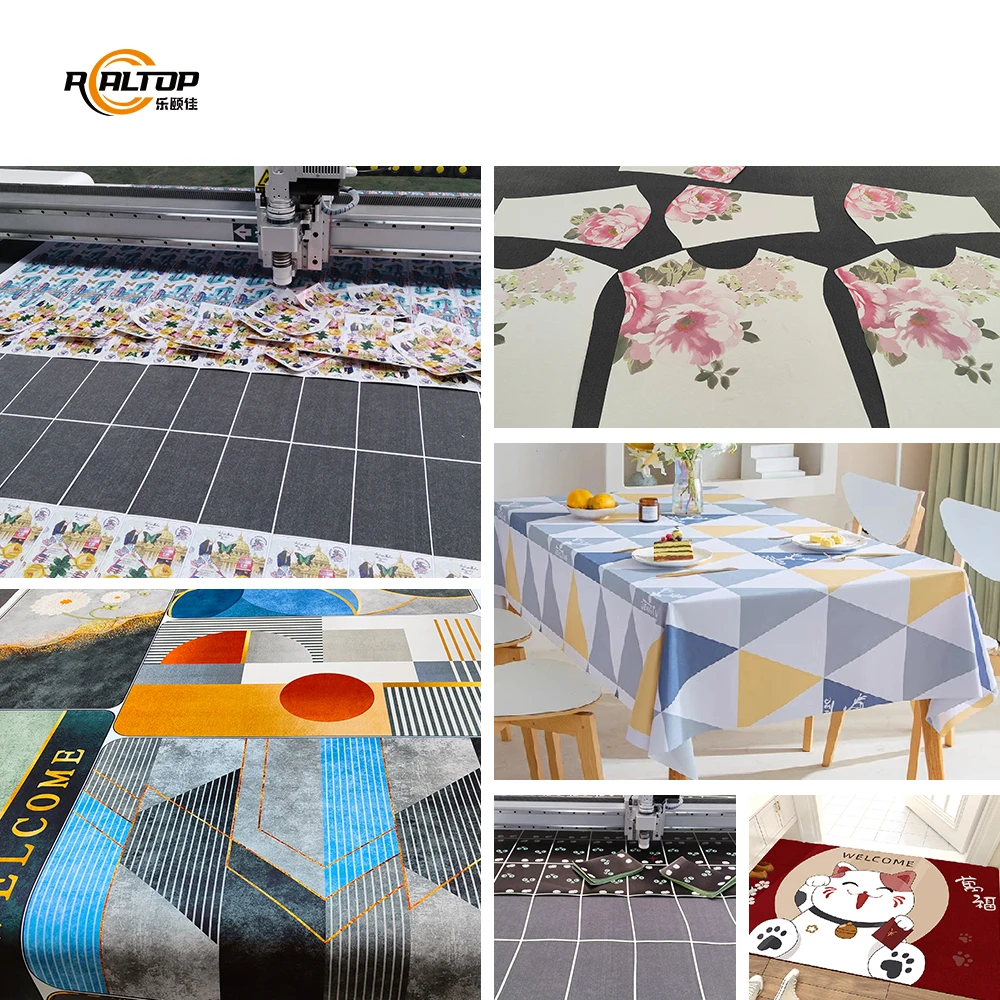
| Garment and footwear pattern cutting | Multi-layer clothing cloth, shoe material, non-woven fabric |
| Automotive interior trimming | Leather, PU, EVA, composite sheets fed from roll |
| Carpet and floor mat production | Carpet, sponge, foam board in stacked layers |
| Luggage and bag panel cutting | Luggage material, PVC, PP, PE sheets |
| Packaging and carton sample making | Corrugated cardboard, cardboard, sticker, film |
| Sealing gasket fabrication | PTFE, ETFE, rubber, gasket material |
Why Layer Count Matters More Than Working Area
When buyers focus on table size and overlook how many fabric plies the knife can actually penetrate, the machine arrives and stalls on real stacks. A Multi-Layer CNC Fabric Cutting Machine manufacturer must confirm cutting depth against the buyer’s actual material and ply count before the frame is welded.
I remember a buyer who specified a 1600 × 2500 mm conveyor table for high-elastic knit. The machine ran fine on three layers, but at the production stack height the fabric shifted under the knife and edge accuracy fell apart. That kind of mismatch only surfaces when sample cutting is skipped. [NEED_CITE: material behavior differences across natural and synthetic fabric stacks during oscillating knife cutting]
Where This Model Sits in the Knife Cutting Range
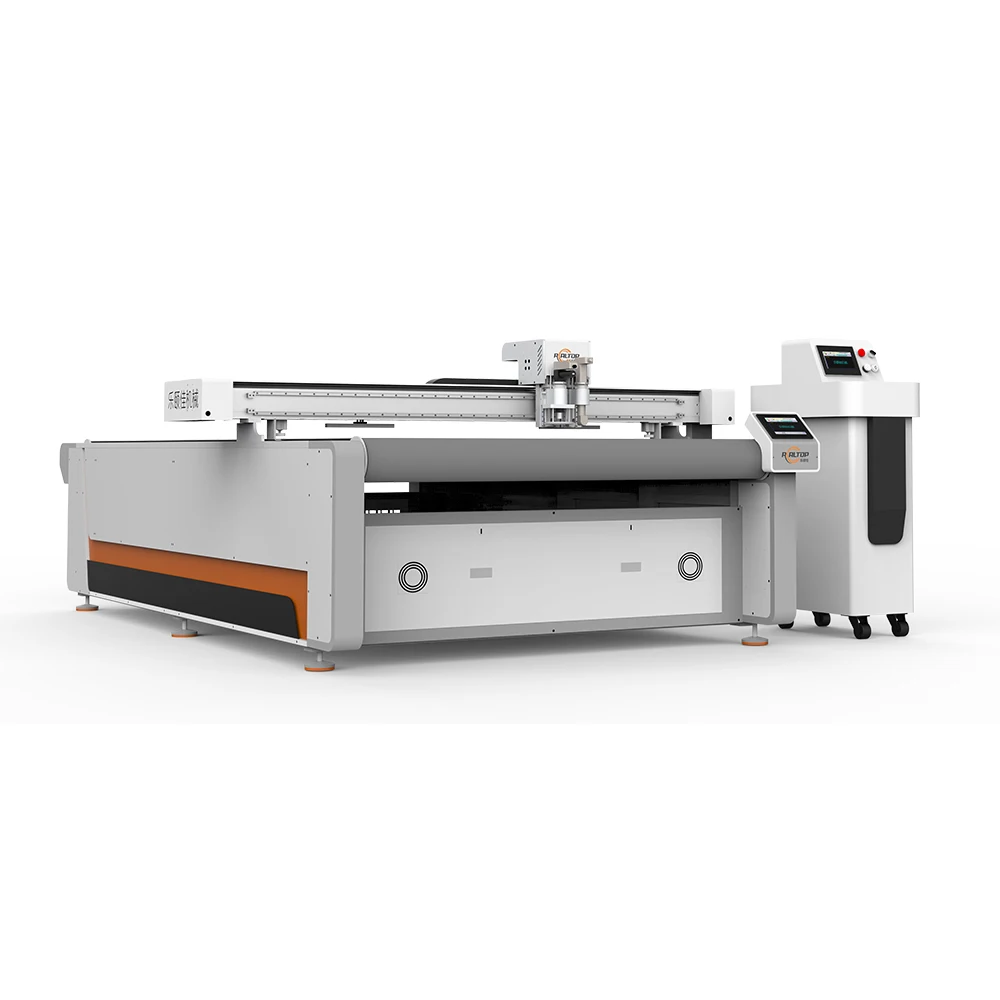
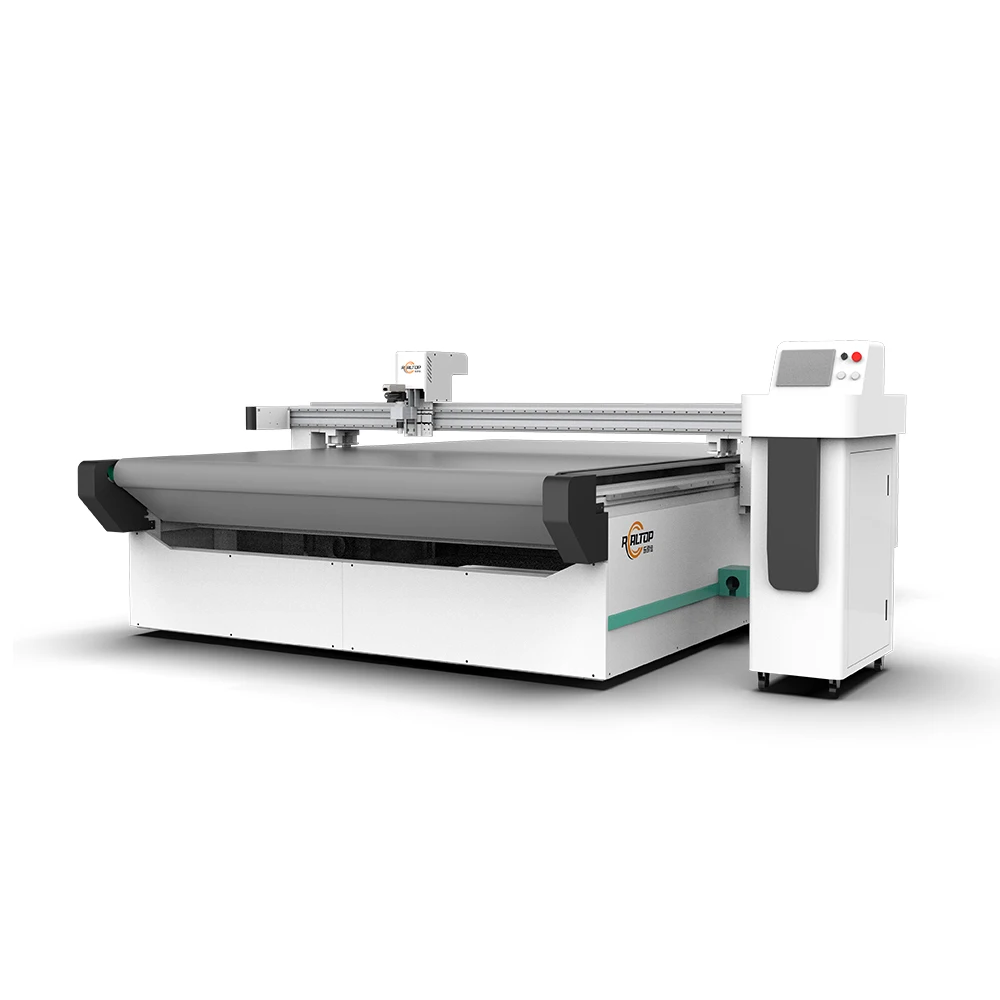
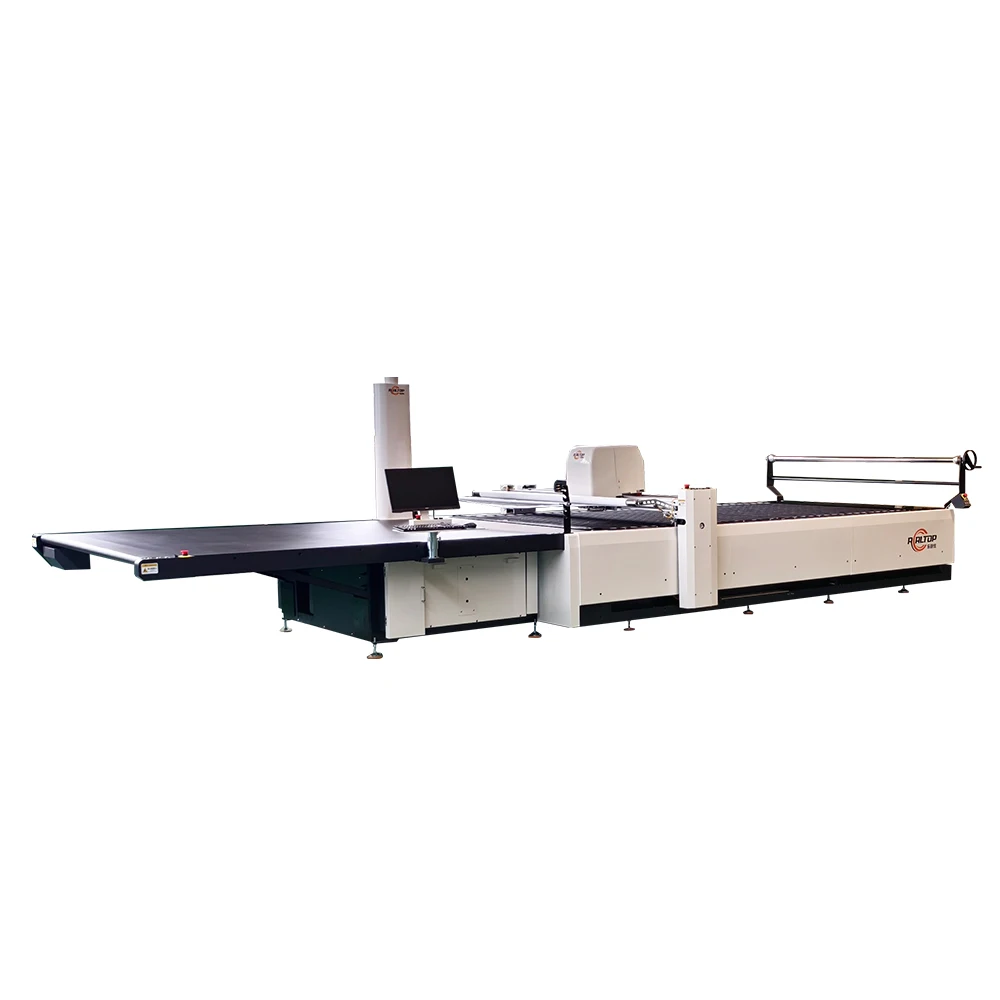
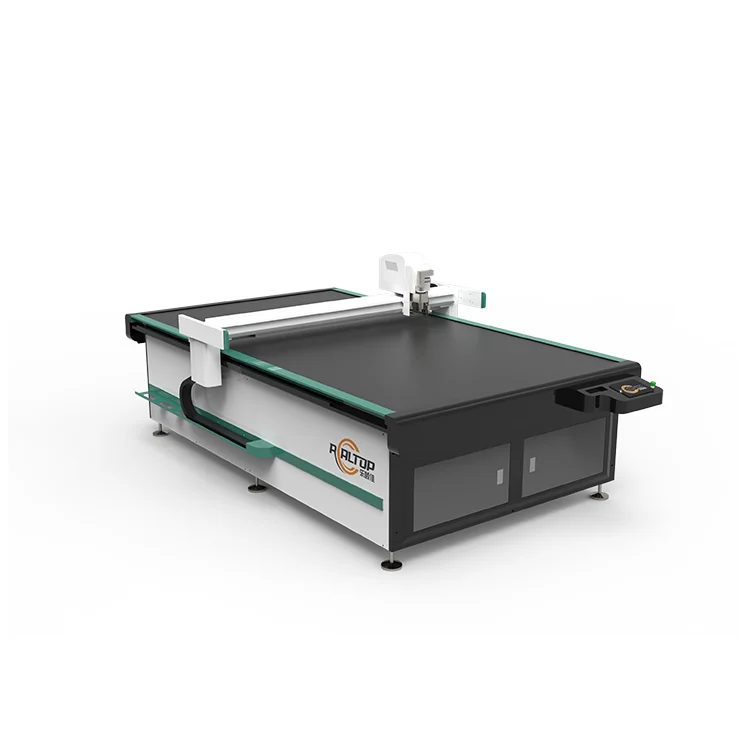
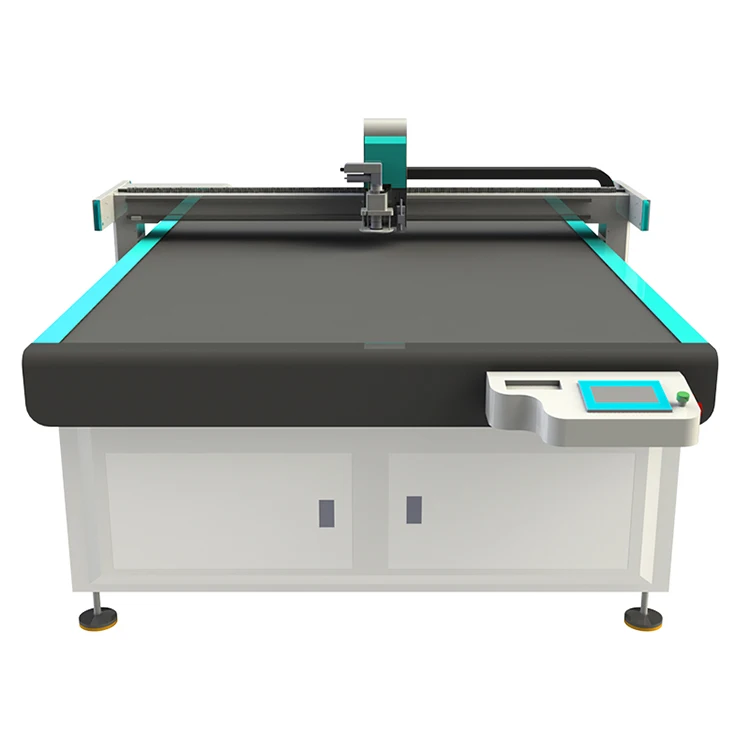
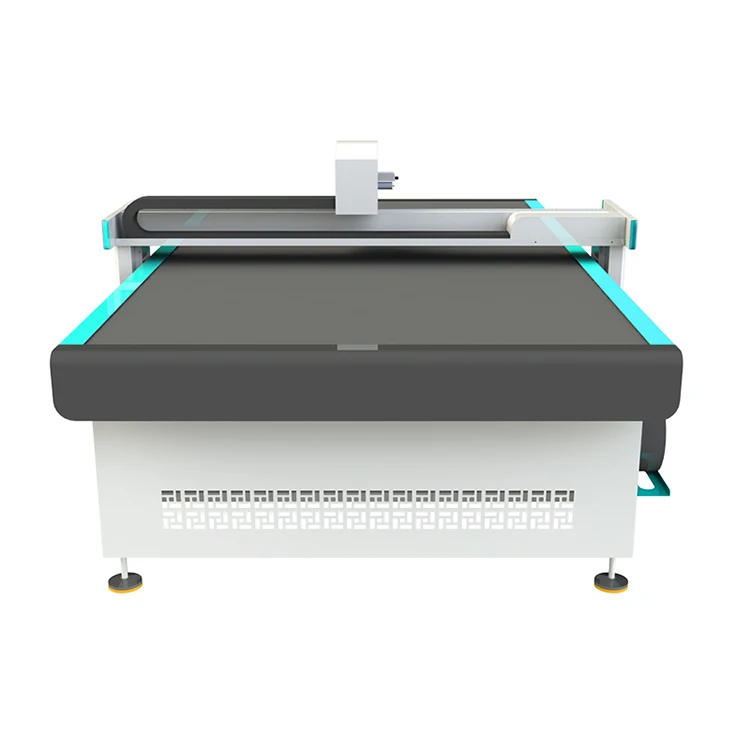
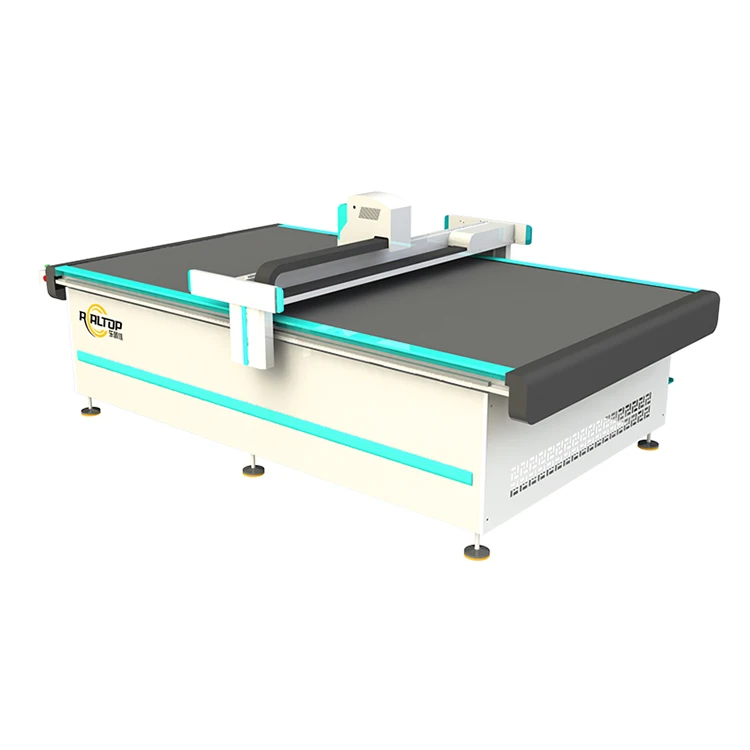
The RT-D2516 / RT-S2516 occupies the mid-to-large format tier for buyers surveying the complete knife cutting catalogue. It pairs a 1600 × 2500 mm working envelope with an auto feeding conveyor, positioning it for continuous roll-to-sheet throughput rather than static single-sheet workflow. For operations cutting plain fabric stacks without printed marks, the flat table variant keeps the footprint lower while the conveyor version handles roll stock that feeds continuously through the cutting zone.
Matching the Tool Head to the Material Stack
The multifunctional head accepts a Swiss imported oscillating knife for full and half cutting, with optional pneumatic knife, high-power vibrating knife, circular knife, V-cutting knife, drag knife, creasing wheel, dotted line knife, punching and brush tools. This means one Multi-Layer CNC Fabric Cutting Machine can switch from slicing multi-ply garment fabric to creasing carton board without a separate machine on the floor. The key is selecting the right tool before shipment — the wrong knife on dense foam produces crushed edges, and the wrong blade on thin film tears the material. [NEED_CITE: oscillating knife frequency and blade geometry selection for flexible material stacks]
Reading the Specs That Actually Affect Your Output
The repeated accuracy of ≤0.1 mm, driven by Delta or Panasonic servo motors on Hiwin linear guides, keeps nested patterns tight across a full stack so the bottom ply matches the top. The 7.5 kW vacuum pump pulling through a magnesium-aluminum alloy table with PVDF coating holds fabric flat; if vacuum zoning is not matched to the smallest piece in your nest, that piece lifts at high translational speed and the knife drags it. The German imported conveyor belt on the auto feeding variant maintains tension across the feed path, which matters when cutting stretch fabric that can skew between the roller and the cutting zone. File format compatibility with PLT, DXF and AI through an HP-GL compatible instruction system means your existing nesting software can talk to the machine without a middle-format conversion step.
What Wrong Configuration Costs After Delivery
Choosing a machine on working area alone and ignoring vacuum zoning leads to small pattern pieces lifting off the table during high-speed passes, forcing operators to slow the feed rate down to compensate. Picking a drag knife where an oscillating knife is needed leaves ragged edges on woven fabric that then require manual trimming downstream. Skipping voltage and plug confirmation before shipment can delay commissioning by weeks while adapters and transformers are sourced locally. [NEED_CITE: common commissioning delays caused by electrical specification mismatches in export markets]
Why Source This Knife Cutter Here
Our in-house design team covers both knife and laser cutting technologies, so a buyer cutting mixed materials can select the correct method instead of forcing one process to do both jobs. We configure the tool head and table — flat or auto feeding — per the buyer’s specific material and daily volume rather than quoting a default build. CCD camera positioning, from small mark point to panoramic recognition, is offered as an option and tested against the buyer’s printed fabric before the order is locked. Software compatibility with PLT, DXF and AI files is confirmed in writing before production starts, so there are no file-format surprises at commissioning. We run sample cutting on the buyer’s own material and share the report before asking for a commitment.
Documentation & Verification
- Machine specification sheet listing configured tool heads and vacuum table zoning map
- Electrical schematic with confirmed voltage, frequency and plug type for target market
- Sample cutting report on buyer’s own fabric stack with measured edge quality and accuracy
- Tool head and table configuration list signed off before production begins
- Software licence and file format compatibility note covering PLT, DXF and AI import
- Factory test record with repeated accuracy measurement on buyer’s material
Installation, Commissioning & Support
- 3450 × 2300 × 1250 mm machine footprint requires level concrete floor with clearance for conveyor feed and discharge
- 9 kW rated power plus 7.5 kW vacuum pump need dedicated 380V ±10% circuit with confirmed plug standard
- Split vacuum box option allows container transport; full reassembly and belt tensioning performed on site
- Touch screen control set to buyer’s language — English, Russian, Italian, Chinese or custom — during commissioning
- Infrared safety sensors and anti-collision beam sensors calibrated to working area before first production run
- Spare parts list covers Swiss knife blades, conveyor belt sections and vacuum pump silencer sponge
What to Include in Your Inquiry
Tell us the fabric type, maximum stack height, sheet or roll dimensions and your daily cutting volume so we can recommend flat table versus auto feeding. Confirm your workshop voltage, frequency and the control language your operators need. If you work with printed fabric, let us know the mark style so we can specify the correct CCD or panoramic camera option.
Frequently Asked Questions
Q: How do I choose between knife cutting and laser for my material?
A: Knife cutting handles multi-layer stacks of fabric, leather, foam and composites without heat-affected edges, while laser suits single-layer engraving or synthetic edge sealing. The RT-D2516 / RT-S2516 sits in the knife cutting family for high-ply flexible material work. We recommend sending your material for sample cutting so we can show you edge quality on both methods before you decide.
Q: Which table type fits my production volume — flat or auto feeding?
A: A flat working table suits batch cutting from pre-cut sheets where the operator loads each stack manually. The auto feeding conveyor table is built for roll stock that feeds continuously, reducing idle time between cuts. Tell us your material form and daily volume, and we will match the correct table configuration to your workflow.
Q: How do I make sure the tool head matches my material?
A: We select from oscillating knife, drag knife, creasing wheel, punching and other options based on your material type, thickness and layer count. Before the order is confirmed, we run a sample cut on your own material and share the report showing edge quality and dimensional accuracy so you can see the result before committing.
Q: Can I verify voltage, plug and language before shipment?
A: Yes. The machine supports 380V ±10% with configurable plug types and the touch screen control runs in English, Russian, Italian, Chinese or a custom language. We document the confirmed electrical specification and language in the machine specification sheet before production starts, so the machine arrives ready for your local power supply and operators.
Q: Can I send my own fabric for sample cutting before ordering?
A: We require sample cutting on your own material before confirming the tool head, vacuum zoning and cutting parameters. You send us a representative roll or sheet, we cut your actual patterns and return the sample pieces along with a written report covering edge quality, accuracy and recommended configuration.
Specified Per Material — we match the tool head, vacuum zoning and feed rate to your fabric type before quoting, not after the machine is built.
Technical Specifications
| Parameter | Value |
|---|---|
| Model | RT-D2516 / RT-S2516 |
| Product Type | Multi-Layer CNC Fabric Cutting Machine with Auto Feeding Table |
| Working Area | 1600 × 2500 mm |
| Machine Dimensions | 3450 × 2300 × 1250 mm |
| Rated Power | 9 kW |
| Voltage | 380V ±10% |
| Table Type | Flat working table or auto feeding (conveyor) table |
| Vacuum Pump | 7.5 kW |
| Translational Velocity | 800–2000 mm/s |
| Cutting Speed | 200–800 mm/s (basis not stated in source — confirm material type and thickness) |
| Cutting Thickness | ≤100 mm (basis not stated in source — confirm specific material and layer count) |
| Repeated Accuracy | ≤0.1 mm |
| Transmission System | Digital servo motor (Delta or Panasonic optional), linear guide, synchronous belt, ball screw (Taiwan Hiwin rail) |
| Multifunctional Head | Swiss imported knife with vibration full/half cutting; optional pneumatic knife, high-power vibrating knife, circular knife, V-cutting knife, drag knife, creasing wheel, dotted line knife, punching, brush |
| CCD/Visual Positioning | Small CCD mark point, panoramic camera recognition, projection positioning (optional) |
| File Format Support | PLT, DXF, AI (HP-GL compatible) |
| Conveyor Belt | Germany imported |
| Vacuum Table Surface | Magnesium-aluminum alloy with fluorocarbon PVDF coating, anodic and hard oxidation |
| Safety Devices | Infrared induction blocking, anti-collision sensors, emergency stop with in-situ resume |
| Control Panel | Touch screen, multiple languages (English, Russian, Italian, Chinese; custom languages available) |
Application Suitability
| Application | Material or Output |
|---|---|
| Garment and footwear pattern cutting | Multi-layer clothing cloth, shoe material, non-woven fabric |
| Automotive interior trimming | Leather, PU, EVA, composite sheets fed from roll |
| Carpet and floor mat production | Carpet, sponge, foam board in stacked layers |
| Luggage and bag panel cutting | Luggage material, PVC, PP, PE sheets |
| Packaging and carton sample making | Corrugated cardboard, cardboard, sticker, film |
| Sealing gasket fabrication | PTFE, ETFE, rubber, gasket material |
Why Layer Count Matters More Than Working Area
When buyers focus on table size and overlook how many fabric plies the knife can actually penetrate, the machine arrives and stalls on real stacks. A Multi-Layer CNC Fabric Cutting Machine manufacturer must confirm cutting depth against the buyer’s actual material and ply count before the frame is welded.
I remember a buyer who specified a 1600 × 2500 mm conveyor table for high-elastic knit. The machine ran fine on three layers, but at the production stack height the fabric shifted under the knife and edge accuracy fell apart. That kind of mismatch only surfaces when sample cutting is skipped. [NEED_CITE: material behavior differences across natural and synthetic fabric stacks during oscillating knife cutting]
Where This Model Sits in the Knife Cutting Range
The RT-D2516 / RT-S2516 occupies the mid-to-large format tier for buyers surveying the complete knife cutting catalogue. It pairs a 1600 × 2500 mm working envelope with an auto feeding conveyor, positioning it for continuous roll-to-sheet throughput rather than static single-sheet workflow. For operations cutting plain fabric stacks without printed marks, the flat table variant keeps the footprint lower while the conveyor version handles roll stock that feeds continuously through the cutting zone.
Matching the Tool Head to the Material Stack
The multifunctional head accepts a Swiss imported oscillating knife for full and half cutting, with optional pneumatic knife, high-power vibrating knife, circular knife, V-cutting knife, drag knife, creasing wheel, dotted line knife, punching and brush tools. This means one Multi-Layer CNC Fabric Cutting Machine can switch from slicing multi-ply garment fabric to creasing carton board without a separate machine on the floor. The key is selecting the right tool before shipment — the wrong knife on dense foam produces crushed edges, and the wrong blade on thin film tears the material. [NEED_CITE: oscillating knife frequency and blade geometry selection for flexible material stacks]
Reading the Specs That Actually Affect Your Output
The repeated accuracy of ≤0.1 mm, driven by Delta or Panasonic servo motors on Hiwin linear guides, keeps nested patterns tight across a full stack so the bottom ply matches the top. The 7.5 kW vacuum pump pulling through a magnesium-aluminum alloy table with PVDF coating holds fabric flat; if vacuum zoning is not matched to the smallest piece in your nest, that piece lifts at high translational speed and the knife drags it. The German imported conveyor belt on the auto feeding variant maintains tension across the feed path, which matters when cutting stretch fabric that can skew between the roller and the cutting zone. File format compatibility with PLT, DXF and AI through an HP-GL compatible instruction system means your existing nesting software can talk to the machine without a middle-format conversion step.
What Wrong Configuration Costs After Delivery
Choosing a machine on working area alone and ignoring vacuum zoning leads to small pattern pieces lifting off the table during high-speed passes, forcing operators to slow the feed rate down to compensate. Picking a drag knife where an oscillating knife is needed leaves ragged edges on woven fabric that then require manual trimming downstream. Skipping voltage and plug confirmation before shipment can delay commissioning by weeks while adapters and transformers are sourced locally. [NEED_CITE: common commissioning delays caused by electrical specification mismatches in export markets]
Why Source This Knife Cutter Here
Our in-house design team covers both knife and laser cutting technologies, so a buyer cutting mixed materials can select the correct method instead of forcing one process to do both jobs. We configure the tool head and table — flat or auto feeding — per the buyer’s specific material and daily volume rather than quoting a default build. CCD camera positioning, from small mark point to panoramic recognition, is offered as an option and tested against the buyer’s printed fabric before the order is locked. Software compatibility with PLT, DXF and AI files is confirmed in writing before production starts, so there are no file-format surprises at commissioning. We run sample cutting on the buyer’s own material and share the report before asking for a commitment.
Documentation & Verification
- Machine specification sheet listing configured tool heads and vacuum table zoning map
- Electrical schematic with confirmed voltage, frequency and plug type for target market
- Sample cutting report on buyer’s own fabric stack with measured edge quality and accuracy
- Tool head and table configuration list signed off before production begins
- Software licence and file format compatibility note covering PLT, DXF and AI import
- Factory test record with repeated accuracy measurement on buyer’s material
Installation, Commissioning & Support
- 3450 × 2300 × 1250 mm machine footprint requires level concrete floor with clearance for conveyor feed and discharge
- 9 kW rated power plus 7.5 kW vacuum pump need dedicated 380V ±10% circuit with confirmed plug standard
- Split vacuum box option allows container transport; full reassembly and belt tensioning performed on site
- Touch screen control set to buyer’s language — English, Russian, Italian, Chinese or custom — during commissioning
- Infrared safety sensors and anti-collision beam sensors calibrated to working area before first production run
- Spare parts list covers Swiss knife blades, conveyor belt sections and vacuum pump silencer sponge
What to Include in Your Inquiry
Tell us the fabric type, maximum stack height, sheet or roll dimensions and your daily cutting volume so we can recommend flat table versus auto feeding. Confirm your workshop voltage, frequency and the control language your operators need. If you work with printed fabric, let us know the mark style so we can specify the correct CCD or panoramic camera option.
Frequently Asked Questions
Q: How do I choose between knife cutting and laser for my material?
A: Knife cutting handles multi-layer stacks of fabric, leather, foam and composites without heat-affected edges, while laser suits single-layer engraving or synthetic edge sealing. The RT-D2516 / RT-S2516 sits in the knife cutting family for high-ply flexible material work. We recommend sending your material for sample cutting so we can show you edge quality on both methods before you decide.
Q: Which table type fits my production volume — flat or auto feeding?
A: A flat working table suits batch cutting from pre-cut sheets where the operator loads each stack manually. The auto feeding conveyor table is built for roll stock that feeds continuously, reducing idle time between cuts. Tell us your material form and daily volume, and we will match the correct table configuration to your workflow.
Q: How do I make sure the tool head matches my material?
A: We select from oscillating knife, drag knife, creasing wheel, punching and other options based on your material type, thickness and layer count. Before the order is confirmed, we run a sample cut on your own material and share the report showing edge quality and dimensional accuracy so you can see the result before committing.
Q: Can I verify voltage, plug and language before shipment?
A: Yes. The machine supports 380V ±10% with configurable plug types and the touch screen control runs in English, Russian, Italian, Chinese or a custom language. We document the confirmed electrical specification and language in the machine specification sheet before production starts, so the machine arrives ready for your local power supply and operators.
Q: Can I send my own fabric for sample cutting before ordering?
A: We require sample cutting on your own material before confirming the tool head, vacuum zoning and cutting parameters. You send us a representative roll or sheet, we cut your actual patterns and return the sample pieces along with a written report covering edge quality, accuracy and recommended configuration.
商品评价
There are no reviews yet.