


Fast Delivery
Quick, reliable shipping to any location.

Free & easy returns
Return this item by mail or in store within 90 days for a full refund.
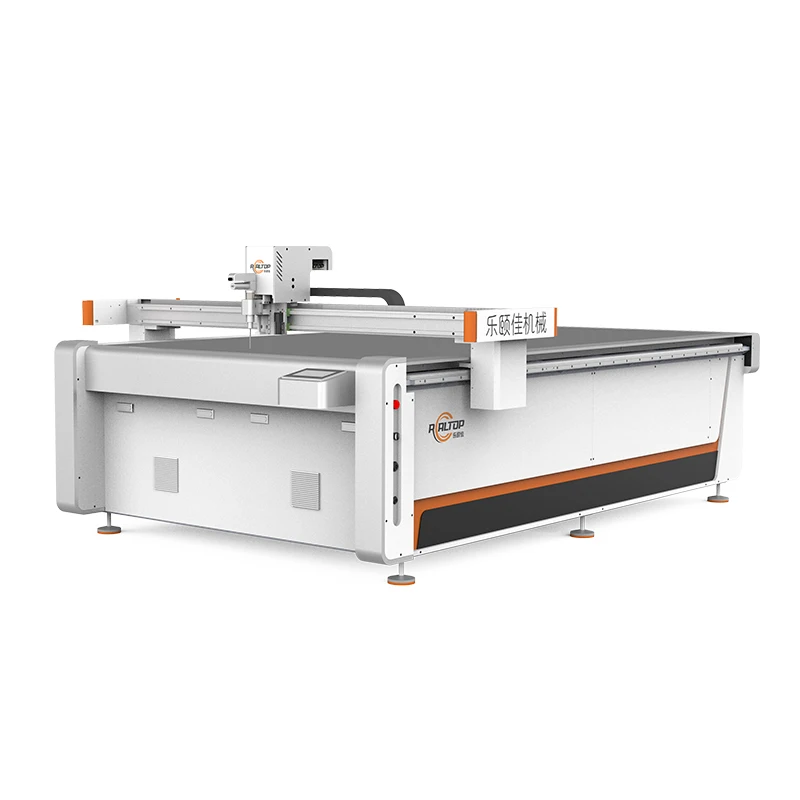
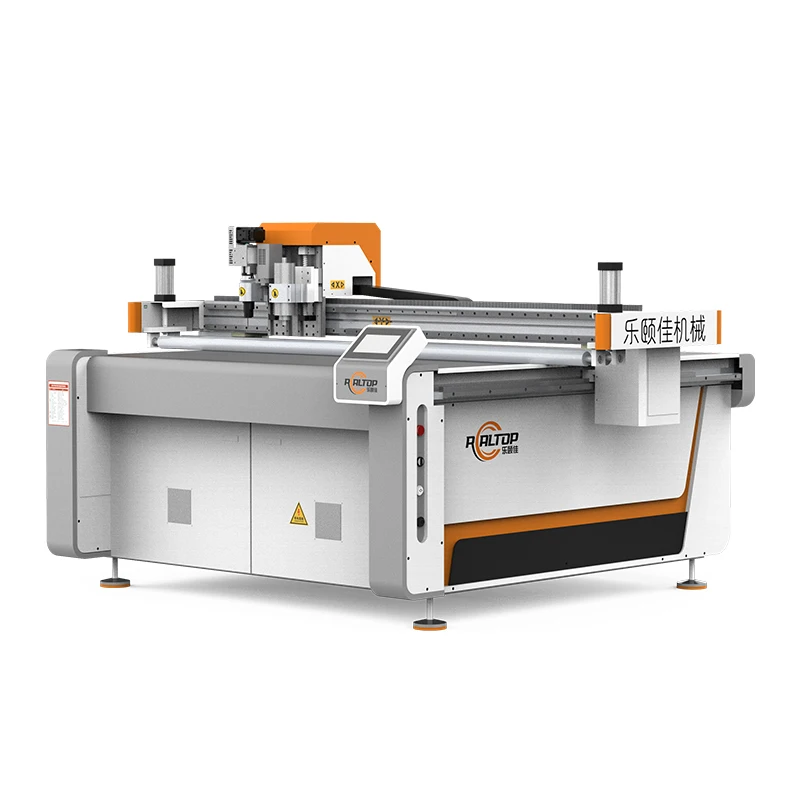
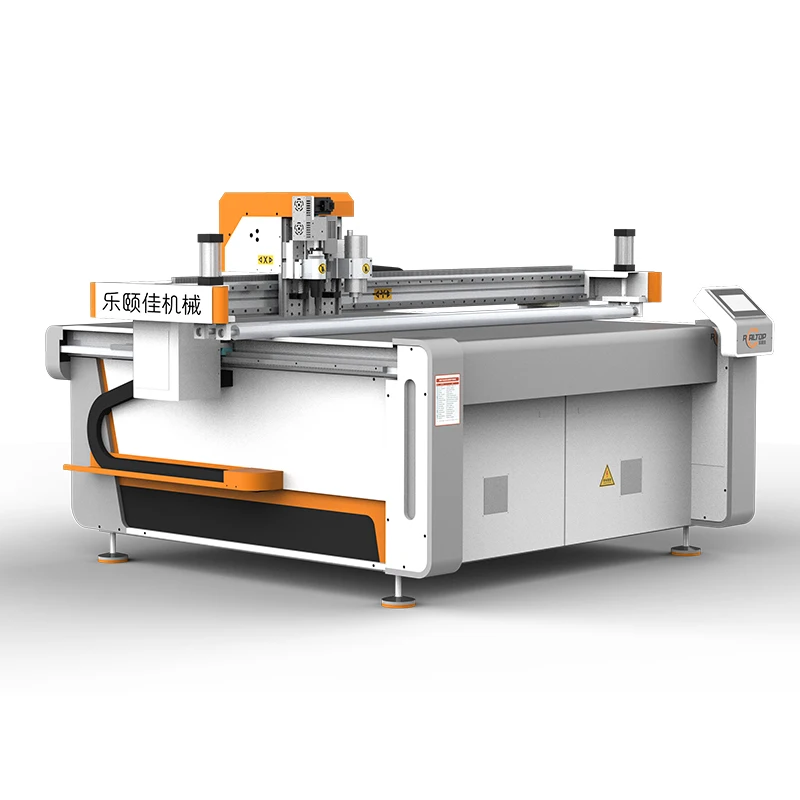
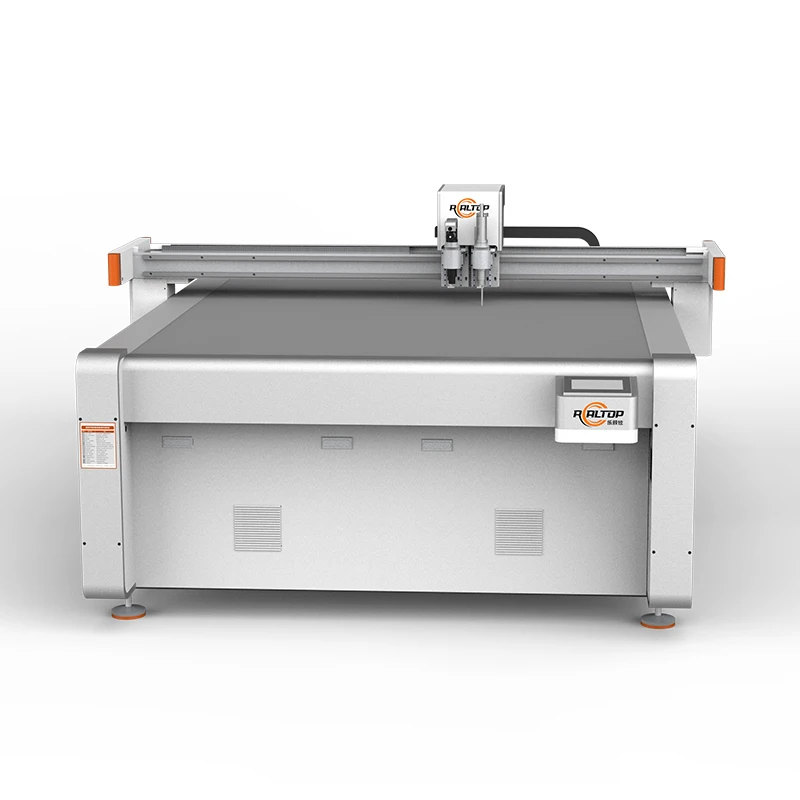
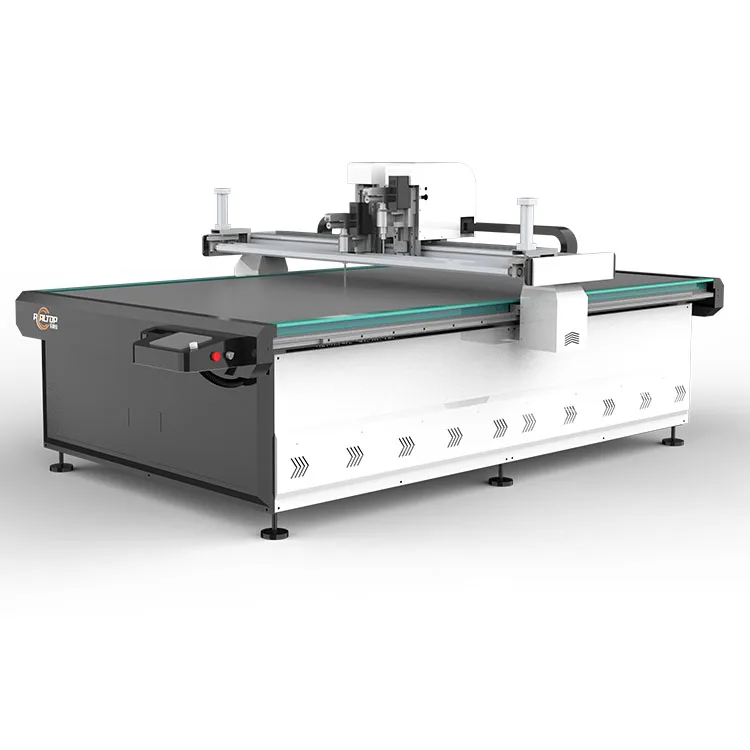
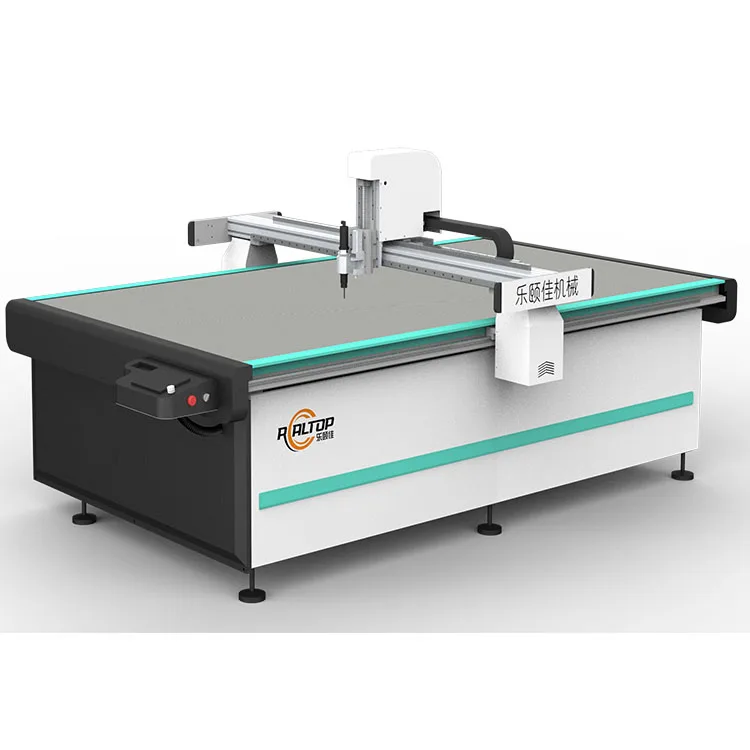
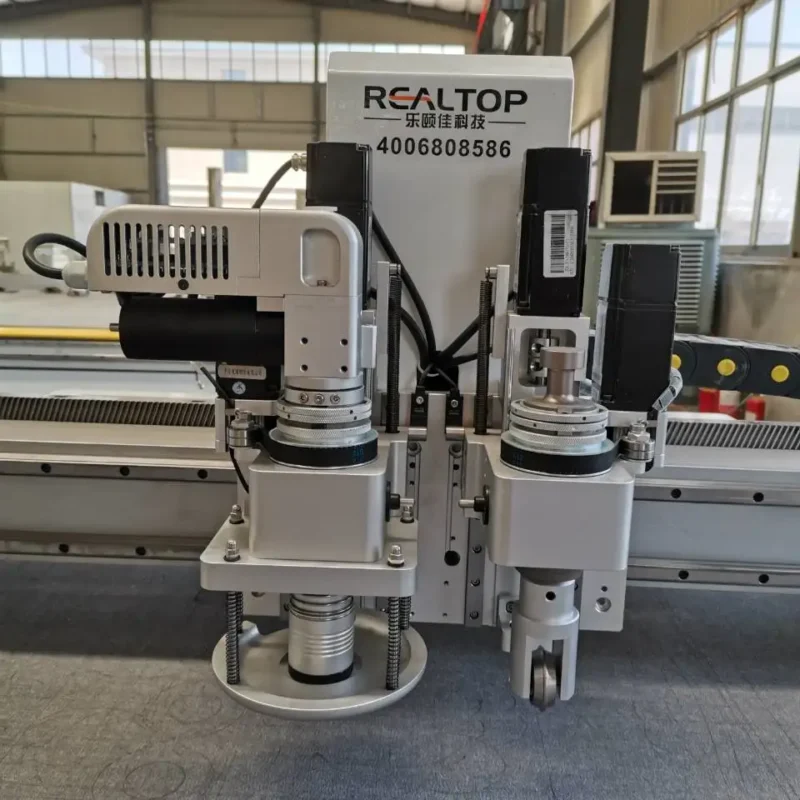
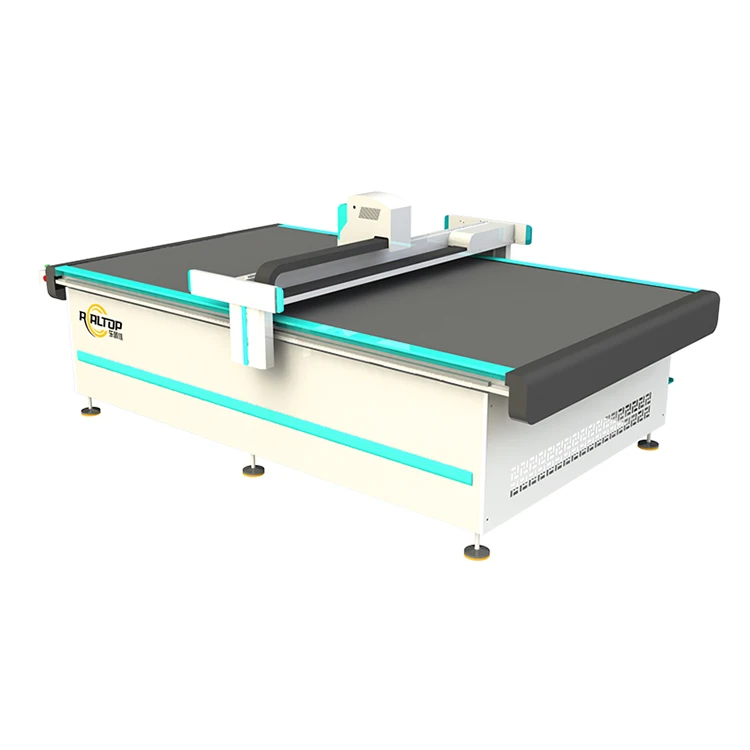
Tool head matched to material — the RT-D2516/RT-S2516 supports oscillating, pneumatic, drag, V-cutting and punching heads configured per gasket sheet density and thickness.
Technical Specifications
| Parameter | Value |
|---|---|
| Model | RT-D2516/RT-S2516 |
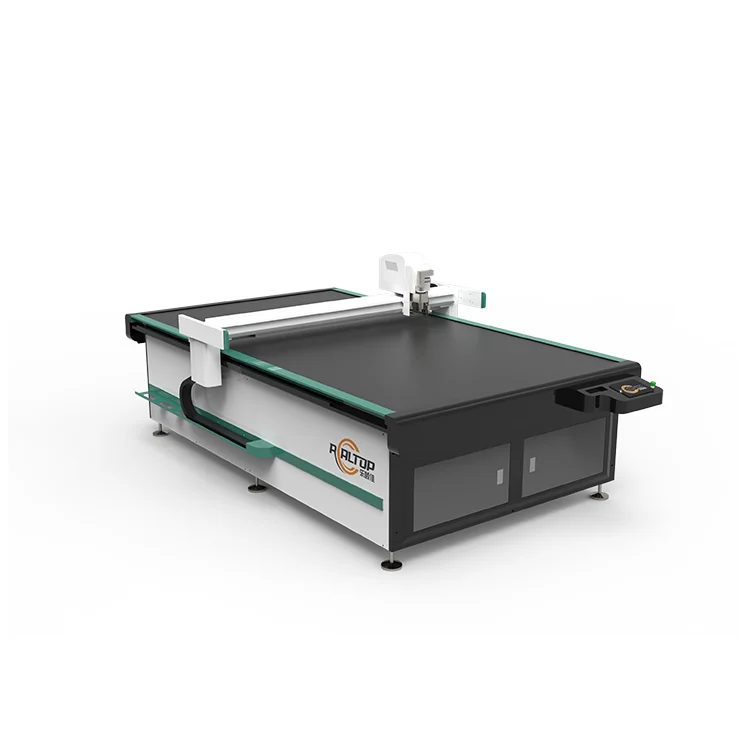
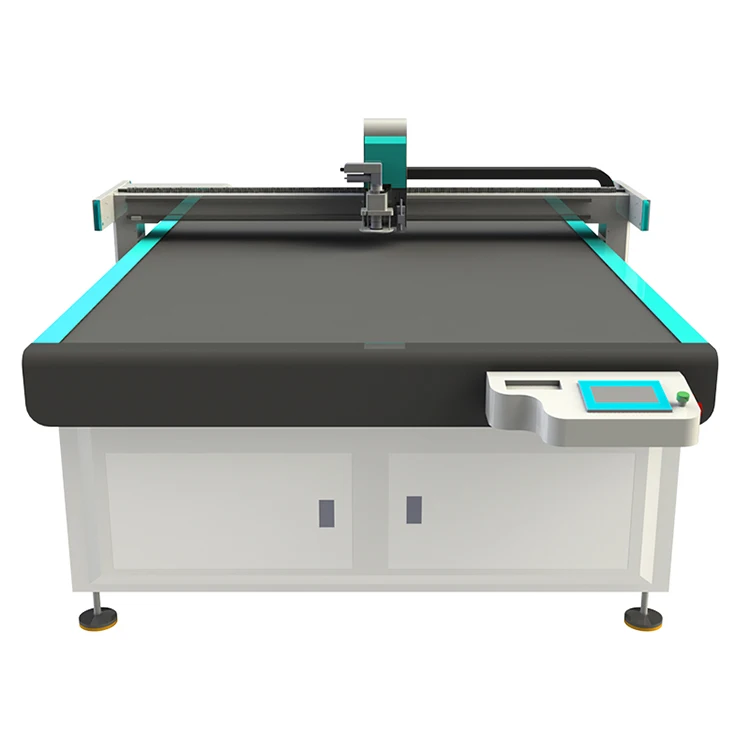
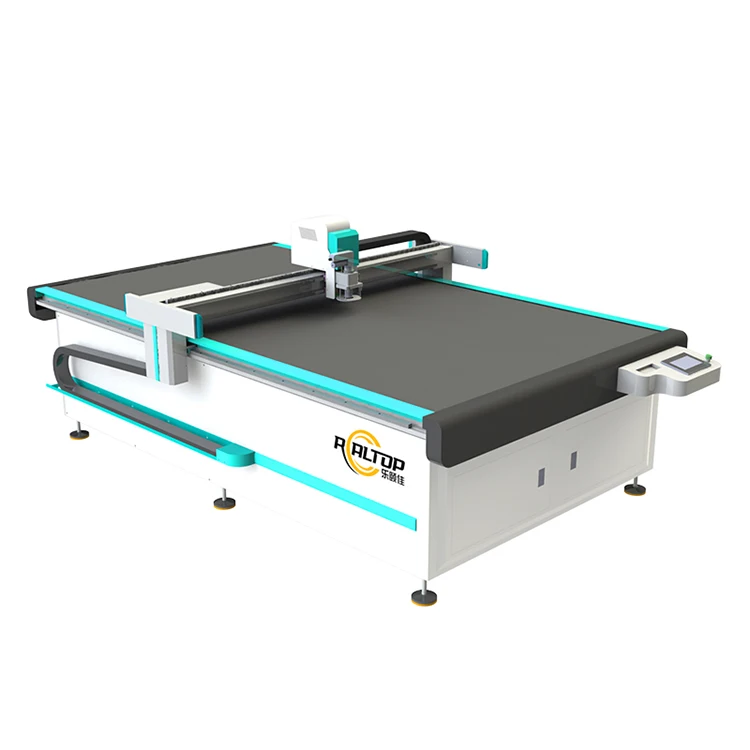
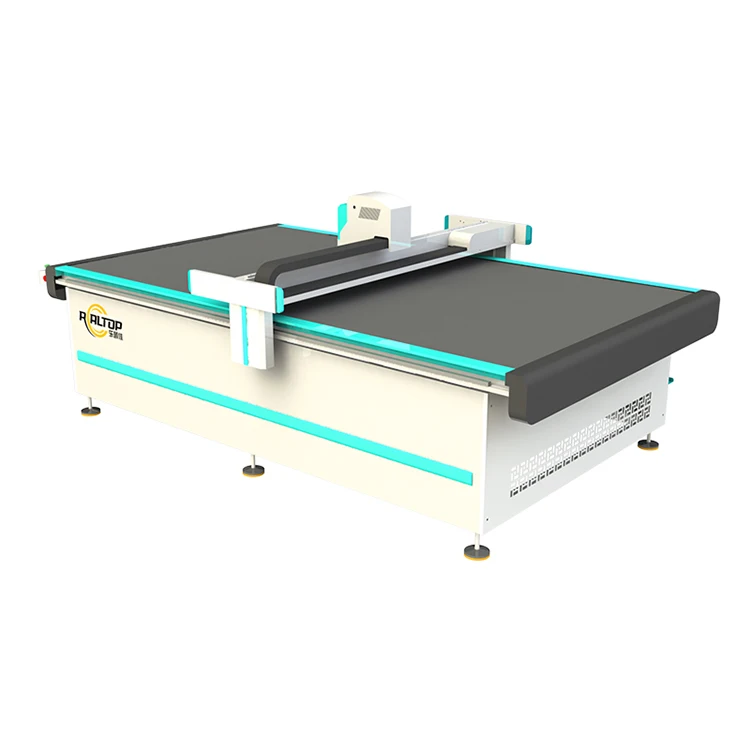
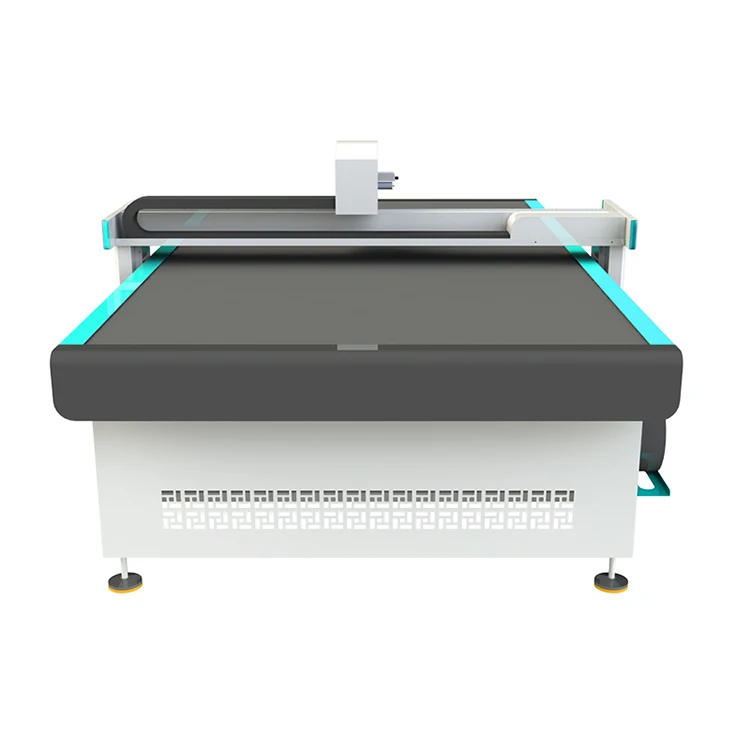
| Product Type | CNC Oscillating Knife Gasket Cutting Machine |
| Working Area | 1600 × 2500 mm |
| Machine Size | 3450 × 2300 × 1250 mm |
| Rated Power | 9 kW |
| Vacuum Pump | 7.5 kW |
| Table Type | Flat working table |
| Translational Velocity | 800–1200 mm/s |
| Cutting Thickness | 20–80 mm (varies by gasket material density) |
| Repeated Accuracy | ≤ 0.1 mm |
| Transmission System | Digital servo motor, linear guide, synchronous belt, ball screw |
| Servo Motor | Delta |
| Rail | Taiwan Hiwin |
| Tool Head Options | Swiss imported knife with vibration full/half cutting, cursor location |
| Multifunctional Head Options | Oscillating knife, pneumatic knife, high-power vibrating knife, circular knife, V-cutting knife, drag knife, creasing wheel, dotted line knife, punching, brush |
| Positioning | CCD camera mark point, panoramic camera recognition, projection positioning |
| Instruction System | HP-GL compatible format |
| Voltage | 380V ± 10% |
| Safety Device | Infrared sensors, anti-collision, emergency stop |
| Assembly State | Fully assembled |
| Language Options | English, Russian, Italian, Chinese (customizable) |
| Certification | CE |
Application Suitability
| Application | Material or Output |
|---|---|
| Industrial gasket production | Rubber, PTFE, ETFE, asbestos-free composite sheets |
| Automotive sealing pads | Reinforced fibre composites, silicone rubber |
| Pipe flange gaskets | PTFE and soft glass sealing materials |
| Machinery OEM sealing | PVC, silicon, sponge composite leather |
| General flatbed cutting | Leather, flexible garment materials, carpet and floor mats |
Why Material Density Breaks a Gasket Cutter Specified on Working Area Alone
A 1600 × 2500 mm bed tells you nothing about whether the blade can hold an edge through reinforced PTFE.
Most buyers sourcing a CNC gasket cutting machine manufacturer start by filtering on table size, assuming that if the sheet fits, the machine will cut it. But a standard PTFE board behaves completely differently from a fibre-reinforced gasket sheet. The oscillating frequency that produces a clean edge on soft rubber will leave crushed, delaminated edges on a composite containing aramid or glass fibre. I have watched two-day blade life collapse to a single shift when the configuration was chosen without seeing the actual production material.
[NEED_CITE: gasket material classification standards for compressed fibre and PTFE composites]
The RT-D2516/RT-S2516 range exists because one tool head does not cover the full spectrum from soft silicone to 80 mm reinforced composite. The pneumatic knife option handles thick, dense sheets where a standard oscillating blade would stall, while the drag knife suits thin, non-fraying materials like ETFE film. Specifying the head against your actual stock — not a sample from a different batch — is where most procurement mistakes originate.
Matching Tool Head to Gasket Material Density
Selecting the correct head on a CNC gasket cutting machine manufacturer catalogue is not a matter of choosing the most aggressive option. The Swiss imported vibrating knife delivers full and half cutting modes suited to mid-range rubber and standard PTFE, while the high-power vibrating variant is specified for sheets above 40 mm where stroke depth must penetrate in fewer passes. The pneumatic knife engages on thick composite gaskets where oscillating action alone produces frayed edges.
CCD Positioning for Printed Die-Line Contours
When gasket sheets arrive pre-printed with die-line templates or registration marks, static positioning is not sufficient at production speed. The CCD camera mark point system on the RT-D2516/RT-S2516 reads printed contours and adjusts the cutting path dynamically, with the panoramic camera option covering the full bed without manual re-zeroing. [NEED_CITE: CCD contour recognition accuracy standards in digital flatbed cutting]
What the Specs Actually Mean on the Floor
The 7.5 kW vacuum pump paired with a flat working table generates the hold-down force needed to prevent thin gasket stock from lifting during high-frequency oscillation. Delta servo motors driving Taiwan Hiwin rails deliver the ≤ 0.1 mm repeatability required for flange gaskets where bolt-hole alignment is non-negotiable. The 800–1200 mm/s translational velocity range lets operators slow the gantry for intricate contours on brittle PTFE, then open up for straight runs on rubber sheet. Cutting thickness of 20–80 mm is material-dependent; a soft silicone sheet at 80 mm cuts differently from a 30 mm aramid composite, and the configuration must reflect that reality.
The Cost of a Mismatched Vacuum Zone
Small gasket parts — O-rings, narrow flange seals, custom washers — expose inadequate vacuum zoning immediately. When the table cannot isolate suction to the zone where cutting is occurring, small pieces lift, shift or vibrate loose, producing scrapped batches rather than finished inventory. [NEED_CITE: vacuum table zoning requirements for small-part digital cutting]
Why Sourcing From the Manufacturer Directly Matters
In-house design covering both knife and laser cutting means the RT-D2516/RT-S2516 is positioned where gasket materials actually require oscillating knife action, not forced onto a laser bed because that was the only option available. Sample cutting on your own material happens before the configuration is locked. Voltage, plug type and control language are confirmed against your facility’s electrical standard, not assumed from the shipping port. The HP-GL compatible instruction system and software licence are verified against your existing nesting workflow before production begins. CE documentation covers the machine as configured, not a generic base model.
Documentation & Verification
- Machine specification sheet listing the exact tool head and blade type matched to your gasket stock
- Electrical schematic confirming 380V ± 10% wiring and Delta servo configuration for your market
- Factory test record showing cut quality on your supplied PTFE, rubber or composite material sample
- Software licence with HP-GL format compatibility note verified against your nesting system
- Spare parts list specifying Swiss knife consumables and Hiwin rail carriage replacements
Installation, Commissioning & Support
- Flat concrete floor required to support the 3450 × 2300 mm machine footprint fully assembled
- Dedicated 380V circuit with capacity for the combined 9 kW rated power and 7.5 kW vacuum pump
- Machine arrives fully assembled with no on-site frame construction or rail alignment needed
- First-run parameter tuning covers oscillating frequency and vacuum zoning for your specific gasket material
- Operator training delivered in English, Russian, Italian or Chinese per your language selection
- Consumable blade supply and Hiwin carriage spare parts listed for your local procurement cycle
What to Include in Your Inquiry
Send your actual gasket material type, sheet dimensions and thickness range so the tool head and vacuum configuration can be specified before quotation. Confirm your facility voltage and frequency, and note any existing CAD or nesting software your team currently uses. If your production involves printed die-lines, include a sample sheet so CCD tracking can be validated.
Frequently Asked Questions
Q: How do I choose between oscillating knife, pneumatic knife and drag knife for my gasket material?
A: Oscillating knife suits standard rubber and PTFE up to mid-range thickness. Pneumatic knife engages on dense composite sheets where oscillation alone leaves frayed edges. Drag knife works for thin, non-fraying materials like ETFE film. The correct choice depends on your material’s density and fibre content, which is why sample cutting on your actual stock is the reliable way to decide.
Q: What working area and vacuum zone configuration fits my sheet size and small gasket parts?
A: The 1600 × 2500 mm bed handles standard gasket sheet formats, but vacuum zone layout matters more for small parts like O-rings and narrow flange seals. Zones must isolate suction so small pieces do not lift during cutting. Confirm your typical part geometry and nesting pattern so the table zoning matches your production.
Q: Which voltage, plug type and control language details should be confirmed before shipment?
A: The RT-D2516/RT-S2516 is configured to 380V ± 10% standard, but export markets require different plug types and frequency ratings. Control language options include English, Russian, Italian and Chinese. These details are locked during specification confirmation to prevent on-site electrical rework or unusable operator interfaces.
Q: Can the machine import my existing CAD or nesting file format?
A: The instruction system supports HP-GL compatible format. Before order, your existing file format and nesting workflow are verified against the software licence to confirm compatibility. If your team uses a proprietary nesting system, this must be checked during the specification stage, not after delivery.
Q: Where does this model sit within the full Realtop knife and laser cutting range?
A: The RT-D2516/RT-S2516 covers gasket materials requiring oscillating knife technology on a 1600 × 2500 mm flatbed. The broader range includes models for signage, packaging sample making, garment production and laser cutting of non-metal and sheet metal. This model is positioned for industrial sealing and gasket producers needing knife cutting with CCD contour positioning.
Tool head matched to material — the RT-D2516/RT-S2516 supports oscillating, pneumatic, drag, V-cutting and punching heads configured per gasket sheet density and thickness.
Technical Specifications
| Parameter | Value |
|---|---|
| Model | RT-D2516/RT-S2516 |
| Product Type | CNC Oscillating Knife Gasket Cutting Machine |
| Working Area | 1600 × 2500 mm |
| Machine Size | 3450 × 2300 × 1250 mm |
| Rated Power | 9 kW |
| Vacuum Pump | 7.5 kW |
| Table Type | Flat working table |
| Translational Velocity | 800–1200 mm/s |
| Cutting Thickness | 20–80 mm (varies by gasket material density) |
| Repeated Accuracy | ≤ 0.1 mm |
| Transmission System | Digital servo motor, linear guide, synchronous belt, ball screw |
| Servo Motor | Delta |
| Rail | Taiwan Hiwin |
| Tool Head Options | Swiss imported knife with vibration full/half cutting, cursor location |
| Multifunctional Head Options | Oscillating knife, pneumatic knife, high-power vibrating knife, circular knife, V-cutting knife, drag knife, creasing wheel, dotted line knife, punching, brush |
| Positioning | CCD camera mark point, panoramic camera recognition, projection positioning |
| Instruction System | HP-GL compatible format |
| Voltage | 380V ± 10% |
| Safety Device | Infrared sensors, anti-collision, emergency stop |
| Assembly State | Fully assembled |
| Language Options | English, Russian, Italian, Chinese (customizable) |
| Certification | CE |
Application Suitability
| Application | Material or Output |
|---|---|
| Industrial gasket production | Rubber, PTFE, ETFE, asbestos-free composite sheets |
| Automotive sealing pads | Reinforced fibre composites, silicone rubber |
| Pipe flange gaskets | PTFE and soft glass sealing materials |
| Machinery OEM sealing | PVC, silicon, sponge composite leather |
| General flatbed cutting | Leather, flexible garment materials, carpet and floor mats |
Why Material Density Breaks a Gasket Cutter Specified on Working Area Alone
A 1600 × 2500 mm bed tells you nothing about whether the blade can hold an edge through reinforced PTFE.
Most buyers sourcing a CNC gasket cutting machine manufacturer start by filtering on table size, assuming that if the sheet fits, the machine will cut it. But a standard PTFE board behaves completely differently from a fibre-reinforced gasket sheet. The oscillating frequency that produces a clean edge on soft rubber will leave crushed, delaminated edges on a composite containing aramid or glass fibre. I have watched two-day blade life collapse to a single shift when the configuration was chosen without seeing the actual production material.
[NEED_CITE: gasket material classification standards for compressed fibre and PTFE composites]
The RT-D2516/RT-S2516 range exists because one tool head does not cover the full spectrum from soft silicone to 80 mm reinforced composite. The pneumatic knife option handles thick, dense sheets where a standard oscillating blade would stall, while the drag knife suits thin, non-fraying materials like ETFE film. Specifying the head against your actual stock — not a sample from a different batch — is where most procurement mistakes originate.
Matching Tool Head to Gasket Material Density
Selecting the correct head on a CNC gasket cutting machine manufacturer catalogue is not a matter of choosing the most aggressive option. The Swiss imported vibrating knife delivers full and half cutting modes suited to mid-range rubber and standard PTFE, while the high-power vibrating variant is specified for sheets above 40 mm where stroke depth must penetrate in fewer passes. The pneumatic knife engages on thick composite gaskets where oscillating action alone produces frayed edges.
CCD Positioning for Printed Die-Line Contours
When gasket sheets arrive pre-printed with die-line templates or registration marks, static positioning is not sufficient at production speed. The CCD camera mark point system on the RT-D2516/RT-S2516 reads printed contours and adjusts the cutting path dynamically, with the panoramic camera option covering the full bed without manual re-zeroing. [NEED_CITE: CCD contour recognition accuracy standards in digital flatbed cutting]
What the Specs Actually Mean on the Floor
The 7.5 kW vacuum pump paired with a flat working table generates the hold-down force needed to prevent thin gasket stock from lifting during high-frequency oscillation. Delta servo motors driving Taiwan Hiwin rails deliver the ≤ 0.1 mm repeatability required for flange gaskets where bolt-hole alignment is non-negotiable. The 800–1200 mm/s translational velocity range lets operators slow the gantry for intricate contours on brittle PTFE, then open up for straight runs on rubber sheet. Cutting thickness of 20–80 mm is material-dependent; a soft silicone sheet at 80 mm cuts differently from a 30 mm aramid composite, and the configuration must reflect that reality.
The Cost of a Mismatched Vacuum Zone
Small gasket parts — O-rings, narrow flange seals, custom washers — expose inadequate vacuum zoning immediately. When the table cannot isolate suction to the zone where cutting is occurring, small pieces lift, shift or vibrate loose, producing scrapped batches rather than finished inventory. [NEED_CITE: vacuum table zoning requirements for small-part digital cutting]
Why Sourcing From the Manufacturer Directly Matters
In-house design covering both knife and laser cutting means the RT-D2516/RT-S2516 is positioned where gasket materials actually require oscillating knife action, not forced onto a laser bed because that was the only option available. Sample cutting on your own material happens before the configuration is locked. Voltage, plug type and control language are confirmed against your facility’s electrical standard, not assumed from the shipping port. The HP-GL compatible instruction system and software licence are verified against your existing nesting workflow before production begins. CE documentation covers the machine as configured, not a generic base model.
Documentation & Verification
- Machine specification sheet listing the exact tool head and blade type matched to your gasket stock
- Electrical schematic confirming 380V ± 10% wiring and Delta servo configuration for your market
- Factory test record showing cut quality on your supplied PTFE, rubber or composite material sample
- Software licence with HP-GL format compatibility note verified against your nesting system
- Spare parts list specifying Swiss knife consumables and Hiwin rail carriage replacements
Installation, Commissioning & Support
- Flat concrete floor required to support the 3450 × 2300 mm machine footprint fully assembled
- Dedicated 380V circuit with capacity for the combined 9 kW rated power and 7.5 kW vacuum pump
- Machine arrives fully assembled with no on-site frame construction or rail alignment needed
- First-run parameter tuning covers oscillating frequency and vacuum zoning for your specific gasket material
- Operator training delivered in English, Russian, Italian or Chinese per your language selection
- Consumable blade supply and Hiwin carriage spare parts listed for your local procurement cycle
What to Include in Your Inquiry
Send your actual gasket material type, sheet dimensions and thickness range so the tool head and vacuum configuration can be specified before quotation. Confirm your facility voltage and frequency, and note any existing CAD or nesting software your team currently uses. If your production involves printed die-lines, include a sample sheet so CCD tracking can be validated.
Frequently Asked Questions
Q: How do I choose between oscillating knife, pneumatic knife and drag knife for my gasket material?
A: Oscillating knife suits standard rubber and PTFE up to mid-range thickness. Pneumatic knife engages on dense composite sheets where oscillation alone leaves frayed edges. Drag knife works for thin, non-fraying materials like ETFE film. The correct choice depends on your material’s density and fibre content, which is why sample cutting on your actual stock is the reliable way to decide.
Q: What working area and vacuum zone configuration fits my sheet size and small gasket parts?
A: The 1600 × 2500 mm bed handles standard gasket sheet formats, but vacuum zone layout matters more for small parts like O-rings and narrow flange seals. Zones must isolate suction so small pieces do not lift during cutting. Confirm your typical part geometry and nesting pattern so the table zoning matches your production.
Q: Which voltage, plug type and control language details should be confirmed before shipment?
A: The RT-D2516/RT-S2516 is configured to 380V ± 10% standard, but export markets require different plug types and frequency ratings. Control language options include English, Russian, Italian and Chinese. These details are locked during specification confirmation to prevent on-site electrical rework or unusable operator interfaces.
Q: Can the machine import my existing CAD or nesting file format?
A: The instruction system supports HP-GL compatible format. Before order, your existing file format and nesting workflow are verified against the software licence to confirm compatibility. If your team uses a proprietary nesting system, this must be checked during the specification stage, not after delivery.
Q: Where does this model sit within the full Realtop knife and laser cutting range?
A: The RT-D2516/RT-S2516 covers gasket materials requiring oscillating knife technology on a 1600 × 2500 mm flatbed. The broader range includes models for signage, packaging sample making, garment production and laser cutting of non-metal and sheet metal. This model is positioned for industrial sealing and gasket producers needing knife cutting with CCD contour positioning.
商品评价
There are no reviews yet.