

Fast Delivery
Quick, reliable shipping to any location.

Free & easy returns
Return this item by mail or in store within 90 days for a full refund.
Tool-to-Material Matching — every configuration is built around your actual fabric weight, layer count and edge quality requirement, not a generic working area.
Technical Specifications
| Parameter | Value |
|---|---|
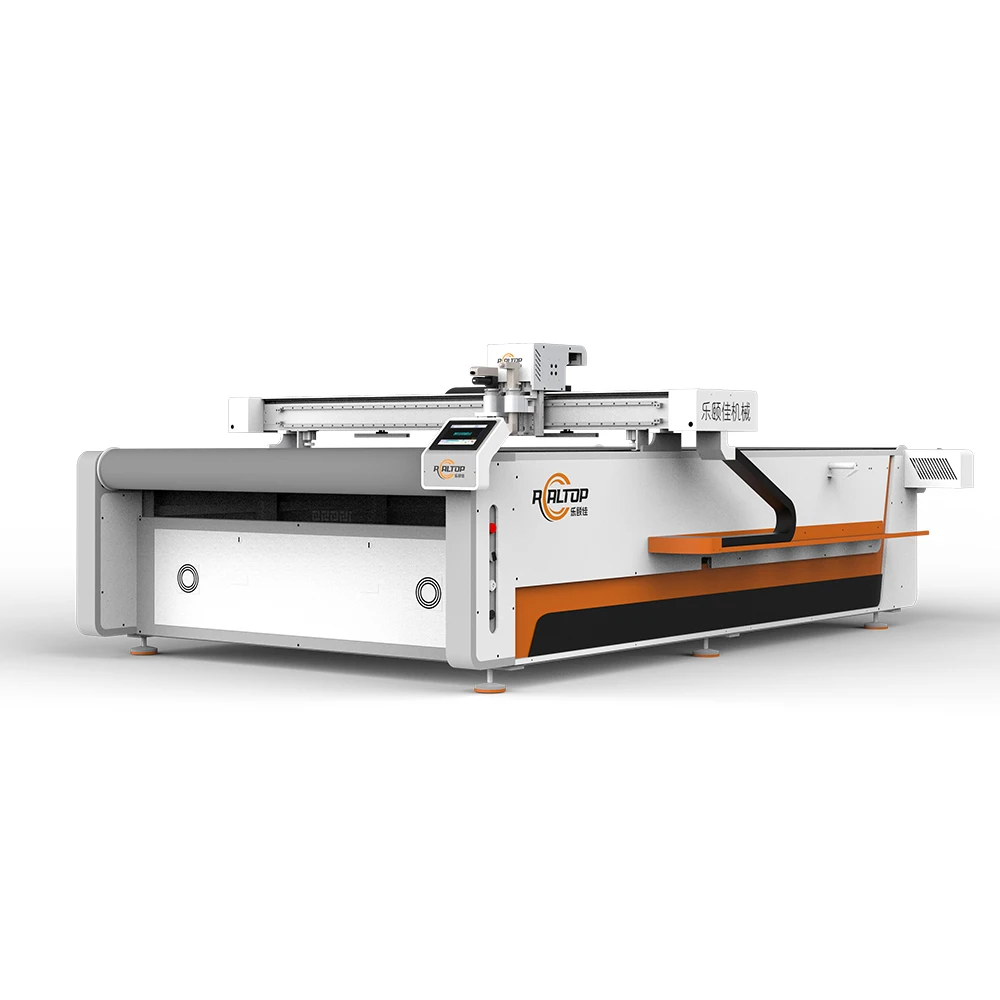
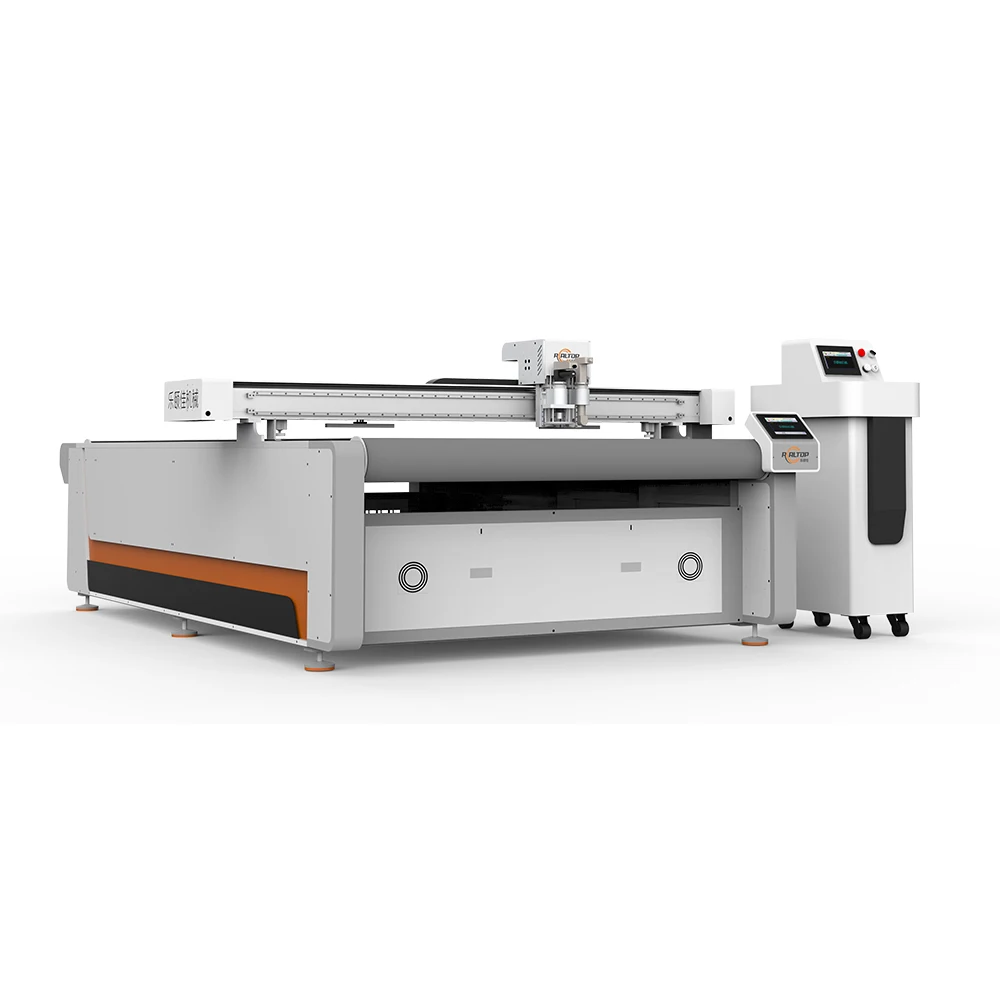
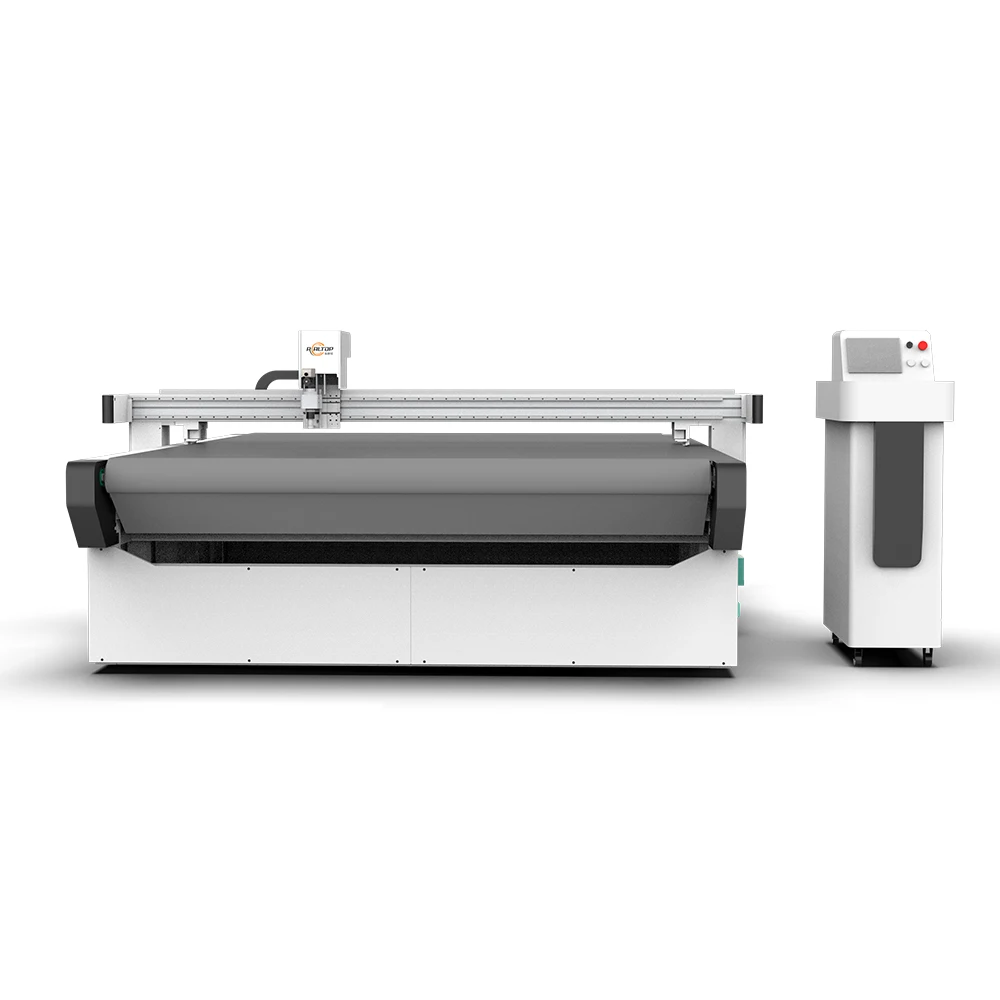
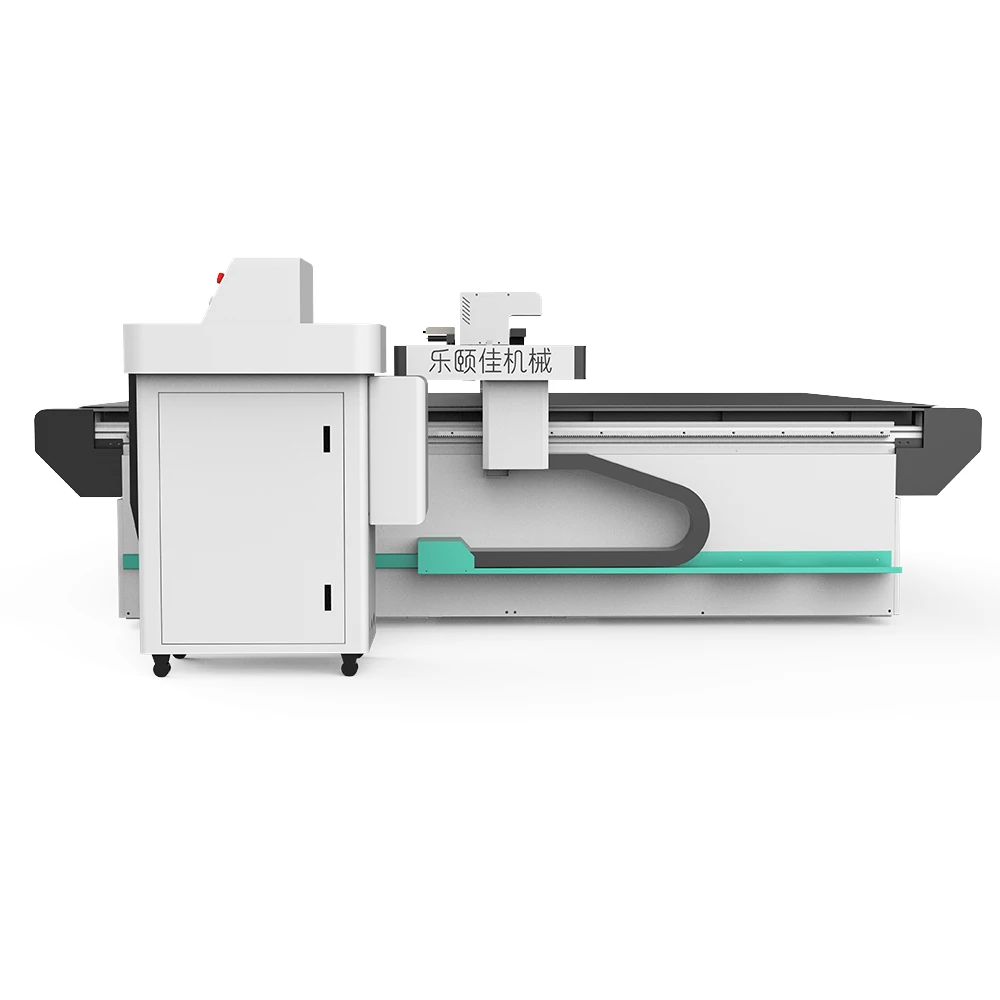
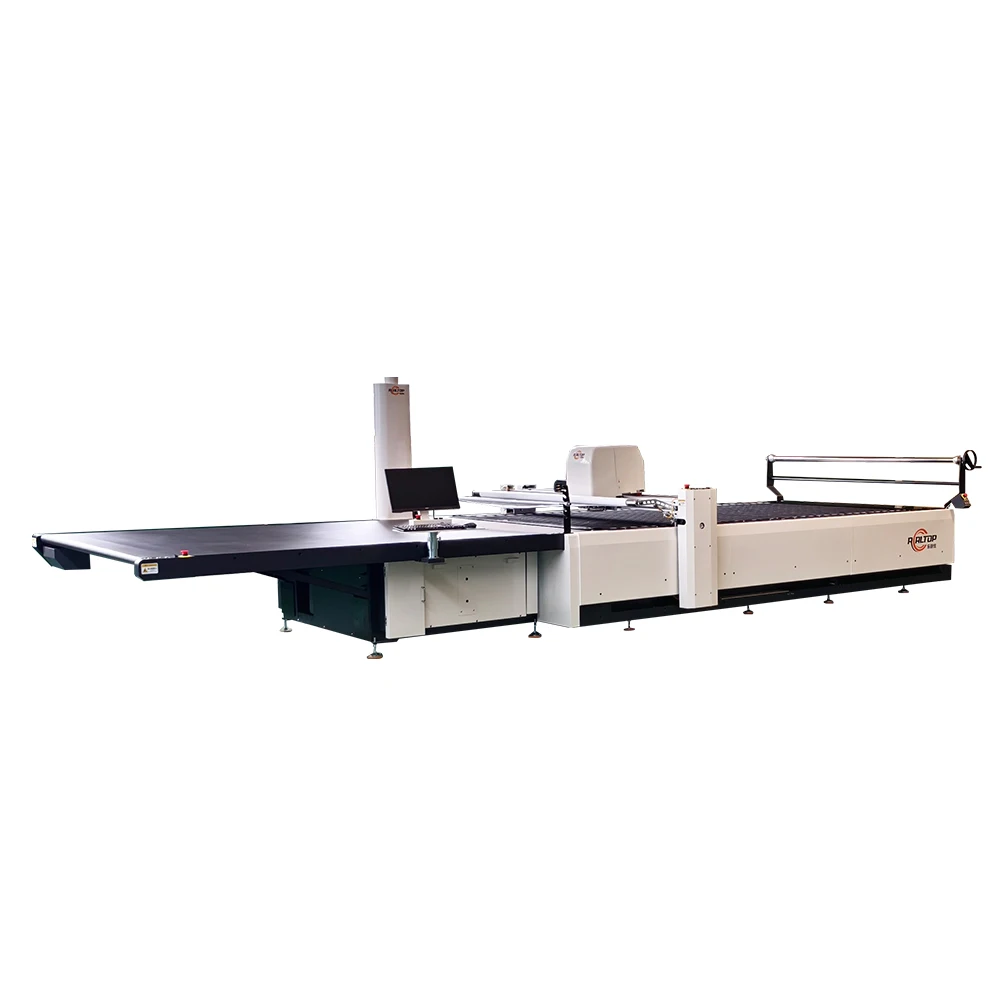
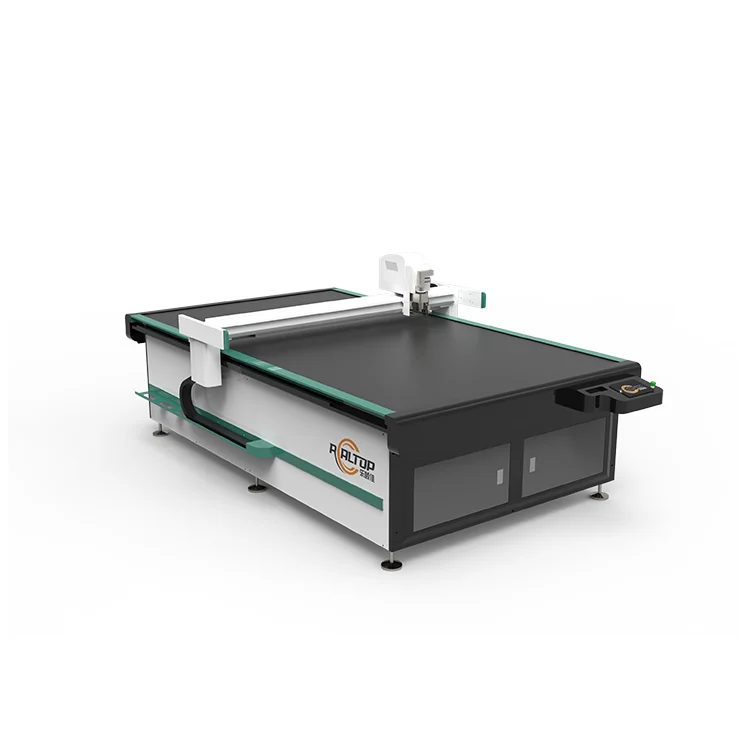
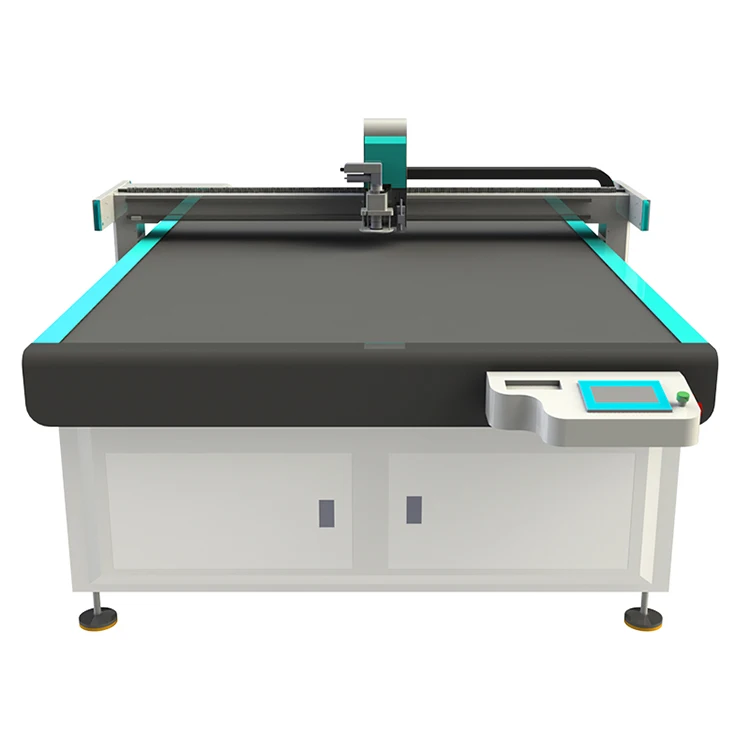
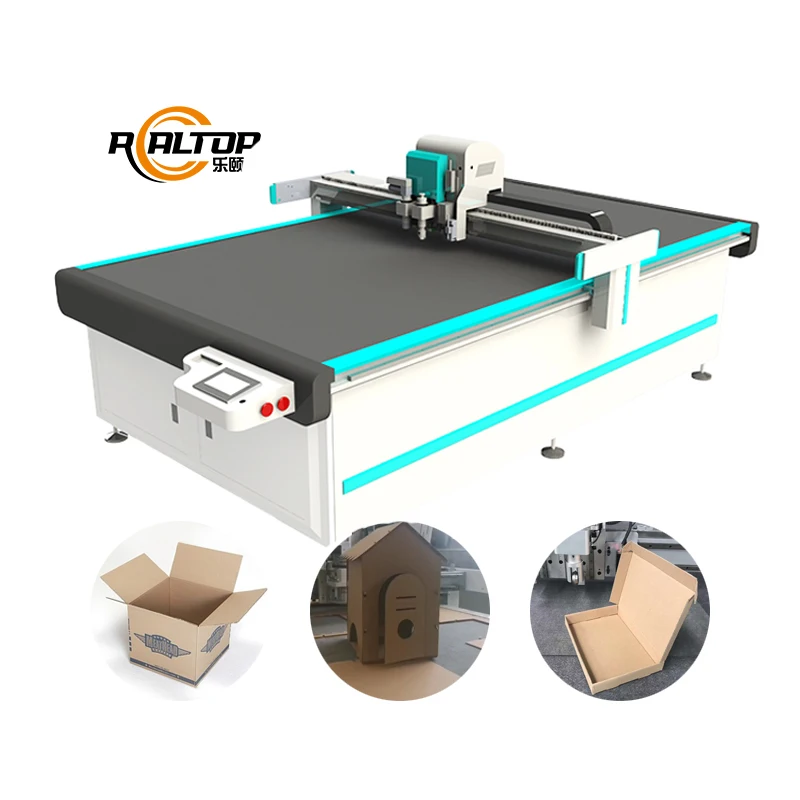
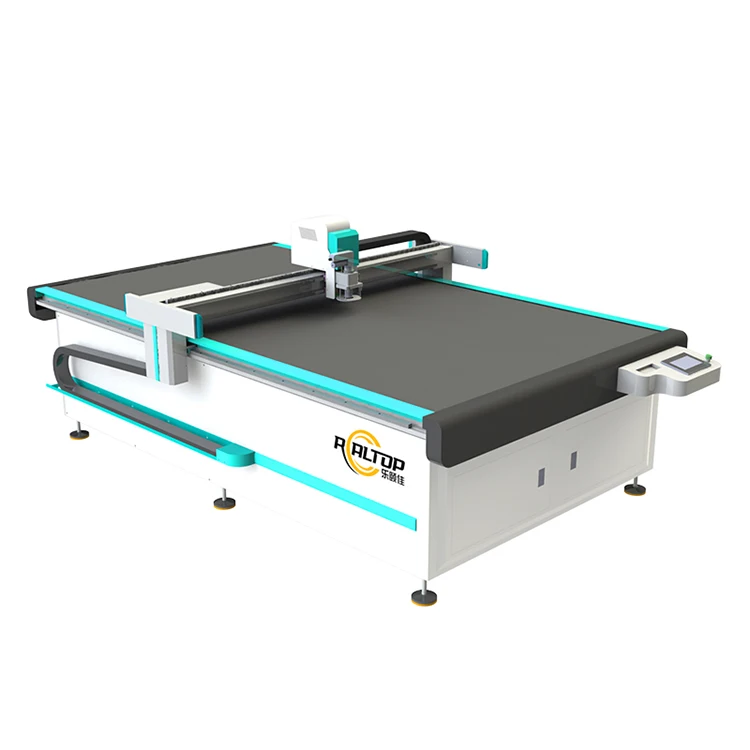
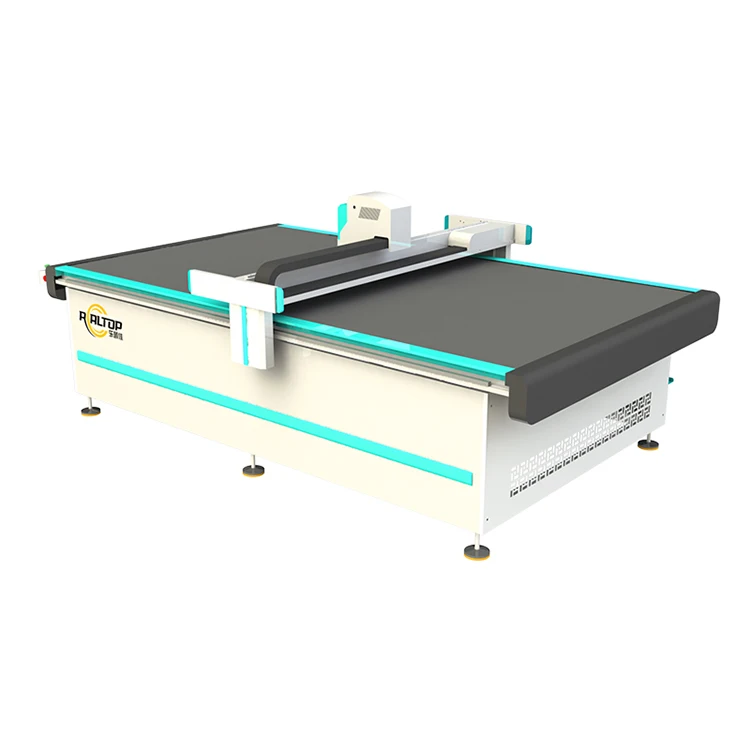
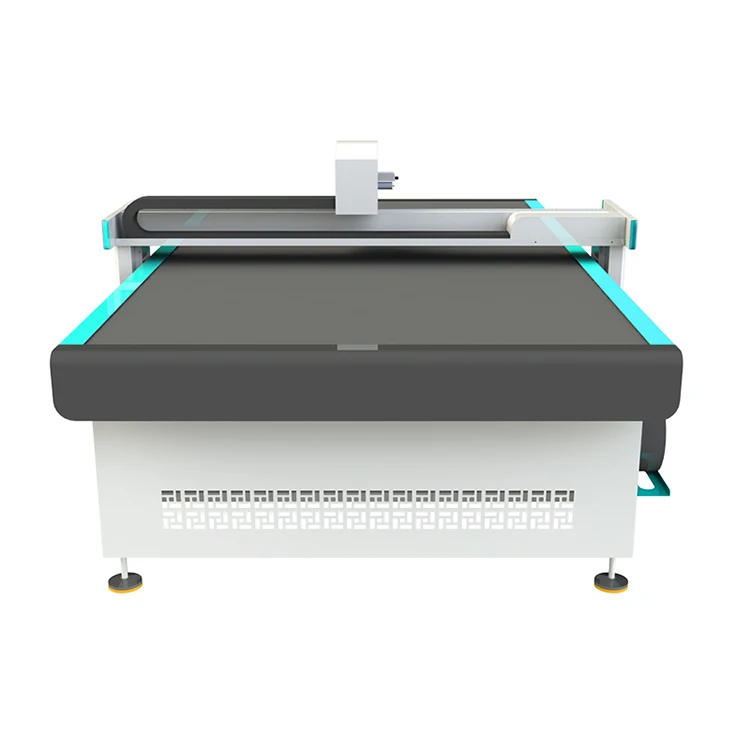
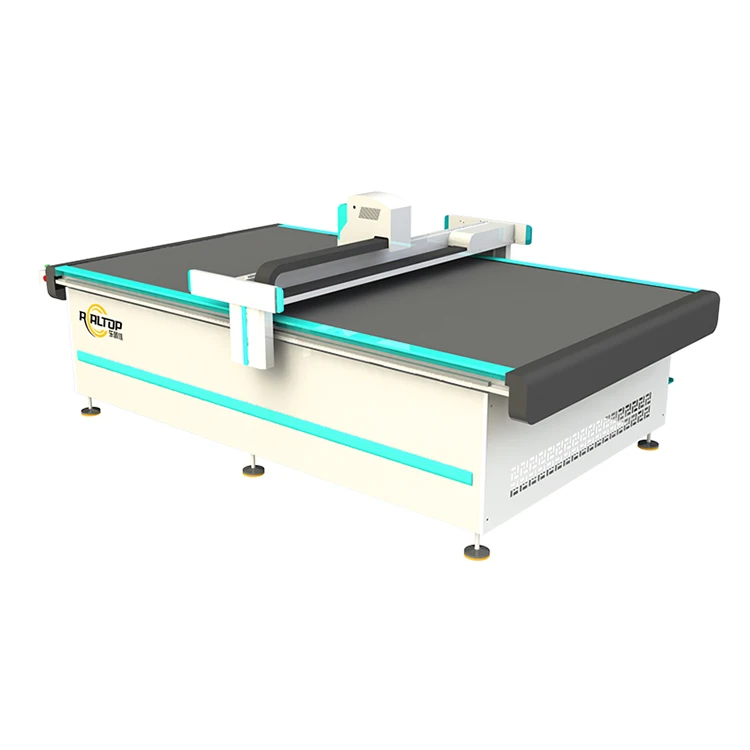
| Product Type | CNC Oscillating Knife Fabric Cutting Machine |
| Working Area | 1600×2500 mm |
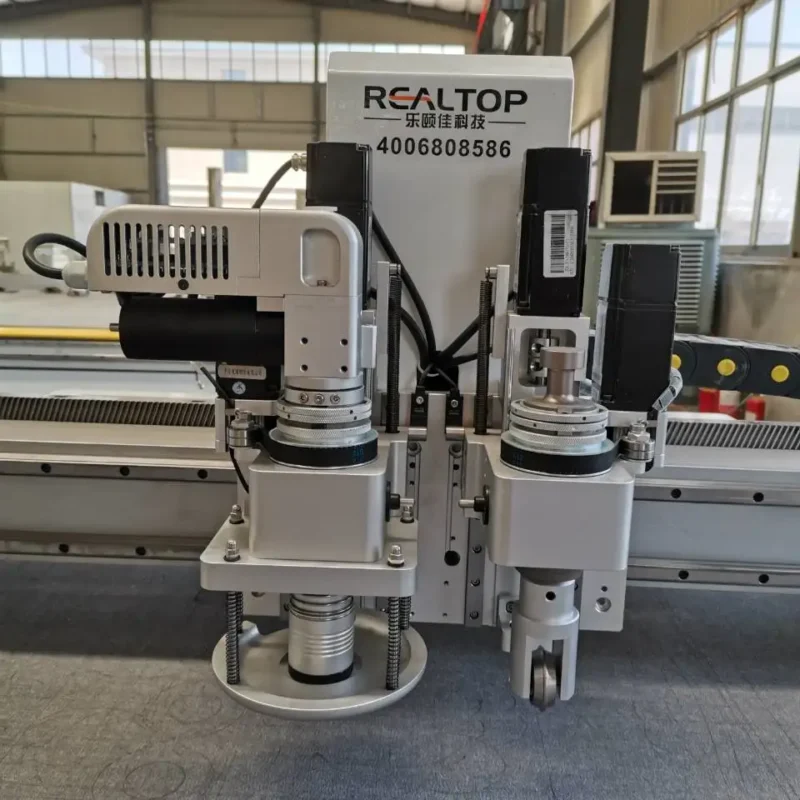
| Available Tool Heads | Oscillating knife, Driven rotary knife, Creasing wheel, Kiss cutting tool, Pneumatic knife, Milling tool, V groove knife |
| Cutting Speed | 0–2000 mm/s |
| Maximum Cutting Thickness | ≤ 30 mm (basis not stated in source — confirm material type and layer count) |
| Positioning Accuracy | ± 0.1 mm |
| Vacuum Pump Power | 9 kW |
| Vacuum Table Type | Aluminum bellows vacuum table |
| Machine Frame | Heavy-duty frame with precision-ground surface |
| Servo Drive Options | Panasonic, Delta, Dorna (source value — verify against manufacturer catalog for availability) |
| Control System | PLC control panel with optional display languages |
| Software Language Options | English, Russian, Italian, Chinese (special languages customizable) |
| Supported File Formats | PLT, DXF, AI, PDF |
| Voltage Options | 110V / 220V / 380V (frequency not stated in source — confirm 50/60Hz) |
| Safety Devices | Infrared sensor device, Emergency stop device |
| Machine Dimensions (L×W×H) | 3300×2100×1350 mm |
| Certification | CE |
Application Suitability
| Application | Material or Output |
|---|---|
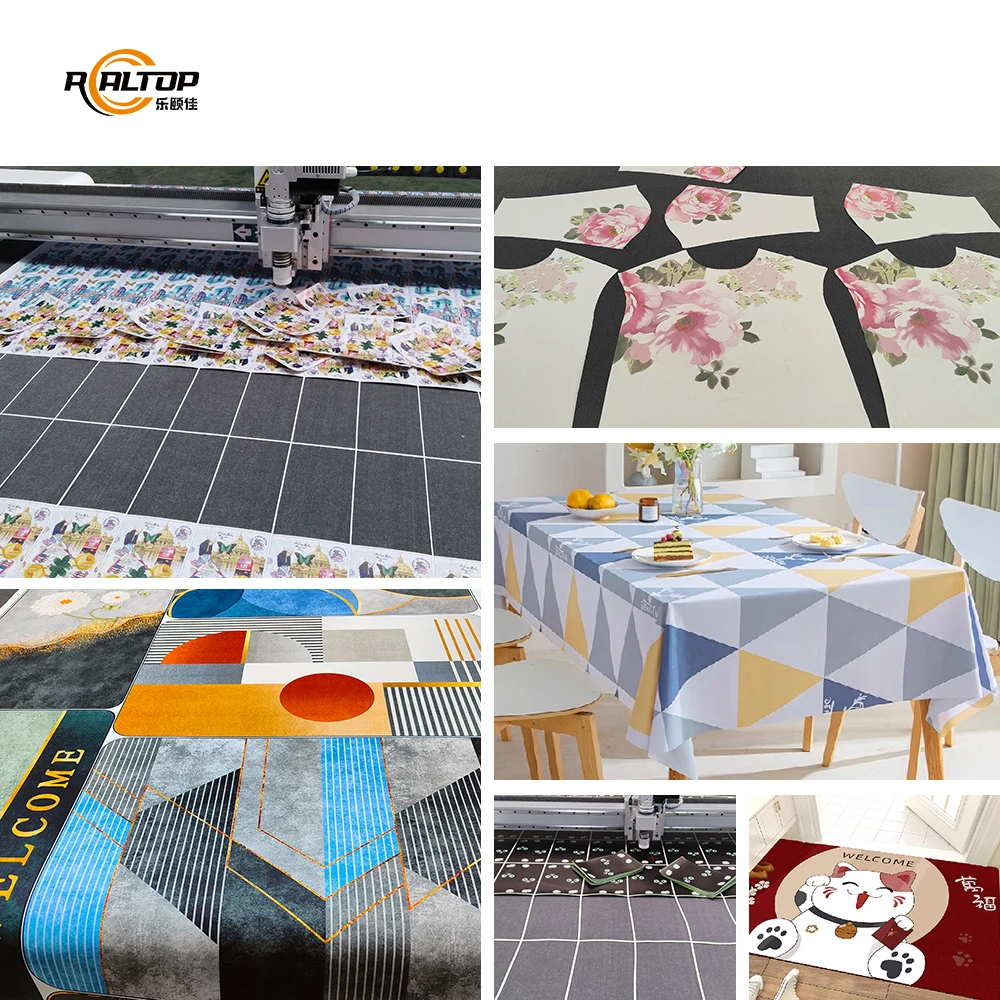
| Apparel manufacturing | Suits, knitwear, lace, complex fabrics, pattern-matching layouts |
| Automotive interiors | Seat fabrics, carpets, PVC mats |
| Home textiles | Sofa fabrics, curtains, rugs, multi-layer cutting |
| Composite material processing | Carbon fiber prepreg, aramid, specialty materials |
| General flexible materials | Fabric, cardboard, carton, mats, PVC, EVA, leather, acrylic, foam, PTFE, rubber |
Why "One Blade Fits All" Destroys Your Fabric Yield
The right cutting method depends on your fabric coating, weave density and layer count — not just the machine’s working area.
I have seen buyers choose a machine based purely on bed size, only to find the standard oscillating knife tears through coated polyester or leaves crushed edges on multi-layer foam laminates. The cutting speed drops, the edge quality falls outside tolerance, and the production line stalls while operators adjust parameters manually. A CNC fabric cutting machine manufacturer should ask for your actual material sample before recommending a tool head, not after the machine arrives [NEED_CITE: material-specific tool head selection in digital cutting].
Matching the Cutting Method to the Fabric Weight
A standard woven cotton or single-layer denim responds well to a high-frequency oscillating knife, producing clean edges at the upper end of the speed range. The same tool on a multi-layer stack of technical textiles can cause ply shifting if the vacuum hold-down and blade amplitude are not adjusted together. Selecting the correct tool head from the available range — oscillating, driven rotary, pneumatic — is the first decision a reliable CNC fabric cutting machine manufacturer will address with you.
Vacuum Zoning and Small Part Hold-Down
The 9 kW vacuum pump on the aluminum bellows table generates strong suction, but full-table vacuum wastes energy and can lift lightweight scraps into the blade path. Proper zoning isolates suction to the active cutting area, which matters when cutting small collar pieces or automotive gussets from a large fabric lay. Without zoning, small parts shift mid-cut, producing rejected pieces that operators must re-cut by hand.
Reading the Numbers That Actually Matter
The ± 0.1 mm positioning accuracy holds across the 1600×2500 mm working area when the machine frame remains thermally stable and the servo drives track correctly. The 0–2000 mm/s cutting speed range is achievable on thin, non-coated single layers; thicker stacks and coated fabrics require slower travel to maintain edge quality. The PLC control system processes PLT, DXF, AI and PDF files directly, which avoids format conversion errors common in apparel and automotive nesting workflows. Servo drive options spanning Panasonic, Delta and Dorna allow buyers to match spare parts availability in their local market [NEED_CITE: servo drive compatibility in CNC cutting equipment].
The Hidden Cost of Skipping the Sample Cut
When a buyer accepts a quotation without testing their own material on the machine, the first production run becomes the sample test — conducted on paid fabric, under delivery pressure. Ragged edges on coated composites, delamination on multi-layer foam, and crushed pile on velvet are all failures that surface only when the actual production material meets the blade. Requesting a sample cutting report on your specific fabric before order confirmation eliminates this risk entirely [NEED_CITE: fabric sample cutting validation protocol].
What Distinguishes This Equipment Range
The design team covers both knife and laser cutting technologies in-house, so a buyer cutting mixed material orders can match each fabric to the appropriate method rather than forcing one technology across all jobs. Tool head and table configuration are specified per material type and daily production volume, not left as a generic package. CCD camera positioning is available for printed contour work where scan-and-cut accuracy matters. Voltage, control language and software compatibility are confirmed before the machine enters production. The factory tests each unit on material representative of the buyer’s workload before dispatch.
Documentation & Verification
- Machine specification sheet listing confirmed tool head and vacuum table zoning configuration
- Electrical schematic with voltage and frequency matched to destination market
- Sample cutting report produced on buyer-supplied fabric material
- Software licence with file format compatibility note for PLT, DXF, AI, PDF
- Factory test record including cutting accuracy measurement on specified material
- Spare parts list with servo drive and blade consumable part numbers
Installation, Commissioning & Support
- Floor space planning based on 3300×2100 mm machine footprint plus operator clearance
- Dedicated circuit matching confirmed 110V, 220V or 380V option with correct frequency
- Heavy-duty frame leveling on precision-ground foundation before vacuum table calibration
- First-run parameter tuning on buyer’s actual fabric for speed, blade amplitude and vacuum zone
- PLC control language set to operator preference from available English, Russian, Italian or Chinese
- Blade and wear part inventory aligned with local supplier availability
Preparing Your Inquiry
To receive an accurate configuration and quotation, provide the specific fabric type, coating or laminate composition, typical layer count and maximum sheet size your production uses. Include your facility voltage and frequency, preferred control language, and daily cutting volume target so the tool head and table size recommendation reflects your actual workflow.
Frequently Asked Questions
Q: How do I choose between oscillating knife, rotary knife and laser for my fabric type?
A: Single-layer woven fabrics cut cleanly with an oscillating knife at higher speeds. Driven rotary knives suit continuous contour work on lighter textiles. Laser cutting seals edges on synthetics but can discolor natural fibers. Send your material for a sample cut so the tool recommendation matches your actual fabric rather than a general guideline.
Q: What voltage, frequency and control language options are available?
A: The machine supports 110V, 220V or 380V configurations. Frequency must be confirmed as 50Hz or 60Hz to match your local grid before production. Control panel languages include English, Russian, Italian and Chinese, with special languages customizable upon request.
Q: Can I send my own material for sample cutting before placing an order?
A: Yes. Send a representative sample of your actual production fabric, including any coatings, laminates or backing layers. The sample cutting report documents edge quality, cutting speed and tool head configuration tested on your specific material.
Q: How is the vacuum table zoning configured for small versus large fabric parts?
A: The aluminum bellows vacuum table can be divided into zones so suction concentrates under the active cutting area. This prevents small parts from lifting or shifting during cutting and reduces energy consumption when processing large sheets with localized nesting layouts.
Q: What file formats and nesting workflows does the software support?
A: The control software imports PLT, DXF, AI and PDF files directly. This compatibility covers standard outputs from most apparel, automotive and packaging design systems, reducing format conversion steps between design and production.
Tool-to-Material Matching — every configuration is built around your actual fabric weight, layer count and edge quality requirement, not a generic working area.
Technical Specifications
| Parameter | Value |
|---|---|
| Product Type | CNC Oscillating Knife Fabric Cutting Machine |
| Working Area | 1600×2500 mm |
| Available Tool Heads | Oscillating knife, Driven rotary knife, Creasing wheel, Kiss cutting tool, Pneumatic knife, Milling tool, V groove knife |
| Cutting Speed | 0–2000 mm/s |
| Maximum Cutting Thickness | ≤ 30 mm (basis not stated in source — confirm material type and layer count) |
| Positioning Accuracy | ± 0.1 mm |
| Vacuum Pump Power | 9 kW |
| Vacuum Table Type | Aluminum bellows vacuum table |
| Machine Frame | Heavy-duty frame with precision-ground surface |
| Servo Drive Options | Panasonic, Delta, Dorna (source value — verify against manufacturer catalog for availability) |
| Control System | PLC control panel with optional display languages |
| Software Language Options | English, Russian, Italian, Chinese (special languages customizable) |
| Supported File Formats | PLT, DXF, AI, PDF |
| Voltage Options | 110V / 220V / 380V (frequency not stated in source — confirm 50/60Hz) |
| Safety Devices | Infrared sensor device, Emergency stop device |
| Machine Dimensions (L×W×H) | 3300×2100×1350 mm |
| Certification | CE |
Application Suitability
| Application | Material or Output |
|---|---|
| Apparel manufacturing | Suits, knitwear, lace, complex fabrics, pattern-matching layouts |
| Automotive interiors | Seat fabrics, carpets, PVC mats |
| Home textiles | Sofa fabrics, curtains, rugs, multi-layer cutting |
| Composite material processing | Carbon fiber prepreg, aramid, specialty materials |
| General flexible materials | Fabric, cardboard, carton, mats, PVC, EVA, leather, acrylic, foam, PTFE, rubber |
Why "One Blade Fits All" Destroys Your Fabric Yield
The right cutting method depends on your fabric coating, weave density and layer count — not just the machine’s working area.
I have seen buyers choose a machine based purely on bed size, only to find the standard oscillating knife tears through coated polyester or leaves crushed edges on multi-layer foam laminates. The cutting speed drops, the edge quality falls outside tolerance, and the production line stalls while operators adjust parameters manually. A CNC fabric cutting machine manufacturer should ask for your actual material sample before recommending a tool head, not after the machine arrives [NEED_CITE: material-specific tool head selection in digital cutting].
Matching the Cutting Method to the Fabric Weight
A standard woven cotton or single-layer denim responds well to a high-frequency oscillating knife, producing clean edges at the upper end of the speed range. The same tool on a multi-layer stack of technical textiles can cause ply shifting if the vacuum hold-down and blade amplitude are not adjusted together. Selecting the correct tool head from the available range — oscillating, driven rotary, pneumatic — is the first decision a reliable CNC fabric cutting machine manufacturer will address with you.
Vacuum Zoning and Small Part Hold-Down
The 9 kW vacuum pump on the aluminum bellows table generates strong suction, but full-table vacuum wastes energy and can lift lightweight scraps into the blade path. Proper zoning isolates suction to the active cutting area, which matters when cutting small collar pieces or automotive gussets from a large fabric lay. Without zoning, small parts shift mid-cut, producing rejected pieces that operators must re-cut by hand.
Reading the Numbers That Actually Matter
The ± 0.1 mm positioning accuracy holds across the 1600×2500 mm working area when the machine frame remains thermally stable and the servo drives track correctly. The 0–2000 mm/s cutting speed range is achievable on thin, non-coated single layers; thicker stacks and coated fabrics require slower travel to maintain edge quality. The PLC control system processes PLT, DXF, AI and PDF files directly, which avoids format conversion errors common in apparel and automotive nesting workflows. Servo drive options spanning Panasonic, Delta and Dorna allow buyers to match spare parts availability in their local market [NEED_CITE: servo drive compatibility in CNC cutting equipment].
The Hidden Cost of Skipping the Sample Cut
When a buyer accepts a quotation without testing their own material on the machine, the first production run becomes the sample test — conducted on paid fabric, under delivery pressure. Ragged edges on coated composites, delamination on multi-layer foam, and crushed pile on velvet are all failures that surface only when the actual production material meets the blade. Requesting a sample cutting report on your specific fabric before order confirmation eliminates this risk entirely [NEED_CITE: fabric sample cutting validation protocol].
What Distinguishes This Equipment Range
The design team covers both knife and laser cutting technologies in-house, so a buyer cutting mixed material orders can match each fabric to the appropriate method rather than forcing one technology across all jobs. Tool head and table configuration are specified per material type and daily production volume, not left as a generic package. CCD camera positioning is available for printed contour work where scan-and-cut accuracy matters. Voltage, control language and software compatibility are confirmed before the machine enters production. The factory tests each unit on material representative of the buyer’s workload before dispatch.
Documentation & Verification
- Machine specification sheet listing confirmed tool head and vacuum table zoning configuration
- Electrical schematic with voltage and frequency matched to destination market
- Sample cutting report produced on buyer-supplied fabric material
- Software licence with file format compatibility note for PLT, DXF, AI, PDF
- Factory test record including cutting accuracy measurement on specified material
- Spare parts list with servo drive and blade consumable part numbers
Installation, Commissioning & Support
- Floor space planning based on 3300×2100 mm machine footprint plus operator clearance
- Dedicated circuit matching confirmed 110V, 220V or 380V option with correct frequency
- Heavy-duty frame leveling on precision-ground foundation before vacuum table calibration
- First-run parameter tuning on buyer’s actual fabric for speed, blade amplitude and vacuum zone
- PLC control language set to operator preference from available English, Russian, Italian or Chinese
- Blade and wear part inventory aligned with local supplier availability
Preparing Your Inquiry
To receive an accurate configuration and quotation, provide the specific fabric type, coating or laminate composition, typical layer count and maximum sheet size your production uses. Include your facility voltage and frequency, preferred control language, and daily cutting volume target so the tool head and table size recommendation reflects your actual workflow.
Frequently Asked Questions
Q: How do I choose between oscillating knife, rotary knife and laser for my fabric type?
A: Single-layer woven fabrics cut cleanly with an oscillating knife at higher speeds. Driven rotary knives suit continuous contour work on lighter textiles. Laser cutting seals edges on synthetics but can discolor natural fibers. Send your material for a sample cut so the tool recommendation matches your actual fabric rather than a general guideline.
Q: What voltage, frequency and control language options are available?
A: The machine supports 110V, 220V or 380V configurations. Frequency must be confirmed as 50Hz or 60Hz to match your local grid before production. Control panel languages include English, Russian, Italian and Chinese, with special languages customizable upon request.
Q: Can I send my own material for sample cutting before placing an order?
A: Yes. Send a representative sample of your actual production fabric, including any coatings, laminates or backing layers. The sample cutting report documents edge quality, cutting speed and tool head configuration tested on your specific material.
Q: How is the vacuum table zoning configured for small versus large fabric parts?
A: The aluminum bellows vacuum table can be divided into zones so suction concentrates under the active cutting area. This prevents small parts from lifting or shifting during cutting and reduces energy consumption when processing large sheets with localized nesting layouts.
Q: What file formats and nesting workflows does the software support?
A: The control software imports PLT, DXF, AI and PDF files directly. This compatibility covers standard outputs from most apparel, automotive and packaging design systems, reducing format conversion steps between design and production.
商品评价
There are no reviews yet.