
![Automatic Die-less Cardboard Vibrating Knife Cutter Full Range 计算: - 记录ID 1626 → 数字之和 1+6+2+6=15 - 句式结构:15 mod 6 = 3 → [应用或物料] [品类词] – [站点修饰词] - 目标站 lyjcut.com → 全品类目录类角色 → 池:Manufacturer / Factory Supply / Full Range - 站点修饰词:15 mod 3 = 0 → Manufacturer - 填充结构3:Cardboard Die-less Vibrating Knife Cutter – Manufacturer 字符数:50 ✓ Automatic Die-less Cardboard Vibrating Knife Cutter Manufacturer](https://lyjcut.com/wp-content/uploads/2026/03/Hd53ad5f36f2d46c78c43ffd7ecb913207-150x150.webp)

Fast Delivery
Quick, reliable shipping to any location.

Free & easy returns
Return this item by mail or in store within 90 days for a full refund.
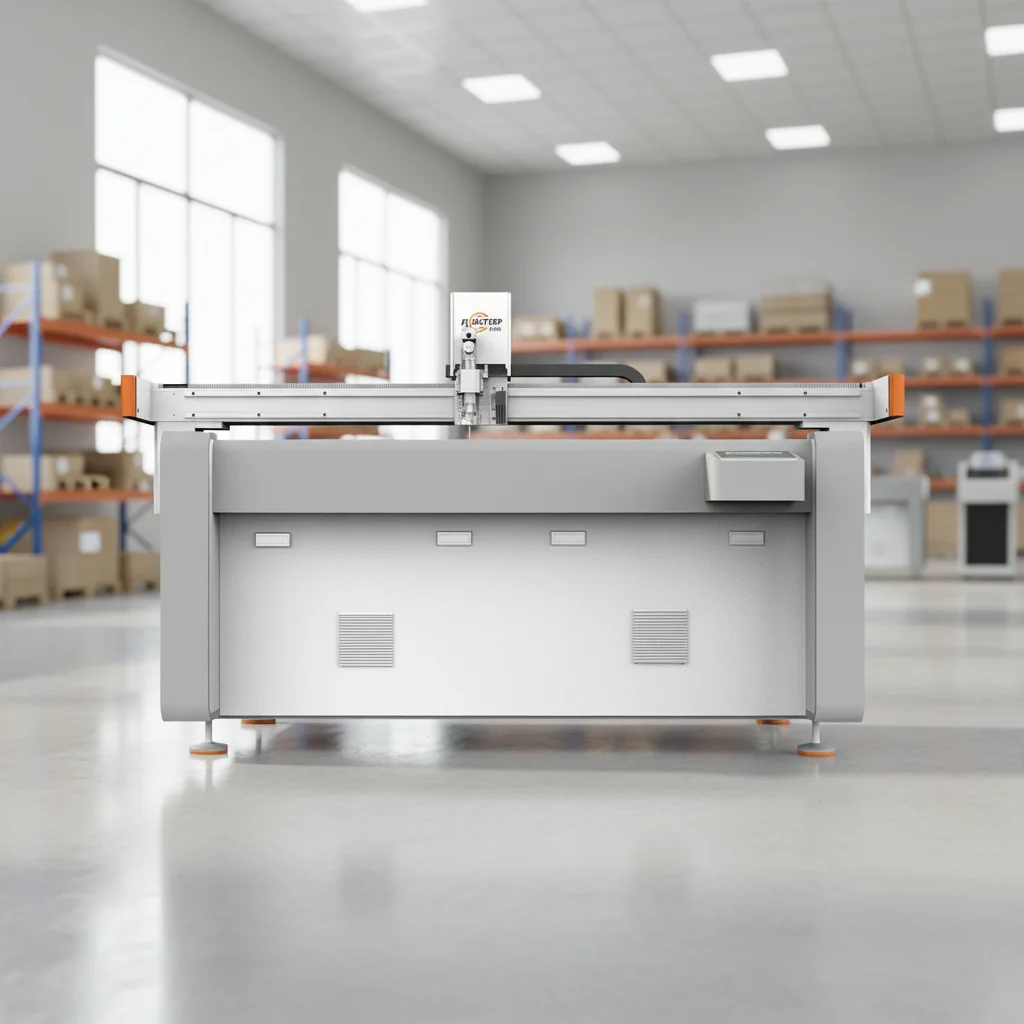
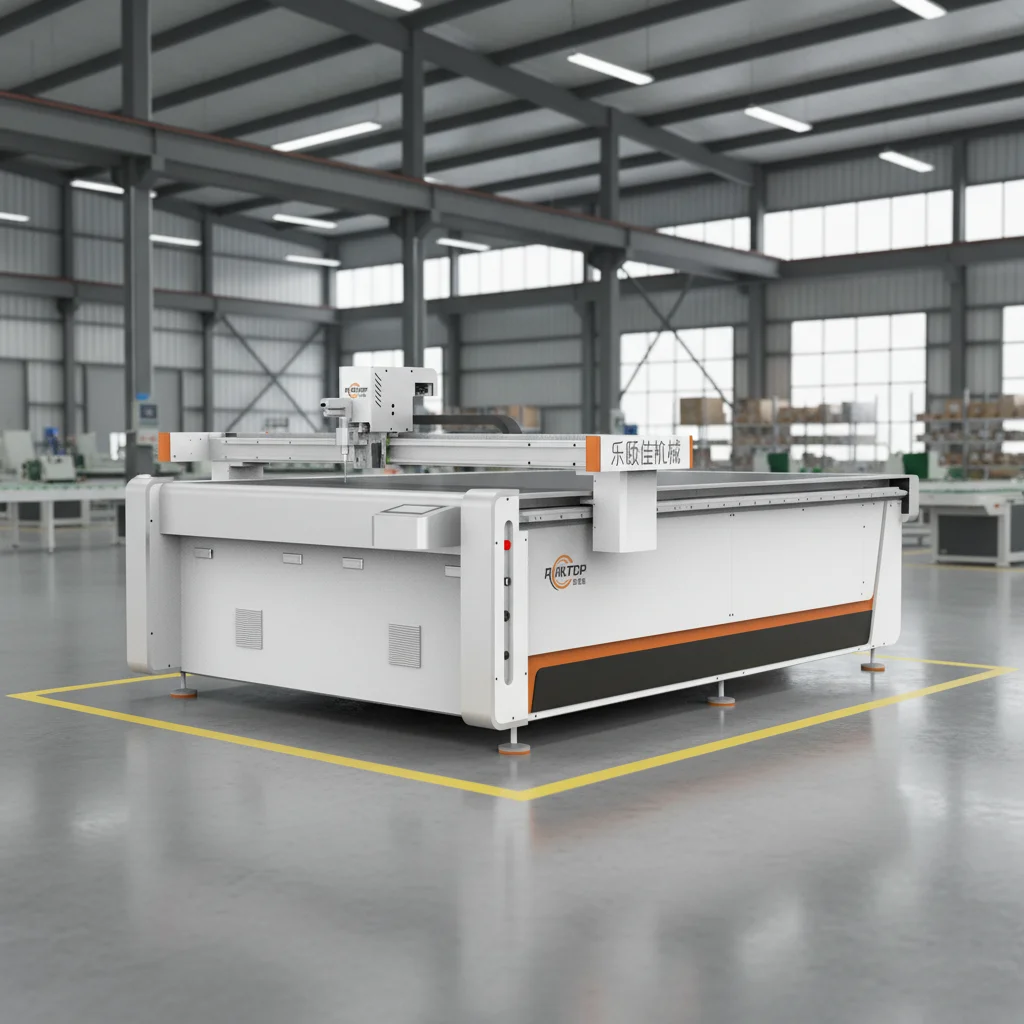
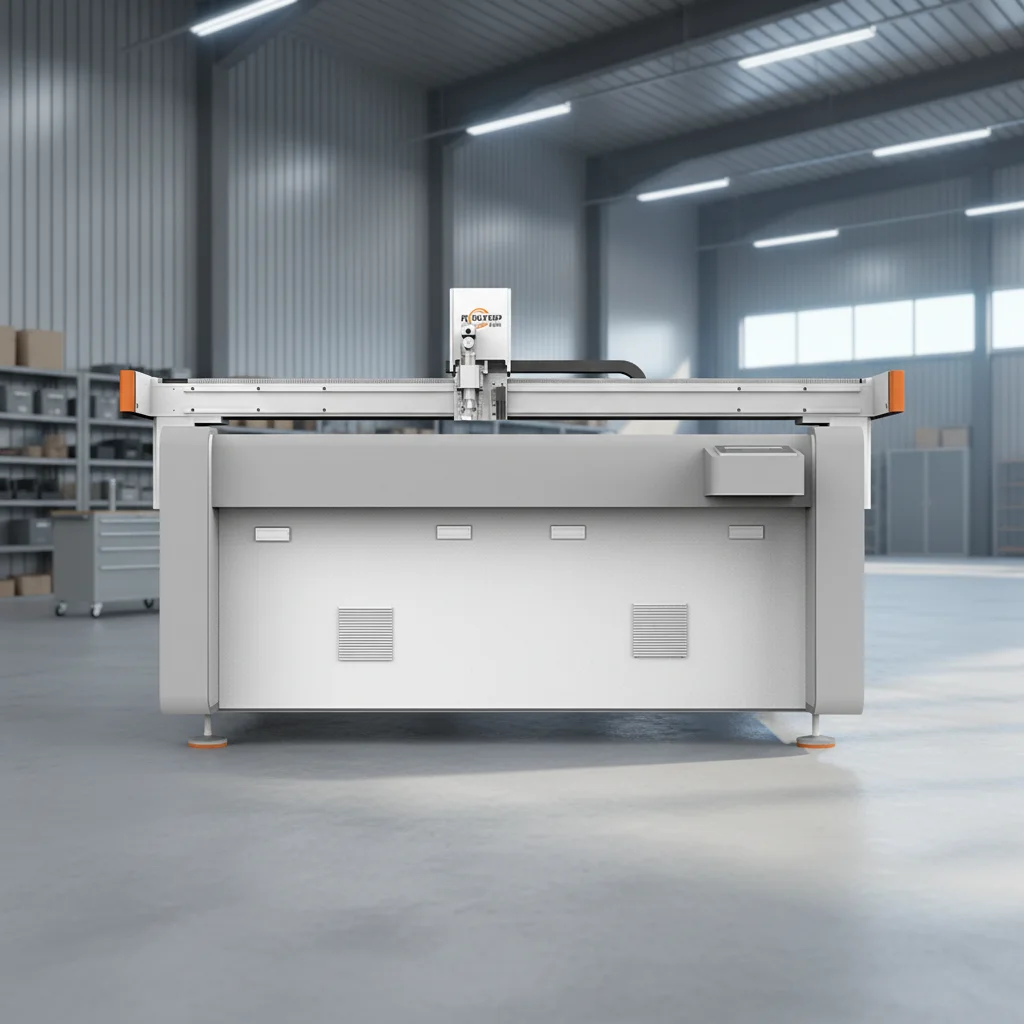
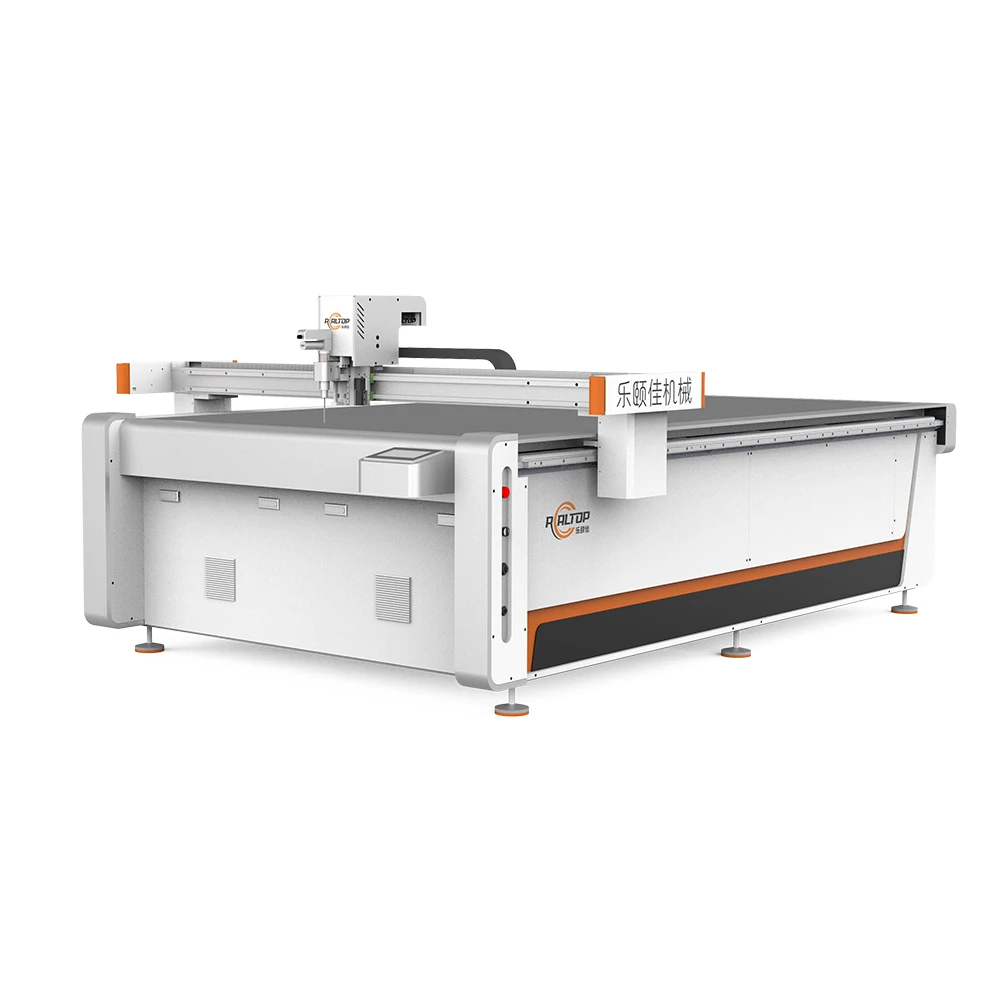
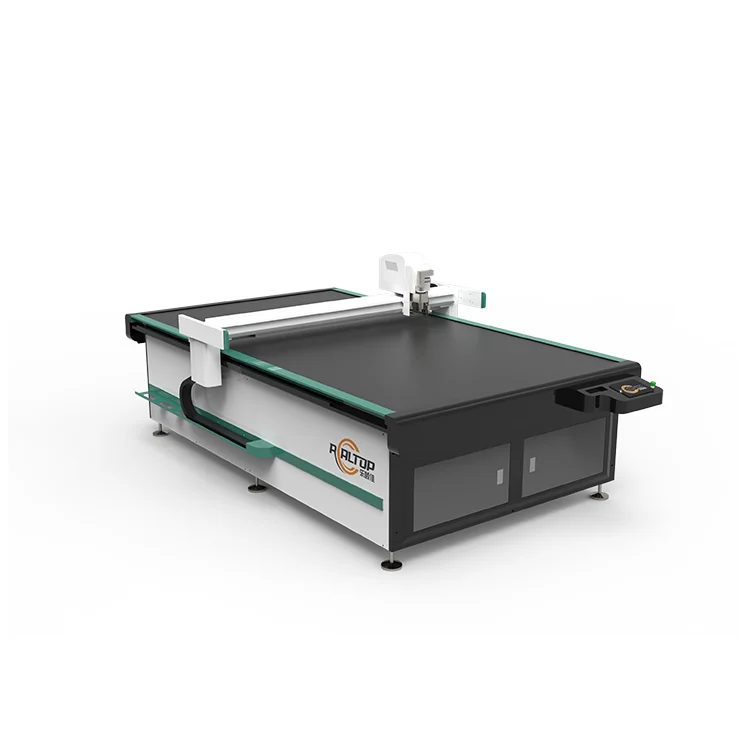
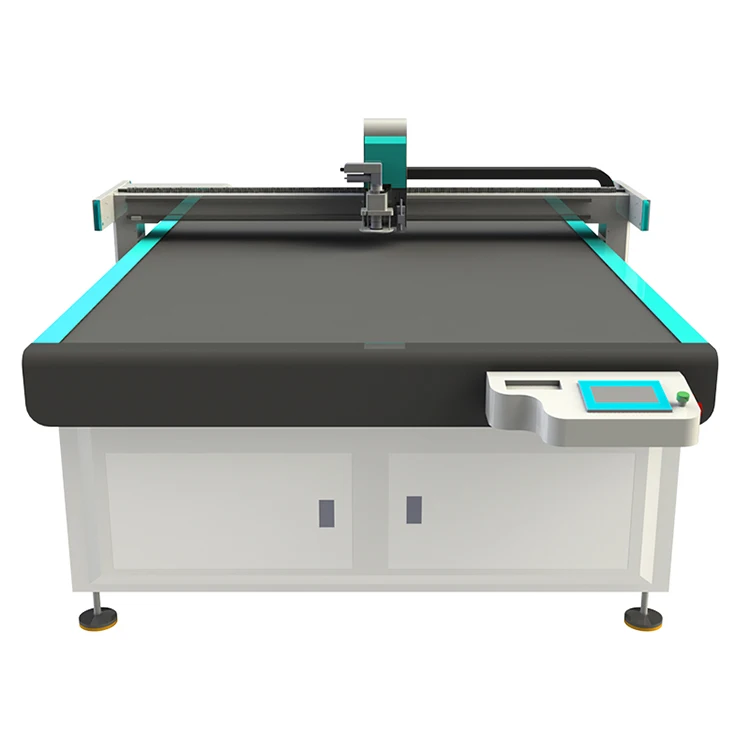
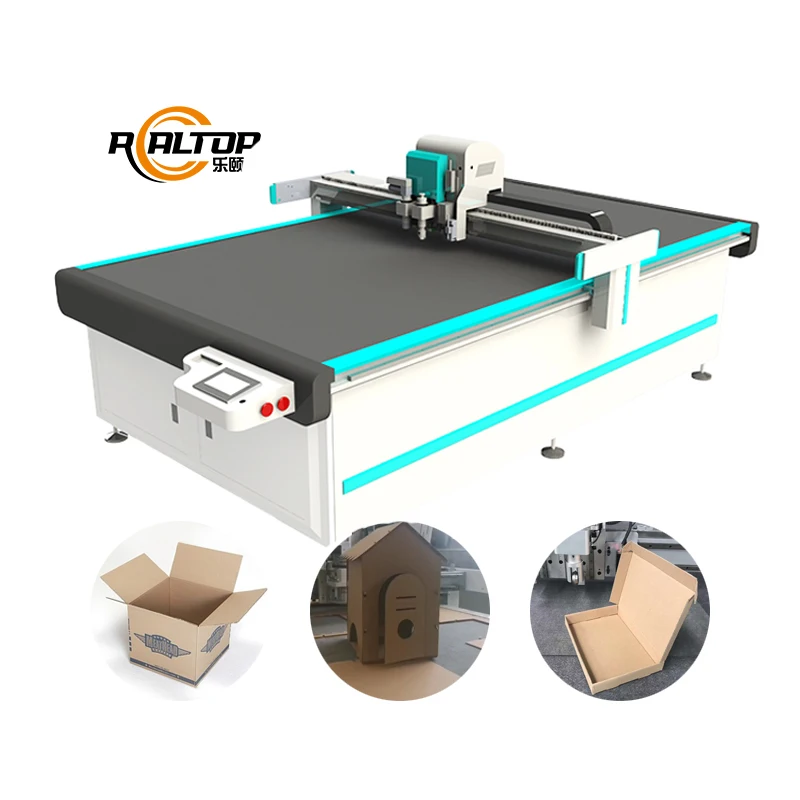
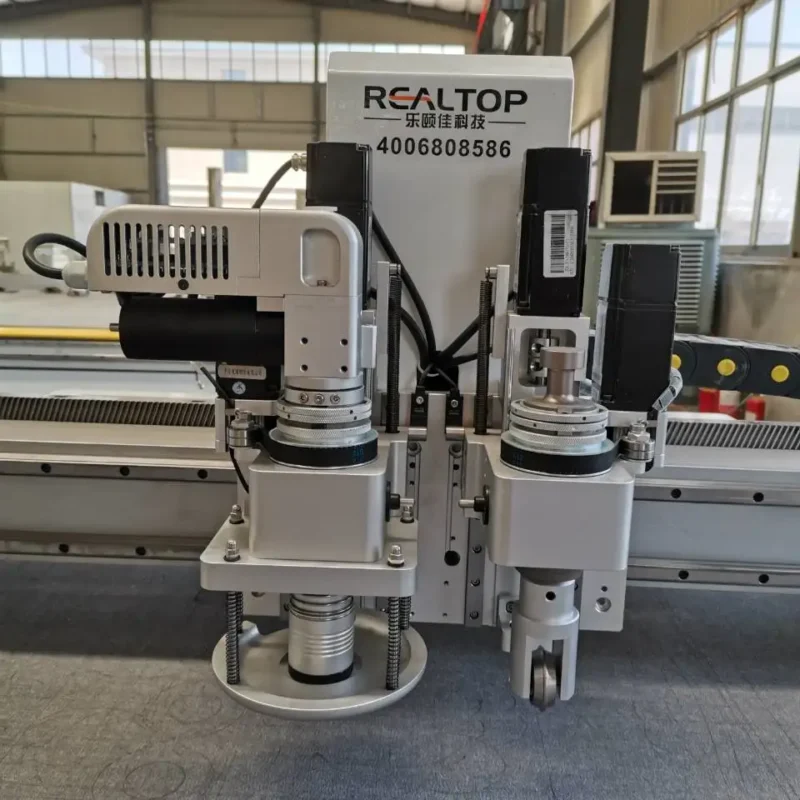
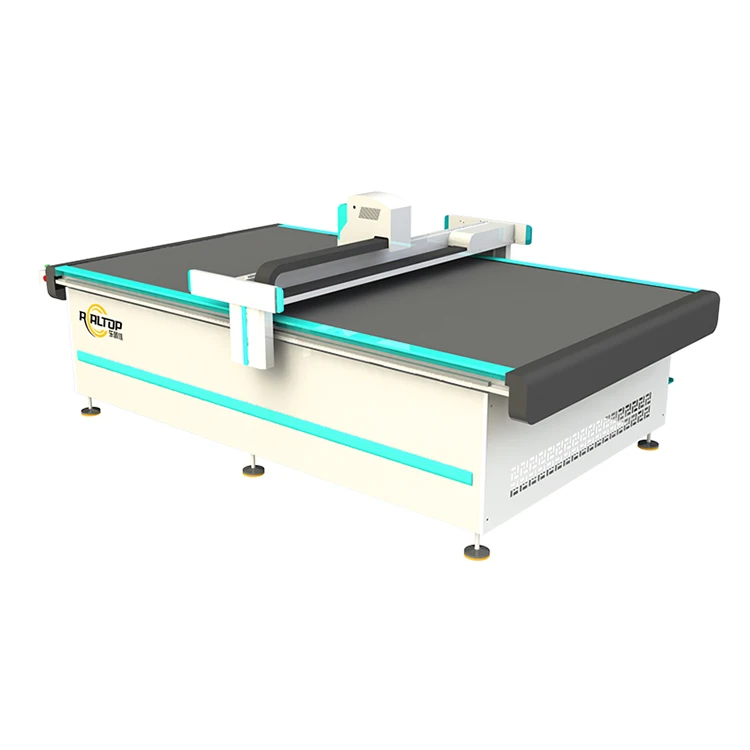
Tool head flexibility — RT-D2516/RT-S2516 platform supports oscillating, drag, creasing, V-cutting and punching tools on one gantry, letting packaging producers switch between corrugated, greyboard and foam without buying separate machines.
Technical Specifications
| Parameter | Value |
|---|---|
| Model | RT-D2516 / RT-S2516 |
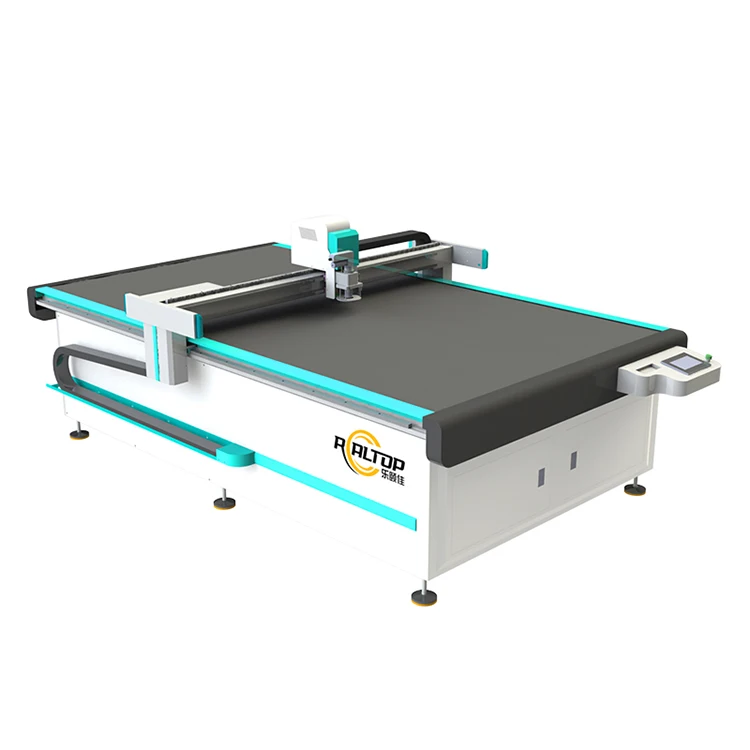
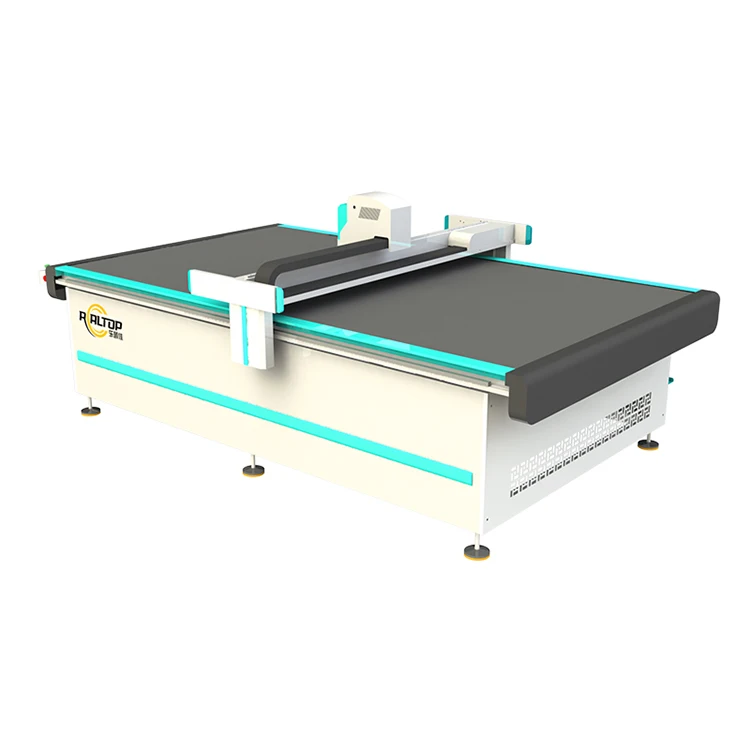
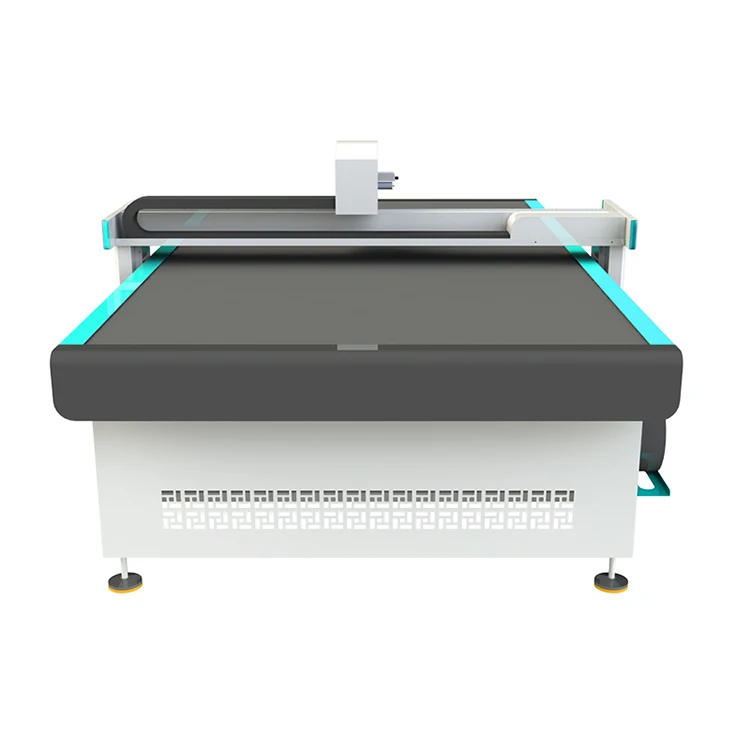
| Product Type | CNC Oscillating Knife Cutting Machine |
| Working Area | 1600 × 2500 mm |
| Overall Dimensions (L×W×H) | 3450 × 2300 × 1250 mm |
| Rated Power | 9 kW |
| Voltage | 380V ±10% |
| Table Type | Flat working table or auto-feeding table (configurable) |
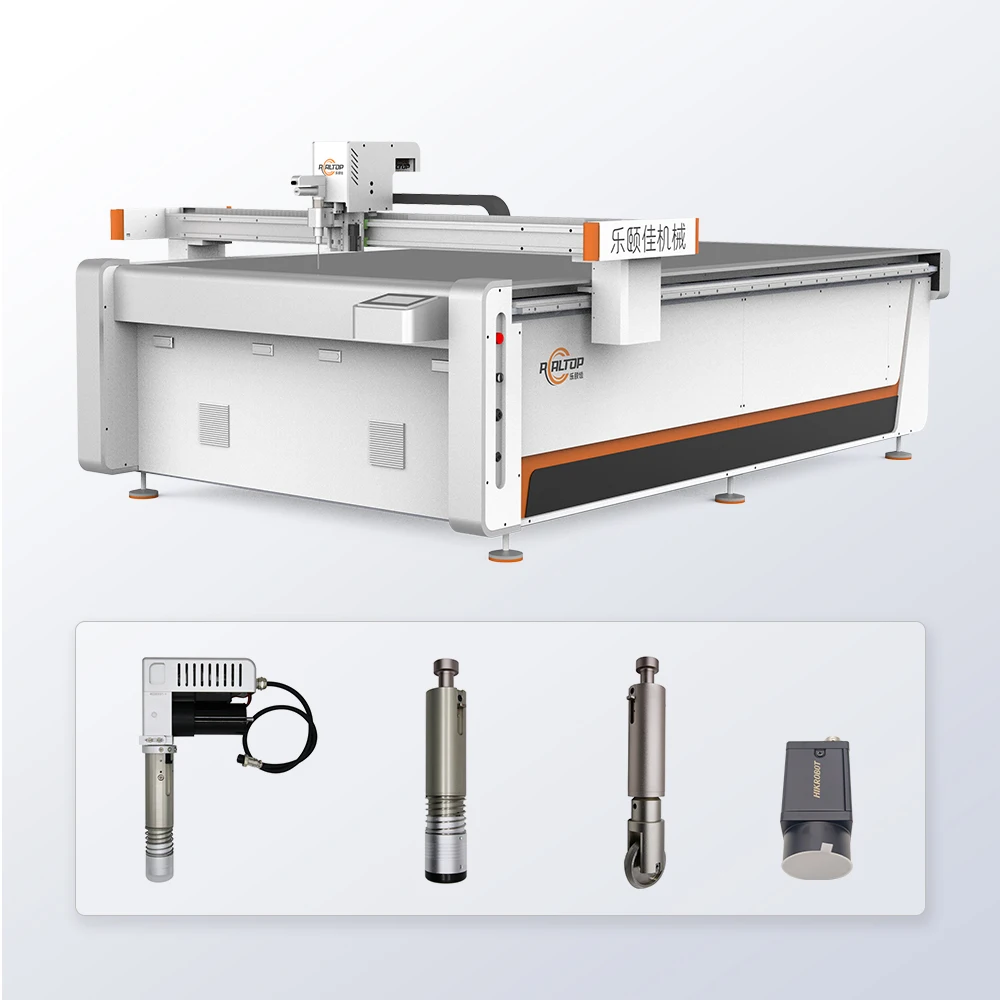
| Tool Head Options | Oscillating knife, pneumatic knife, high-power vibrating knife, circular knife, V-cutting knife, drag knife, creasing wheel, dotted-line knife, punching, brush |
| Visual Positioning | Small CCD mark-point, panoramic camera recognition, projection positioning |
| Translational Velocity | 800–2000 mm/s |
| Cutting Speed | 200–800 mm/s (varies with material type and thickness) |
| Cutting Thickness | Up to 100 mm (material-dependent) |
| Repeated Accuracy | ≤0.1 mm |
| Transmission System | Imported digital servo motor, linear guide, synchronous belt, ball screw |
| Servo Motor Options | Delta (China) or Panasonic (Japan) |
| Vacuum Pump | 7.5 kW |
| Vacuum Table | Magnesium-aluminum alloy with PVDF powder spray, anodic and hard oxidation |
| Safety Devices | Infrared sensors, anti-collision, emergency stop |
| Control Panel | Touch screen with multi-language support |
| Software File Formats | PLT, DXF, AI |
| Instruction System | HP-GL compatible |
| Language Options | English, Russian, Italian, Chinese (custom languages available) |
| Assembly State | Fully assembled before shipment |
Application Suitability
| Application | Material or Output |
|---|---|
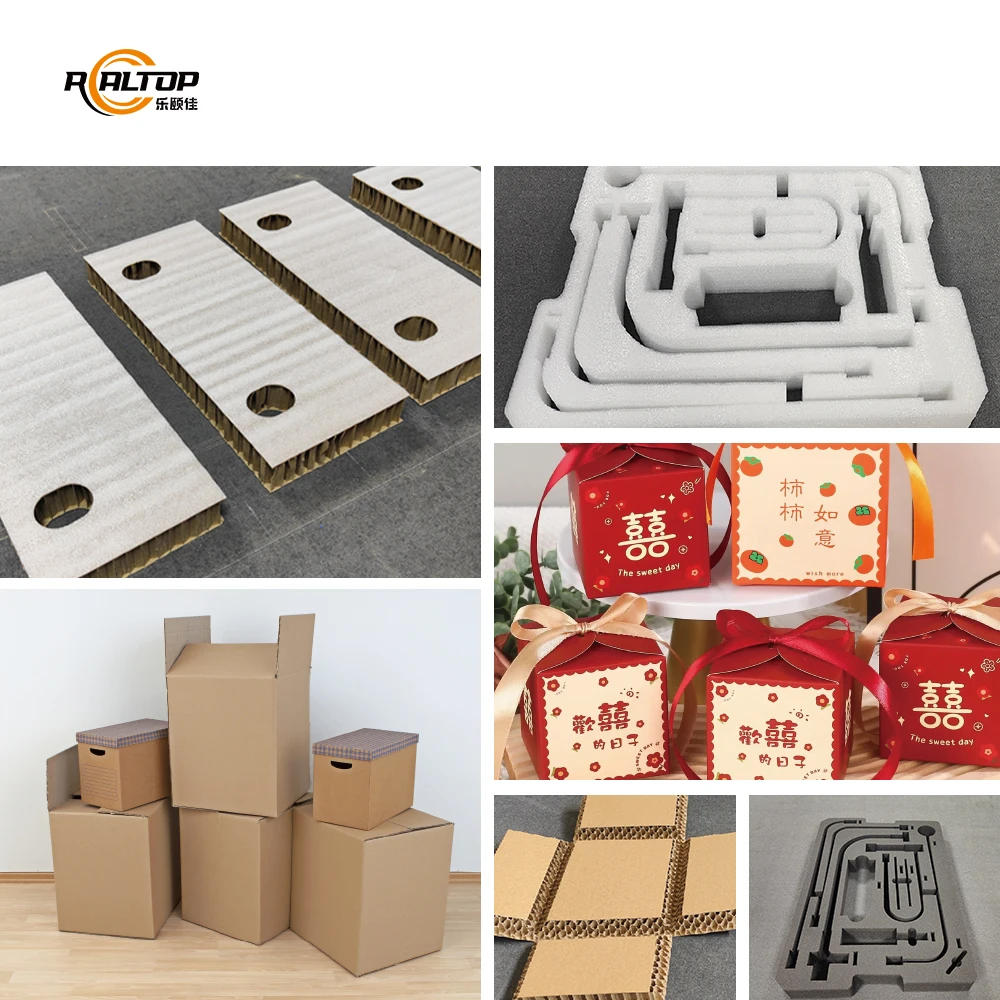
| Carton and packaging sample making | Corrugated board, greyboard, honeycomb board |
| Short-run die-cutting replacement | PVC board, foam board, rubber sheets |
| Gasket and seal production | PTFE, ETFE, silicone, composite gasket materials |
| Advertising and signage | Acrylic, sticker film, vinyl, PP, PE board |
| Automotive interior trimming | PU, EVA, XPE foam, fabric, leather |
| Soft furnishing and textile cutting | Carpet, fabric layers, sponge, fiberglass cloth |
Why Corrugated Density Matters More Than Working Area
A CNC flatbed digital cutting table for sale often gets chosen on bed size alone, but the real failure point sits in the material. Greyboard and high-density corrugated demand more from the knife head than the spec sheet suggests. I have walked into packaging workshops where the machine was dimensionally correct yet the oscillating knife left ragged edges on double-wall board because the standard vibration head could not push through the flute structure at production speed [NEED_CITE: corrugated flute resistance and tool head load]. When that happens, the cutting speed drops and operators start making multiple passes, which turns a sample-making workstation into a bottleneck.
Mapping the Full Range Across Knife and Laser
This catalogue exists so buyers can see every model family before committing to a cutting method. The RT-D2516 and RT-S2516 sit within a broader CNC oscillating knife cutting machine manufacturer lineup that also covers CO2 laser, fiber laser and multi-layer fabric systems. A packaging producer cutting thin sticker film and thick corrugated on the same line benefits from a knife-first platform with CCD contour recognition, while a signage shop cutting cast acrylic may lean toward CO2 laser for edge sealing. Seeing the full range prevents the common mistake of forcing one technology across incompatible materials.
Tool Head Selection as the Real Configuration Decision
The ten available tool heads on this platform are not cosmetic options. Oscillating knife handles corrugated and foam cleanly, drag knife suits thin vinyl and sticker film, and the creasing wheel produces fold lines on carton stock without cutting through. High-power vibrating knife enters the picture when the material is dense greyboard or multi-layer composite that the standard oscillating head struggles to penetrate. Choosing the wrong head means either ragged edges or excessive blade wear [NEED_CITE: tool head wear rates on high-density packaging board]. The Swiss-imported knife assembly on the RT-D2516/RT-S2516 includes cursor location function alongside full and half cutting, giving the operator positioning control that matters during short-run sample work where every sheet counts.
Reading the Numbers Behind Cutting Speed and Vacuum Hold-Down
The listed 200–800 mm/s cutting speed is material-dependent, and the practical figure on double-wall corrugated will sit toward the lower end while thin PVC film runs near the upper limit. The 7.5 kW vacuum pump paired with the magnesium-aluminum PVDF-coated table matters because packaging work frequently involves small carton components that lift without adequate suction. Zoned vacuum activation keeps hold-down concentrated on the cutting area rather than spreading suction across an empty table. Repeated accuracy at ≤0.1 mm means crease lines and cut contours stay registered on printed board, which is critical when the CCD camera is tracking mark points for contour-following cuts. Servo motor choice between Delta and Panasonic affects long-term positional stability on continuous shift work, and the IP67 waterproof rating on the drive components protects against dust ingress in board-heavy workshop environments.
What Happens When the Vacuum Table Fails Small Parts
Carton sample making generates small off-cuts and narrow flaps that are the first pieces to lift when vacuum zoning is insufficient. Once a small part shifts during the final pass, the knife drags it across the table and the entire sheet is scrapped. On the RT-D2516/RT-S2516, the PVDF-coated magnesium-aluminum surface combined with zoned pump control addresses this, but the consequence of ignoring vacuum specification at the ordering stage shows up weeks into production when operators spend time taping down edges that should hold on their own [NEED_CITE: vacuum hold-down requirements for small-part digital cutting]. That lost time compounds across short-run packaging orders where margin depends on fast sheet turnover.
Why Procurement Verification Starts Before the Purchase Order
This CNC oscillating knife cutting machine manufacturer backs each unit with documentation that goes beyond a packing list. Buyers receive a machine specification sheet detailing the exact tool head and table configuration matched to their material, along with a sample cutting report produced on their own stock before the order is confirmed. Electrical schematics include voltage confirmation so the 380V ±10% supply matches the destination workshop, and the software licence note covers file format compatibility with the buyer’s existing PLT, DXF or AI nesting workflow. Factory test records document performance on the agreed material before dispatch. CE documentation is prepared where applicable for the destination market.
Documentation & Verification
- Machine specification sheet listing configured tool heads and vacuum table zoning for your board grade
- Sample cutting report on your own corrugated or greyboard stock before order confirmation
- Electrical schematic with voltage and plug type confirmed to your workshop supply
- Software licence and PLT/DXF/AI file format compatibility note matching your nesting system
- Factory test record showing repeated accuracy and cutting performance on agreed material
- Operation and maintenance manual in your selected control language
Installation, Commissioning & Support
- Flat table or auto-feeding variant arrives fully assembled, requiring only power connection to a dedicated 380V circuit
- 9 kW rated power draw requires separate breaker sizing confirmed before machine arrival
- 3450 × 2300 mm footprint needs clear floor space with access on three sides for sheet loading
- Touch screen control panel configured to your language before shipment, with on-site parameter calibration at startup
- Spare parts list covers knife blades, vacuum seals and sensor components for first-year maintenance
- Daily cleaning of the PVDF-coated magnesium-aluminum table surface preserves vacuum seal integrity
What to Include in Your Inquiry
Send the specific board grade, flute type and sheet thickness you cut most often, along with your daily sample volume and whether you run printed contour work that needs CCD camera tracking. Confirm your workshop voltage, frequency and preferred control language so the configuration matches before production starts. If your current nesting software outputs PLT, DXF or AI files, mention that so file format compatibility is verified ahead of the sample cutting test.
Frequently Asked Questions
Q: How do I decide between knife cutting and laser cutting for my packaging materials?
A: Knife cutting suits corrugated, greyboard, foam and gasket materials where edge compression and burn marks are unacceptable. Laser is better for thin film, sticker and acrylic where sealed edges add value. This manufacturer produces both technologies, so the decision is based on your material rather than forcing one method across incompatible stock.
Q: What does CCD camera positioning actually track during contour cutting?
A: The platform offers small mark-point CCD, panoramic camera recognition and projection positioning. Mark-point CCD follows printed registration marks on pre-printed board at production speed, while panoramic recognition suits larger printed sheets. The correct option depends on your print format and the tolerance your packaging design requires.
Q: Which tool head should I specify for high-density greyboard?
A: Standard oscillating knife works on single-wall corrugated, but dense greyboard and multi-layer composite often need the high-power vibrating knife option. The sample cutting test on your own material before order confirmation reveals which head produces clean edges at your required cutting speed.
Q: What must be confirmed before the machine ships?
A: Voltage and frequency for your destination market, plug type, control panel language, software file format compatibility with your nesting workflow, and the exact tool head and vacuum table zoning matched to your material. These are documented in the specification sheet before production begins.
Tool head flexibility — RT-D2516/RT-S2516 platform supports oscillating, drag, creasing, V-cutting and punching tools on one gantry, letting packaging producers switch between corrugated, greyboard and foam without buying separate machines.
Technical Specifications
| Parameter | Value |
|---|---|
| Model | RT-D2516 / RT-S2516 |
| Product Type | CNC Oscillating Knife Cutting Machine |
| Working Area | 1600 × 2500 mm |
| Overall Dimensions (L×W×H) | 3450 × 2300 × 1250 mm |
| Rated Power | 9 kW |
| Voltage | 380V ±10% |
| Table Type | Flat working table or auto-feeding table (configurable) |
| Tool Head Options | Oscillating knife, pneumatic knife, high-power vibrating knife, circular knife, V-cutting knife, drag knife, creasing wheel, dotted-line knife, punching, brush |
| Visual Positioning | Small CCD mark-point, panoramic camera recognition, projection positioning |
| Translational Velocity | 800–2000 mm/s |
| Cutting Speed | 200–800 mm/s (varies with material type and thickness) |
| Cutting Thickness | Up to 100 mm (material-dependent) |
| Repeated Accuracy | ≤0.1 mm |
| Transmission System | Imported digital servo motor, linear guide, synchronous belt, ball screw |
| Servo Motor Options | Delta (China) or Panasonic (Japan) |
| Vacuum Pump | 7.5 kW |
| Vacuum Table | Magnesium-aluminum alloy with PVDF powder spray, anodic and hard oxidation |
| Safety Devices | Infrared sensors, anti-collision, emergency stop |
| Control Panel | Touch screen with multi-language support |
| Software File Formats | PLT, DXF, AI |
| Instruction System | HP-GL compatible |
| Language Options | English, Russian, Italian, Chinese (custom languages available) |
| Assembly State | Fully assembled before shipment |
Application Suitability
| Application | Material or Output |
|---|---|
| Carton and packaging sample making | Corrugated board, greyboard, honeycomb board |
| Short-run die-cutting replacement | PVC board, foam board, rubber sheets |
| Gasket and seal production | PTFE, ETFE, silicone, composite gasket materials |
| Advertising and signage | Acrylic, sticker film, vinyl, PP, PE board |
| Automotive interior trimming | PU, EVA, XPE foam, fabric, leather |
| Soft furnishing and textile cutting | Carpet, fabric layers, sponge, fiberglass cloth |
Why Corrugated Density Matters More Than Working Area
A CNC flatbed digital cutting table for sale often gets chosen on bed size alone, but the real failure point sits in the material. Greyboard and high-density corrugated demand more from the knife head than the spec sheet suggests. I have walked into packaging workshops where the machine was dimensionally correct yet the oscillating knife left ragged edges on double-wall board because the standard vibration head could not push through the flute structure at production speed [NEED_CITE: corrugated flute resistance and tool head load]. When that happens, the cutting speed drops and operators start making multiple passes, which turns a sample-making workstation into a bottleneck.
Mapping the Full Range Across Knife and Laser
This catalogue exists so buyers can see every model family before committing to a cutting method. The RT-D2516 and RT-S2516 sit within a broader CNC oscillating knife cutting machine manufacturer lineup that also covers CO2 laser, fiber laser and multi-layer fabric systems. A packaging producer cutting thin sticker film and thick corrugated on the same line benefits from a knife-first platform with CCD contour recognition, while a signage shop cutting cast acrylic may lean toward CO2 laser for edge sealing. Seeing the full range prevents the common mistake of forcing one technology across incompatible materials.
Tool Head Selection as the Real Configuration Decision
The ten available tool heads on this platform are not cosmetic options. Oscillating knife handles corrugated and foam cleanly, drag knife suits thin vinyl and sticker film, and the creasing wheel produces fold lines on carton stock without cutting through. High-power vibrating knife enters the picture when the material is dense greyboard or multi-layer composite that the standard oscillating head struggles to penetrate. Choosing the wrong head means either ragged edges or excessive blade wear [NEED_CITE: tool head wear rates on high-density packaging board]. The Swiss-imported knife assembly on the RT-D2516/RT-S2516 includes cursor location function alongside full and half cutting, giving the operator positioning control that matters during short-run sample work where every sheet counts.
Reading the Numbers Behind Cutting Speed and Vacuum Hold-Down
The listed 200–800 mm/s cutting speed is material-dependent, and the practical figure on double-wall corrugated will sit toward the lower end while thin PVC film runs near the upper limit. The 7.5 kW vacuum pump paired with the magnesium-aluminum PVDF-coated table matters because packaging work frequently involves small carton components that lift without adequate suction. Zoned vacuum activation keeps hold-down concentrated on the cutting area rather than spreading suction across an empty table. Repeated accuracy at ≤0.1 mm means crease lines and cut contours stay registered on printed board, which is critical when the CCD camera is tracking mark points for contour-following cuts. Servo motor choice between Delta and Panasonic affects long-term positional stability on continuous shift work, and the IP67 waterproof rating on the drive components protects against dust ingress in board-heavy workshop environments.
What Happens When the Vacuum Table Fails Small Parts
Carton sample making generates small off-cuts and narrow flaps that are the first pieces to lift when vacuum zoning is insufficient. Once a small part shifts during the final pass, the knife drags it across the table and the entire sheet is scrapped. On the RT-D2516/RT-S2516, the PVDF-coated magnesium-aluminum surface combined with zoned pump control addresses this, but the consequence of ignoring vacuum specification at the ordering stage shows up weeks into production when operators spend time taping down edges that should hold on their own [NEED_CITE: vacuum hold-down requirements for small-part digital cutting]. That lost time compounds across short-run packaging orders where margin depends on fast sheet turnover.
Why Procurement Verification Starts Before the Purchase Order
This CNC oscillating knife cutting machine manufacturer backs each unit with documentation that goes beyond a packing list. Buyers receive a machine specification sheet detailing the exact tool head and table configuration matched to their material, along with a sample cutting report produced on their own stock before the order is confirmed. Electrical schematics include voltage confirmation so the 380V ±10% supply matches the destination workshop, and the software licence note covers file format compatibility with the buyer’s existing PLT, DXF or AI nesting workflow. Factory test records document performance on the agreed material before dispatch. CE documentation is prepared where applicable for the destination market.
Documentation & Verification
- Machine specification sheet listing configured tool heads and vacuum table zoning for your board grade
- Sample cutting report on your own corrugated or greyboard stock before order confirmation
- Electrical schematic with voltage and plug type confirmed to your workshop supply
- Software licence and PLT/DXF/AI file format compatibility note matching your nesting system
- Factory test record showing repeated accuracy and cutting performance on agreed material
- Operation and maintenance manual in your selected control language
Installation, Commissioning & Support
- Flat table or auto-feeding variant arrives fully assembled, requiring only power connection to a dedicated 380V circuit
- 9 kW rated power draw requires separate breaker sizing confirmed before machine arrival
- 3450 × 2300 mm footprint needs clear floor space with access on three sides for sheet loading
- Touch screen control panel configured to your language before shipment, with on-site parameter calibration at startup
- Spare parts list covers knife blades, vacuum seals and sensor components for first-year maintenance
- Daily cleaning of the PVDF-coated magnesium-aluminum table surface preserves vacuum seal integrity
What to Include in Your Inquiry
Send the specific board grade, flute type and sheet thickness you cut most often, along with your daily sample volume and whether you run printed contour work that needs CCD camera tracking. Confirm your workshop voltage, frequency and preferred control language so the configuration matches before production starts. If your current nesting software outputs PLT, DXF or AI files, mention that so file format compatibility is verified ahead of the sample cutting test.
Frequently Asked Questions
Q: How do I decide between knife cutting and laser cutting for my packaging materials?
A: Knife cutting suits corrugated, greyboard, foam and gasket materials where edge compression and burn marks are unacceptable. Laser is better for thin film, sticker and acrylic where sealed edges add value. This manufacturer produces both technologies, so the decision is based on your material rather than forcing one method across incompatible stock.
Q: What does CCD camera positioning actually track during contour cutting?
A: The platform offers small mark-point CCD, panoramic camera recognition and projection positioning. Mark-point CCD follows printed registration marks on pre-printed board at production speed, while panoramic recognition suits larger printed sheets. The correct option depends on your print format and the tolerance your packaging design requires.
Q: Which tool head should I specify for high-density greyboard?
A: Standard oscillating knife works on single-wall corrugated, but dense greyboard and multi-layer composite often need the high-power vibrating knife option. The sample cutting test on your own material before order confirmation reveals which head produces clean edges at your required cutting speed.
Q: What must be confirmed before the machine ships?
A: Voltage and frequency for your destination market, plug type, control panel language, software file format compatibility with your nesting workflow, and the exact tool head and vacuum table zoning matched to your material. These are documented in the specification sheet before production begins.
商品评价
There are no reviews yet.