

Fast Delivery
Quick, reliable shipping to any location.

Free & easy returns
Return this item by mail or in store within 90 days for a full refund.
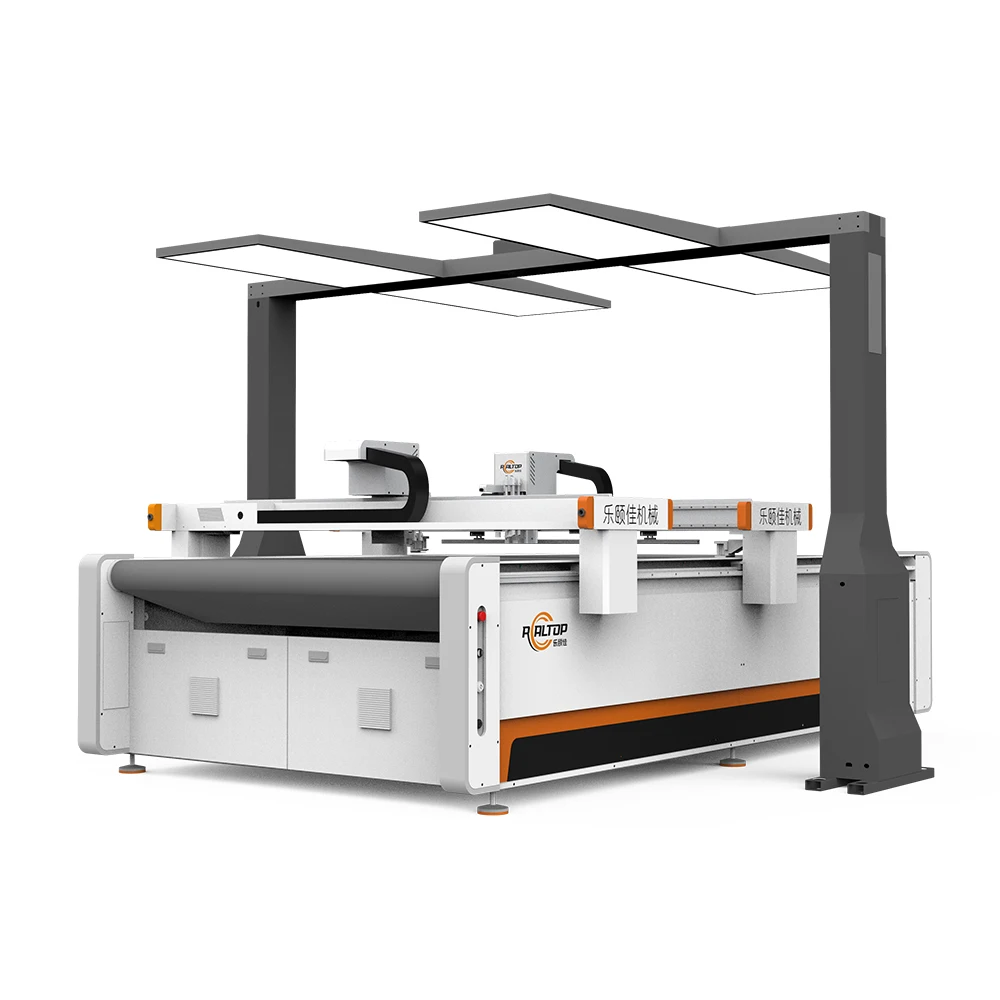
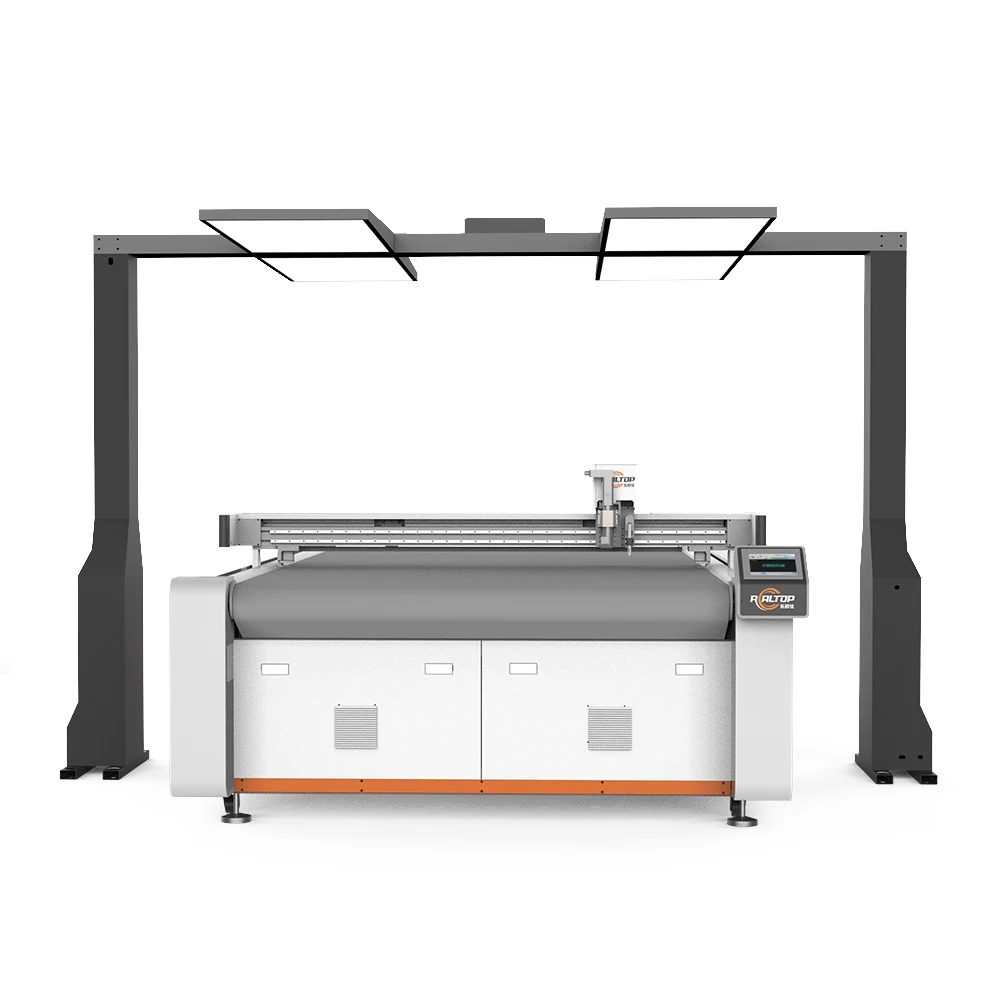
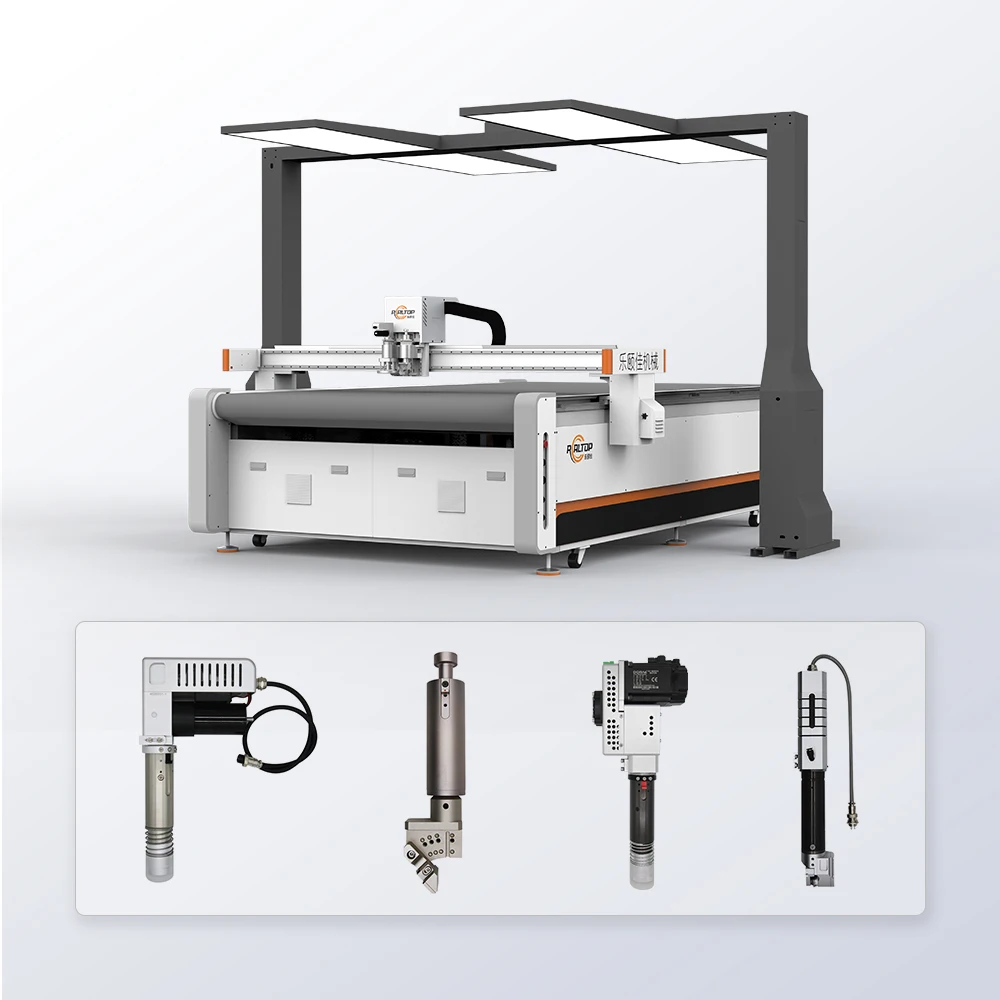
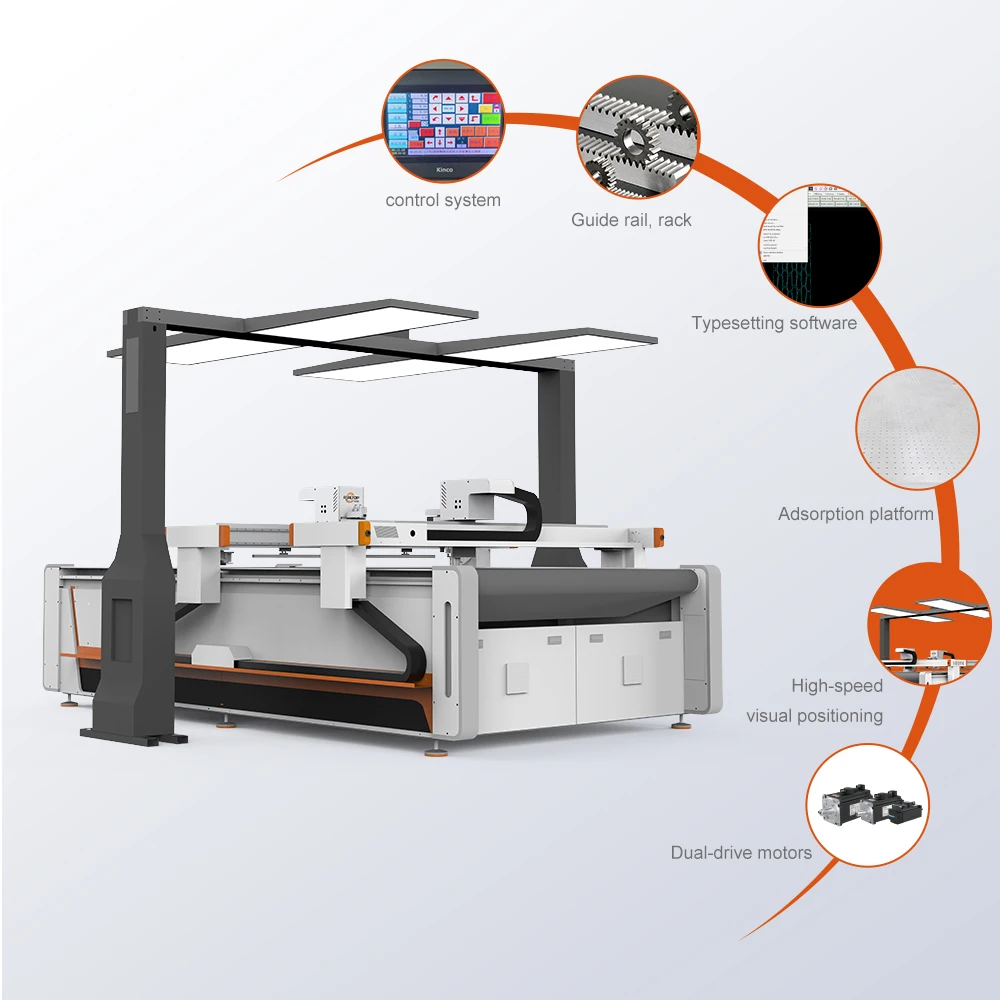
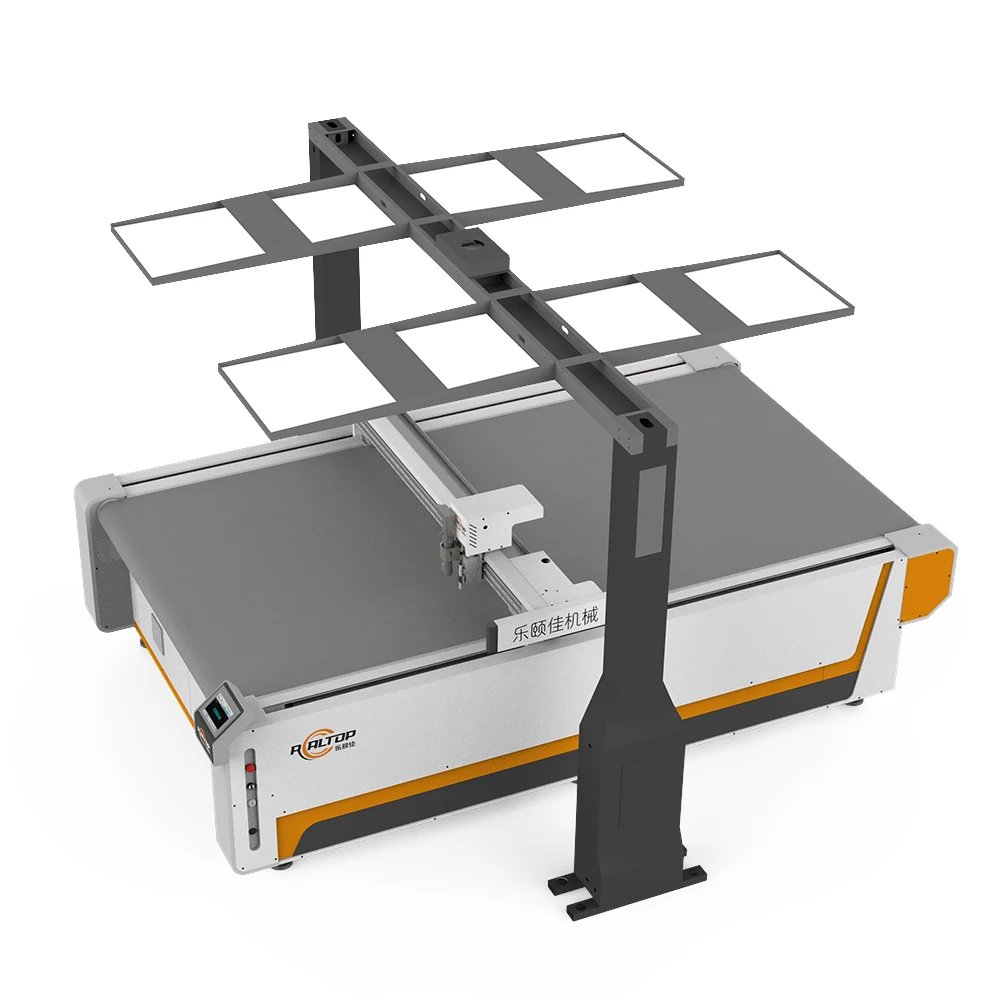
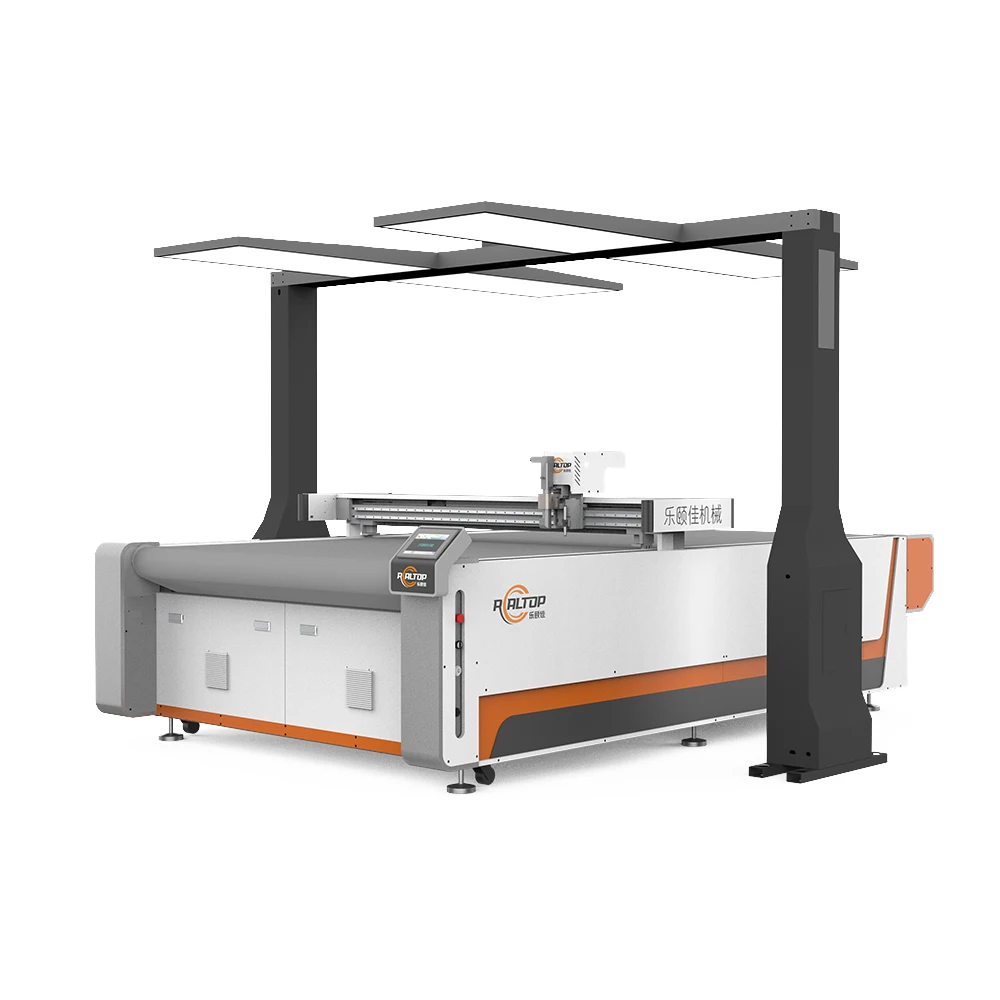
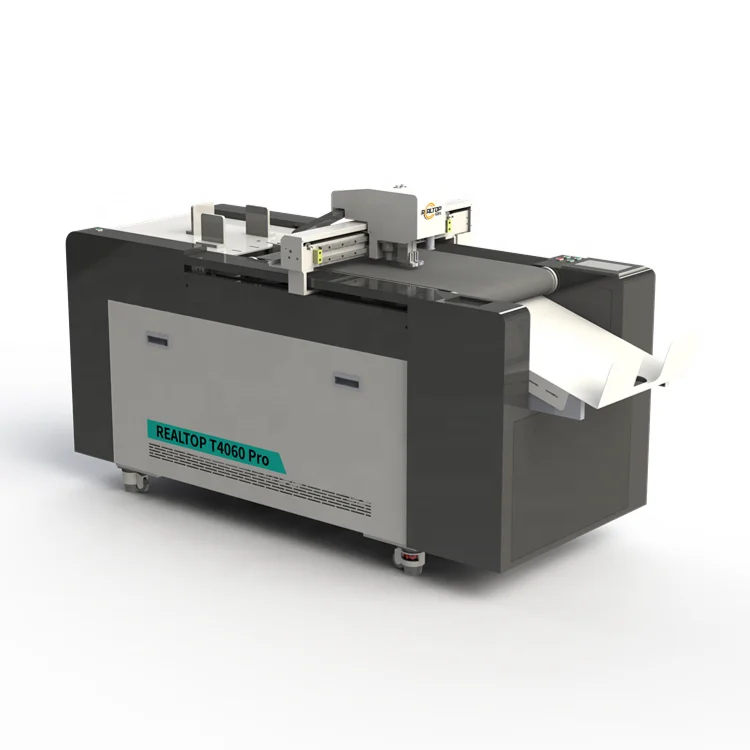
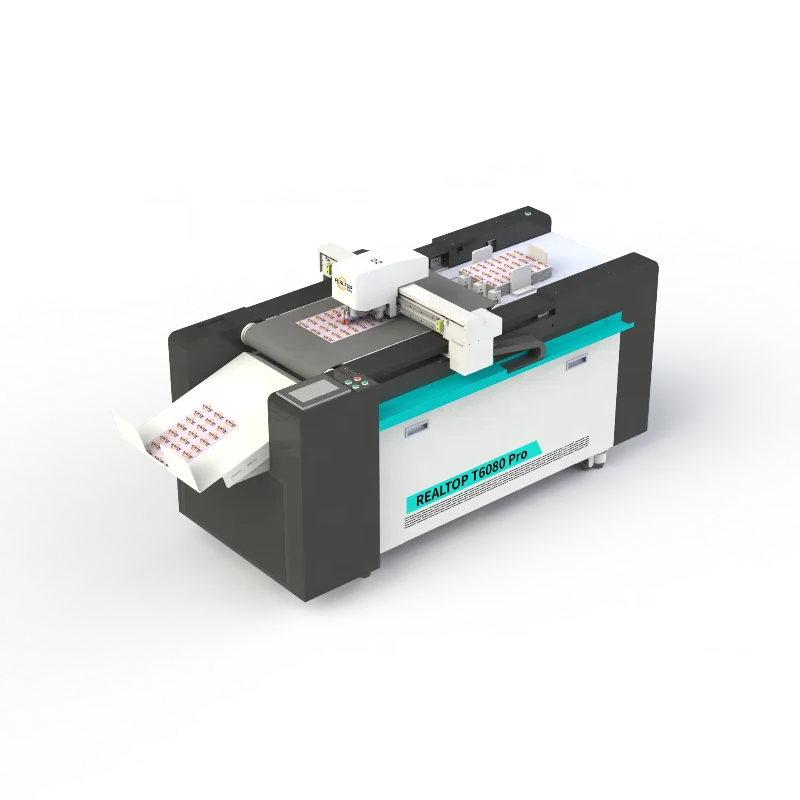
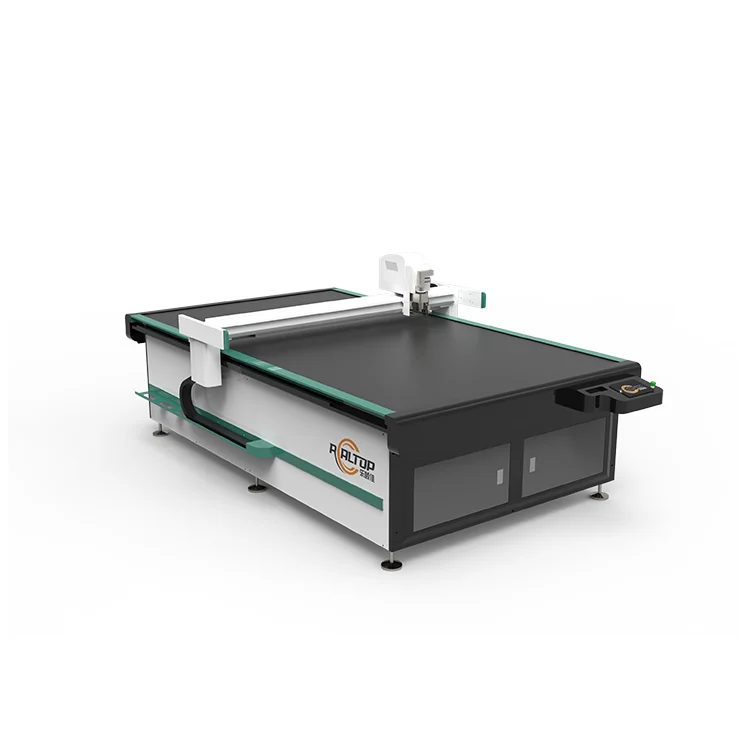
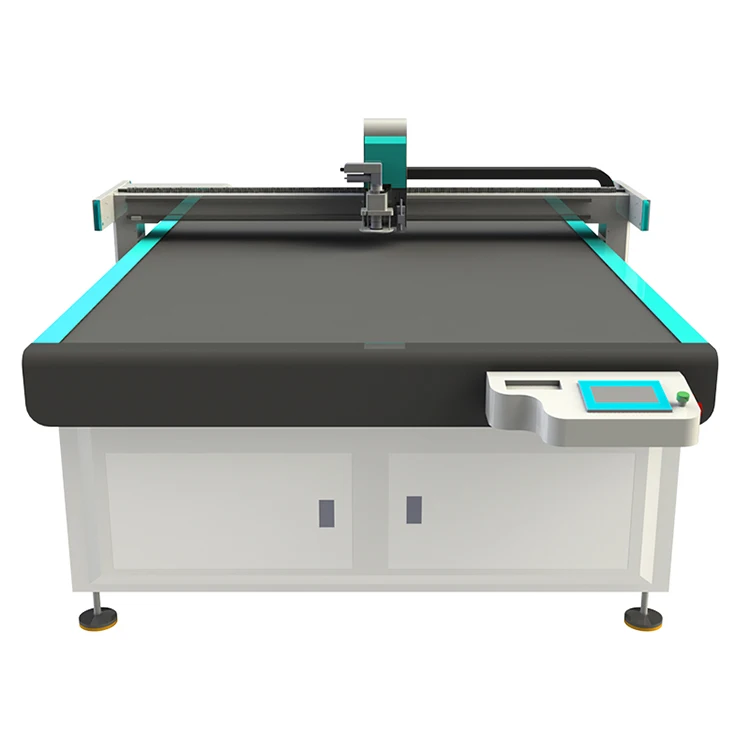
Knife versus Laser Range — A buyer can compare both cutting methods side-by-side and match tool head, vacuum zoning, and cutting method to their exact leather material before signing a purchase order.
Technical Specifications
| Parameter | Value |
|---|---|
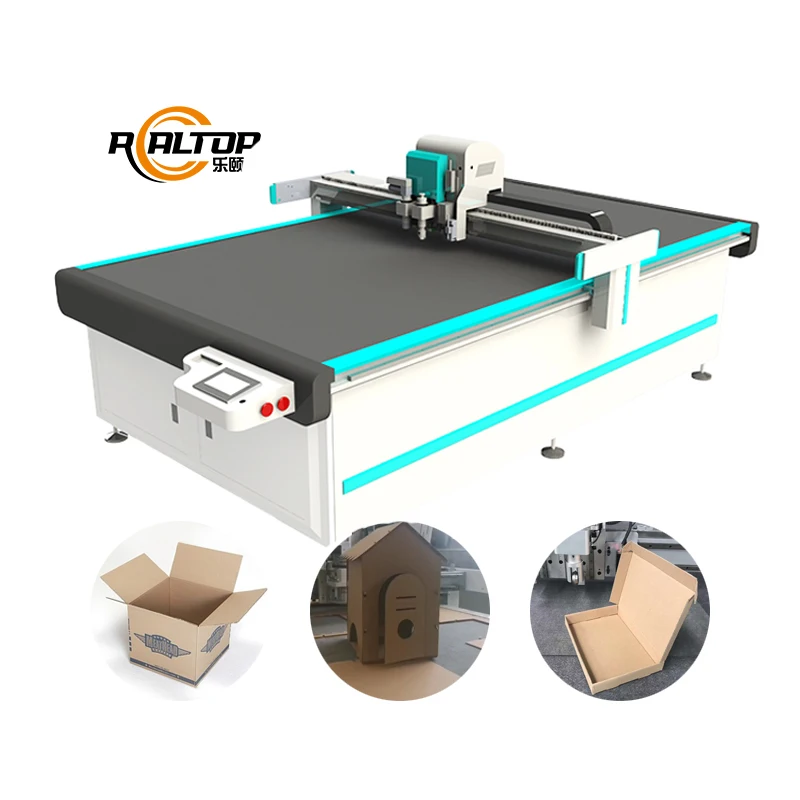
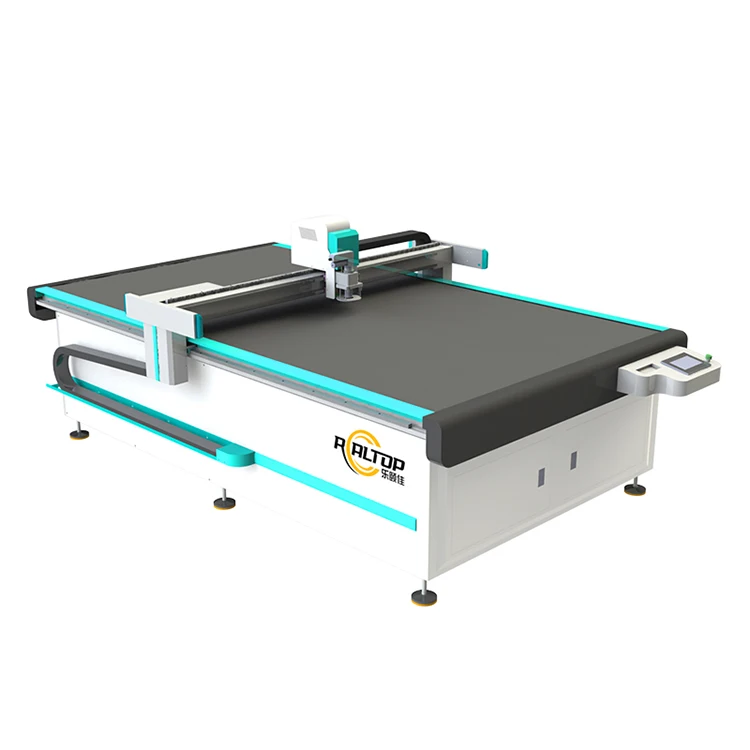
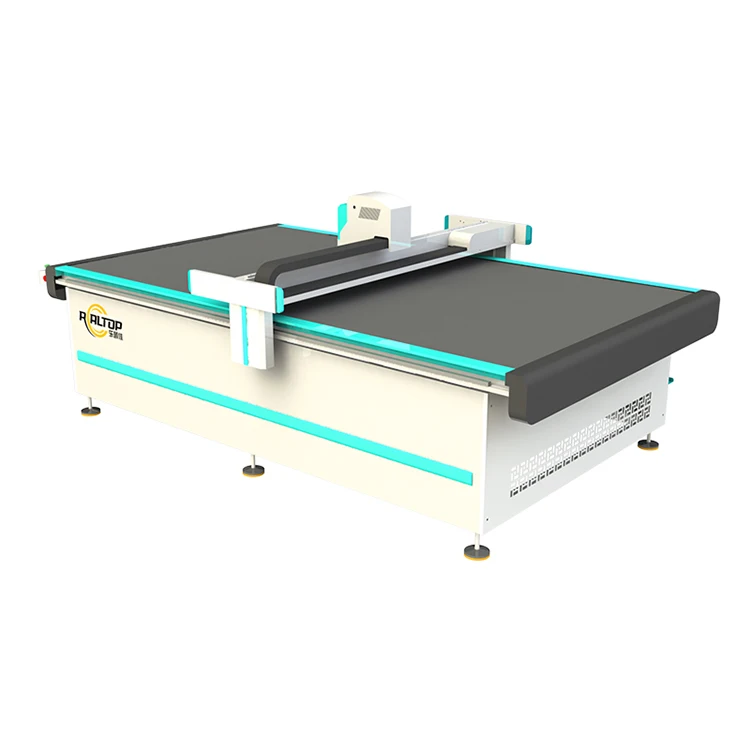
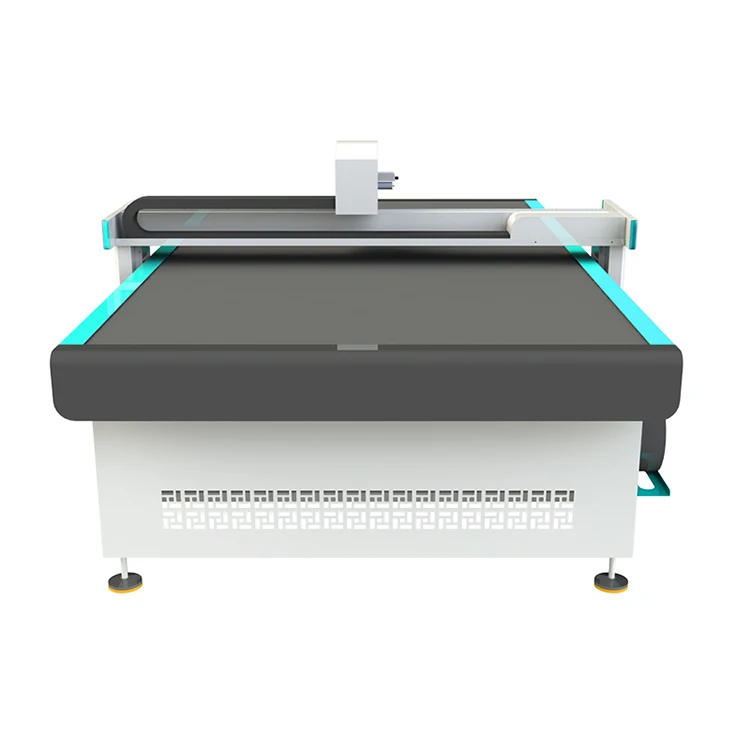
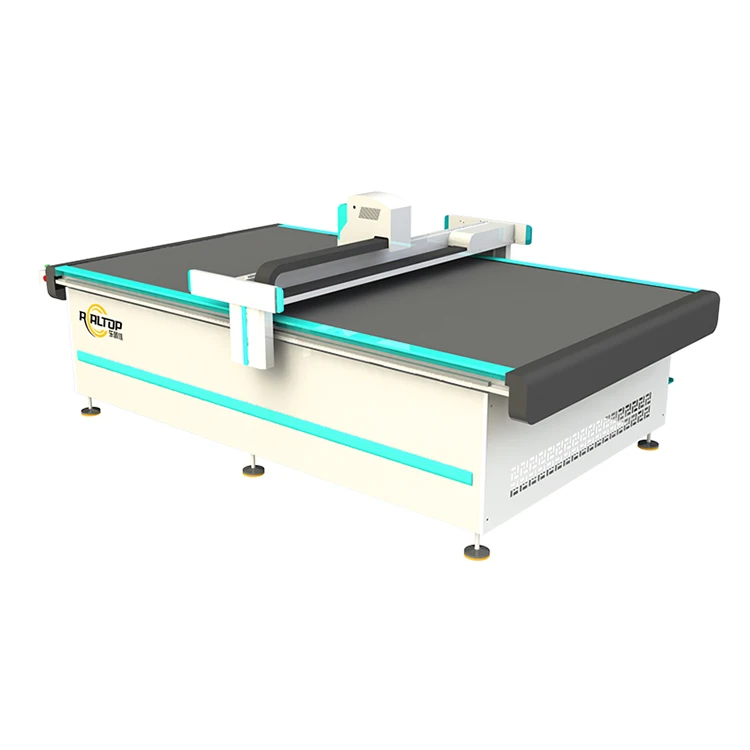
| Product Type | CNC Oscillating Knife Cutting Machine |
| Working Area | 1600×2500 mm |
| Cutting Speed | 0–2000 mm/s |
| Cutting Thickness | Up to 30 mm (basis to be confirmed for material type and density) |
| Cutting Accuracy | ±0.1 mm |
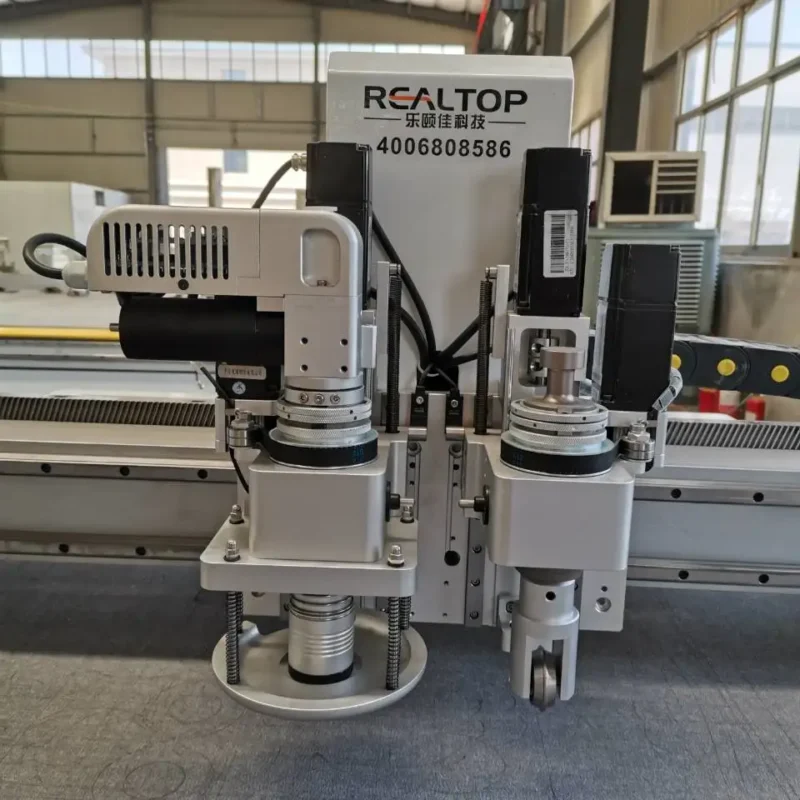
| Available Tool Heads | Oscillating knife, driven rotary knife, creasing wheel, kiss cutting tool, pneumatic knife, milling tool, V-groove knife |
| Vacuum Pump Power | 9 kW |
| Vacuum Table Type | Aluminum bellows vacuum table |
| Voltage Options | 110V, 220V, 380V (configurable) |
| Servo Motor Options | Panasonic, Delta, Dorna |
| Control System | PLC control panel |
| Supported File Formats | PLT, DXF, AI, PDF |
| Safety Devices | Infrared sensor device, emergency stop device |
| Machine Dimensions | 3300×2100×1350 mm |
| Software Features | Auto-nesting system, CCD camera contour recognition, dedicated packaging box structure design software |
| Language Options | English, Russian, Italian, Chinese (special languages customizable) |
| Certification | CE |
Application Suitability
| Application | Material or Output |
|---|---|
| Footwear uppers and leather goods | Genuine and synthetic leather hides requiring clean, burr-free edges |
| Automotive seat covers and interior trim | Leather, composite materials, and soft upholstery fabrics |
| Bags and accessories | Natural leather and PU/PVC synthetic materials of varying density |
| Sofa and home furnishing upholstery | Thick upholstery leather and multi-layer textile composites |
| Advertising and packaging prototyping | Foam boards, adhesive stickers, PVC sheets, cartons |
| Flexible and printed materials | Patterned rolls, printed fabrics, EPE foam, insulating materials |
Why "30 mm Cutting Thickness" Is the Wrong Starting Question
A CNC Oscillating Knife Cutting Machine for sale can be specified by working area alone, then fail the moment it meets a leather composite that is harder than the supplier’s trial sample. The cutting thickness number is meaningless without knowing the material density, layer structure, and the tool head chosen for that specific job.
I watched a customer order a flatbed cutter based on a thickness chart, only to discover that his automotive floor mat material — a dense, multi-layer leather composite — required three times the tool wear we had tested with our sample stock. The vacuum hold-down could not keep the stiff hides flat across the full bed, and edges came out crushed rather than sheared. That kind of mismatch does not show up on a spec sheet; it only appears on the shop floor. [NEED_CITE: CNC knife cutting tool wear rates by material hardness and density]
Comparing Knife and Laser Methods for Leather
The catalogue covers both oscillating knife systems and CO2 laser cutters, which means a buyer can evaluate the two approaches against the same leather sample rather than being pushed toward whichever technology a single-vendor supplier happens to manufacture. Oscillating knife cutting produces no burn marks and no fumes, which matters when processing premium genuine leather for bags and footwear where edge appearance is a selling point. Laser cutting seals synthetic edges automatically and handles intricate contours that would challenge a physical blade, but it generates odor and discoloration on natural hides. Seeing both methods in one range lets the buyer match the cutting method to the leather type and production volume instead of forcing a compromise.
Matching Tool Head to Leather Type and Production Volume
Different leather grades demand different tool heads. A driven rotary knife slices through thick, dense hides with a continuous shearing action, while a standard oscillating knife handles mid-range synthetic leather at higher speed. For thin PU materials used in bag linings, a kiss cutting tool scores the surface without penetrating the backing, eliminating through-cut waste. The pneumatic knife option provides adjustable downward force, useful when a single production line switches between soft garment leather and stiff automotive upholstery hides across different shifts.
How Vacuum Zoning, CCD Positioning, and Motor Choice Affect Real Output
The aluminum bellows vacuum table on this 1600×2500 mm platform provides full-surface adsorption, which prevents thick leather hides from lifting during high-speed cutting passes. [NEED_CITE: vacuum table hold-down requirements for leather CNC cutting operations] A 9 kW vacuum pump is sized to maintain suction even when the material does not cover the entire bed — a common scenario when cutting smaller components like shoe upper pieces from a single hide. The CCD camera contour recognition system locates printed registration marks on patterned or digitally printed leather, allowing the nesting software to adjust cut paths to the actual position and distortion of each hide. Servo motor selection — available from Panasonic, Delta, or Dorna — determines acceleration behavior and positional repeatability, which directly affects edge quality when cutting tight curves on shoe patterns. The ±0.1 mm accuracy specification applies across the full working area, meaning that nested layouts do not drift from the first piece to the last.
The Hidden Cost of Choosing the Wrong Configuration
When a buyer selects a single-purpose machine based on price rather than material fit, the consequences compound over weeks of production. A vacuum table with inadequate zoning allows small leather pieces to shift mid-cut, producing scrap from expensive hides. A tool head matched to thin synthetic leather will stall or chip when asked to cut dense genuine leather for automotive seat bolsters. Software that cannot import the buyer’s existing DXF or PLT nesting files forces a manual re-draw step, erasing whatever time advantage the CNC Oscillating Knife Cutting Machine for sale was supposed to deliver. [NEED_CITE: file format compatibility issues in CNC cutting software adoption]
Why Buyers Evaluate the Full Range Here
In-house design and production spanning both knife and laser cutting platforms means a leather processor can request side-by-side sample cuts on their own material before committing to one technology. Tool head and table configurations are specified per material type and daily volume rather than offered as a fixed package. CCD camera positioning is confirmed against the buyer’s actual printed leather, not demonstrated on a generic test pattern. Software compatibility — file formats, nesting workflow, and control language — is verified before the order enters production. Sample cutting reports on the buyer’s own leather stock are provided before the purchase decision is finalized.
Documentation & Verification
- Machine specification sheet listing confirmed tool head and vacuum table setup for your leather grade
- Electrical schematic and voltage confirmation matched to your factory supply before shipment
- Sample cutting report produced on your own leather material with edge quality photographs
- Software licence and file format compatibility note covering DXF, PLT, AI, and PDF workflows
- Operation and maintenance manual in your specified control language
- CE declaration and factory test record documenting accuracy verification across the full bed area
Installation, Commissioning & Support
- Foundation leveling for the 3300×2100×1350 mm frame to prevent bed twist under vacuum load
- Dedicated 380V or 220V circuit sized for the 9 kW vacuum pump plus servo and spindle loads
- Machine arrives partially assembled; bed and gantry require on-site alignment and belt tensioning
- First-run parameter tuning on your leather stock: oscillation frequency, feed rate, and vacuum zoning
- Operator training covering tool change procedure, CCD calibration, and nesting software workflow
- Spare blade inventory and wear-part schedule matched to your leather density and daily volume
What We Need to Move Forward
To recommend the right configuration from the range, share your leather type, typical thickness range, maximum hide or roll dimensions, and daily component volume. Let us know your factory voltage and frequency, the control language your operators prefer, and whether your current workflow relies on DXF, PLT, AI, or PDF files. If your material is a specialty composite or a printed leather with tight registration requirements, send us a sample so we can run a cutting trial before quoting.
Frequently Asked Questions
Q: How do I choose between oscillating knife and other tool heads for different leather types?
A: Oscillating knives suit mid-range synthetic leather and general-purpose cutting. Driven rotary knives handle thick, dense genuine hides with cleaner shearing action. Kiss cutting tools score thin PU without penetrating the backing. The choice depends on your leather density, thickness, and edge finish requirement — we confirm this through sample cutting on your actual material.
Q: What working area sizes are available across the knife and laser cutting range?
A: The knife cutting platform described here offers a 1600×2500 mm bed, accommodating standard leather hides. The full catalogue includes compact and large-format options across both knife and laser families. Working area selection depends on your hide dimensions and nesting efficiency requirements.
Q: How does the CCD camera handle contour recognition on printed leather at production speed?
A: The CCD system locates printed registration marks and adjusts cut paths to each hide’s actual position and distortion. Performance depends on mark contrast, print quality, and camera calibration frequency. We test the system against your printed leather sample at target cutting speed before confirming the specification.
Q: What file formats and nesting workflows are supported?
A: The control software imports PLT, DXF, AI, and PDF files and includes an auto-nesting system for material yield optimization. We verify compatibility with your existing design files and nesting preferences before the order enters production, so there are no workflow surprises at installation.
Q: How do I request sample cutting on my own leather material before choosing a machine?
A: Send us a representative sample of your leather stock — include the exact composite if you use multi-layer materials. We run a cutting trial documenting tool head selection, cutting speed, edge quality, and vacuum hold-down performance. The sample cutting report accompanies the quotation for your review.
Knife versus Laser Range — A buyer can compare both cutting methods side-by-side and match tool head, vacuum zoning, and cutting method to their exact leather material before signing a purchase order.
Technical Specifications
| Parameter | Value |
|---|---|
| Product Type | CNC Oscillating Knife Cutting Machine |
| Working Area | 1600×2500 mm |
| Cutting Speed | 0–2000 mm/s |
| Cutting Thickness | Up to 30 mm (basis to be confirmed for material type and density) |
| Cutting Accuracy | ±0.1 mm |
| Available Tool Heads | Oscillating knife, driven rotary knife, creasing wheel, kiss cutting tool, pneumatic knife, milling tool, V-groove knife |
| Vacuum Pump Power | 9 kW |
| Vacuum Table Type | Aluminum bellows vacuum table |
| Voltage Options | 110V, 220V, 380V (configurable) |
| Servo Motor Options | Panasonic, Delta, Dorna |
| Control System | PLC control panel |
| Supported File Formats | PLT, DXF, AI, PDF |
| Safety Devices | Infrared sensor device, emergency stop device |
| Machine Dimensions | 3300×2100×1350 mm |
| Software Features | Auto-nesting system, CCD camera contour recognition, dedicated packaging box structure design software |
| Language Options | English, Russian, Italian, Chinese (special languages customizable) |
| Certification | CE |
Application Suitability
| Application | Material or Output |
|---|---|
| Footwear uppers and leather goods | Genuine and synthetic leather hides requiring clean, burr-free edges |
| Automotive seat covers and interior trim | Leather, composite materials, and soft upholstery fabrics |
| Bags and accessories | Natural leather and PU/PVC synthetic materials of varying density |
| Sofa and home furnishing upholstery | Thick upholstery leather and multi-layer textile composites |
| Advertising and packaging prototyping | Foam boards, adhesive stickers, PVC sheets, cartons |
| Flexible and printed materials | Patterned rolls, printed fabrics, EPE foam, insulating materials |
Why "30 mm Cutting Thickness" Is the Wrong Starting Question
A CNC Oscillating Knife Cutting Machine for sale can be specified by working area alone, then fail the moment it meets a leather composite that is harder than the supplier’s trial sample. The cutting thickness number is meaningless without knowing the material density, layer structure, and the tool head chosen for that specific job.
I watched a customer order a flatbed cutter based on a thickness chart, only to discover that his automotive floor mat material — a dense, multi-layer leather composite — required three times the tool wear we had tested with our sample stock. The vacuum hold-down could not keep the stiff hides flat across the full bed, and edges came out crushed rather than sheared. That kind of mismatch does not show up on a spec sheet; it only appears on the shop floor. [NEED_CITE: CNC knife cutting tool wear rates by material hardness and density]
Comparing Knife and Laser Methods for Leather
The catalogue covers both oscillating knife systems and CO2 laser cutters, which means a buyer can evaluate the two approaches against the same leather sample rather than being pushed toward whichever technology a single-vendor supplier happens to manufacture. Oscillating knife cutting produces no burn marks and no fumes, which matters when processing premium genuine leather for bags and footwear where edge appearance is a selling point. Laser cutting seals synthetic edges automatically and handles intricate contours that would challenge a physical blade, but it generates odor and discoloration on natural hides. Seeing both methods in one range lets the buyer match the cutting method to the leather type and production volume instead of forcing a compromise.
Matching Tool Head to Leather Type and Production Volume
Different leather grades demand different tool heads. A driven rotary knife slices through thick, dense hides with a continuous shearing action, while a standard oscillating knife handles mid-range synthetic leather at higher speed. For thin PU materials used in bag linings, a kiss cutting tool scores the surface without penetrating the backing, eliminating through-cut waste. The pneumatic knife option provides adjustable downward force, useful when a single production line switches between soft garment leather and stiff automotive upholstery hides across different shifts.
How Vacuum Zoning, CCD Positioning, and Motor Choice Affect Real Output
The aluminum bellows vacuum table on this 1600×2500 mm platform provides full-surface adsorption, which prevents thick leather hides from lifting during high-speed cutting passes. [NEED_CITE: vacuum table hold-down requirements for leather CNC cutting operations] A 9 kW vacuum pump is sized to maintain suction even when the material does not cover the entire bed — a common scenario when cutting smaller components like shoe upper pieces from a single hide. The CCD camera contour recognition system locates printed registration marks on patterned or digitally printed leather, allowing the nesting software to adjust cut paths to the actual position and distortion of each hide. Servo motor selection — available from Panasonic, Delta, or Dorna — determines acceleration behavior and positional repeatability, which directly affects edge quality when cutting tight curves on shoe patterns. The ±0.1 mm accuracy specification applies across the full working area, meaning that nested layouts do not drift from the first piece to the last.
The Hidden Cost of Choosing the Wrong Configuration
When a buyer selects a single-purpose machine based on price rather than material fit, the consequences compound over weeks of production. A vacuum table with inadequate zoning allows small leather pieces to shift mid-cut, producing scrap from expensive hides. A tool head matched to thin synthetic leather will stall or chip when asked to cut dense genuine leather for automotive seat bolsters. Software that cannot import the buyer’s existing DXF or PLT nesting files forces a manual re-draw step, erasing whatever time advantage the CNC Oscillating Knife Cutting Machine for sale was supposed to deliver. [NEED_CITE: file format compatibility issues in CNC cutting software adoption]
Why Buyers Evaluate the Full Range Here
In-house design and production spanning both knife and laser cutting platforms means a leather processor can request side-by-side sample cuts on their own material before committing to one technology. Tool head and table configurations are specified per material type and daily volume rather than offered as a fixed package. CCD camera positioning is confirmed against the buyer’s actual printed leather, not demonstrated on a generic test pattern. Software compatibility — file formats, nesting workflow, and control language — is verified before the order enters production. Sample cutting reports on the buyer’s own leather stock are provided before the purchase decision is finalized.
Documentation & Verification
- Machine specification sheet listing confirmed tool head and vacuum table setup for your leather grade
- Electrical schematic and voltage confirmation matched to your factory supply before shipment
- Sample cutting report produced on your own leather material with edge quality photographs
- Software licence and file format compatibility note covering DXF, PLT, AI, and PDF workflows
- Operation and maintenance manual in your specified control language
- CE declaration and factory test record documenting accuracy verification across the full bed area
Installation, Commissioning & Support
- Foundation leveling for the 3300×2100×1350 mm frame to prevent bed twist under vacuum load
- Dedicated 380V or 220V circuit sized for the 9 kW vacuum pump plus servo and spindle loads
- Machine arrives partially assembled; bed and gantry require on-site alignment and belt tensioning
- First-run parameter tuning on your leather stock: oscillation frequency, feed rate, and vacuum zoning
- Operator training covering tool change procedure, CCD calibration, and nesting software workflow
- Spare blade inventory and wear-part schedule matched to your leather density and daily volume
What We Need to Move Forward
To recommend the right configuration from the range, share your leather type, typical thickness range, maximum hide or roll dimensions, and daily component volume. Let us know your factory voltage and frequency, the control language your operators prefer, and whether your current workflow relies on DXF, PLT, AI, or PDF files. If your material is a specialty composite or a printed leather with tight registration requirements, send us a sample so we can run a cutting trial before quoting.
Frequently Asked Questions
Q: How do I choose between oscillating knife and other tool heads for different leather types?
A: Oscillating knives suit mid-range synthetic leather and general-purpose cutting. Driven rotary knives handle thick, dense genuine hides with cleaner shearing action. Kiss cutting tools score thin PU without penetrating the backing. The choice depends on your leather density, thickness, and edge finish requirement — we confirm this through sample cutting on your actual material.
Q: What working area sizes are available across the knife and laser cutting range?
A: The knife cutting platform described here offers a 1600×2500 mm bed, accommodating standard leather hides. The full catalogue includes compact and large-format options across both knife and laser families. Working area selection depends on your hide dimensions and nesting efficiency requirements.
Q: How does the CCD camera handle contour recognition on printed leather at production speed?
A: The CCD system locates printed registration marks and adjusts cut paths to each hide’s actual position and distortion. Performance depends on mark contrast, print quality, and camera calibration frequency. We test the system against your printed leather sample at target cutting speed before confirming the specification.
Q: What file formats and nesting workflows are supported?
A: The control software imports PLT, DXF, AI, and PDF files and includes an auto-nesting system for material yield optimization. We verify compatibility with your existing design files and nesting preferences before the order enters production, so there are no workflow surprises at installation.
Q: How do I request sample cutting on my own leather material before choosing a machine?
A: Send us a representative sample of your leather stock — include the exact composite if you use multi-layer materials. We run a cutting trial documenting tool head selection, cutting speed, edge quality, and vacuum hold-down performance. The sample cutting report accompanies the quotation for your review.
商品评价
There are no reviews yet.