


Fast Delivery
Quick, reliable shipping to any location.

Free & easy returns
Return this item by mail or in store within 90 days for a full refund.
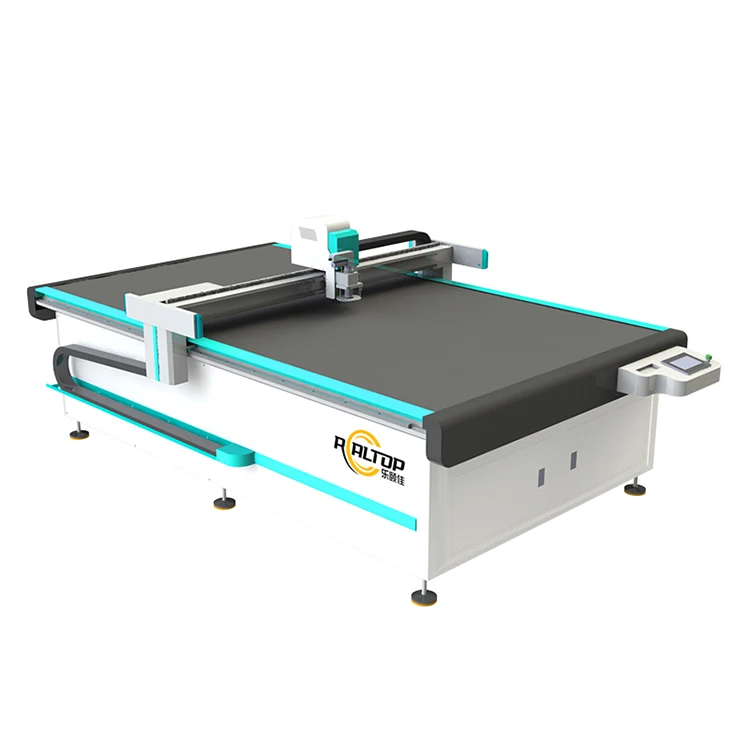
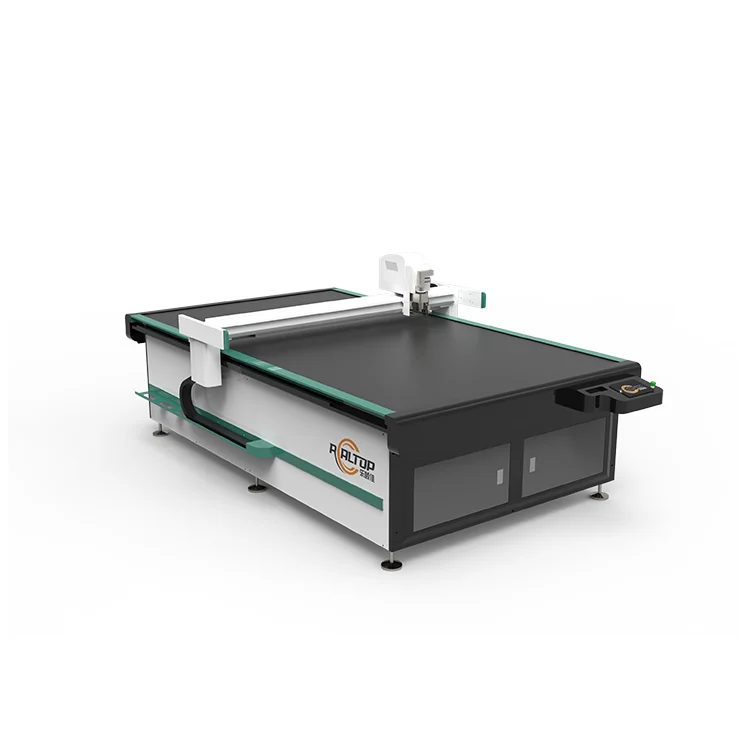
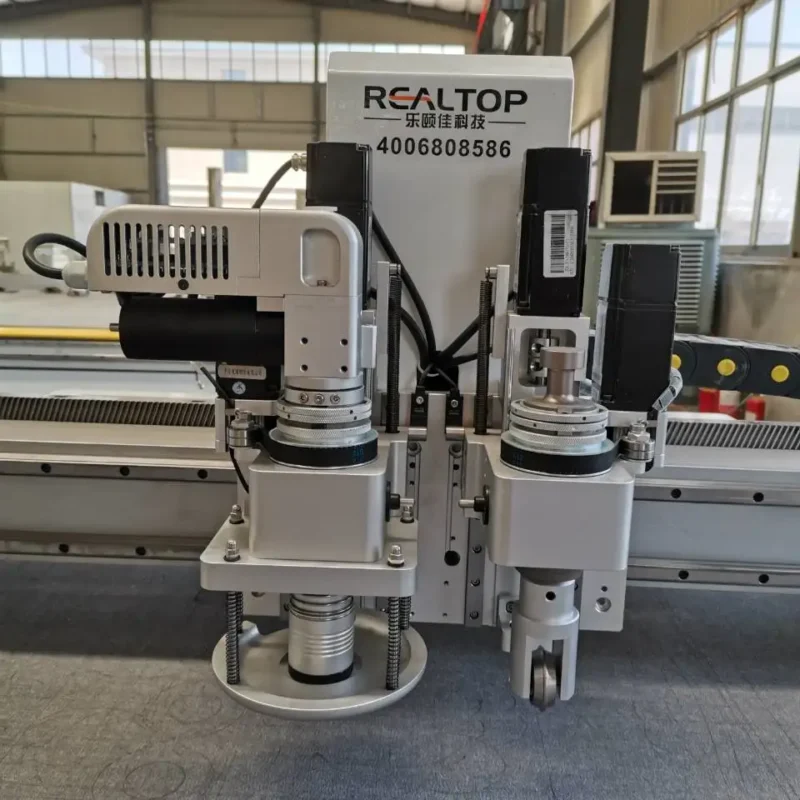
Tool Head Matched To Material — Swiss oscillating knife specified after sample cutting on your actual fabric, rather than a default head shipped and adjusted on site.
Technical Specifications
| Parameter | Value |
|---|---|
| Model | RT-D2516/RT-S2516 |
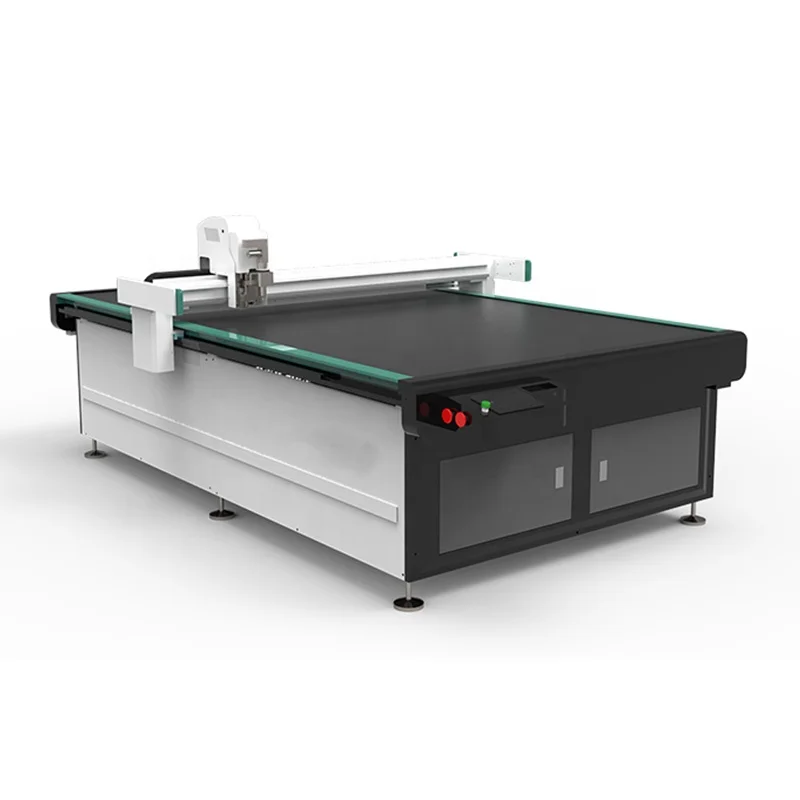
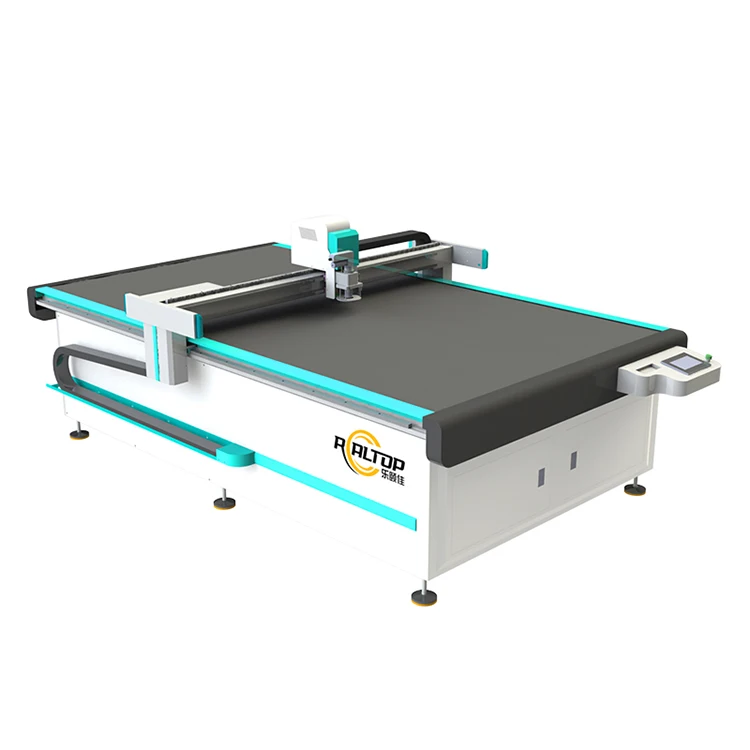
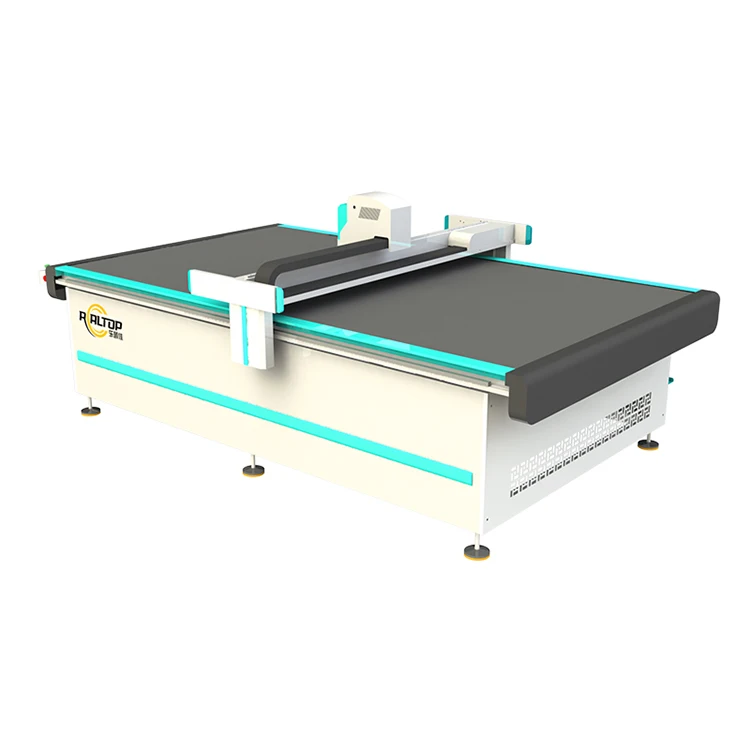
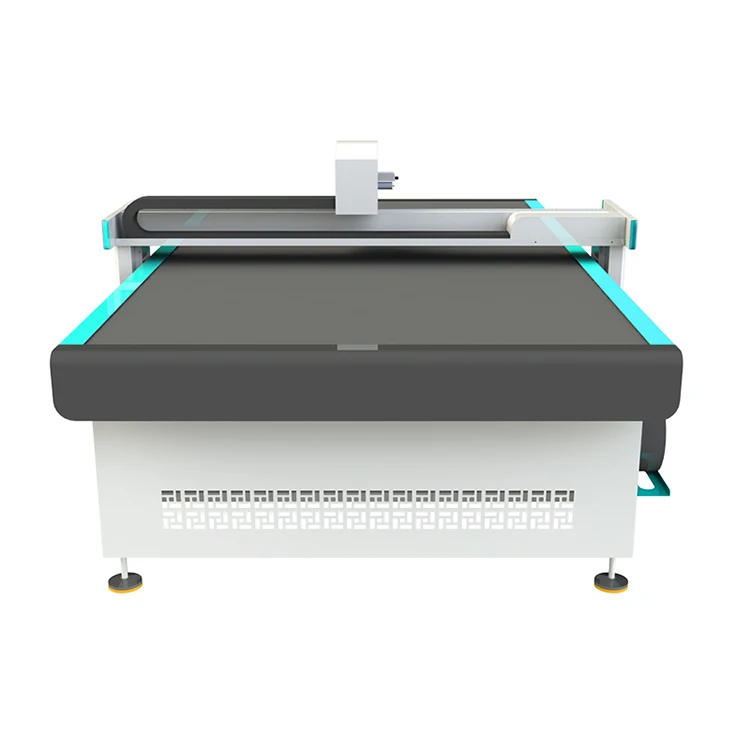
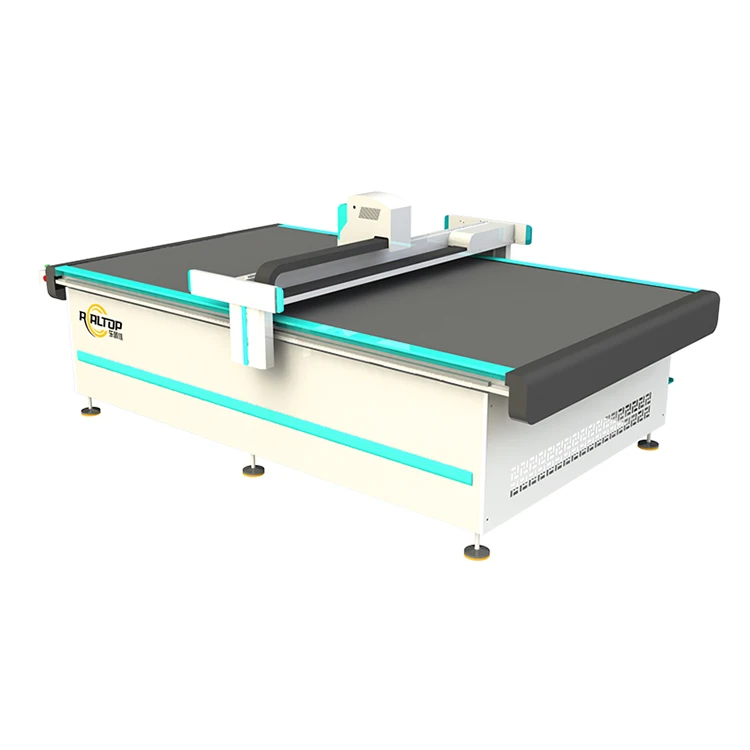
| Product Type | CNC Oscillating Knife Cutting Table |
| Working Area | 1600×2500 mm |
| Overall Dimensions | 3450×2300×1250 mm |
| Rated Power | 9 kW |
| Voltage | 380V ±10% (frequency to be confirmed: 50Hz or 60Hz) |
| Control System | CNC, HP-GL compatible format |
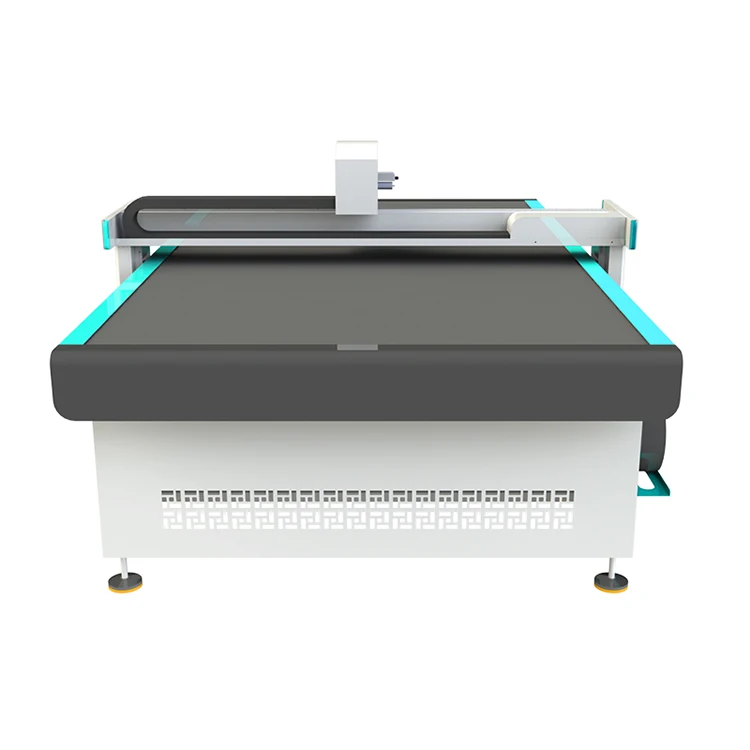
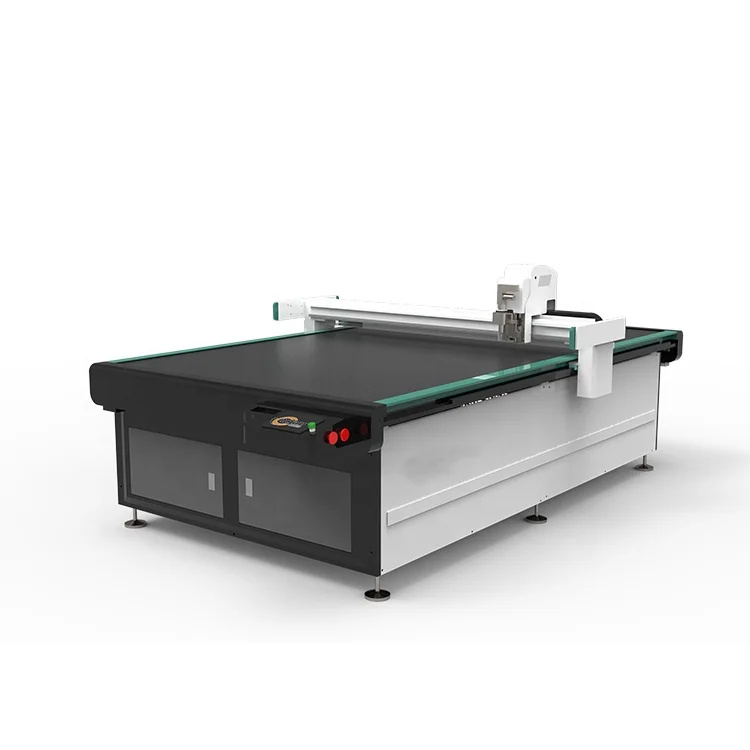
| Table Type | Flat vacuum working table with conveyor belt and auto feeding |
| Tool Head | Swiss imported oscillating knife (vibration full cutting, half cutting, cursor location) |
| Translational Velocity | 800–1200 mm/s |
| Cutting Speed | 200–800 mm/s (basis to be confirmed — depends on material type and thickness) |
| Repeatability | ≤0.1 mm |
| Servo Motor | Japanese Yaskawa digital servo |
| Linear Guide | Taiwan Hiwin rail |
| Conveyor Belt | Germany imported |
| Vacuum Pump | 7.5 kW |
| Safety Device | Infrared sensors |
| Transmission | Synchronous belt and imported ball screw |
| Standards | CE (verify against manufacturer catalog), ISO (specific standard to be confirmed) |
Application Suitability
| Application | Material or Output |
|---|---|
| Baby clothes rompers and childrenswear | Cotton, jersey, Lycra blends, multi-layer knit fabrics |
| Footwear uppers and linings | Natural leather, synthetic PU, sponge composite leather |
| Soft signage and displays | PVC sheets, vinyl, flexible banner materials |
| Automotive interior gaskets | Rubber, silicon, closed-cell foam composites |
| Industrial soft goods | Soft glass, flexible sealing materials |
Why "Working Area" Alone Is The Wrong Starting Point
A CNC oscillating knife cutting table manufacturer often receives inquiries that begin and end with bed size. Buyers specify 1600×2500 mm and assume the rest follows. The cutting method, tool head and vacuum zoning must be matched to the material before the machine is built, not configured after delivery.
I once arrived at a Colombian workshop where a machine had been ordered strictly on working area. The buyer’s team expected to cut high-stretch Lycra for infant rompers, but the machine had been set up for woven cotton. The oscillation frequency was wrong, the hold-down pressure was too low, and every pattern piece came off the table with frayed edges and distorted curves. Three days of recalibration on site followed. A specification conversation that starts with daily volume, fabric weight and stretch behaviour avoids this entirely [NEED_CITE: typical fabric cutting defects caused by incorrect oscillation frequency and vacuum hold-down].
Oscillating Knife Selection For Fabric Behaviour
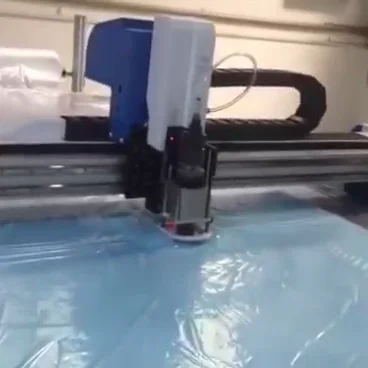
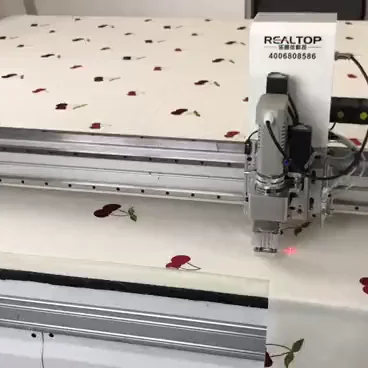
The Swiss imported oscillating knife on this table delivers full cutting, half cutting and cursor location in one head. That matters because fabric families respond differently to blade stroke. Woven cotton cuts cleanly at moderate frequency, while high-elastic knits like Lycra require a faster oscillation rate and firmer material hold-down to prevent the blade from pulling fibres rather than shearing them. Selecting the tool head based on your actual production material, confirmed through sample cutting, removes the guesswork that otherwise surfaces during commissioning.
Conveyor Feeding And Vacuum Hold-Down At Production Pace
The Germany-imported conveyor belt paired with the 7.5 kW vacuum pump creates a continuous workflow where fabric advances, cuts and clears without manual repositioning between sheets. For garment producers running nested layouts across multiple sizes, this means the next layer feeds while the previous one is being collected. Vacuum zoning across the 1600×2500 mm bed must account for small pattern pieces — infant romper components, collar tabs, cuff strips — which lift easily if suction is concentrated only in the centre of the table [NEED_CITE: vacuum table zoning requirements for small garment pattern pieces].
How Motion Components Define Cut Accuracy On Stretch Fabrics
Japanese Yaskawa servo motors driving Taiwan Hiwin linear rails produce the ≤0.1 mm repeatability spec, but the practical effect shows up at the pattern-matching stage. When a baby romper front panel must align with a printed motif across dozens of layers, accumulated positioning error becomes visible as mismatched seams downstream. The ball screw and synchronous belt transmission keeps the knife path consistent whether the head is traversing the full 2500 mm length or making short directional changes around armhole curves. HP-GL compatibility means nesting files from common garment CAD systems import without format conversion, so the digital pattern and the physical cut stay aligned.
What Happens When Voltage And Frequency Are Assumed
A 380V machine plugged into a 60Hz supply runs its motors faster than designed, altering servo response and vacuum pump output. In regions where 220V three-phase or 440V supplies are common, shipping a unit without confirming local electrical standards leads to tripped breakers on first power-up or, worse, gradual motor degradation that shows up weeks later as inconsistent cutting depth [NEED_CITE: voltage and frequency standards by export market]. Confirming voltage, frequency, plug type and control interface language before production begins keeps the installation day uneventful.
Why A Full Catalogue Matters When Your Material Mix Changes
Realtop builds both knife and laser cutting equipment in-house, which means the recommendation starts from your material rather than from a single technology. If your production runs include both woven fabric and acrylic signage, the honest answer may be two different machines rather than one forced compromise. For buyers evaluating a CNC oscillating knife cutting table manufacturer, the ability to compare knife versus laser on the same enquiry — and receive sample cut reports for each — shortens the path from first contact to a configuration that actually fits the shop floor.
Documentation & Verification
- Machine specification sheet listing tool head and vacuum table configuration matched to your fabric type
- Electrical schematic with voltage and frequency confirmation for your facility supply
- Sample cutting report produced on your own material before order commitment
- HP-GL file format compatibility note confirming your existing nesting software imports correctly
- Factory test record documenting repeatability and edge quality on your specified material
- Operation and maintenance manual with spare parts list in your required control language
Installation, Commissioning & Support
- The 3450×2300×1250 mm footprint requires clear floor space plus conveyor infeed and offfeed clearance
- A dedicated 380V circuit rated for 9 kW plus the 7.5 kW vacuum pump must be confirmed before delivery
- Machine ships fully assembled per factory specification — verify rigging access for your workshop doors
- First-day commissioning includes oscillation frequency and vacuum zoning calibration on your actual fabric
- Operator training covers HP-GL file import, nesting layout and tool head changeover procedures
- Spare oscillating blades and conveyor belt segments included in the initial spare parts package
What To Share When Requesting A Quotation
Send the exact fabric composition, weight per square metre and maximum lay thickness you run in daily production. Include your current nesting software name and file export format so HP-GL compatibility is verified before build. State your site voltage, frequency and preferred control interface language so the electrical package and manuals match your team from day one.
Frequently Asked Questions
Q: Should I choose an oscillating knife or a laser for cutting baby clothes fabric?
A: Oscillating knife is the standard for woven and knit garment fabrics because it produces a clean mechanical cut without heat-sealed edges, which would irritate infant skin. Laser suits synthetic materials where edge sealing is desired. The correct choice depends on your specific fabric composition — sample cutting on your material confirms which method delivers the edge quality your product requires.
Q: Will the vacuum table hold very small pattern pieces like collar tabs without lifting?
A: Small garment components are the most likely to shift during cutting because they cover less vacuum area. The 7.5 kW pump provides substantial suction across the 1600×2500 mm bed, but zoning configuration must be specified for your typical piece size range. Confirming this during the quotation stage, supported by a sample cut report, ensures small parts stay fixed throughout the cutting cycle.
Q: Can the control system accept my existing nesting files without conversion?
A: The CNC system accepts HP-GL compatible format, which covers many standard garment CAD outputs. However, some proprietary nesting software uses wrapper formats that require a direct import test. File format compatibility is confirmed before order, and a test import is documented so you know your workflow transfers without additional software licensing.
Q: How are voltage, plug type and control language confirmed before shipment?
A: These are captured during the specification confirmation step after quotation. You provide your site electrical supply details and preferred interface language, and the electrical schematic is updated accordingly. The factory test record then verifies the machine runs correctly on those exact parameters before crating, so there are no surprises at installation.
Tool Head Matched To Material — Swiss oscillating knife specified after sample cutting on your actual fabric, rather than a default head shipped and adjusted on site.
Technical Specifications
| Parameter | Value |
|---|---|
| Model | RT-D2516/RT-S2516 |
| Product Type | CNC Oscillating Knife Cutting Table |
| Working Area | 1600×2500 mm |
| Overall Dimensions | 3450×2300×1250 mm |
| Rated Power | 9 kW |
| Voltage | 380V ±10% (frequency to be confirmed: 50Hz or 60Hz) |
| Control System | CNC, HP-GL compatible format |
| Table Type | Flat vacuum working table with conveyor belt and auto feeding |
| Tool Head | Swiss imported oscillating knife (vibration full cutting, half cutting, cursor location) |
| Translational Velocity | 800–1200 mm/s |
| Cutting Speed | 200–800 mm/s (basis to be confirmed — depends on material type and thickness) |
| Repeatability | ≤0.1 mm |
| Servo Motor | Japanese Yaskawa digital servo |
| Linear Guide | Taiwan Hiwin rail |
| Conveyor Belt | Germany imported |
| Vacuum Pump | 7.5 kW |
| Safety Device | Infrared sensors |
| Transmission | Synchronous belt and imported ball screw |
| Standards | CE (verify against manufacturer catalog), ISO (specific standard to be confirmed) |
Application Suitability
| Application | Material or Output |
|---|---|
| Baby clothes rompers and childrenswear | Cotton, jersey, Lycra blends, multi-layer knit fabrics |
| Footwear uppers and linings | Natural leather, synthetic PU, sponge composite leather |
| Soft signage and displays | PVC sheets, vinyl, flexible banner materials |
| Automotive interior gaskets | Rubber, silicon, closed-cell foam composites |
| Industrial soft goods | Soft glass, flexible sealing materials |
Why "Working Area" Alone Is The Wrong Starting Point
A CNC oscillating knife cutting table manufacturer often receives inquiries that begin and end with bed size. Buyers specify 1600×2500 mm and assume the rest follows. The cutting method, tool head and vacuum zoning must be matched to the material before the machine is built, not configured after delivery.
I once arrived at a Colombian workshop where a machine had been ordered strictly on working area. The buyer’s team expected to cut high-stretch Lycra for infant rompers, but the machine had been set up for woven cotton. The oscillation frequency was wrong, the hold-down pressure was too low, and every pattern piece came off the table with frayed edges and distorted curves. Three days of recalibration on site followed. A specification conversation that starts with daily volume, fabric weight and stretch behaviour avoids this entirely [NEED_CITE: typical fabric cutting defects caused by incorrect oscillation frequency and vacuum hold-down].
Oscillating Knife Selection For Fabric Behaviour
The Swiss imported oscillating knife on this table delivers full cutting, half cutting and cursor location in one head. That matters because fabric families respond differently to blade stroke. Woven cotton cuts cleanly at moderate frequency, while high-elastic knits like Lycra require a faster oscillation rate and firmer material hold-down to prevent the blade from pulling fibres rather than shearing them. Selecting the tool head based on your actual production material, confirmed through sample cutting, removes the guesswork that otherwise surfaces during commissioning.
Conveyor Feeding And Vacuum Hold-Down At Production Pace
The Germany-imported conveyor belt paired with the 7.5 kW vacuum pump creates a continuous workflow where fabric advances, cuts and clears without manual repositioning between sheets. For garment producers running nested layouts across multiple sizes, this means the next layer feeds while the previous one is being collected. Vacuum zoning across the 1600×2500 mm bed must account for small pattern pieces — infant romper components, collar tabs, cuff strips — which lift easily if suction is concentrated only in the centre of the table [NEED_CITE: vacuum table zoning requirements for small garment pattern pieces].
How Motion Components Define Cut Accuracy On Stretch Fabrics
Japanese Yaskawa servo motors driving Taiwan Hiwin linear rails produce the ≤0.1 mm repeatability spec, but the practical effect shows up at the pattern-matching stage. When a baby romper front panel must align with a printed motif across dozens of layers, accumulated positioning error becomes visible as mismatched seams downstream. The ball screw and synchronous belt transmission keeps the knife path consistent whether the head is traversing the full 2500 mm length or making short directional changes around armhole curves. HP-GL compatibility means nesting files from common garment CAD systems import without format conversion, so the digital pattern and the physical cut stay aligned.
What Happens When Voltage And Frequency Are Assumed
A 380V machine plugged into a 60Hz supply runs its motors faster than designed, altering servo response and vacuum pump output. In regions where 220V three-phase or 440V supplies are common, shipping a unit without confirming local electrical standards leads to tripped breakers on first power-up or, worse, gradual motor degradation that shows up weeks later as inconsistent cutting depth [NEED_CITE: voltage and frequency standards by export market]. Confirming voltage, frequency, plug type and control interface language before production begins keeps the installation day uneventful.
Why A Full Catalogue Matters When Your Material Mix Changes
Realtop builds both knife and laser cutting equipment in-house, which means the recommendation starts from your material rather than from a single technology. If your production runs include both woven fabric and acrylic signage, the honest answer may be two different machines rather than one forced compromise. For buyers evaluating a CNC oscillating knife cutting table manufacturer, the ability to compare knife versus laser on the same enquiry — and receive sample cut reports for each — shortens the path from first contact to a configuration that actually fits the shop floor.
Documentation & Verification
- Machine specification sheet listing tool head and vacuum table configuration matched to your fabric type
- Electrical schematic with voltage and frequency confirmation for your facility supply
- Sample cutting report produced on your own material before order commitment
- HP-GL file format compatibility note confirming your existing nesting software imports correctly
- Factory test record documenting repeatability and edge quality on your specified material
- Operation and maintenance manual with spare parts list in your required control language
Installation, Commissioning & Support
- The 3450×2300×1250 mm footprint requires clear floor space plus conveyor infeed and offfeed clearance
- A dedicated 380V circuit rated for 9 kW plus the 7.5 kW vacuum pump must be confirmed before delivery
- Machine ships fully assembled per factory specification — verify rigging access for your workshop doors
- First-day commissioning includes oscillation frequency and vacuum zoning calibration on your actual fabric
- Operator training covers HP-GL file import, nesting layout and tool head changeover procedures
- Spare oscillating blades and conveyor belt segments included in the initial spare parts package
What To Share When Requesting A Quotation
Send the exact fabric composition, weight per square metre and maximum lay thickness you run in daily production. Include your current nesting software name and file export format so HP-GL compatibility is verified before build. State your site voltage, frequency and preferred control interface language so the electrical package and manuals match your team from day one.
Frequently Asked Questions
Q: Should I choose an oscillating knife or a laser for cutting baby clothes fabric?
A: Oscillating knife is the standard for woven and knit garment fabrics because it produces a clean mechanical cut without heat-sealed edges, which would irritate infant skin. Laser suits synthetic materials where edge sealing is desired. The correct choice depends on your specific fabric composition — sample cutting on your material confirms which method delivers the edge quality your product requires.
Q: Will the vacuum table hold very small pattern pieces like collar tabs without lifting?
A: Small garment components are the most likely to shift during cutting because they cover less vacuum area. The 7.5 kW pump provides substantial suction across the 1600×2500 mm bed, but zoning configuration must be specified for your typical piece size range. Confirming this during the quotation stage, supported by a sample cut report, ensures small parts stay fixed throughout the cutting cycle.
Q: Can the control system accept my existing nesting files without conversion?
A: The CNC system accepts HP-GL compatible format, which covers many standard garment CAD outputs. However, some proprietary nesting software uses wrapper formats that require a direct import test. File format compatibility is confirmed before order, and a test import is documented so you know your workflow transfers without additional software licensing.
Q: How are voltage, plug type and control language confirmed before shipment?
A: These are captured during the specification confirmation step after quotation. You provide your site electrical supply details and preferred interface language, and the electrical schematic is updated accordingly. The factory test record then verifies the machine runs correctly on those exact parameters before crating, so there are no surprises at installation.
商品评价
There are no reviews yet.