



Fast Delivery
Quick, reliable shipping to any location.

Free & easy returns
Return this item by mail or in store within 90 days for a full refund.
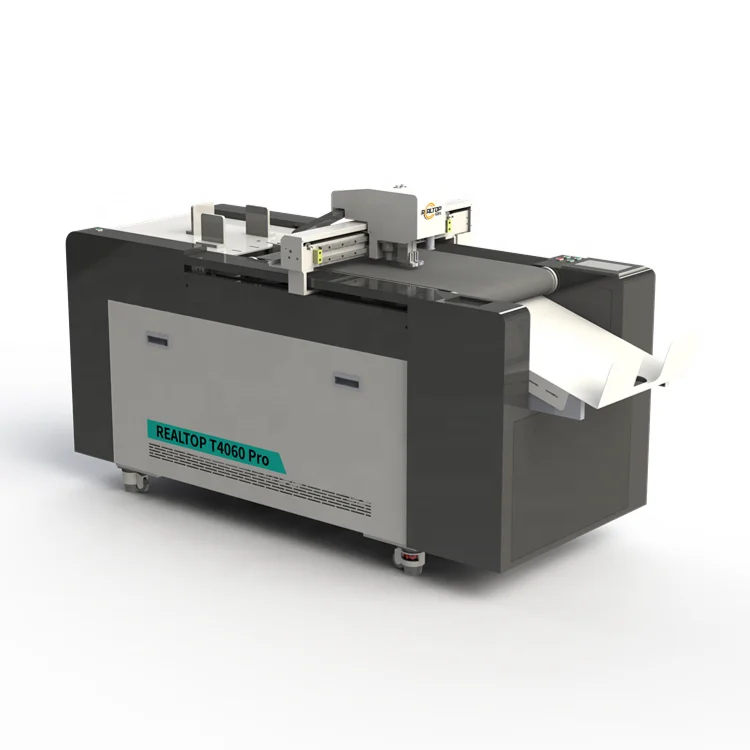
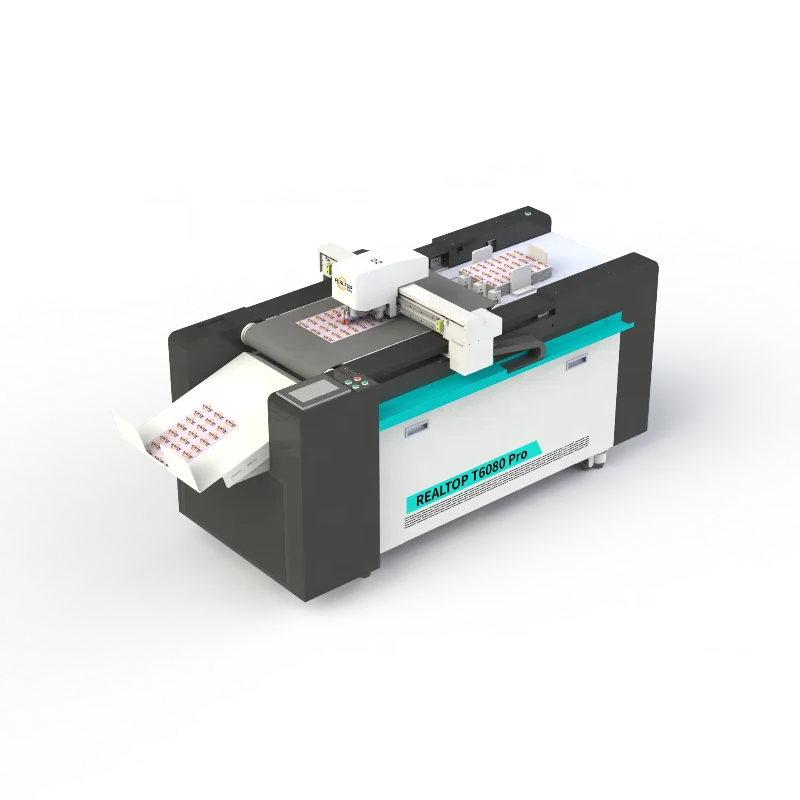
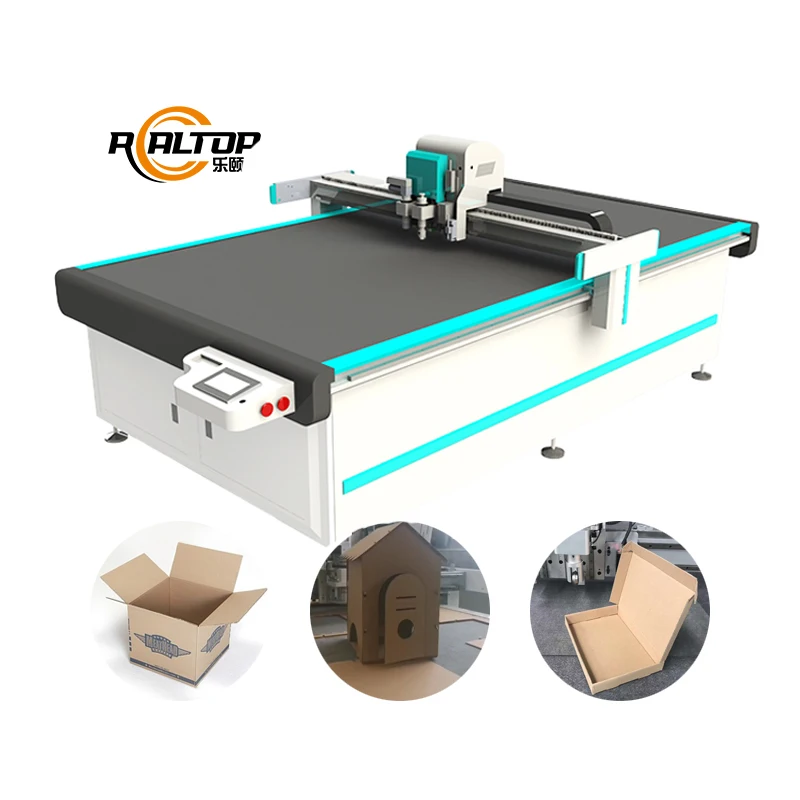
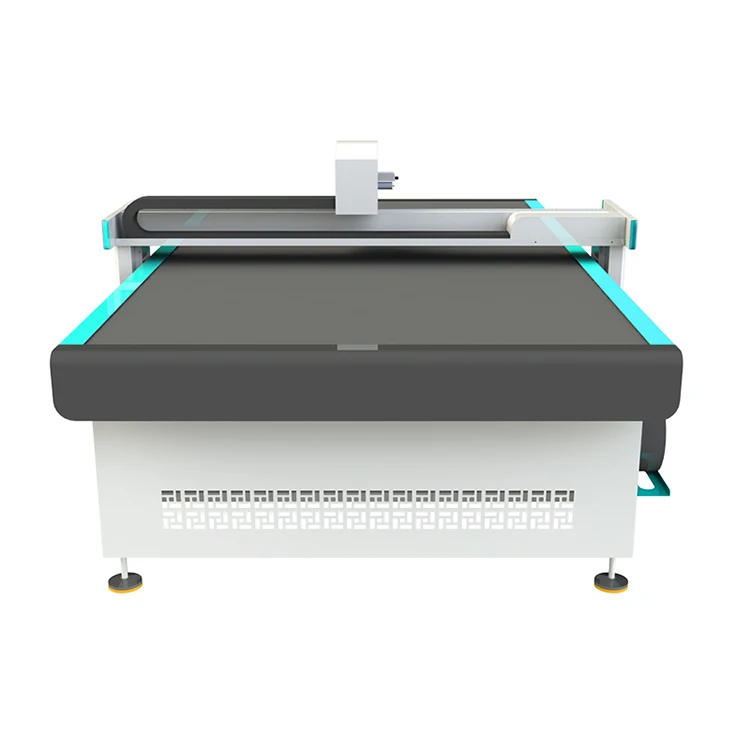
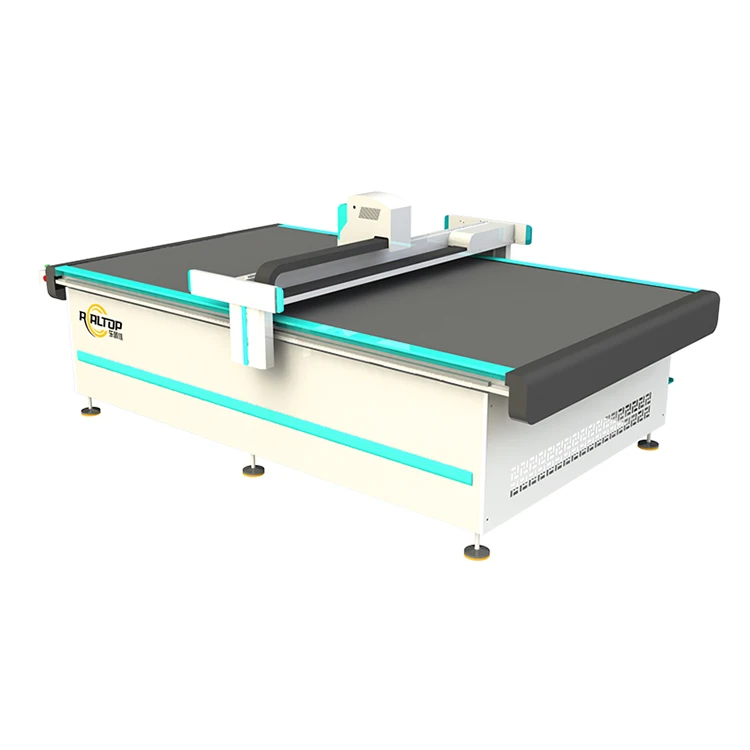
Full Cutting Technology Range — the RT-D2516/RT-S2516 is part of a complete equipment line covering both oscillating knife and laser methods, allowing packaging converters to select the cutting approach that actually fits their board density and flute profile rather than adapting the material to one process.
Technical Specifications
| Parameter | Value |
|---|---|
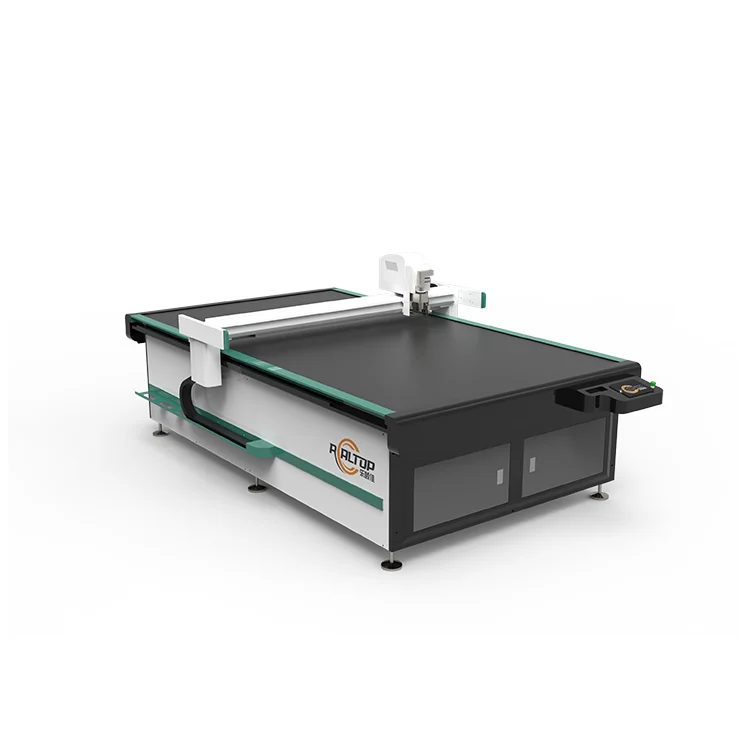
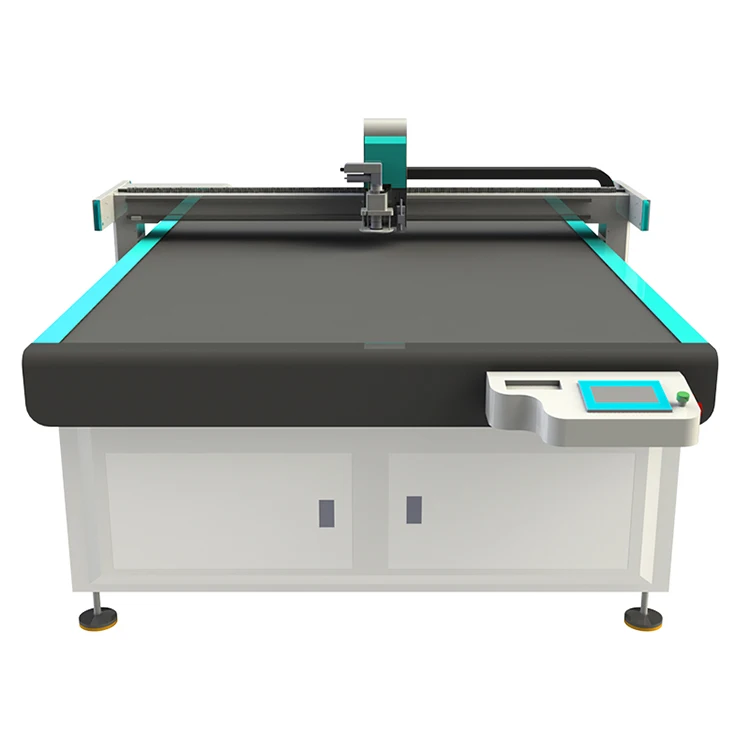
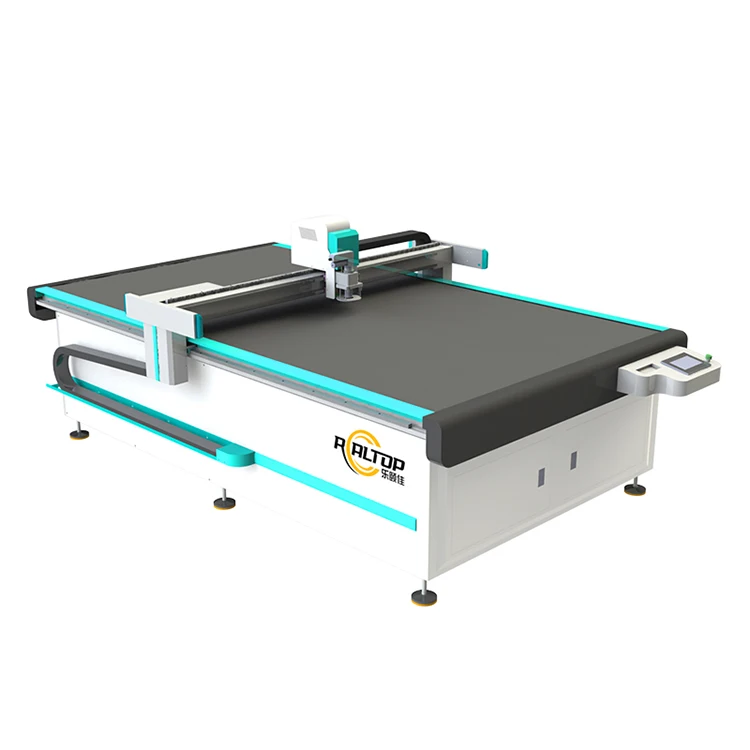
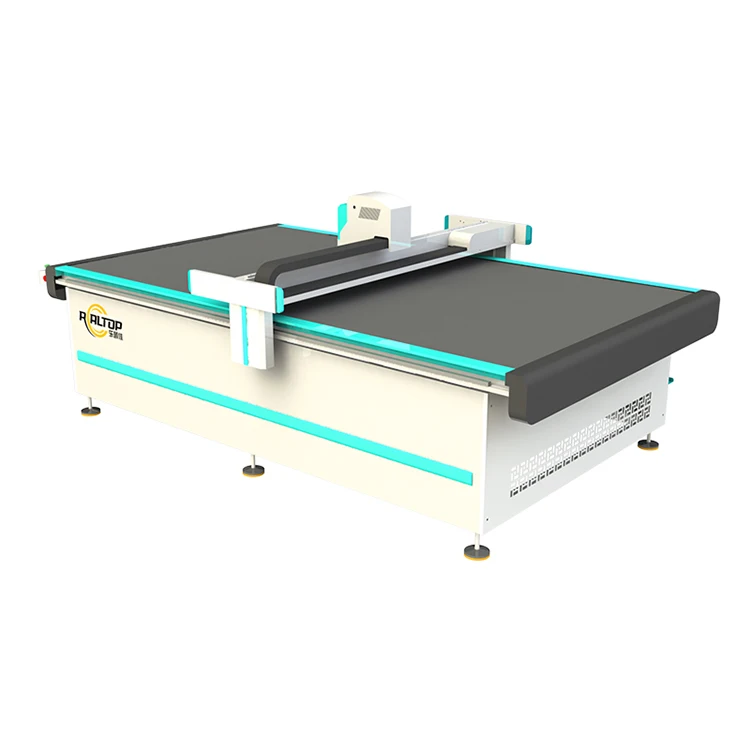
| Model | RT-D2516 / RT-S2516 |
| Working Area | 1600 × 2500 mm |
| Machine Size | 3450 × 2300 × 1250 mm |
| Rated Power | 9 kW |
| Table Type Options | Flatbed working table or auto-feeding conveyor table |
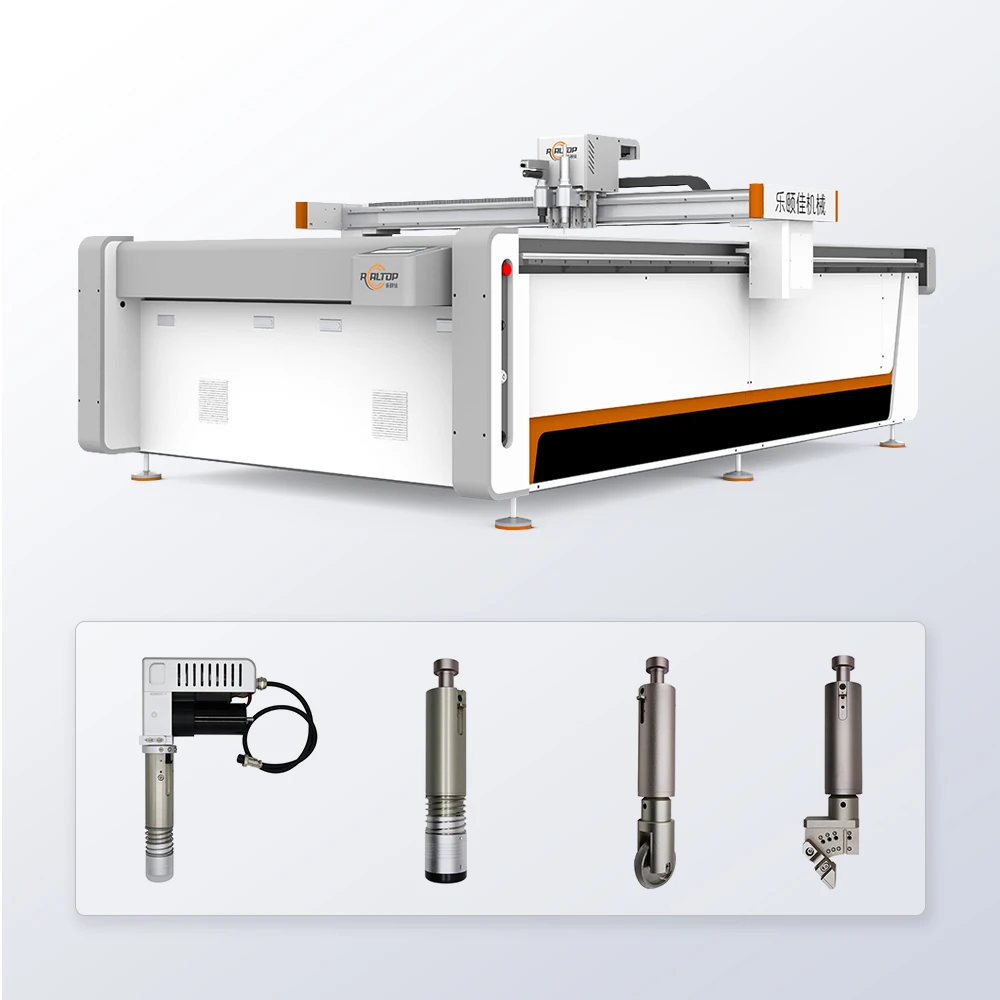
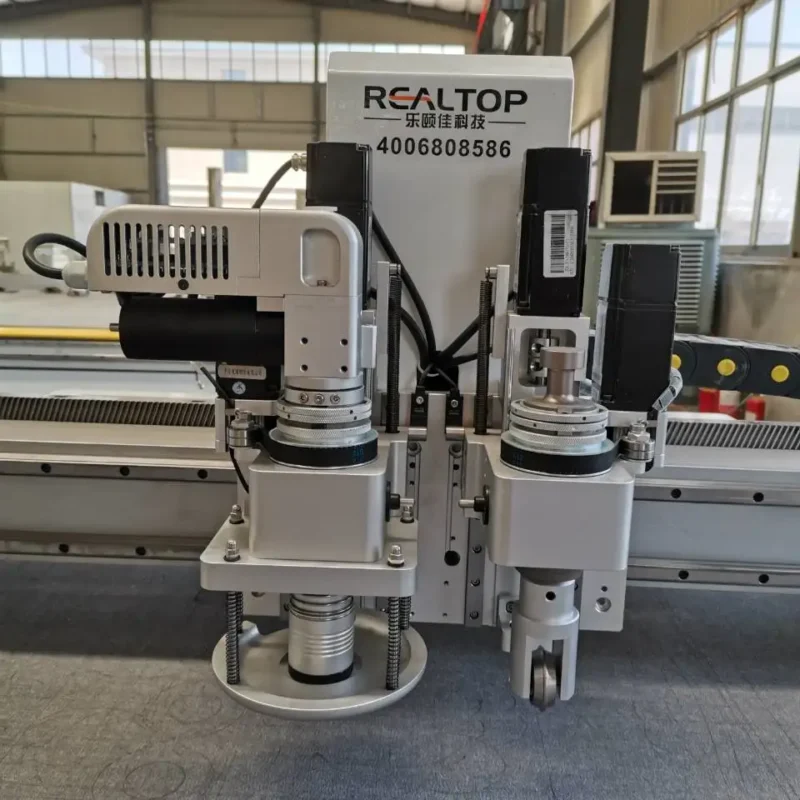
| Tool Head Options | Oscillating knife, pneumatic knife, high-power vibrating knife, circular knife, V-cutting knife, drag knife, creasing wheel, dotted line knife, punching, brush |
| Visual Positioning | Small CCD mark point positioning, panoramic camera recognition, projection positioning |
| Translational Velocity | 800–2000 mm/s |
| Cutting Speed | 200–800 mm/s (varies with material type and thickness) |
| Cutting Thickness | Up to 100 mm (basis not stated in source — confirm with material block format) |
| Repeated Accuracy | ≤0.1 mm |
| Transmission System | Digital servo motor, linear guide, synchronous belt, ball screw |
| Instruction System | HP-GL compatible format |
| File Format Support | PLT, DXF, AI |
| Voltage | 380V ± 10% |
| Servo Motor Options | Delta or Panasonic (IP67 rated) |
| Vacuum Table Surface | Magnesium-aluminum alloy with fluorocarbon PVDF powder spraying, anodic and hard oxidation |
| Vacuum Pump | 7.5 kW, integrated aviation aluminum shell with built-in silencer sponge |
| Conveyor Belt Origin | Germany imported |
| Linear Guide | Taiwan Hiwin rail |
| Control Panel | Touch screen with multiple language support (English, Russian, Italian, Chinese, customizable) |
| Safety Devices | Infrared sensors, anti-collision system, emergency stop |
| Assembly State | Fully assembled before shipment |
| Standards | CE declaration where applicable |
Application Suitability
| Application | Material or Output |
|---|---|
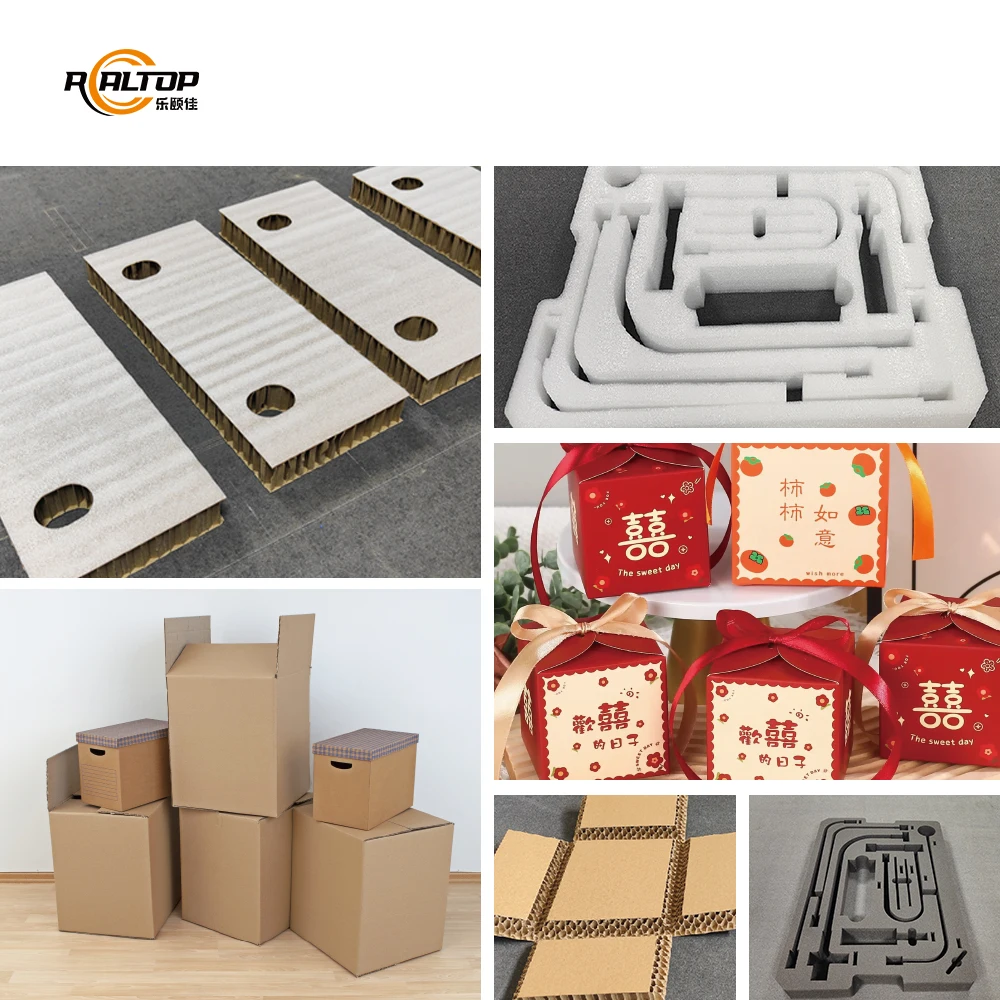
| Carton and packaging sample making | Corrugated cardboard, honeycomb board, grey board |
| Plastic box and blister packaging prototyping | PP, PE, PVC, PET sheets |
| Gasket and sealing pad production | Rubber, PTFE, ETFE, composite gasket stock |
| Signage and display board fabrication | Foam board, PVC foam, acrylic-backed composites |
| Automotive interior trimming | PU, EVA, XPE foam, non-woven fabric, carpet |
| Soft furnishings and luggage cutting | Leather, textile, shoe material, sponge |
Why Specifying Only the Working Area Fails on Corrugated Board
A flatbed digital cutting table for sale listed by bed size alone tells you nothing about whether the knife stroke can push through double-wall corrugated at production speed.
Buyers who focus only on the 1600 × 2500 mm envelope often discover during commissioning that the oscillating knife head specified was meant for thin card, not 8 mm honeycomb or triple-wall flute. The motor stalls, edges crush, and sample approval stalls with them [NEED_CITE: material thickness versus knife stroke requirements in corrugated converting]. The RT-D2516/RT-S2516 addresses this by offering multiple tool head configurations — from standard oscillating knife through to high-power vibrating knife and V-cutting knife — each matched to a specific board weight and flute combination. Without that material-level specification, even a perfectly sized CNC oscillating knife cutting machine manufacturer delivery can sit idle on the shop floor.
Matching the Knife Head to Your Board Grade
The tool head options on this system span the full range of packaging substrates. An oscillating knife handles single and double-wall corrugated cleanly when paired with the correct blade angle and stroke frequency. For denser honeycomb panels, the high-power vibrating knife delivers the vertical force needed to shear through the flute structure without crushing the top liner. A creasing wheel runs alongside the cutting path so that fold lines are scored in the same operation. This CNC flatbed digital cutting table for sale is configured per material before it leaves the factory — not adjusted by the operator after arrival.
Visual Positioning for Printed Contour Work
When packaging prototypes carry printed graphics, the cut path must register to the print rather than to the sheet edge. The panoramic camera recognition option scans the full sheet and locates printed marks before the knife path begins [NEED_CITE: CCD registration accuracy on printed corrugated substrates]. For simpler mark-and-cut tasks, the small CCD mark point positioning is sufficient. The projection positioning option overlays the cut path visually on the material surface, letting the operator verify alignment before the cycle starts. This matters most in short-run sample work where every sheet carries a different layout.
Reading the Specification Sheet Like a Production Manager
The 7.5 kW vacuum pump with integrated silencer is not just a noise-reduction feature — it determines whether small carton blanks stay flat during cutting. Insufficient vacuum zoning means lightweight corrugated pieces lift off the table mid-cut, producing ragged edges that fail sample approval. The magnesium-aluminum alloy table with hard oxidation resists the scoring marks that build up over thousands of cuts, preserving flatness. The 200–800 mm/s cutting speed range reflects actual material behavior: thin grey board runs at the upper end, while 10 mm honeycomb demands the lower range. The IP67-rated servo motors protect against the dust that corrugated converting generates in volume.
The Cost of Skipping the Sample Cut
I once shipped a carton sample cutting system to a plant running heavy double-wall board. The oscillating knife chewed through blades in two weeks, and because I had not packed enough spares, they were down three days waiting for replacements. The phone call was not pleasant. That experience sits behind the sample cutting report that now goes with every quotation — your material, cut on this machine, with blade consumption recorded. Without that test, you are guessing at tool head selection, and guessing costs downtime [NEED_CITE: tooling wear rates on corrugated board grades].
Why Buyers Source This Equipment Line Here
The design team covers both knife cutting and laser cutting technologies under one roof, so a packaging converter evaluating board versus acrylic display work gets an honest recommendation on which method fits each material rather than a single-technology pitch. Tool head and table configurations are specified against your material sheet and daily volume before the order is confirmed. The CCD camera and visual positioning options are tested on your printed stock, not demonstrated on a generic sample. Voltage, plug type, and control language are locked in writing before production begins. The factory test record includes your specific board grade and thickness, not a generic pass certificate.
Documentation & Verification
- Machine specification sheet listing the configured tool heads and table type for your material
- Electrical schematic with voltage and plug confirmation matching your facility supply
- Sample cutting report on your corrugated or honeycomb board with blade consumption data
- Software licence and file format compatibility note covering PLT, DXF, and AI workflows
- Factory test record documenting cutting accuracy on your specified board thickness
- Spare parts list with blade types and quantities matched to your daily production volume
Installation, Commissioning & Support
- Requires a level concrete floor capable of supporting the 3450 × 2300 mm footprint with clearance for sheet loading
- Dedicated 380V ± 10% circuit with correct amperage for the 9 kW rated power plus the 7.5 kW vacuum pump
- Machine ships fully assembled — positioning and utility connection only, no structural build on site
- First-run parameter setting covers vacuum zoning, knife stroke depth, and cutting speed per your board grade
- Operator training includes tool head changeover between oscillating knife, creasing wheel, and V-cutting knife
- Blade and consumable spare parts list packed with machine based on your confirmed material and daily volume
Preparing Your Inquiry
To specify the right configuration from this CNC oscillating knife cutting machine manufacturer range, share your primary board types with flute profiles and thicknesses, your typical sheet format and daily sample volume, and whether your work involves printed contour cutting or blank-only prototyping. Include your facility voltage and frequency, preferred control language, and whether you need the flatbed or auto-feeding table format. If possible, send a few sheets of your actual material for sample cutting before the order is finalized.
Frequently Asked Questions
Q: How do I decide between oscillating knife and laser cutting for packaging materials?
A: Knife cutting handles corrugated, honeycomb, and foam board without burning the edges or generating fumes, making it the standard for carton sample work. Laser cutting suits thinner substrates like card stock, film, and sticker material where sealed edges are acceptable. The choice depends on your material mix — if you run both board and film, you may need both methods in your workflow.
Q: What determines the correct tool head for my corrugated board grade?
A: Single-wall corrugated typically runs on a standard oscillating knife, while double-wall and honeycomb board need the high-power vibrating knife to shear through the flute core without crushing the liner. The V-cutting knife is used for chamfered edges on thick panels. The correct head is confirmed during sample cutting on your actual board before the order is finalized.
Q: Can the visual positioning system track my printed packaging designs at sample speed?
A: The panoramic camera recognition option scans the entire sheet and registers to printed marks before cutting begins, handling the variable layouts typical in packaging sample work. The small CCD mark point option covers simpler registration tasks. Both are tested on your printed material during the sample phase to verify tracking accuracy at your production speed.
Q: What voltage and language options are available for export markets?
A: The standard configuration runs on 380V ± 10% at 50 Hz, with the control panel supporting English, Russian, Italian, and Chinese as standard languages. Additional languages and alternative voltage configurations can be specified before production. Voltage, plug type, and language are confirmed in writing and documented on the electrical schematic before the machine ships.
Full Cutting Technology Range — the RT-D2516/RT-S2516 is part of a complete equipment line covering both oscillating knife and laser methods, allowing packaging converters to select the cutting approach that actually fits their board density and flute profile rather than adapting the material to one process.
Technical Specifications
| Parameter | Value |
|---|---|
| Model | RT-D2516 / RT-S2516 |
| Working Area | 1600 × 2500 mm |
| Machine Size | 3450 × 2300 × 1250 mm |
| Rated Power | 9 kW |
| Table Type Options | Flatbed working table or auto-feeding conveyor table |
| Tool Head Options | Oscillating knife, pneumatic knife, high-power vibrating knife, circular knife, V-cutting knife, drag knife, creasing wheel, dotted line knife, punching, brush |
| Visual Positioning | Small CCD mark point positioning, panoramic camera recognition, projection positioning |
| Translational Velocity | 800–2000 mm/s |
| Cutting Speed | 200–800 mm/s (varies with material type and thickness) |
| Cutting Thickness | Up to 100 mm (basis not stated in source — confirm with material block format) |
| Repeated Accuracy | ≤0.1 mm |
| Transmission System | Digital servo motor, linear guide, synchronous belt, ball screw |
| Instruction System | HP-GL compatible format |
| File Format Support | PLT, DXF, AI |
| Voltage | 380V ± 10% |
| Servo Motor Options | Delta or Panasonic (IP67 rated) |
| Vacuum Table Surface | Magnesium-aluminum alloy with fluorocarbon PVDF powder spraying, anodic and hard oxidation |
| Vacuum Pump | 7.5 kW, integrated aviation aluminum shell with built-in silencer sponge |
| Conveyor Belt Origin | Germany imported |
| Linear Guide | Taiwan Hiwin rail |
| Control Panel | Touch screen with multiple language support (English, Russian, Italian, Chinese, customizable) |
| Safety Devices | Infrared sensors, anti-collision system, emergency stop |
| Assembly State | Fully assembled before shipment |
| Standards | CE declaration where applicable |
Application Suitability
| Application | Material or Output |
|---|---|
| Carton and packaging sample making | Corrugated cardboard, honeycomb board, grey board |
| Plastic box and blister packaging prototyping | PP, PE, PVC, PET sheets |
| Gasket and sealing pad production | Rubber, PTFE, ETFE, composite gasket stock |
| Signage and display board fabrication | Foam board, PVC foam, acrylic-backed composites |
| Automotive interior trimming | PU, EVA, XPE foam, non-woven fabric, carpet |
| Soft furnishings and luggage cutting | Leather, textile, shoe material, sponge |
Why Specifying Only the Working Area Fails on Corrugated Board
A flatbed digital cutting table for sale listed by bed size alone tells you nothing about whether the knife stroke can push through double-wall corrugated at production speed.
Buyers who focus only on the 1600 × 2500 mm envelope often discover during commissioning that the oscillating knife head specified was meant for thin card, not 8 mm honeycomb or triple-wall flute. The motor stalls, edges crush, and sample approval stalls with them [NEED_CITE: material thickness versus knife stroke requirements in corrugated converting]. The RT-D2516/RT-S2516 addresses this by offering multiple tool head configurations — from standard oscillating knife through to high-power vibrating knife and V-cutting knife — each matched to a specific board weight and flute combination. Without that material-level specification, even a perfectly sized CNC oscillating knife cutting machine manufacturer delivery can sit idle on the shop floor.
Matching the Knife Head to Your Board Grade
The tool head options on this system span the full range of packaging substrates. An oscillating knife handles single and double-wall corrugated cleanly when paired with the correct blade angle and stroke frequency. For denser honeycomb panels, the high-power vibrating knife delivers the vertical force needed to shear through the flute structure without crushing the top liner. A creasing wheel runs alongside the cutting path so that fold lines are scored in the same operation. This CNC flatbed digital cutting table for sale is configured per material before it leaves the factory — not adjusted by the operator after arrival.
Visual Positioning for Printed Contour Work
When packaging prototypes carry printed graphics, the cut path must register to the print rather than to the sheet edge. The panoramic camera recognition option scans the full sheet and locates printed marks before the knife path begins [NEED_CITE: CCD registration accuracy on printed corrugated substrates]. For simpler mark-and-cut tasks, the small CCD mark point positioning is sufficient. The projection positioning option overlays the cut path visually on the material surface, letting the operator verify alignment before the cycle starts. This matters most in short-run sample work where every sheet carries a different layout.
Reading the Specification Sheet Like a Production Manager
The 7.5 kW vacuum pump with integrated silencer is not just a noise-reduction feature — it determines whether small carton blanks stay flat during cutting. Insufficient vacuum zoning means lightweight corrugated pieces lift off the table mid-cut, producing ragged edges that fail sample approval. The magnesium-aluminum alloy table with hard oxidation resists the scoring marks that build up over thousands of cuts, preserving flatness. The 200–800 mm/s cutting speed range reflects actual material behavior: thin grey board runs at the upper end, while 10 mm honeycomb demands the lower range. The IP67-rated servo motors protect against the dust that corrugated converting generates in volume.
The Cost of Skipping the Sample Cut
I once shipped a carton sample cutting system to a plant running heavy double-wall board. The oscillating knife chewed through blades in two weeks, and because I had not packed enough spares, they were down three days waiting for replacements. The phone call was not pleasant. That experience sits behind the sample cutting report that now goes with every quotation — your material, cut on this machine, with blade consumption recorded. Without that test, you are guessing at tool head selection, and guessing costs downtime [NEED_CITE: tooling wear rates on corrugated board grades].
Why Buyers Source This Equipment Line Here
The design team covers both knife cutting and laser cutting technologies under one roof, so a packaging converter evaluating board versus acrylic display work gets an honest recommendation on which method fits each material rather than a single-technology pitch. Tool head and table configurations are specified against your material sheet and daily volume before the order is confirmed. The CCD camera and visual positioning options are tested on your printed stock, not demonstrated on a generic sample. Voltage, plug type, and control language are locked in writing before production begins. The factory test record includes your specific board grade and thickness, not a generic pass certificate.
Documentation & Verification
- Machine specification sheet listing the configured tool heads and table type for your material
- Electrical schematic with voltage and plug confirmation matching your facility supply
- Sample cutting report on your corrugated or honeycomb board with blade consumption data
- Software licence and file format compatibility note covering PLT, DXF, and AI workflows
- Factory test record documenting cutting accuracy on your specified board thickness
- Spare parts list with blade types and quantities matched to your daily production volume
Installation, Commissioning & Support
- Requires a level concrete floor capable of supporting the 3450 × 2300 mm footprint with clearance for sheet loading
- Dedicated 380V ± 10% circuit with correct amperage for the 9 kW rated power plus the 7.5 kW vacuum pump
- Machine ships fully assembled — positioning and utility connection only, no structural build on site
- First-run parameter setting covers vacuum zoning, knife stroke depth, and cutting speed per your board grade
- Operator training includes tool head changeover between oscillating knife, creasing wheel, and V-cutting knife
- Blade and consumable spare parts list packed with machine based on your confirmed material and daily volume
Preparing Your Inquiry
To specify the right configuration from this CNC oscillating knife cutting machine manufacturer range, share your primary board types with flute profiles and thicknesses, your typical sheet format and daily sample volume, and whether your work involves printed contour cutting or blank-only prototyping. Include your facility voltage and frequency, preferred control language, and whether you need the flatbed or auto-feeding table format. If possible, send a few sheets of your actual material for sample cutting before the order is finalized.
Frequently Asked Questions
Q: How do I decide between oscillating knife and laser cutting for packaging materials?
A: Knife cutting handles corrugated, honeycomb, and foam board without burning the edges or generating fumes, making it the standard for carton sample work. Laser cutting suits thinner substrates like card stock, film, and sticker material where sealed edges are acceptable. The choice depends on your material mix — if you run both board and film, you may need both methods in your workflow.
Q: What determines the correct tool head for my corrugated board grade?
A: Single-wall corrugated typically runs on a standard oscillating knife, while double-wall and honeycomb board need the high-power vibrating knife to shear through the flute core without crushing the liner. The V-cutting knife is used for chamfered edges on thick panels. The correct head is confirmed during sample cutting on your actual board before the order is finalized.
Q: Can the visual positioning system track my printed packaging designs at sample speed?
A: The panoramic camera recognition option scans the entire sheet and registers to printed marks before cutting begins, handling the variable layouts typical in packaging sample work. The small CCD mark point option covers simpler registration tasks. Both are tested on your printed material during the sample phase to verify tracking accuracy at your production speed.
Q: What voltage and language options are available for export markets?
A: The standard configuration runs on 380V ± 10% at 50 Hz, with the control panel supporting English, Russian, Italian, and Chinese as standard languages. Additional languages and alternative voltage configurations can be specified before production. Voltage, plug type, and language are confirmed in writing and documented on the electrical schematic before the machine ships.
商品评价
There are no reviews yet.