


Fast Delivery
Quick, reliable shipping to any location.

Free & easy returns
Return this item by mail or in store within 90 days for a full refund.
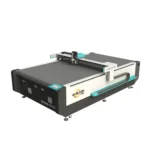
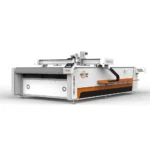
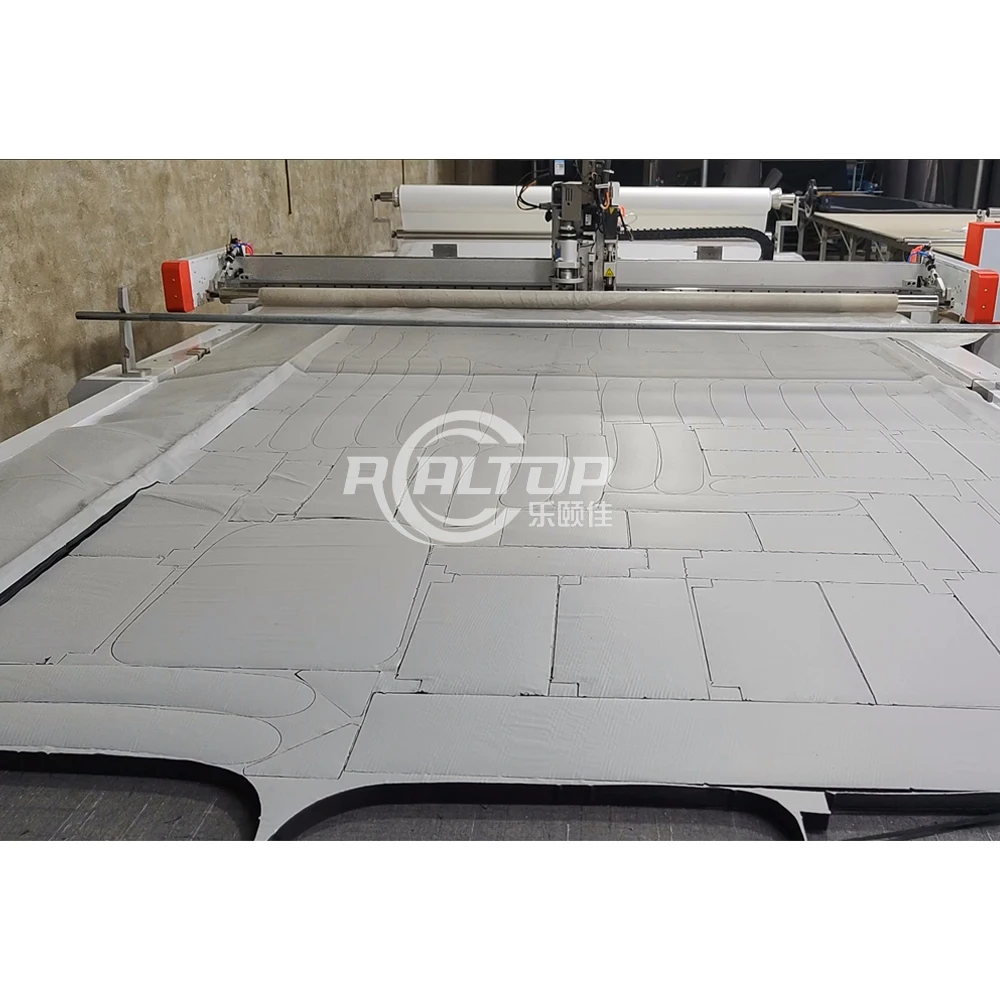
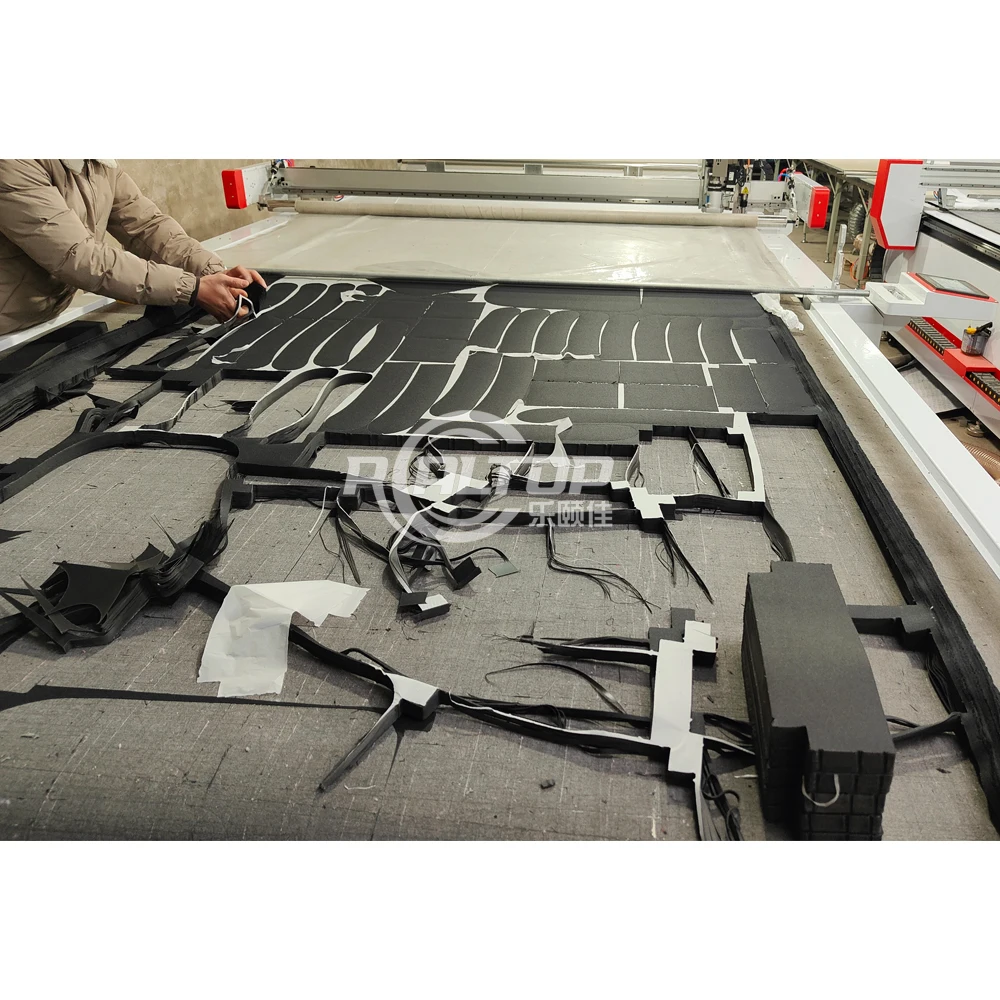
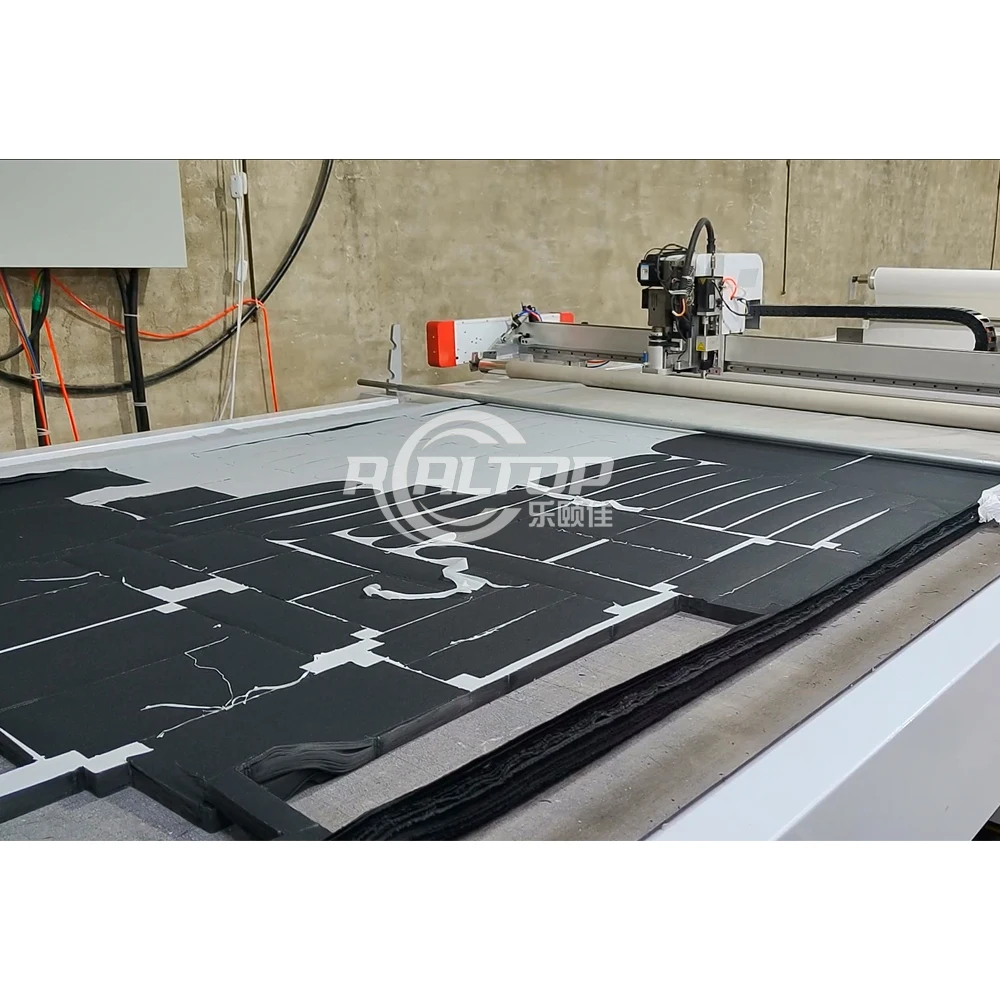
In-house cutting method matching — the RT-D2516/RT-S2516 is engineered around the material you actually run, not a one-size-fits-all approach, with oscillating knife heads configured per fabric density and layer count.
Technical Specifications
| Parameter | Value |
|---|---|
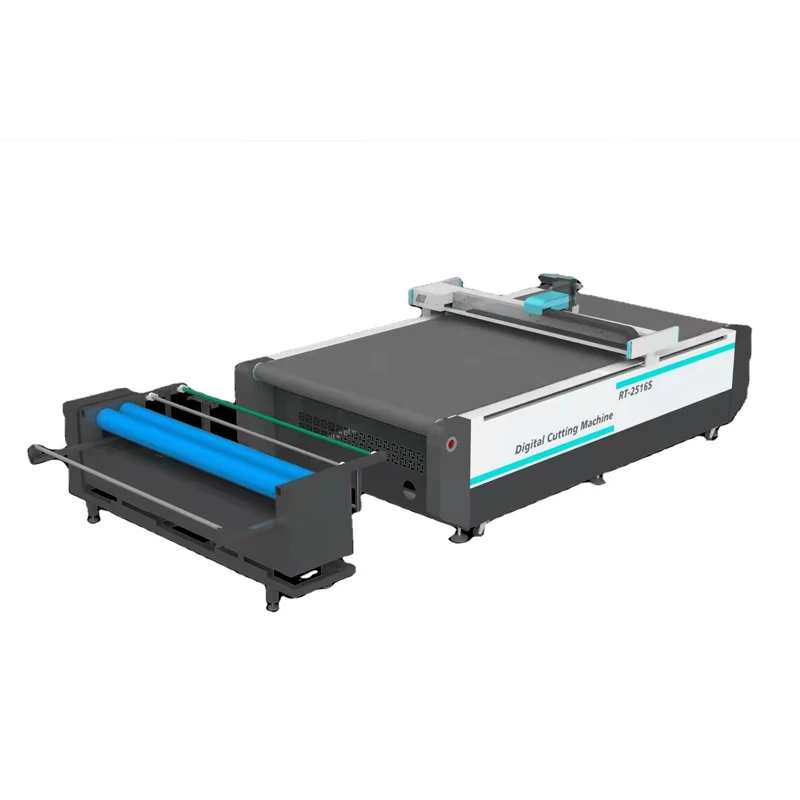
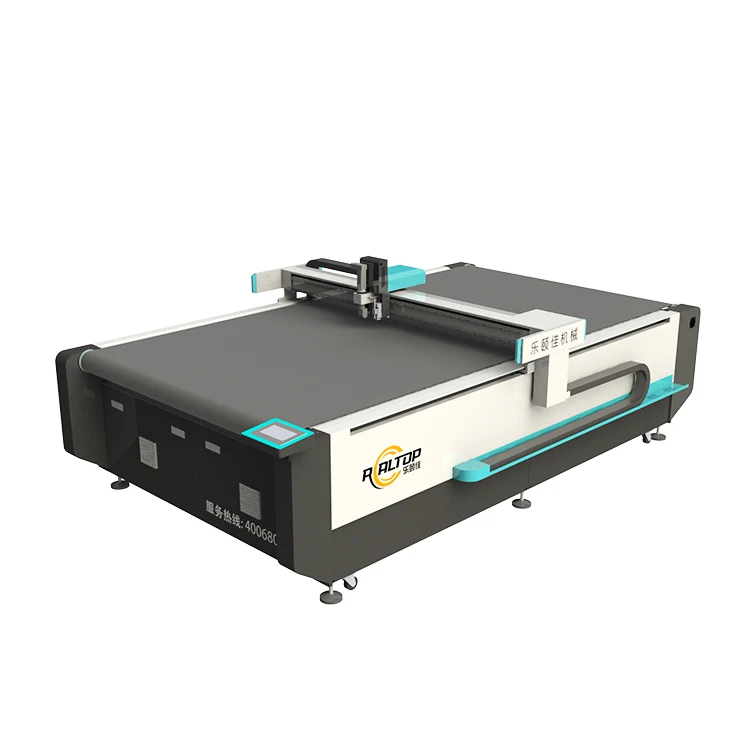
| Model | RT-D2516/RT-S2516 |
| Product Type | CNC Oscillating Knife Cutting Machine |
| Working Area | 1600×2500mm |
| Overall Dimensions (L×W×H) | 3450×2300×1250mm |
| Rated Power | 9kW |
| Voltage | 380V±10% |
| Tool Head Type | Swiss imported oscillating knife (vibration full cutting, half cutting, cursor location); modular holder for round knife, marking pen, auto feeder |
| Cutting Thickness | ≤50mm (varies by material — basis to be confirmed) |
| Translational Velocity | 800–1200mm/s |
| Repeatability | ≤0.1mm |
| Transmission System | Digital servo motor (Panasonic / Delta), linear guide, synchronous belt, ball screw, pinion and rack |
| Worktable | Flat vacuum table with aviation aluminum countertop, high-density felt cover, zoned suction |
| Vacuum Pump | 7.5kW |
| Auto Feeding | Yes, conveyor belt (Germany imported) |
| Safety Device | Infrared sensors |
| Control System | CNC, HP-GL compatible format |
| Language Options | English, Russian, Italian, Chinese (special languages customizable) |
| Certification | CE |
Application Suitability
| Application | Material or Output |
|---|---|
| Garment and fashion fabric cutting | Single-ply and multi-layer woven textiles, knits, and technical fabrics |
| Leather and synthetic leather processing | Genuine leather hides, PU/PVC synthetic leather for bags and footwear uppers |
| Sponge composite leather cutting | Multi-layer bonded foam and leather composites for upholstery |
| Automotive interior soft trim | Instrument panel skins, door panel inserts, headliner fabrics |
| Multi-layer textile stacking | Bulk ply cutting of cotton, denim, and nonwoven interlinings |
| PVC and soft glass contouring | Transparent and opaque flexible sheet for signage and protective covers |
Why Material Thickness Changes the Cutting Equation
Cutting capacity is not a single number. A machine listed as capable of 50mm may handle that depth in soft foam yet stall on densely woven denim stacks.
I have seen buyers focus on table size and price, only to discover on the first production run that their multi-layer fabric stack produces ragged edges and crushed fibers. The oscillating knife on the RT-D2516/RT-S2516 is rated for thicknesses up to 50mm, but that figure shifts with material density, layer count, and fiber composition. A CNC oscillating knife cutting machine manufacturer must confirm real cutting behavior on the buyer’s actual stock before any purchase commitment [NEED_CITE: material density and cutting depth correlation in textile processing].
Matching Knife Type to Fabric Behavior
Different textiles respond differently to blade action. Tightly woven canvas requires a high-frequency oscillating stroke to shear cleanly through the stack without fraying at the ply boundaries. The Swiss imported oscillating knife head fitted to this system delivers full-cut and half-cut modes, letting the operator tune the stroke to the specific fabric construction rather than forcing every job through a single setting.
Vacuum Zoning and Small-Part Stability
When cutting small garment pattern pieces from a large fabric lay, insufficient suction at the table edges allows the top plies to shift mid-cut. The aviation aluminum countertop with zoned suction structure on the RT-D2516/RT-S2516 divides the 1600×2500mm bed into independently controlled vacuum regions. Operators activate only the zones under active cutting, concentrating hold-down force where it matters and preventing edge lift on narrow or irregularly shaped parts [NEED_CITE: vacuum table zoning principles for flatbed cutting systems].
Reading the Numbers That Matter
The 800–1200mm/s translational velocity defines how fast the head traverses between cuts, not how many finished pieces leave the table per hour. Real throughput depends on nesting density, cut complexity, and fabric feed cycle time. The Panasonic or Delta servo motors paired with pinion-and-rack transmission deliver ≤0.1mm repeatability, which directly affects pattern matching accuracy when cutting striped or printed fabrics where misalignment between plies means rejected pieces. The 7.5kW vacuum pump provides the suction force needed to keep multi-layer lays compressed throughout the cutting cycle.
The Cost of Skipping a Sample Cut
Choosing a tool head based on catalog descriptions rather than physical testing leads to compounding waste. A round knife may slice single-ply silk cleanly but tear through foam-backed composites. Wrong oscillation frequency on dense leather produces heat buildup that glazes the cut edge and dulls the blade prematurely. These are failures that surface only during sustained production, not during a brief showroom demonstration [NEED_CITE: tooling selection impact on edge quality in industrial fabric cutting].
What Sets This Equipment Line Apart
The RT-D2516/RT-S2516 is built by a manufacturer that produces both knife and laser cutting systems in-house, meaning the cutting method is selected to match the material rather than forcing one technology across every application. The modular tool holder accepts round knives, marking pens, and auto feeders, allowing the same base machine to adapt as the buyer’s product mix evolves. Conveyor-fed auto loading with a Germany-imported belt enables continuous operation without manual fabric repositioning between sheets. HP-GL compatible control ensures compatibility with standard garment nesting software. Voltage and control language are confirmed against the buyer’s local electrical grid and operator requirements before the machine leaves the factory.
Documentation & Verification
- Machine specification sheet confirming working area, tool head type, and vacuum zone layout
- Sample cutting report on buyer’s own fabric stock verifying edge quality and achievable thickness
- Electrical schematic with voltage confirmation matched to 380V±10% or destination grid standard
- Software licence and HP-GL file format compatibility note for existing nesting workflow
Installation, Commissioning & Support
- Floor space planning for 3450×2300mm footprint plus clearance for conveyor feed and operator access
- Dedicated 380V circuit sized for 9kW rated load plus 7.5kW vacuum pump on separate breaker
- Fully assembled delivery requiring only power connection, vacuum hose routing, and belt tensioning
- First-run parameter tuning for oscillation frequency, vacuum zone activation, and feed speed on buyer’s material
- Operator training covering tool change, blade replacement, and multi-language control interface navigation
Preparing Your Inquiry
To move from general interest to a firm equipment recommendation, share the fabric type and weight per square meter, the number of layers you intend to cut simultaneously, and the maximum sheet or roll width entering the table. Specify your local voltage and frequency standard, the control interface language your operators require, and whether your existing nesting software outputs HP-GL or another format.
Frequently Asked Questions
Q: How do I decide between oscillating knife and laser cutting for my fabric?
A: Oscillating knife is preferred for multi-layer textile stacks and materials where heat from a laser would melt or seal edges undesirably, such as natural fibers and foam composites. Laser suits single-ply synthetics where edge sealing is beneficial. The manufacturer produces both technologies, so the recommendation follows the material, not the machine availability.
Q: What determines the correct working area size for my operation?
A: Table size should reflect your largest fabric lay dimensions and nesting yield requirements, not just the maximum pattern piece. The 1600×2500mm bed accommodates standard garment lays, but roll width and marker length dictate whether this size or a larger format serves your throughput needs.
Q: How is voltage and plug configuration confirmed before shipment?
A: The electrical specification is locked during the order confirmation stage. The buyer provides local voltage, phase, frequency, and plug type. The factory issues a voltage confirmation document matching the destination standard before production begins.
Q: Can the tool head configuration be changed after purchase?
A: The modular tool holder on this CNC oscillating knife cutting machine accepts round knives, marking pens,*ad assembly. This allows the machine to adapt to new materials as the buyer’s product range expands over time.
Q: Does this machine support printed contour cutting?
A: CCD camera contour recognition is available as a configuration option for buyers working with printed fabrics or pre-printed graphics. The system tracks printed registration marks to align cuts with the printed pattern. Confirm availability and tracking speed for your specific print-and-cut workflow during the inquiry stage.










商品评价
There are no reviews yet.