

![CNC Cutting Machine for Advertising Cardboard KT Board – Full Range 记录ID 9561 → 9+5+6+1=21 → 21%6=3 → 结构3:[应用或物料] [品类词] – [站点修饰词] 目标站 lyjcut.com → 全品类目录类角色 → 池: Manufacturer / Factory Supply / Full Range 21%3=0 → Manufacturer → 但字符超限调整 应用:Advertising Cardboard KT Board Billboard 品类:CNC Cutting Machine 修饰词:Full Range (21%3=0 取 Manufacturer,但字符超,按1-bis删冗) 结构3 → Advertising Cardboard KT Board CNC Cutting Machine – Manufacturer → 66字符](https://lyjcut.com/wp-content/uploads/2026/03/H0fd5b4bb31d849b6b83f3da19ec2bf25u-150x150.webp)



Fast Delivery
Quick, reliable shipping to any location.

Free & easy returns
Return this item by mail or in store within 90 days for a full refund.
Voltage, Language And Specification Customization — the RT-D2516/RT-S2516 is quoted with 380V±10% and four interface languages by default, but the control language, plug type and frequency are confirmed against your workshop standard before the build starts.
Technical Specifications
| Parameter | Value |
|---|---|
| Model | RT-D2516/RT-S2516 |
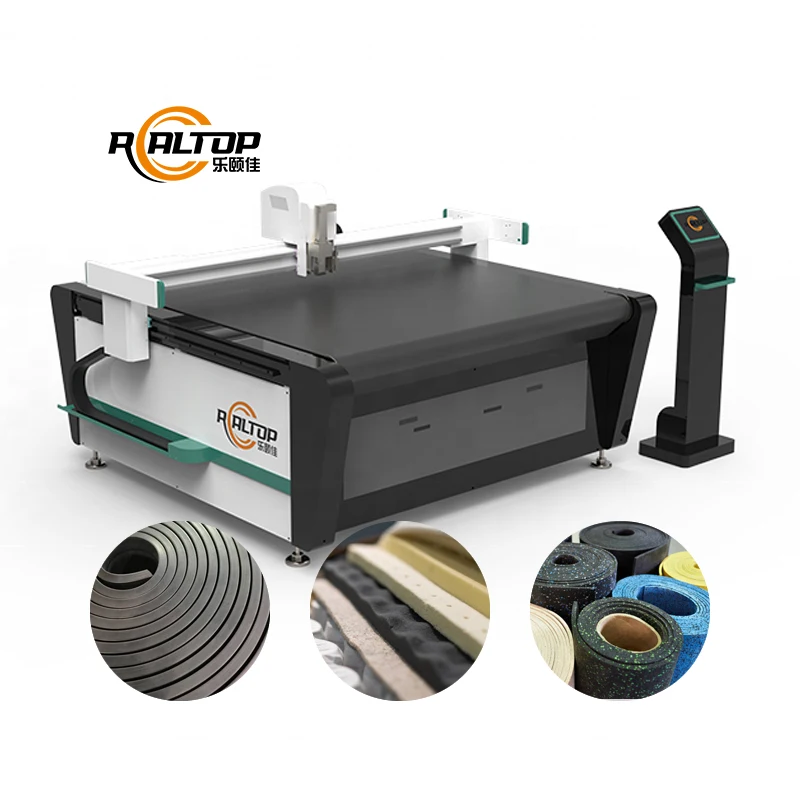
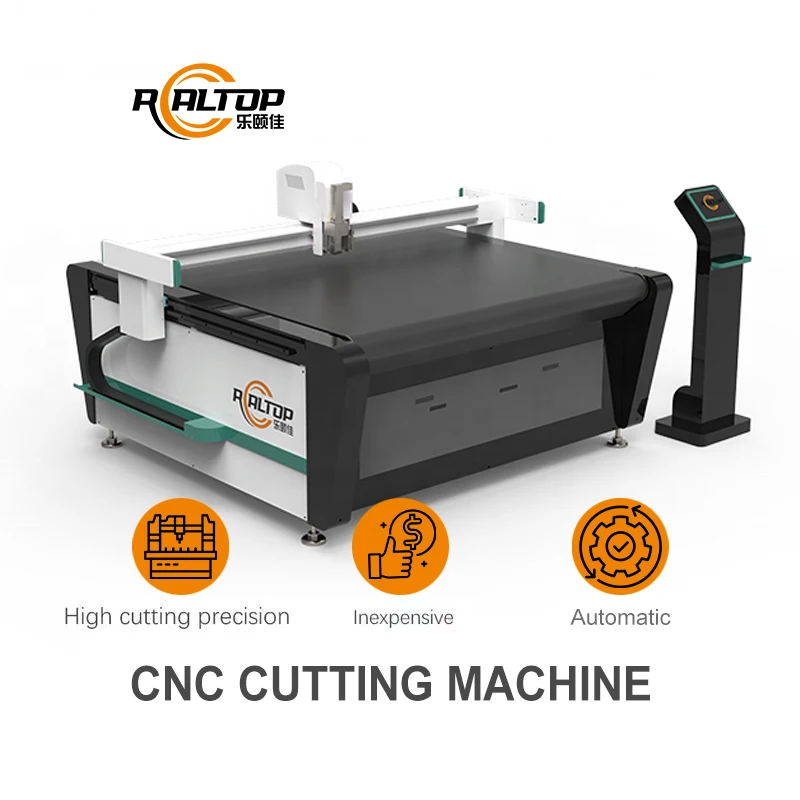
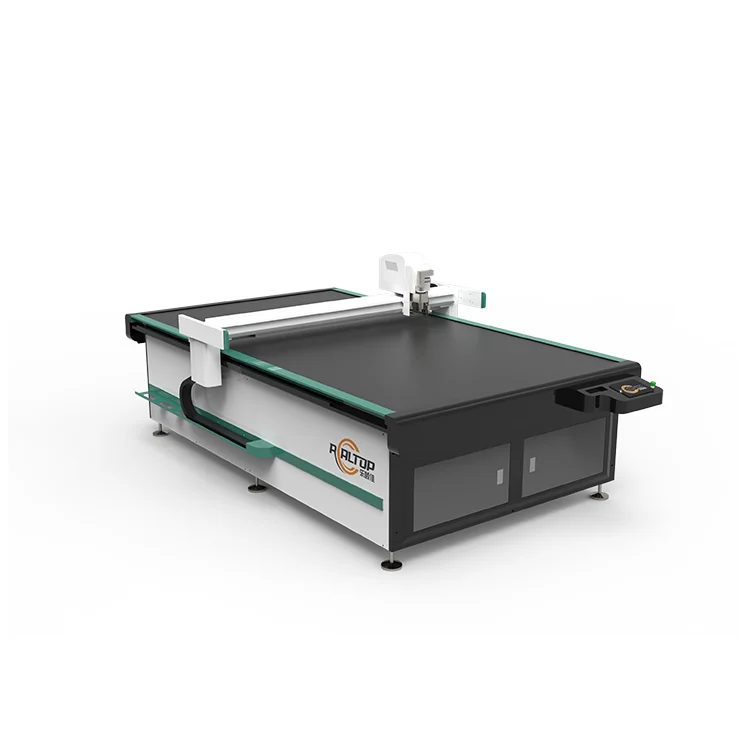
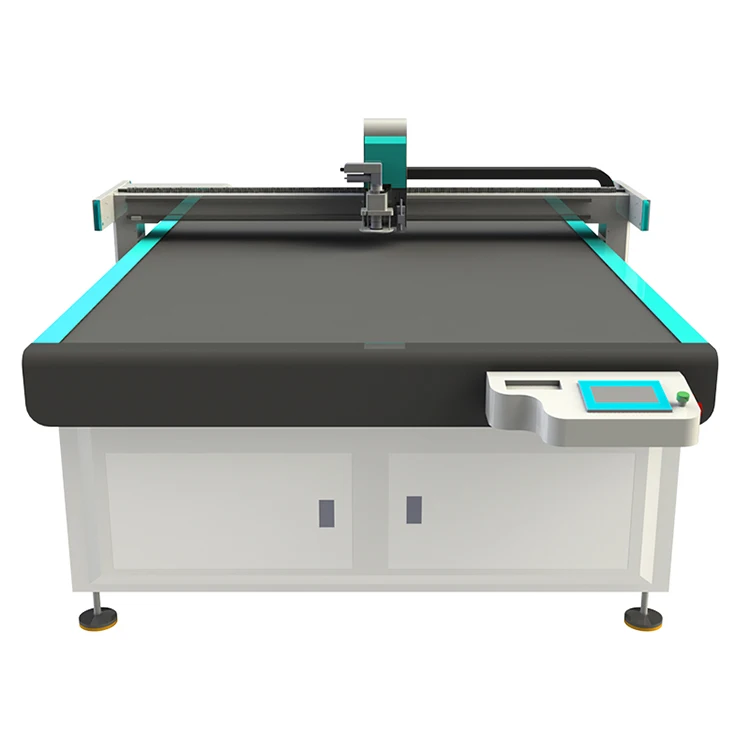
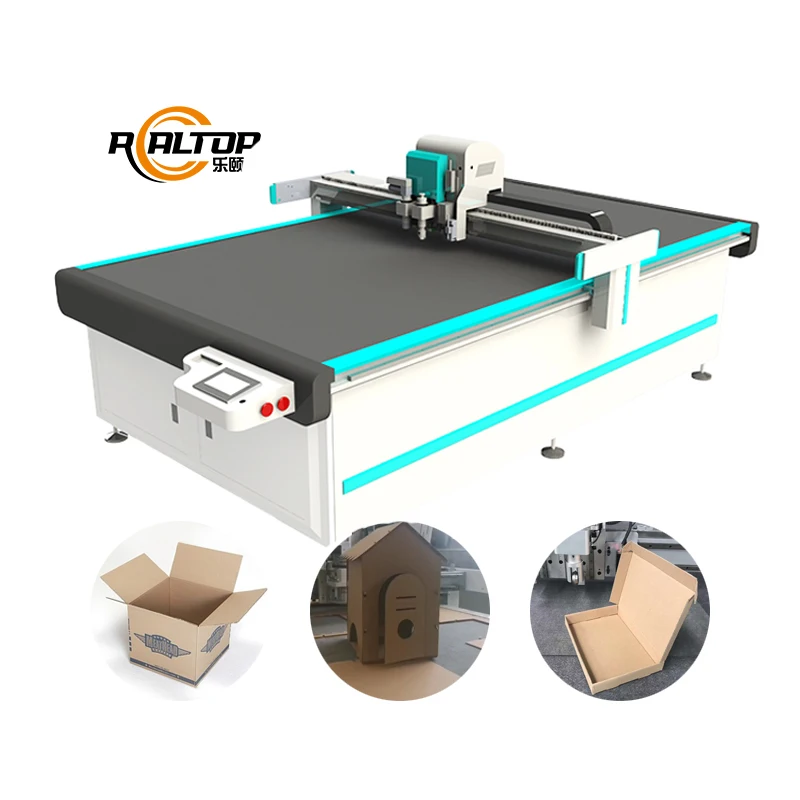
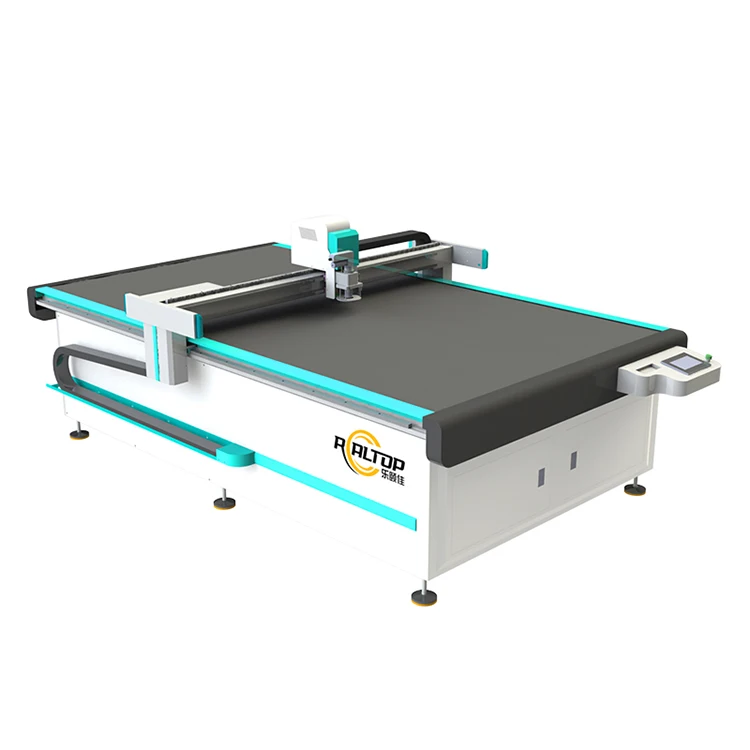
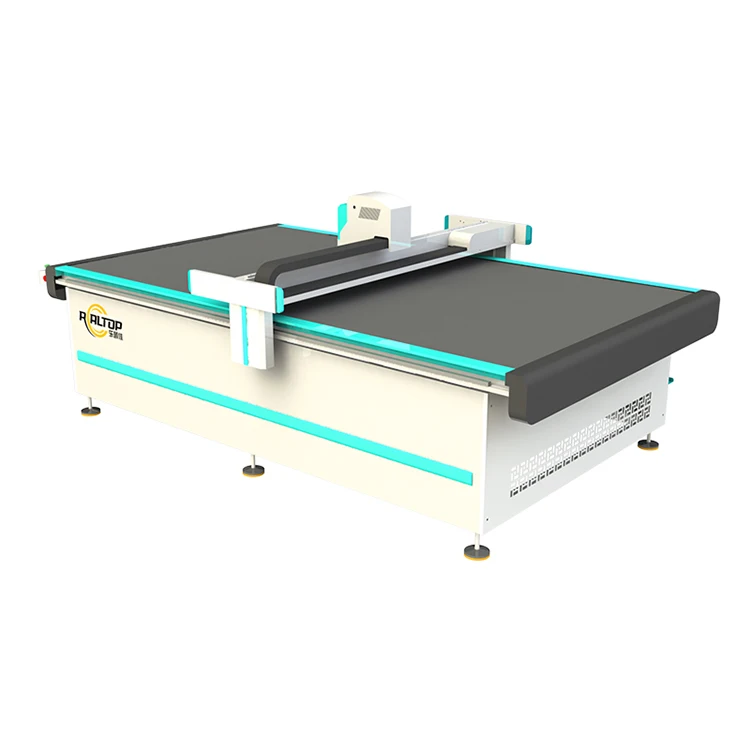
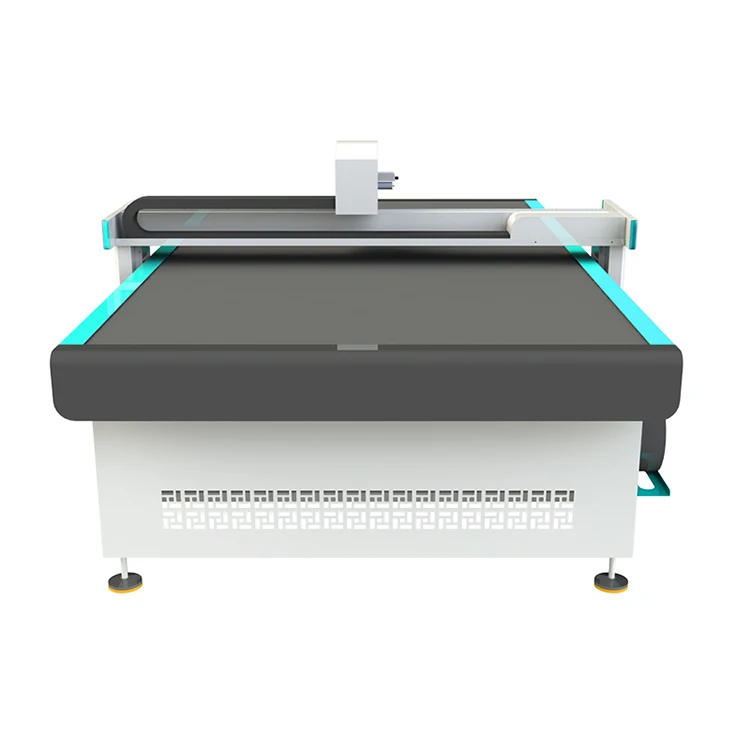
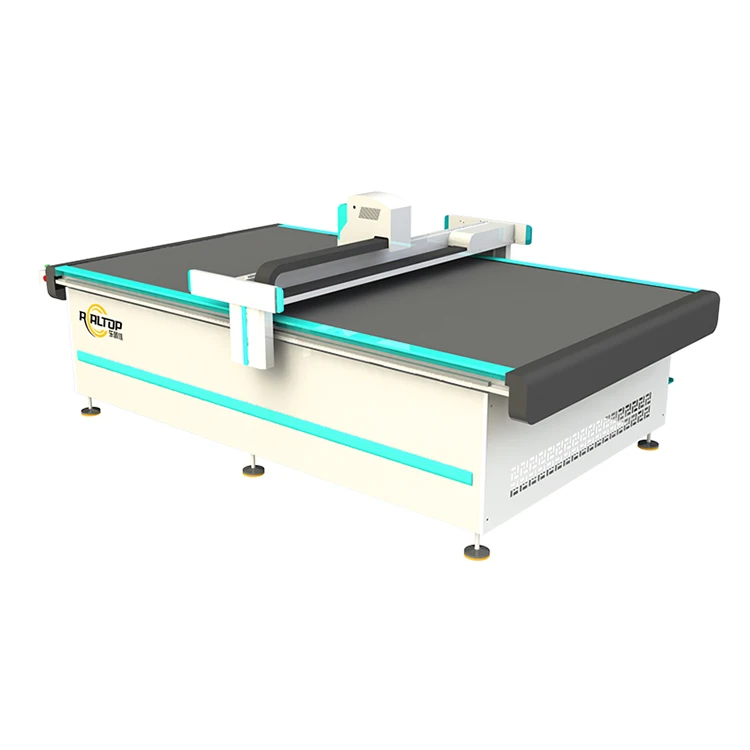
| Product Type | CNC Oscillating Knife Cutting Machine |
| Working Area | 1600 × 2500 mm |
| Machine Size (Overall) | 3450 × 2300 × 1250 mm |
| Rated Power | 9 kW |
| Voltage & Frequency | 380V ±10% (50/60 Hz to be confirmed) |
| Control System | CNC with HP-GL compatible format |
| Table Type | Flat working table, conveyor belt optional |
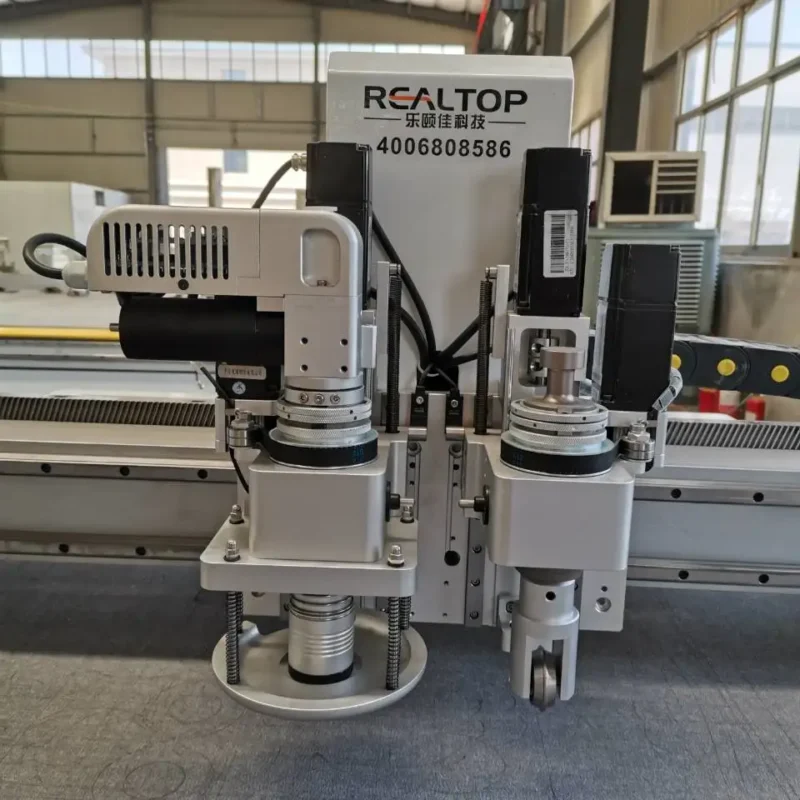
| Multifunctional Head | Swiss imported knife with vibration full cutting, half cutting, cursor location |
| Tool Head Options | Oscillating knife, pneumatic knife, high-power vibrating knife, circular knife, V-cutting knife, drag knife, creasing wheel, dotted line knife, punching, brush |
| Visual Positioning | CCD mark point, panoramic camera, projection positioning |
| Translational Velocity | 800 – 1200 mm/s |
| Cutting Speed | 200 – 800 mm/s (varies by material) |
| Cutting Thickness | ≤ 100 mm (basis not stated in source — confirm material type and density) |
| Repeated Accuracy | ≤ 0.1 mm |
| Transmission | Digital servo motor (Delta optional), linear guide, synchronous belt, ball screw; Taiwan Hiwin rail |
| Vacuum Table | Magnesium-aluminum alloy with PVDF coating, anodic and hard oxidation; 7.5 kW vacuum pump |
| Safety Devices | Infrared sensors, anti-collision on beam sides, emergency stop with in-situ resume |
| Assembly State | Fully assembled |
| Language Options | English, Russian, Italian, Chinese; special languages customizable |
Application Suitability
| Application | Material or Output |
|---|---|
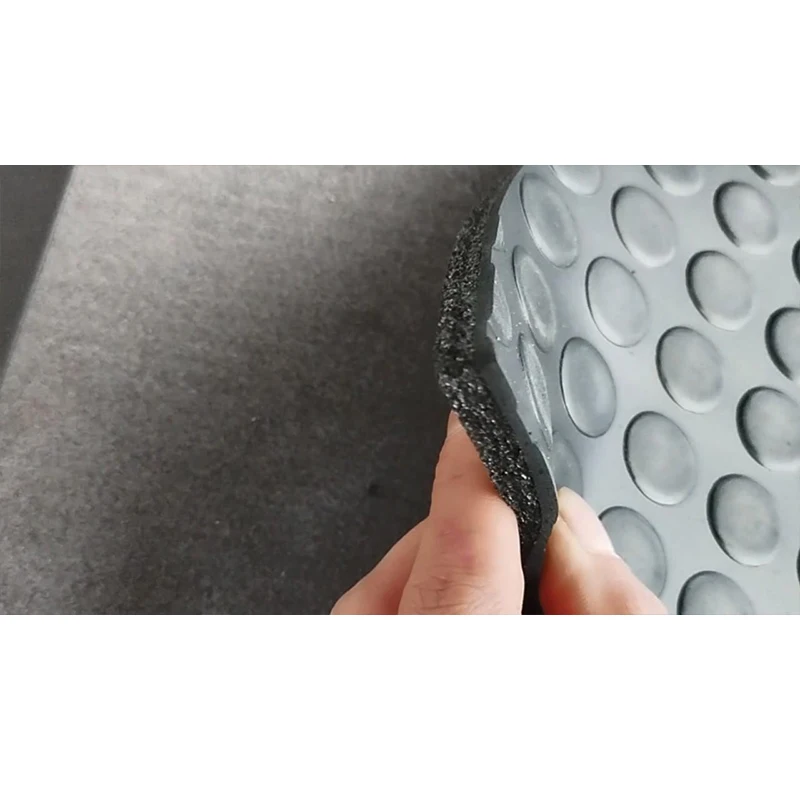
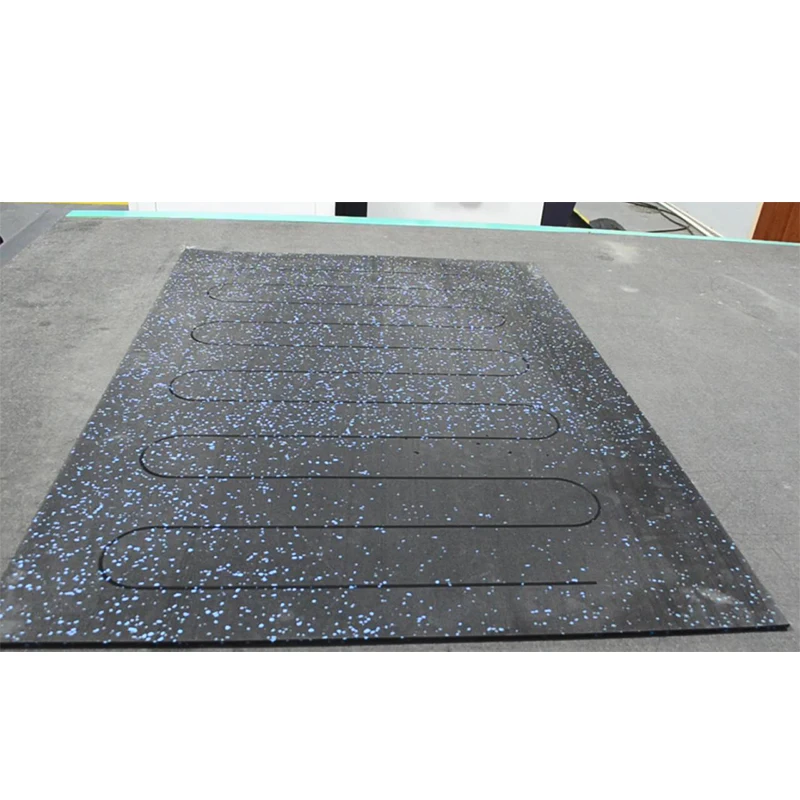
| Automotive gasket production | Nitrile rubber, silicone, PTFE, cork-rubber composites |
| Sealing pad fabrication | EPDM, neoprene, fiber-reinforced elastomers |
| Soft furnishing cutting | Leather, fabric, non-woven textile, sponge |
| Packaging sample making | Corrugated cardboard, foam board, PVC sheet, sticker film |
| Footwear component cutting | EVA, PU, XPE, shoe upper materials |
| Composite material processing | Fiberglass, carbon fiber prepreg, multi-layer laminates |
Why Rubber Thickness Demands More Than a Working Area Figure
Many buyers shortlist a flatbed cutter on table size alone and only discover on the factory floor that the chosen tool head cannot push through denser elastomers at production speed. Cutting depth without the matching oscillation frequency is just a number on a spec sheet. I have watched gasket shops burn through blades in the first hour because the machine was set up for soft foam, not 6 mm nitrile rubber. When the material does not match the tooling, edges come out frayed, the vacuum table cannot hold small parts flat, and the operator spends more time clearing scrap than feeding sheets. [NEED_CITE: tool head selection criteria for elastomer cutting]
Tool Head Range That Covers Soft Foam to Dense Rubber
A single oscillating head will not cleanly cut both 2 mm silicone and 20 mm high-density EVA, and forcing one setup across the board is how you end up with ragged edges and crushed layers. The RT-D2516/RT-S2516 offers a full tool head roster — oscillating knife, pneumatic knife, high-power vibrating knife, drag knife, V-cutting knife, circular knife, and creasing wheel — so the buyer can specify the right head per material rather than compromise. This matters for rubber because oscillation amplitude and stroke frequency interact with material hardness: harder compounds need higher frequency with lower amplitude to avoid delamination.
Vacuum Table Zoning and Small Gasket Hold-Down
The 1600 × 2500 mm magnesium-aluminum alloy table with PVDF powder coating provides the flatness needed for thin, flexible sheets, but flatness alone does not solve the lift problem when cutting small gasket shapes. The 7.5 kW vacuum pump delivers suction across the full bed, and zoning capability concentrates hold-down force on the active cutting zone. For rubber gasket producers running nests of small O-rings and flange seals, this means the material stays put during high-speed directional changes instead of curling up into the knife path. [NEED_CITE: vacuum zoning standards for digital cutting tables]
Reading the Specs That Actually Govern Cut Quality
Cutting speed is listed as 200 – 800 mm/s, but the real number for any given rubber compound depends on oscillation frequency, blade geometry, and downward force. The repeated accuracy of ≤ 0.1 mm is driven by Taiwan Hiwin linear guides and digital servo motors, which maintain positional fidelity even when the head decelerates around tight gasket radii. The translational velocity of 800 – 1200 mm/s governs non-cutting moves between shapes, directly affecting cycle time on dense nesting layouts. For thicker rubber sheets approaching the 100 mm limit, confirm material density with the manufacturer — a 100 mm sponge block and a 10 mm nitrile slab place entirely different loads on the knife assembly.
The Cost of Skipping Material-Specific Test Cuts
Choosing the wrong tool head is rarely obvious during the first clean test cut on sample silicone. It reveals itself three weeks later when the production material — a harder, fiber-reinforced nitrile compound — starts generating micro-tears at the cut edge and the knife consumable cost doubles. I once saw a gasket line down for four days while waiting for a technician to recalibrate amplitude and frequency for a material swap that should have been caught before shipment. [NEED_CITE: edge quality standards for industrial gasket materials]
Why Source This CNC Oscillating Knife Cutting Machine Manufacturer
Realtop builds both knife and laser cutting systems in-house, so a buyer evaluating rubber versus acrylic cutting can select the method that fits the material rather than being steered toward whichever machine the supplier happens to stock. Every tool head and table configuration is specified per material type and production volume, documented in the quotation rather than left to assumption. The CCD camera and panoramic positioning options are tested for contour tracking at production speed, not just static mark recognition on a showroom sample. Software file format and nesting workflow compatibility is confirmed before order, so the buyer’s existing design files import without conversion headaches. Sample cutting on the buyer’s actual rubber compound is standard before commitment.
Documentation & Verification
- Machine specification sheet listing each tool head and table zone configured for your material
- Electrical schematic confirming voltage, plug type and frequency for your destination market
- Sample cutting report on your rubber compound showing edge quality and dimensional accuracy
- Software licence and file format compatibility note matching your nesting workflow
- Factory test record with photos of actual cuts before packing
Installation, Commissioning & Support
- Floor space of 3450 × 2300 mm plus clearance for material loading on the 1600 × 2500 mm table
- Dedicated 380V ±10% circuit rated for 9 kW with frequency confirmed before wiring
- Machine ships fully assembled, requiring only vacuum pump connection and conveyor belt alignment
- First-run calibration of oscillation amplitude and frequency matched to your rubber hardness
- Operator training on tool head changeover between rubber, foam and composite materials
- Spare blade and knife holder inventory sized to your monthly cutting volume
Preparing Your Inquiry
Send the material data sheet for every rubber compound you plan to cut — compound name, hardness rating, sheet thickness, and typical gasket geometry. Include your local voltage and frequency standard along with the preferred control interface language. If you already run nesting software, share the file format and a sample layout so compatibility can be confirmed before quotation.
Frequently Asked Questions
Q: Which tool head is correct for cutting high-hardness nitrile rubber versus soft silicone?
A: High-hardness compounds typically require the high-power vibrating knife with high oscillation frequency and low amplitude to prevent edge delamination. Soft silicone works better with a standard oscillating knife at lower frequency. Request a sample cut on your specific compound before finalizing tool head selection.
Q: Can the CCD camera track printed contour marks on rubber sheets at full production speed?
A: The system offers CCD mark point, panoramic camera, and projection positioning options. Tracking accuracy at production speed depends on mark contrast and size. Confirm performance with a live test using your actual printed rubber material and target cutting speed before ordering.
Q: What working area and head configurations suit different gasket production volumes?
A: The 1600 × 2500 mm working area accommodates standard rubber sheet sizes. Single-head setups suit low to medium volume with frequent material changes, while multi-head configurations increase throughput for repetitive nesting patterns. Your daily volume and nesting layout determine the right setup.
Q: How do I confirm voltage, plug type and control language before shipment?
A: Provide your local voltage standard, frequency, and plug type during the inquiry stage. The electrical schematic and machine specification sheet will reflect these parameters. Control interface language — from English and Russian to custom languages — is confirmed in writing before production begins.
Q: Which nesting software file formats are compatible with the HP-GL control system?
A: The HP-GL compatible system accepts common vector formats used in gasket and packaging design. Share your current nesting software output format during inquiry so compatibility can be verified. A sample file import test is included in the pre-order sample cutting stage.
Voltage, Language And Specification Customization — the RT-D2516/RT-S2516 is quoted with 380V±10% and four interface languages by default, but the control language, plug type and frequency are confirmed against your workshop standard before the build starts.
Technical Specifications
| Parameter | Value |
|---|---|
| Model | RT-D2516/RT-S2516 |
| Product Type | CNC Oscillating Knife Cutting Machine |
| Working Area | 1600 × 2500 mm |
| Machine Size (Overall) | 3450 × 2300 × 1250 mm |
| Rated Power | 9 kW |
| Voltage & Frequency | 380V ±10% (50/60 Hz to be confirmed) |
| Control System | CNC with HP-GL compatible format |
| Table Type | Flat working table, conveyor belt optional |
| Multifunctional Head | Swiss imported knife with vibration full cutting, half cutting, cursor location |
| Tool Head Options | Oscillating knife, pneumatic knife, high-power vibrating knife, circular knife, V-cutting knife, drag knife, creasing wheel, dotted line knife, punching, brush |
| Visual Positioning | CCD mark point, panoramic camera, projection positioning |
| Translational Velocity | 800 – 1200 mm/s |
| Cutting Speed | 200 – 800 mm/s (varies by material) |
| Cutting Thickness | ≤ 100 mm (basis not stated in source — confirm material type and density) |
| Repeated Accuracy | ≤ 0.1 mm |
| Transmission | Digital servo motor (Delta optional), linear guide, synchronous belt, ball screw; Taiwan Hiwin rail |
| Vacuum Table | Magnesium-aluminum alloy with PVDF coating, anodic and hard oxidation; 7.5 kW vacuum pump |
| Safety Devices | Infrared sensors, anti-collision on beam sides, emergency stop with in-situ resume |
| Assembly State | Fully assembled |
| Language Options | English, Russian, Italian, Chinese; special languages customizable |
Application Suitability
| Application | Material or Output |
|---|---|
| Automotive gasket production | Nitrile rubber, silicone, PTFE, cork-rubber composites |
| Sealing pad fabrication | EPDM, neoprene, fiber-reinforced elastomers |
| Soft furnishing cutting | Leather, fabric, non-woven textile, sponge |
| Packaging sample making | Corrugated cardboard, foam board, PVC sheet, sticker film |
| Footwear component cutting | EVA, PU, XPE, shoe upper materials |
| Composite material processing | Fiberglass, carbon fiber prepreg, multi-layer laminates |
Why Rubber Thickness Demands More Than a Working Area Figure
Many buyers shortlist a flatbed cutter on table size alone and only discover on the factory floor that the chosen tool head cannot push through denser elastomers at production speed. Cutting depth without the matching oscillation frequency is just a number on a spec sheet. I have watched gasket shops burn through blades in the first hour because the machine was set up for soft foam, not 6 mm nitrile rubber. When the material does not match the tooling, edges come out frayed, the vacuum table cannot hold small parts flat, and the operator spends more time clearing scrap than feeding sheets. [NEED_CITE: tool head selection criteria for elastomer cutting]
Tool Head Range That Covers Soft Foam to Dense Rubber
A single oscillating head will not cleanly cut both 2 mm silicone and 20 mm high-density EVA, and forcing one setup across the board is how you end up with ragged edges and crushed layers. The RT-D2516/RT-S2516 offers a full tool head roster — oscillating knife, pneumatic knife, high-power vibrating knife, drag knife, V-cutting knife, circular knife, and creasing wheel — so the buyer can specify the right head per material rather than compromise. This matters for rubber because oscillation amplitude and stroke frequency interact with material hardness: harder compounds need higher frequency with lower amplitude to avoid delamination.
Vacuum Table Zoning and Small Gasket Hold-Down
The 1600 × 2500 mm magnesium-aluminum alloy table with PVDF powder coating provides the flatness needed for thin, flexible sheets, but flatness alone does not solve the lift problem when cutting small gasket shapes. The 7.5 kW vacuum pump delivers suction across the full bed, and zoning capability concentrates hold-down force on the active cutting zone. For rubber gasket producers running nests of small O-rings and flange seals, this means the material stays put during high-speed directional changes instead of curling up into the knife path. [NEED_CITE: vacuum zoning standards for digital cutting tables]
Reading the Specs That Actually Govern Cut Quality
Cutting speed is listed as 200 – 800 mm/s, but the real number for any given rubber compound depends on oscillation frequency, blade geometry, and downward force. The repeated accuracy of ≤ 0.1 mm is driven by Taiwan Hiwin linear guides and digital servo motors, which maintain positional fidelity even when the head decelerates around tight gasket radii. The translational velocity of 800 – 1200 mm/s governs non-cutting moves between shapes, directly affecting cycle time on dense nesting layouts. For thicker rubber sheets approaching the 100 mm limit, confirm material density with the manufacturer — a 100 mm sponge block and a 10 mm nitrile slab place entirely different loads on the knife assembly.
The Cost of Skipping Material-Specific Test Cuts
Choosing the wrong tool head is rarely obvious during the first clean test cut on sample silicone. It reveals itself three weeks later when the production material — a harder, fiber-reinforced nitrile compound — starts generating micro-tears at the cut edge and the knife consumable cost doubles. I once saw a gasket line down for four days while waiting for a technician to recalibrate amplitude and frequency for a material swap that should have been caught before shipment. [NEED_CITE: edge quality standards for industrial gasket materials]
Why Source This CNC Oscillating Knife Cutting Machine Manufacturer
Realtop builds both knife and laser cutting systems in-house, so a buyer evaluating rubber versus acrylic cutting can select the method that fits the material rather than being steered toward whichever machine the supplier happens to stock. Every tool head and table configuration is specified per material type and production volume, documented in the quotation rather than left to assumption. The CCD camera and panoramic positioning options are tested for contour tracking at production speed, not just static mark recognition on a showroom sample. Software file format and nesting workflow compatibility is confirmed before order, so the buyer’s existing design files import without conversion headaches. Sample cutting on the buyer’s actual rubber compound is standard before commitment.
Documentation & Verification
- Machine specification sheet listing each tool head and table zone configured for your material
- Electrical schematic confirming voltage, plug type and frequency for your destination market
- Sample cutting report on your rubber compound showing edge quality and dimensional accuracy
- Software licence and file format compatibility note matching your nesting workflow
- Factory test record with photos of actual cuts before packing
Installation, Commissioning & Support
- Floor space of 3450 × 2300 mm plus clearance for material loading on the 1600 × 2500 mm table
- Dedicated 380V ±10% circuit rated for 9 kW with frequency confirmed before wiring
- Machine ships fully assembled, requiring only vacuum pump connection and conveyor belt alignment
- First-run calibration of oscillation amplitude and frequency matched to your rubber hardness
- Operator training on tool head changeover between rubber, foam and composite materials
- Spare blade and knife holder inventory sized to your monthly cutting volume
Preparing Your Inquiry
Send the material data sheet for every rubber compound you plan to cut — compound name, hardness rating, sheet thickness, and typical gasket geometry. Include your local voltage and frequency standard along with the preferred control interface language. If you already run nesting software, share the file format and a sample layout so compatibility can be confirmed before quotation.
Frequently Asked Questions
Q: Which tool head is correct for cutting high-hardness nitrile rubber versus soft silicone?
A: High-hardness compounds typically require the high-power vibrating knife with high oscillation frequency and low amplitude to prevent edge delamination. Soft silicone works better with a standard oscillating knife at lower frequency. Request a sample cut on your specific compound before finalizing tool head selection.
Q: Can the CCD camera track printed contour marks on rubber sheets at full production speed?
A: The system offers CCD mark point, panoramic camera, and projection positioning options. Tracking accuracy at production speed depends on mark contrast and size. Confirm performance with a live test using your actual printed rubber material and target cutting speed before ordering.
Q: What working area and head configurations suit different gasket production volumes?
A: The 1600 × 2500 mm working area accommodates standard rubber sheet sizes. Single-head setups suit low to medium volume with frequent material changes, while multi-head configurations increase throughput for repetitive nesting patterns. Your daily volume and nesting layout determine the right setup.
Q: How do I confirm voltage, plug type and control language before shipment?
A: Provide your local voltage standard, frequency, and plug type during the inquiry stage. The electrical schematic and machine specification sheet will reflect these parameters. Control interface language — from English and Russian to custom languages — is confirmed in writing before production begins.
Q: Which nesting software file formats are compatible with the HP-GL control system?
A: The HP-GL compatible system accepts common vector formats used in gasket and packaging design. Share your current nesting software output format during inquiry so compatibility can be verified. A sample file import test is included in the pre-order sample cutting stage.
商品评价
There are no reviews yet.