

Fast Delivery
Quick, reliable shipping to any location.

Free & easy returns
Return this item by mail or in store within 90 days for a full refund.
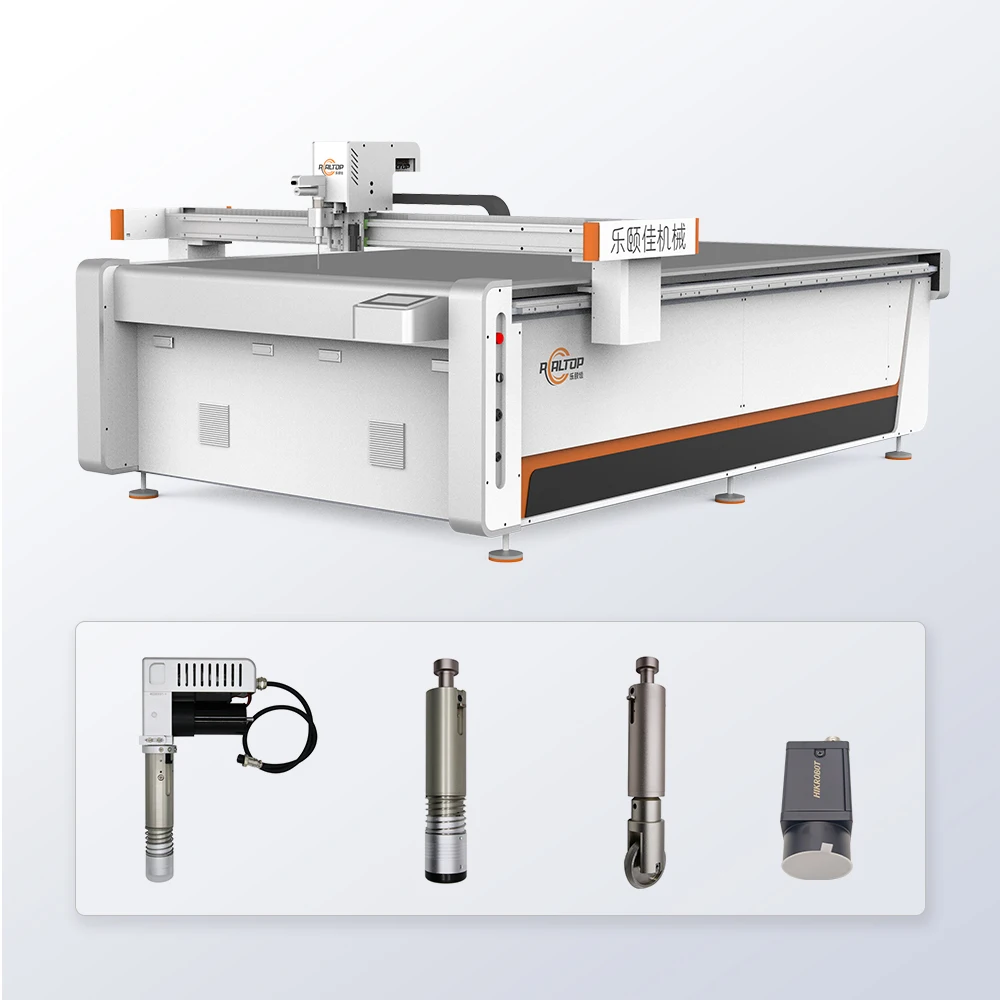
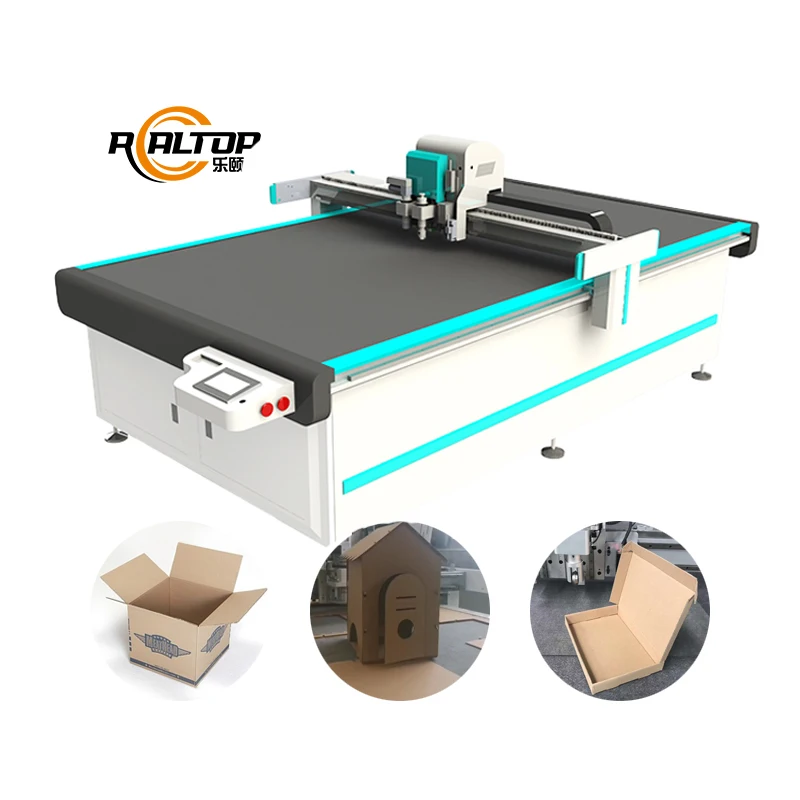
Tool Head Configuration Matched to Material — Our in-house design team specifies oscillating, rotary, or V-groove knife heads based on your composite type and density, verified by sample cutting on your actual stock before order confirmation.
Technical Specifications
| Parameter | Value |
|---|---|
| Model | 1625 |
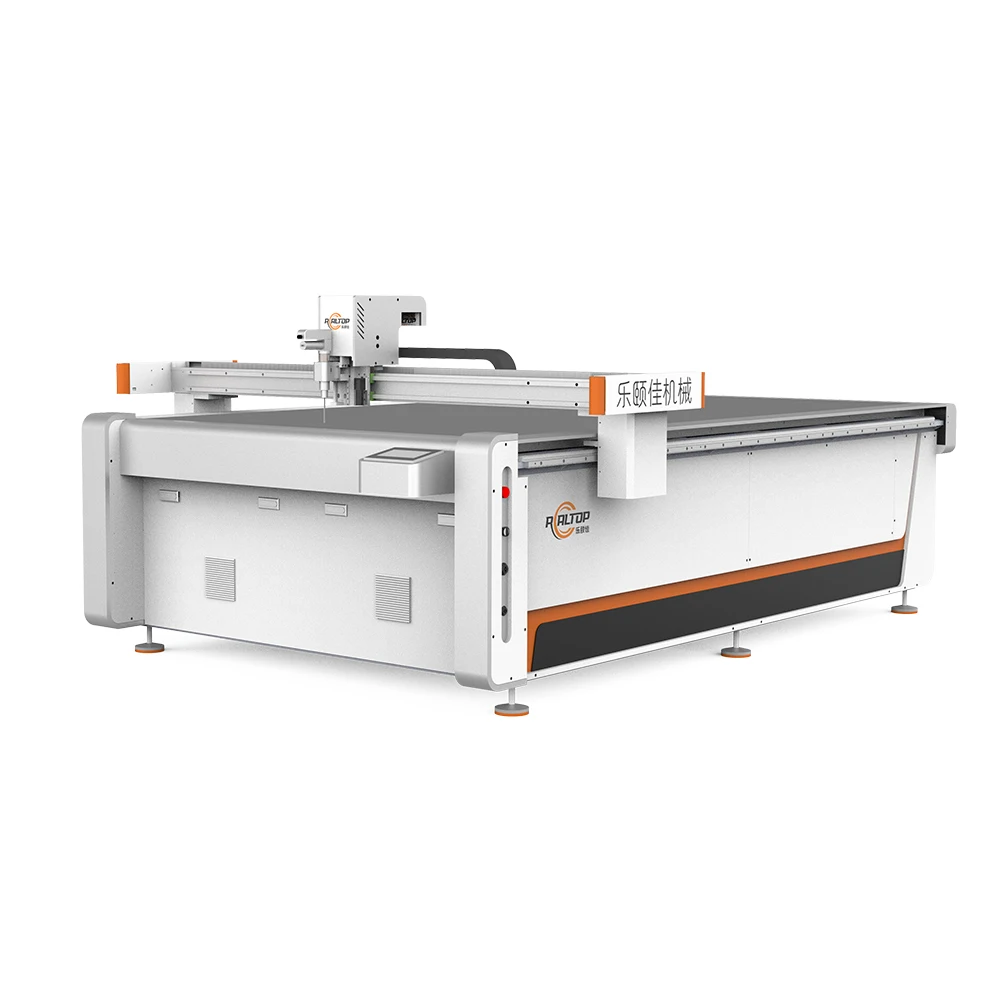
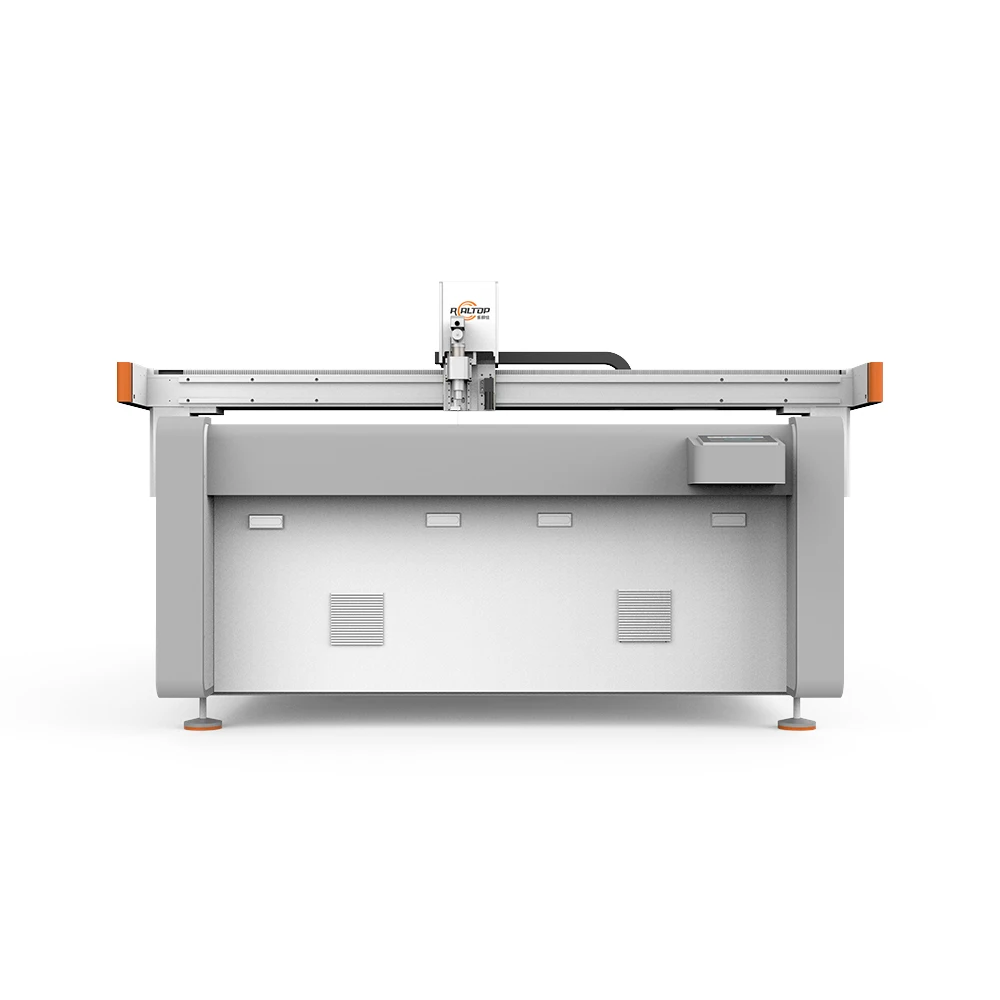
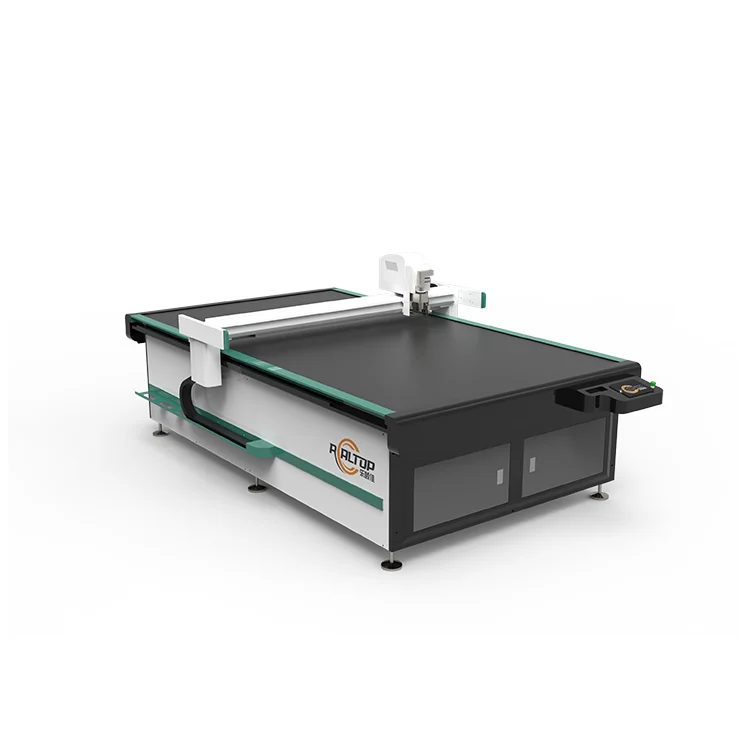
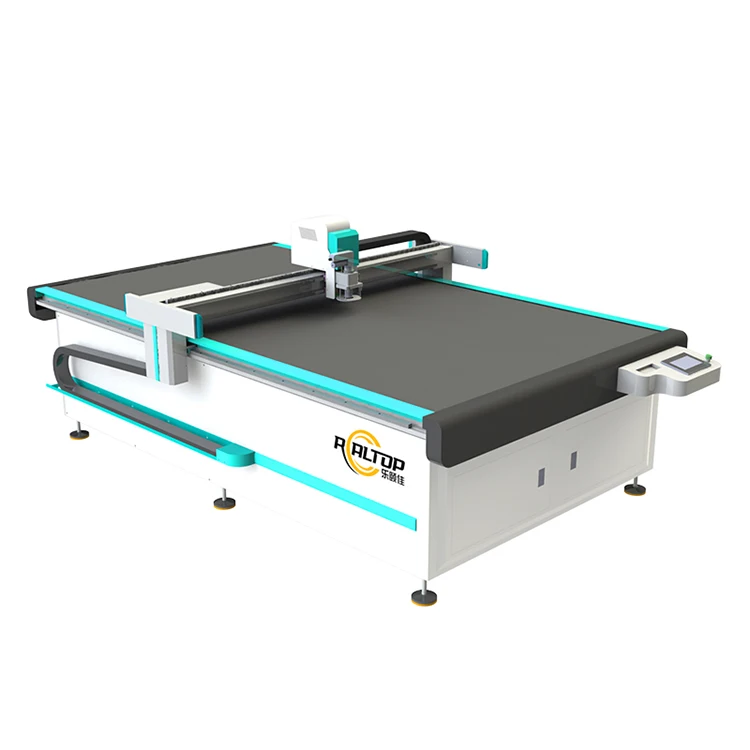
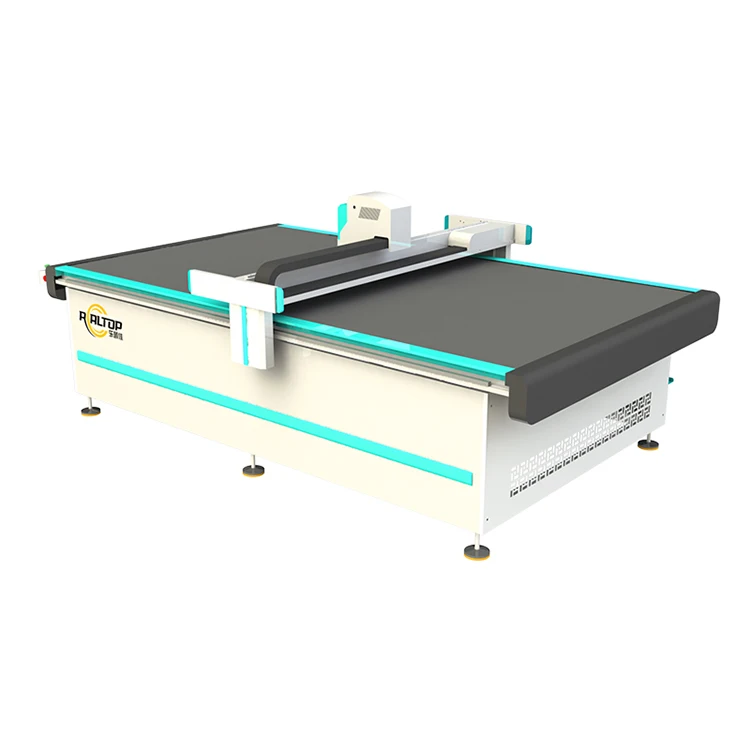
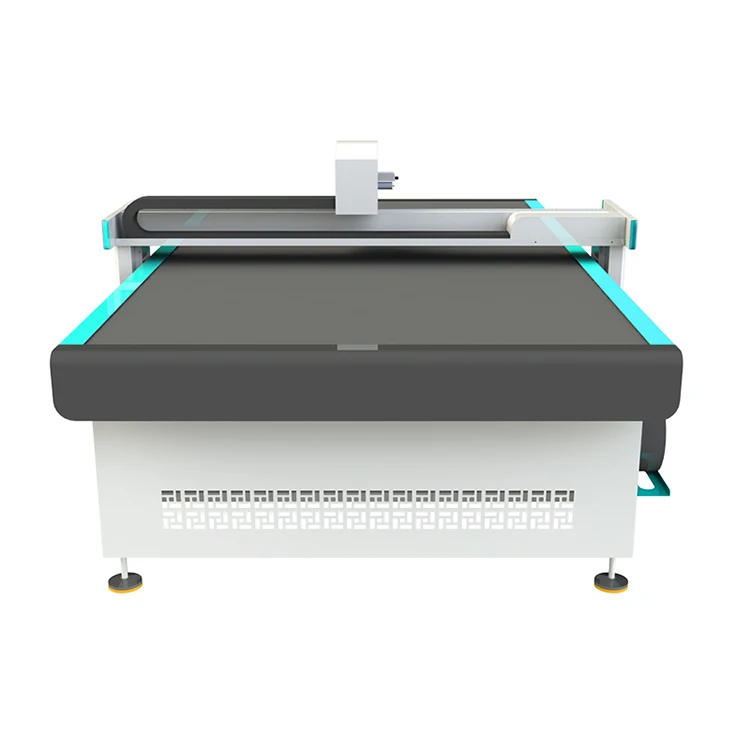
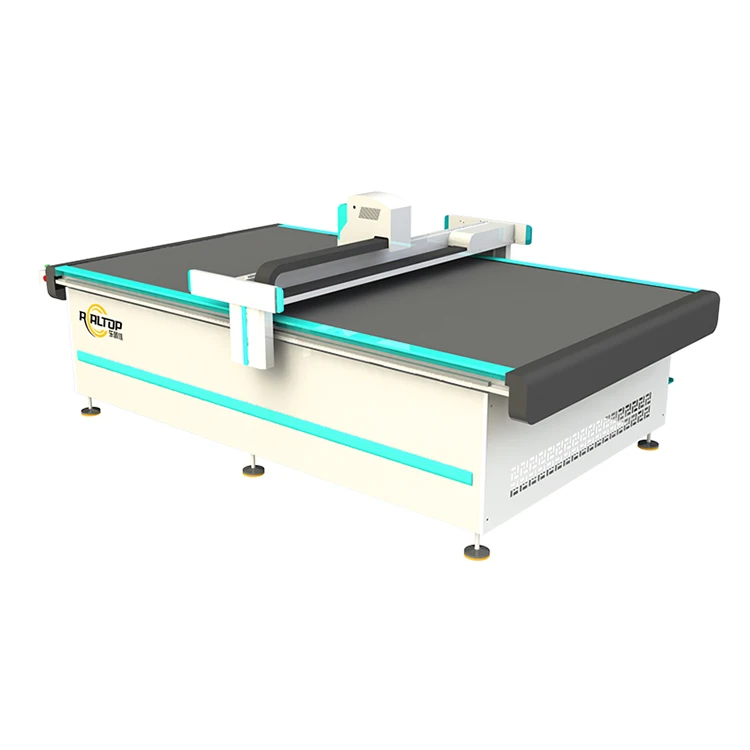
| Product Type | CNC Oscillating Knife Cutting Machine for Composites |
| Working Area | 1600×2500 mm |
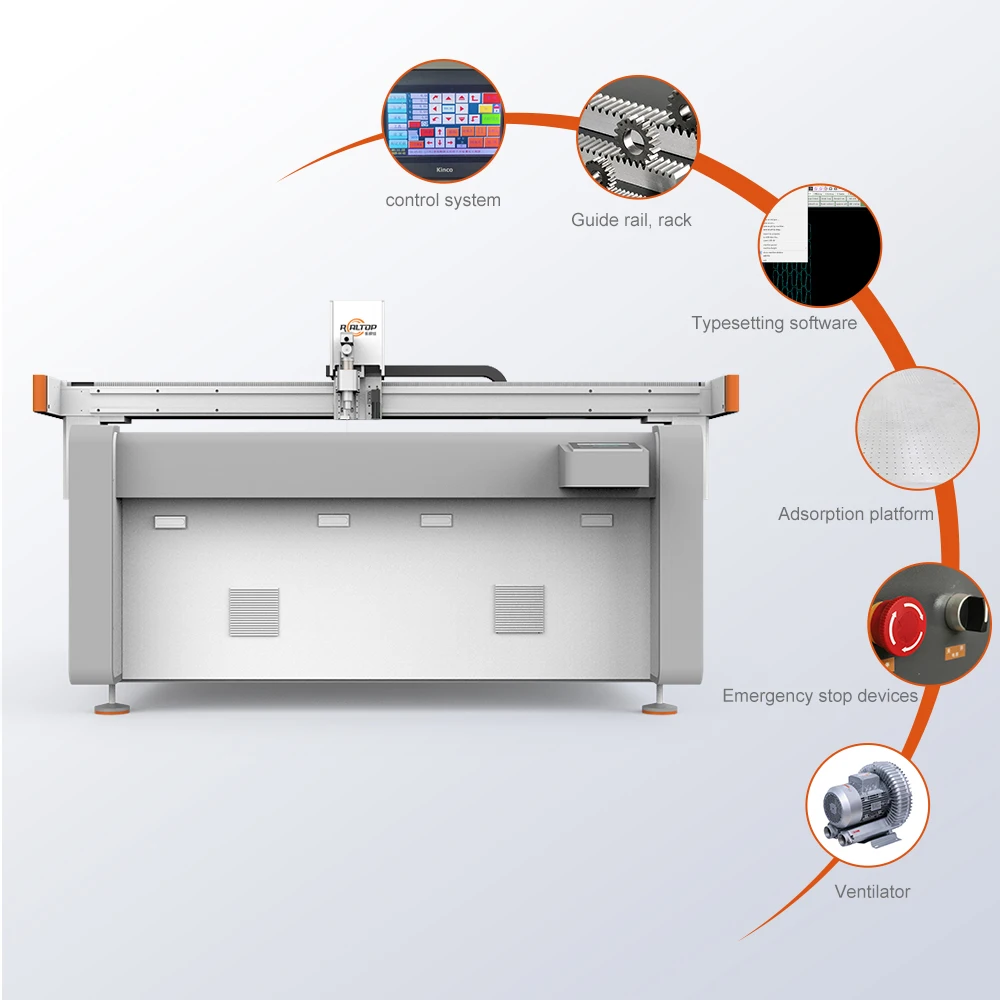
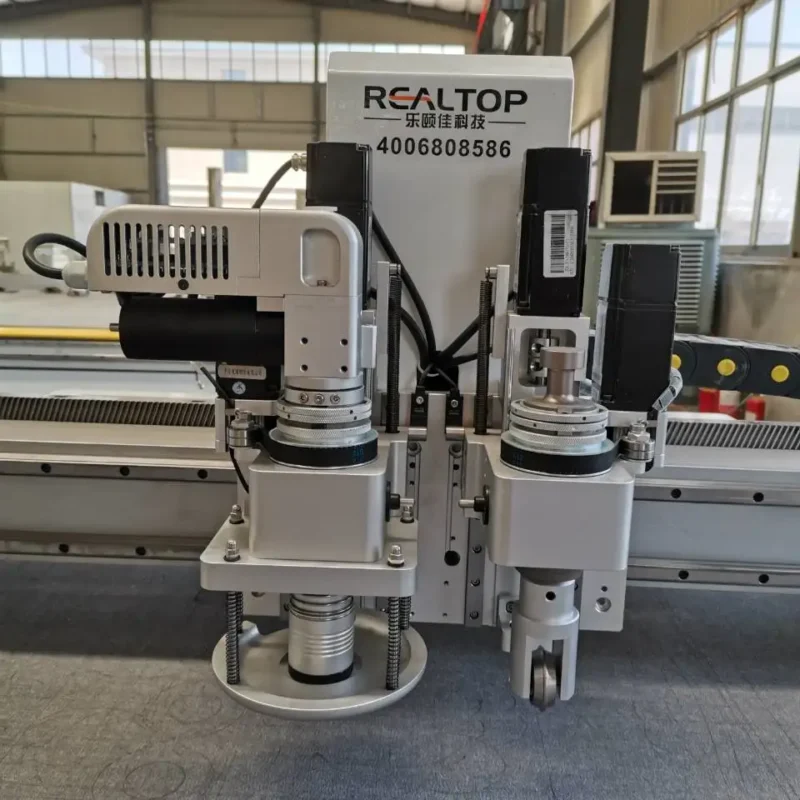
| Tool Head Options | Oscillating knife, Driven rotary knife, Creasing wheel, Kiss cutting tool, Pneumatic knife, Milling tool, V-groove knife |
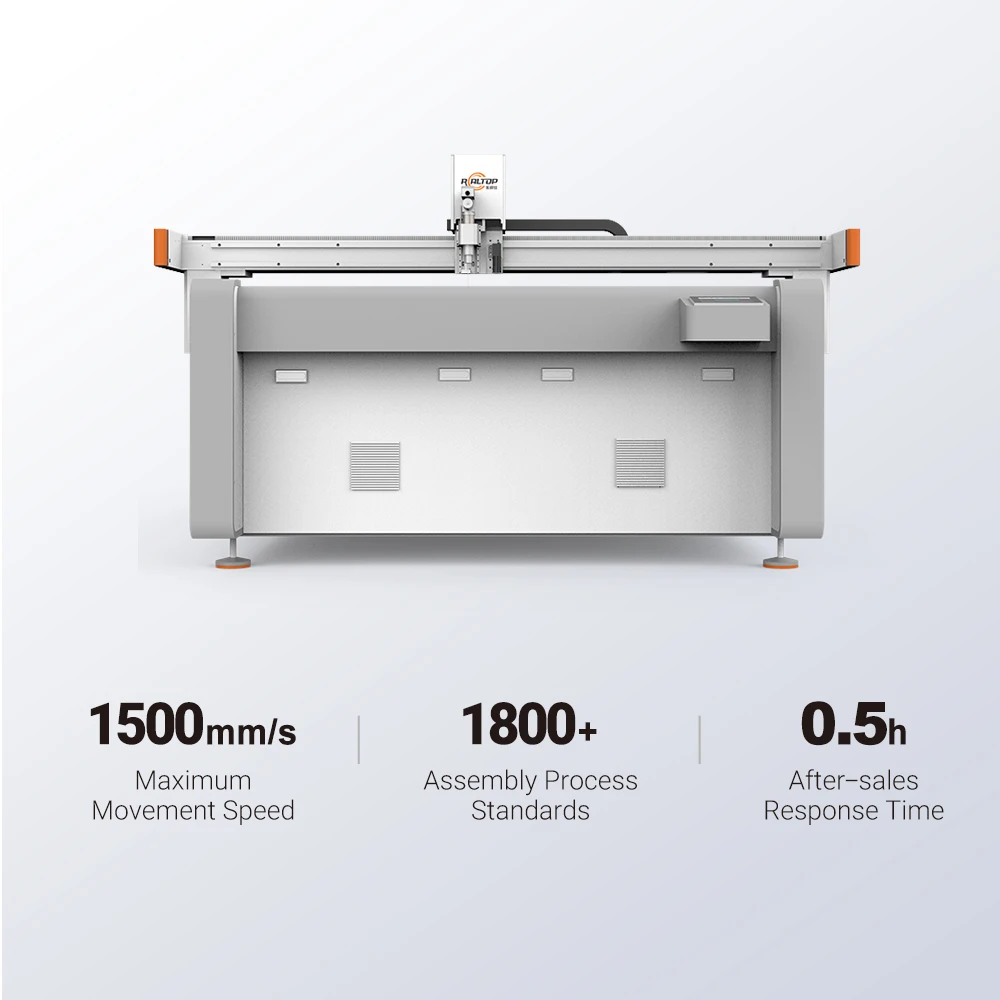
| Cutting Speed | 0–2000 mm/s |
| Cutting Thickness | ≤ 30 mm (basis not stated in source — confirm material type and density) |
| Cutting Accuracy | ±0.1 mm |
| Vacuum Pump | 9 kW |
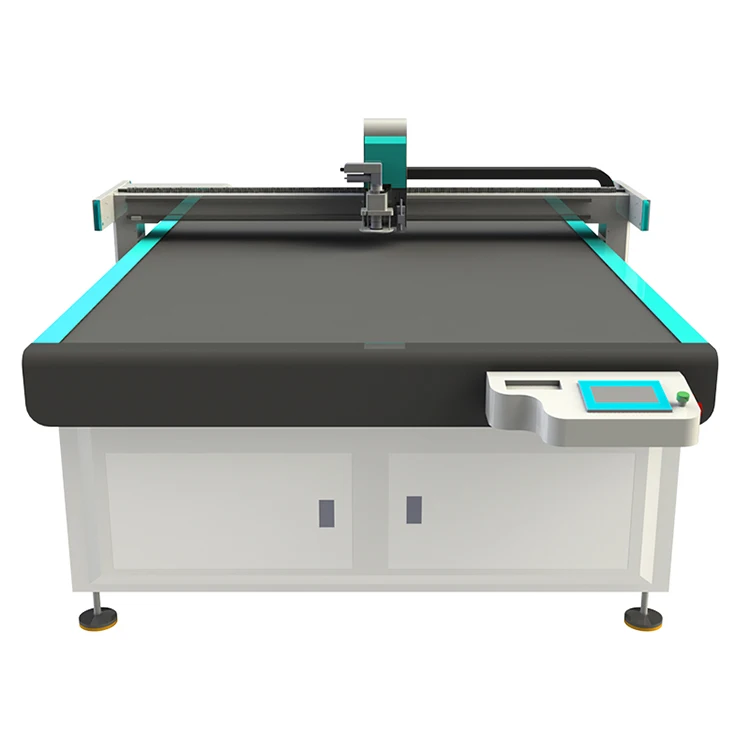
| Vacuum Table | Aluminum bellows vacuum table |
| Servo Motors | Panasonic, Delta, or Dorna |
| Control System | PLC control panel with intuitive interface |
| File Formats | PLT, DXF, AI, PDF |
| Voltage Options | 110V, 220V, 380V (frequency to be confirmed) |
| Safety Devices | Infrared sensor device and emergency stop device |
| Machine Size | 3300×2100×1350 mm |
| Language Options | English, Russian, Italian, Chinese; special languages customizable |
| Certification | CE |
Application Suitability
| Application | Material or Output |
|---|---|
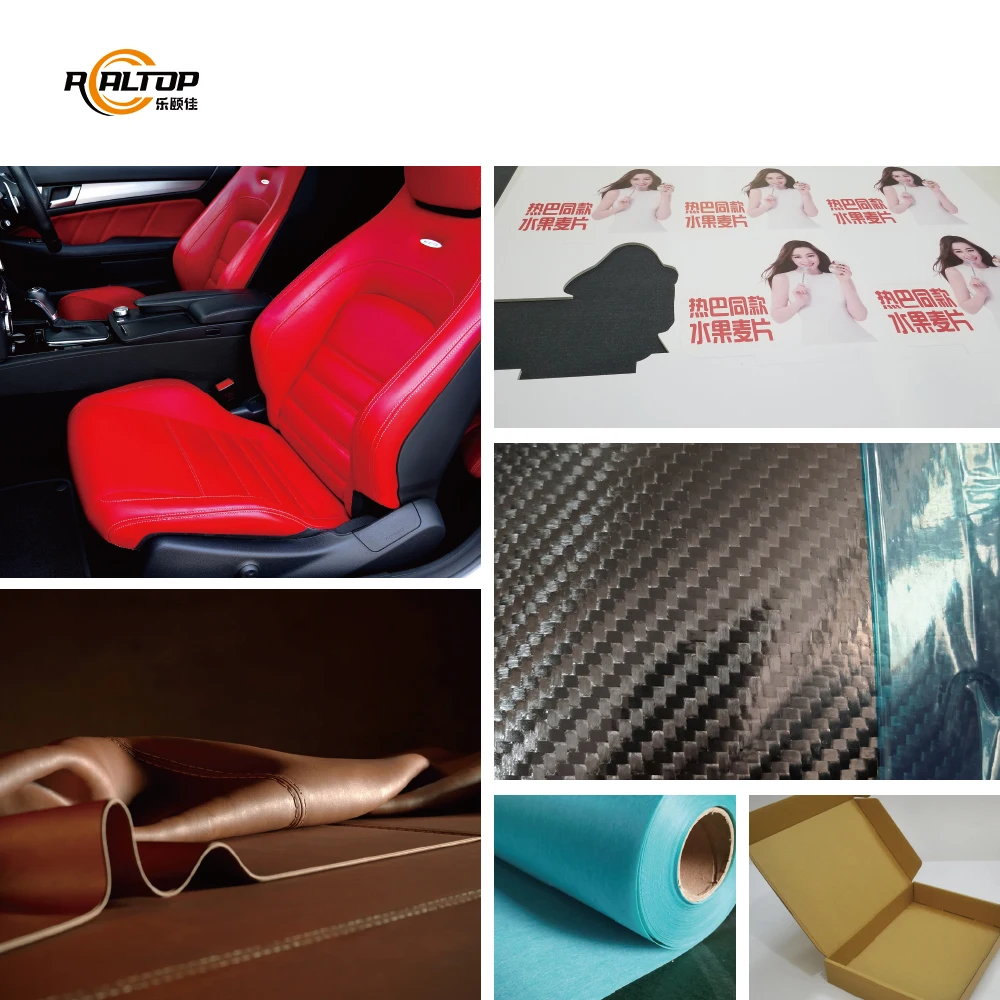
| Aerospace component fabrication | Carbon fiber prepreg, aramid honeycomb (Nomex), fiberglass cloth, ceramic fiber blankets |
| Automotive and rail interior production | Acoustic felt, damping pads, carpets, sealing strips, seat foam |
| Wind energy blade manufacturing | Fiberglass cloth, carbon fiber cloth, vacuum infusion mesh, PET/PVC foam core materials |
| Sporting goods and protective equipment | Carbon fiber sheets, Kevlar fabric, high-performance foam, composite fabrics |
| General composite processing | Acoustic panels, EVA, KT board, PVC, PTFE, rubber, leather |
Why "One Knife Fits All" Fails on Composite Materials
Matching the tool head to the material determines whether the cut is clean or crushed.
I have watched buyers specify a machine based on working area alone, then discover that their high-density acoustic foam delaminates under a standard oscillating knife while a pneumatic knife leaves it intact. Composite materials vary enormously in density, resin content, and layer structure. A cutting speed that works perfectly on soft EVA will tear through fiberglass cloth. Without testing on the exact material, the quoted specification is nothing more than a guess [NEED_CITE: CNC knife cutting parameters for composite material types].
How Cold Cutting Preserves Composite Integrity
Thermal cutting methods — laser, plasma, hot wire — melt resin matrices and release harmful fumes from composite laminates. An oscillating knife cuts at room temperature, preserving the mechanical properties of prepregs, honeycomb cores, and layered acoustic materials. There is no charring along the cut edge, no delamination at the ply boundary, and no need for fume extraction systems. For aerospace and automotive components where structural integrity is non-negotiable, cold cutting with a CNC oscillating knife cutting machine for composites manufacturer eliminates the thermal damage risk entirely.
Interchangeable Tool Heads for Different Composite Behaviors
The 1625 platform supports seven interchangeable tool heads, each addressing a different material behavior. Oscillating knives handle medium-density foams and acoustic panels. Driven rotary knives slice through woven fiberglass and carbon fiber fabric without fraying. V-groove knives score fold lines in rigid composite boards for packaging and interior panel assembly. Pneumatic knives push through thick, resilient damping pads that resist standard blades. Selecting the wrong head is the most common reason buyers report ragged edges or crushed material after delivery [NEED_CITE: tool head selection guide for composite cutting applications].
Reading the Specification Sheet Against Your Production Reality
The ±0.1 mm cutting accuracy figure matters most when cutting prepreg plies that will be laid up into structural components — even slight deviation accumulates across dozens of layers. The 9 kW vacuum pump paired with the aluminum bellows table holds thin fabrics and thick foam alike, though zoning configuration determines whether small parts stay flat during cutting. The PLC control panel supports PLT, DXF, AI, and PDF file imports, which covers most nesting workflows. Voltage options span 110V, 220V, and 380V, but frequency must be confirmed against local grid standards before production begins [NEED_CITE: industrial voltage and frequency standards by country].
The Hidden Cost of Skipping Material Trials
Buyers who commit without running a sample on their own material often discover the problem during commissioning. A knife that cuts standard EVA cleanly may crush high-density polyurethane foam. A vacuum table without adequate zoning lifts small gasket pieces mid-cut, ruining the part and the blade. Software that accepts DXF files may still reject the nesting layout from the buyer’s existing workflow. These issues are solvable, but solving them after shipment means weeks of production delay and replacement part shipments.
Why Buyers Source This CNC Oscillating Knife Cutting Machine for Composites Manufacturer
Realtop designs and produces both knife and laser cutting equipment in-house, so the cutting method is matched to the material rather than forced into one technology. Tool head and table configuration is specified per composite type and daily production volume, not sold as a standard package. CCD camera positioning is available for printed contour work on composite signage and interior panels. Software compatibility is confirmed before the order is placed, not discovered at installation. Sample cutting on the buyer’s own material runs before commitment, producing a report with edge quality photographs and nesting yield data.
Documentation & Verification
- Machine specification sheet listing confirmed tool head and vacuum table configuration
- Electrical schematic with voltage and frequency matched to buyer’s facility
- Sample cutting report on buyer-supplied composite material with edge quality photographs
- Factory test record documenting cutting accuracy across the full working area
- Software licence and file format compatibility note for nesting workflow integration
- CE declaration and packing photographs for shipment inspection
Installation, Commissioning & Support
- 9 kW vacuum pump requires a dedicated circuit; confirm total connected load before energizing
- Machine footprint of 3300×2100 mm requires clear access on three sides for material loading
- PLC control panel language configured before shipment to match operator requirements
- Tool head calibration and zero-point setting performed during first-day commissioning
- Oscillating knife and rotary knife blades listed as consumables with replacement intervals
- Aluminum bellows vacuum table inspected for seal integrity after transport and leveling
What to Include in Your First Inquiry
Send us your composite material type, thickness range, and maximum sheet dimensions. Tell us which file format your nesting software exports and what voltage your workshop runs. If your production involves printed contours or irregular shapes, describe the registration mark system you use. We will recommend the tool head and table configuration, then cut your actual material before quoting.
Frequently Asked Questions
Q: How do I choose between oscillating, rotary, and V-groove knife heads for my composite?
A: The choice depends on material structure and cutting intent. Oscillating knives suit medium-density foams and layered acoustic panels. Driven rotary knives cut woven fabrics like fiberglass and carbon fiber without fraying. V-groove knives score fold lines in rigid boards. We run sample cuts on your actual material to confirm which head delivers the required edge quality.
Q: Can voltage and frequency be customized for my country’s electrical standard?
A: Yes. The 1625 supports 110V, 220V, and 380V configurations. Frequency must be specified separately — 50 Hz and 60 Hz affect motor and pump ratings differently. We confirm voltage, plug type, and frequency before production to avoid commissioning delays on site.
Q: Can I send my own composite material for sample cutting before placing the order?
A: We require it. Send a sheet or roll of your actual production material. We run cutting tests across multiple tool heads and speeds, then provide a sample report with edge photographs, achieved thickness, and nesting observations. This eliminates guesswork and prevents configuration mismatches after delivery.
Q: How is the vacuum table configured for small composite parts versus large sheets?
A: The aluminum bellows table covers the full 1600×2500 mm working area. Zoning configuration depends on your typical part size — small gaskets and seals need more zones to maintain hold-down, while large prepreg sheets work with fewer zones. We configure zoning based on your production drawing before building the table.
Q: What software file formats does the machine accept, and can I use my existing nesting workflow?
A: The PLC control system imports PLT, DXF, AI, and PDF files. We verify compatibility with your specific nesting software during the pre-order stage by running your actual production files through the system. If your workflow uses a proprietary export format, we confirm import capability before the order is placed.
Tool Head Configuration Matched to Material — Our in-house design team specifies oscillating, rotary, or V-groove knife heads based on your composite type and density, verified by sample cutting on your actual stock before order confirmation.
Technical Specifications
| Parameter | Value |
|---|---|
| Model | 1625 |
| Product Type | CNC Oscillating Knife Cutting Machine for Composites |
| Working Area | 1600×2500 mm |
| Tool Head Options | Oscillating knife, Driven rotary knife, Creasing wheel, Kiss cutting tool, Pneumatic knife, Milling tool, V-groove knife |
| Cutting Speed | 0–2000 mm/s |
| Cutting Thickness | ≤ 30 mm (basis not stated in source — confirm material type and density) |
| Cutting Accuracy | ±0.1 mm |
| Vacuum Pump | 9 kW |
| Vacuum Table | Aluminum bellows vacuum table |
| Servo Motors | Panasonic, Delta, or Dorna |
| Control System | PLC control panel with intuitive interface |
| File Formats | PLT, DXF, AI, PDF |
| Voltage Options | 110V, 220V, 380V (frequency to be confirmed) |
| Safety Devices | Infrared sensor device and emergency stop device |
| Machine Size | 3300×2100×1350 mm |
| Language Options | English, Russian, Italian, Chinese; special languages customizable |
| Certification | CE |
Application Suitability
| Application | Material or Output |
|---|---|
| Aerospace component fabrication | Carbon fiber prepreg, aramid honeycomb (Nomex), fiberglass cloth, ceramic fiber blankets |
| Automotive and rail interior production | Acoustic felt, damping pads, carpets, sealing strips, seat foam |
| Wind energy blade manufacturing | Fiberglass cloth, carbon fiber cloth, vacuum infusion mesh, PET/PVC foam core materials |
| Sporting goods and protective equipment | Carbon fiber sheets, Kevlar fabric, high-performance foam, composite fabrics |
| General composite processing | Acoustic panels, EVA, KT board, PVC, PTFE, rubber, leather |
Why "One Knife Fits All" Fails on Composite Materials
Matching the tool head to the material determines whether the cut is clean or crushed.
I have watched buyers specify a machine based on working area alone, then discover that their high-density acoustic foam delaminates under a standard oscillating knife while a pneumatic knife leaves it intact. Composite materials vary enormously in density, resin content, and layer structure. A cutting speed that works perfectly on soft EVA will tear through fiberglass cloth. Without testing on the exact material, the quoted specification is nothing more than a guess [NEED_CITE: CNC knife cutting parameters for composite material types].
How Cold Cutting Preserves Composite Integrity
Thermal cutting methods — laser, plasma, hot wire — melt resin matrices and release harmful fumes from composite laminates. An oscillating knife cuts at room temperature, preserving the mechanical properties of prepregs, honeycomb cores, and layered acoustic materials. There is no charring along the cut edge, no delamination at the ply boundary, and no need for fume extraction systems. For aerospace and automotive components where structural integrity is non-negotiable, cold cutting with a CNC oscillating knife cutting machine for composites manufacturer eliminates the thermal damage risk entirely.
Interchangeable Tool Heads for Different Composite Behaviors
The 1625 platform supports seven interchangeable tool heads, each addressing a different material behavior. Oscillating knives handle medium-density foams and acoustic panels. Driven rotary knives slice through woven fiberglass and carbon fiber fabric without fraying. V-groove knives score fold lines in rigid composite boards for packaging and interior panel assembly. Pneumatic knives push through thick, resilient damping pads that resist standard blades. Selecting the wrong head is the most common reason buyers report ragged edges or crushed material after delivery [NEED_CITE: tool head selection guide for composite cutting applications].
Reading the Specification Sheet Against Your Production Reality
The ±0.1 mm cutting accuracy figure matters most when cutting prepreg plies that will be laid up into structural components — even slight deviation accumulates across dozens of layers. The 9 kW vacuum pump paired with the aluminum bellows table holds thin fabrics and thick foam alike, though zoning configuration determines whether small parts stay flat during cutting. The PLC control panel supports PLT, DXF, AI, and PDF file imports, which covers most nesting workflows. Voltage options span 110V, 220V, and 380V, but frequency must be confirmed against local grid standards before production begins [NEED_CITE: industrial voltage and frequency standards by country].
The Hidden Cost of Skipping Material Trials
Buyers who commit without running a sample on their own material often discover the problem during commissioning. A knife that cuts standard EVA cleanly may crush high-density polyurethane foam. A vacuum table without adequate zoning lifts small gasket pieces mid-cut, ruining the part and the blade. Software that accepts DXF files may still reject the nesting layout from the buyer’s existing workflow. These issues are solvable, but solving them after shipment means weeks of production delay and replacement part shipments.
Why Buyers Source This CNC Oscillating Knife Cutting Machine for Composites Manufacturer
Realtop designs and produces both knife and laser cutting equipment in-house, so the cutting method is matched to the material rather than forced into one technology. Tool head and table configuration is specified per composite type and daily production volume, not sold as a standard package. CCD camera positioning is available for printed contour work on composite signage and interior panels. Software compatibility is confirmed before the order is placed, not discovered at installation. Sample cutting on the buyer’s own material runs before commitment, producing a report with edge quality photographs and nesting yield data.
Documentation & Verification
- Machine specification sheet listing confirmed tool head and vacuum table configuration
- Electrical schematic with voltage and frequency matched to buyer’s facility
- Sample cutting report on buyer-supplied composite material with edge quality photographs
- Factory test record documenting cutting accuracy across the full working area
- Software licence and file format compatibility note for nesting workflow integration
- CE declaration and packing photographs for shipment inspection
Installation, Commissioning & Support
- 9 kW vacuum pump requires a dedicated circuit; confirm total connected load before energizing
- Machine footprint of 3300×2100 mm requires clear access on three sides for material loading
- PLC control panel language configured before shipment to match operator requirements
- Tool head calibration and zero-point setting performed during first-day commissioning
- Oscillating knife and rotary knife blades listed as consumables with replacement intervals
- Aluminum bellows vacuum table inspected for seal integrity after transport and leveling
What to Include in Your First Inquiry
Send us your composite material type, thickness range, and maximum sheet dimensions. Tell us which file format your nesting software exports and what voltage your workshop runs. If your production involves printed contours or irregular shapes, describe the registration mark system you use. We will recommend the tool head and table configuration, then cut your actual material before quoting.
Frequently Asked Questions
Q: How do I choose between oscillating, rotary, and V-groove knife heads for my composite?
A: The choice depends on material structure and cutting intent. Oscillating knives suit medium-density foams and layered acoustic panels. Driven rotary knives cut woven fabrics like fiberglass and carbon fiber without fraying. V-groove knives score fold lines in rigid boards. We run sample cuts on your actual material to confirm which head delivers the required edge quality.
Q: Can voltage and frequency be customized for my country’s electrical standard?
A: Yes. The 1625 supports 110V, 220V, and 380V configurations. Frequency must be specified separately — 50 Hz and 60 Hz affect motor and pump ratings differently. We confirm voltage, plug type, and frequency before production to avoid commissioning delays on site.
Q: Can I send my own composite material for sample cutting before placing the order?
A: We require it. Send a sheet or roll of your actual production material. We run cutting tests across multiple tool heads and speeds, then provide a sample report with edge photographs, achieved thickness, and nesting observations. This eliminates guesswork and prevents configuration mismatches after delivery.
Q: How is the vacuum table configured for small composite parts versus large sheets?
A: The aluminum bellows table covers the full 1600×2500 mm working area. Zoning configuration depends on your typical part size — small gaskets and seals need more zones to maintain hold-down, while large prepreg sheets work with fewer zones. We configure zoning based on your production drawing before building the table.
Q: What software file formats does the machine accept, and can I use my existing nesting workflow?
A: The PLC control system imports PLT, DXF, AI, and PDF files. We verify compatibility with your specific nesting software during the pre-order stage by running your actual production files through the system. If your workflow uses a proprietary export format, we confirm import capability before the order is placed.
商品评价
There are no reviews yet.