

Fast Delivery
Quick, reliable shipping to any location.

Free & easy returns
Return this item by mail or in store within 90 days for a full refund.
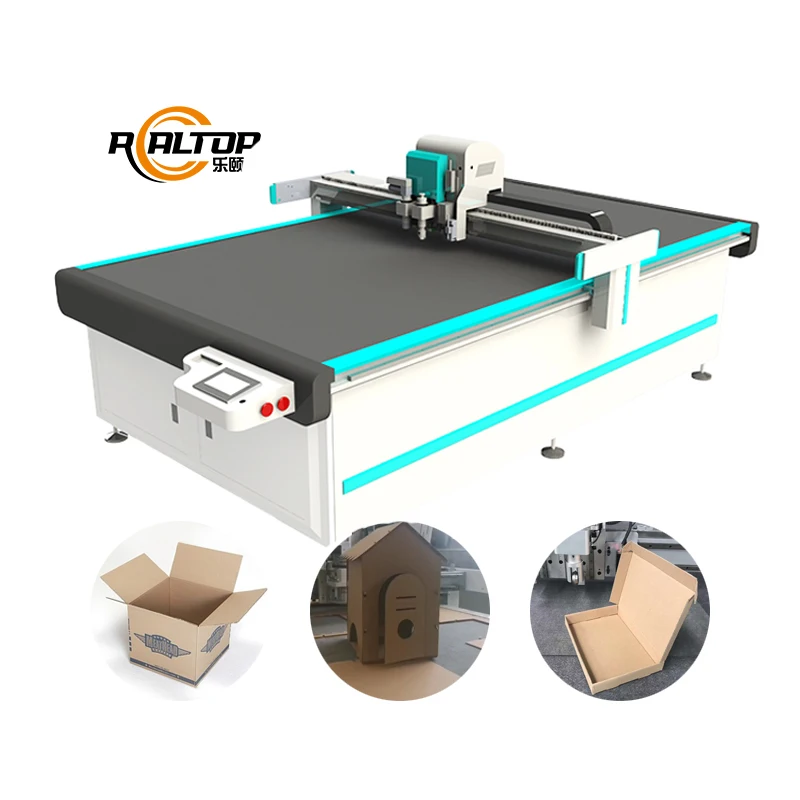
Cold cutting for resin-based composites — tool heads and vacuum zoning are matched to your specific prepreg or honeycomb after sample testing, not guessed from a brochure.
Technical Specifications
| Parameter | Value |
|---|---|
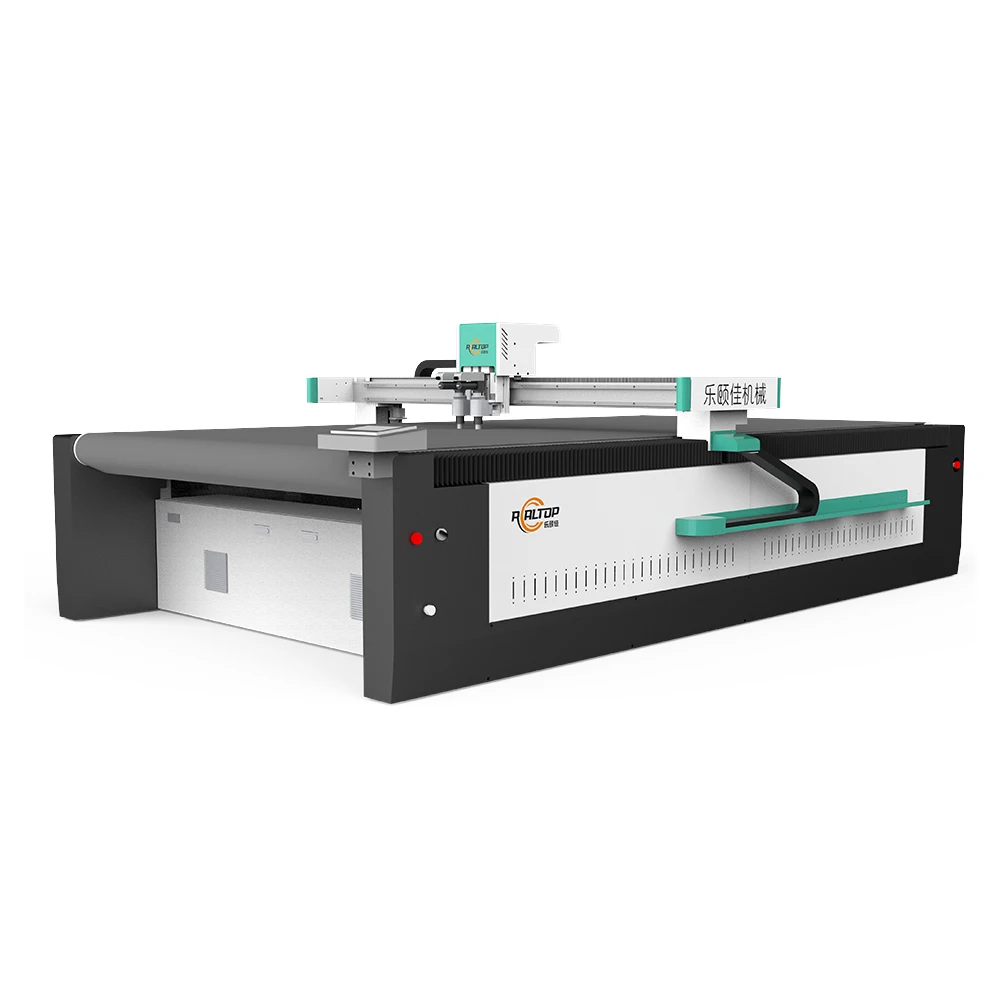
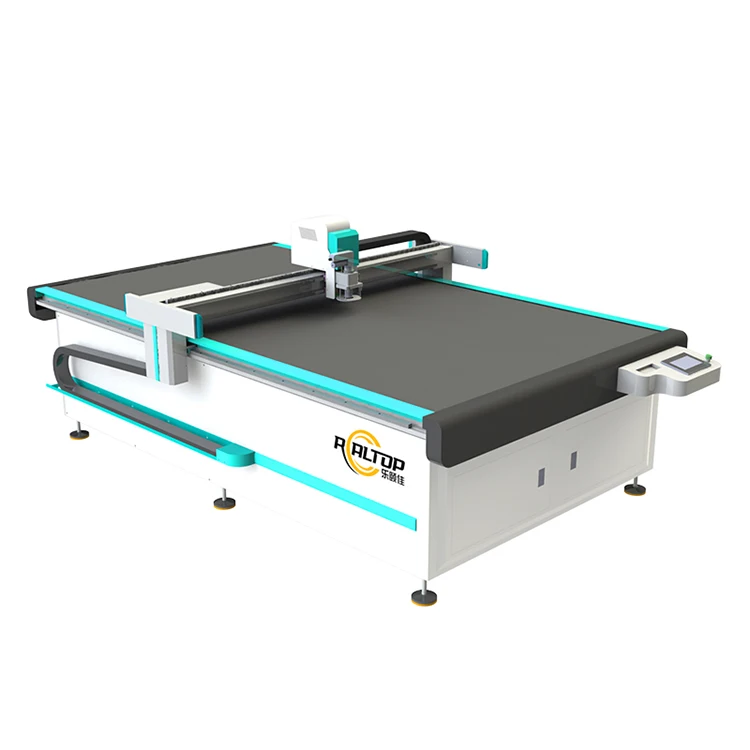
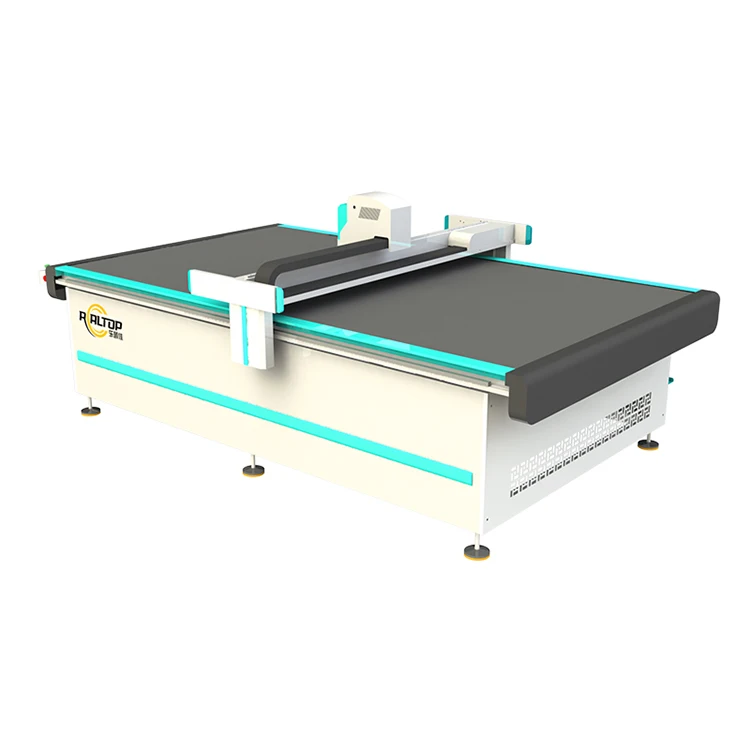
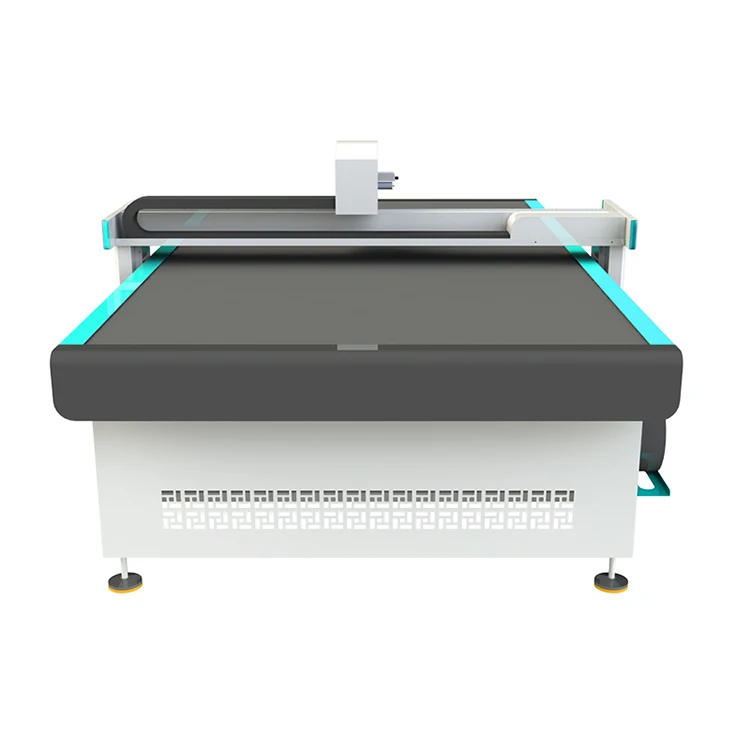
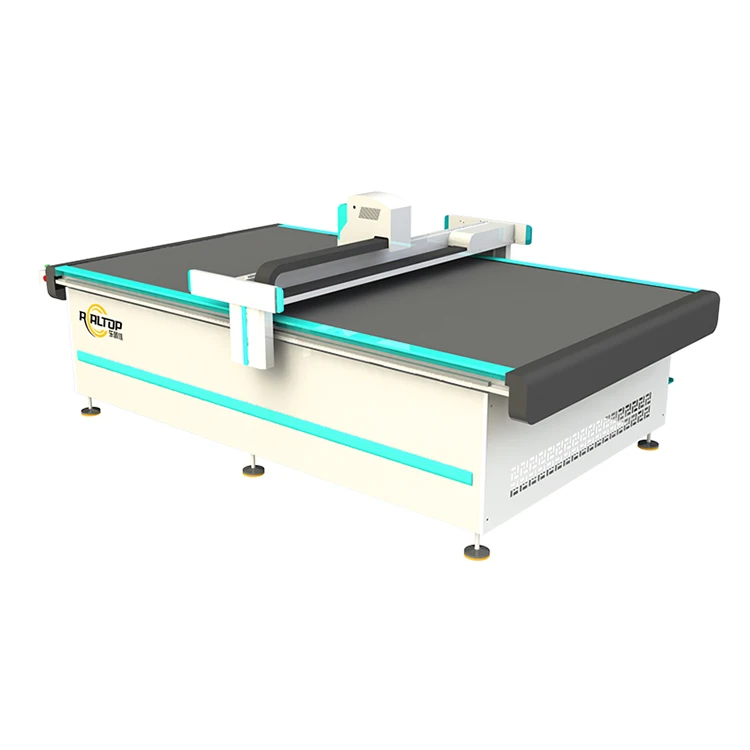
| Product Type | CNC Oscillating Knife Cutting Machine |
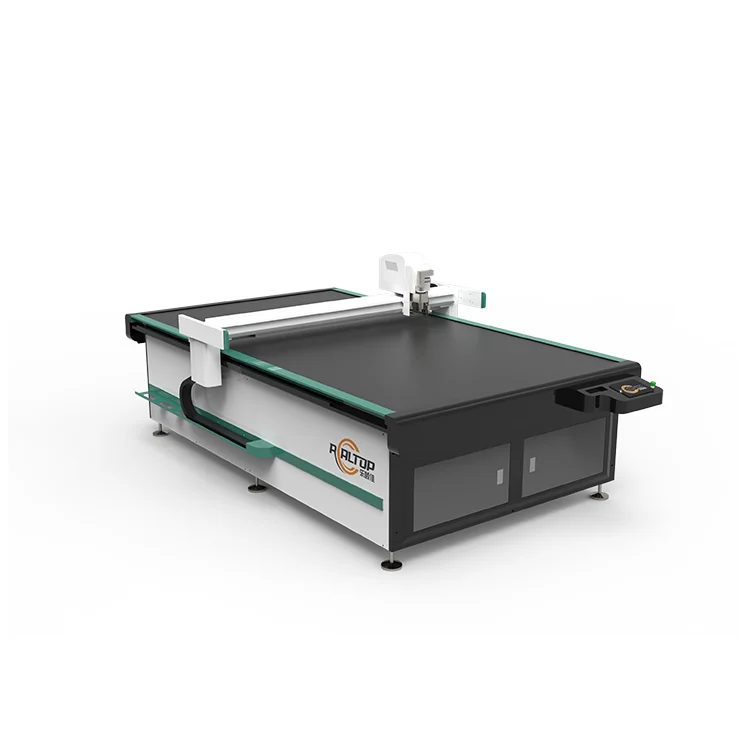
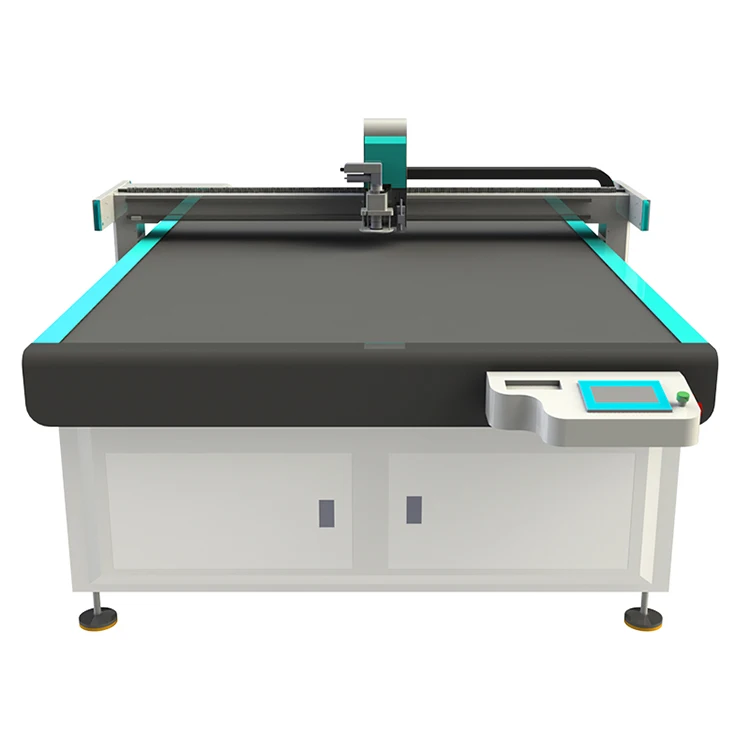
| Working Area | 1600 × 2500 mm |
| Cutting Thickness | ≤ 30 mm (material dependent) |
| Cutting Speed | 0–2000 mm/s |
| Cutting Accuracy | ±0.1 mm |
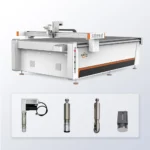
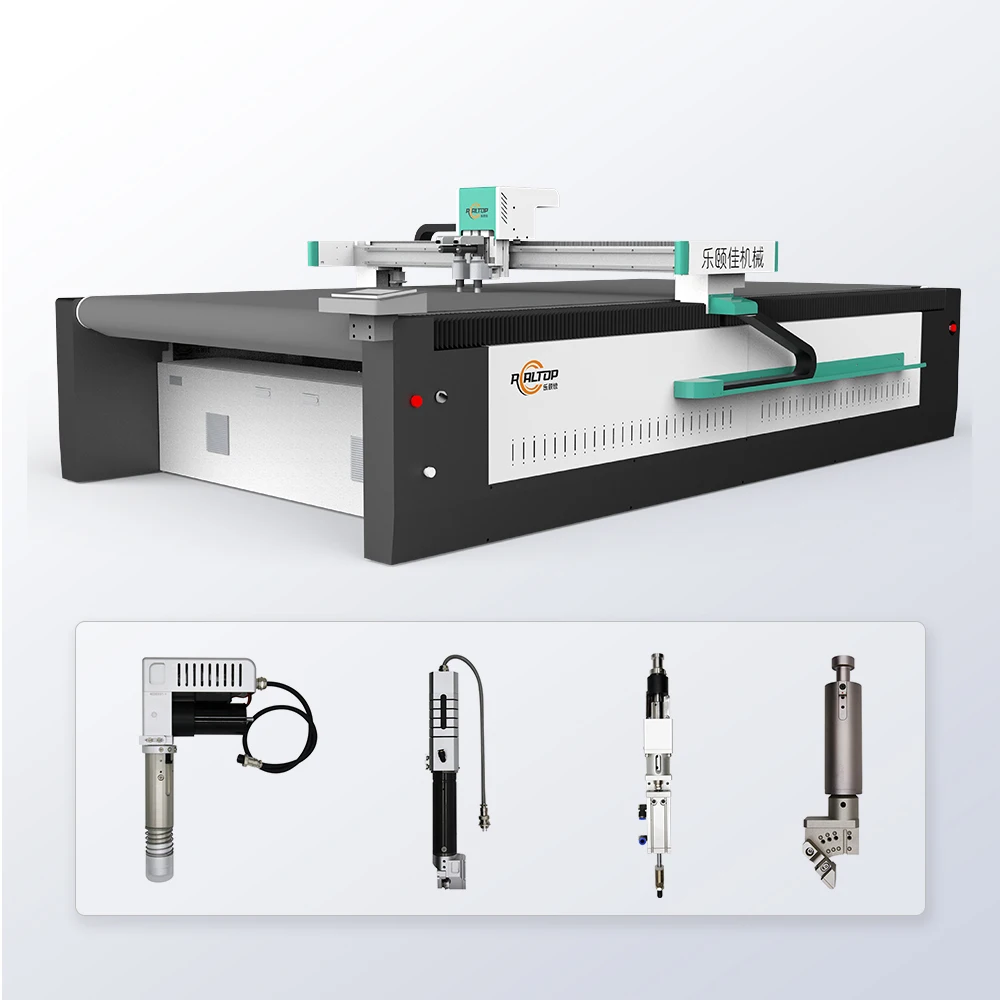
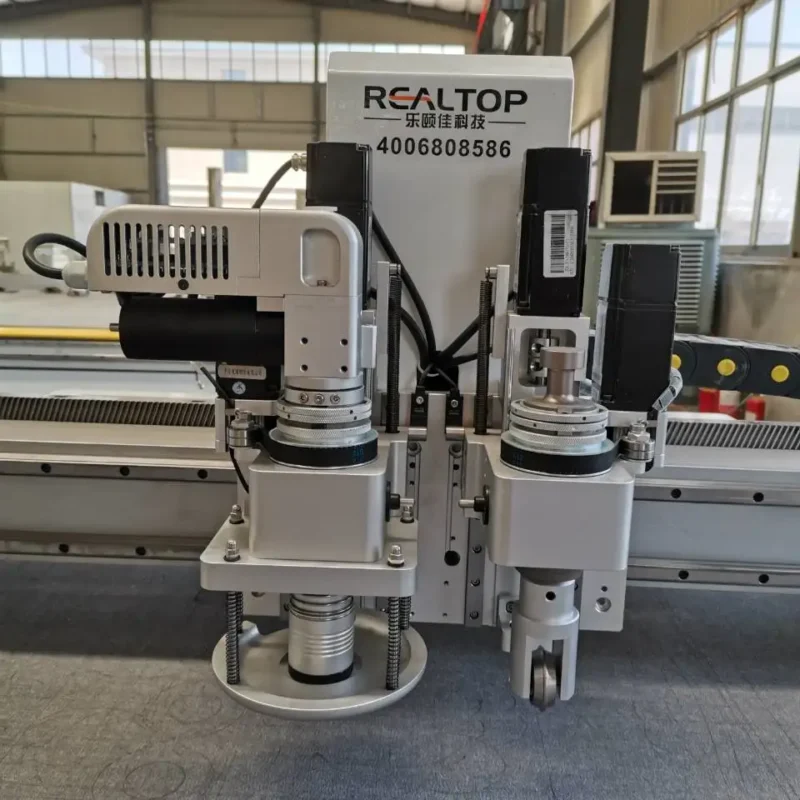
| Tool Head Options | Oscillating knife, Driven rotary knife, Creasing wheel, Kiss cutting tool, Pneumatic knife, Milling tool, V groove knife |
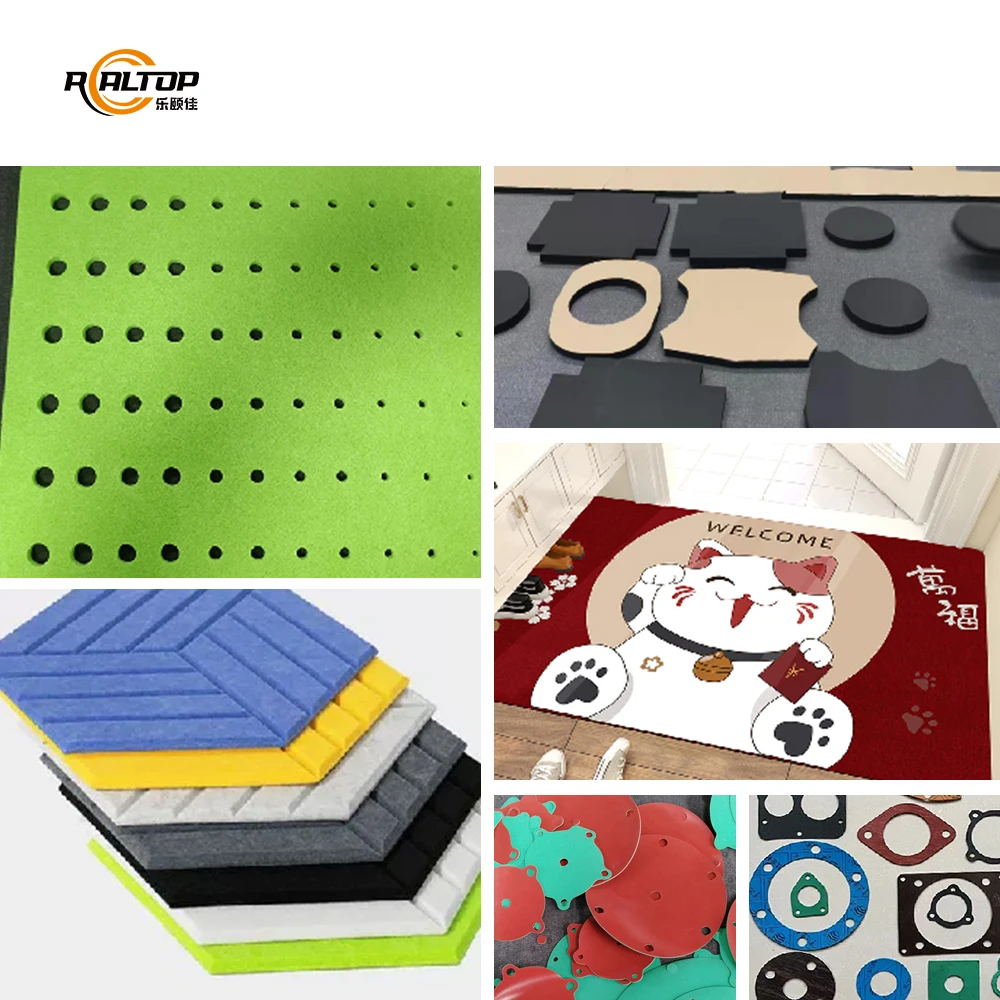
| Applicable Materials | Carbon fiber prepreg, Aramid honeycomb, Fiberglass cloth, G10 epoxy boards, PTFE, Rubber, Foam, EVA, PVC, Leather, Fabric, Cardboard, Acrylic |
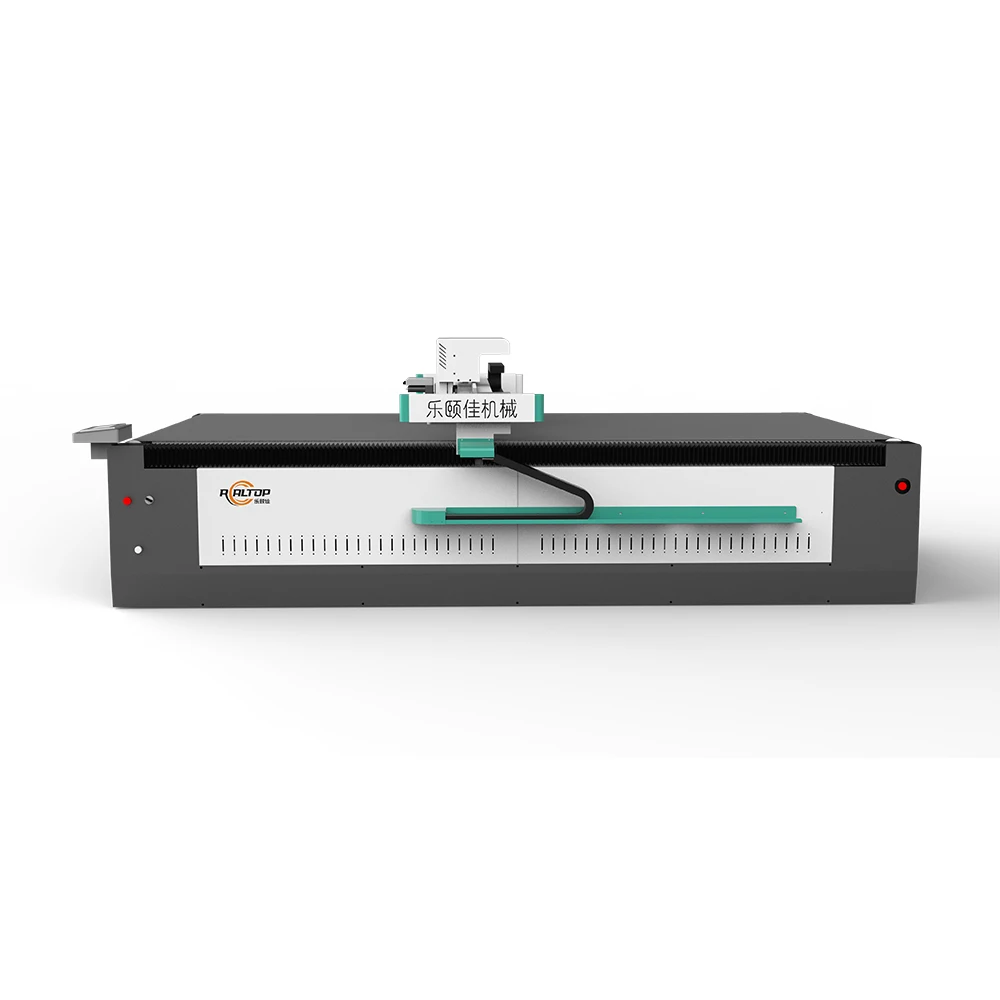
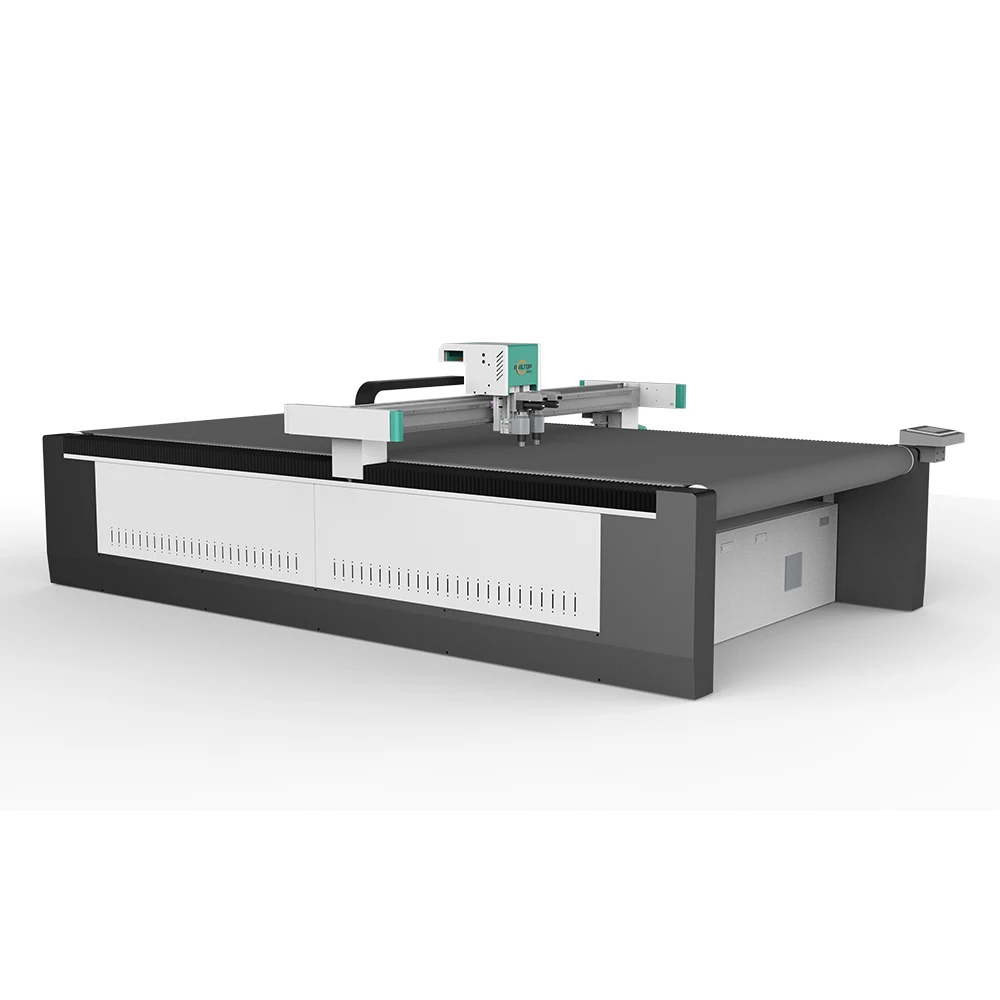
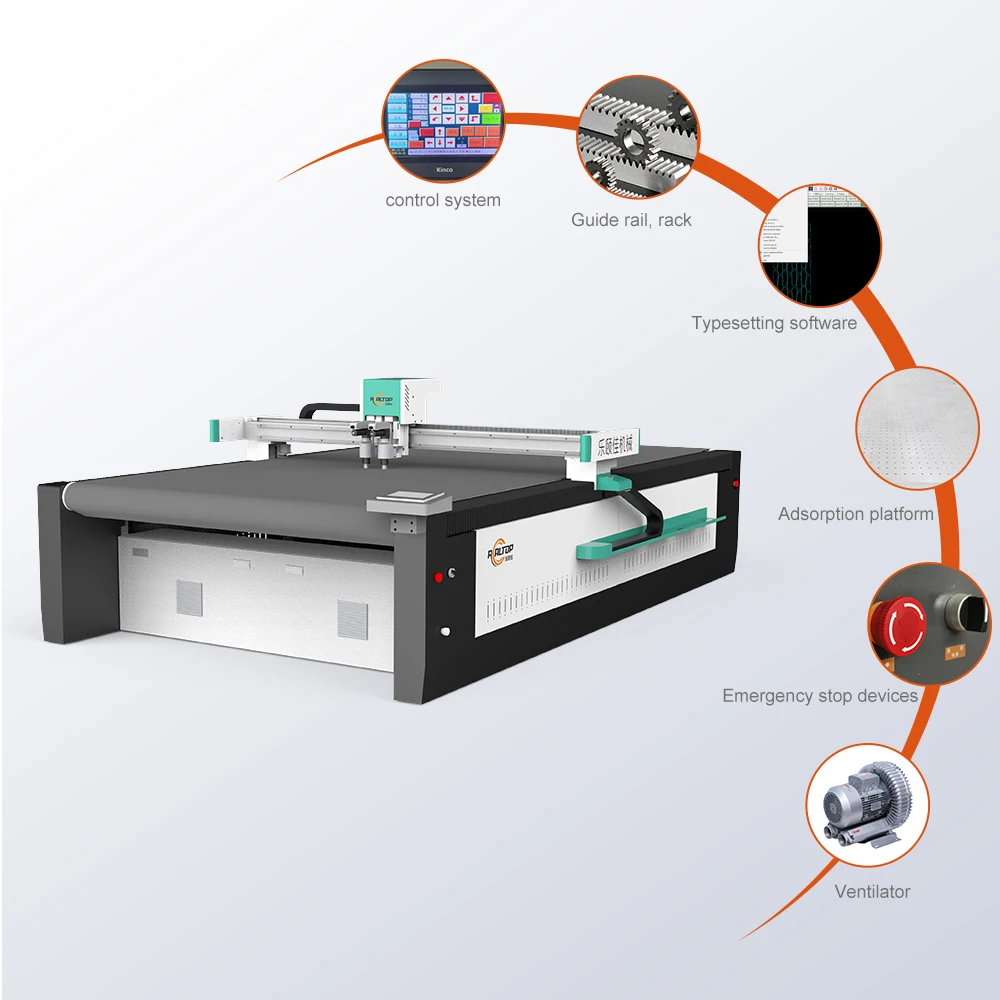
| Vacuum Table | Aluminum bellows vacuum table |
| Vacuum Pump | 9 kW |
| Machine Frame | Heavy-duty frame with precision-ground surface |
| Servo Motors | Panasonic, Delta, or Dorna options |
| Control System | PLC control panel |
| File Format Compatibility | PLT, DXF, AI, PDF |
| Voltage Options | 110V, 220V, 380V |
| Language Options | English, Russian, Italian, Chinese (special languages customizable) |
| Safety Devices | Infrared sensor device and emergency stop device |
| Machine Dimensions | 3300 × 2100 × 1350 mm |
| Standards | CE |
Application Suitability
| Application | Material or Output |
|---|---|
| Aerospace skin panels and fairings | Carbon fiber prepreg, aramid honeycomb core |
| Aircraft interior trim and seals | Fiberglass cloth, G10 epoxy boards, PTFE gaskets |
| Automotive and rail interior parts | Acoustic felt, damping pads, FRP lightweight panels |
| Wind turbine blade infusion | Fiberglass cloth, foam core materials, infusion mesh |
| Battery insulation and new energy | Battery insulation sheets, composite separators |
| Sporting goods fabrication | Bicycle frame prepreg, helmet liners, surfboard components |
Why Material Thickness Matters More Than Table Size When Selecting a CNC Oscillating Knife Cutting Machine for Sale
A 1600 × 2500 mm bed only works if the tool head and vacuum hold can actually handle your composite layup at full depth.
I have walked into workshops where the machine arrived, the operator loaded a 20 mm aramid honeycomb panel, and the oscillating knife started delaminating the top layers because the wrong tool geometry was specified. The working area was correct, but the cutting configuration was not. Composite fabricators often focus on sheet size first and discover thickness limitations only after the machine is bolted to the floor [NEED_CITE: common specification mismatches in composite CNC cutting procurement].
Matching the Tool Head to Your Composite Layup
Carbon fiber prepreg cuts cleanly with a high-frequency oscillating knife, but the same blade will crush aramid honeycomb if the stroke amplitude is not adjusted. Driven rotary knives handle fiberglass cloth without fraying the weave, while V groove knives score G10 epoxy boards for folding. A CNC oscillating knife cutting machine for sale becomes productive only when the tool configuration reflects the actual material stack you run daily.
Vacuum Zoning Across Large-Format Composite Panels
The aluminum bellows vacuum table paired with a 9 kW pump provides full-surface adsorption across the 1600 × 2500 mm area. This matters for flexible prepreg sheets that shift under knife pressure. When cutting small gasket parts from PTFE or rubber, insufficient zoning lets edges lift mid-cut [NEED_CITE: vacuum hold-down requirements for flexible composite materials]. The table design allows segmented suction so that even nested small parts stay flat during high-speed traversal.
Reading the Specs That Actually Affect Your Cut Quality
Cutting accuracy of ±0.1 mm depends on the servo motor selection — Panasonic and Delta servos provide different response characteristics that suit different material densities. The 0–2000 mm/s speed range is achievable on thin fabrics, but carbon fiber prepreg at 5 mm thickness requires slower traversal to prevent fiber pull-out. PLC control with PLT, DXF, AI, and PDF compatibility means your existing nesting files transfer without re-drawing, which is often the hidden bottleneck in composite shops switching to digital cutting.
The Cost of Specifying the Wrong Tool or Vacuum Setup
When a pneumatic knife is used on carbon fiber prepreg instead of an oscillating knife, the blade drags and leaves ragged edges that fail aerospace visual inspection. When vacuum zoning is not configured for small parts, PTFE gasket blanks lift off the table and the dimensional tolerance drifts beyond ±0.1 mm. These problems surface during production, not during the factory demo [NEED_CITE: composite cutting defect rates from incorrect tooling]. The rework cost on aerospace-grade prepreg dwarfs the time it takes to run a sample cut beforehand.
Why Sourcing This Equipment From a Dedicated Cutting Builder Matters
In-house design covers both knife and laser cutting, so you compare methods against your composite rather than forcing one technology. Tool head and table configuration are specified per your material test, not selected from a fixed menu. CCD camera positioning is available for printed contour work on composite signage and interior trim. Software file compatibility is confirmed against your nesting workflow before the order goes to production. Voltage, language, and documentation are matched to your facility’s electrical standard and operator preference.
Documentation & Verification
- Machine specification sheet confirming working area, tool head selection, and cutting thickness per composite type
- Sample cutting report on your carbon fiber prepreg, honeycomb, or gasket material before order commitment
- Electrical schematic and voltage confirmation for your local 110V, 220V, or 380V supply
- Software licence and file format compatibility note for PLT, DXF, AI, or PDF nesting workflows
- Factory test record showing cutting accuracy and edge quality on your specified composite materials
- CE declaration documentation for European market machinery compliance
Installation, Commissioning & Support
- Heavy-duty frame requires level concrete flooring across the 3300 × 2100 mm machine footprint
- Dedicated electrical circuit matching confirmed voltage option (110V, 220V, or 380V) before energizing
- Aluminum bellows vacuum table and 9 kW pump assembled and leak-tested on site
- PLC control panel configured to selected operator language during first power-on
- Tool head calibration and cutting parameter tuning performed on your composite material samples
- Spare oscillating knife blades, rotary knife discs, and vacuum seals included for initial operation period
What We Need to Quote the Right Configuration
Send us the composite material type, layup thickness, and maximum sheet dimensions you process. Include your daily cutting volume and the CAD file formats your nesting software outputs. Confirm your facility voltage and the control language your operators prefer, so we can configure the PLC panel and run a sample cut on your actual material before proposing a final specification.
Frequently Asked Questions
Q: How do I choose between oscillating knife and laser cutting for my composite material?
A: Resin-based composites like carbon fiber prepreg and aramid honeycomb are typically cold-cut with an oscillating knife to avoid thermal damage that degrades mechanical properties. Laser cutting suits thinner non-metal composites where edge sealing is beneficial. We test both methods on your actual material to compare edge quality and dimensional accuracy before recommendation.
Q: What working area and tool head configuration fits my sheet size and material thickness?
A: The 1600 × 2500 mm bed accommodates most aerospace and automotive composite sheets. Tool head selection depends on your material — oscillating knife for prepreg, driven rotary for fiberglass cloth, V groove for epoxy boards. We confirm the configuration after sample cutting on your specific composite at your required thickness.
Q: Can the machine handle my existing CAD file format and nesting software?
A: The PLC control system accepts PLT, DXF, AI, and PDF profiles directly. If your nesting software outputs one of these formats, files transfer without conversion. We verify compatibility with your specific software during the pre-order sample cutting stage to avoid workflow disruptions after installation.
Q: What voltage and control language options are available for my market?
A: The machine is configurable for 110V, 220V, or 380V supply. Control panel languages include English, Russian, Italian, and Chinese as standard, with other languages customizable. We confirm your facility’s electrical specification and operator language preference before production begins.
Q: Can I send my material for sample cutting before placing an order?
A: Yes. We require a sample of your actual composite material — whether carbon fiber prepreg, aramid honeycomb, or PTFE gasket stock — to test cutting parameters, edge quality, and vacuum hold. The sample cutting report is provided before you commit to a purchase order.
Cold cutting for resin-based composites — tool heads and vacuum zoning are matched to your specific prepreg or honeycomb after sample testing, not guessed from a brochure.
Technical Specifications
| Parameter | Value |
|---|---|
| Product Type | CNC Oscillating Knife Cutting Machine |
| Working Area | 1600 × 2500 mm |
| Cutting Thickness | ≤ 30 mm (material dependent) |
| Cutting Speed | 0–2000 mm/s |
| Cutting Accuracy | ±0.1 mm |
| Tool Head Options | Oscillating knife, Driven rotary knife, Creasing wheel, Kiss cutting tool, Pneumatic knife, Milling tool, V groove knife |
| Applicable Materials | Carbon fiber prepreg, Aramid honeycomb, Fiberglass cloth, G10 epoxy boards, PTFE, Rubber, Foam, EVA, PVC, Leather, Fabric, Cardboard, Acrylic |
| Vacuum Table | Aluminum bellows vacuum table |
| Vacuum Pump | 9 kW |
| Machine Frame | Heavy-duty frame with precision-ground surface |
| Servo Motors | Panasonic, Delta, or Dorna options |
| Control System | PLC control panel |
| File Format Compatibility | PLT, DXF, AI, PDF |
| Voltage Options | 110V, 220V, 380V |
| Language Options | English, Russian, Italian, Chinese (special languages customizable) |
| Safety Devices | Infrared sensor device and emergency stop device |
| Machine Dimensions | 3300 × 2100 × 1350 mm |
| Standards | CE |
Application Suitability
| Application | Material or Output |
|---|---|
| Aerospace skin panels and fairings | Carbon fiber prepreg, aramid honeycomb core |
| Aircraft interior trim and seals | Fiberglass cloth, G10 epoxy boards, PTFE gaskets |
| Automotive and rail interior parts | Acoustic felt, damping pads, FRP lightweight panels |
| Wind turbine blade infusion | Fiberglass cloth, foam core materials, infusion mesh |
| Battery insulation and new energy | Battery insulation sheets, composite separators |
| Sporting goods fabrication | Bicycle frame prepreg, helmet liners, surfboard components |
Why Material Thickness Matters More Than Table Size When Selecting a CNC Oscillating Knife Cutting Machine for Sale
A 1600 × 2500 mm bed only works if the tool head and vacuum hold can actually handle your composite layup at full depth.
I have walked into workshops where the machine arrived, the operator loaded a 20 mm aramid honeycomb panel, and the oscillating knife started delaminating the top layers because the wrong tool geometry was specified. The working area was correct, but the cutting configuration was not. Composite fabricators often focus on sheet size first and discover thickness limitations only after the machine is bolted to the floor [NEED_CITE: common specification mismatches in composite CNC cutting procurement].
Matching the Tool Head to Your Composite Layup
Carbon fiber prepreg cuts cleanly with a high-frequency oscillating knife, but the same blade will crush aramid honeycomb if the stroke amplitude is not adjusted. Driven rotary knives handle fiberglass cloth without fraying the weave, while V groove knives score G10 epoxy boards for folding. A CNC oscillating knife cutting machine for sale becomes productive only when the tool configuration reflects the actual material stack you run daily.
Vacuum Zoning Across Large-Format Composite Panels
The aluminum bellows vacuum table paired with a 9 kW pump provides full-surface adsorption across the 1600 × 2500 mm area. This matters for flexible prepreg sheets that shift under knife pressure. When cutting small gasket parts from PTFE or rubber, insufficient zoning lets edges lift mid-cut [NEED_CITE: vacuum hold-down requirements for flexible composite materials]. The table design allows segmented suction so that even nested small parts stay flat during high-speed traversal.
Reading the Specs That Actually Affect Your Cut Quality
Cutting accuracy of ±0.1 mm depends on the servo motor selection — Panasonic and Delta servos provide different response characteristics that suit different material densities. The 0–2000 mm/s speed range is achievable on thin fabrics, but carbon fiber prepreg at 5 mm thickness requires slower traversal to prevent fiber pull-out. PLC control with PLT, DXF, AI, and PDF compatibility means your existing nesting files transfer without re-drawing, which is often the hidden bottleneck in composite shops switching to digital cutting.
The Cost of Specifying the Wrong Tool or Vacuum Setup
When a pneumatic knife is used on carbon fiber prepreg instead of an oscillating knife, the blade drags and leaves ragged edges that fail aerospace visual inspection. When vacuum zoning is not configured for small parts, PTFE gasket blanks lift off the table and the dimensional tolerance drifts beyond ±0.1 mm. These problems surface during production, not during the factory demo [NEED_CITE: composite cutting defect rates from incorrect tooling]. The rework cost on aerospace-grade prepreg dwarfs the time it takes to run a sample cut beforehand.
Why Sourcing This Equipment From a Dedicated Cutting Builder Matters
In-house design covers both knife and laser cutting, so you compare methods against your composite rather than forcing one technology. Tool head and table configuration are specified per your material test, not selected from a fixed menu. CCD camera positioning is available for printed contour work on composite signage and interior trim. Software file compatibility is confirmed against your nesting workflow before the order goes to production. Voltage, language, and documentation are matched to your facility’s electrical standard and operator preference.
Documentation & Verification
- Machine specification sheet confirming working area, tool head selection, and cutting thickness per composite type
- Sample cutting report on your carbon fiber prepreg, honeycomb, or gasket material before order commitment
- Electrical schematic and voltage confirmation for your local 110V, 220V, or 380V supply
- Software licence and file format compatibility note for PLT, DXF, AI, or PDF nesting workflows
- Factory test record showing cutting accuracy and edge quality on your specified composite materials
- CE declaration documentation for European market machinery compliance
Installation, Commissioning & Support
- Heavy-duty frame requires level concrete flooring across the 3300 × 2100 mm machine footprint
- Dedicated electrical circuit matching confirmed voltage option (110V, 220V, or 380V) before energizing
- Aluminum bellows vacuum table and 9 kW pump assembled and leak-tested on site
- PLC control panel configured to selected operator language during first power-on
- Tool head calibration and cutting parameter tuning performed on your composite material samples
- Spare oscillating knife blades, rotary knife discs, and vacuum seals included for initial operation period
What We Need to Quote the Right Configuration
Send us the composite material type, layup thickness, and maximum sheet dimensions you process. Include your daily cutting volume and the CAD file formats your nesting software outputs. Confirm your facility voltage and the control language your operators prefer, so we can configure the PLC panel and run a sample cut on your actual material before proposing a final specification.
Frequently Asked Questions
Q: How do I choose between oscillating knife and laser cutting for my composite material?
A: Resin-based composites like carbon fiber prepreg and aramid honeycomb are typically cold-cut with an oscillating knife to avoid thermal damage that degrades mechanical properties. Laser cutting suits thinner non-metal composites where edge sealing is beneficial. We test both methods on your actual material to compare edge quality and dimensional accuracy before recommendation.
Q: What working area and tool head configuration fits my sheet size and material thickness?
A: The 1600 × 2500 mm bed accommodates most aerospace and automotive composite sheets. Tool head selection depends on your material — oscillating knife for prepreg, driven rotary for fiberglass cloth, V groove for epoxy boards. We confirm the configuration after sample cutting on your specific composite at your required thickness.
Q: Can the machine handle my existing CAD file format and nesting software?
A: The PLC control system accepts PLT, DXF, AI, and PDF profiles directly. If your nesting software outputs one of these formats, files transfer without conversion. We verify compatibility with your specific software during the pre-order sample cutting stage to avoid workflow disruptions after installation.
Q: What voltage and control language options are available for my market?
A: The machine is configurable for 110V, 220V, or 380V supply. Control panel languages include English, Russian, Italian, and Chinese as standard, with other languages customizable. We confirm your facility’s electrical specification and operator language preference before production begins.
Q: Can I send my material for sample cutting before placing an order?
A: Yes. We require a sample of your actual composite material — whether carbon fiber prepreg, aramid honeycomb, or PTFE gasket stock — to test cutting parameters, edge quality, and vacuum hold. The sample cutting report is provided before you commit to a purchase order.
商品评价
There are no reviews yet.