





Fast Delivery
Quick, reliable shipping to any location.

Free & easy returns
Return this item by mail or in store within 90 days for a full refund.
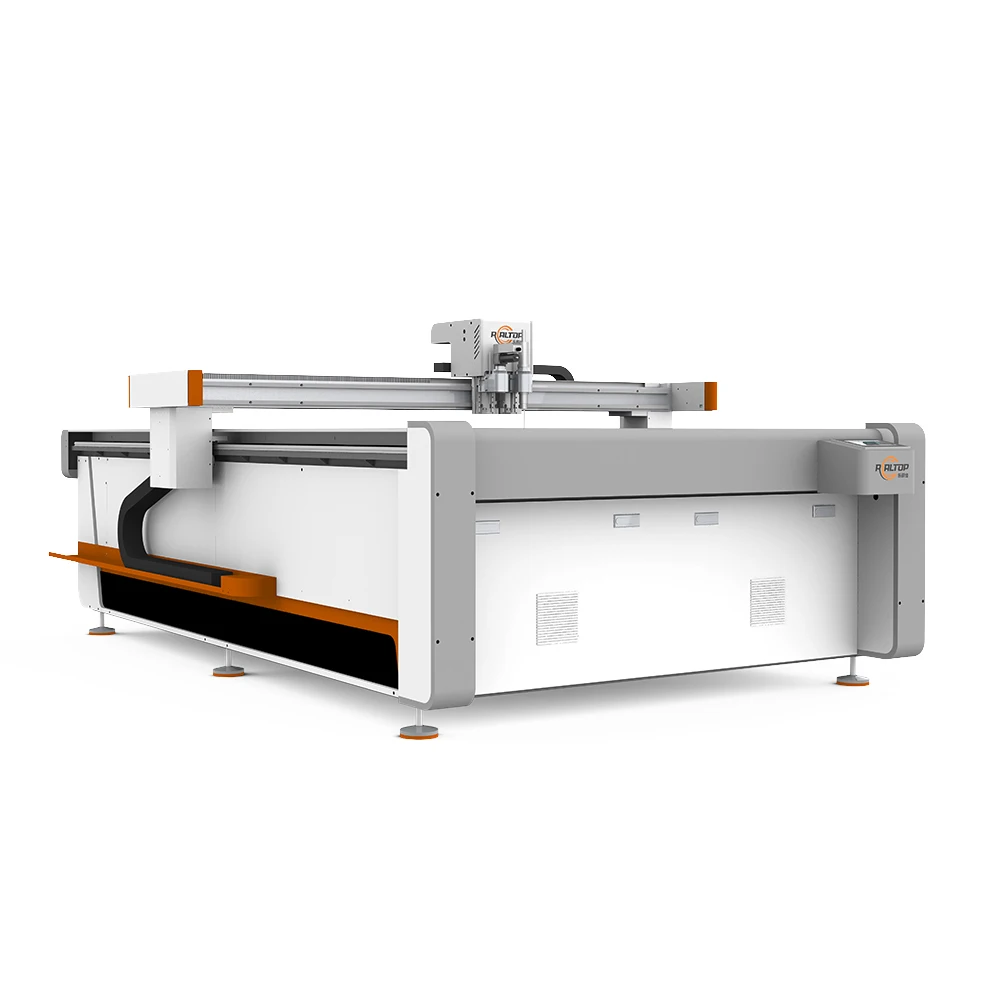
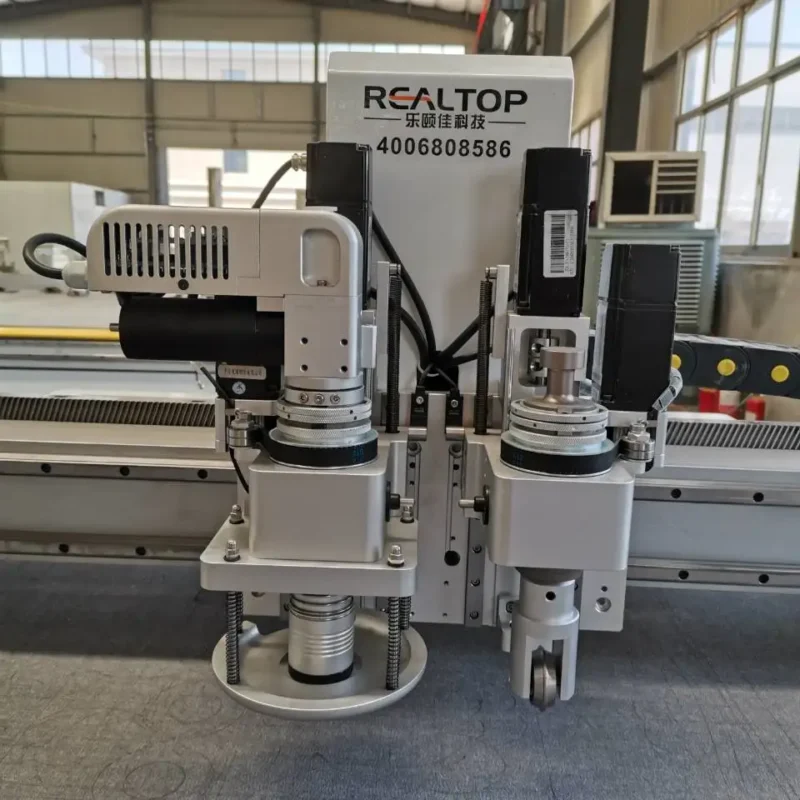
Tool Head Flexibility — Matching oscillating knife, creasing wheel and milling tool options to corrugated, foam and composite sheets prevents the crushed edges that single-tool machines leave on mixed packaging jobs.
Technical Specifications
| Parameter | Value |
|---|---|
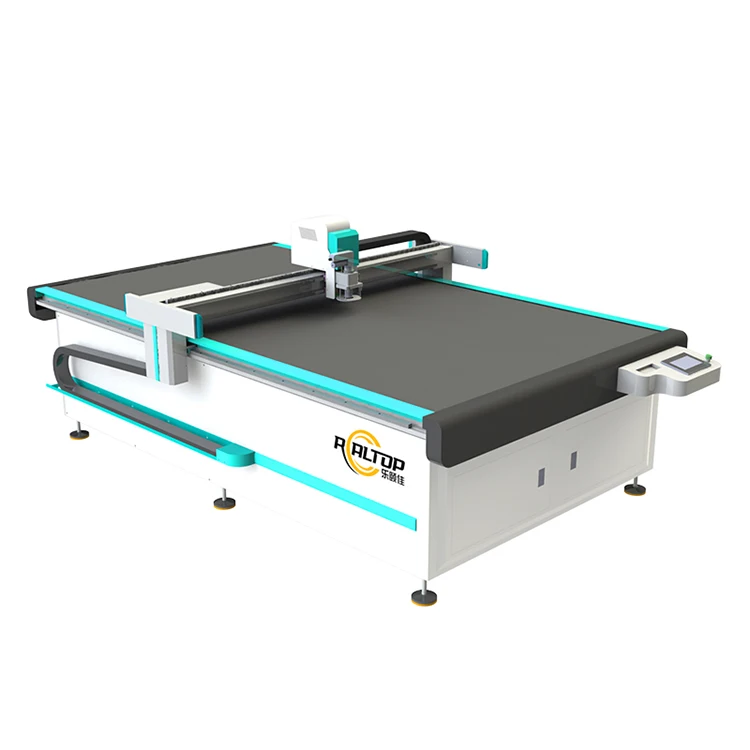
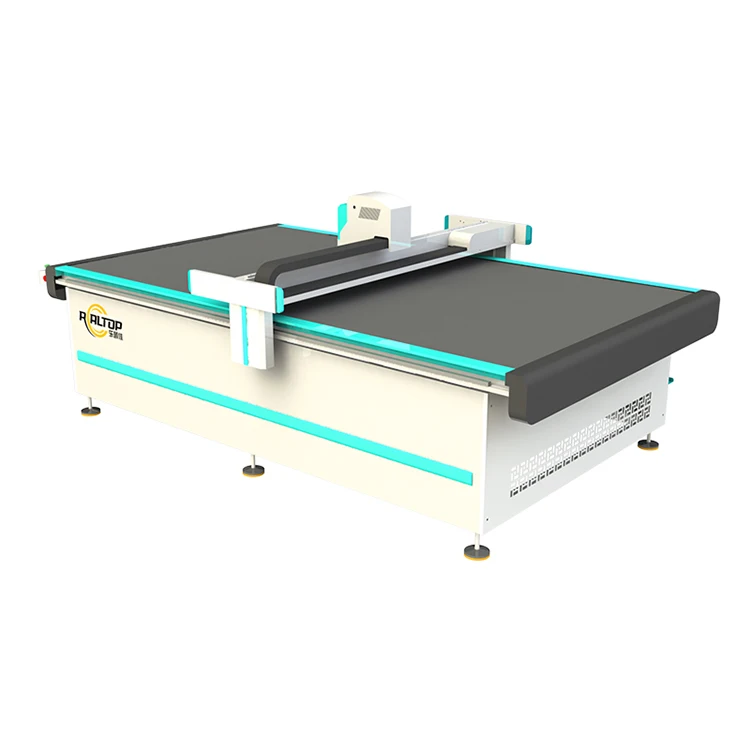
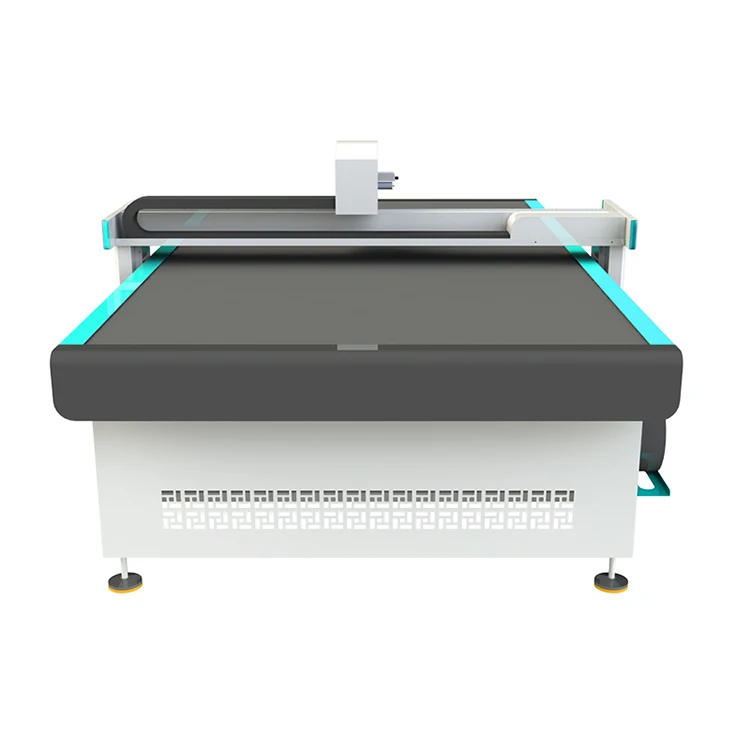
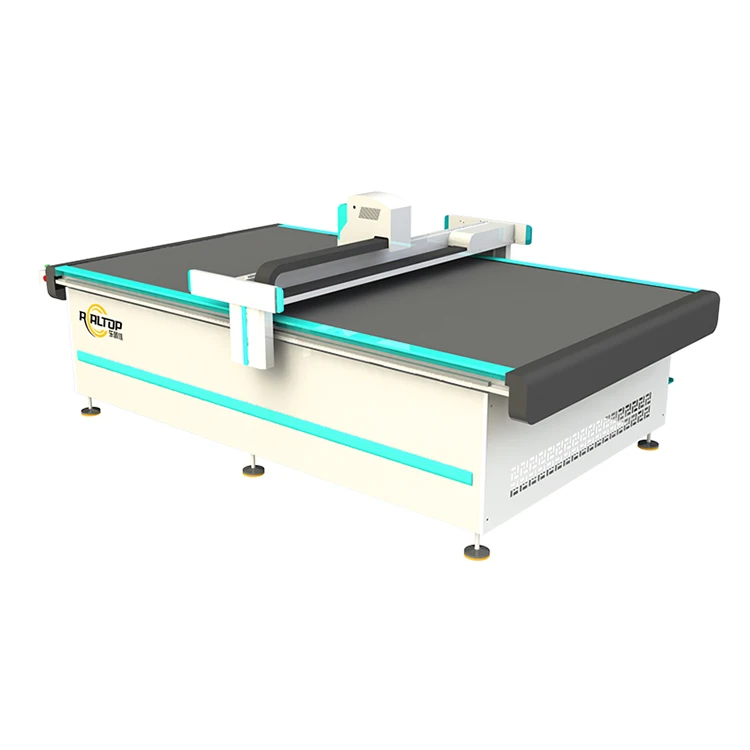
| Product Type | CNC Oscillating Knife Cutting Machine |
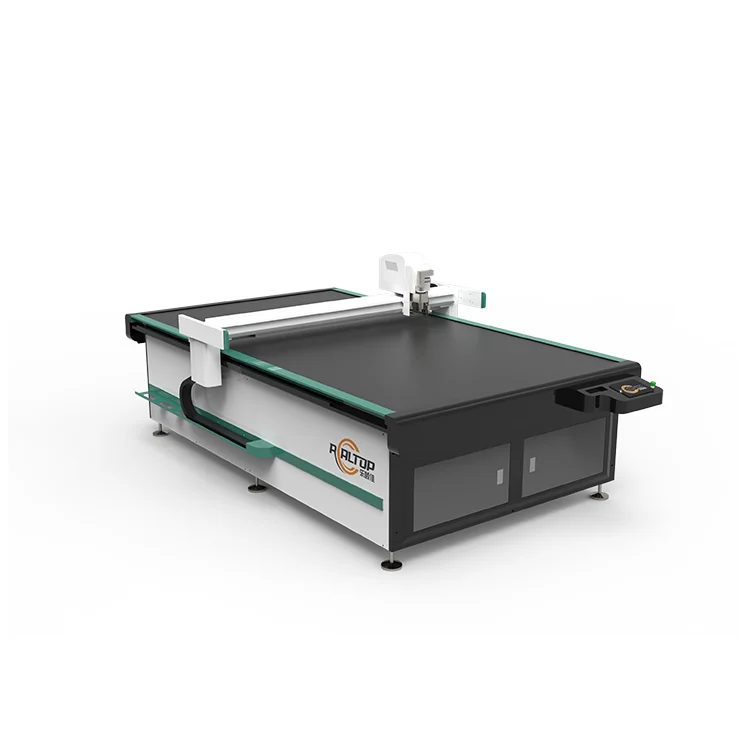
| Working Area | 1600 × 2500 mm |
| Tools Available | Oscillating knife, Driven rotary knife, Creasing wheel, Kiss cutting tool, Pneumatic knife, Milling tool, V-groove knife |
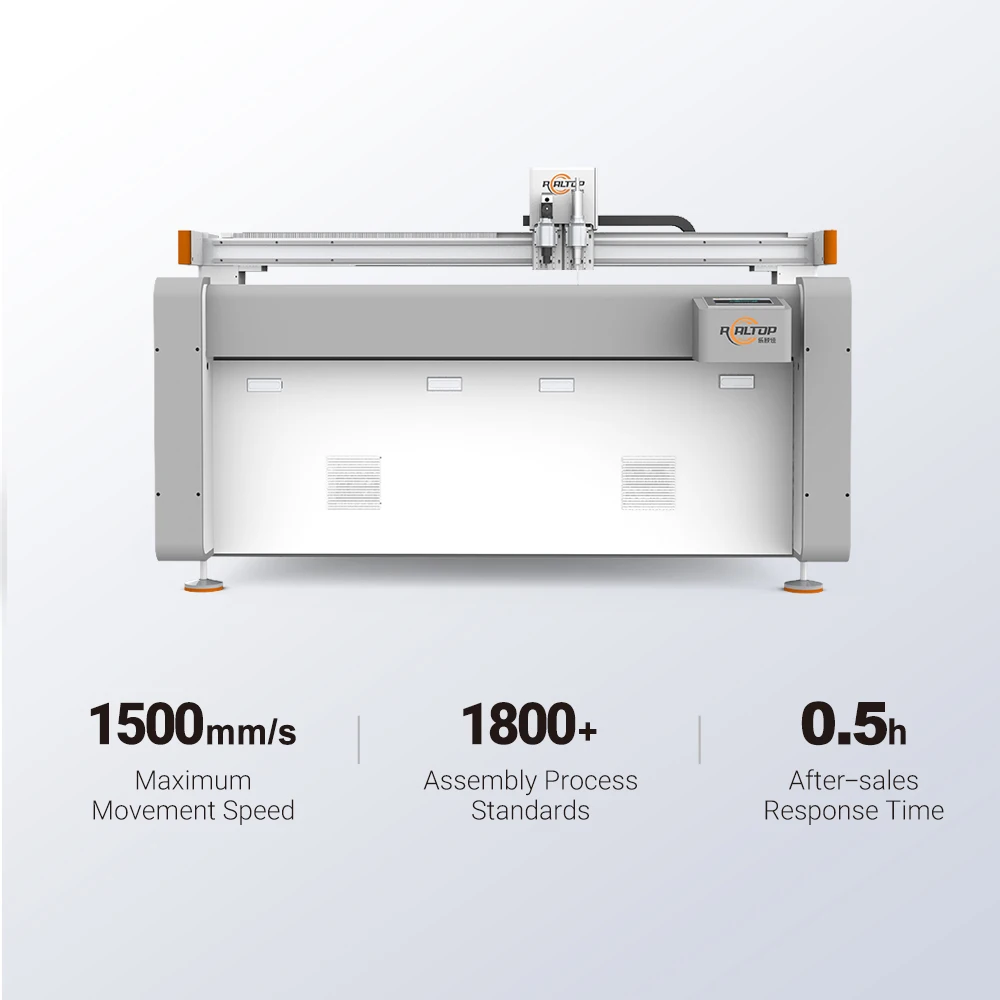
| Cutting Speed | 0 – 1500 mm/s |
| Maximum Cutting Thickness | 40 mm |
| Cutting Accuracy | ±0.1 mm |
| Vacuum Pump | 9 kW |
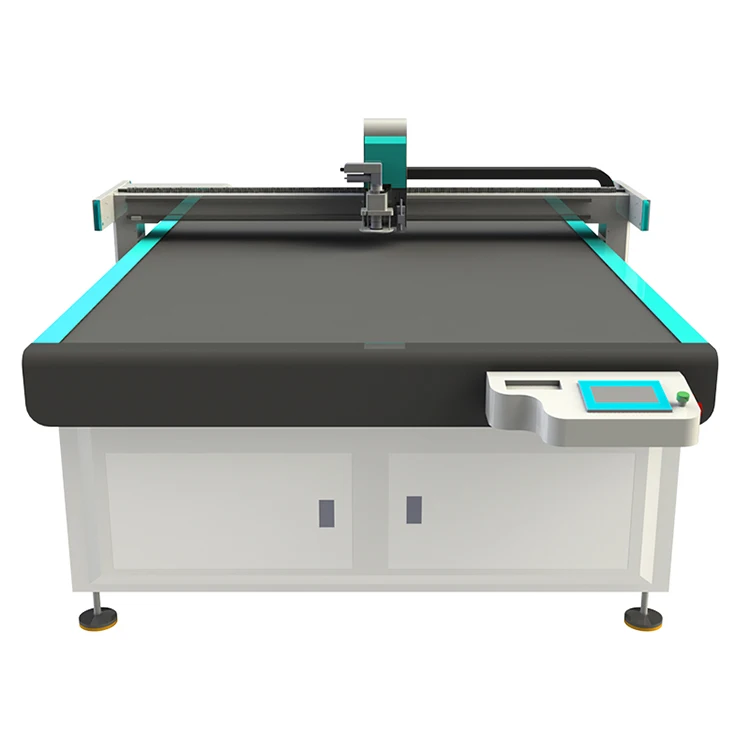
| Vacuum Table | Aluminum bellows vacuum table |
| Machine Frame | Heavy-duty frame with precision-ground surface |
| Servo Motors | Panasonic, Delta or Dorna options |
| Control System | PLC control panel |
| Voltage Options | 110 V, 220 V, 380 V |
| Supported File Formats | PLT, DXF, AI, PDF |
| Safety Devices | Infrared sensor and emergency stop |
| Machine Dimensions | 3300 × 2100 × 1350 mm |
| Language Options | English, Russian, Italian, Chinese; custom languages available |
| Certification | CE |
Application Suitability
| Application | Material or Output |
|---|---|
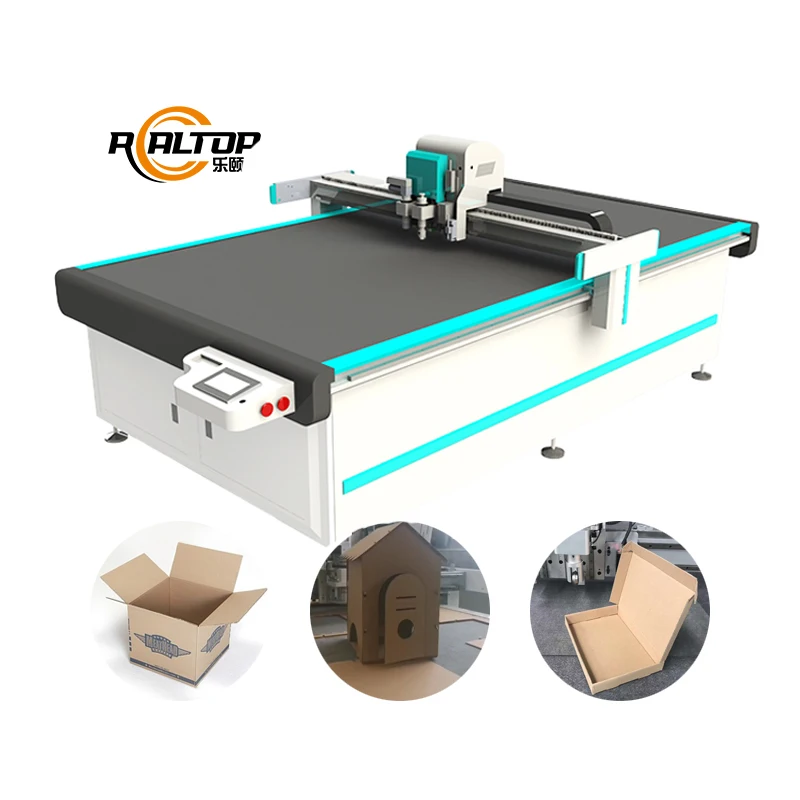
| Packaging sample making and short-run production | Corrugated cardboard (E-flute, B-flute, BC-flute), greyboard, cardstock, art paper |
| Protective foam insert fabrication | EPE foam, EVA foam, PU foam at varying densities and thicknesses |
| Gasket and seal cutting for industrial packaging | Rubber mats, PTFE, adhesive-backed composite sheets |
| Textile and soft packaging components | Velvet, fleece fabric, non-woven fabric, synthetic leather |
| Rigid and semi-rigid packaging elements | PVC, PET, thin plastic sheets, acrylic up to rated thickness |
Why Material Thickness Still Decides the Cutting Method
A 1600 × 2500 mm table does not guarantee clean cuts on 30 mm EPE foam if the wrong tool head is mounted. [NEED_CITE:]
Too many packaging converters choose a CNC oscillating knife cutting machine for sale based on table size and motor power alone. When 3 mm B-flute corrugated runs well on the same machine that crushes 25 mm EPE foam, the buyer assumes the material is out of spec. In reality, the oscillating stroke length and blade geometry were matched to the wrong material family. I have watched short-run sample shops swap foam orders back to hand cutting because the machine could not hold a vertical edge at depth [NEED_CITE:].
Matching the Knife to the Packaging Substrate
Oscillating knife action works by vibrating the blade at high frequency while the servo drives it along the vector path. This suits fibrous and cellular materials like corrugated flutes and closed-cell foams. Driven rotary knives handle woven fabrics and non-wovens where a dragging blade would pull fibres. Kiss cutting tools score adhesive-backed layers without penetrating the release liner. Each tool head in this range addresses a different failure mode that a single-tool machine cannot avoid. Selecting a CNC oscillating knife cutting machine for sale means specifying which tools ship with the unit, not which tools exist in the catalogue.
Vacuum Zoning for Small Packaging Inserts
The 9 kW vacuum pump paired with an aluminum bellows table delivers the suction needed to hold full corrugated sheets flat during high-speed traversing. Small packaging inserts — corner protectors, EPE cushion pads, carton dividers — cover only a fraction of the table surface. Without adequate zoning, air bleeds through uncovered areas and the vacuum drops on the workpiece itself. The bellows design segments the table so that only the zone under the material pulls suction. When cutting nested sets of small foam pieces, the hold-down remains consistent from first cut to last. This matters more than raw pump power when the job mix includes both full-sheet carton blanks and small die-cut shapes [NEED_CITE:].
Reading the Specs Beyond Working Area
Cutting speed rated at 0 – 1500 mm/s reflects the maximum servo traverse rate; actual cutting speed depends on material density and thickness. A 40 mm EPE block requires a slower feed than a 2 mm art paper sheet to maintain the ±0.1 mm accuracy figure. The heavy-duty frame with precision-ground surface keeps the gantry square under load so that long cuts on 2500 mm corrugated sheets do not drift. PLC control with Panasonic, Delta or Dorna servo options lets the buyer match motion components to local service availability. File format support for PLT, DXF, AI and PDF means artwork from Adobe Illustrator or CAD nesting software arrives without a conversion step. Language options including English, Russian, Italian and Chinese, with custom languages available, remove a common commissioning barrier in export markets.
The Cost of Skipping the Material Trial
When a buyer does not send sample material for trial cutting, the tool head selection relies on data-sheet assumptions. Foam density labels are not standardised across suppliers; an EPE sheet marked "high density" from one mill compresses differently from another. The oscillating knife set up for the first supplier produces ragged edges on the second. Creasing wheels tuned for B-flute crush BC-flute because the wall geometry differs. These mismatches show up only after the machine is installed and the production clock is running. Sending actual sheet stock for a pre-order sample cut removes the guesswork [NEED_CITE:].
Why This Range Fits Packaging Workshops
In-house design covers both knife and laser cutting technologies, so the buyer can match the method to the material rather than force one process across every substrate. Tool head and table configuration are specified per material type and daily volume, not quoted as a fixed package. CCD camera positioning is available for printed packaging artwork that requires contour tracking. Software compatibility is confirmed against the buyer’s existing PLT, DXF or AI workflow before the order is placed. Voltage, language and specification customisation align the machine with the target workshop. Sample cutting on the buyer’s own corrugated or foam material happens before commitment, not after delivery.
Documentation & Verification
- Machine specification sheet listing working area, tool head configuration and cutting thickness per material
- Electrical schematic and voltage confirmation matched to 110 V, 220 V or 380 V supply
- Sample cutting report produced on the buyer’s own corrugated or foam stock before dispatch
- Factory test record documenting accuracy and speed on the agreed material set
- Software licence and file format compatibility note for PLT, DXF, AI and PDF workflows
Installation, Commissioning & Support
- Floor space planning for the 3300 × 2100 mm footprint plus material staging clearance
- Dedicated electrical circuit sized for 9 kW vacuum pump plus servo and PLC load
- Machine arrives partially assembled; gantry and tool head require on-site alignment
- First-run parameter tuning for oscillating knife stroke and speed on the buyer’s materials
- Spare blade and creasing wheel kit included for initial production weeks
- Operator training covers file import, nesting and vacuum zone selection
What to Include in Your Inquiry
Share the material types, thicknesses and maximum sheet dimensions you plan to cut. Note the local voltage and frequency supply along with the preferred control language. Confirm whether you need sample cutting on your own stock before placing the order.
Frequently Asked Questions
Q: How do I choose between oscillating knife, drag knife and laser for packaging materials?
A: Oscillating knife suits cellular and fibrous materials like corrugated flutes and foams where a clean vertical edge is required. Drag knife works on thin vinyl and flexible sheets. Laser seals synthetic edges but leaves burn marks on untreated cardboard. Matching the method to the substrate avoids rework.
Q: Which tool head handles E-flute corrugated versus thick EPE foam?
A: E-flute corrugated typically runs on the standard oscillating knife with a fine-tooth blade. Thick EPE foam requires a longer-stroke oscillating knife or pneumatic knife to penetrate without compressing the cell structure. Specifying both tool heads covers the full packaging range.
Q: Is full-surface vacuum enough for small foam inserts?
A: Small pieces leave large areas of the table uncovered, so air leaks reduce hold-down force. The aluminum bellows vacuum table with zoning directs suction only to the covered area, maintaining grip on small inserts throughout the cut cycle.
Q: Which file formats and nesting workflows are supported?
A: The control system accepts PLT, DXF, AI and PDF files directly. Confirm that your existing nesting software exports in one of these formats so that artwork transfers without a conversion step or additional licence.
Q: How does this machine scale from sample making to short-run production?
A: The 1600 × 2500 mm working area handles both single sample blanks and nested short-run layouts. Cutting speed and tool head configuration are set per material, so switching from prototype to batch production requires only a file change and tool selection.
Tool Head Flexibility — Matching oscillating knife, creasing wheel and milling tool options to corrugated, foam and composite sheets prevents the crushed edges that single-tool machines leave on mixed packaging jobs.
Technical Specifications
| Parameter | Value |
|---|---|
| Product Type | CNC Oscillating Knife Cutting Machine |
| Working Area | 1600 × 2500 mm |
| Tools Available | Oscillating knife, Driven rotary knife, Creasing wheel, Kiss cutting tool, Pneumatic knife, Milling tool, V-groove knife |
| Cutting Speed | 0 – 1500 mm/s |
| Maximum Cutting Thickness | 40 mm |
| Cutting Accuracy | ±0.1 mm |
| Vacuum Pump | 9 kW |
| Vacuum Table | Aluminum bellows vacuum table |
| Machine Frame | Heavy-duty frame with precision-ground surface |
| Servo Motors | Panasonic, Delta or Dorna options |
| Control System | PLC control panel |
| Voltage Options | 110 V, 220 V, 380 V |
| Supported File Formats | PLT, DXF, AI, PDF |
| Safety Devices | Infrared sensor and emergency stop |
| Machine Dimensions | 3300 × 2100 × 1350 mm |
| Language Options | English, Russian, Italian, Chinese; custom languages available |
| Certification | CE |
Application Suitability
| Application | Material or Output |
|---|---|
| Packaging sample making and short-run production | Corrugated cardboard (E-flute, B-flute, BC-flute), greyboard, cardstock, art paper |
| Protective foam insert fabrication | EPE foam, EVA foam, PU foam at varying densities and thicknesses |
| Gasket and seal cutting for industrial packaging | Rubber mats, PTFE, adhesive-backed composite sheets |
| Textile and soft packaging components | Velvet, fleece fabric, non-woven fabric, synthetic leather |
| Rigid and semi-rigid packaging elements | PVC, PET, thin plastic sheets, acrylic up to rated thickness |
Why Material Thickness Still Decides the Cutting Method
A 1600 × 2500 mm table does not guarantee clean cuts on 30 mm EPE foam if the wrong tool head is mounted. [NEED_CITE:]
Too many packaging converters choose a CNC oscillating knife cutting machine for sale based on table size and motor power alone. When 3 mm B-flute corrugated runs well on the same machine that crushes 25 mm EPE foam, the buyer assumes the material is out of spec. In reality, the oscillating stroke length and blade geometry were matched to the wrong material family. I have watched short-run sample shops swap foam orders back to hand cutting because the machine could not hold a vertical edge at depth [NEED_CITE:].
Matching the Knife to the Packaging Substrate
Oscillating knife action works by vibrating the blade at high frequency while the servo drives it along the vector path. This suits fibrous and cellular materials like corrugated flutes and closed-cell foams. Driven rotary knives handle woven fabrics and non-wovens where a dragging blade would pull fibres. Kiss cutting tools score adhesive-backed layers without penetrating the release liner. Each tool head in this range addresses a different failure mode that a single-tool machine cannot avoid. Selecting a CNC oscillating knife cutting machine for sale means specifying which tools ship with the unit, not which tools exist in the catalogue.
Vacuum Zoning for Small Packaging Inserts
The 9 kW vacuum pump paired with an aluminum bellows table delivers the suction needed to hold full corrugated sheets flat during high-speed traversing. Small packaging inserts — corner protectors, EPE cushion pads, carton dividers — cover only a fraction of the table surface. Without adequate zoning, air bleeds through uncovered areas and the vacuum drops on the workpiece itself. The bellows design segments the table so that only the zone under the material pulls suction. When cutting nested sets of small foam pieces, the hold-down remains consistent from first cut to last. This matters more than raw pump power when the job mix includes both full-sheet carton blanks and small die-cut shapes [NEED_CITE:].
Reading the Specs Beyond Working Area
Cutting speed rated at 0 – 1500 mm/s reflects the maximum servo traverse rate; actual cutting speed depends on material density and thickness. A 40 mm EPE block requires a slower feed than a 2 mm art paper sheet to maintain the ±0.1 mm accuracy figure. The heavy-duty frame with precision-ground surface keeps the gantry square under load so that long cuts on 2500 mm corrugated sheets do not drift. PLC control with Panasonic, Delta or Dorna servo options lets the buyer match motion components to local service availability. File format support for PLT, DXF, AI and PDF means artwork from Adobe Illustrator or CAD nesting software arrives without a conversion step. Language options including English, Russian, Italian and Chinese, with custom languages available, remove a common commissioning barrier in export markets.
The Cost of Skipping the Material Trial
When a buyer does not send sample material for trial cutting, the tool head selection relies on data-sheet assumptions. Foam density labels are not standardised across suppliers; an EPE sheet marked "high density" from one mill compresses differently from another. The oscillating knife set up for the first supplier produces ragged edges on the second. Creasing wheels tuned for B-flute crush BC-flute because the wall geometry differs. These mismatches show up only after the machine is installed and the production clock is running. Sending actual sheet stock for a pre-order sample cut removes the guesswork [NEED_CITE:].
Why This Range Fits Packaging Workshops
In-house design covers both knife and laser cutting technologies, so the buyer can match the method to the material rather than force one process across every substrate. Tool head and table configuration are specified per material type and daily volume, not quoted as a fixed package. CCD camera positioning is available for printed packaging artwork that requires contour tracking. Software compatibility is confirmed against the buyer’s existing PLT, DXF or AI workflow before the order is placed. Voltage, language and specification customisation align the machine with the target workshop. Sample cutting on the buyer’s own corrugated or foam material happens before commitment, not after delivery.
Documentation & Verification
- Machine specification sheet listing working area, tool head configuration and cutting thickness per material
- Electrical schematic and voltage confirmation matched to 110 V, 220 V or 380 V supply
- Sample cutting report produced on the buyer’s own corrugated or foam stock before dispatch
- Factory test record documenting accuracy and speed on the agreed material set
- Software licence and file format compatibility note for PLT, DXF, AI and PDF workflows
Installation, Commissioning & Support
- Floor space planning for the 3300 × 2100 mm footprint plus material staging clearance
- Dedicated electrical circuit sized for 9 kW vacuum pump plus servo and PLC load
- Machine arrives partially assembled; gantry and tool head require on-site alignment
- First-run parameter tuning for oscillating knife stroke and speed on the buyer’s materials
- Spare blade and creasing wheel kit included for initial production weeks
- Operator training covers file import, nesting and vacuum zone selection
What to Include in Your Inquiry
Share the material types, thicknesses and maximum sheet dimensions you plan to cut. Note the local voltage and frequency supply along with the preferred control language. Confirm whether you need sample cutting on your own stock before placing the order.
Frequently Asked Questions
Q: How do I choose between oscillating knife, drag knife and laser for packaging materials?
A: Oscillating knife suits cellular and fibrous materials like corrugated flutes and foams where a clean vertical edge is required. Drag knife works on thin vinyl and flexible sheets. Laser seals synthetic edges but leaves burn marks on untreated cardboard. Matching the method to the substrate avoids rework.
Q: Which tool head handles E-flute corrugated versus thick EPE foam?
A: E-flute corrugated typically runs on the standard oscillating knife with a fine-tooth blade. Thick EPE foam requires a longer-stroke oscillating knife or pneumatic knife to penetrate without compressing the cell structure. Specifying both tool heads covers the full packaging range.
Q: Is full-surface vacuum enough for small foam inserts?
A: Small pieces leave large areas of the table uncovered, so air leaks reduce hold-down force. The aluminum bellows vacuum table with zoning directs suction only to the covered area, maintaining grip on small inserts throughout the cut cycle.
Q: Which file formats and nesting workflows are supported?
A: The control system accepts PLT, DXF, AI and PDF files directly. Confirm that your existing nesting software exports in one of these formats so that artwork transfers without a conversion step or additional licence.
Q: How does this machine scale from sample making to short-run production?
A: The 1600 × 2500 mm working area handles both single sample blanks and nested short-run layouts. Cutting speed and tool head configuration are set per material, so switching from prototype to batch production requires only a file change and tool selection.
商品评价
There are no reviews yet.