

Fast Delivery
Quick, reliable shipping to any location.

Free & easy returns
Return this item by mail or in store within 90 days for a full refund.
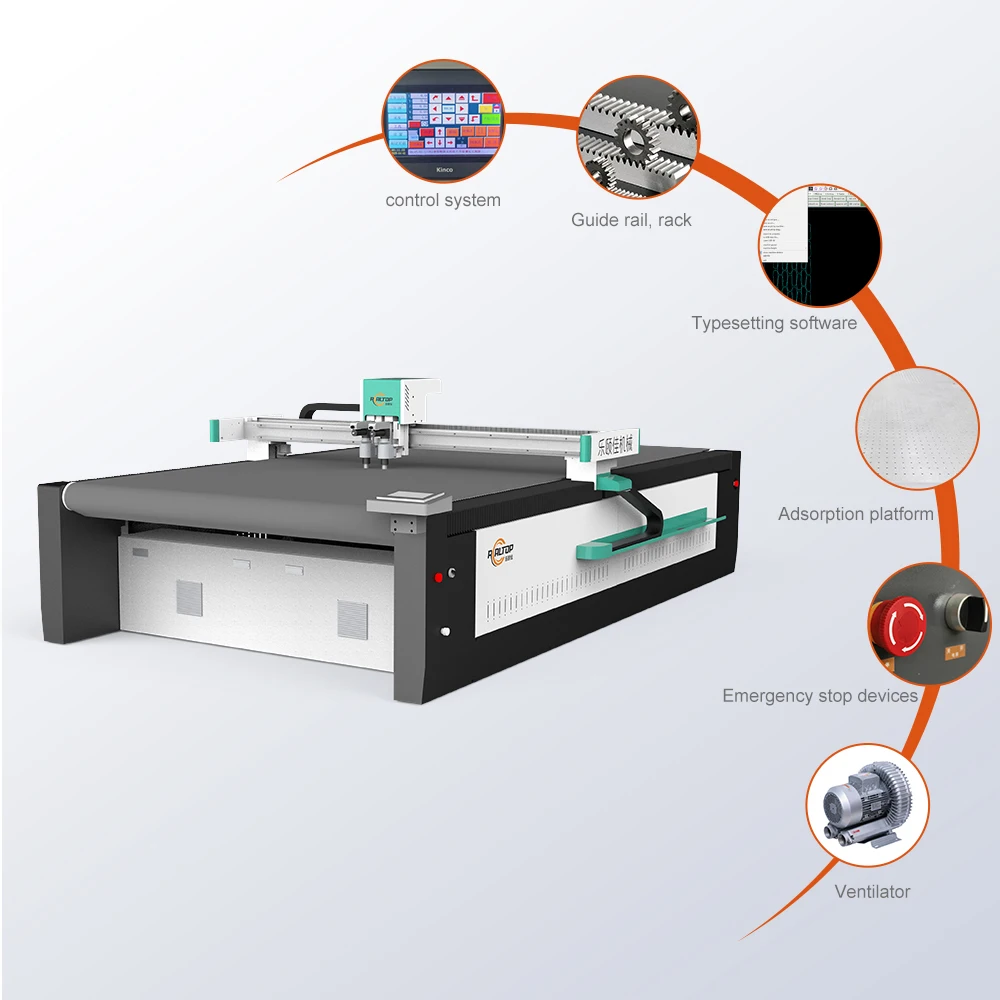
Tool head configurability — matching oscillating knife, pneumatic knife or V groove tooling to gasket density before the order is placed, not after the machine arrives.
Technical Specifications
| Parameter | Value |
|---|---|
| Product Type | CNC Oscillating Knife Cutting Machine |
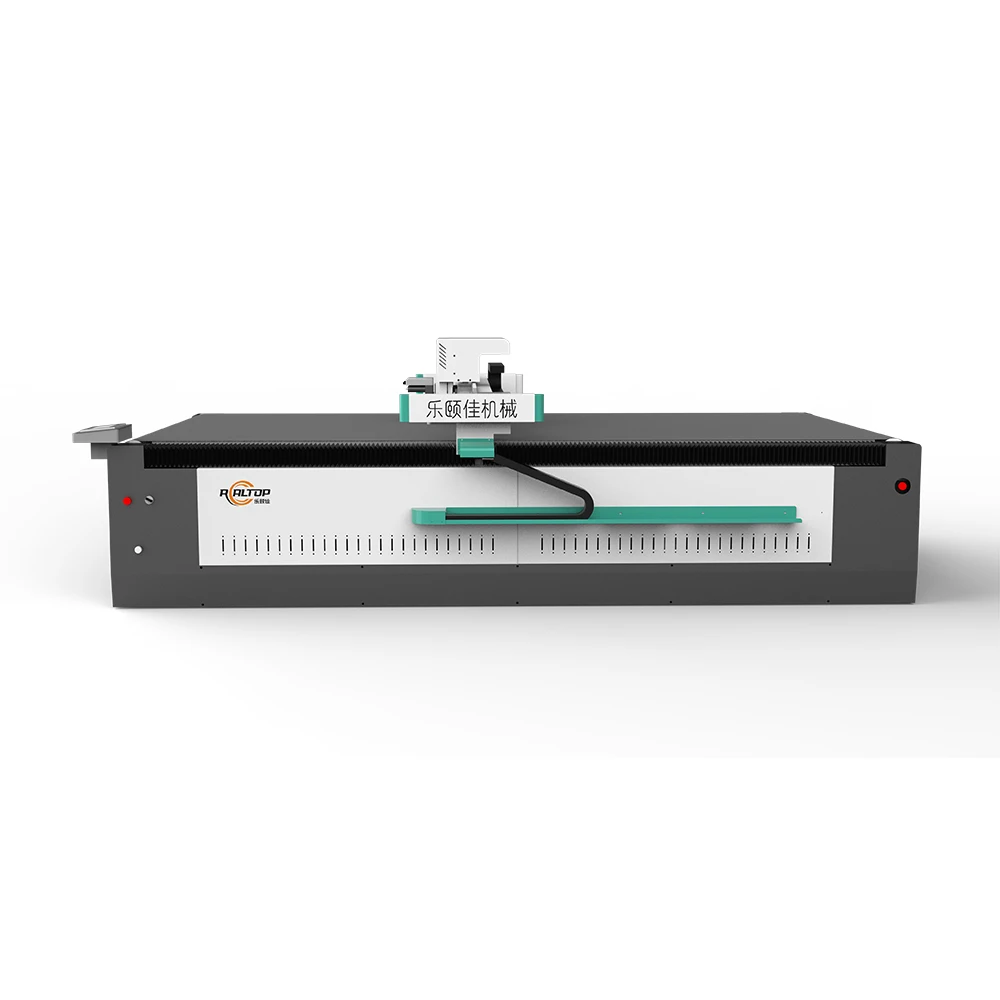
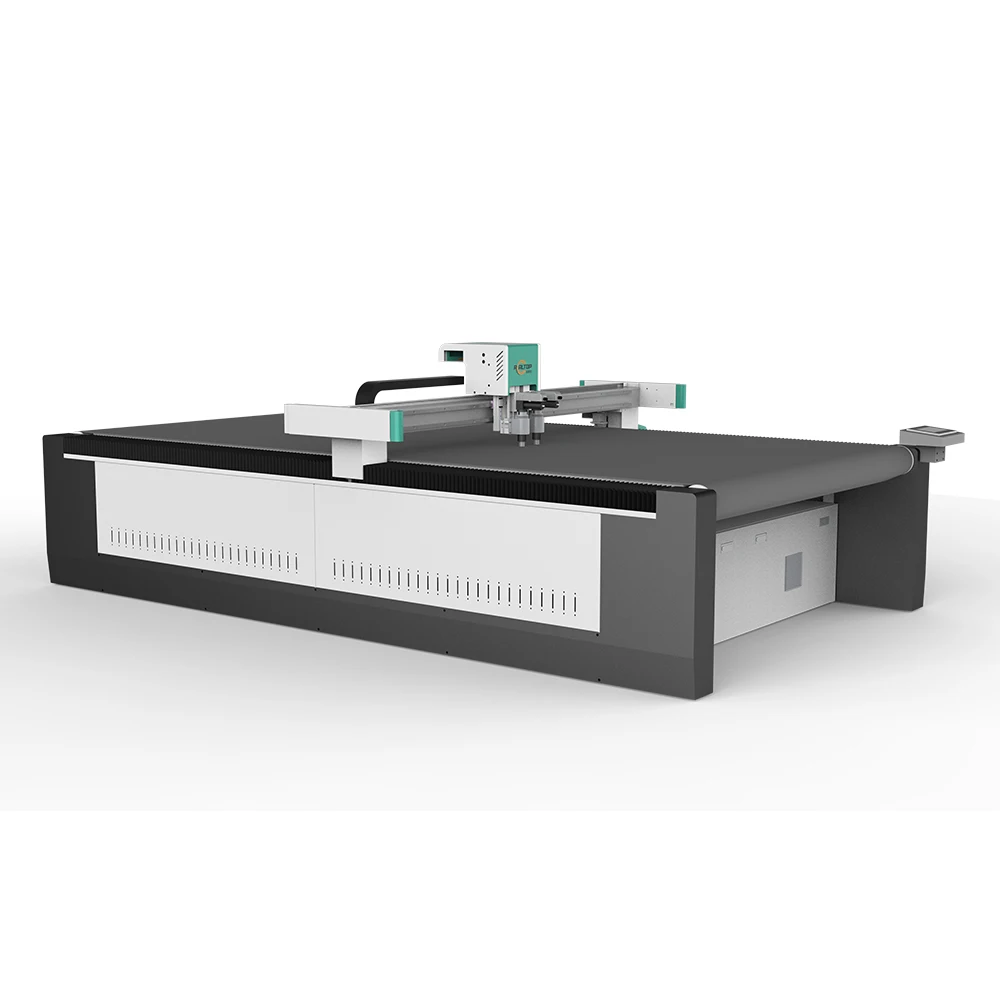
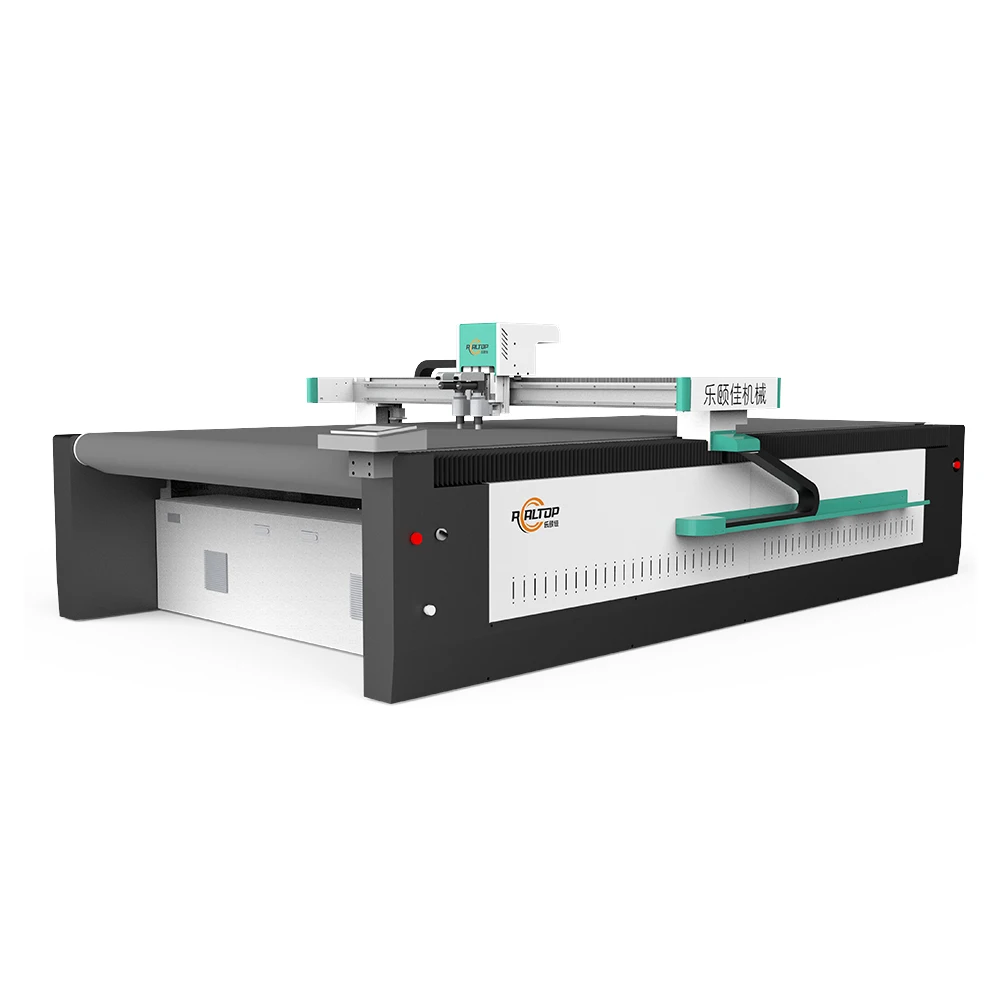
| Working Area | 1600*2500mm |
| Tool Head Options | Oscillating knife, Driven rotary knife, Creasing wheel, Kiss cutting tool, Pneumatic knife, Milling tool, V groove knife |
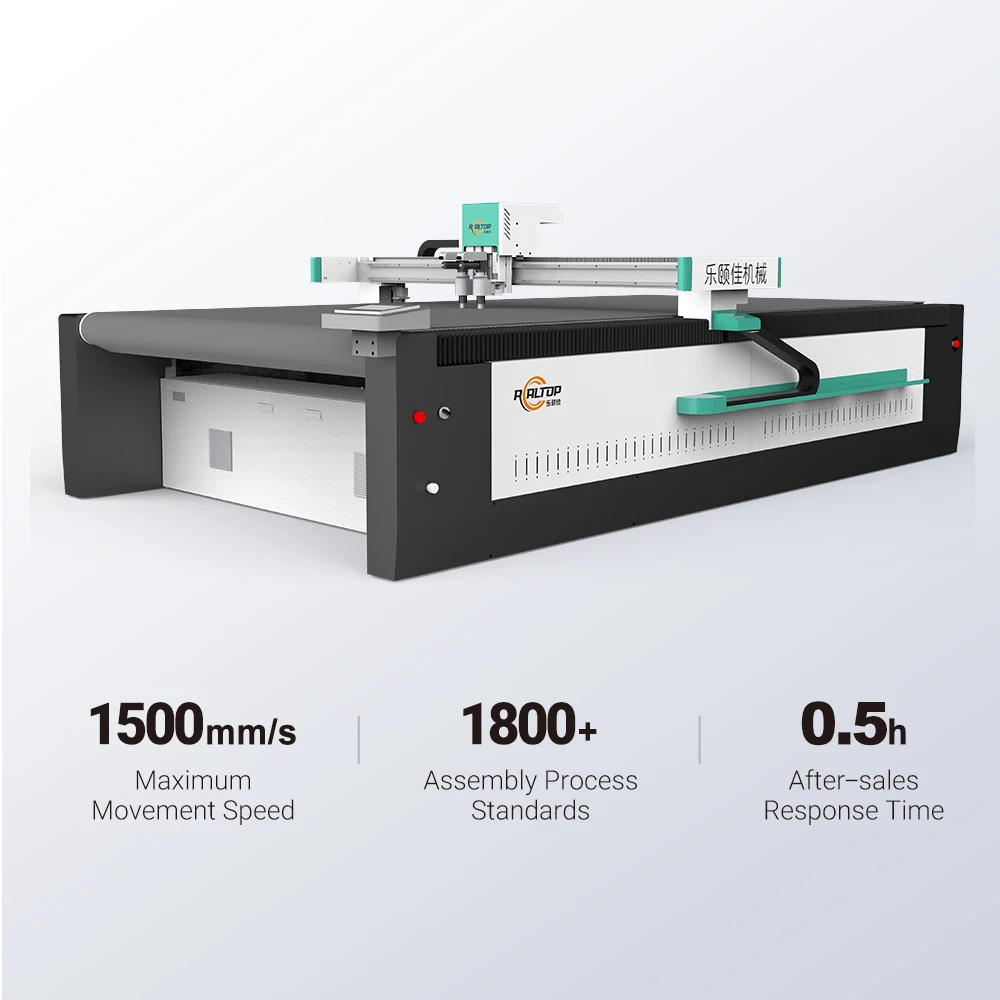
| Cutting Speed | 0-2000 mm/s |
| Cutting Thickness | ≤ 30mm |
| Positioning Accuracy | ±0.1 mm |
| Vacuum Pump Power | 9KW |
| Vacuum Table | Aluminum bellows vacuum table |
| Voltage Options | 110V, 220V, 380V |
| Control System | PLC control panel with optional display languages |
| Supported File Formats | PLT, DXF, AI, PDF |
| Safety Devices | Infrared sensor device, Emergency stop device |
| Machine Dimensions (L×W×H) | 330021001350 mm |
Application Suitability
| Application | Material or Output |
|---|---|
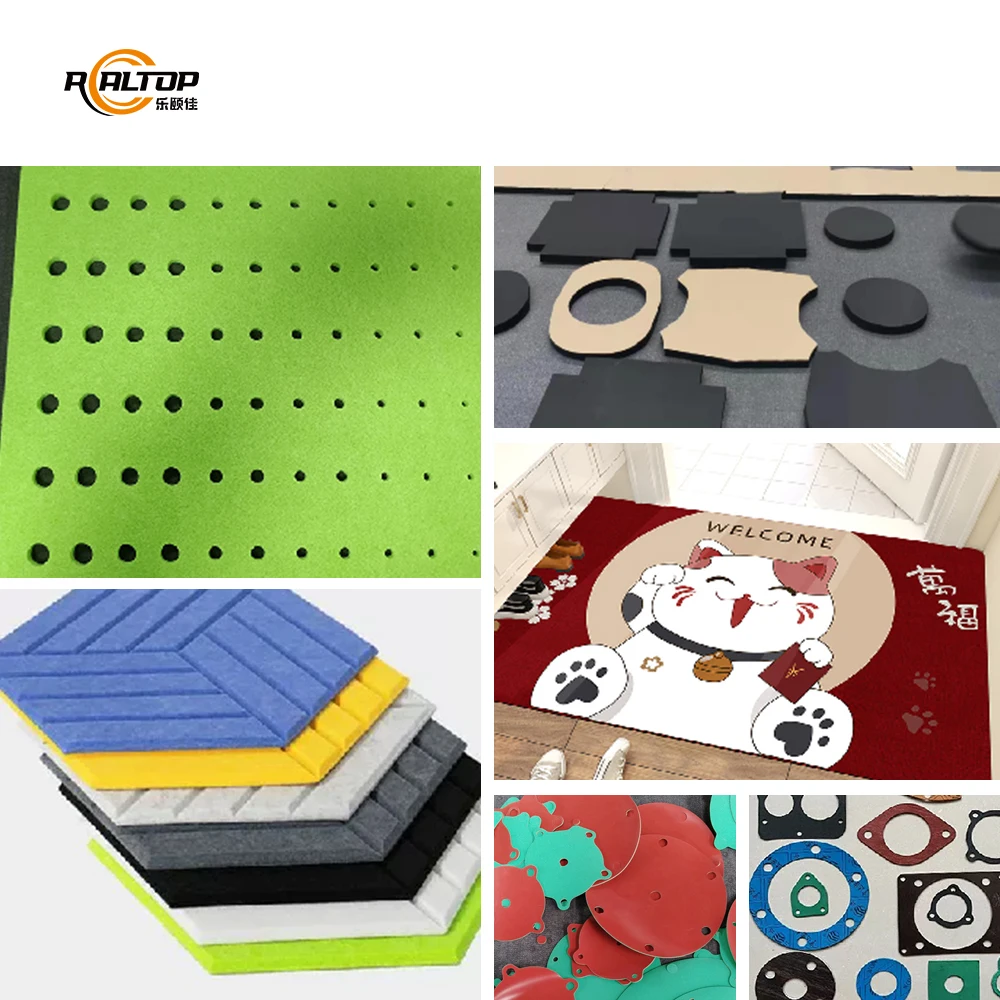
| Industrial gasket production | Rubber, PTFE, compressed fibre sheet, asbestos-free compounds |
| Automotive sealing components | Acoustic felt, damping materials, EPDM profiles |
| Aerospace composite fabrication | Carbon fibre prepreg, aramid honeycomb, G10 epoxy boards |
| Wind power blade manufacturing | Infusion mesh, insulation layers, fiberglass cloth |
| Sporting goods fabrication | Composite panels, foam cores, EVA padding |
Why Material Thickness Ruins the "Working Area" Promise
A CNC oscillating knife gasket cutting machine manufacturer should never quote a system based on table dimensions alone when gasket density varies from soft cork to compressed aramid fibre.
Cutting depth capability shifts entirely once you change the gasket material — not the working area.
I remember walking into a workshop in Suzhou where an operator was forcing a drag knife through 15mm compressed rubber. The supplier had sold them a machine with a generous 1600×2500mm bed, but never asked about the actual material stack. The blade deflected, the edge was ragged, and every third seal failed the pressure test. Gasket tolerance requirements do not forgive tool head mismatches [NEED_CITE: industrial gasket dimensional tolerance standards]. The machine was capable; the specification process was not.
Matching Tool Head Geometry to Gasket Density
The oscillating knife tool head handles most mid-density gasket materials up to the 30mm cutting depth limit, vibrating thousands of times per minute to shear through compressed fibre and rubber without crushing the cross-section. For harder materials like PTFE or thick vulcanised rubber sheets, the pneumatic knife tool head delivers a different stroke force profile that maintains edge squareness. The V groove knife option matters when gasket designs call for bevelled sealing surfaces, common in flange applications where the seal must compress into a channel rather than sit flat against the face.
Vacuum Table Zoning and Small Gasket Retention
Gasket production often nests dozens of small seals across the 1600×2500mm aluminum bellows vacuum table, and without proper zoning the vacuum pulls through empty space between parts instead of holding the material under the tool path. The 9KW vacuum pump power rating must be directed into active zones where material is actually present. I have watched operators lose small O-ring profiles mid-cut because the vacuum was spread across the entire bed with no segmentation. Properly configured zoning keeps thin gasket sheets and flexible composite prepreg locked in place even at 2000 mm/s cutting speed [NEED_CITE: vacuum table zoning requirements for flexible sheet materials].
What the Accuracy and Speed Numbers Mean for Gasket Tolerances
Positioning accuracy of ±0.1 mm keeps aerospace gasket profiles within the tight dimensional envelopes required for composite panel assembly and fuel system seals. At the 0-2000 mm/s cutting speed range, the system must balance throughput against material behaviour — softer rubber absorbs vibration and allows faster travel, while aramid honeycomb demands slower passes to prevent fibre delamination. The PLC control panel manages this across different material presets, and the ±0.1 mm repeatability ensures the hundredth gasket matches the first. File format support for PLT, DXF, AI and PDF means most nesting workflows already in use at gasket fabrication shops will import without format conversion.
The Cost of Skipping Material Verification
When a buyer accepts a quotation without requesting a sample cutting report on their actual gasket material, the problems surface weeks after delivery. A PTFE sheet that cuts cleanly at 3mm may produce frayed edges at 8mm with the same oscillating knife frequency and blade type. The compressed rubber that works on a test piece may require a pneumatic knife head for production volumes where blade wear accelerates. I have seen gasket producers discover incompatibility during their first real production run — the nesting software could not open their existing DXF files, or the control language defaulted to one the floor operators could not read. These are specification failures, not machine failures [NEED_CITE: common CNC cutting machine commissioning issues at startup].
Why Procurement Validation Works Here
Realtop operates in-house design and production covering both knife and laser cutting technologies, allowing the cutting method to match the gasket material rather than forcing one approach across all densities. Tool head and table configuration is specified per material and production volume before quotation, not after the machine ships. CCD camera positioning is available where printed contour cutting is part of the gasket workflow. Software compatibility is confirmed with the buyer’s file formats before order placement. Voltage options spanning 110V, 220V and 380V are locked in during the specification stage to match the destination workshop’s electrical infrastructure. Sample cutting on the buyer’s own gasket material at production thickness is completed before commitment.
Documentation & Verification
- Machine specification sheet listing confirmed tool head and vacuum table configuration for your gasket material
- Electrical schematic and voltage confirmation matching your workshop supply before dispatch
- Sample cutting report on your own gasket material at production thickness with edge quality photographs
- Software licence and file format compatibility note covering PLT, DXF, AI and PDF import
- Spare parts list with oscillating knife blades, pneumatic seals and vacuum table consumables itemised
Installation, Commissioning & Support
- Foundation must support the 3300×2100×1350 mm machine footprint with level tolerance across the aluminum bellows vacuum table
- Dedicated electrical circuit required matching confirmed voltage option of 110V, 220V or 380V with appropriate breaker rating for 9KW vacuum pump
- Machine ships as single assembly requiring forklift placement and utility connections at the installation site
- First commissioning includes PLC control panel language setup and tool head calibration against your gasket material samples
- Operator training covers tool head changeover between oscillating knife, pneumatic knife and V groove configurations
- Spare consumables package includes blades, bearings and vacuum seals to prevent unplanned downtime
What to Include in Your Specification Request
Send your gasket material type, exact thickness range and maximum sheet dimensions so the tool head and vacuum zoning can be configured before quotation. Confirm your workshop voltage, frequency and plug type along with the preferred control panel language for your operators. If you already run nesting software, share a sample file in PLT, DXF, AI or PDF format so import compatibility is verified before the order is placed.
Frequently Asked Questions
Q: How is cutting thickness verified for my gasket material?
A: A sample cutting report is produced on your specific gasket material at the thickness you will run in production. This covers edge quality, dimensional accuracy and tool head selection. The report is shared before order confirmation so the configuration is locked to your material, not a generic specification.
Q: Which tool head suits PTFE versus compressed rubber?
A: PTFE typically requires a pneumatic knife for clean shearing at higher densities, while compressed rubber often cuts well with the oscillating knife at standard stroke frequencies. The V groove knife is available where bevelled seal profiles are needed. Tool head selection is finalised after sample cutting on your material.
Q: How does vacuum zoning prevent small gasket parts from lifting?
A: The aluminum bellows vacuum table with 9KW pump is configured with zoning so suction concentrates under active material areas rather than bleeding across the entire bed. This holds small gasket profiles in place during high-speed cutting passes, preventing drift that would otherwise cause out-of-tolerance parts.
Q: What file formats and nesting workflows are supported?
A: The system accepts PLT, DXF, AI and PDF files directly through the PLC control panel. If you use a specific nesting software package, a compatibility check is run before order placement to confirm your existing workflow imports correctly without file conversion steps.
Q: Can voltage and control language be customised?
A: Voltage is configurable across 110V, 220V and 380V options confirmed against your workshop supply before shipment. The PLC control panel display language is set to your operator preference during commissioning. Safety device configuration including infrared sensor positioning is also adjusted to your local requirements.










商品评价
There are no reviews yet.