


Fast Delivery
Quick, reliable shipping to any location.

Free & easy returns
Return this item by mail or in store within 90 days for a full refund.
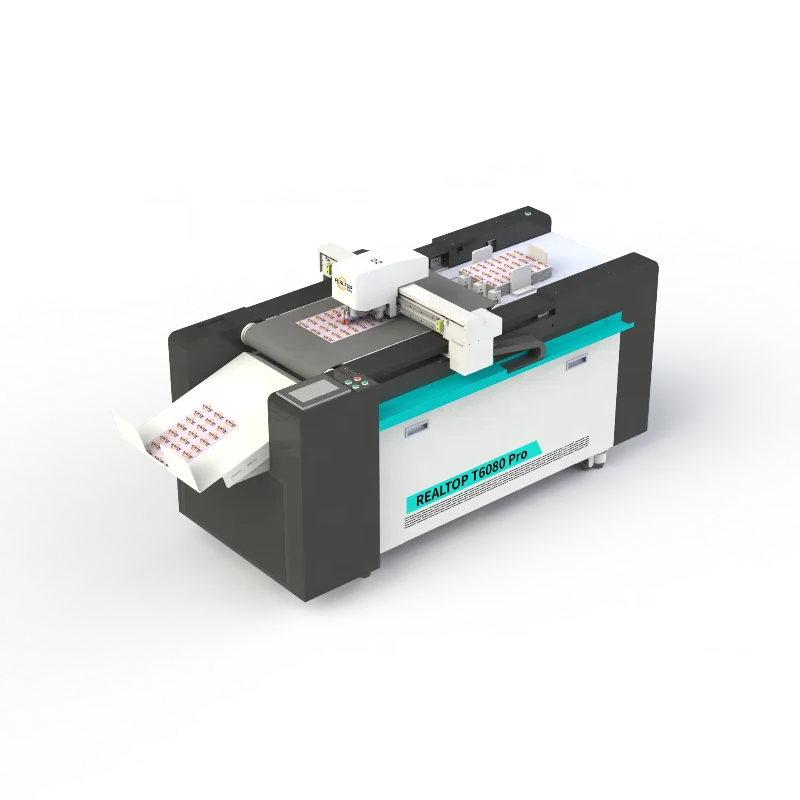
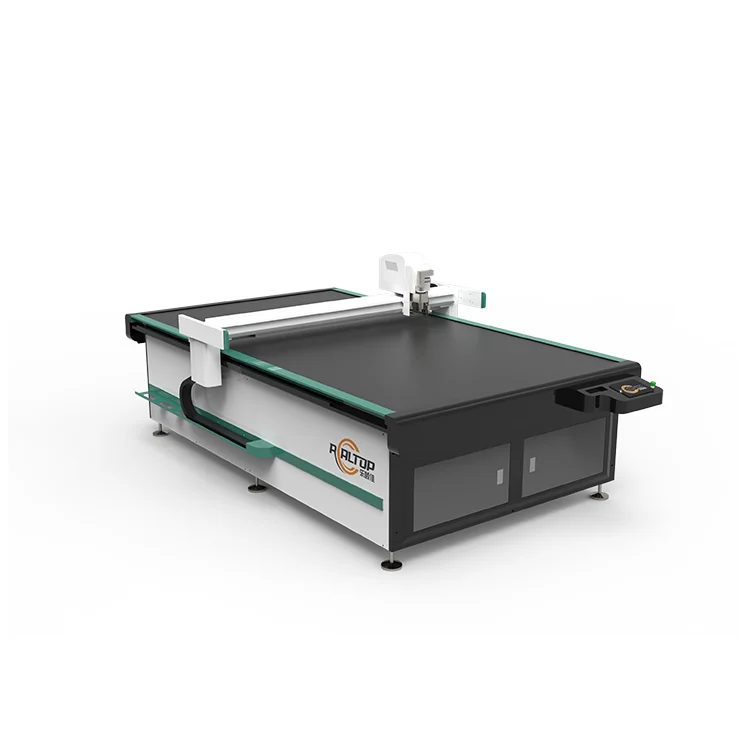
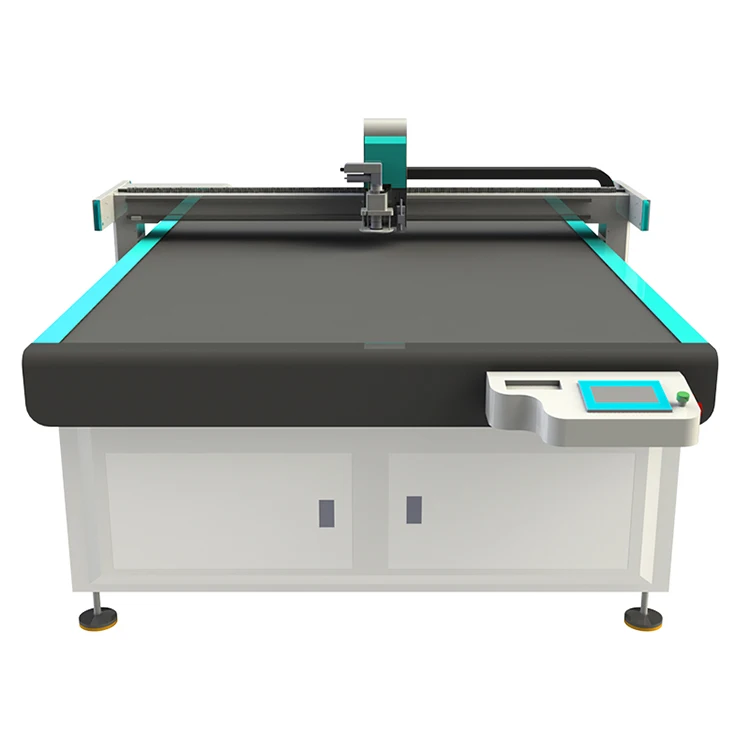
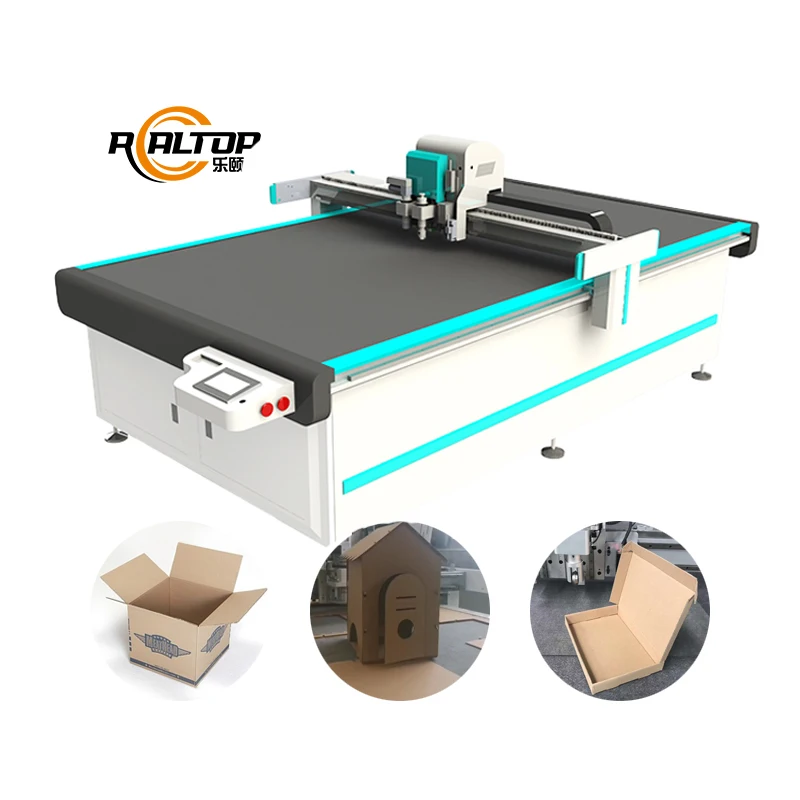
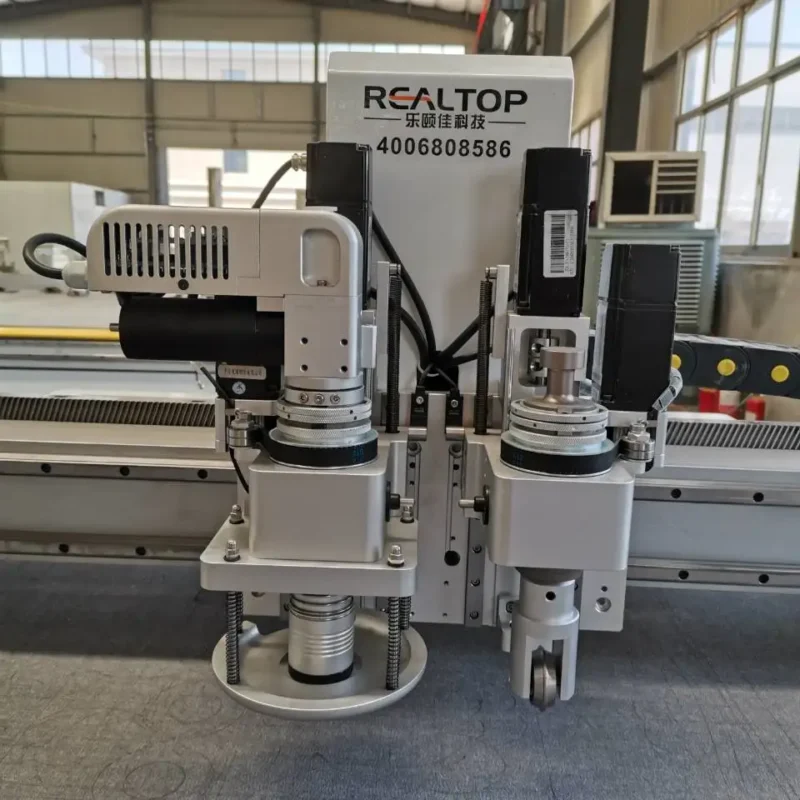
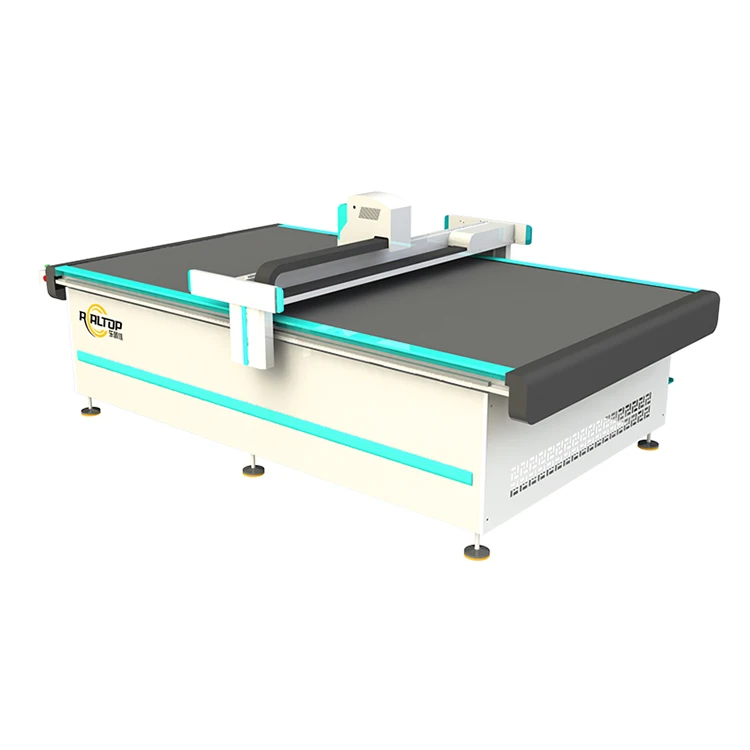
Multifunctional Tooling per Material — The T series matches oscillating knife, drag knife, creasing, and kiss-cut heads to your actual board grade and print finish rather than forcing a single tool path.
Technical Specifications
| Parameter | Value |
|---|---|
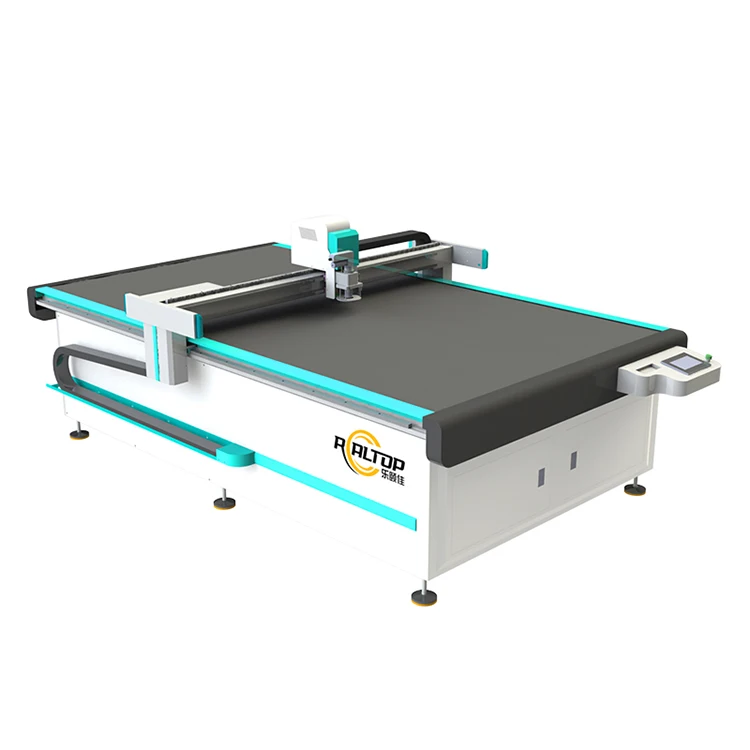
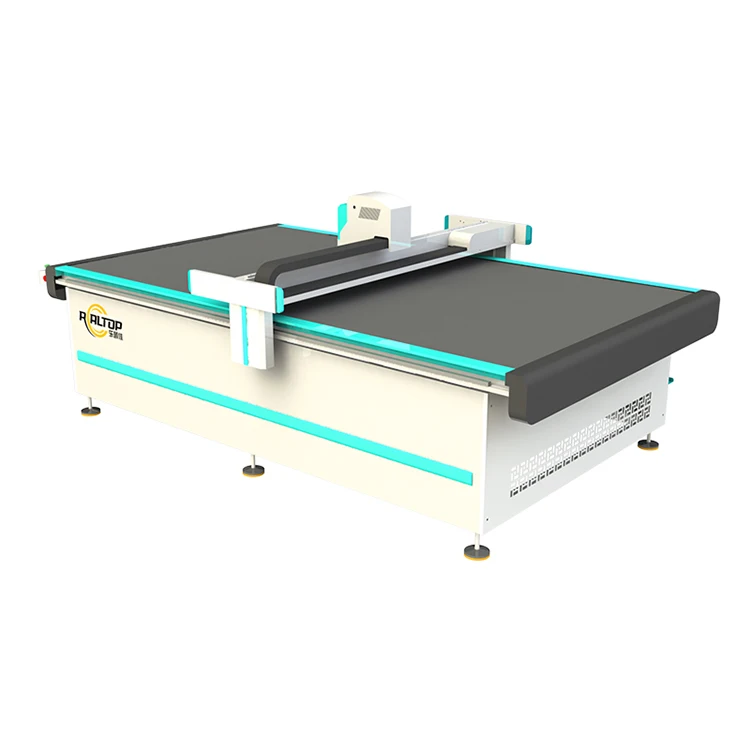
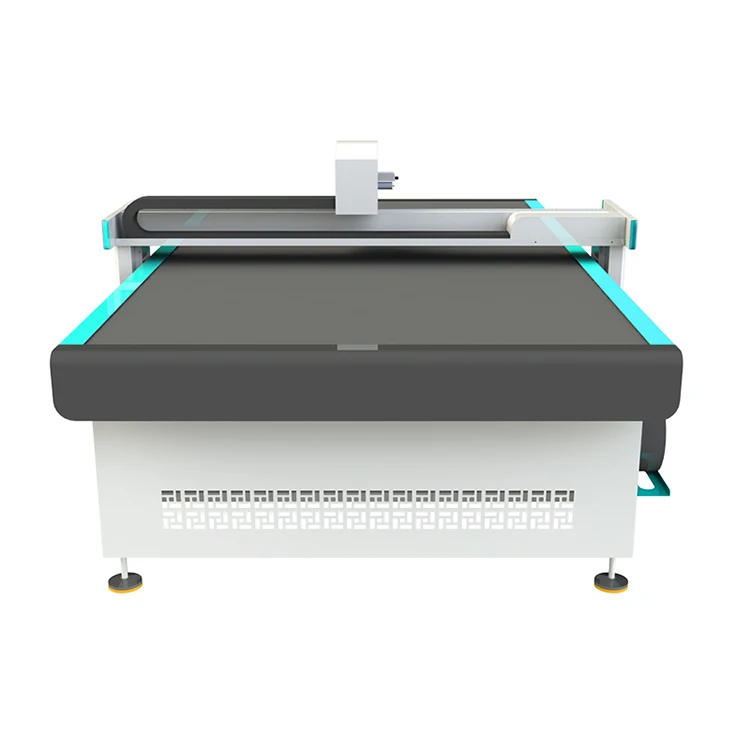
| Product Type | CNC Flatbed Digital Cutting Plotter |
| Series | T series |
| Tool Head Combination | Cutting, creasing, kiss-cutting, dotted-line cutting |
| Positioning System | CCD auto positioning |
| Control Panel | HD touch control panel |
| Automation Level | Fully automated — automatic feeding, cutting, and picking |
| Control System | Automatic intelligent control system |
| Network Connectivity | Network port |
| Working Area | Configurable to sheet format (basis not stated in source) |
| Cutting Thickness | Depends on material type and density (basis not stated in source) |
| Voltage and Frequency | Configurable to target market standard (basis not stated in source) |
| Software Compatibility | Confirm file format and nesting workflow before order (basis not stated in source) |
| Positioning Accuracy | Verify against manufacturer catalog (basis not stated in source) |
| Repeatability | Verify against manufacturer catalog (basis not stated in source) |
| Vacuum Table Zoning | Configuration depends on part size range (basis not stated in source) |
Application Suitability
| Application | Material or Output |
|---|---|
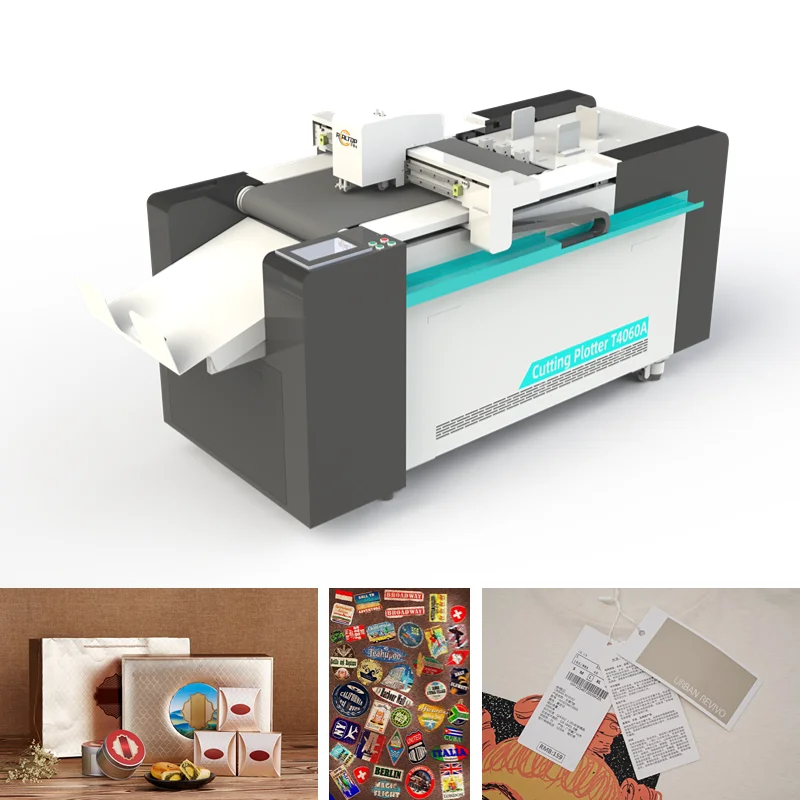
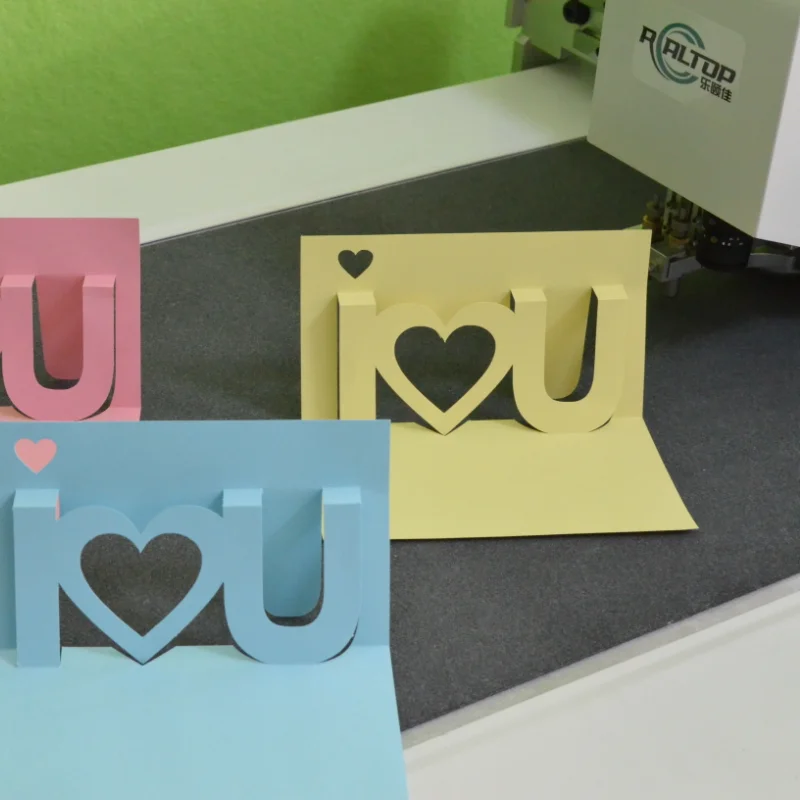
| Packaging and carton sample making | Corrugated cardboard, greyboard, coated paper, short-run box prototypes |
| Post-print contour cutting in graphic industry | Self-adhesive vinyl, PP sheet, PVC sheet with printed registration marks |
| Small-batch production of folding cartons | Coated paper and light board with kiss-cut and crease combinations |
| Signage and display component processing | Foam board, PP corrugated, and composite display panels |
| Individualized product manufacturing | Mixed-material layouts with frequent format changes |
What a Working-Area Number Alone Cannot Tell You About Material Performance
Edge quality fails first when tool pressure and vibration frequency are set without knowing the material’s moisture content and density. A CNC flatbed digital cutting plotter for sale quoted only by table dimensions often leaves out the tool head configuration that determines whether corrugated edges stay clean or shred. I once watched a carton sample shop cut E-flute board on a machine specified purely by working area — the blade crushed the flutes because the oscillation frequency was too low for that wall thickness. The operator spent three days adjusting pressure curves before the edges passed client inspection [NEED_CITE: material-specific tool pressure calibration requirements]. When the cutting method is matched to the board grade rather than the table size, the difference in edge definition shows up immediately on the first sample.
Mapping Tool Heads to the Cut Type Each Material Demands
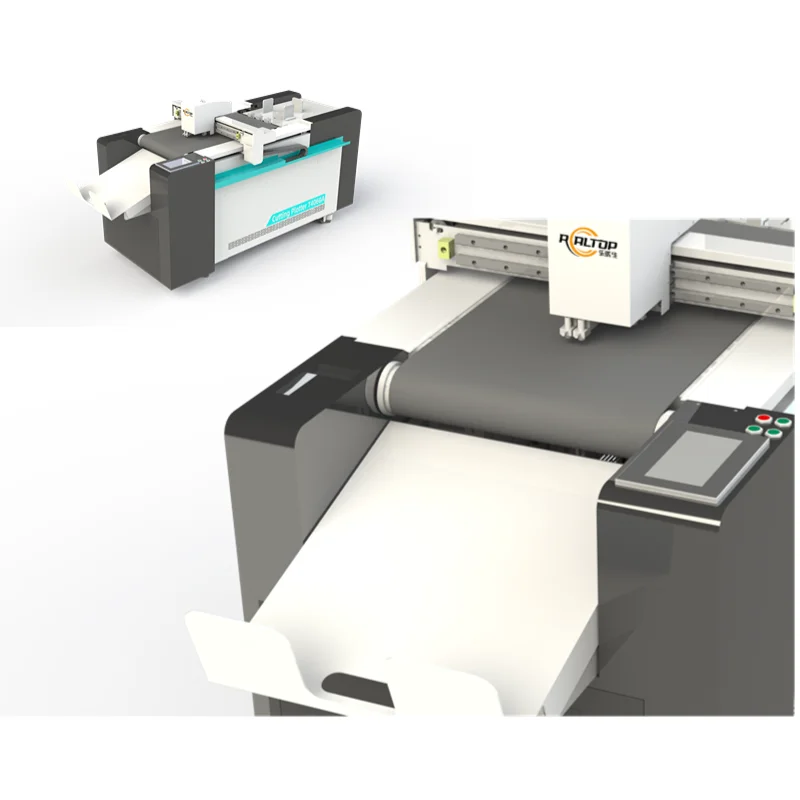
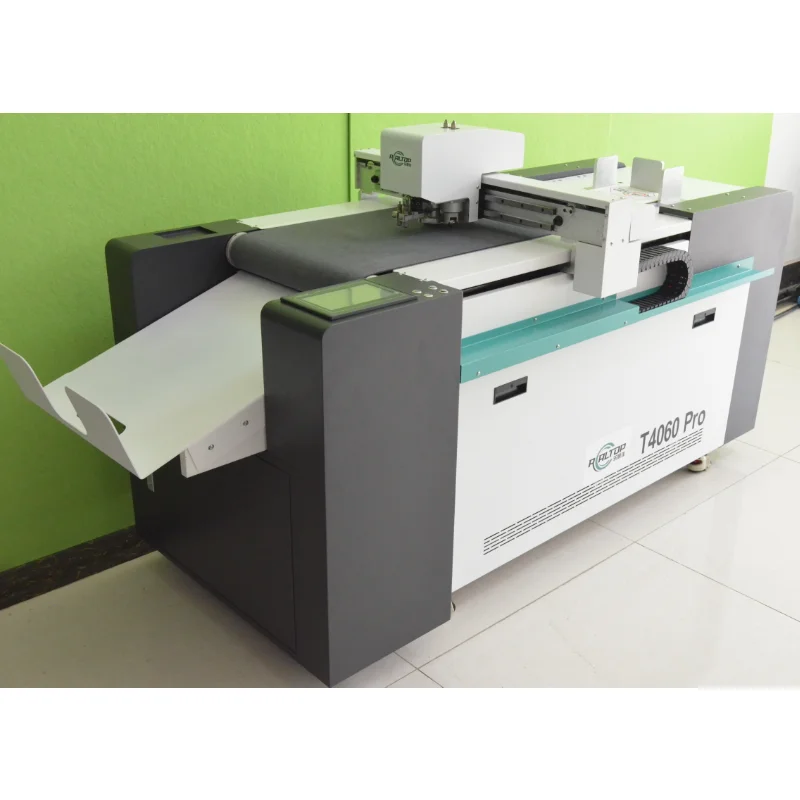
The T series combines cutting, creasing, kiss-cutting, and dotted-line operations in a single tool head carriage. For corrugated board, an oscillating knife at the right frequency slices through flute walls without compressing them, while a creasing wheel scores fold lines at controlled depth so the board bends cleanly without cracking the liner. Self-adhesive sheets require kiss-cutting that reaches the adhesive layer without cutting the backing paper — a depth tolerance that depends on both blade geometry and vacuum hold-down pressure. A CNC flatbed digital cutting plotter for sale configured with these tool options lets a shop switch between cardboard prototypes and adhesive label runs without changing machines.
Why CCD Positioning Must Be Verified at Production Speed
The CCD auto positioning system tracks printed registration marks to align cut paths with pre-printed graphics. On paper and PP sheet, mark contrast and ambient lighting affect recognition speed. A camera that locks onto marks during slow test cuts may lose tracking when feed rate increases to production throughput. Before committing to a configuration, running your actual printed sheets through the CCD system at full speed reveals whether the system holds registration across the entire sheet. The HD touch control panel displays real-time offset values, so operators can monitor drift during a run rather than discovering misalignment after a batch is complete [NEED_CITE: CCD contour recognition performance at production throughput].
How Vacuum Zoning and Automation Shape Daily Output
Vacuum table zoning determines whether small cut parts stay flat or lift during the final pass. A single-zone table works for large carton blanks, but intricate packaging inserts and narrow adhesive strips need multiple independently controlled zones so suction concentrates where the part actually sits. The fully automated workflow — automatic feeding from a stack, cutting, and picking finished parts — removes the manual load-unload cycle that typically limits throughput on flatbed machines. With network port connectivity, job files transfer directly from the design station to the intelligent control system, cutting the file-prep time between jobs. For shops running short batches with frequent format changes, the combination of zoning and automation means less operator intervention between one job and the next.
The Cost of Skipping Material Samples Before Commitment
Shops that specify a machine by table size and then discover the tool head cannot hold tolerance on their material face weeks of delay. A blade that works on dry corrugated board may tear edges on stock stored in high humidity. Kiss-cut depth calibrated on one adhesive thickness may cut through the backing on another supplier’s liner. CCD recognition tuned to one ink density may miss marks printed with a different press profile. These mismatches surface only when the actual production material is on the table [NEED_CITE: material variability effects on digital cutting accuracy]. Running sample cuts on buyer-supplied stock at the required thickness and speed before order commitment eliminates most of these failures before the machine ships.
Why Buyers Source This Equipment from the Jinan Production Base
The design team engineers both knife and creasing tool paths in-house, so tool head combinations are specified per material rather than pulled from a fixed catalog. Every machine undergoes factory testing with the buyer’s material samples, producing a cutting report that documents edge quality, crease depth, and CCD accuracy before crating. Voltage, plug standard, and control panel language are confirmed to the target market before the build starts, avoiding field rewiring. The software compatibility is validated against the buyer’s existing nesting workflow and file formats so that job transfer begins on day one. An in-house design and core factory setup means configuration changes during the build — adding a tool head or adjusting vacuum zones — do not require third-party coordination.
Documentation & Verification
- Machine specification sheet listing confirmed tool head and vacuum zone layout
- Electrical schematic with voltage and frequency matched to destination market
- Sample cutting report on buyer-supplied material at required thickness
- Software licence and file format compatibility confirmation note
- Factory test record documenting CCD accuracy and edge quality before dispatch
- Packing photographs showing crating condition prior to container loading
Installation, Commissioning & Support
- Dedicated power circuit matching confirmed voltage and frequency rating for the T series control system
- Level floor surface required for the full working area footprint to maintain CCD positioning accuracy
- Partially assembled delivery with table frame and gantry aligned during on-site commissioning
- First-run calibration of tool pressure and oscillation frequency on buyer’s production material
- Operator training covering HD touch panel navigation and intelligent control system job setup
- Spare parts list covering blades, creasing wheels, and vacuum seals for initial maintenance intervals
What to Include in Your Equipment Inquiry
Specify the material types you process most frequently, including board grade, thickness range, and whether sheets are pre-printed with registration marks. Indicate your typical sheet dimensions and whether you need the machine configured for automatic feed from standard pallet heights. Confirm your facility voltage, frequency, and the control language your operators require so the CNC flatbed digital cutting plotter for sale arrives ready for production.
Frequently Asked Questions
Q: How do I determine which tool head configuration fits my material range?
A: Send representative samples of each material including thickness, density, and whether surfaces are printed or coated. The factory runs cutting tests with oscillating knife, creasing wheel, and kiss-cut tools to document edge quality and fold accuracy, then recommends the tool head combination that covers your production mix without requiring off-machine finishing.
Q: What working area sizes and head configurations are available across the T series?
A: The range covers compact formats for carton sample work through large-format tables for full-sheet graphic processing. Single-head setups suit short-run and prototype environments, while multi-head configurations handle higher-volume runs where throughput between jobs matters more than format flexibility.
Q: How are voltage, plug standard, and control language confirmed before shipment?
A: The target market electrical standard is collected during the inquiry stage and written into the specification sheet. The electrical schematic, plug type, and HD touch control panel language are all verified against this standard before the build begins, so no field rewiring or software reloading is needed on arrival.
Q: Which file formats and nesting workflows are compatible with the control system?
A: The automatic intelligent control system accepts common vector and CAD file formats used in packaging and graphic design. Before order confirmation, the factory tests file import and nesting output using your actual design software exports to confirm that cut paths, crease lines, and kiss-cut depths transfer without manual translation.
Q: How does sample cutting on my own material work before I place an order?
A: You ship or courier a representative batch of your production material to the factory. The engineering team runs cutting and creasing tests using the proposed tool head configuration, then provides a sample cutting report documenting edge quality, dimensional accuracy, and CCD tracking results at production speed for your review.
Multifunctional Tooling per Material — The T series matches oscillating knife, drag knife, creasing, and kiss-cut heads to your actual board grade and print finish rather than forcing a single tool path.
Technical Specifications
| Parameter | Value |
|---|---|
| Product Type | CNC Flatbed Digital Cutting Plotter |
| Series | T series |
| Tool Head Combination | Cutting, creasing, kiss-cutting, dotted-line cutting |
| Positioning System | CCD auto positioning |
| Control Panel | HD touch control panel |
| Automation Level | Fully automated — automatic feeding, cutting, and picking |
| Control System | Automatic intelligent control system |
| Network Connectivity | Network port |
| Working Area | Configurable to sheet format (basis not stated in source) |
| Cutting Thickness | Depends on material type and density (basis not stated in source) |
| Voltage and Frequency | Configurable to target market standard (basis not stated in source) |
| Software Compatibility | Confirm file format and nesting workflow before order (basis not stated in source) |
| Positioning Accuracy | Verify against manufacturer catalog (basis not stated in source) |
| Repeatability | Verify against manufacturer catalog (basis not stated in source) |
| Vacuum Table Zoning | Configuration depends on part size range (basis not stated in source) |
Application Suitability
| Application | Material or Output |
|---|---|
| Packaging and carton sample making | Corrugated cardboard, greyboard, coated paper, short-run box prototypes |
| Post-print contour cutting in graphic industry | Self-adhesive vinyl, PP sheet, PVC sheet with printed registration marks |
| Small-batch production of folding cartons | Coated paper and light board with kiss-cut and crease combinations |
| Signage and display component processing | Foam board, PP corrugated, and composite display panels |
| Individualized product manufacturing | Mixed-material layouts with frequent format changes |
What a Working-Area Number Alone Cannot Tell You About Material Performance
Edge quality fails first when tool pressure and vibration frequency are set without knowing the material’s moisture content and density. A CNC flatbed digital cutting plotter for sale quoted only by table dimensions often leaves out the tool head configuration that determines whether corrugated edges stay clean or shred. I once watched a carton sample shop cut E-flute board on a machine specified purely by working area — the blade crushed the flutes because the oscillation frequency was too low for that wall thickness. The operator spent three days adjusting pressure curves before the edges passed client inspection [NEED_CITE: material-specific tool pressure calibration requirements]. When the cutting method is matched to the board grade rather than the table size, the difference in edge definition shows up immediately on the first sample.
Mapping Tool Heads to the Cut Type Each Material Demands
The T series combines cutting, creasing, kiss-cutting, and dotted-line operations in a single tool head carriage. For corrugated board, an oscillating knife at the right frequency slices through flute walls without compressing them, while a creasing wheel scores fold lines at controlled depth so the board bends cleanly without cracking the liner. Self-adhesive sheets require kiss-cutting that reaches the adhesive layer without cutting the backing paper — a depth tolerance that depends on both blade geometry and vacuum hold-down pressure. A CNC flatbed digital cutting plotter for sale configured with these tool options lets a shop switch between cardboard prototypes and adhesive label runs without changing machines.
Why CCD Positioning Must Be Verified at Production Speed
The CCD auto positioning system tracks printed registration marks to align cut paths with pre-printed graphics. On paper and PP sheet, mark contrast and ambient lighting affect recognition speed. A camera that locks onto marks during slow test cuts may lose tracking when feed rate increases to production throughput. Before committing to a configuration, running your actual printed sheets through the CCD system at full speed reveals whether the system holds registration across the entire sheet. The HD touch control panel displays real-time offset values, so operators can monitor drift during a run rather than discovering misalignment after a batch is complete [NEED_CITE: CCD contour recognition performance at production throughput].
How Vacuum Zoning and Automation Shape Daily Output
Vacuum table zoning determines whether small cut parts stay flat or lift during the final pass. A single-zone table works for large carton blanks, but intricate packaging inserts and narrow adhesive strips need multiple independently controlled zones so suction concentrates where the part actually sits. The fully automated workflow — automatic feeding from a stack, cutting, and picking finished parts — removes the manual load-unload cycle that typically limits throughput on flatbed machines. With network port connectivity, job files transfer directly from the design station to the intelligent control system, cutting the file-prep time between jobs. For shops running short batches with frequent format changes, the combination of zoning and automation means less operator intervention between one job and the next.
The Cost of Skipping Material Samples Before Commitment
Shops that specify a machine by table size and then discover the tool head cannot hold tolerance on their material face weeks of delay. A blade that works on dry corrugated board may tear edges on stock stored in high humidity. Kiss-cut depth calibrated on one adhesive thickness may cut through the backing on another supplier’s liner. CCD recognition tuned to one ink density may miss marks printed with a different press profile. These mismatches surface only when the actual production material is on the table [NEED_CITE: material variability effects on digital cutting accuracy]. Running sample cuts on buyer-supplied stock at the required thickness and speed before order commitment eliminates most of these failures before the machine ships.
Why Buyers Source This Equipment from the Jinan Production Base
The design team engineers both knife and creasing tool paths in-house, so tool head combinations are specified per material rather than pulled from a fixed catalog. Every machine undergoes factory testing with the buyer’s material samples, producing a cutting report that documents edge quality, crease depth, and CCD accuracy before crating. Voltage, plug standard, and control panel language are confirmed to the target market before the build starts, avoiding field rewiring. The software compatibility is validated against the buyer’s existing nesting workflow and file formats so that job transfer begins on day one. An in-house design and core factory setup means configuration changes during the build — adding a tool head or adjusting vacuum zones — do not require third-party coordination.
Documentation & Verification
- Machine specification sheet listing confirmed tool head and vacuum zone layout
- Electrical schematic with voltage and frequency matched to destination market
- Sample cutting report on buyer-supplied material at required thickness
- Software licence and file format compatibility confirmation note
- Factory test record documenting CCD accuracy and edge quality before dispatch
- Packing photographs showing crating condition prior to container loading
Installation, Commissioning & Support
- Dedicated power circuit matching confirmed voltage and frequency rating for the T series control system
- Level floor surface required for the full working area footprint to maintain CCD positioning accuracy
- Partially assembled delivery with table frame and gantry aligned during on-site commissioning
- First-run calibration of tool pressure and oscillation frequency on buyer’s production material
- Operator training covering HD touch panel navigation and intelligent control system job setup
- Spare parts list covering blades, creasing wheels, and vacuum seals for initial maintenance intervals
What to Include in Your Equipment Inquiry
Specify the material types you process most frequently, including board grade, thickness range, and whether sheets are pre-printed with registration marks. Indicate your typical sheet dimensions and whether you need the machine configured for automatic feed from standard pallet heights. Confirm your facility voltage, frequency, and the control language your operators require so the CNC flatbed digital cutting plotter for sale arrives ready for production.
Frequently Asked Questions
Q: How do I determine which tool head configuration fits my material range?
A: Send representative samples of each material including thickness, density, and whether surfaces are printed or coated. The factory runs cutting tests with oscillating knife, creasing wheel, and kiss-cut tools to document edge quality and fold accuracy, then recommends the tool head combination that covers your production mix without requiring off-machine finishing.
Q: What working area sizes and head configurations are available across the T series?
A: The range covers compact formats for carton sample work through large-format tables for full-sheet graphic processing. Single-head setups suit short-run and prototype environments, while multi-head configurations handle higher-volume runs where throughput between jobs matters more than format flexibility.
Q: How are voltage, plug standard, and control language confirmed before shipment?
A: The target market electrical standard is collected during the inquiry stage and written into the specification sheet. The electrical schematic, plug type, and HD touch control panel language are all verified against this standard before the build begins, so no field rewiring or software reloading is needed on arrival.
Q: Which file formats and nesting workflows are compatible with the control system?
A: The automatic intelligent control system accepts common vector and CAD file formats used in packaging and graphic design. Before order confirmation, the factory tests file import and nesting output using your actual design software exports to confirm that cut paths, crease lines, and kiss-cut depths transfer without manual translation.
Q: How does sample cutting on my own material work before I place an order?
A: You ship or courier a representative batch of your production material to the factory. The engineering team runs cutting and creasing tests using the proposed tool head configuration, then provides a sample cutting report documenting edge quality, dimensional accuracy, and CCD tracking results at production speed for your review.
商品评价
There are no reviews yet.