

Fast Delivery
Quick, reliable shipping to any location.

Free & easy returns
Return this item by mail or in store within 90 days for a full refund.
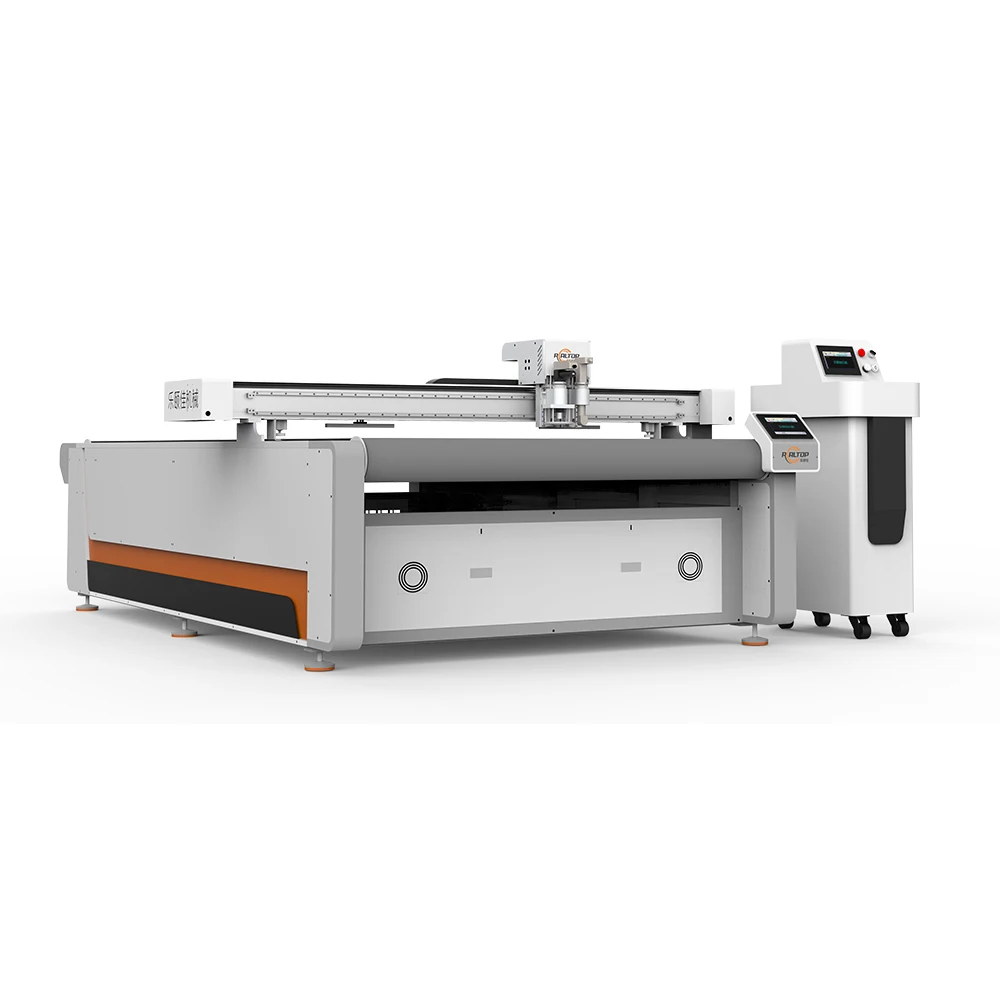
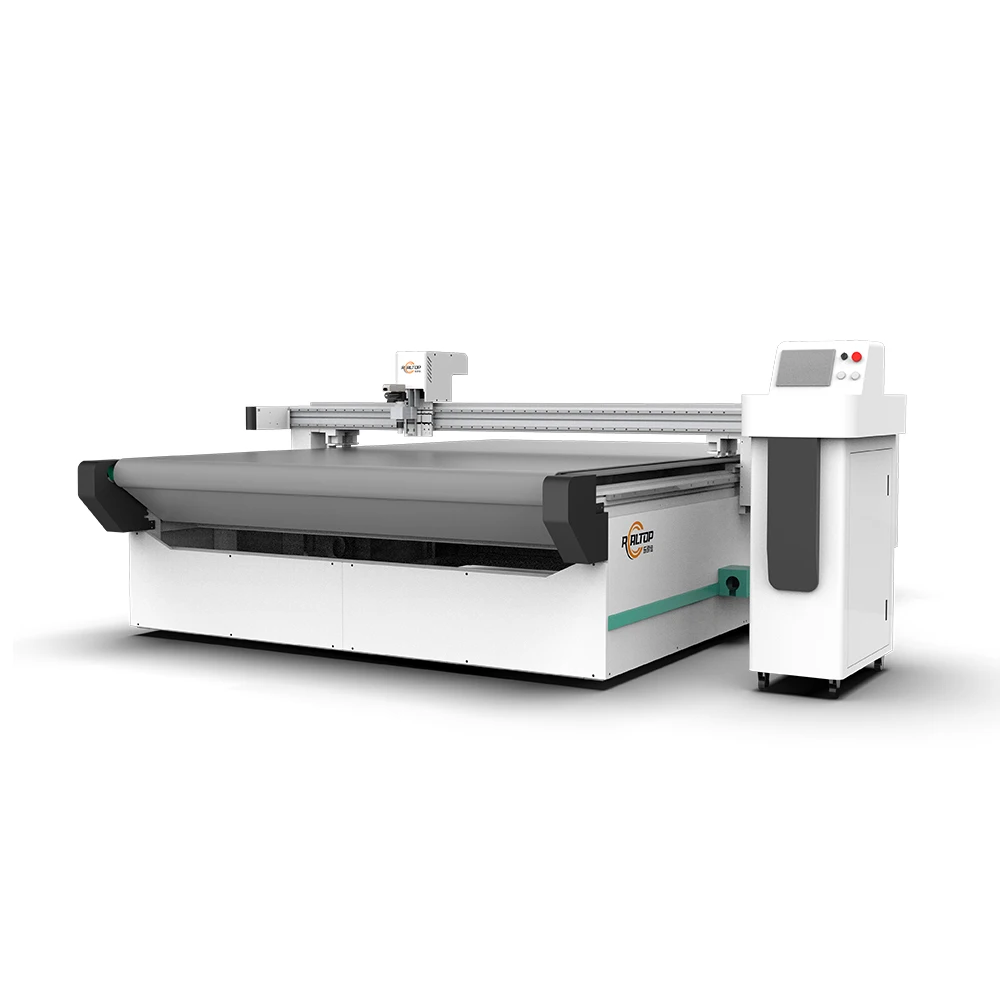
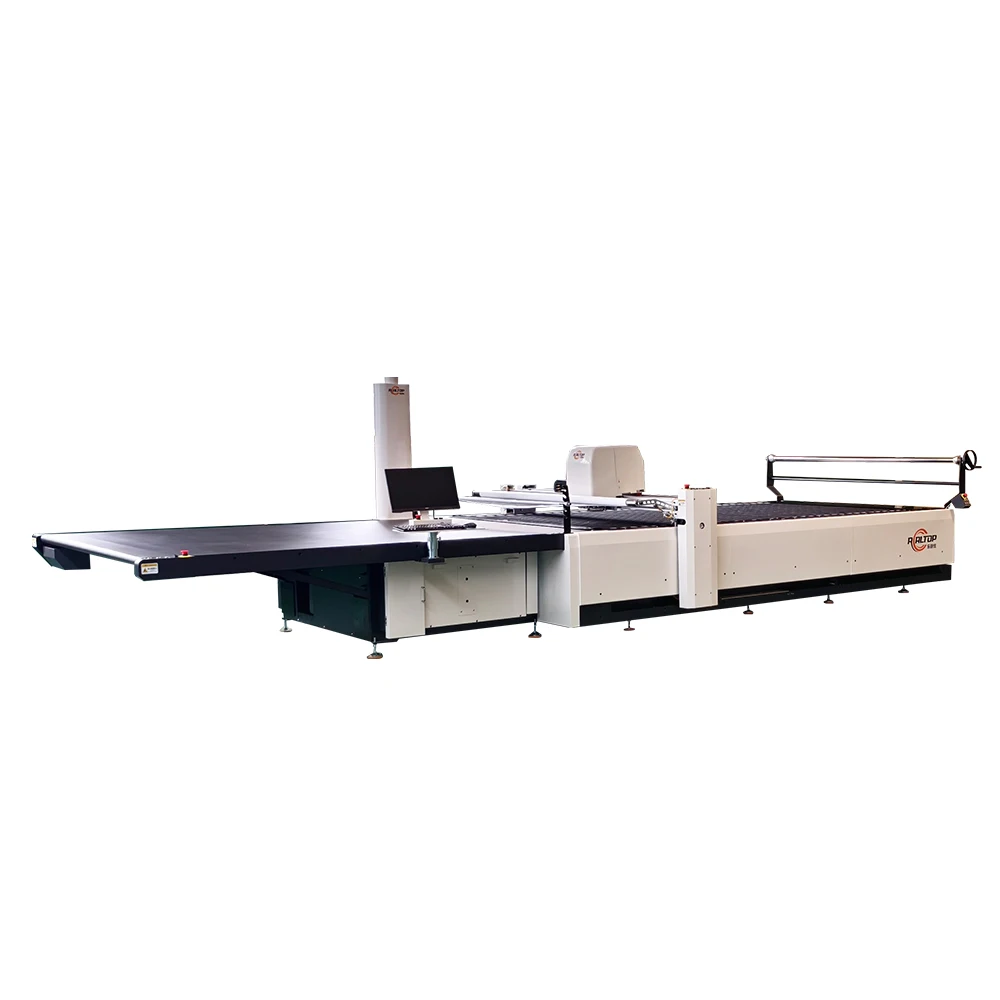
In-house cutting method matching — this 1625 oscillating knife platform sits within a broader manufacturer catalogue spanning both knife and laser technologies, letting buyers select the actual cutting process their material demands rather than forcing a single-method solution.
Technical Specifications
| Parameter | Value |
|---|---|
| Product Type | CNC Oscillating Knife Cutting Machine |
| Model | 1625 |
| Working Area | 1600×2500 mm |
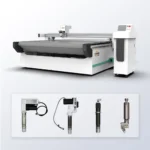
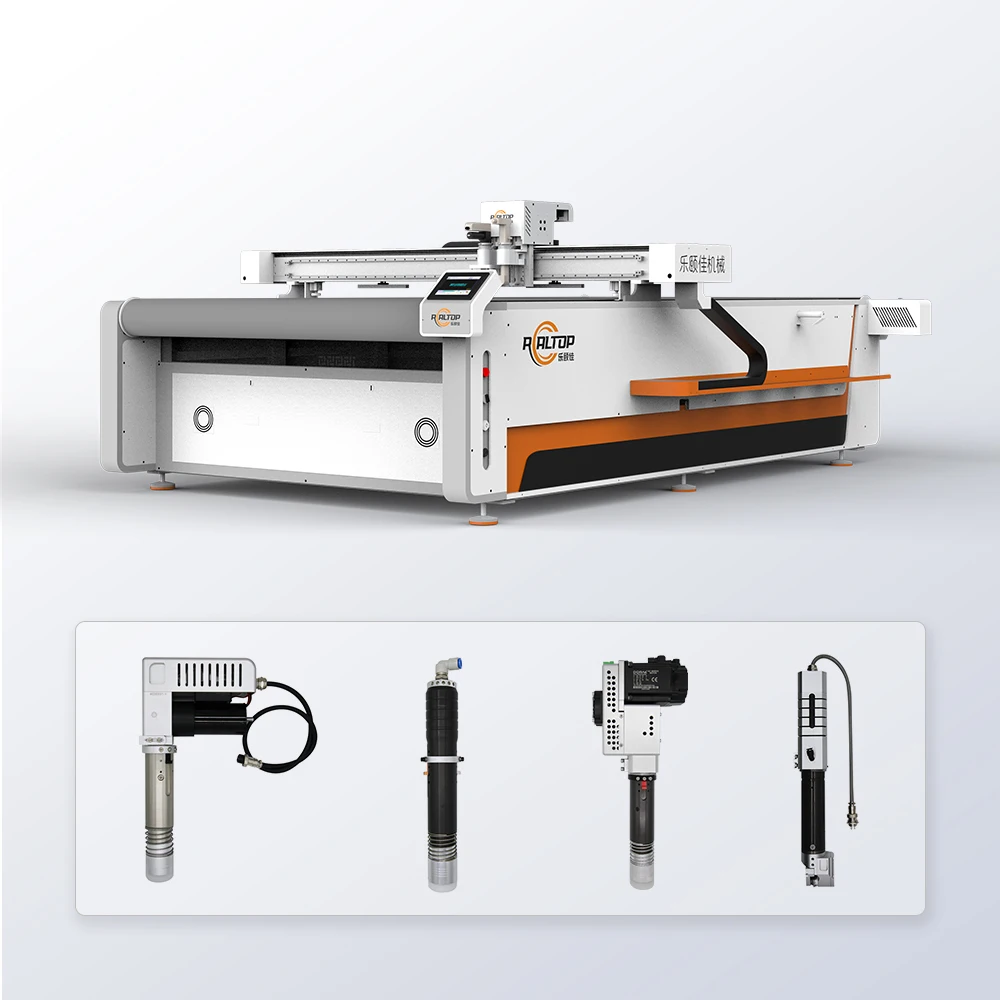
| Tool Head Options | Oscillating knife, Driven rotary knife, Creasing wheel, Kiss cutting tool, Pneumatic knife, Milling tool, V groove knife |
| Cutting Speed | 0–2000 mm/s |
| Cutting Thickness | ≤30 mm (basis not stated in source — confirm material type and density) |
| Cutting Accuracy | ±0.1 mm |
| Vacuum Pump Power | 9 kW |
| Vacuum Table | Aluminum bellows vacuum table with high flatness and seal |
| Voltage Options | 110V, 220V, 380V (frequency not specified in source) |
| Control System | PLC control panel with multi-language display |
| Software & File Formats | PLT, DXF, AI, PDF; dedicated packaging box structure design software included |
| Servo Motor Options | Panasonic, Delta, Dorna (rated or peak not specified in source) |
| Safety Device | Infrared sensor device and emergency stop device |
| Language Options | English, Russian, Italian, Chinese; special languages customizable |
| Machine Dimensions (L×W×H) | 3300×2100×1350 mm |
| Certification | CE (declaration available on request) |
Application Suitability
| Application | Material or Output |
|---|---|
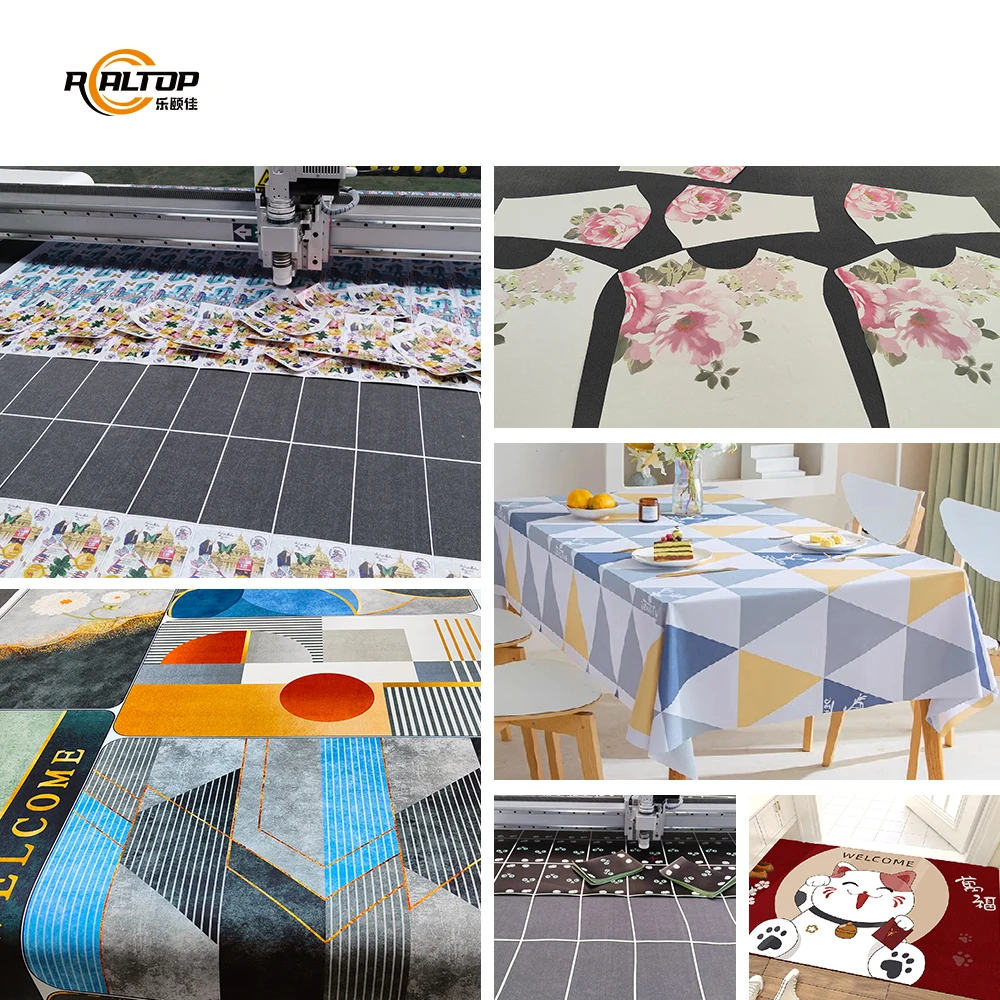
| Apparel manufacturing | Suits, knitwear, lace, complex patterned fabrics with pattern-matching nesting |
| Automotive interiors | Seat fabrics, carpets, PVC mats requiring burr-free edge finish |
| Home textiles | Sofa fabrics, curtains, rugs in multi-layer cutting stacks |
| Composite material processing | Carbon fiber prepreg, aramid, specialty flexible materials |
| Packaging sample making | Cardboard, carton, corrugated board up to rated thickness |
| General flexible material cutting | Leather, EVA, foam, PTFE, rubber, acrylic sheets |
Why "Working Area" Alone Is the Wrong Starting Point for a CNC Fabric Cutting Machine for Sale
Specify the material first, then build the machine around it — not the other way around.
I spent years on the assembly floor before moving into technical sales, and one pattern repeats across every export market: buyers choose a CNC oscillating knife cutting machine manufacturer based on table size, only to discover the tool head cannot handle their actual material thickness or the vacuum zoning cannot hold small nested parts flat. A 1600×2500 mm bed means nothing if the vacuum zones are too large for the cut pieces and fabric edges lift mid-cycle. [NEED_CITE: vacuum table zoning requirements for nested small-part cutting] In Latin American garment factories running multi-layer composite fabrics, I have watched an entire batch of cut panels scrap because the vacuum configuration was sized for single-layer sample work, not the production lay-up the buyer actually runs every shift.
Seven Tool Heads, One Catalogue Decision
The 1625 platform supports seven interchangeable tool types — oscillating knife, driven rotary knife, creasing wheel, kiss cutting, pneumatic knife, milling, and V-groove — which means a buyer surveying the full equipment range can configure this machine for woven fabric cutting today and reconfigure it for corrugated sample making tomorrow. As a CNC oscillating knife cutting machine manufacturer covering both knife and laser technologies, REALTOP positions this platform as the knife-side entry point for buyers who may later add a CO2 or fiber laser line for non-metal or sheet metal work. The decision is not which machine is "better," but which cutting physics suit the material in front of you.
Vacuum Zoning and the Small-Part Problem
The aluminum bellows vacuum table paired with a 9 kW pump addresses a failure mode I have seen repeatedly: when the cutting area is divided into zones that are too broad, small pattern pieces lose suction at the edges and shift before the knife completes the contour. This machine’s table design allows zone-by-zone activation, concentrating suction under the active cutting region. For garment factories running dozens of small collar or cuff pieces nested across a large sheet, that zoning control is what separates a clean cut stack from a scrap pile. [NEED_CITE: vacuum zoning impact on multi-layer fabric cutting accuracy]
Reading the Specs That Actually Matter
The ±0.1 mm cutting accuracy figure is achievable on stable, single-layer materials under controlled feed conditions — for multi-layer lay-ups common in apparel and automotive interior production, the practical tolerance depends on fabric compressibility, knife oscillation frequency, and vacuum hold-down force combined. The PLC control panel with multi-language display matters on the shop floor where operators may switch between Spanish, Portuguese, and English depending on the shift. Voltage options spanning 110V, 220V, and 380V let buyers confirm their local supply standard before the machine leaves the factory, avoiding the cost and delay of on-site transformers. File format compatibility with PLT, DXF, AI, and PDF files means a buyer’s existing nesting workflow can carry over without purchasing separate conversion software, a detail that frequently gets overlooked until the machine is already on the floor and the first production file will not import.
The Hidden Cost of Skipping Material Trials
Buyers who commit to a CNC fabric cutting machine for sale without running their own production material through a sample cut face a specific, recurring failure: the machine performs flawlessly on the standard demo fabric the manufacturer stocks, but the buyer’s actual lay-up — a multi-layer composite with a slippery outer face and a foam core — feeds differently, slips under the knife, and produces ragged edges that fail quality inspection. [NEED_CITE: material-specific cutting trials before machine purchase] That mismatch is not a defect in the machine; it is a gap in the specification process. Every REALTOP quotation for this platform includes a sample cutting report on the buyer’s own material, documenting edge quality, cutting depth, and cycle time under the exact configuration being proposed.
Why Source This Platform from the Full Catalogue
REALTOP designs and produces both knife and laser cutting equipment in-house, so buyers comparing this 1625 oscillating knife platform against laser alternatives in the same catalogue are comparing genuine options, not being steered toward whichever machine happens to be in stock. Tool head and vacuum table configurations are specified per material sample, not per catalogue default. Voltage, plug type, control language, and software compatibility are confirmed in writing before production starts. The factory test record shipped with each machine documents performance on the buyer’s confirmed material, not a generic test coupon. Machinery distributors evaluating the broader range can position this knife platform alongside dedicated laser lines for different customer segments without sourcing from separate manufacturers.
Documentation & Verification
- Machine specification sheet listing all seven tool head options and selected configuration
- Electrical schematic confirming voltage, frequency, and plug type for your destination market
- Sample cutting report produced on your actual fabric or composite material before order confirmation
- Software licence and file format compatibility note covering PLT, DXF, AI, and PDF import
- Factory test record with measured cutting accuracy and cycle data on confirmed material
- CE declaration and packing photographs provided before dispatch
Installation, Commissioning & Support
- The 3300×2100×1350 mm footprint requires a level concrete floor with clearance on three sides for material loading and maintenance access
- The 9 kW vacuum pump plus servo drives require a dedicated circuit matching the confirmed 110V, 220V, or 380V supply
- Machine ships fully assembled; on-site setup covers vacuum seal check, knife calibration, and PLC language configuration
- First-run commissioning includes cutting your production file on confirmed material with operator training on tool head changes
- Spare parts list covers oscillating knife blades, vacuum seals, and bellows wear items with recommended reorder intervals
What to Include in Your Inquiry
Send your material type, maximum lay-up thickness, typical sheet or roll width, and the file format your design team currently uses. If your facility runs a specific voltage and frequency standard, confirm that along with the control panel language your operators need. Buyers evaluating whether this CNC oscillating knife cutting machine manufacturer platform or a laser alternative better fits their product mix should include their full material list so the correct cutting method can be recommended from the full catalogue.
Frequently Asked Questions
Q: How do I decide between this 1625 knife platform and a laser cutting machine for my fabric?
A: Knife cutting produces no heat-affected zone, so synthetic fabrics that melt or discolor under laser energy are better suited to oscillating knife. Laser cutting seals edges on certain synthetics, which may be desirable for specific applications. Share your full material list and we map each fabric to the correct method within the catalogue.
Q: Can the voltage, plug type, and control language be set for my country before shipment?
A: Yes. The 1625 platform supports 110V, 220V, and 380V configurations. Voltage, frequency, plug type, and PLC display language are confirmed in writing during the quotation stage so the machine arrives ready to connect without on-site transformers or panel rewiring.
Q: How is software compatibility confirmed before I commit to an order?
A: We request a sample file in your native format — PLT, DXF, AI, or PDF — and run it through the nesting and cutting software during the sample cutting trial. The compatibility note shipped with the machine documents which file versions import without conversion.
Q: What is involved in arranging a sample cutting test on my own material?
A: Send a roll or sheet sample of your production material along with a representative cutting file. We configure the tool head and vacuum zoning to match, run the cut, and return a report covering edge quality, layer separation, and cycle time for your review before any purchase commitment.
Q: What working area sizes and configurations exist across the broader equipment range?
A: This 1625 model offers a 1600×2500 mm bed. The full catalogue includes compact to large-format options with single or multi-head configurations. Share your maximum sheet size and daily volume so we can identify which platform and tool head combination fits your production profile.
In-house cutting method matching — this 1625 oscillating knife platform sits within a broader manufacturer catalogue spanning both knife and laser technologies, letting buyers select the actual cutting process their material demands rather than forcing a single-method solution.
Technical Specifications
| Parameter | Value |
|---|---|
| Product Type | CNC Oscillating Knife Cutting Machine |
| Model | 1625 |
| Working Area | 1600×2500 mm |
| Tool Head Options | Oscillating knife, Driven rotary knife, Creasing wheel, Kiss cutting tool, Pneumatic knife, Milling tool, V groove knife |
| Cutting Speed | 0–2000 mm/s |
| Cutting Thickness | ≤30 mm (basis not stated in source — confirm material type and density) |
| Cutting Accuracy | ±0.1 mm |
| Vacuum Pump Power | 9 kW |
| Vacuum Table | Aluminum bellows vacuum table with high flatness and seal |
| Voltage Options | 110V, 220V, 380V (frequency not specified in source) |
| Control System | PLC control panel with multi-language display |
| Software & File Formats | PLT, DXF, AI, PDF; dedicated packaging box structure design software included |
| Servo Motor Options | Panasonic, Delta, Dorna (rated or peak not specified in source) |
| Safety Device | Infrared sensor device and emergency stop device |
| Language Options | English, Russian, Italian, Chinese; special languages customizable |
| Machine Dimensions (L×W×H) | 3300×2100×1350 mm |
| Certification | CE (declaration available on request) |
Application Suitability
| Application | Material or Output |
|---|---|
| Apparel manufacturing | Suits, knitwear, lace, complex patterned fabrics with pattern-matching nesting |
| Automotive interiors | Seat fabrics, carpets, PVC mats requiring burr-free edge finish |
| Home textiles | Sofa fabrics, curtains, rugs in multi-layer cutting stacks |
| Composite material processing | Carbon fiber prepreg, aramid, specialty flexible materials |
| Packaging sample making | Cardboard, carton, corrugated board up to rated thickness |
| General flexible material cutting | Leather, EVA, foam, PTFE, rubber, acrylic sheets |
Why "Working Area" Alone Is the Wrong Starting Point for a CNC Fabric Cutting Machine for Sale
Specify the material first, then build the machine around it — not the other way around.
I spent years on the assembly floor before moving into technical sales, and one pattern repeats across every export market: buyers choose a CNC oscillating knife cutting machine manufacturer based on table size, only to discover the tool head cannot handle their actual material thickness or the vacuum zoning cannot hold small nested parts flat. A 1600×2500 mm bed means nothing if the vacuum zones are too large for the cut pieces and fabric edges lift mid-cycle. [NEED_CITE: vacuum table zoning requirements for nested small-part cutting] In Latin American garment factories running multi-layer composite fabrics, I have watched an entire batch of cut panels scrap because the vacuum configuration was sized for single-layer sample work, not the production lay-up the buyer actually runs every shift.
Seven Tool Heads, One Catalogue Decision
The 1625 platform supports seven interchangeable tool types — oscillating knife, driven rotary knife, creasing wheel, kiss cutting, pneumatic knife, milling, and V-groove — which means a buyer surveying the full equipment range can configure this machine for woven fabric cutting today and reconfigure it for corrugated sample making tomorrow. As a CNC oscillating knife cutting machine manufacturer covering both knife and laser technologies, REALTOP positions this platform as the knife-side entry point for buyers who may later add a CO2 or fiber laser line for non-metal or sheet metal work. The decision is not which machine is "better," but which cutting physics suit the material in front of you.
Vacuum Zoning and the Small-Part Problem
The aluminum bellows vacuum table paired with a 9 kW pump addresses a failure mode I have seen repeatedly: when the cutting area is divided into zones that are too broad, small pattern pieces lose suction at the edges and shift before the knife completes the contour. This machine’s table design allows zone-by-zone activation, concentrating suction under the active cutting region. For garment factories running dozens of small collar or cuff pieces nested across a large sheet, that zoning control is what separates a clean cut stack from a scrap pile. [NEED_CITE: vacuum zoning impact on multi-layer fabric cutting accuracy]
Reading the Specs That Actually Matter
The ±0.1 mm cutting accuracy figure is achievable on stable, single-layer materials under controlled feed conditions — for multi-layer lay-ups common in apparel and automotive interior production, the practical tolerance depends on fabric compressibility, knife oscillation frequency, and vacuum hold-down force combined. The PLC control panel with multi-language display matters on the shop floor where operators may switch between Spanish, Portuguese, and English depending on the shift. Voltage options spanning 110V, 220V, and 380V let buyers confirm their local supply standard before the machine leaves the factory, avoiding the cost and delay of on-site transformers. File format compatibility with PLT, DXF, AI, and PDF files means a buyer’s existing nesting workflow can carry over without purchasing separate conversion software, a detail that frequently gets overlooked until the machine is already on the floor and the first production file will not import.
The Hidden Cost of Skipping Material Trials
Buyers who commit to a CNC fabric cutting machine for sale without running their own production material through a sample cut face a specific, recurring failure: the machine performs flawlessly on the standard demo fabric the manufacturer stocks, but the buyer’s actual lay-up — a multi-layer composite with a slippery outer face and a foam core — feeds differently, slips under the knife, and produces ragged edges that fail quality inspection. [NEED_CITE: material-specific cutting trials before machine purchase] That mismatch is not a defect in the machine; it is a gap in the specification process. Every REALTOP quotation for this platform includes a sample cutting report on the buyer’s own material, documenting edge quality, cutting depth, and cycle time under the exact configuration being proposed.
Why Source This Platform from the Full Catalogue
REALTOP designs and produces both knife and laser cutting equipment in-house, so buyers comparing this 1625 oscillating knife platform against laser alternatives in the same catalogue are comparing genuine options, not being steered toward whichever machine happens to be in stock. Tool head and vacuum table configurations are specified per material sample, not per catalogue default. Voltage, plug type, control language, and software compatibility are confirmed in writing before production starts. The factory test record shipped with each machine documents performance on the buyer’s confirmed material, not a generic test coupon. Machinery distributors evaluating the broader range can position this knife platform alongside dedicated laser lines for different customer segments without sourcing from separate manufacturers.
Documentation & Verification
- Machine specification sheet listing all seven tool head options and selected configuration
- Electrical schematic confirming voltage, frequency, and plug type for your destination market
- Sample cutting report produced on your actual fabric or composite material before order confirmation
- Software licence and file format compatibility note covering PLT, DXF, AI, and PDF import
- Factory test record with measured cutting accuracy and cycle data on confirmed material
- CE declaration and packing photographs provided before dispatch
Installation, Commissioning & Support
- The 3300×2100×1350 mm footprint requires a level concrete floor with clearance on three sides for material loading and maintenance access
- The 9 kW vacuum pump plus servo drives require a dedicated circuit matching the confirmed 110V, 220V, or 380V supply
- Machine ships fully assembled; on-site setup covers vacuum seal check, knife calibration, and PLC language configuration
- First-run commissioning includes cutting your production file on confirmed material with operator training on tool head changes
- Spare parts list covers oscillating knife blades, vacuum seals, and bellows wear items with recommended reorder intervals
What to Include in Your Inquiry
Send your material type, maximum lay-up thickness, typical sheet or roll width, and the file format your design team currently uses. If your facility runs a specific voltage and frequency standard, confirm that along with the control panel language your operators need. Buyers evaluating whether this CNC oscillating knife cutting machine manufacturer platform or a laser alternative better fits their product mix should include their full material list so the correct cutting method can be recommended from the full catalogue.
Frequently Asked Questions
Q: How do I decide between this 1625 knife platform and a laser cutting machine for my fabric?
A: Knife cutting produces no heat-affected zone, so synthetic fabrics that melt or discolor under laser energy are better suited to oscillating knife. Laser cutting seals edges on certain synthetics, which may be desirable for specific applications. Share your full material list and we map each fabric to the correct method within the catalogue.
Q: Can the voltage, plug type, and control language be set for my country before shipment?
A: Yes. The 1625 platform supports 110V, 220V, and 380V configurations. Voltage, frequency, plug type, and PLC display language are confirmed in writing during the quotation stage so the machine arrives ready to connect without on-site transformers or panel rewiring.
Q: How is software compatibility confirmed before I commit to an order?
A: We request a sample file in your native format — PLT, DXF, AI, or PDF — and run it through the nesting and cutting software during the sample cutting trial. The compatibility note shipped with the machine documents which file versions import without conversion.
Q: What is involved in arranging a sample cutting test on my own material?
A: Send a roll or sheet sample of your production material along with a representative cutting file. We configure the tool head and vacuum zoning to match, run the cut, and return a report covering edge quality, layer separation, and cycle time for your review before any purchase commitment.
Q: What working area sizes and configurations exist across the broader equipment range?
A: This 1625 model offers a 1600×2500 mm bed. The full catalogue includes compact to large-format options with single or multi-head configurations. Share your maximum sheet size and daily volume so we can identify which platform and tool head combination fits your production profile.










商品评价
There are no reviews yet.