

Fast Delivery
Quick, reliable shipping to any location.

Free & easy returns
Return this item by mail or in store within 90 days for a full refund.
Technical Specifications
| Parameter | Value |
|---|---|
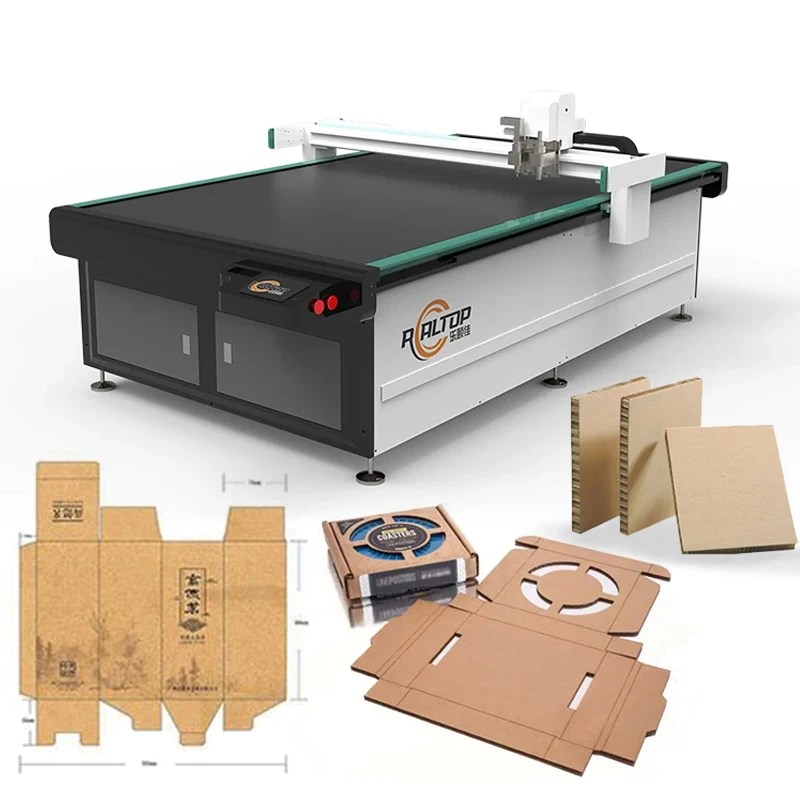
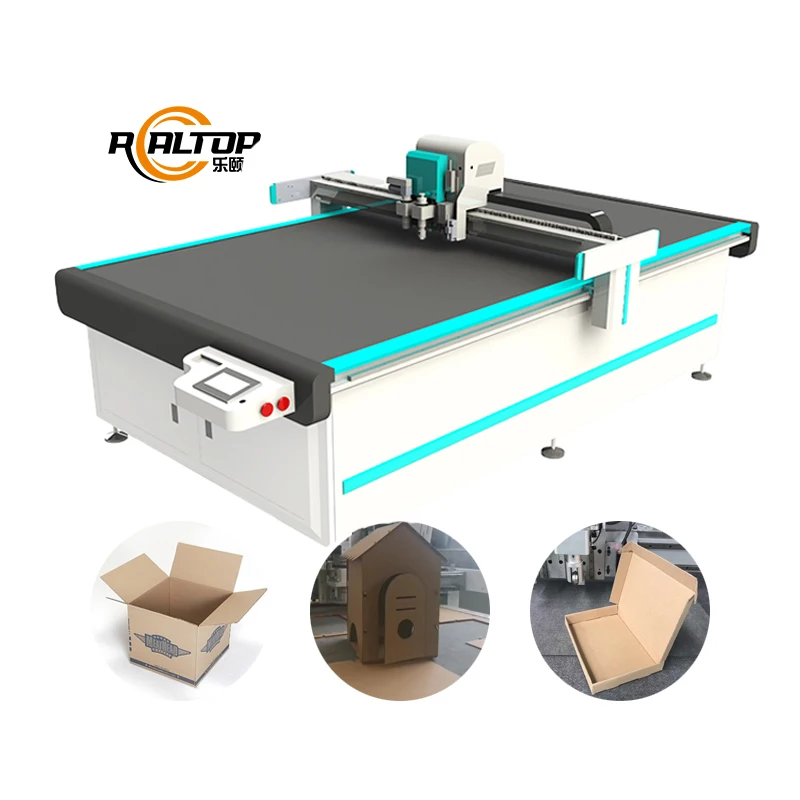
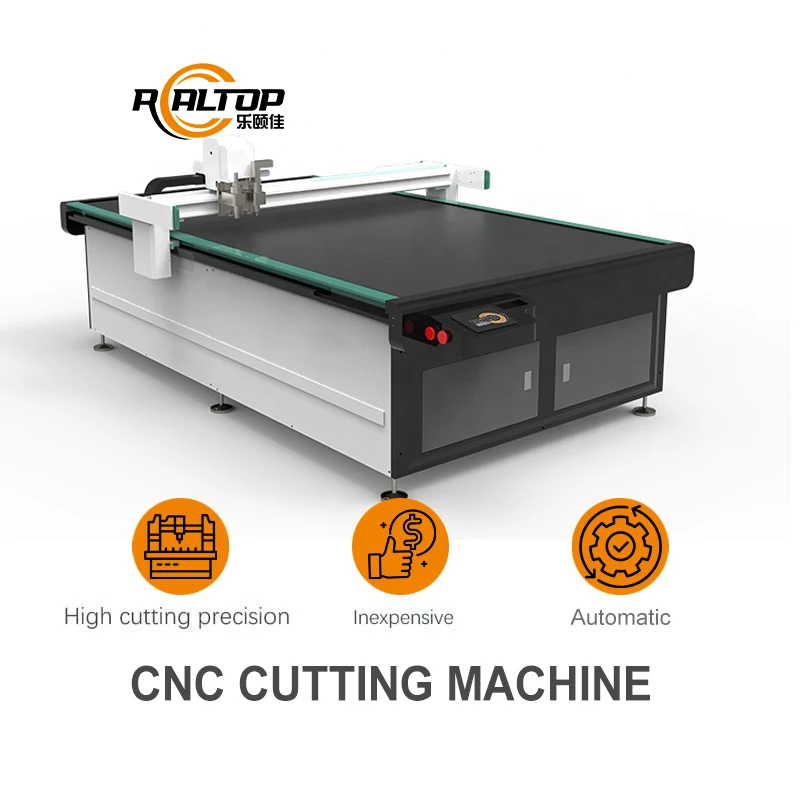
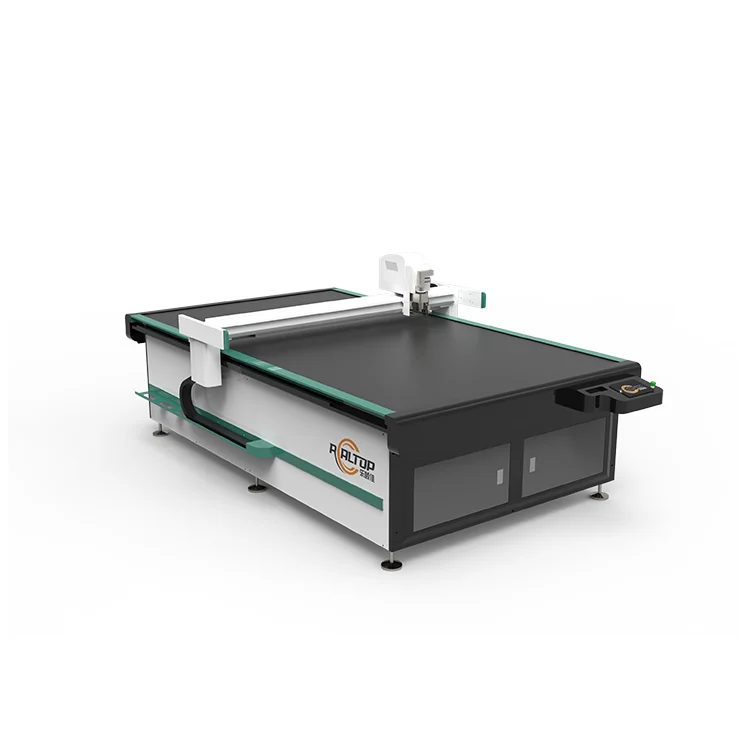
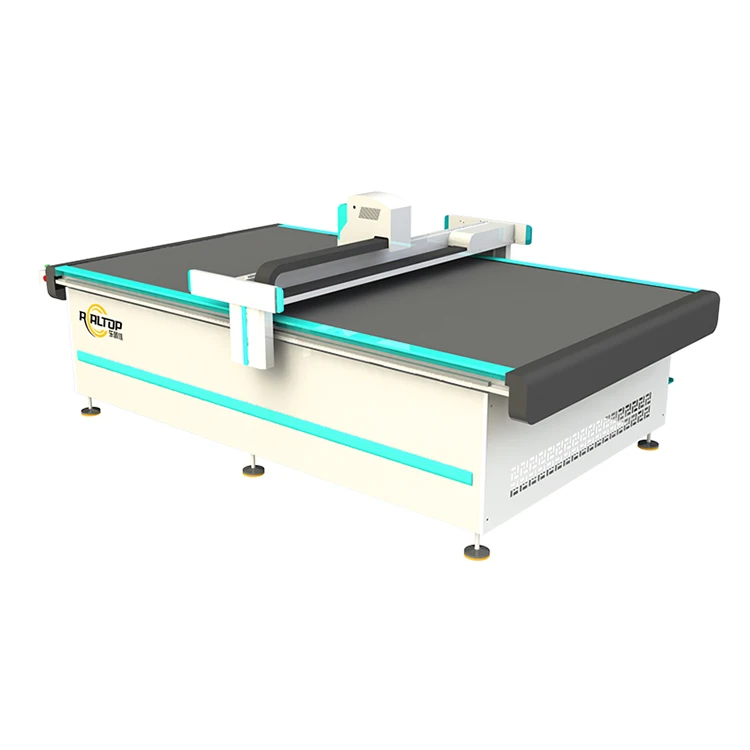
| Product Type | CNC Digital Flatbed Oscillating Knife Cutting Machine |
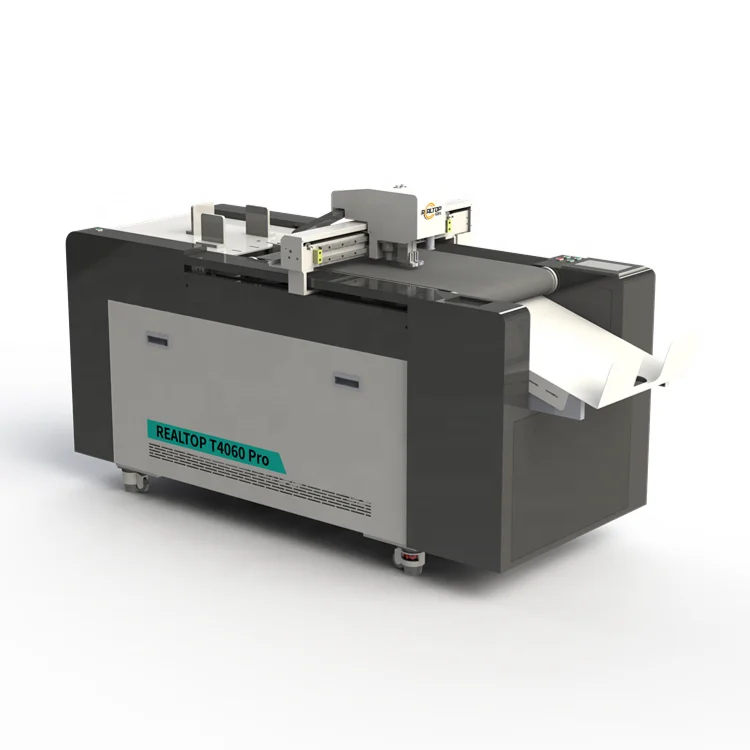
| Model | RT–R2513 / RT-D2516 / RT-S2516 |
| Working Area | 2500×1300 mm (RT–R2513); 1600×2500 mm (RT-D2516 / RT-S2516) |
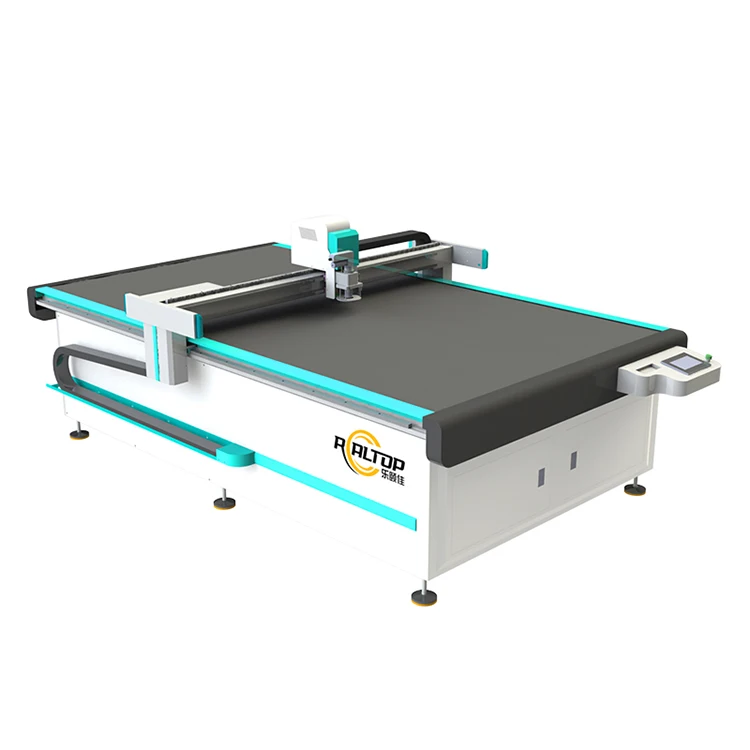
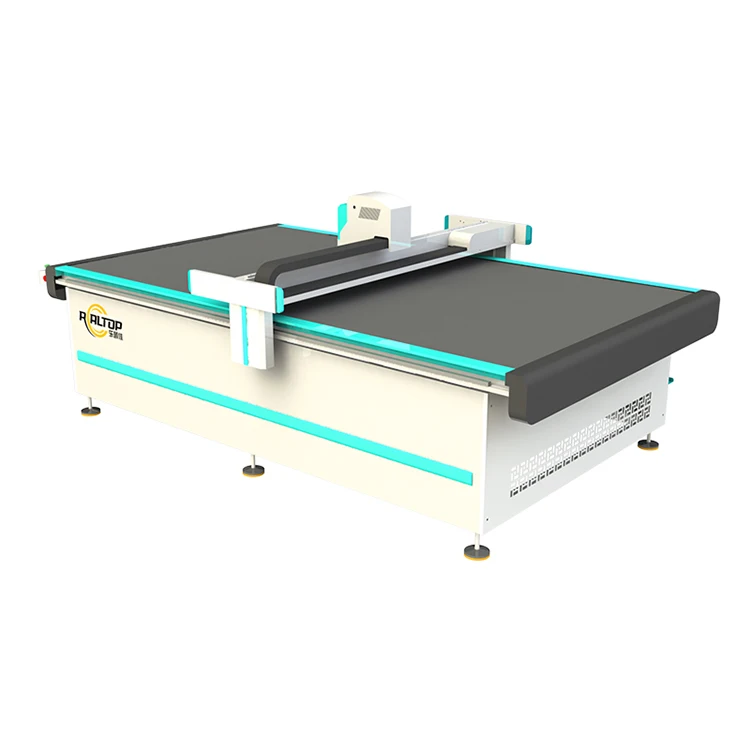
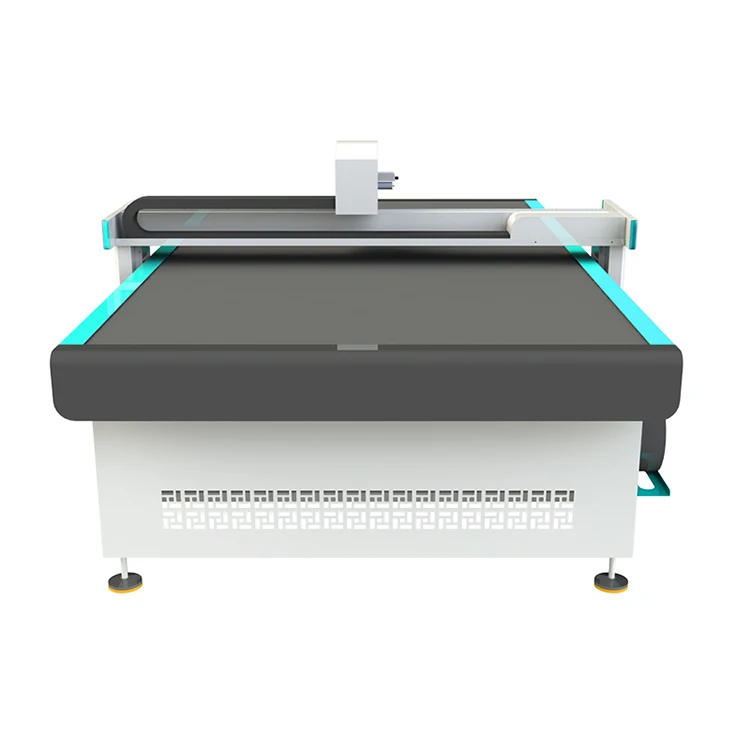
| Overall Dimensions | 3550×1910×1400 mm (RT–R2513); 3450×2300×1250 mm (RT-D2516 / RT-S2516) |
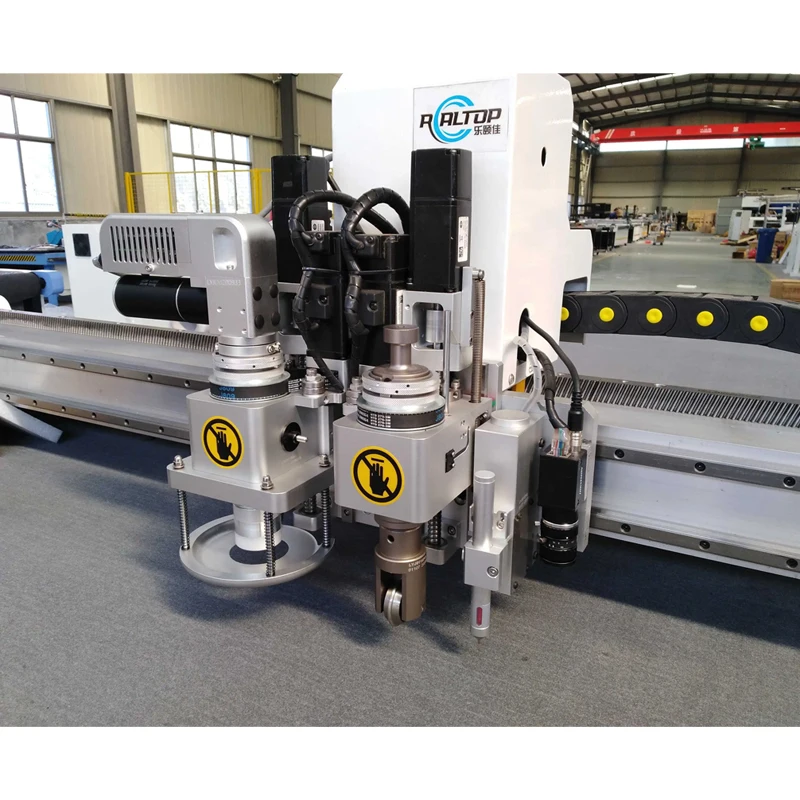
| Cutting Tools | Oscillating knife, Creasing tool, Kiss-Cut Knife Tool, Round punch |
| Cutting Thickness | Up to 18 mm (material-dependent; basis to be confirmed for specific substrates) |
| Fixing Method | Vacuum system with aluminum alloy honeycomb structure platform |
| Vacuum Pump | 7.5 kW |
| Rated Power | 9 kW |
| Repeatability | <0.05 mm |
| Voltage | 380 V (frequency and phase to be confirmed for target market) |
| Servo | Dongling servo (Delta servo available as alternative configuration) |
| Guide Rail | Taiwan Hiwin rail |
| Transmission | Rack transmission; Ethernet port data transfer |
| Feeding System | Auto feeding with Germany imported conveyor belt |
| Safety Device | Infrared sensors, emergency stop |
| Profile Format | DXF, OLT, PDF, AI |
| Language Options | English, Russian, Italian, Chinese; special languages customizable |
| Warranty | 1 year (excludes felt and knife blades) |
| Delivery Time | Under 30 working days |
| Spare Parts Included | 10 pieces of oscillating blades |
Application Suitability
| Application | Material or Output |
|---|---|
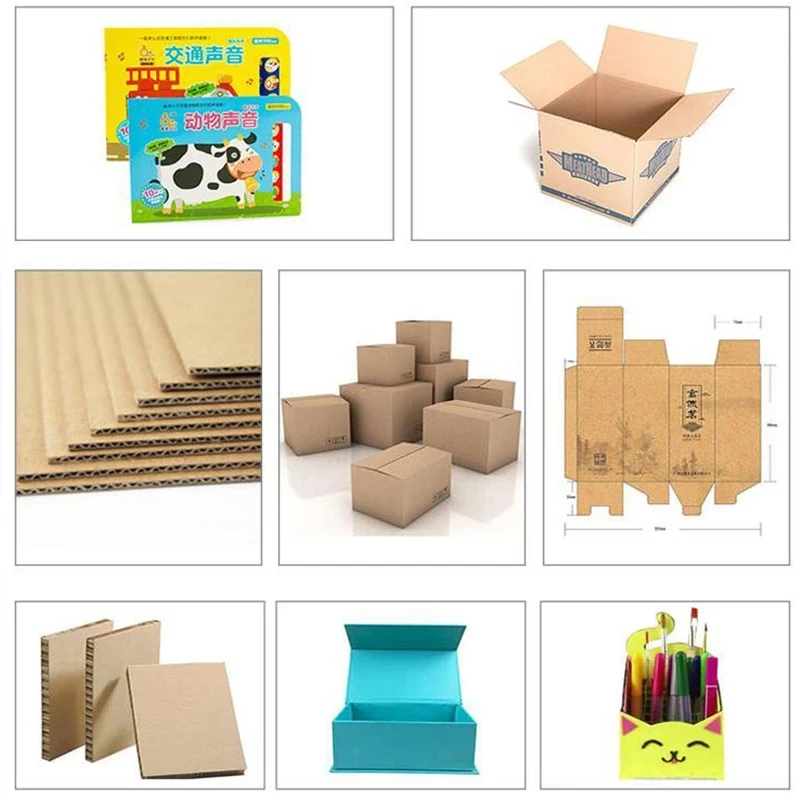
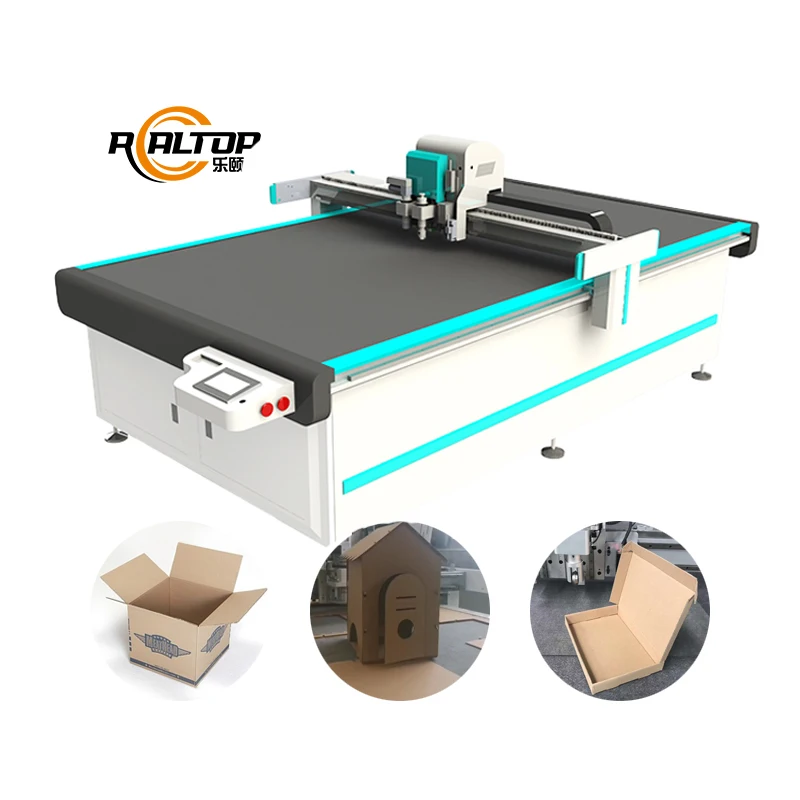
| Packaging carton sample making and short-run production | Corrugated board, solid board, cardboard up to 18 mm |
| Sticker and label contour cutting | Vinyl, PP paper, adhesive-backed label stock |
| Advertising signage and billboard cutting | Foam board, PVC sheet, lightweight composite panels |
| Box prototyping and die-less short runs | Cardboard boxes, folding carton, paperboard |
Why Working Area Alone Cannot Define a CNC Digital Cutting Machine Manufacturer
A larger bed only produces value when the vacuum zoning and tool head match the actual sheet and part geometry you run daily.
I once watched a carton sample shop lose an entire batch of small card inserts. The buyer had chosen a machine purely on its generous table size, but the single-zone vacuum pulled full suction across the whole bed. Small, lightweight pieces lifted off the honeycomb surface the moment the oscillating knife changed direction, dragging the cut path and ruining the contour. The machine was physically capable; the configuration was wrong for the job. That failure is more common than most CNC digital cutting machine manufacturer catalogs admit [NEED_CITE: vacuum zoning requirements for small-format packaging components].
Tool Head Selection Defines the Edge, Not the Motor
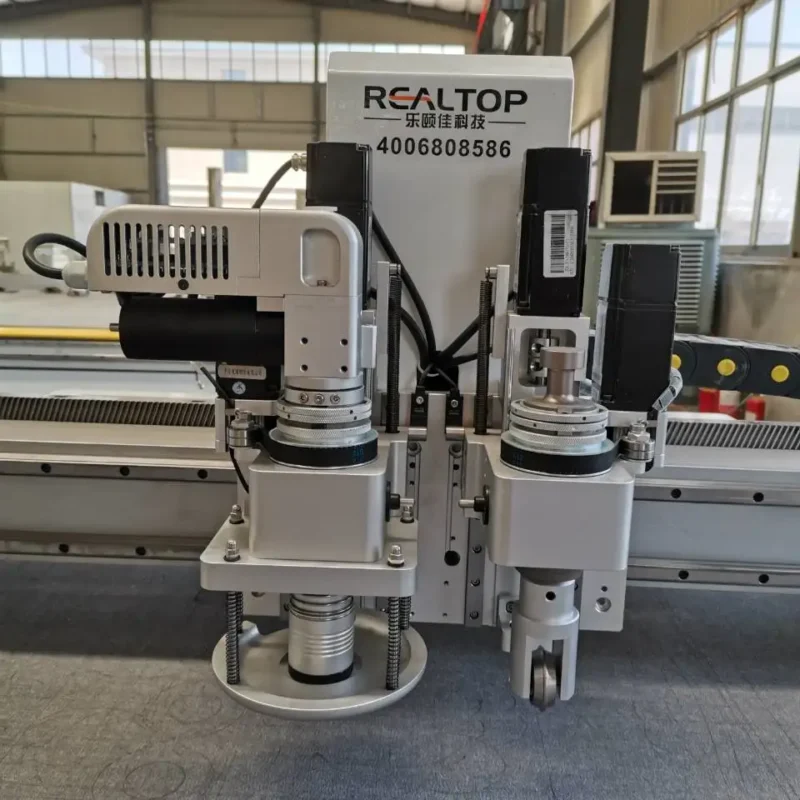
The RT–R2513, RT-D2516, and RT-S2516 all share the same workstation architecture, but the cutting result changes entirely with the tool head installed. An oscillating knife slices cleanly through corrugated flutes without crushing them, which matters when a packaging sample needs to fold precisely along a scored line. A creasing tool compresses the board rather than penetrating it, producing the hinge a folding carton needs. A kiss-cut knife penetrates only the face stock of a label sheet, leaving the liner intact for peel-and-apply workflows. Choosing the wrong head for the material produces ragged edges or crushed foam, and no amount of software compensation corrects that after the fact.
Vacuum Zoning and the Problem Nobody Asks About
The aluminum alloy honeycomb vacuum platform on these models is not a single undivided surface. Zoning matters because packaging prototyping often involves nesting a dozen small carton blanks on one sheet. If the vacuum pulls uniformly across the full 2500×1300 mm or 1600×2500 mm area, open zones where no material sits leak air and reduce hold-down where the parts actually are. A 7.5 kW pump provides ample suction, but only when the zone valves are configured to match the sheet dimensions you cut most often [NEED_CITE: vacuum hold-down calculations for flatbed digital cutting tables].
What the Specification Sheet Actually Tells You
Repeatability of less than 0.05 mm means the round punch and oscillating knife return to the same coordinate across thousands of cycles, which is critical when a sticker converter runs kiss-cut contours that must register to pre-printed graphics. The rack transmission paired with Hiwin guide rails maintains this positional accuracy over the full travel of the larger 1600×2500 mm format. Rated power at 9 kW covers the servo drives, vacuum pump engagement, and spindle oscillation simultaneously — a figure that should be checked against the available amperage at the installation site before shipment. The Ethernet data transfer port allows file transfer without USB drives, which matters in production environments where network security policies restrict removable media [NEED_CITE: industrial Ethernet protocols in CNC cutting environments].
The Hidden Cost of Skipping Configuration Verification
When a buyer confirms only the working area and skips the tool head discussion, the machine arrives configured for a generic middle-ground material that may not match anything in their actual order book. The oscillating knife might be set to a stroke frequency that tears thin label stock instead of slicing it. The vacuum zones might be plumbed for full-sheet coverage when the shop runs mostly A3-sized samples, wasting pump capacity and still failing to hold small parts flat. Software imported in a file format the nesting workflow does not support forces the operator to redraw geometries manually, adding hours to every job [NEED_CITE: CNC software file format compatibility in packaging prepress workflows].
Why Source From This CNC Digital Cutting Machine Manufacturer
Realtop designs and produces both knife and laser cutting systems in-house, so the cutting method is matched to the material rather than forced into one technology. The tool head and table configuration on the RT–R2513, RT-D2516, and RT-S2516 are specified per material type and daily production volume, not pulled from a default list. CCD camera positioning is available for printed contour work where registration to pre-printed marks is required. Software compatibility is confirmed before the order is placed, not discovered after the machine arrives. Voltage, control language, and plug type are customized to the target market, and sample cutting on the buyer’s own material is completed before any commitment is made.
Documentation & Verification
- Machine specification sheet listing confirmed tool heads and cutting thickness per material
- Electrical schematic with voltage, frequency, and phase verified for your facility
- Tool head and vacuum zone configuration list matched to your sheet sizes
- Sample cutting report produced on your own corrugated or label stock
- Software licence and file format compatibility note for DXF, PDF, AI, or OLT import
- Factory test record documenting repeatability across the full working area
Installation, Commissioning & Support
- 380 V supply with dedicated circuit sized for 9 kW rated draw plus startup surge
- Level floor required; overall footprint up to 3550×1910 mm including conveyor clearance
- Machine ships partially assembled; vacuum pump and conveyor belt fitted on site
- First-run parameter tuning for oscillation frequency against your specific board grade
- Operator training covering tool head changeover between creasing and kiss-cut workflows
- Ten oscillating blades included; felt pad and blade replacement excluded from warranty
Requesting an Accurate Configuration
Send the material type, maximum sheet size, and the smallest part dimension you cut regularly so the vacuum zoning can be planned around real geometry rather than nominal bed size. Specify your local voltage, frequency, and preferred control language so the electrical and software build matches your facility from day one. If your design team works in a specific CAD platform, confirm the export format so file compatibility is verified before production begins.
Frequently Asked Questions
Q: How do I choose between the RT–R2513 and the RT-D2516 or RT-S2516?
A: The decision depends on your most common sheet size and part nesting pattern. The RT–R2513 offers a 2500×1300 mm working area suitable for standard carton blank prototyping. The RT-D2516 and RT-S2516 provide 1600×2500 mm, which accommodates wider corrugated sheets or higher nesting density for short-run label production. Daily volume and sheet dimensions together determine the right format.
Q: Which tool head handles my material without crushing or tearing it?
A: Oscillating knives cut cleanly through corrugated board and foam without compressing the flute structure. Creasing tools score folding lines into cardboard without penetrating the sheet. Kiss-cut knives slice through label face stock while leaving the backing liner intact. Your material type and edge requirement determine which head is specified, and multiple heads can share one workstation.
Q: Will the software accept my existing design files?
A: The control software imports DXF, OLT, PDF, and AI formats. Before the order is finalized, your typical production file is tested through the full import-to-cut workflow to confirm that curves, registration marks, and nesting parameters transfer correctly without manual redrawing.
Q: Can voltage, plug type, and control language be customized for my market?
A: Yes. The standard configuration runs on 380 V, but frequency, phase, and plug type are adjusted to match your local electrical standards. Control interface language options include English, Russian, Italian, and Chinese, with additional languages configurable on request before the machine ships.
Q: What does the warranty cover, and how are consumables handled?
A: The one-year warranty covers mechanical and electrical components under normal operating conditions. Consumable items — specifically the felt pad on the vacuum table and oscillating knife blades — are excluded because their wear rate depends on material abrasiveness and cutting volume. Ten replacement blades are included with the initial shipment.
Technical Specifications
| Parameter | Value |
|---|---|
| Product Type | CNC Digital Flatbed Oscillating Knife Cutting Machine |
| Model | RT–R2513 / RT-D2516 / RT-S2516 |
| Working Area | 2500×1300 mm (RT–R2513); 1600×2500 mm (RT-D2516 / RT-S2516) |
| Overall Dimensions | 3550×1910×1400 mm (RT–R2513); 3450×2300×1250 mm (RT-D2516 / RT-S2516) |
| Cutting Tools | Oscillating knife, Creasing tool, Kiss-Cut Knife Tool, Round punch |
| Cutting Thickness | Up to 18 mm (material-dependent; basis to be confirmed for specific substrates) |
| Fixing Method | Vacuum system with aluminum alloy honeycomb structure platform |
| Vacuum Pump | 7.5 kW |
| Rated Power | 9 kW |
| Repeatability | <0.05 mm |
| Voltage | 380 V (frequency and phase to be confirmed for target market) |
| Servo | Dongling servo (Delta servo available as alternative configuration) |
| Guide Rail | Taiwan Hiwin rail |
| Transmission | Rack transmission; Ethernet port data transfer |
| Feeding System | Auto feeding with Germany imported conveyor belt |
| Safety Device | Infrared sensors, emergency stop |
| Profile Format | DXF, OLT, PDF, AI |
| Language Options | English, Russian, Italian, Chinese; special languages customizable |
| Warranty | 1 year (excludes felt and knife blades) |
| Delivery Time | Under 30 working days |
| Spare Parts Included | 10 pieces of oscillating blades |
Application Suitability
| Application | Material or Output |
|---|---|
| Packaging carton sample making and short-run production | Corrugated board, solid board, cardboard up to 18 mm |
| Sticker and label contour cutting | Vinyl, PP paper, adhesive-backed label stock |
| Advertising signage and billboard cutting | Foam board, PVC sheet, lightweight composite panels |
| Box prototyping and die-less short runs | Cardboard boxes, folding carton, paperboard |
Why Working Area Alone Cannot Define a CNC Digital Cutting Machine Manufacturer
A larger bed only produces value when the vacuum zoning and tool head match the actual sheet and part geometry you run daily.
I once watched a carton sample shop lose an entire batch of small card inserts. The buyer had chosen a machine purely on its generous table size, but the single-zone vacuum pulled full suction across the whole bed. Small, lightweight pieces lifted off the honeycomb surface the moment the oscillating knife changed direction, dragging the cut path and ruining the contour. The machine was physically capable; the configuration was wrong for the job. That failure is more common than most CNC digital cutting machine manufacturer catalogs admit [NEED_CITE: vacuum zoning requirements for small-format packaging components].
Tool Head Selection Defines the Edge, Not the Motor
The RT–R2513, RT-D2516, and RT-S2516 all share the same workstation architecture, but the cutting result changes entirely with the tool head installed. An oscillating knife slices cleanly through corrugated flutes without crushing them, which matters when a packaging sample needs to fold precisely along a scored line. A creasing tool compresses the board rather than penetrating it, producing the hinge a folding carton needs. A kiss-cut knife penetrates only the face stock of a label sheet, leaving the liner intact for peel-and-apply workflows. Choosing the wrong head for the material produces ragged edges or crushed foam, and no amount of software compensation corrects that after the fact.
Vacuum Zoning and the Problem Nobody Asks About
The aluminum alloy honeycomb vacuum platform on these models is not a single undivided surface. Zoning matters because packaging prototyping often involves nesting a dozen small carton blanks on one sheet. If the vacuum pulls uniformly across the full 2500×1300 mm or 1600×2500 mm area, open zones where no material sits leak air and reduce hold-down where the parts actually are. A 7.5 kW pump provides ample suction, but only when the zone valves are configured to match the sheet dimensions you cut most often [NEED_CITE: vacuum hold-down calculations for flatbed digital cutting tables].
What the Specification Sheet Actually Tells You
Repeatability of less than 0.05 mm means the round punch and oscillating knife return to the same coordinate across thousands of cycles, which is critical when a sticker converter runs kiss-cut contours that must register to pre-printed graphics. The rack transmission paired with Hiwin guide rails maintains this positional accuracy over the full travel of the larger 1600×2500 mm format. Rated power at 9 kW covers the servo drives, vacuum pump engagement, and spindle oscillation simultaneously — a figure that should be checked against the available amperage at the installation site before shipment. The Ethernet data transfer port allows file transfer without USB drives, which matters in production environments where network security policies restrict removable media [NEED_CITE: industrial Ethernet protocols in CNC cutting environments].
The Hidden Cost of Skipping Configuration Verification
When a buyer confirms only the working area and skips the tool head discussion, the machine arrives configured for a generic middle-ground material that may not match anything in their actual order book. The oscillating knife might be set to a stroke frequency that tears thin label stock instead of slicing it. The vacuum zones might be plumbed for full-sheet coverage when the shop runs mostly A3-sized samples, wasting pump capacity and still failing to hold small parts flat. Software imported in a file format the nesting workflow does not support forces the operator to redraw geometries manually, adding hours to every job [NEED_CITE: CNC software file format compatibility in packaging prepress workflows].
Why Source From This CNC Digital Cutting Machine Manufacturer
Realtop designs and produces both knife and laser cutting systems in-house, so the cutting method is matched to the material rather than forced into one technology. The tool head and table configuration on the RT–R2513, RT-D2516, and RT-S2516 are specified per material type and daily production volume, not pulled from a default list. CCD camera positioning is available for printed contour work where registration to pre-printed marks is required. Software compatibility is confirmed before the order is placed, not discovered after the machine arrives. Voltage, control language, and plug type are customized to the target market, and sample cutting on the buyer’s own material is completed before any commitment is made.
Documentation & Verification
- Machine specification sheet listing confirmed tool heads and cutting thickness per material
- Electrical schematic with voltage, frequency, and phase verified for your facility
- Tool head and vacuum zone configuration list matched to your sheet sizes
- Sample cutting report produced on your own corrugated or label stock
- Software licence and file format compatibility note for DXF, PDF, AI, or OLT import
- Factory test record documenting repeatability across the full working area
Installation, Commissioning & Support
- 380 V supply with dedicated circuit sized for 9 kW rated draw plus startup surge
- Level floor required; overall footprint up to 3550×1910 mm including conveyor clearance
- Machine ships partially assembled; vacuum pump and conveyor belt fitted on site
- First-run parameter tuning for oscillation frequency against your specific board grade
- Operator training covering tool head changeover between creasing and kiss-cut workflows
- Ten oscillating blades included; felt pad and blade replacement excluded from warranty
Requesting an Accurate Configuration
Send the material type, maximum sheet size, and the smallest part dimension you cut regularly so the vacuum zoning can be planned around real geometry rather than nominal bed size. Specify your local voltage, frequency, and preferred control language so the electrical and software build matches your facility from day one. If your design team works in a specific CAD platform, confirm the export format so file compatibility is verified before production begins.
Frequently Asked Questions
Q: How do I choose between the RT–R2513 and the RT-D2516 or RT-S2516?
A: The decision depends on your most common sheet size and part nesting pattern. The RT–R2513 offers a 2500×1300 mm working area suitable for standard carton blank prototyping. The RT-D2516 and RT-S2516 provide 1600×2500 mm, which accommodates wider corrugated sheets or higher nesting density for short-run label production. Daily volume and sheet dimensions together determine the right format.
Q: Which tool head handles my material without crushing or tearing it?
A: Oscillating knives cut cleanly through corrugated board and foam without compressing the flute structure. Creasing tools score folding lines into cardboard without penetrating the sheet. Kiss-cut knives slice through label face stock while leaving the backing liner intact. Your material type and edge requirement determine which head is specified, and multiple heads can share one workstation.
Q: Will the software accept my existing design files?
A: The control software imports DXF, OLT, PDF, and AI formats. Before the order is finalized, your typical production file is tested through the full import-to-cut workflow to confirm that curves, registration marks, and nesting parameters transfer correctly without manual redrawing.
Q: Can voltage, plug type, and control language be customized for my market?
A: Yes. The standard configuration runs on 380 V, but frequency, phase, and plug type are adjusted to match your local electrical standards. Control interface language options include English, Russian, Italian, and Chinese, with additional languages configurable on request before the machine ships.
Q: What does the warranty cover, and how are consumables handled?
A: The one-year warranty covers mechanical and electrical components under normal operating conditions. Consumable items — specifically the felt pad on the vacuum table and oscillating knife blades — are excluded because their wear rate depends on material abrasiveness and cutting volume. Ten replacement blades are included with the initial shipment.
商品评价
There are no reviews yet.