



Fast Delivery
Quick, reliable shipping to any location.

Free & easy returns
Return this item by mail or in store within 90 days for a full refund.
Knife-to-Material Matching — Every RT–R2513, RT-D2516, and RT-S2516 ships only after the buyer’s corrugated flute profile and board weight are confirmed, so the oscillating knife, creasing wheel, or kiss-cut tool is chosen for the actual stock, not a generic default.
Technical Specifications
| Parameter | Value |
|---|---|
| Model | RT–R2513 / RT-D2516 / RT-S2516 |
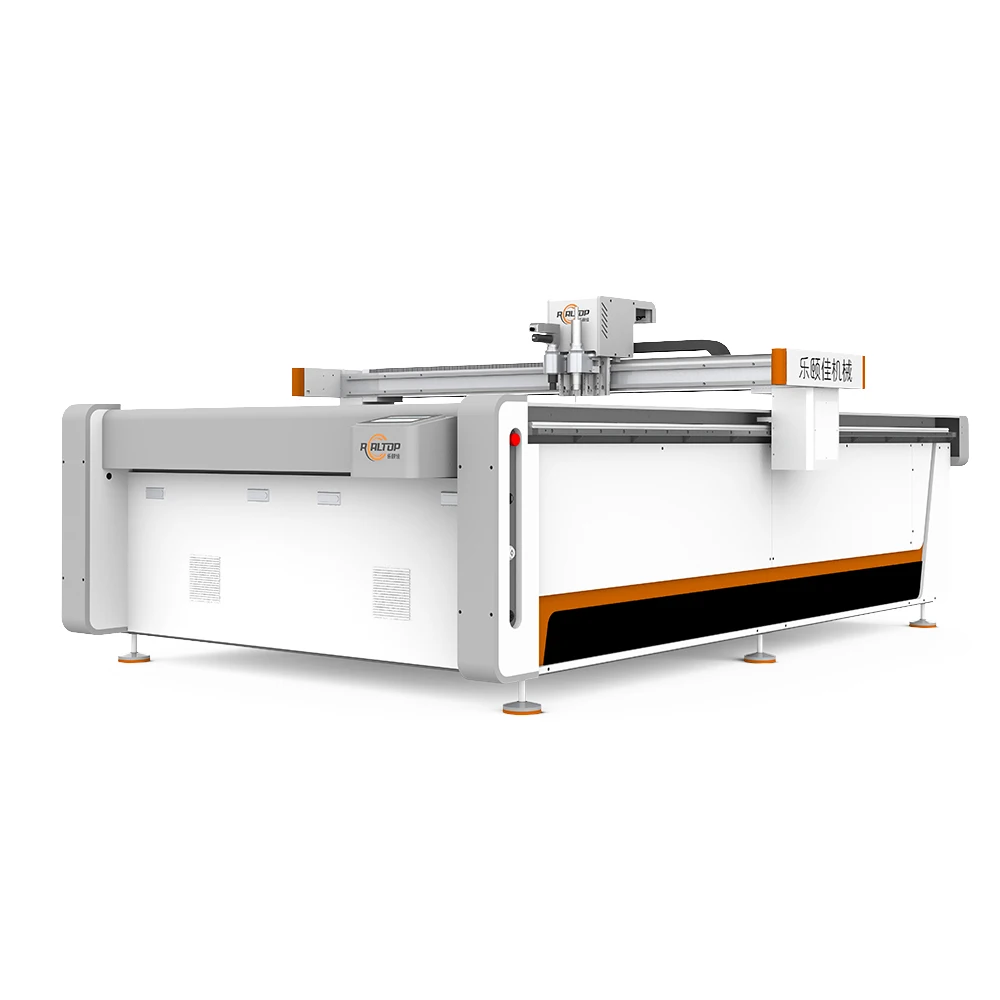
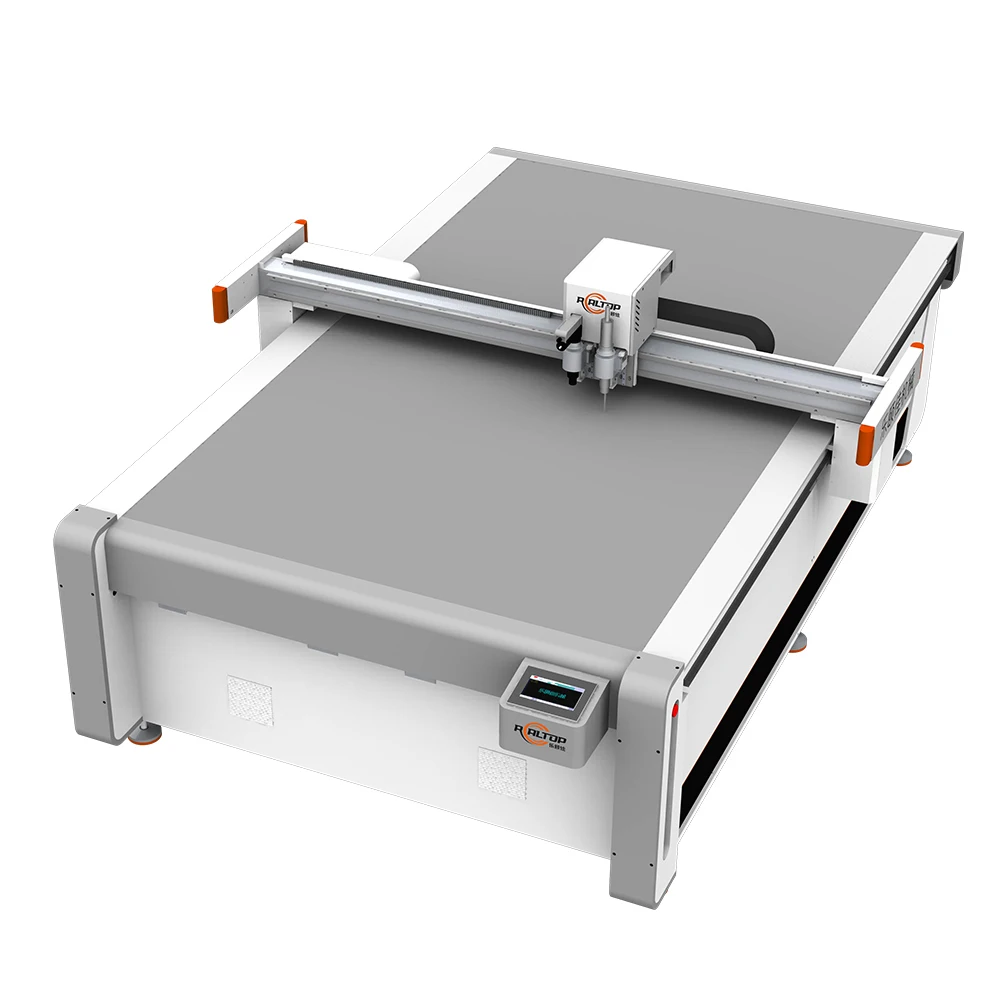
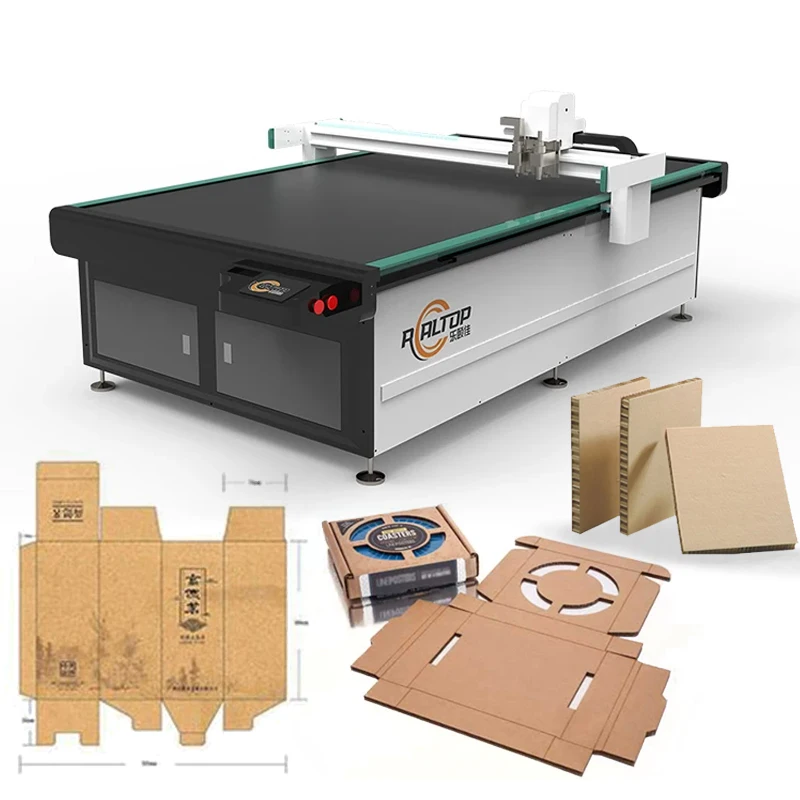
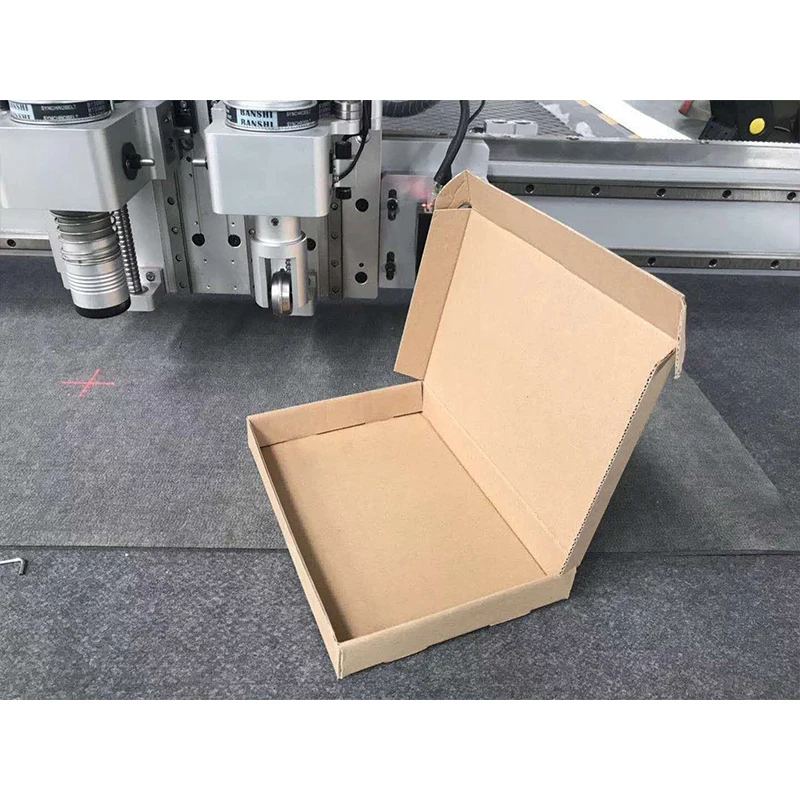
| Product Type | CNC Corrugated Carton Making Machine with Oscillating Knife |
| Working Area | 2500×1300 mm (RT–R2513); 1600×2500 mm (RT-D2516 / RT-S2516) |
| Machine Size | 3550×1910×1400 mm (RT–R2513); 3450×2300×1250 mm (RT-D2516 / RT-S2516) |
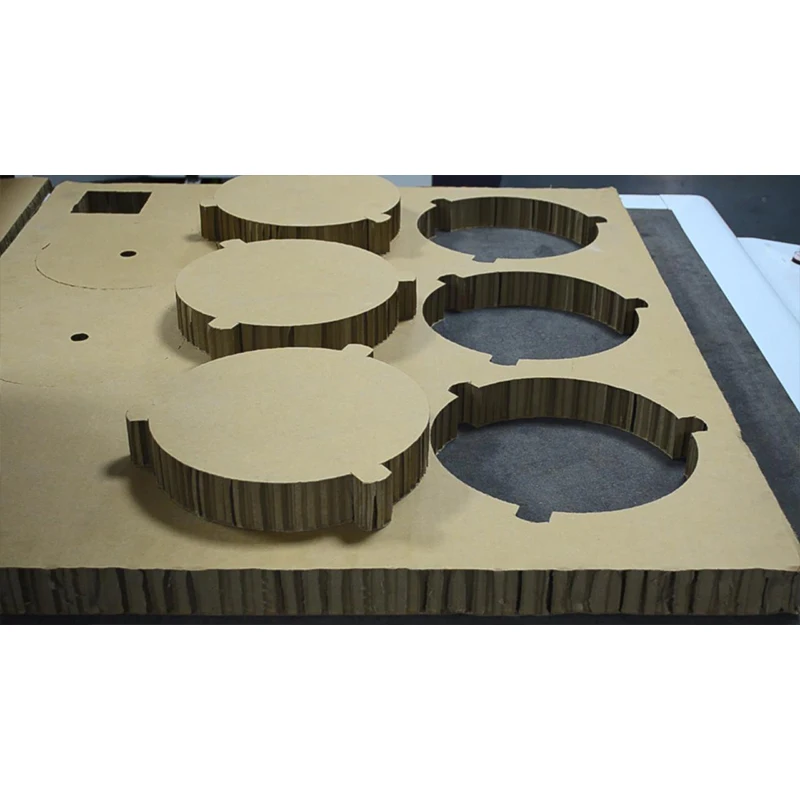
| Cutting Tools | Oscillating knife, creasing tool, kiss-cut knife, round punch |
| Cutting Thickness | ≤18 mm (basis not stated in source — confirm material type and flute profile) |
| Fixing Method | Vacuum system with aluminum alloy honeycomb adsorption platform |
| Rated Power | 9 kW |
| Voltage | 380 V (frequency to confirm per market) |
| Servo | Dongling servo (Delta servo motor available as option) |
| Transmission Drive | Straight guide rail, rack transmission |
| Frame | Welded thick square seamless steel structure, high temperature treated |
| Repeated Accuracy | <0.05 mm |
| Profile Format | DXF, OLT, PDF, AI |
| Transmission Method | Ethernet port |
| Safety Device | Infrared sensors, emergency stop |
| Blade Supply | 10 pieces of oscillating blades included |
| Warranty | 1 year (excluding felt and knife blades) |
| Delivery Time | <30 working days |
| Optional Configuration | Delta servo motor, Germany imported conveyor belt, auto feeding, Taiwan Hiwin rail, 7.5 kW vacuum pump |
| Control Language | Customizable (English, Russian, Italian, Chinese) |
| Software | Professional carton nesting software included |
Application Suitability
| Application | Material or Output |
|---|---|
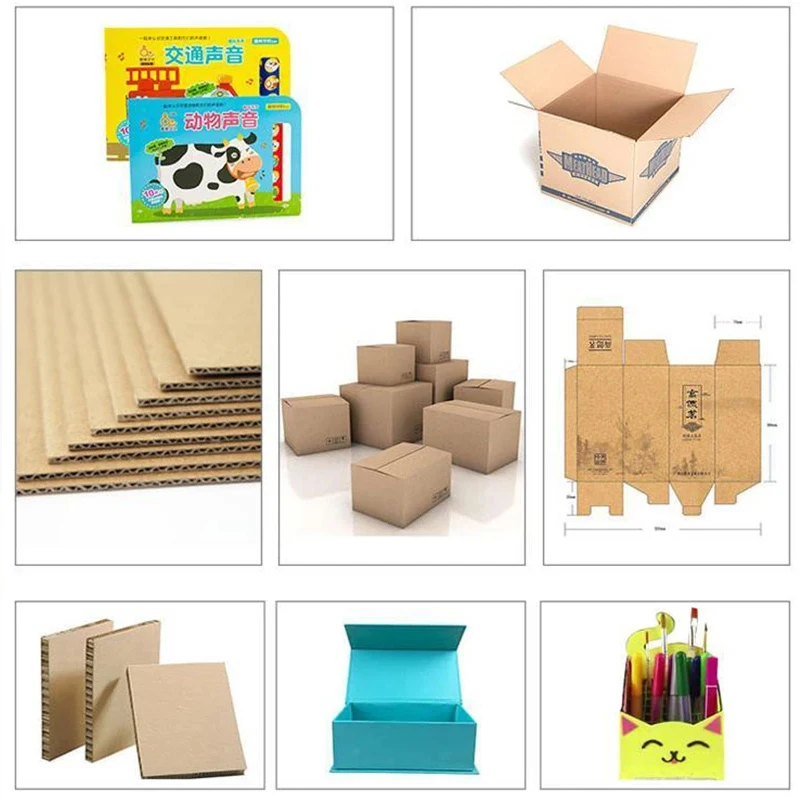
| Corrugated carton sample making | Single, double, and triple-wall corrugated board across E, B, C, and BC flute profiles |
| Short-run box production | Greyboard, folding carton stock, and kraft liner without die tooling |
| Sticker and label contour cutting | Self-adhesive vinyl, PP paper, and sticker sheets |
| Signage and display board cutting | Foam board, honeycomb paper board, and corrugated plastic |
| Business card and tag production | Coated paper stock, card stock, and lightweight label material |
Why Specifying Working Area Alone Will Cost You a Week of Downtime
A cutting table is only as capable as its tool-head and vacuum configuration for the material that actually lands on it.
I have taken emergency calls at 2 a.m. from packaging shops that bought a flatbed cutter based purely on sheet size. The machine arrived, they loaded five-layer BC-flute corrugated, and the oscillating knife crushed the top liner instead of slicing clean through [NEED_CITE: corrugated flute compression behavior under oscillating knife load]. The vacuum zones were too broad for the small nesting layout, so half the cut pieces lifted mid-cycle. A CNC corrugated carton cutting machine manufacturer should ask for your flute type, board weight, and nesting pattern before quoting, not after.
Knife, Crease, and Punch: Matching Tool to Flute
The full range ships with four configurable tool positions — oscillating knife for through-cuts, creasing wheel for fold lines, kiss-cut knife for adhesive-backed stock, and round punch for ventilation or hang holes. An oscillating blade vibrates at high frequency to slice corrugated without crushing the flutes, while a drag knife would drag and tear the liner. The creasing tool compresses the board along fold lines rather than cutting, which is the difference between a box that folds square and one that cracks at the score. This CNC corrugated carton cutting machine manufacturer configures the head layout to your actual job mix, so a shop running mostly E-flute sample boxes gets a different setup than one producing BC-flute shipping cartons in volume.
Vacuum Zoning and the Small-Part Problem
The aluminum alloy honeycomb adsorption platform is divided into zones that can be activated independently [NEED_CITE: vacuum table zoning principles for flatbed digital cutters]. When a nesting layout contains a mix of large carton blanks and small insert pieces, the full-table vacuum pulls air through uncovered areas and loses grip on the smaller parts. Zoned vacuum lets the operator close off unused sections, concentrating suction where the material actually sits. For sticker and label work on PP paper, this means the kiss-cut blade stays registered to the print contour even at the edges of the sheet. The optional 7.5 kW vacuum pump provides the suction reserve needed for dense nesting layouts on thick corrugated board.
Reading the Specs That Actually Matter for Packaging Work
Cutting thickness of ≤18 mm covers most corrugated profiles up to triple-wall, but the real test is whether the oscillating knife amplitude and blade angle are matched to your board grade. Repeated accuracy of <0.05 mm ensures that crease lines register to the cut contour, which is critical when a carton must fold and glue square. The rack transmission and straight guide rail deliver consistent travel across the 1600×2500 mm or 2500×1300 mm working area without the belt stretch that gradually shifts registration. File format support for DXF, OLT, PDF, and AI means your packaging designer’s ArtiosCAD or Illustrator output reaches the machine without manual re-drawing. The included professional carton nesting software arranges blanks to reduce board waste per sheet, and the Ethernet port handles file transfer without USB drives moving between office and shop floor [NEED_CITE: flatbed cutter software workflow integration standards].
The Hidden Cost of a Default Configuration
Shops that skip the material conversation before ordering end up with a machine that runs well on the first sample board and poorly on production stock. The wrong oscillating blade angle on BC-flute leaves fuzz on the cut edge, forcing operators to slow the feed rate and cut throughput. Insufficient vacuum zoning means small die-cut inserts shift mid-cycle, producing scrap instead of saleable cartons. A missing creasing tool forces the operator to hand-score fold lines on a separate machine, adding a handling step the buyer assumed was included. These issues do not show up in a spec-sheet comparison; they surface only when the first real job runs [NEED_CITE: common flatbed cutter configuration mismatches in packaging shops].
Why Buyers Source This Range Here
In-house design covers both knife cutting and table engineering, so tool-head configuration and vacuum layout are adjusted together rather than sourced from separate vendors. Sample cutting on the buyer’s own corrugated or cardboard stock runs before commitment, producing a physical report that shows cut-edge quality, crease registration, and vacuum hold-down performance on the actual material. Software compatibility is confirmed at the order stage — file format, nesting workflow, and control language — so the machine integrates with the existing design-to-cut pipeline. Voltage and plug type are documented on the electrical schematic before production starts, avoiding the cost and delay of on-site transformer installation. Each unit undergoes a factory test with the configured tool set before packing.
Documentation & Verification
- Machine specification sheet listing configured tool heads and vacuum zone layout
- Sample cutting report on buyer’s corrugated board stock with edge quality photographs
- Electrical schematic confirming voltage, frequency, and plug type for target market
- Software licence note covering nesting software and file format compatibility
- Factory test record showing repeated accuracy and registration on buyer’s nesting file
- Spare parts list with blade specification and consumable reorder codes
Installation, Commissioning & Support
- 9 kW rated power requires a dedicated 380 V circuit with correct breaker sizing before delivery
- RT-D2516 machine size of 3450×2300×1250 mm needs verified floor space and access clearance
- Welded steel frame arrives assembled; honeycomb platform and gantry require on-site leveling
- First-run commissioning includes vacuum zone mapping and oscillating knife amplitude calibration
- Operator training covers tool-head changeover, nesting software workflow, and file import via Ethernet
- Ten included oscillating blades sustain initial production; reorder spec confirmed at handover
- Daily vacuum filter inspection and weekly rail lubrication form the baseline maintenance schedule
What to Send with Your Inquiry
Provide the corrugated flute type and board weight you run most often, along with the largest sheet size your supplier delivers. Include a sample nesting file in your preferred format so software compatibility can be verified before quotation. Confirm the voltage and frequency at your facility, the control language your operators need, and whether your production volume calls for the standard vacuum pump or the optional 7.5 kW unit with conveyor-assisted feed.
Frequently Asked Questions
Q: How do I choose between oscillating knife and creasing tool for my corrugated board?
A: Oscillating knife handles through-cuts on all flute profiles up to the stated cutting thickness, while the creasing tool compresses fold lines without cutting through the liner. Most carton work requires both — the knife cuts the blank outline and the creasing tool scores the fold. Your flute type and board weight determine which blade angle and creasing wheel width are configured on the machine.
Q: Which working area should I pick — 2500×1300 mm or 1600×2500 mm?
A: The choice depends on your standard sheet size and nesting yield. If your board supplier delivers sheets up to 2500 mm in one direction, the RT-D2516 or RT-S2516 accommodates them without pre-cutting. The RT–R2513 suits shops running smaller carton formats or dedicated sample-making where sheet size stays under 2500×1300 mm.
Q: Will my existing packaging design files work with the included nesting software?
A: The system imports DXF, OLT, PDF, and AI formats. Before order confirmation, send a sample file from your design workflow so compatibility is tested and any layer mapping or line-weight interpretation is resolved in advance, not on the shop floor.
Q: How are voltage and control language handled before shipment?
A: Voltage, frequency, and plug type are confirmed on the electrical schematic during the specification stage. Control language is customizable across English, Russian, Italian, and Chinese, with other languages available on request. This avoids on-site electrical rework and ensures operators can navigate menus from day one.










商品评价
There are no reviews yet.