


Fast Delivery
Quick, reliable shipping to any location.

Free & easy returns
Return this item by mail or in store within 90 days for a full refund.
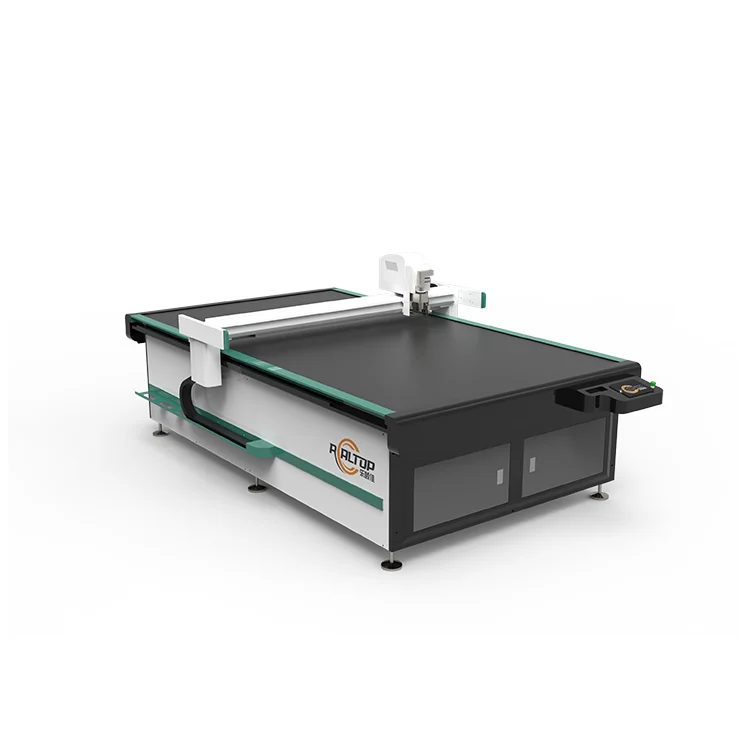
In-house knife and laser design — a single factory producing both cutting technologies, configured per material rather than forcing one method across every job.
Technical Specifications
| Parameter | Value |
|---|---|
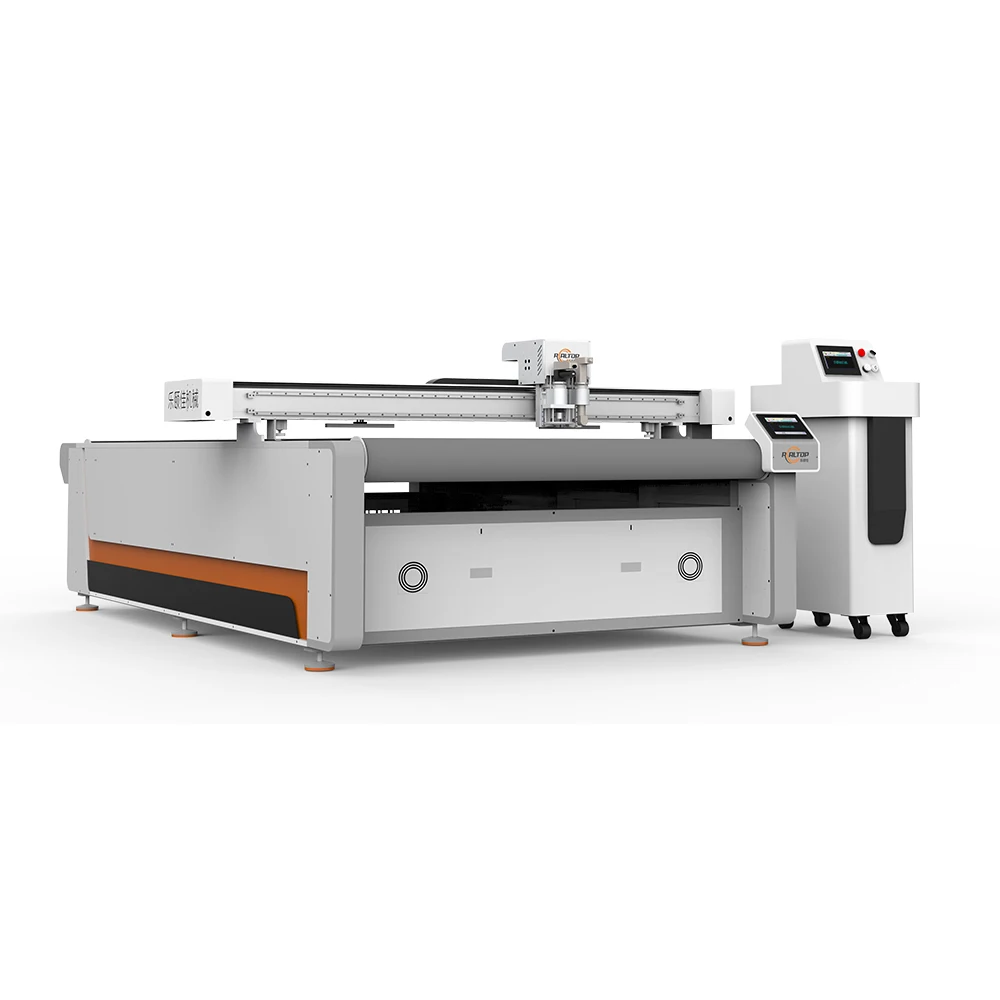
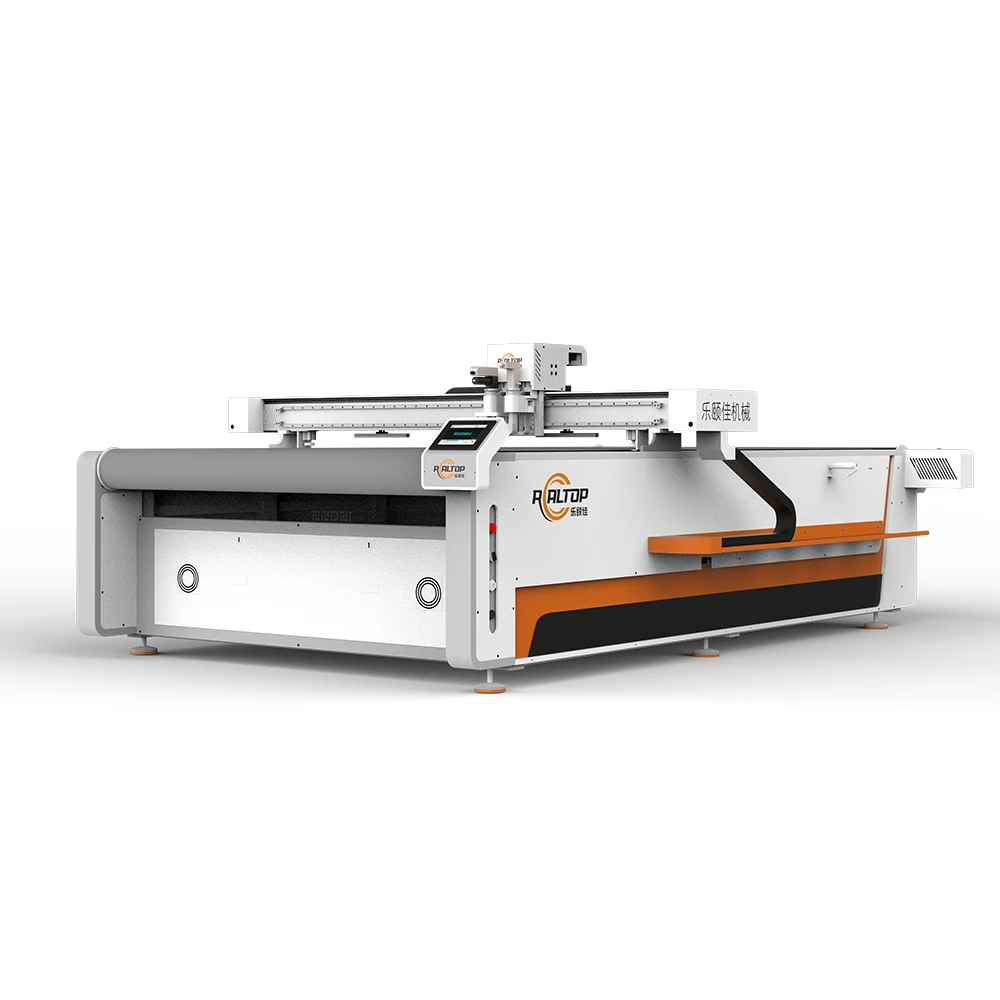
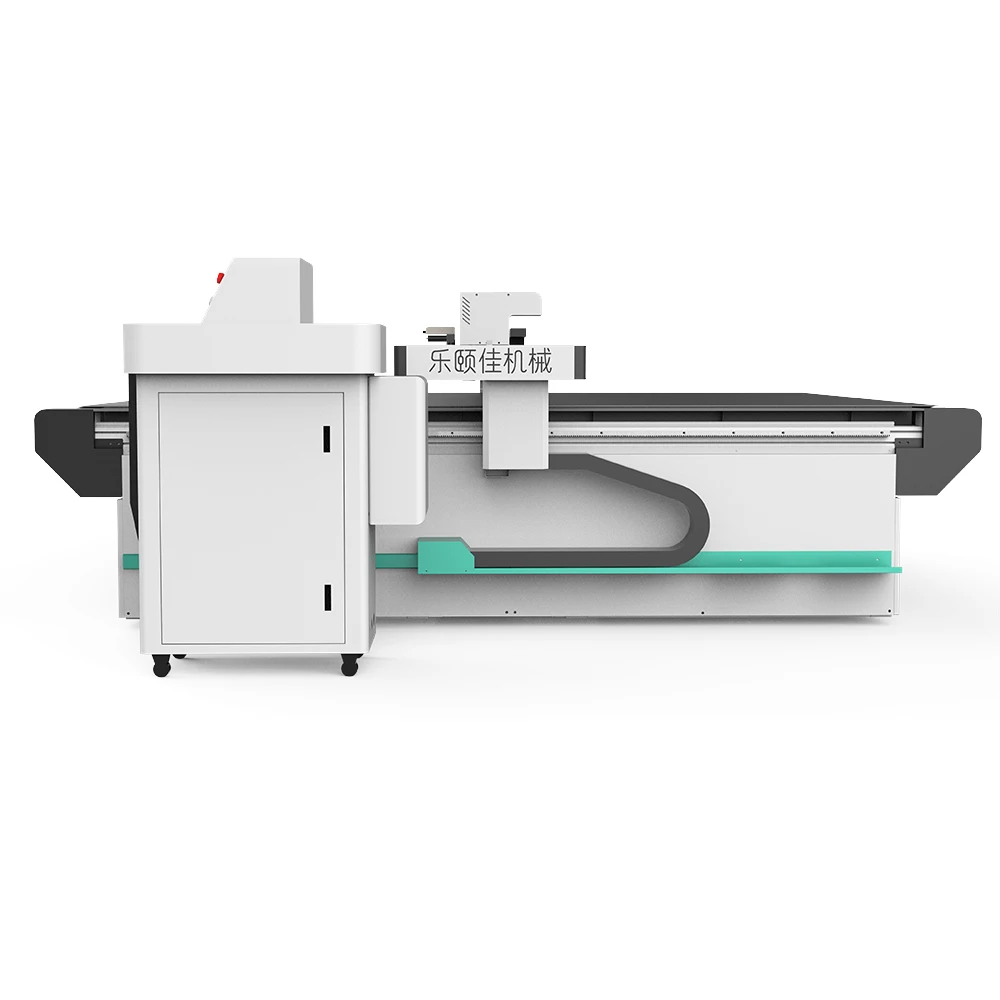
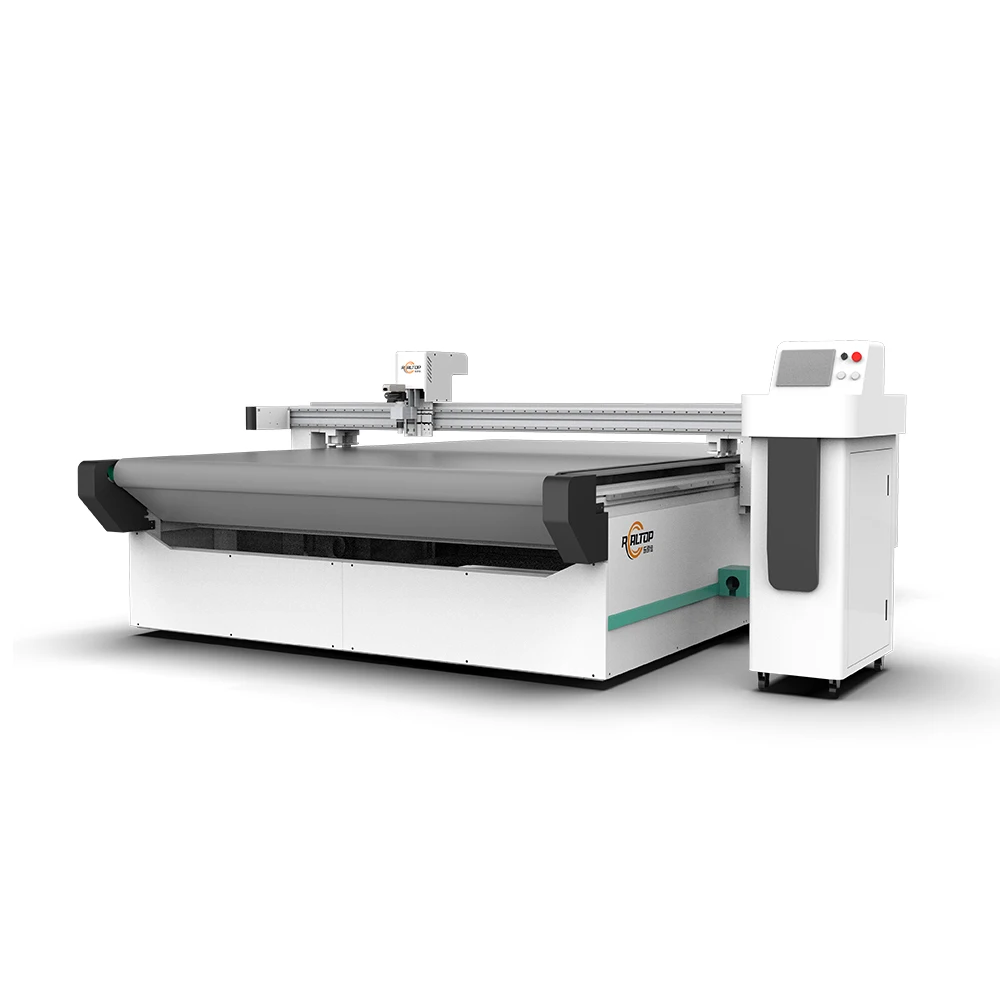
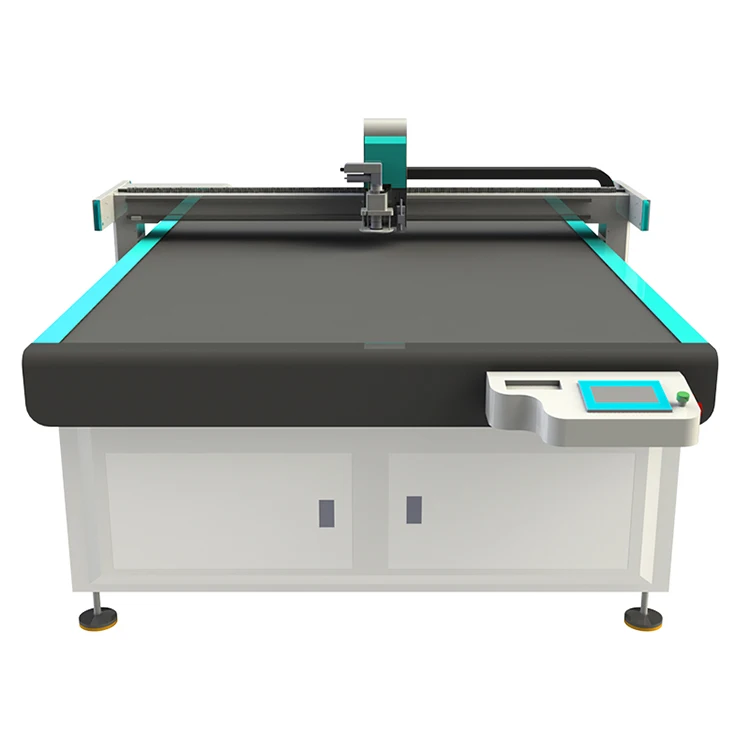
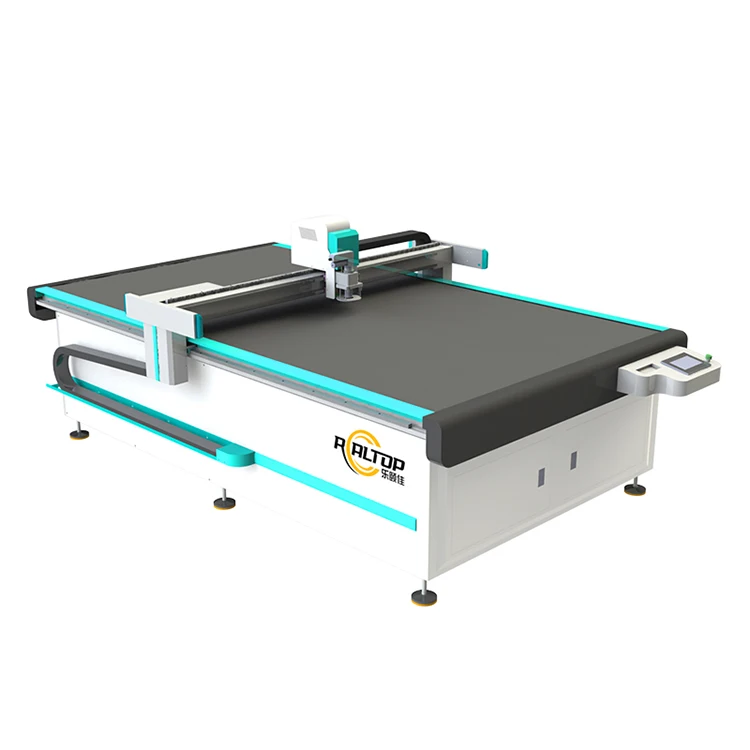
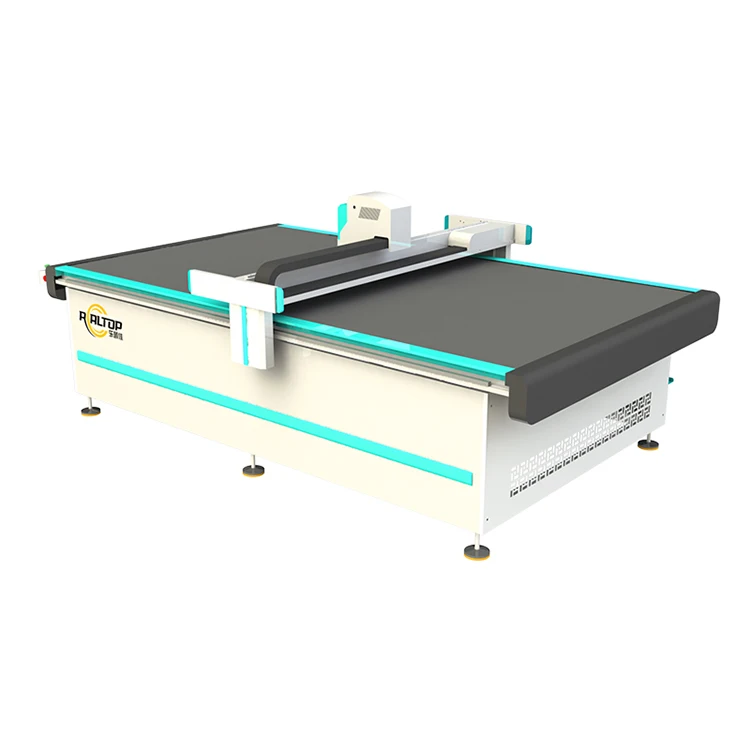
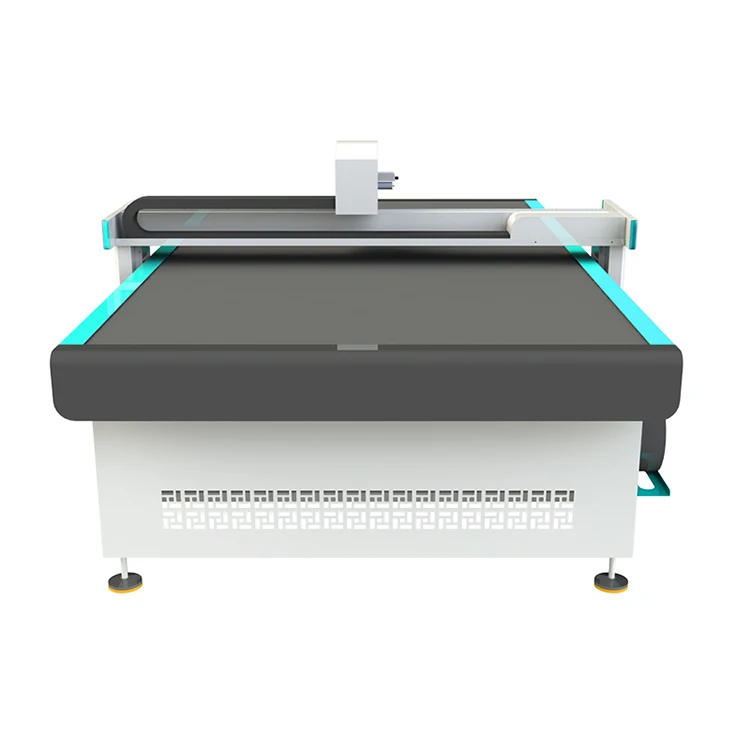
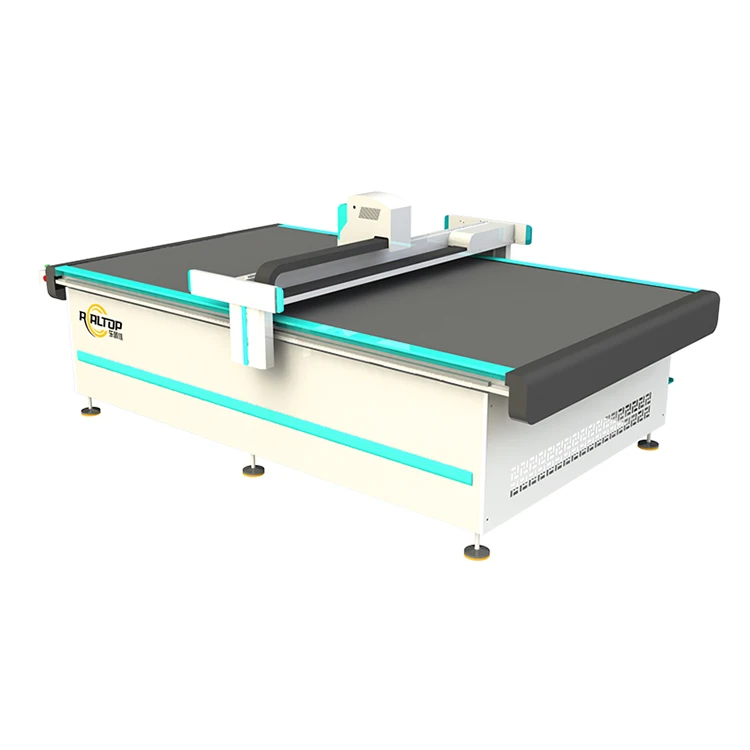
| Product Type | CNC Oscillating Knife Cutting Machine |
| Working Area | 2500 × 2200 mm |
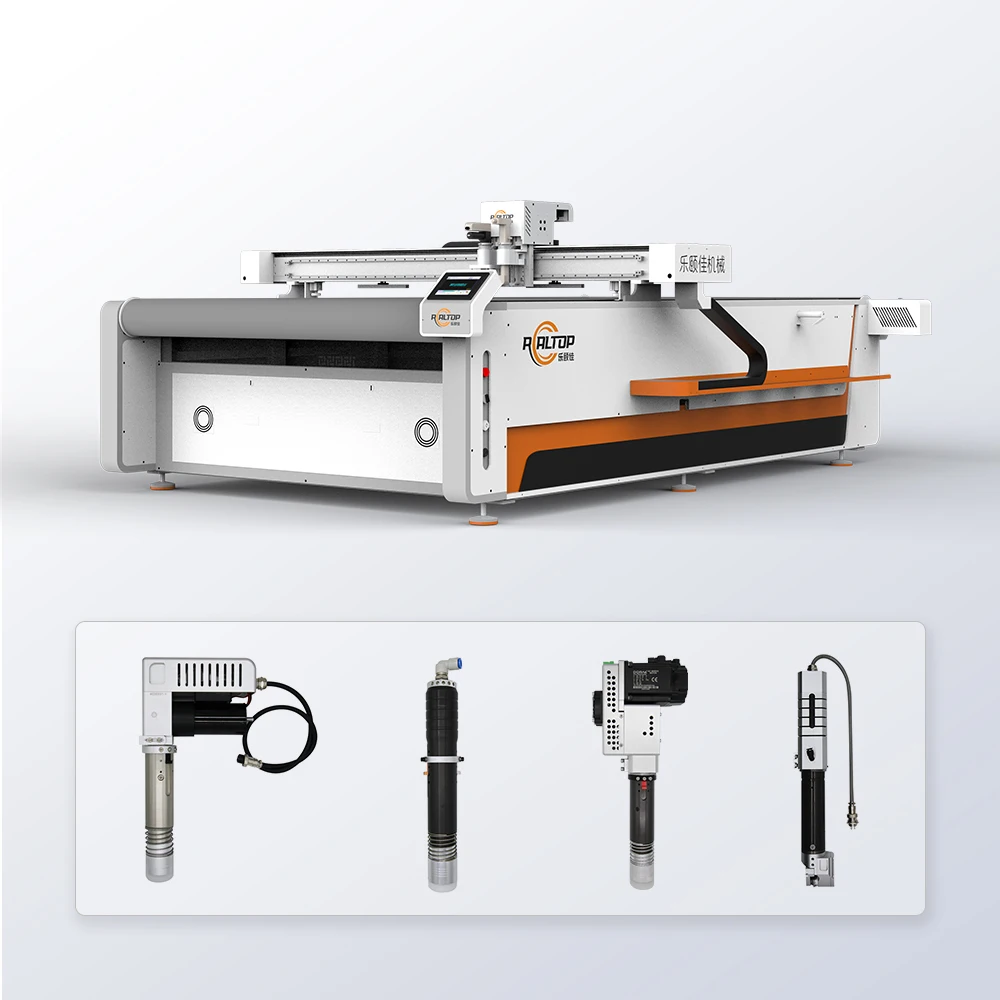
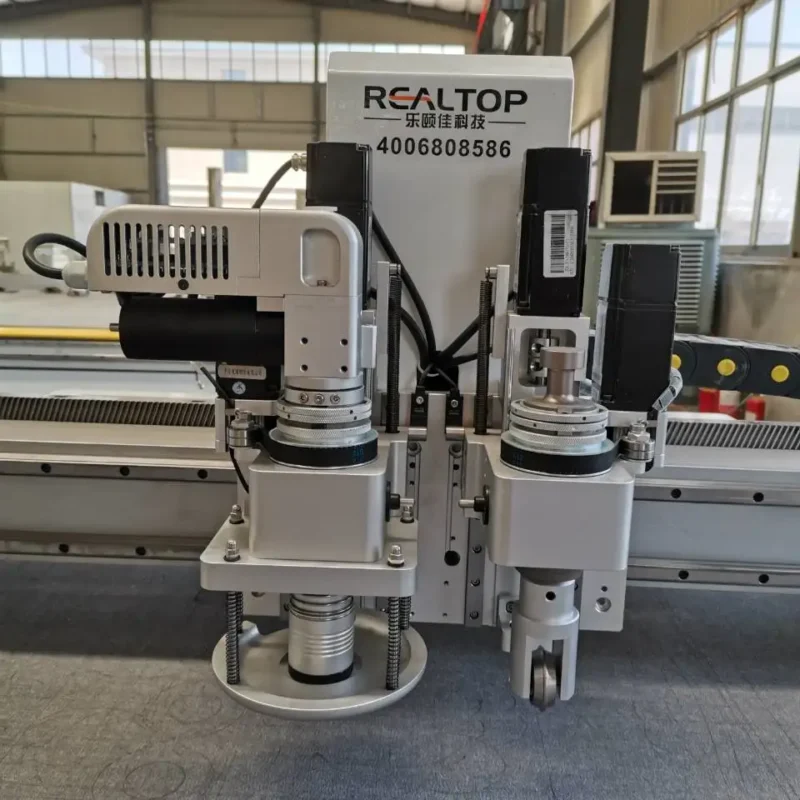
| Tool Head Options | Oscillating knife, Driven rotary knife, Creasing wheel, Kiss cutting tool, Pneumatic knife, Milling tool, V groove knife |
| Cutting Speed | 0 – 1500 mm/s |
| Cutting Thickness | ≤30 mm (basis not stated in source — confirm material type and density) |
| Cutting Accuracy | ±0.1 mm |
| Vacuum Table | Aluminum bellows vacuum table |
| Vacuum Pump | 9 kW |
| Servo Motor Options | Panasonic, Delta, Dorna |
| Control System | PLC control panel |
| File Formats | PLT, DXF, AI, PDF |
| Voltage Options | 110V / 220V / 380V |
| Software Language Options | English, Russian, Italian, Chinese (custom available) |
| Nesting Software | Intelligent nesting software included |
| Safety Devices | Infrared sensor, emergency stop |
| Machine Size (L×W×H) | 3300 × 2700 × 1350 mm |
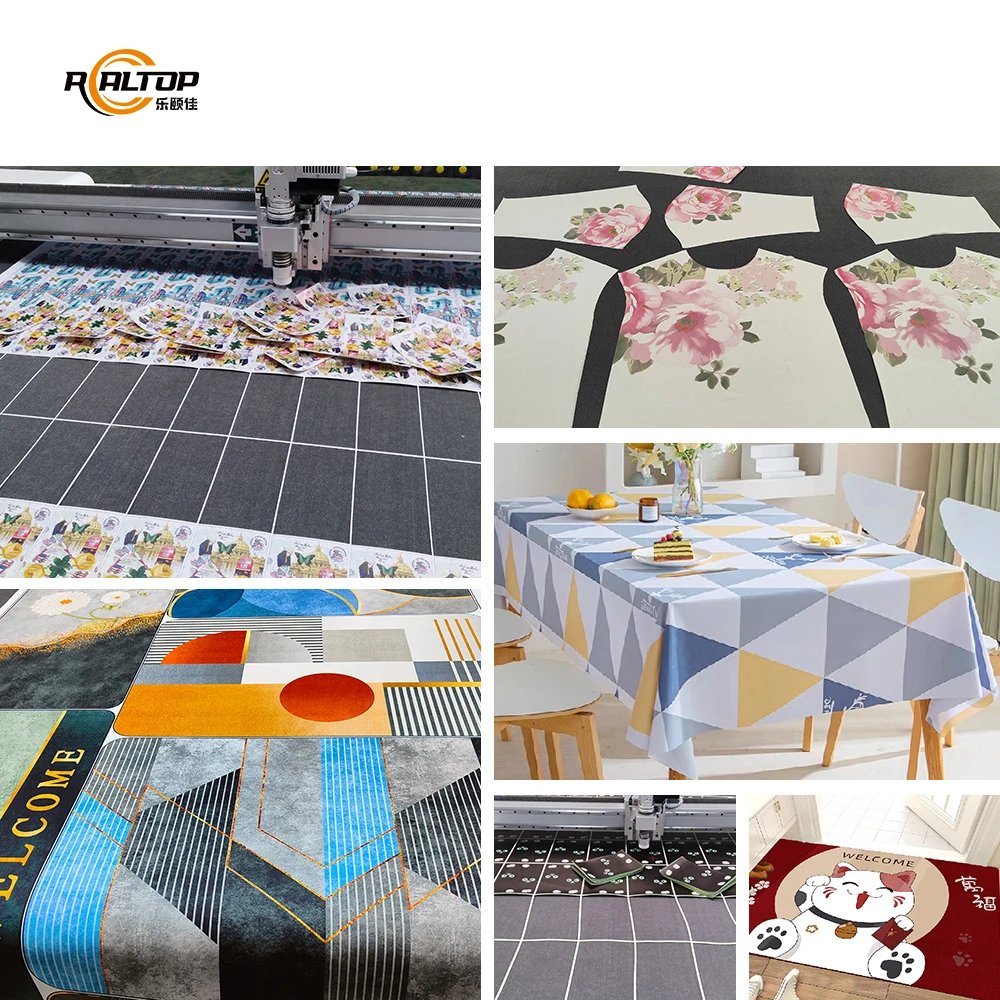
Application Suitability
| Application | Material or Output |
|---|---|
| Garment and footwear production | Multi-layer cotton, polyester, coated windbreaker fabric, leather |
| Automotive floor mats | Full-coverage car mats, loop mats, rubber backing |
| Home and commercial mats | Coral fleece carpets, PVC mats, non-slip pads |
| Yoga and fitness mats | Foam sheets, custom cut-out designs, wave edges |
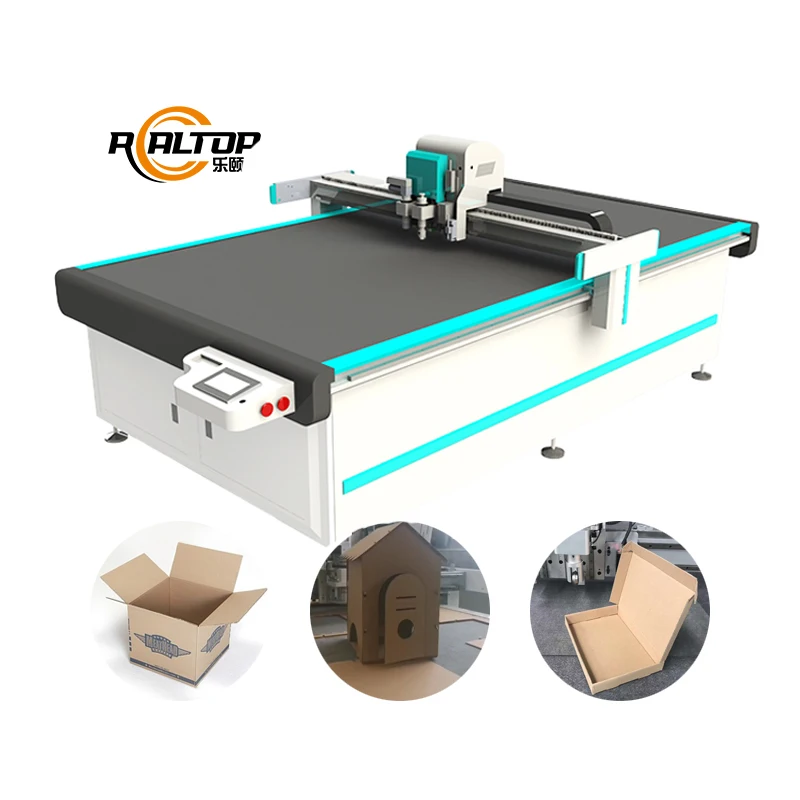
| Packaging sample making | Cardboard, carton, corrugated board |
| Industrial gaskets and seals | PTFE, rubber, EVA, composite sheets |
What "30 mm Cutting Depth" Leaves Out When You Ignore Material Density
A spec sheet thickness number means nothing without the material attached to it.
I learned this the hard way. A children’s clothing customer watched our test cut on standard cotton, approved immediately, then ran coated windbreaker fabric back at their factory. The blade couldn’t penetrate the full stack, and daily output dropped below half of what they planned. From that point on, I started requiring actual material samples before quoting any CNC oscillating knife cutting machine manufacturer order. Thickness capacity shifts dramatically depending on density, coating, fiber composition, and layer count. A 30 mm reading on low-density foam behaves entirely differently from 30 mm of compressed rubber mat stock. [NEED_CITE: material density and hardness variance across textile and composite categories]
Matching the Tool Head to the Job, Not the Other Way Around
Seven interchangeable tool heads are available, and choosing the wrong one is a common failure point. An oscillating knife handles rigid foam and dense rubber cleanly, but a driven rotary knife performs better on woven fabric stacks where dragging distorts the grain. Creasing wheels and kiss cutting tools serve the packaging sample maker who scores carton board without cutting through. Specifying the head per material prevents ragged edges and crushed layers that force rework downstream.
Vacuum Zoning and Small-Part Stability
The aluminum bellows vacuum table provides full-surface adsorption, but zoning configuration determines whether a small gasket or garment pattern piece stays flat during the final cuts. When the last connecting bridges release, vacuum must still hold the finished part. A CNC oscillating knife cutting machine manufacturer with adjustable zone mapping lets the operator activate only the section under the workpiece, concentrating suction where the material sits. [NEED_CITE: vacuum adsorption principles for CNC flatbed cutting tables]
Reading the Specs That Actually Affect Your Output
Cutting accuracy of ±0.1 mm across the 2500 × 2200 mm bed matters most when nesting dozens of pattern pieces for garment or shoe uppers — cumulative error at that tolerance keeps assembly pieces interchangeable. The 9 kW vacuum pump must overcome air leakage around irregular sheet edges and porous materials like corrugated board; undersized pumps lose grip on large-format jobs. Servo motor selection across Panasonic, Delta, and Dorna affects acceleration and deceleration smoothness, which shows up as edge quality differences on tight corners and small-radius curves. File format support for PLT, DXF, AI, and PDF means your existing design workflow imports without conversion software. Intelligent nesting software directly influences material yield, particularly on expensive leather hides or printed fabric where grain direction constrains placement.
The Hidden Cost of Wrong Configuration Choices
Buyers who specify working area alone discover later that their material thickness exceeds the tool stroke, or their vacuum table lacks the zoning for small parts that lift during the final pass. Voltage and plug type left unconfirmed before shipment result in weeks of downtime waiting for transformers. A machine promised with CCD contour recognition may fail to track printed marks at production speed on reflective or low-contrast surfaces. [NEED_CITE: common CNC cutting machine configuration mismatches reported in field service] These problems surface only after installation, when returning the machine is no longer practical.
Why Source From This Production Floor
Both oscillating knife and laser cutting technologies are designed and built in-house, so the recommendation starts with your material, not with whichever machine line has open capacity. Tool head and table configuration are specified per your sample test, not pulled from a default build sheet. Every unit ships after a factory test record on your actual material is completed and reviewed together. Software compatibility is verified against your file formats before the order is finalized. Voltage, control language, and plug type are confirmed in writing to match the destination market’s electrical standards.
Documentation & Verification
- Machine specification sheet matched to your confirmed tool head and table configuration
- Electrical schematic with voltage and frequency locked to your site supply
- Factory test record cutting your own material before dispatch approval
- Sample cutting report documenting edge quality, thickness, and tool head used
- Software licence and file format compatibility note for your design workflow
- Spare parts list identifying consumable blades, belts, and vacuum seals
Installation, Commissioning & Support
- 3300 × 2700 mm footprint requires level concrete floor with anchor provisions
- Dedicated electrical circuit matching confirmed voltage rating, isolated from welding equipment
- Machine arrives partially assembled; bed leveling and gantry calibration completed on-site
- First production run supervised to set cutting speed, vacuum pressure, and tool offset
- Operator training covers nesting software, tool head changes, and blade replacement
- Scheduled maintenance intervals for vacuum pump filter, linear guide lubrication, and belt tension
What to Share When You Request a Quote
Send a physical sample of the material you will actually cut — including the thickest and densest variant in your product range. Specify your daily sheet volume, target working area, and whether your existing design files are in DXF, AI, PLT, or PDF format. Confirm your site voltage, frequency, and preferred control panel language. If your production involves printed contour cutting or nested multi-layer layups, mention that upfront so the correct tool head and table zoning are included in the configuration.
Frequently Asked Questions
Q: How do I choose between knife and laser cutting for my material?
A: Knife cutting suits layered fabric, foam, rubber, and composites where heat would seal or melt edges undesirably. Laser works for acrylic, wood, and textiles requiring sealed edges. A single manufacturer covering both technologies lets the recommendation follow your material properties, not available inventory. We test both methods on your sample when the choice is unclear.
Q: How is cutting thickness verified for my material before I order?
A: You send your actual material, and we run it on the configured machine with your specified tool head. The sample cutting report records maximum clean-cut thickness, edge quality, and achievable speed. This prevents the situation where a published thickness rating applies to a material entirely different from yours.
Q: What configuration options exist across the working area and tool head range?
A: Working areas span compact to large format. Tool heads include oscillating knife, driven rotary knife, creasing wheel, kiss cutting, pneumatic knife, milling, and V-groove. Vacuum table zoning is configured to your part size. Servo motors are selectable from Panasonic, Delta, or Dorna based on your service region.
Q: How do I compare models for my daily production volume?
A: Provide your material type, sheet size, and daily volume target. We match the working area and tool head to your throughput requirement and run a timed sample cut. The resulting report gives you a realistic cycle time on your own material, not a generic catalog number.
Q: What documentation ships with the machine?
A: You receive a machine specification sheet, electrical schematic with confirmed voltage, tool head and table configuration list, sample cutting report, operation manual, software licence with file format compatibility note, and a spare parts list. CE documentation is included where applicable to your destination market.
In-house knife and laser design — a single factory producing both cutting technologies, configured per material rather than forcing one method across every job.
Technical Specifications
| Parameter | Value |
|---|---|
| Product Type | CNC Oscillating Knife Cutting Machine |
| Working Area | 2500 × 2200 mm |
| Tool Head Options | Oscillating knife, Driven rotary knife, Creasing wheel, Kiss cutting tool, Pneumatic knife, Milling tool, V groove knife |
| Cutting Speed | 0 – 1500 mm/s |
| Cutting Thickness | ≤30 mm (basis not stated in source — confirm material type and density) |
| Cutting Accuracy | ±0.1 mm |
| Vacuum Table | Aluminum bellows vacuum table |
| Vacuum Pump | 9 kW |
| Servo Motor Options | Panasonic, Delta, Dorna |
| Control System | PLC control panel |
| File Formats | PLT, DXF, AI, PDF |
| Voltage Options | 110V / 220V / 380V |
| Software Language Options | English, Russian, Italian, Chinese (custom available) |
| Nesting Software | Intelligent nesting software included |
| Safety Devices | Infrared sensor, emergency stop |
| Machine Size (L×W×H) | 3300 × 2700 × 1350 mm |
Application Suitability
| Application | Material or Output |
|---|---|
| Garment and footwear production | Multi-layer cotton, polyester, coated windbreaker fabric, leather |
| Automotive floor mats | Full-coverage car mats, loop mats, rubber backing |
| Home and commercial mats | Coral fleece carpets, PVC mats, non-slip pads |
| Yoga and fitness mats | Foam sheets, custom cut-out designs, wave edges |
| Packaging sample making | Cardboard, carton, corrugated board |
| Industrial gaskets and seals | PTFE, rubber, EVA, composite sheets |
What "30 mm Cutting Depth" Leaves Out When You Ignore Material Density
A spec sheet thickness number means nothing without the material attached to it.
I learned this the hard way. A children’s clothing customer watched our test cut on standard cotton, approved immediately, then ran coated windbreaker fabric back at their factory. The blade couldn’t penetrate the full stack, and daily output dropped below half of what they planned. From that point on, I started requiring actual material samples before quoting any CNC oscillating knife cutting machine manufacturer order. Thickness capacity shifts dramatically depending on density, coating, fiber composition, and layer count. A 30 mm reading on low-density foam behaves entirely differently from 30 mm of compressed rubber mat stock. [NEED_CITE: material density and hardness variance across textile and composite categories]
Matching the Tool Head to the Job, Not the Other Way Around
Seven interchangeable tool heads are available, and choosing the wrong one is a common failure point. An oscillating knife handles rigid foam and dense rubber cleanly, but a driven rotary knife performs better on woven fabric stacks where dragging distorts the grain. Creasing wheels and kiss cutting tools serve the packaging sample maker who scores carton board without cutting through. Specifying the head per material prevents ragged edges and crushed layers that force rework downstream.
Vacuum Zoning and Small-Part Stability
The aluminum bellows vacuum table provides full-surface adsorption, but zoning configuration determines whether a small gasket or garment pattern piece stays flat during the final cuts. When the last connecting bridges release, vacuum must still hold the finished part. A CNC oscillating knife cutting machine manufacturer with adjustable zone mapping lets the operator activate only the section under the workpiece, concentrating suction where the material sits. [NEED_CITE: vacuum adsorption principles for CNC flatbed cutting tables]
Reading the Specs That Actually Affect Your Output
Cutting accuracy of ±0.1 mm across the 2500 × 2200 mm bed matters most when nesting dozens of pattern pieces for garment or shoe uppers — cumulative error at that tolerance keeps assembly pieces interchangeable. The 9 kW vacuum pump must overcome air leakage around irregular sheet edges and porous materials like corrugated board; undersized pumps lose grip on large-format jobs. Servo motor selection across Panasonic, Delta, and Dorna affects acceleration and deceleration smoothness, which shows up as edge quality differences on tight corners and small-radius curves. File format support for PLT, DXF, AI, and PDF means your existing design workflow imports without conversion software. Intelligent nesting software directly influences material yield, particularly on expensive leather hides or printed fabric where grain direction constrains placement.
The Hidden Cost of Wrong Configuration Choices
Buyers who specify working area alone discover later that their material thickness exceeds the tool stroke, or their vacuum table lacks the zoning for small parts that lift during the final pass. Voltage and plug type left unconfirmed before shipment result in weeks of downtime waiting for transformers. A machine promised with CCD contour recognition may fail to track printed marks at production speed on reflective or low-contrast surfaces. [NEED_CITE: common CNC cutting machine configuration mismatches reported in field service] These problems surface only after installation, when returning the machine is no longer practical.
Why Source From This Production Floor
Both oscillating knife and laser cutting technologies are designed and built in-house, so the recommendation starts with your material, not with whichever machine line has open capacity. Tool head and table configuration are specified per your sample test, not pulled from a default build sheet. Every unit ships after a factory test record on your actual material is completed and reviewed together. Software compatibility is verified against your file formats before the order is finalized. Voltage, control language, and plug type are confirmed in writing to match the destination market’s electrical standards.
Documentation & Verification
- Machine specification sheet matched to your confirmed tool head and table configuration
- Electrical schematic with voltage and frequency locked to your site supply
- Factory test record cutting your own material before dispatch approval
- Sample cutting report documenting edge quality, thickness, and tool head used
- Software licence and file format compatibility note for your design workflow
- Spare parts list identifying consumable blades, belts, and vacuum seals
Installation, Commissioning & Support
- 3300 × 2700 mm footprint requires level concrete floor with anchor provisions
- Dedicated electrical circuit matching confirmed voltage rating, isolated from welding equipment
- Machine arrives partially assembled; bed leveling and gantry calibration completed on-site
- First production run supervised to set cutting speed, vacuum pressure, and tool offset
- Operator training covers nesting software, tool head changes, and blade replacement
- Scheduled maintenance intervals for vacuum pump filter, linear guide lubrication, and belt tension
What to Share When You Request a Quote
Send a physical sample of the material you will actually cut — including the thickest and densest variant in your product range. Specify your daily sheet volume, target working area, and whether your existing design files are in DXF, AI, PLT, or PDF format. Confirm your site voltage, frequency, and preferred control panel language. If your production involves printed contour cutting or nested multi-layer layups, mention that upfront so the correct tool head and table zoning are included in the configuration.
Frequently Asked Questions
Q: How do I choose between knife and laser cutting for my material?
A: Knife cutting suits layered fabric, foam, rubber, and composites where heat would seal or melt edges undesirably. Laser works for acrylic, wood, and textiles requiring sealed edges. A single manufacturer covering both technologies lets the recommendation follow your material properties, not available inventory. We test both methods on your sample when the choice is unclear.
Q: How is cutting thickness verified for my material before I order?
A: You send your actual material, and we run it on the configured machine with your specified tool head. The sample cutting report records maximum clean-cut thickness, edge quality, and achievable speed. This prevents the situation where a published thickness rating applies to a material entirely different from yours.
Q: What configuration options exist across the working area and tool head range?
A: Working areas span compact to large format. Tool heads include oscillating knife, driven rotary knife, creasing wheel, kiss cutting, pneumatic knife, milling, and V-groove. Vacuum table zoning is configured to your part size. Servo motors are selectable from Panasonic, Delta, or Dorna based on your service region.
Q: How do I compare models for my daily production volume?
A: Provide your material type, sheet size, and daily volume target. We match the working area and tool head to your throughput requirement and run a timed sample cut. The resulting report gives you a realistic cycle time on your own material, not a generic catalog number.
Q: What documentation ships with the machine?
A: You receive a machine specification sheet, electrical schematic with confirmed voltage, tool head and table configuration list, sample cutting report, operation manual, software licence with file format compatibility note, and a spare parts list. CE documentation is included where applicable to your destination market.
商品评价
There are no reviews yet.