
![Automatic Die-less Cardboard Vibrating Knife Cutter Full Range 计算: - 记录ID 1626 → 数字之和 1+6+2+6=15 - 句式结构:15 mod 6 = 3 → [应用或物料] [品类词] – [站点修饰词] - 目标站 lyjcut.com → 全品类目录类角色 → 池:Manufacturer / Factory Supply / Full Range - 站点修饰词:15 mod 3 = 0 → Manufacturer - 填充结构3:Cardboard Die-less Vibrating Knife Cutter – Manufacturer 字符数:50 ✓ Automatic Die-less Cardboard Vibrating Knife Cutter Manufacturer](https://lyjcut.com/wp-content/uploads/2026/03/Hd53ad5f36f2d46c78c43ffd7ecb913207-150x150.webp)

Fast Delivery
Quick, reliable shipping to any location.

Free & easy returns
Return this item by mail or in store within 90 days for a full refund.
Full Material Range Matching — In-house design covering both knife and laser cutting technologies lets packaging producers match the cutting method to material and volume rather than forcing one method across every job.
Technical Specifications
| Parameter | Value |
|---|---|
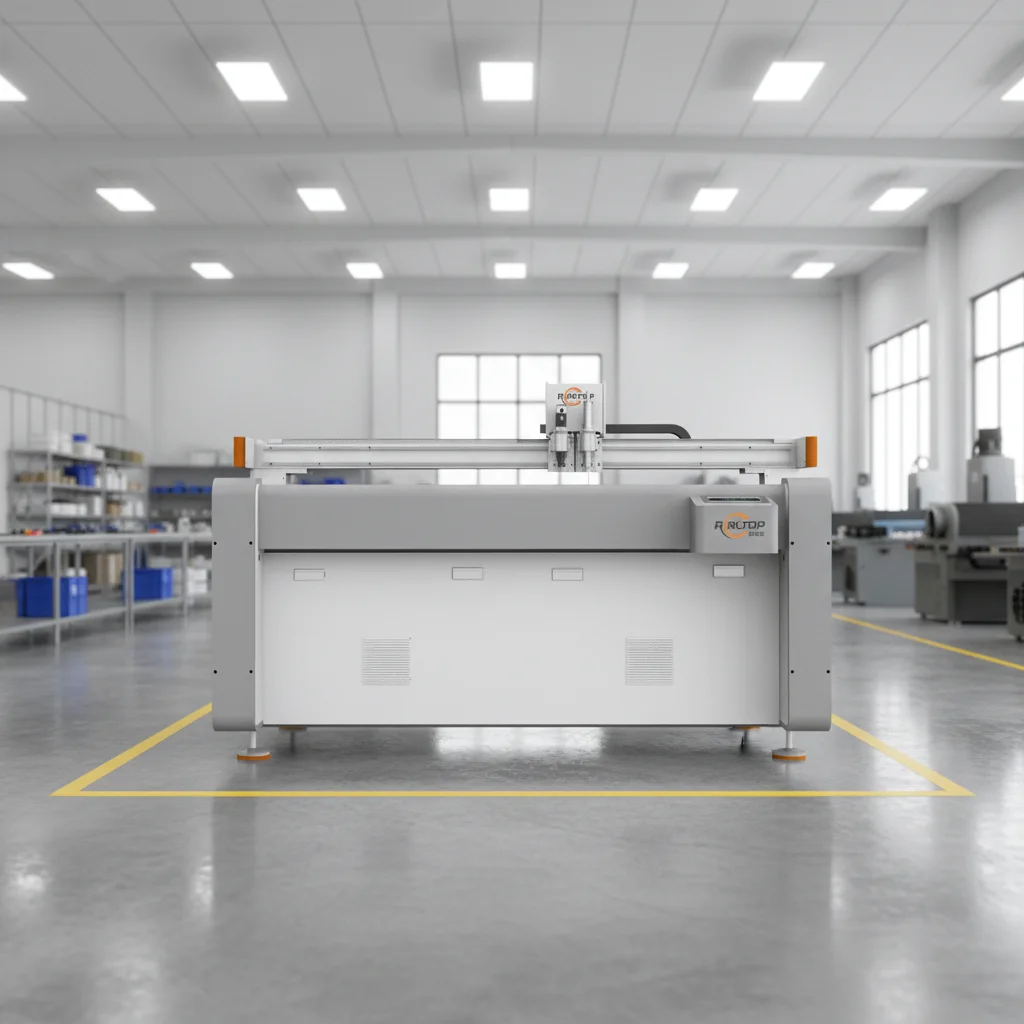
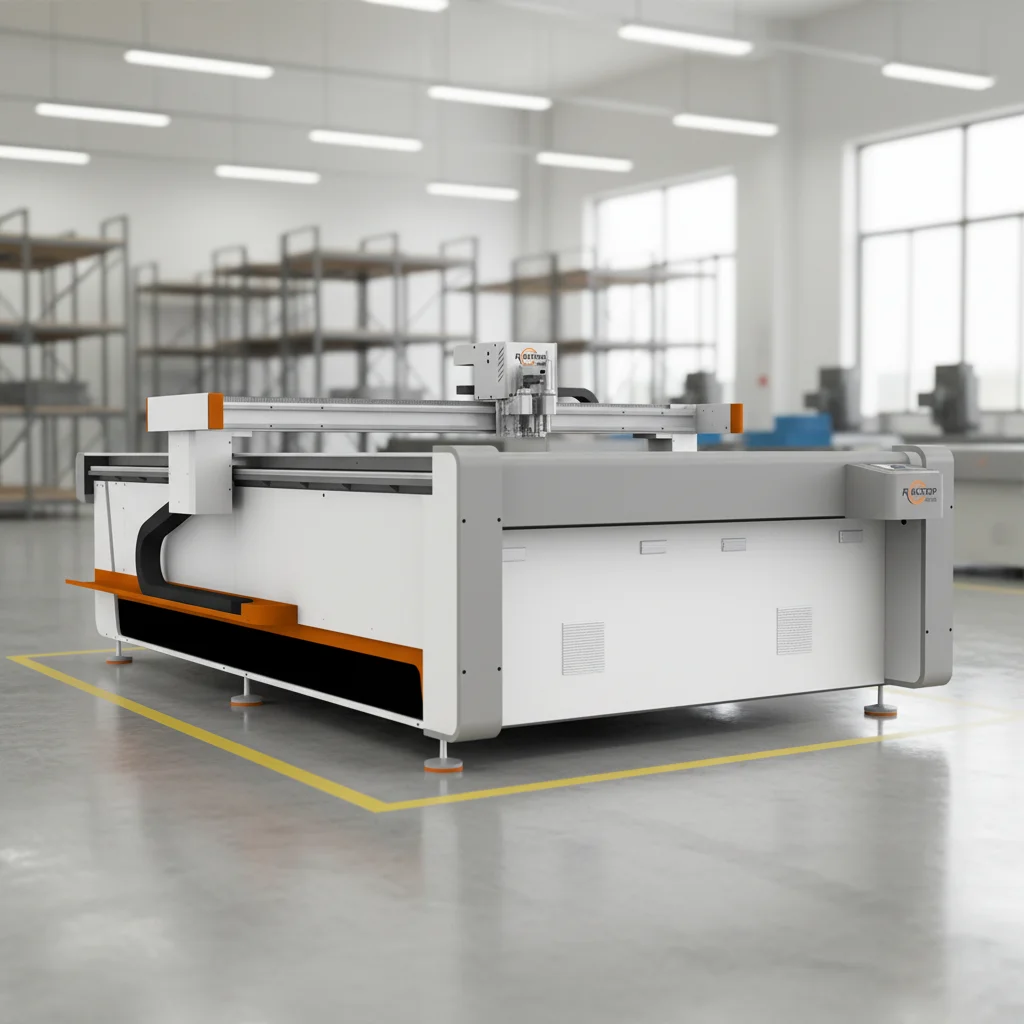
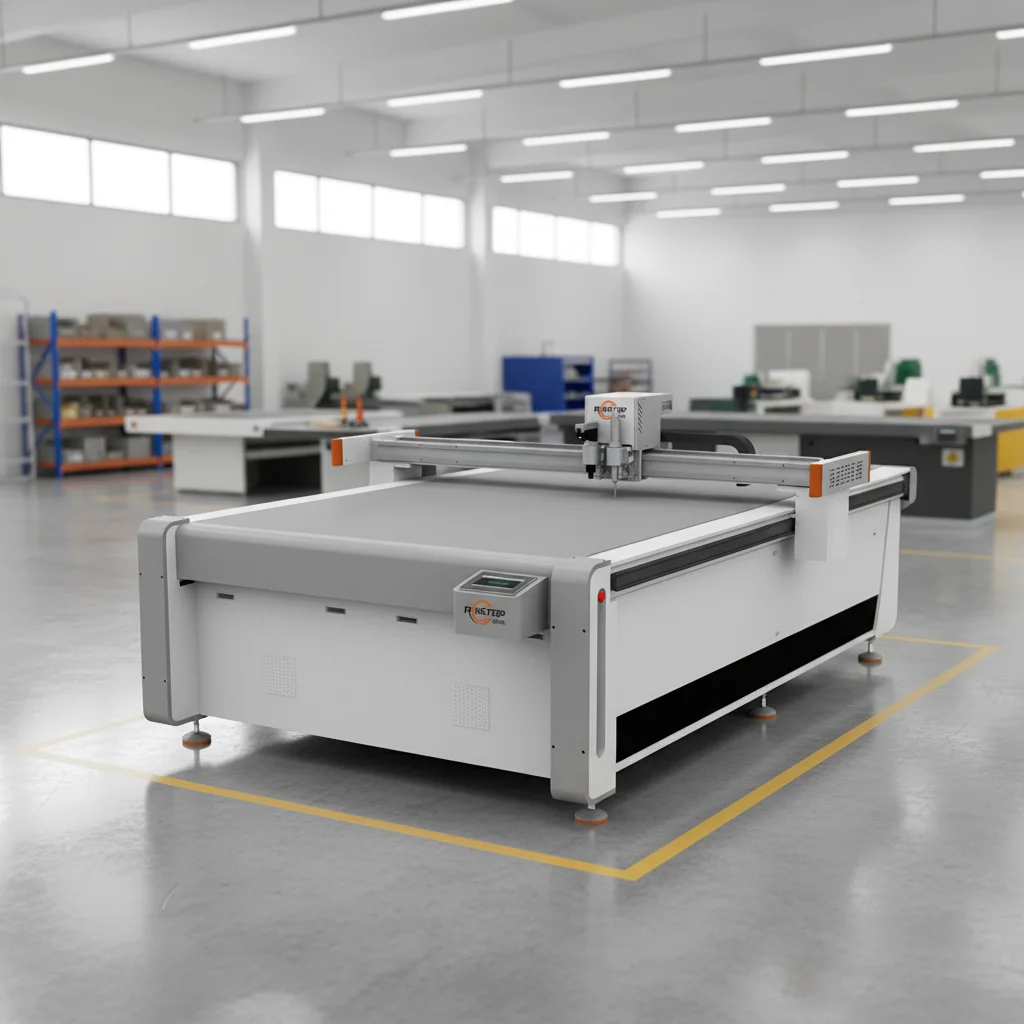
| Model | 1625(std.) |
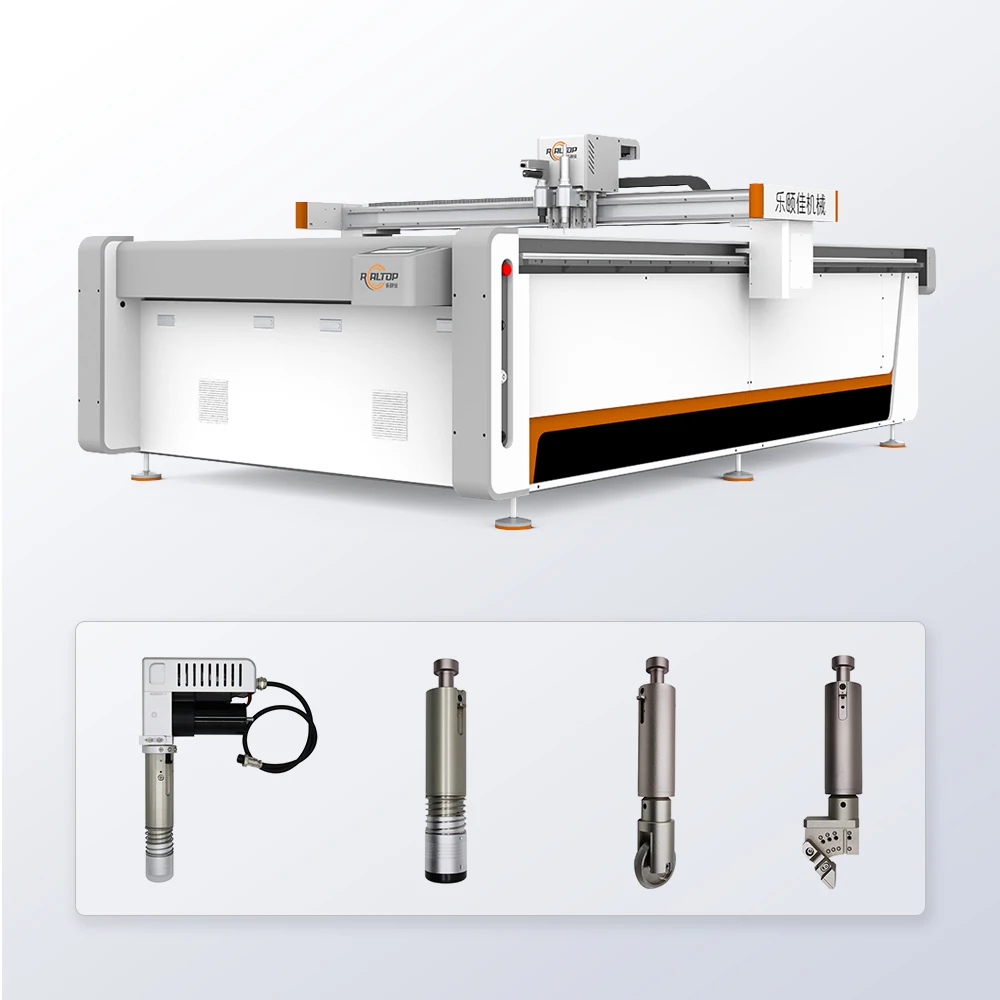
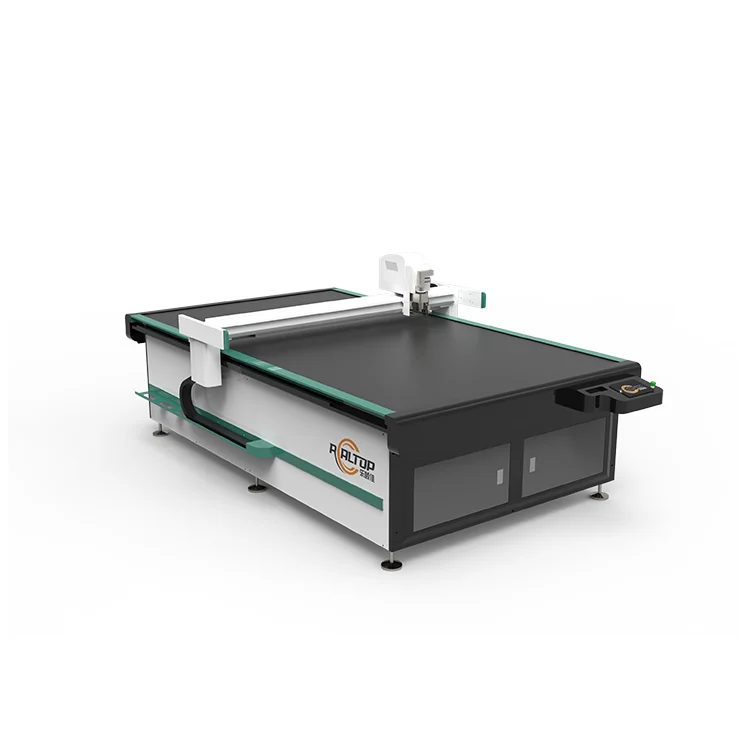
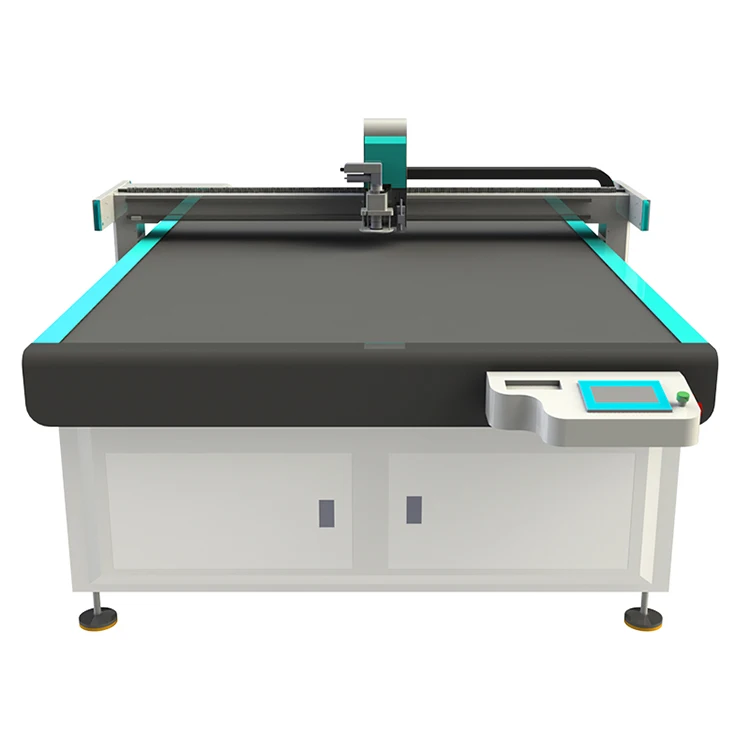
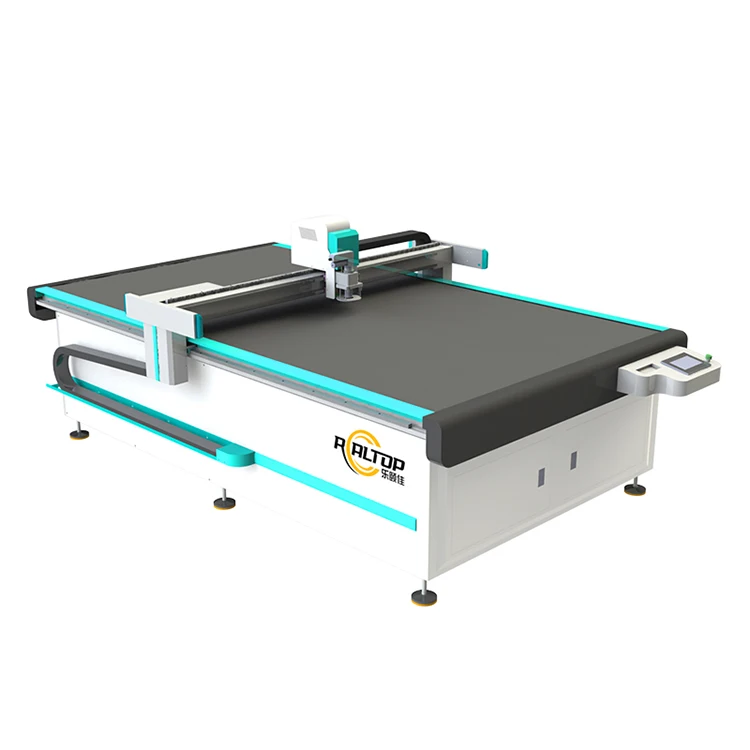
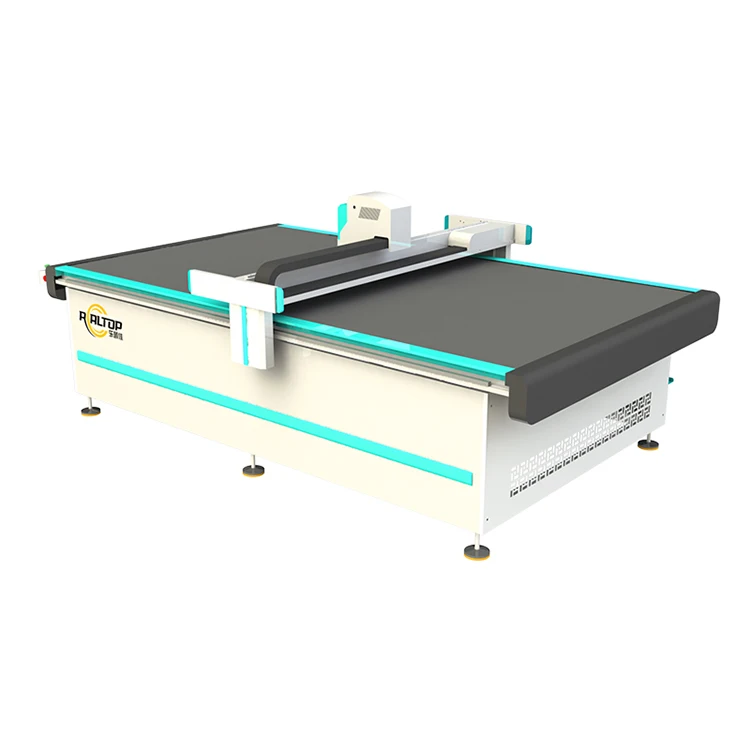
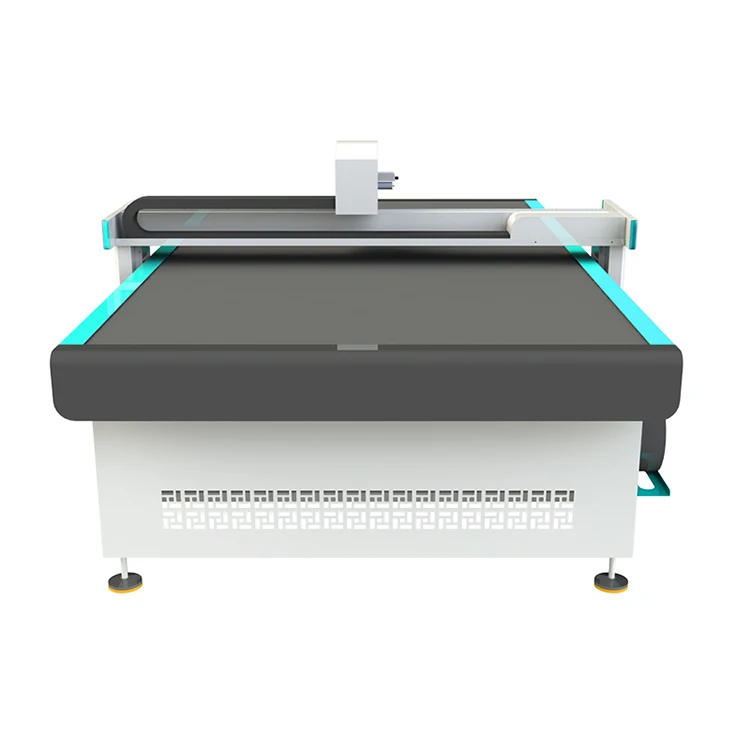
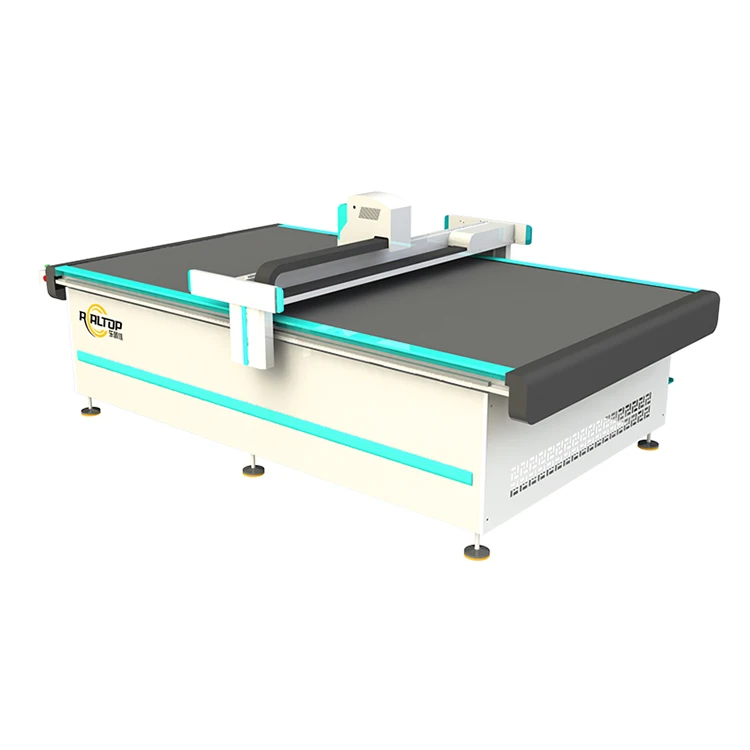
| Product Type | CNC Oscillating Knife Cutting Machine |
| Working Area | 1600 × 2500 mm |
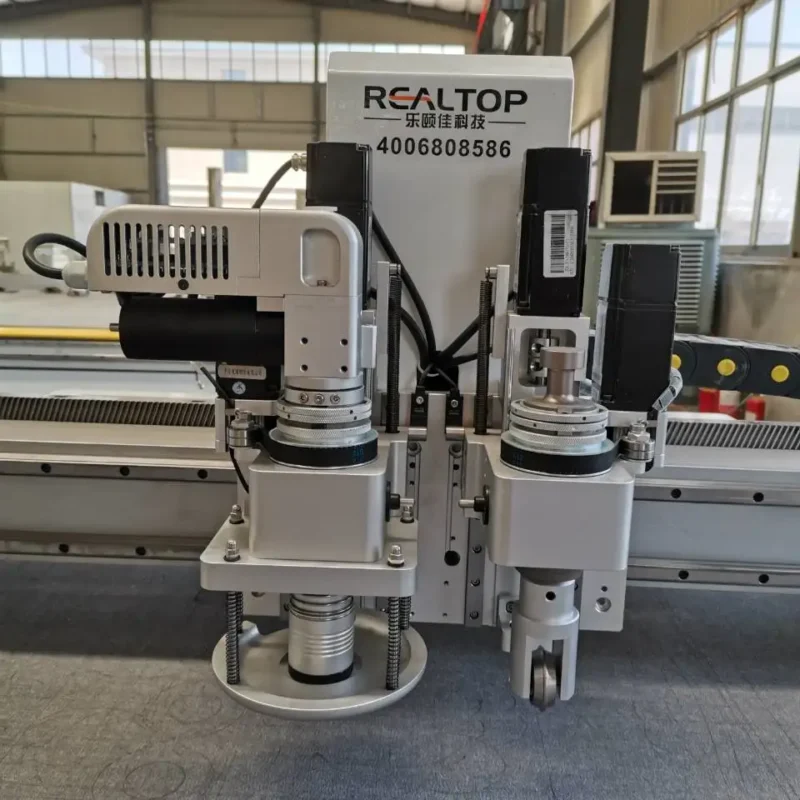
| Tool Head Options | Oscillating knife, Driven rotary knife, Creasing wheel, Kiss cutting tool, Pneumatic knife, Milling tool, V-groove knife |
| Cutting Speed | 0–1500 mm/s |
| Cutting Thickness | ≤ 40 mm (basis not stated in source — confirm material type / density) |
| Cutting Accuracy | ±0.1 mm |
| Vacuum Pump | 9 kW |
| Vacuum Table | Aluminum bellows vacuum table |
| Machine Frame | Heavy-duty frame with precision-ground surface |
| Control System | PLC control panel |
| Voltage Options | 110V, 220V, 380V (frequency to be confirmed by market) |
| Servo Motor Options | Panasonic, Delta, Dorna (source value — verify against manufacturer catalog) |
| Supported File Formats | PLT, DXF, AI, PDF |
| Display Language | English, Russian, Italian, Chinese (custom languages available) |
| Safety Devices | Infrared sensor, emergency stop |
| Machine Size | 3300 × 2100 × 1350 mm |
| Standards | CE (inferred from product images, verify with manufacturer) |
Application Suitability
| Application | Material or Output |
|---|---|
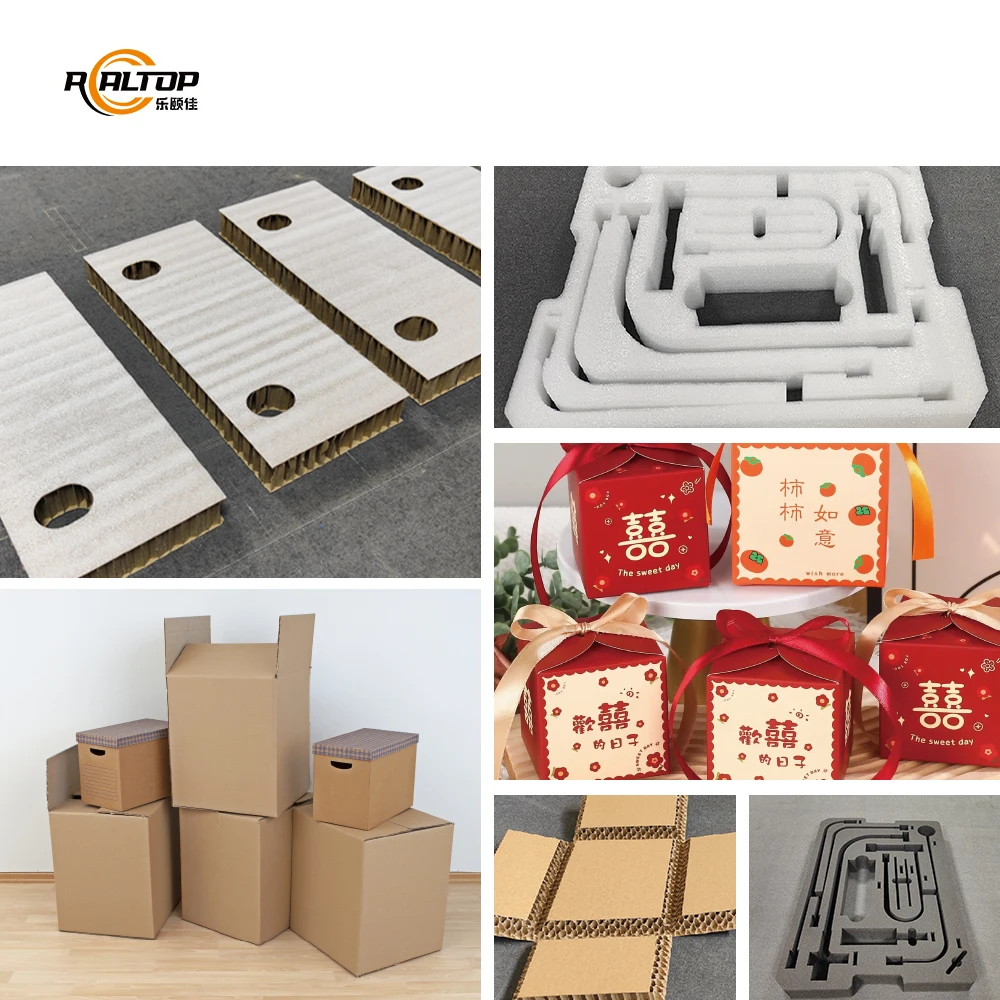
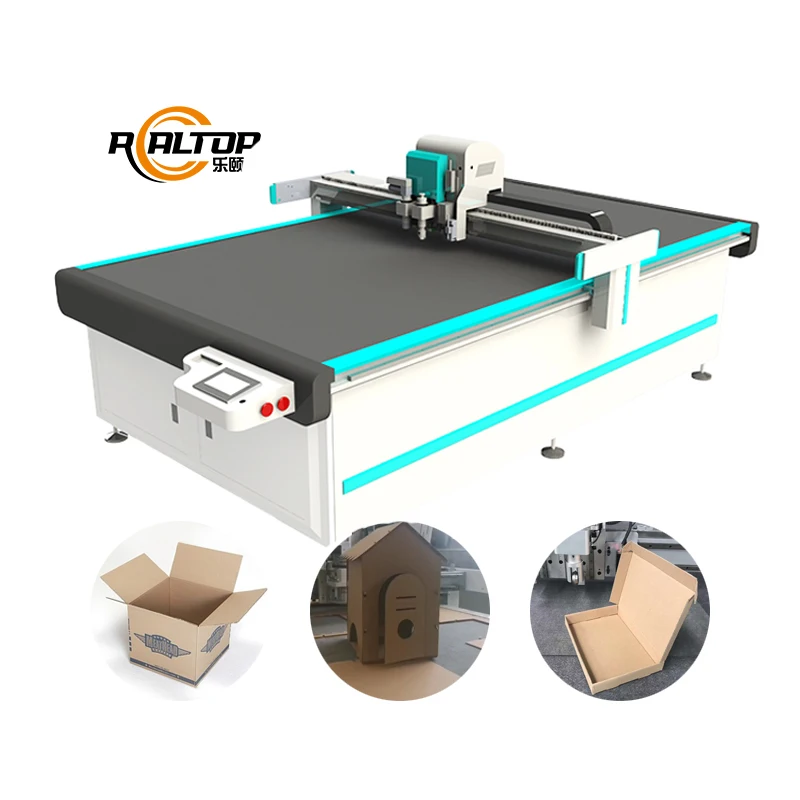
| Corrugated carton sample making | E-flute, B-flute, BC-flute corrugated board |
| Greyboard and cardstock packaging | Greyboard, cardstock, art paper, specialty paper |
| Foam packaging inserts | EVA foam, EPE foam, PU foam |
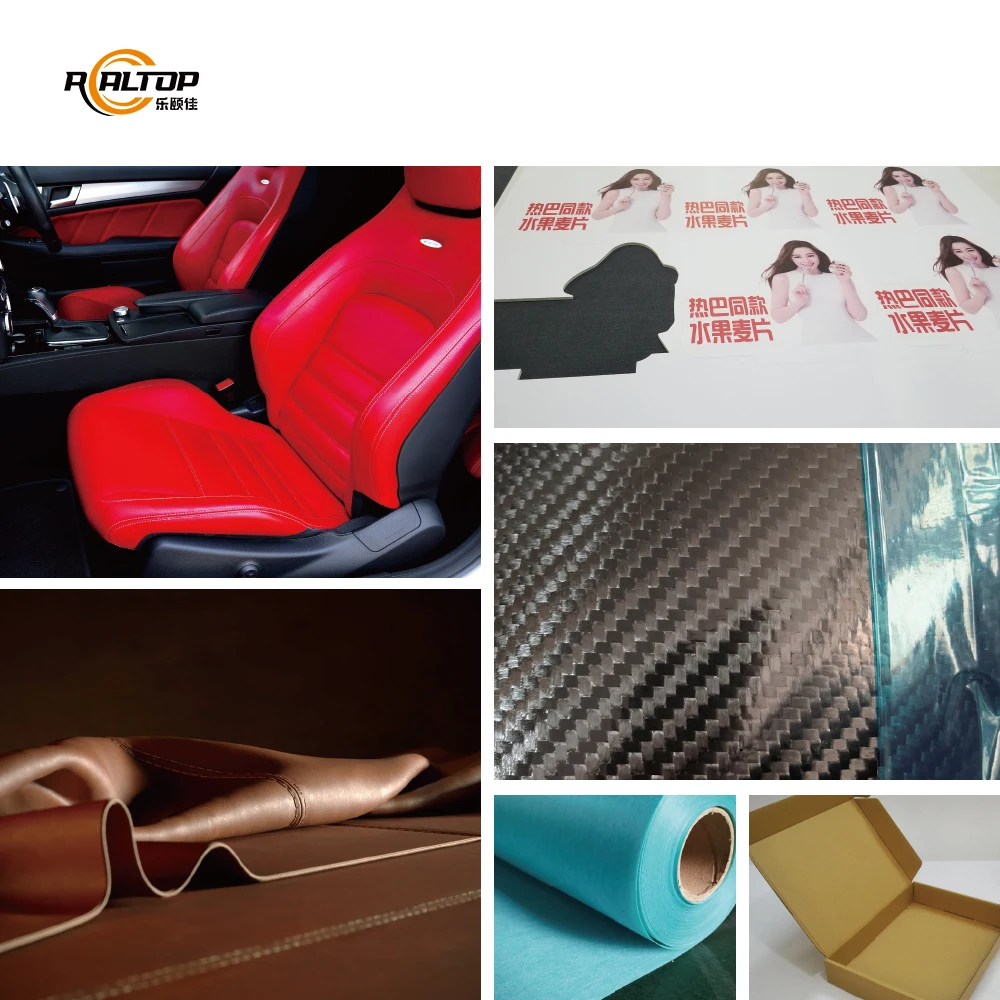
| Soft material gaskets and pads | Rubber mats, velvet, fleece, non-woven fabric |
| Thin plastic packaging components | PVC sheets, PET sheets |
| Leather goods and synthetic panels | Natural leather, synthetic leather |
| Composite material blanks | Adhesive-backed composites, layered materials |
Why Working Area Alone Is a Trap for Packaging Buyers
A CNC flatbed digital cutting table for sale specified only on bed size will leave you with ragged edges, crushed flute walls, or material lifting mid-cut if the tool head and vacuum zoning are not matched to your actual stock.
Cutting capacity depends on flute type, board density, and tool configuration — not just the 1600 × 2500 mm work envelope.
I delivered a unit to a Mexican carton plant a few years back. The trial ran perfectly on our standard single-wall corrugated sample. When the machine arrived and the plant loaded their high-density double-wall board, the oscillating knife could not cut through cleanly. The edges fuzzed, the creasing wheel skipped, and their first production run was scrapped. Since that job, every order we ship includes a sample cutting report run on the buyer’s own material. A machine with the right working area but the wrong tool head costs more in wasted stock than the price difference between configurations [NEED_CITE: corrugated board flute types and knife cutting parameters].
Knife Versus Laser: Picking the Right Method for Board
Corrugated board and specialty paper respond differently to oscillating knife versus CO2 laser. Knife cutting produces no burn marks, no smoke, and no sealed edge — important when the finished carton must be glued or printed downstream. Laser cutting seals the edge on synthetics but chars paper-based stock, which disqualifies it for most food-grade and cosmetics packaging. The 1625 platform is available with a full oscillating and rotary knife tool set, so packaging producers running corrugated, greyboard, and cardstock stay on knife and reserve laser for acrylic or wood applications on separate lines. This division matters when a single factory runs mixed material orders and needs a CNC oscillating knife cutting machine manufacturer who can advise on the boundary between the two methods.
How Flute Type Changes the Tool Head Decision
E-flute board is thin and dense, demanding a high-frequency oscillating knife with a sharp blade angle to slice through without compressing the flutes. B-flute is thicker and more forgiving, but BC-flute double-wall requires enough down*iven rotary knife handles long, continuous cuts on thin corrugated, while the pneumatic knife tackles the densest grades where standard oscillation stalls. Creasing wheels and V-groove tools then fold the cut blank into a carton without cracking the outer liner. Selecting the wrong combination means either multiple passes — which slows throughput and shifts registration — or a single pass that tears rather than cuts [NEED_CITE: tool head selection by corrugated flute profile].
Reading the Spec Sheet for Production Reality
Cutting speed is rated at 0–1500 mm/s, but the usable speed on your line depends on the board’s flute count and the geometry of the carton dieline — tight radii on small flap corners force the head to decelerate regardless of the motor’s maximum travel rate. The ±0.1 mm cutting accuracy ensures that crease lines land within tolerance for automated folding and gluing downstream, which matters when registration drift causes carton jamming on the packing line. The 9 kW vacuum pump paired with the aluminum bellows table generates consistent hold-down across the full 1600 × 2500 mm surface, preventing the board from lifting on small cut pieces where insufficient suction would let the material drift into the blade path. File format support for PLT, DXF, AI, and PDF means the nesting layout from your existing packaging box structure design software transfers without an intermediate conversion step that can corrupt dieline dimensions.
The Hidden Cost of Skipping Material-Specific Configuration
Buying on price and bed size without a sample cutting report leads to three predictable failures. First, the vacuum table holds large sheets but small cut pieces lift and get dragged across the surface, scoring the aluminum and ruining subsequent jobs. Second, the oscillating knife motor overheats when forced to cut double-wall BC-flute at production speed because the downforce exceeds the head’s rated stroke, leading to premature bearing wear. Third, the PLC control panel displays in a language the operators cannot read, so parameter adjustments for different flute types are guessed rather than set — and guessed parameters compound into scrap throughout the shift [NEED_CITE: vacuum table zoning and small-part hold-down in flatbed cutting].
Why Source This Range Here
In-house engineering covers both oscillating knife and laser cutting, so packaging buyers get a method recommendation based on their actual material rather than a one-size pitch. Every tool head — oscillating, rotary, creasing, pneumatic, milling, V-groove — is specified against the buyer’s flute type and board density before the order is confirmed. Sample cutting runs on the buyer’s own corrugated stock produce a documented report showing edge quality, cut-through depth, and achievable speed before the machine enters production. The dedicated packaging box structure design software and file format compatibility are verified with the buyer’s existing dieline library to prevent import failures. Voltage, plug type, and PLC display language are locked in during the specification phase, so the machine arrives wired and configured for the destination facility. The heavy-duty frame with precision-ground surface and aluminum bellows vacuum table are built to sustain flatness under continuous production cycles.
Documentation & Verification
- Machine specification sheet listing each tool head matched to your flute profile and board density
- Electrical schematic confirming voltage, frequency, and plug type for your facility
- Sample cutting report on your actual corrugated or foam material before shipment authorization
- Software license and file format compatibility note for your PLT, DXF, AI, or PDF workflow
- Factory test record documenting cutting accuracy and vacuum hold-down at rated speed
- Operation and maintenance manual in your chosen display language with spare parts list
Installation, Commissioning & Support
- Level concrete floor required to maintain the aluminum bellows vacuum table flatness across the 3300 × 2100 mm footprint
- Dedicated circuit matching confirmed voltage (110V, 220V, or 380V) and the 9 kW vacuum pump draw
- Machine arrives on a flatbed; frame and table assemble on-site with precision-ground surface alignment
- First-run commissioning includes dieline cutting on your stock with parameter logging for each flute type
- Operator training covers tool head changeover between oscillating, creasing, and pneumatic knife for mixed runs
- Spare blades, creasing wheels, and vacuum seals included with recommended replacement intervals
What We Need to Specify Your Configuration
To recommend the correct tool head set and vacuum zoning, share the corrugated flute types you run daily, the board density and maximum thickness, and the typical dieline dimensions. Include your facility voltage and frequency, the PLC display language your operators require, and the file formats your packaging design team currently outputs. If you have an existing nesting workflow or box structure software, send a sample file so we can verify compatibility before quotation.
Frequently Asked Questions
Q: Should I choose knife cutting or laser for corrugated carton production?
A: Knife cutting is standard for corrugated board because it leaves no burn marks, produces no fumes, and does not seal the edge — all critical when the carton must be glued downstream. Laser cutting chars paper-based stock and is better reserved for acrylic, wood, or synthetic textile applications. The choice depends on your primary material, not the machine’s capability.
Q: Why does cutting thickness matter more than working area when specifying a machine?
A: A large working area does not guarantee the machine can cut your board in a single pass. Double-wall BC-flute requires more downforce and a different knife stroke than single-wall E-flute. If the tool head is not matched to your flute type, the machine will need multiple passes or produce ragged edges regardless of bed size.
Q: How do you confirm the tool head before I commit to the order?
A: We run a sample cutting test on your actual corrugated or foam material and provide a report showing edge quality, cut depth, and achievable speed. This report documents which tool head — oscillating, rotary, pneumatic, or creasing — was used and the parameters set, so you approve the configuration before production begins.
Q: What if my facility voltage does not match the standard options?
A: Voltage is confirmed during the specification phase, not at shipment. We provide an electrical schematic listing the motor, vacuum pump, and control circuit requirements for your facility. Frequency must also match; a 60 Hz motor on a 50 Hz supply will run at the wrong speed and overheat within the first production shift.
Q: Will your packaging software import my existing dieline files?
A: The dedicated packaging box structure design software supports PLT, DXF, AI, and PDF imports. Before the order is finalized, we request a sample file from your current design library and run it through the nesting workflow to confirm that dimensions, crease lines, and cut layers transfer without conversion errors.
Full Material Range Matching — In-house design covering both knife and laser cutting technologies lets packaging producers match the cutting method to material and volume rather than forcing one method across every job.
Technical Specifications
| Parameter | Value |
|---|---|
| Model | 1625(std.) |
| Product Type | CNC Oscillating Knife Cutting Machine |
| Working Area | 1600 × 2500 mm |
| Tool Head Options | Oscillating knife, Driven rotary knife, Creasing wheel, Kiss cutting tool, Pneumatic knife, Milling tool, V-groove knife |
| Cutting Speed | 0–1500 mm/s |
| Cutting Thickness | ≤ 40 mm (basis not stated in source — confirm material type / density) |
| Cutting Accuracy | ±0.1 mm |
| Vacuum Pump | 9 kW |
| Vacuum Table | Aluminum bellows vacuum table |
| Machine Frame | Heavy-duty frame with precision-ground surface |
| Control System | PLC control panel |
| Voltage Options | 110V, 220V, 380V (frequency to be confirmed by market) |
| Servo Motor Options | Panasonic, Delta, Dorna (source value — verify against manufacturer catalog) |
| Supported File Formats | PLT, DXF, AI, PDF |
| Display Language | English, Russian, Italian, Chinese (custom languages available) |
| Safety Devices | Infrared sensor, emergency stop |
| Machine Size | 3300 × 2100 × 1350 mm |
| Standards | CE (inferred from product images, verify with manufacturer) |
Application Suitability
| Application | Material or Output |
|---|---|
| Corrugated carton sample making | E-flute, B-flute, BC-flute corrugated board |
| Greyboard and cardstock packaging | Greyboard, cardstock, art paper, specialty paper |
| Foam packaging inserts | EVA foam, EPE foam, PU foam |
| Soft material gaskets and pads | Rubber mats, velvet, fleece, non-woven fabric |
| Thin plastic packaging components | PVC sheets, PET sheets |
| Leather goods and synthetic panels | Natural leather, synthetic leather |
| Composite material blanks | Adhesive-backed composites, layered materials |
Why Working Area Alone Is a Trap for Packaging Buyers
A CNC flatbed digital cutting table for sale specified only on bed size will leave you with ragged edges, crushed flute walls, or material lifting mid-cut if the tool head and vacuum zoning are not matched to your actual stock.
Cutting capacity depends on flute type, board density, and tool configuration — not just the 1600 × 2500 mm work envelope.
I delivered a unit to a Mexican carton plant a few years back. The trial ran perfectly on our standard single-wall corrugated sample. When the machine arrived and the plant loaded their high-density double-wall board, the oscillating knife could not cut through cleanly. The edges fuzzed, the creasing wheel skipped, and their first production run was scrapped. Since that job, every order we ship includes a sample cutting report run on the buyer’s own material. A machine with the right working area but the wrong tool head costs more in wasted stock than the price difference between configurations [NEED_CITE: corrugated board flute types and knife cutting parameters].
Knife Versus Laser: Picking the Right Method for Board
Corrugated board and specialty paper respond differently to oscillating knife versus CO2 laser. Knife cutting produces no burn marks, no smoke, and no sealed edge — important when the finished carton must be glued or printed downstream. Laser cutting seals the edge on synthetics but chars paper-based stock, which disqualifies it for most food-grade and cosmetics packaging. The 1625 platform is available with a full oscillating and rotary knife tool set, so packaging producers running corrugated, greyboard, and cardstock stay on knife and reserve laser for acrylic or wood applications on separate lines. This division matters when a single factory runs mixed material orders and needs a CNC oscillating knife cutting machine manufacturer who can advise on the boundary between the two methods.
How Flute Type Changes the Tool Head Decision
E-flute board is thin and dense, demanding a high-frequency oscillating knife with a sharp blade angle to slice through without compressing the flutes. B-flute is thicker and more forgiving, but BC-flute double-wall requires enough down*iven rotary knife handles long, continuous cuts on thin corrugated, while the pneumatic knife tackles the densest grades where standard oscillation stalls. Creasing wheels and V-groove tools then fold the cut blank into a carton without cracking the outer liner. Selecting the wrong combination means either multiple passes — which slows throughput and shifts registration — or a single pass that tears rather than cuts [NEED_CITE: tool head selection by corrugated flute profile].
Reading the Spec Sheet for Production Reality
Cutting speed is rated at 0–1500 mm/s, but the usable speed on your line depends on the board’s flute count and the geometry of the carton dieline — tight radii on small flap corners force the head to decelerate regardless of the motor’s maximum travel rate. The ±0.1 mm cutting accuracy ensures that crease lines land within tolerance for automated folding and gluing downstream, which matters when registration drift causes carton jamming on the packing line. The 9 kW vacuum pump paired with the aluminum bellows table generates consistent hold-down across the full 1600 × 2500 mm surface, preventing the board from lifting on small cut pieces where insufficient suction would let the material drift into the blade path. File format support for PLT, DXF, AI, and PDF means the nesting layout from your existing packaging box structure design software transfers without an intermediate conversion step that can corrupt dieline dimensions.
The Hidden Cost of Skipping Material-Specific Configuration
Buying on price and bed size without a sample cutting report leads to three predictable failures. First, the vacuum table holds large sheets but small cut pieces lift and get dragged across the surface, scoring the aluminum and ruining subsequent jobs. Second, the oscillating knife motor overheats when forced to cut double-wall BC-flute at production speed because the downforce exceeds the head’s rated stroke, leading to premature bearing wear. Third, the PLC control panel displays in a language the operators cannot read, so parameter adjustments for different flute types are guessed rather than set — and guessed parameters compound into scrap throughout the shift [NEED_CITE: vacuum table zoning and small-part hold-down in flatbed cutting].
Why Source This Range Here
In-house engineering covers both oscillating knife and laser cutting, so packaging buyers get a method recommendation based on their actual material rather than a one-size pitch. Every tool head — oscillating, rotary, creasing, pneumatic, milling, V-groove — is specified against the buyer’s flute type and board density before the order is confirmed. Sample cutting runs on the buyer’s own corrugated stock produce a documented report showing edge quality, cut-through depth, and achievable speed before the machine enters production. The dedicated packaging box structure design software and file format compatibility are verified with the buyer’s existing dieline library to prevent import failures. Voltage, plug type, and PLC display language are locked in during the specification phase, so the machine arrives wired and configured for the destination facility. The heavy-duty frame with precision-ground surface and aluminum bellows vacuum table are built to sustain flatness under continuous production cycles.
Documentation & Verification
- Machine specification sheet listing each tool head matched to your flute profile and board density
- Electrical schematic confirming voltage, frequency, and plug type for your facility
- Sample cutting report on your actual corrugated or foam material before shipment authorization
- Software license and file format compatibility note for your PLT, DXF, AI, or PDF workflow
- Factory test record documenting cutting accuracy and vacuum hold-down at rated speed
- Operation and maintenance manual in your chosen display language with spare parts list
Installation, Commissioning & Support
- Level concrete floor required to maintain the aluminum bellows vacuum table flatness across the 3300 × 2100 mm footprint
- Dedicated circuit matching confirmed voltage (110V, 220V, or 380V) and the 9 kW vacuum pump draw
- Machine arrives on a flatbed; frame and table assemble on-site with precision-ground surface alignment
- First-run commissioning includes dieline cutting on your stock with parameter logging for each flute type
- Operator training covers tool head changeover between oscillating, creasing, and pneumatic knife for mixed runs
- Spare blades, creasing wheels, and vacuum seals included with recommended replacement intervals
What We Need to Specify Your Configuration
To recommend the correct tool head set and vacuum zoning, share the corrugated flute types you run daily, the board density and maximum thickness, and the typical dieline dimensions. Include your facility voltage and frequency, the PLC display language your operators require, and the file formats your packaging design team currently outputs. If you have an existing nesting workflow or box structure software, send a sample file so we can verify compatibility before quotation.
Frequently Asked Questions
Q: Should I choose knife cutting or laser for corrugated carton production?
A: Knife cutting is standard for corrugated board because it leaves no burn marks, produces no fumes, and does not seal the edge — all critical when the carton must be glued downstream. Laser cutting chars paper-based stock and is better reserved for acrylic, wood, or synthetic textile applications. The choice depends on your primary material, not the machine’s capability.
Q: Why does cutting thickness matter more than working area when specifying a machine?
A: A large working area does not guarantee the machine can cut your board in a single pass. Double-wall BC-flute requires more downforce and a different knife stroke than single-wall E-flute. If the tool head is not matched to your flute type, the machine will need multiple passes or produce ragged edges regardless of bed size.
Q: How do you confirm the tool head before I commit to the order?
A: We run a sample cutting test on your actual corrugated or foam material and provide a report showing edge quality, cut depth, and achievable speed. This report documents which tool head — oscillating, rotary, pneumatic, or creasing — was used and the parameters set, so you approve the configuration before production begins.
Q: What if my facility voltage does not match the standard options?
A: Voltage is confirmed during the specification phase, not at shipment. We provide an electrical schematic listing the motor, vacuum pump, and control circuit requirements for your facility. Frequency must also match; a 60 Hz motor on a 50 Hz supply will run at the wrong speed and overheat within the first production shift.
Q: Will your packaging software import my existing dieline files?
A: The dedicated packaging box structure design software supports PLT, DXF, AI, and PDF imports. Before the order is finalized, we request a sample file from your current design library and run it through the nesting workflow to confirm that dimensions, crease lines, and cut layers transfer without conversion errors.
商品评价
There are no reviews yet.